About This Edition: A clean, intermediate-level architectural guide covering all 14 Subsections and 52 Official Considerations of the Google Cloud Certified Professional Machine Learning Engineer curriculum, illustrated with Mermaid architecture blueprints and 104 custom-designed concept & architecture diagrams.
Chapter Plan at a Glance
Ch # | Chapter Title | Subsections | Considerations | Custom Diagrams | Core Focus |
|---|---|---|---|---|---|
00 | Overview | — | Mermaid | The Architectural Planes, plain-English guide to in-scope services, and the 10 Core Architectural Principles. | |
01 | 1.1, 1.2 | 9 | 18 | BigQuery ML ( ARIMA_PLUS, BOOSTED_TREE, ML.GENERATE_TEXT, remote Vertex models) vs. AutoML, Model Garden (Gemini, Gemma, Llama), RAG grounding (Vertex AI Search/Vector Search), and Document/Vision/Speech APIs. | |
02 | 2.1, 2.2, 2.3 | 10 | 20 | Handling class imbalance/missing data, Dataflow/TFTransform vs. BigQuery preprocessing, Sensitive Data Protection (DLP), Vertex AI Feature Store (offline/online parity), Workbench/Colab Enterprise, and Vertex ML Metadata. | |
03 | 3.1, 3.2, 3.3 | 12 | 24 | Explainable AI (Shapley/Integrated Gradients), custom training containers, Vertex AI Vizier hyperparameter tuning, LoRA/RLHF fine-tuning vs. RAG, CPU/GPU/TPU selection, and Data vs. Model Parallelism ( MultiWorkerMirroredStrategy, TPUStrategy). | |
04 | 4.1, 4.2 | 10 | 20 | Vertex AI Model Registry, canary traffic splitting, Online vs. Batch Prediction, Feature Store low-latency online serving (Bigtable vs. Optimized), PrivateServiceConnect endpoints, quantization, distillation, and vLLM/TensorRT-LLM. | |
05 | 5.1, 5.2 | 5 | 10 | Kubeflow Pipelines (KFP) vs. TFX vs. Cloud Composer, component caching/lineage, Ray on Vertex AI, Eventarc/Pub/Sub drift-triggered retraining, and CI/CD/CT automation with Cloud Build. | |
06 | 6.1, 6.2 | 6 | 12 | Model Armor prompt injection defense, fairness/bias auditing, Training-Serving Skew vs. Data/Concept Drift (feature attribution drift), Gen AI Evaluation Service autoraters, and training/serving OOM/latency debugging. | |
07 | All Sections | — | — | Side-by-side Look-Alike Tool Comparison Matrix, 5-Step Architecture Decision Checklist, and Top 25 Golden Rules. |
Detailed Table of Contents
Chapter 0: The PMLE Reference Stack & 10 Core Principles
- 0.1 The Master Architectural Map: All In-Scope Services of the PMLE Stack
- 0.2 The 10 Core Architectural Principles
Chapter 1: Architecting Low-Code AI Solutions: BigQuery ML, AutoML, Model Garden & Prebuilt AI APIs
- Subsection 1.1: Developing ML models using BigQuery ML or AutoML on Gemini Enterprise Agent Platform (Section 1: Architecting low-code AI solutions)
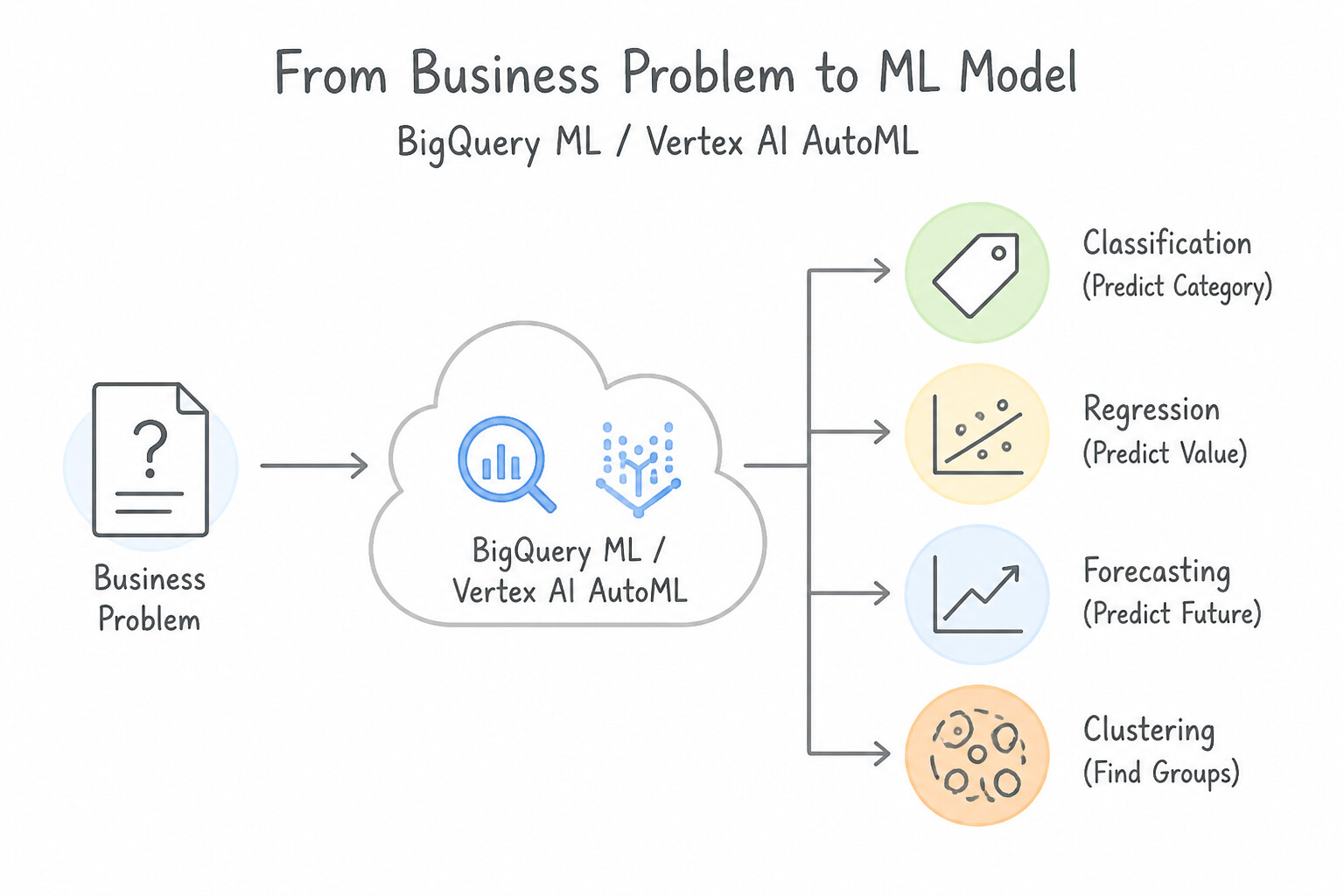
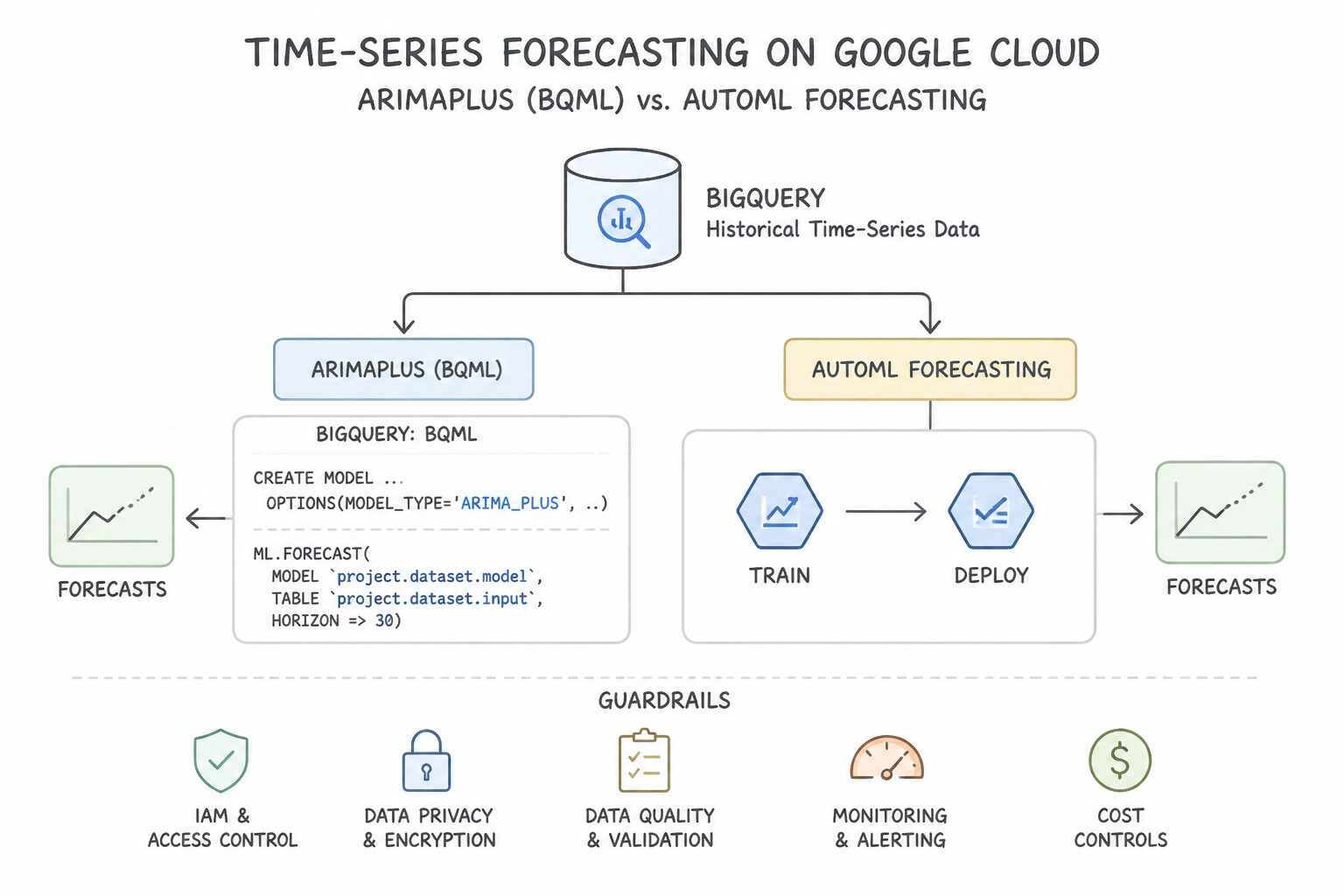
- Consideration 1.1a: Building models in BigQuery ML or Agent Platform AutoML (e.g., classification, regression, forecasting, and clustering) based on the business problem (Diagrams:
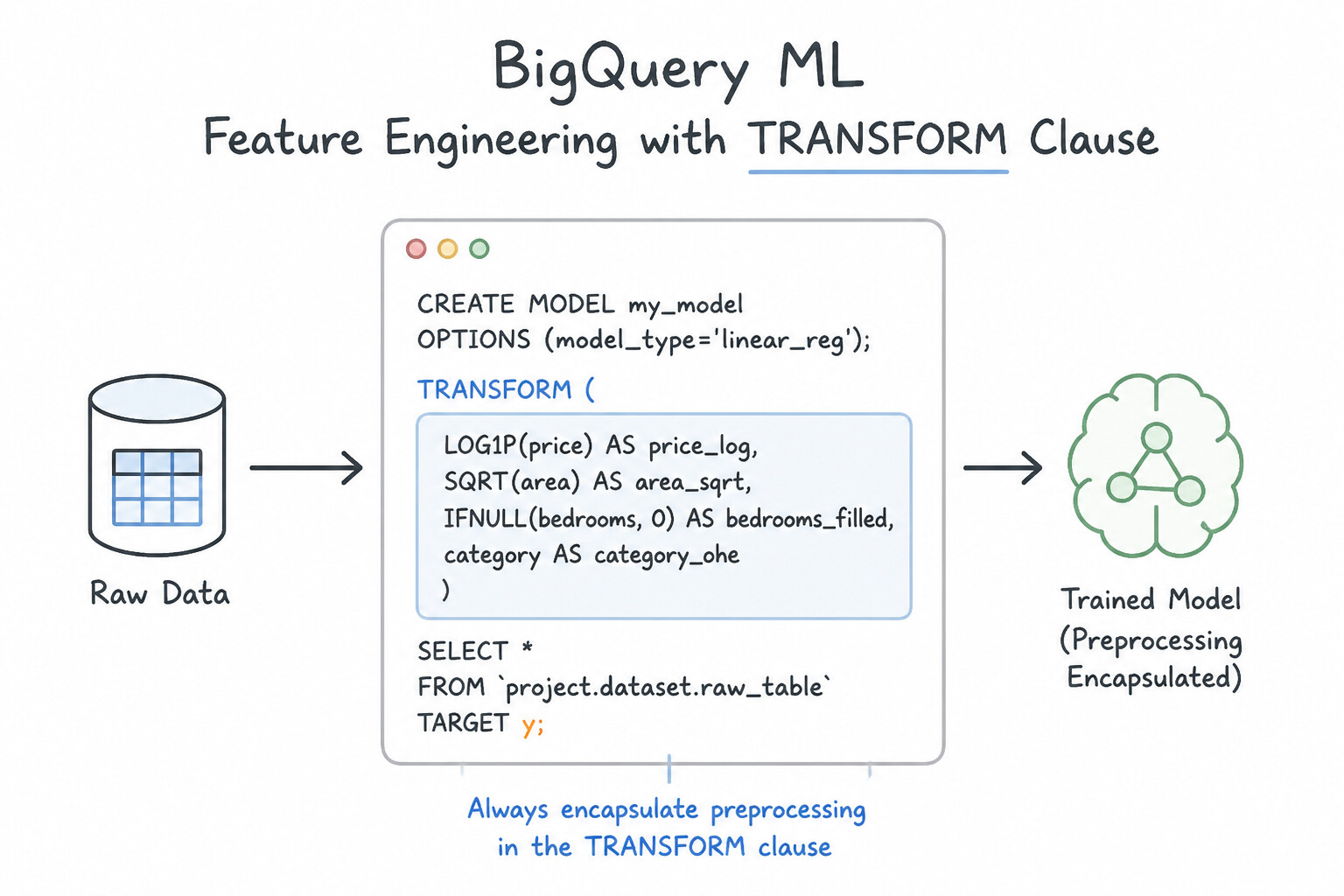
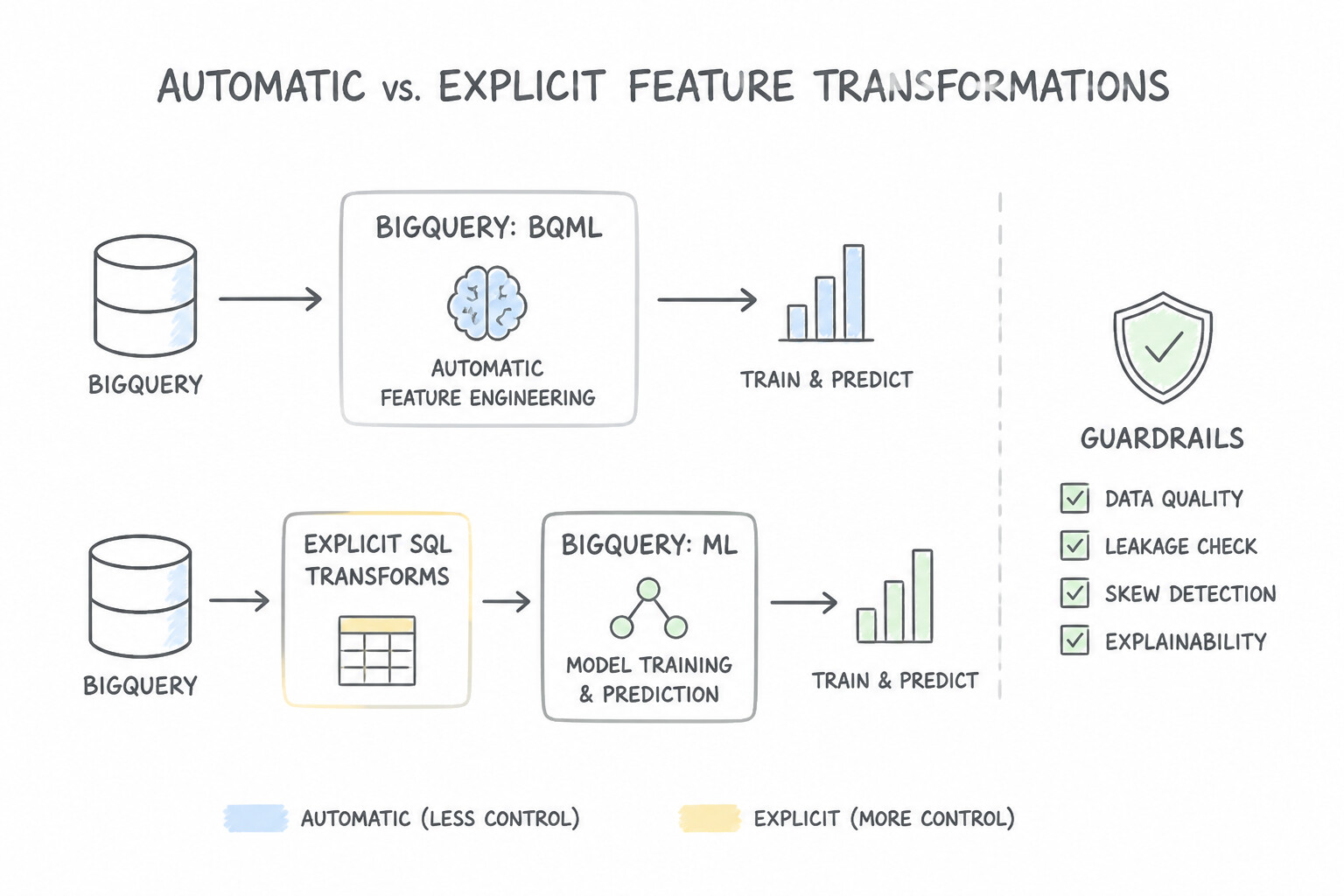
pmle-1.1a-1-supervised-tabular.jpg,pmle-1.1a-2-time-series-forecasting.jpg) - Consideration 1.1b: Performing feature engineering or selection using BigQuery ML (Diagrams:
pmle-1.1b-1-always-encapsulate.jpg,pmle-1.1b-2-automatic-vs-explicit.jpg) - Consideration 1.1c: Generating predictions using BigQuery ML (Diagrams:
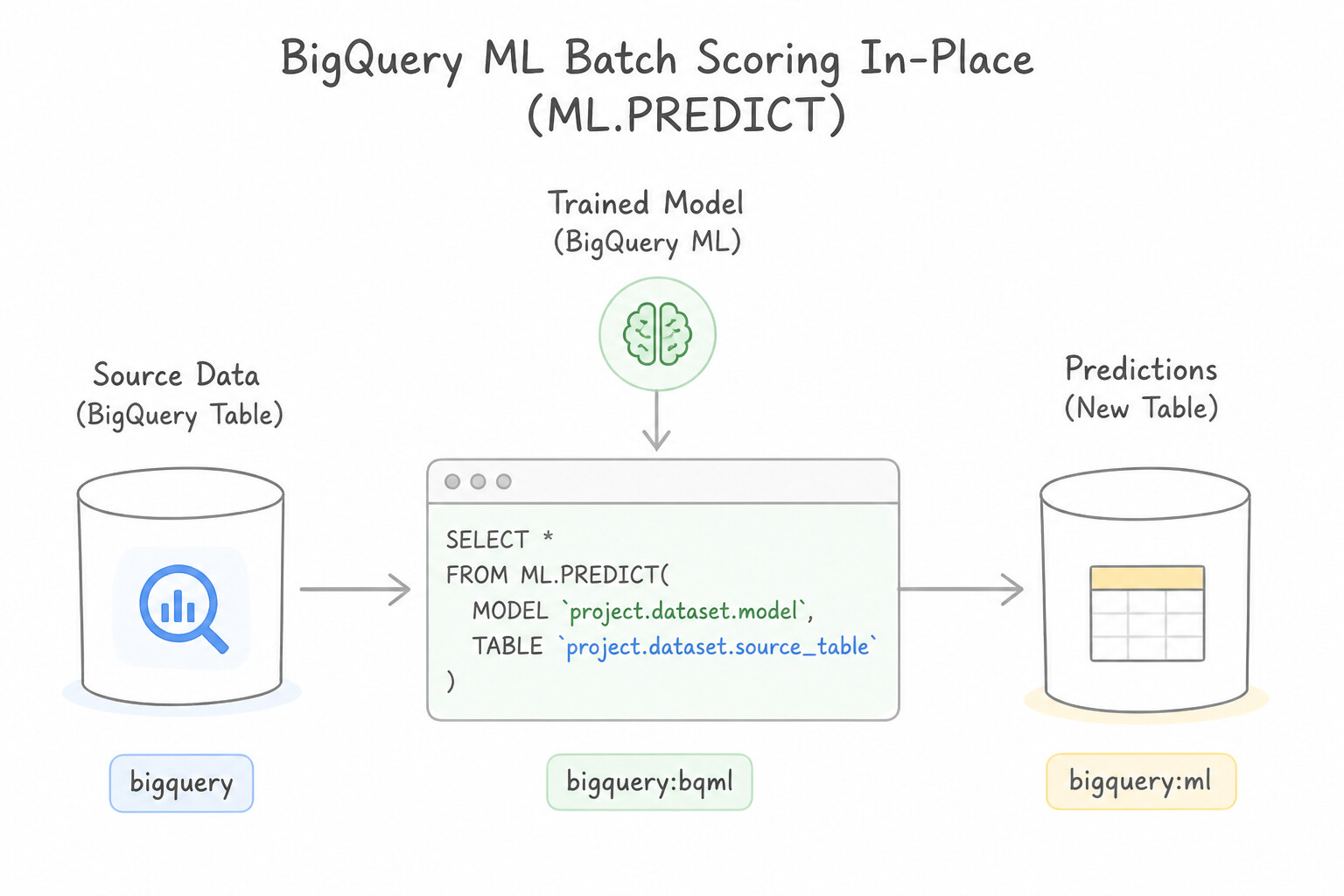
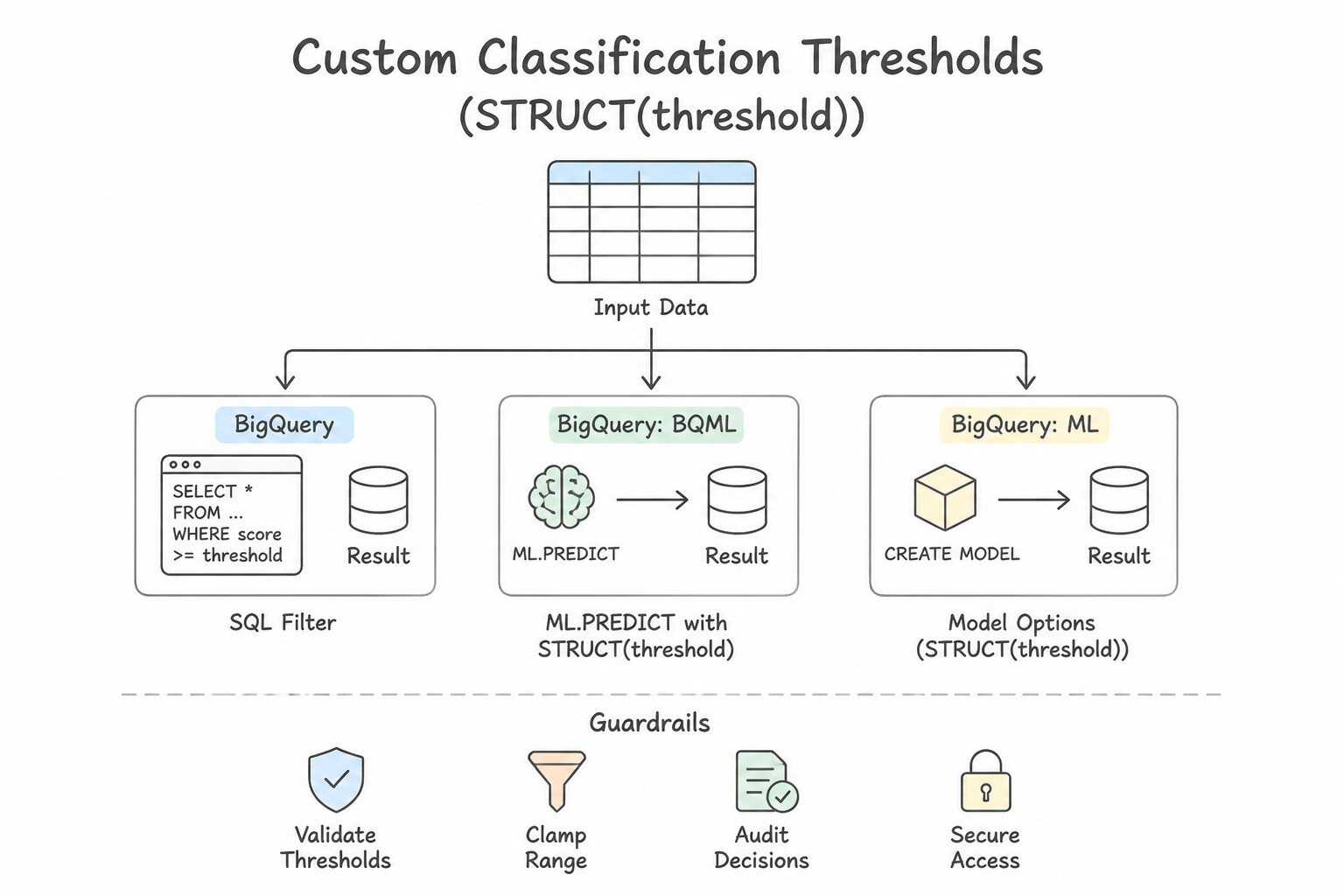
pmle-1.1c-1-batch-scoring-in-place.jpg,pmle-1.1c-2-custom-classification.jpg) - Consideration 1.1d: Training models using Agent Platform AutoML (Diagrams:
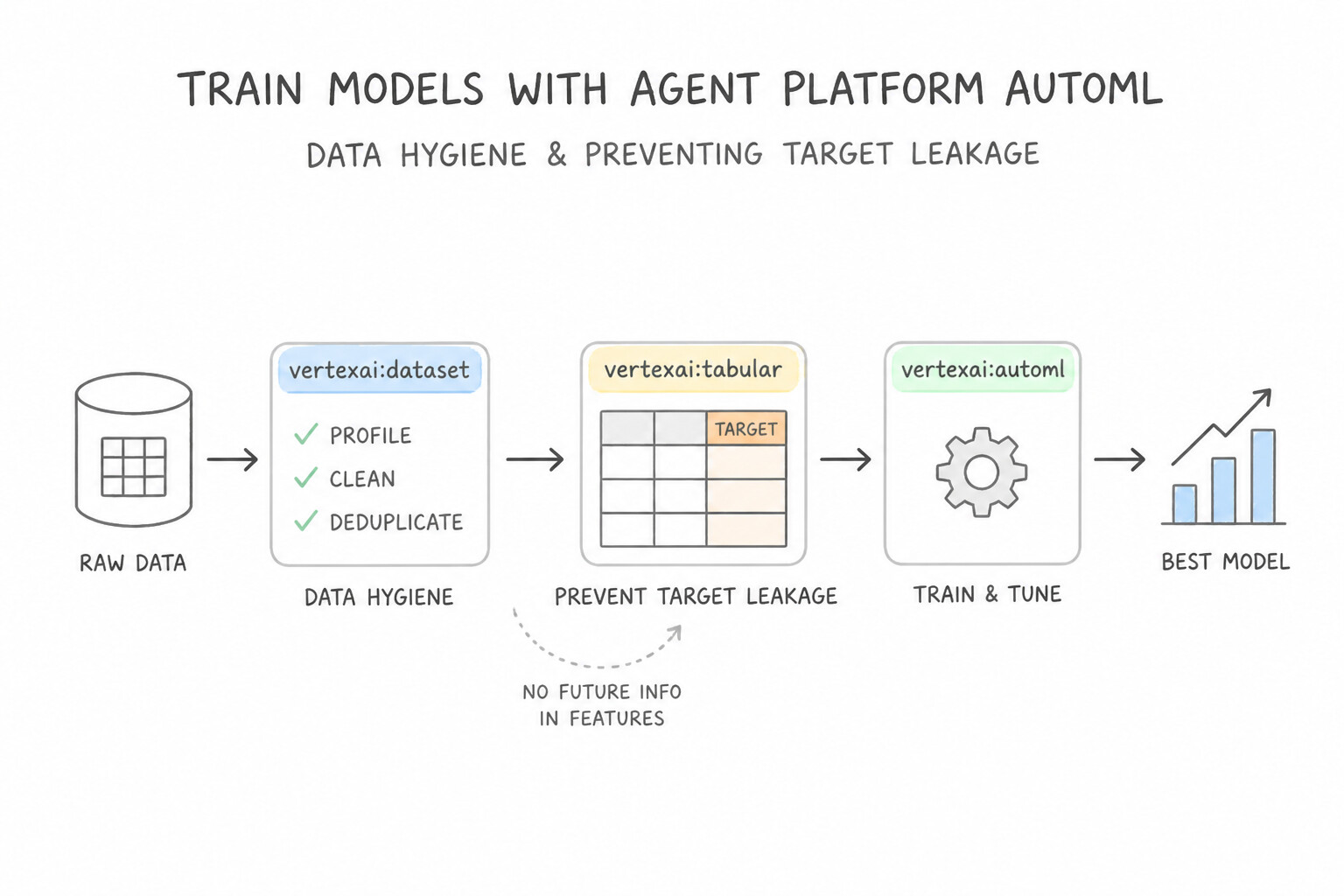
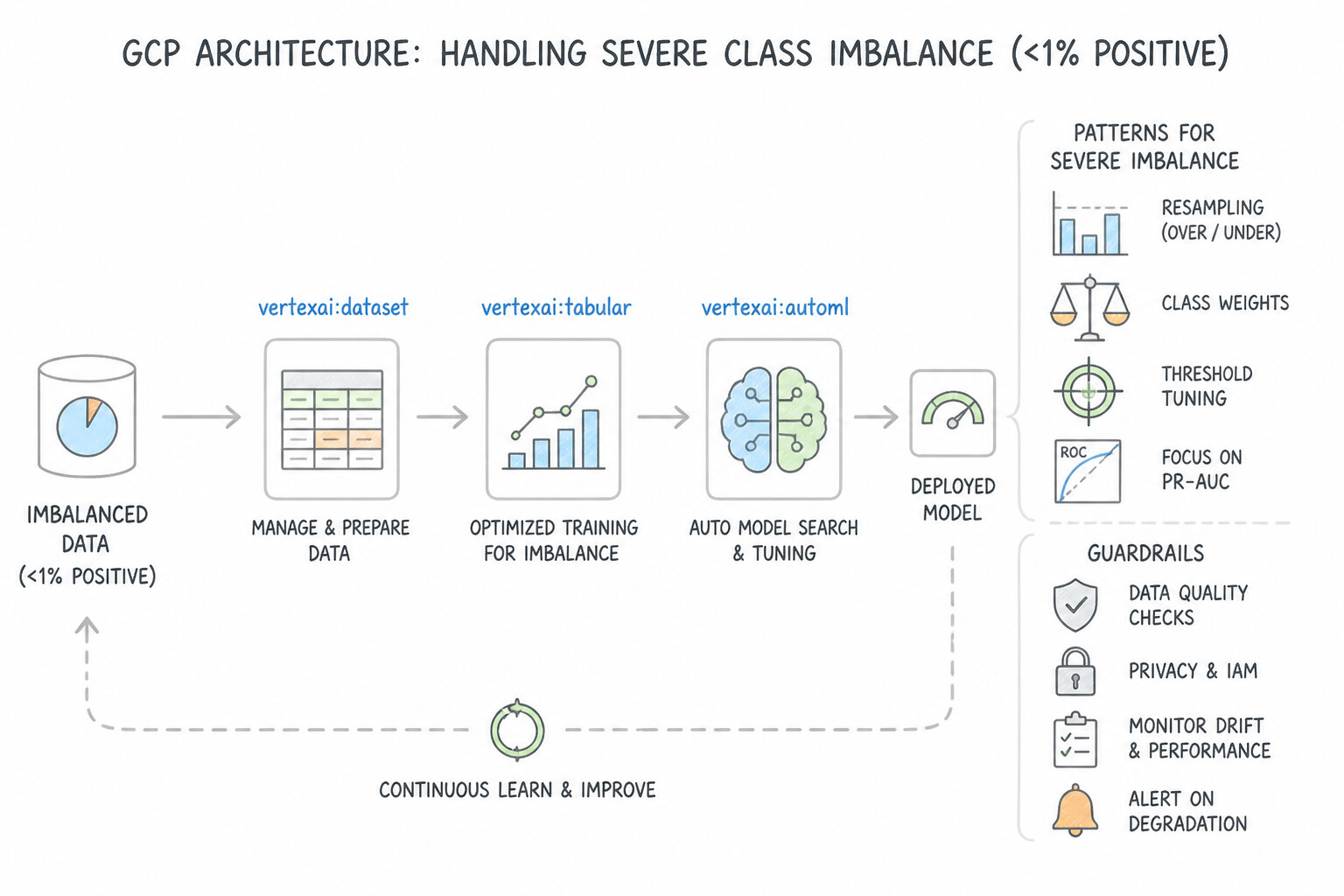
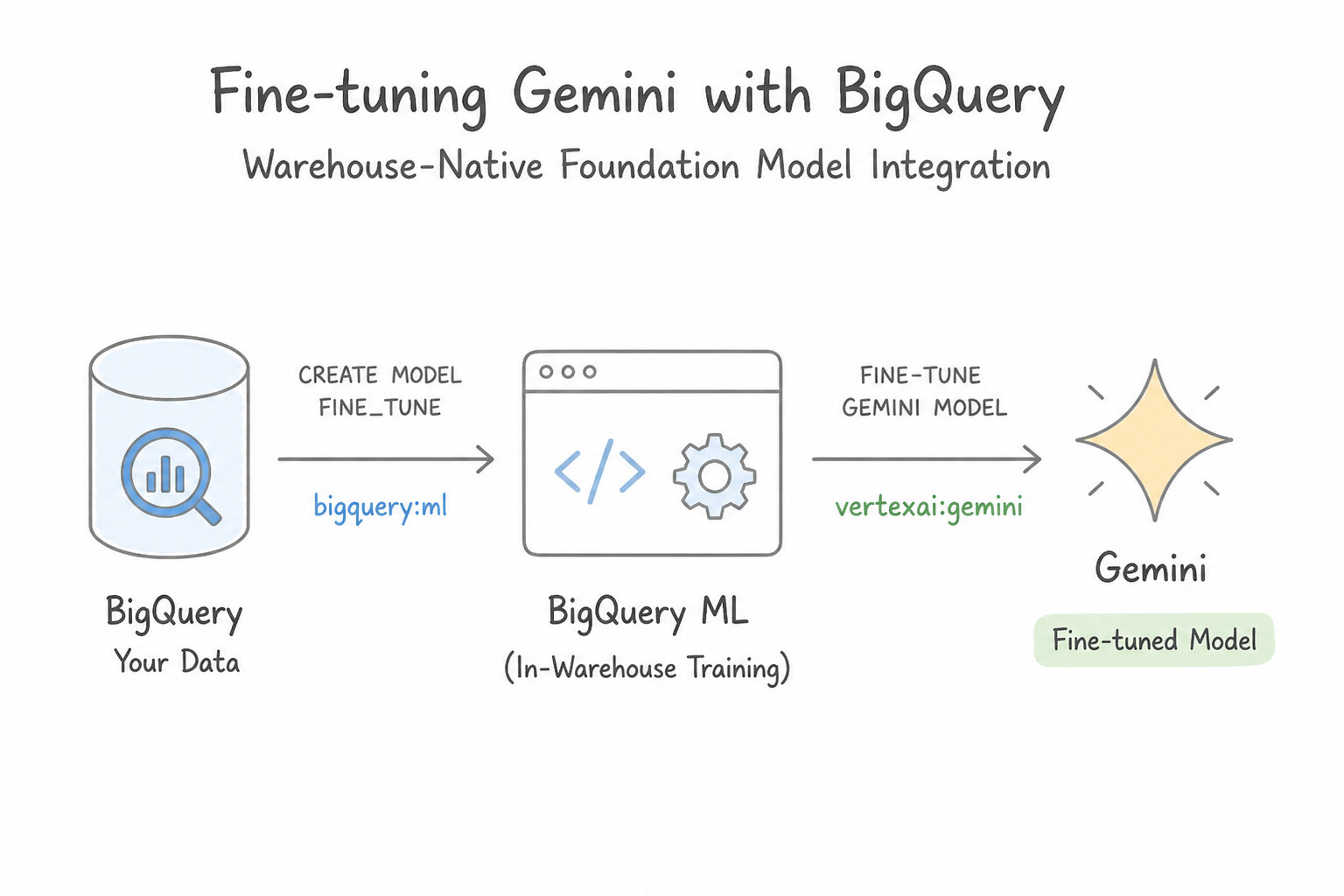
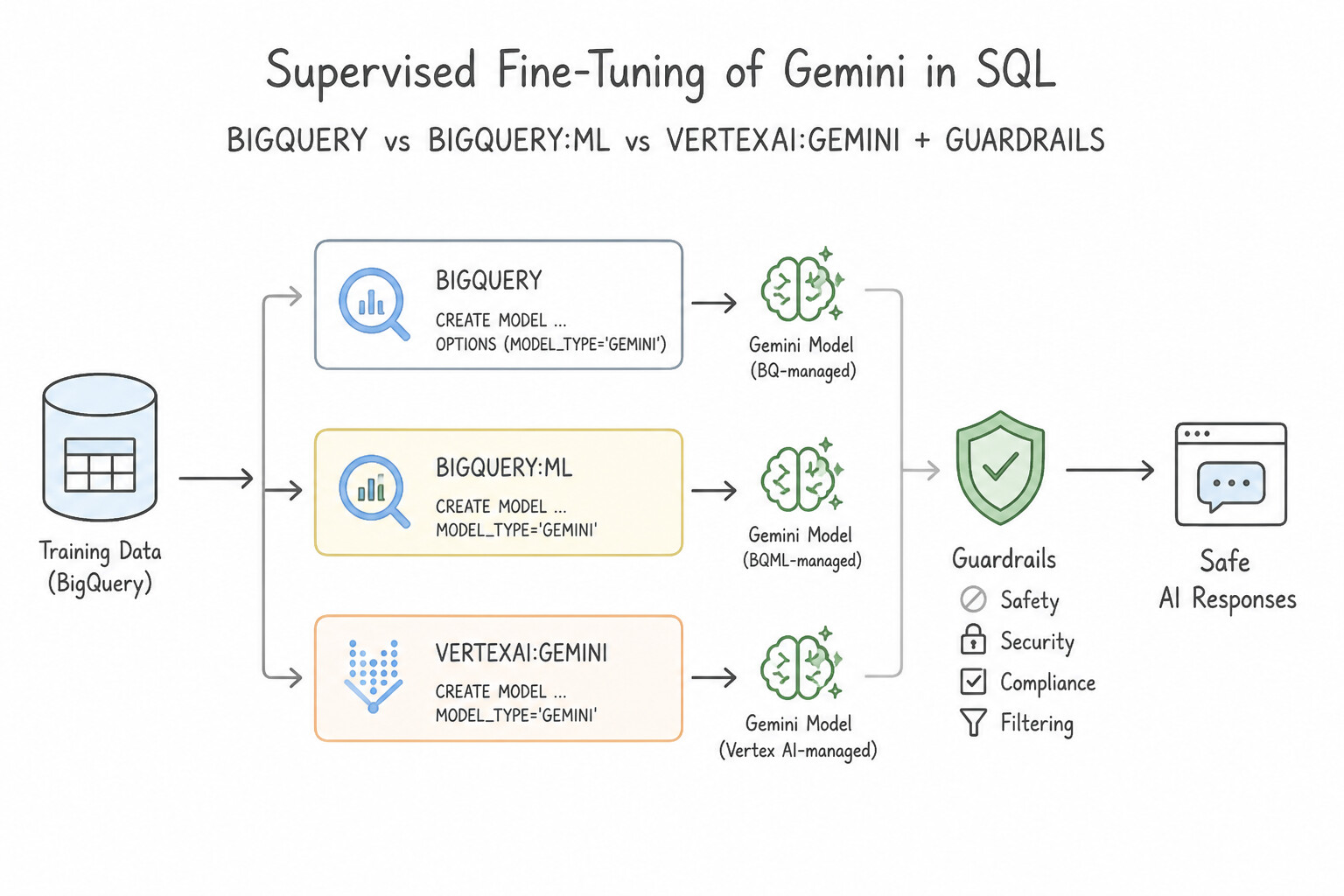
pmle-1.1d-1-data-hygiene-preventing.jpg,pmle-1.1d-2-handling-severe-class.jpg) - Consideration 1.1e: Fine-tuning Gemini models using BigQuery (Diagrams:
pmle-1.1e-1-warehouse-native.jpg,pmle-1.1e-2-supervised-fine-tuning.jpg) - Quick Decision Cheat Sheet (Subsection 1.1)
- Subsection 1.2: Building AI solutions using Google Cloud AI APIs or foundational models (Section 1: Architecting low-code AI solutions)
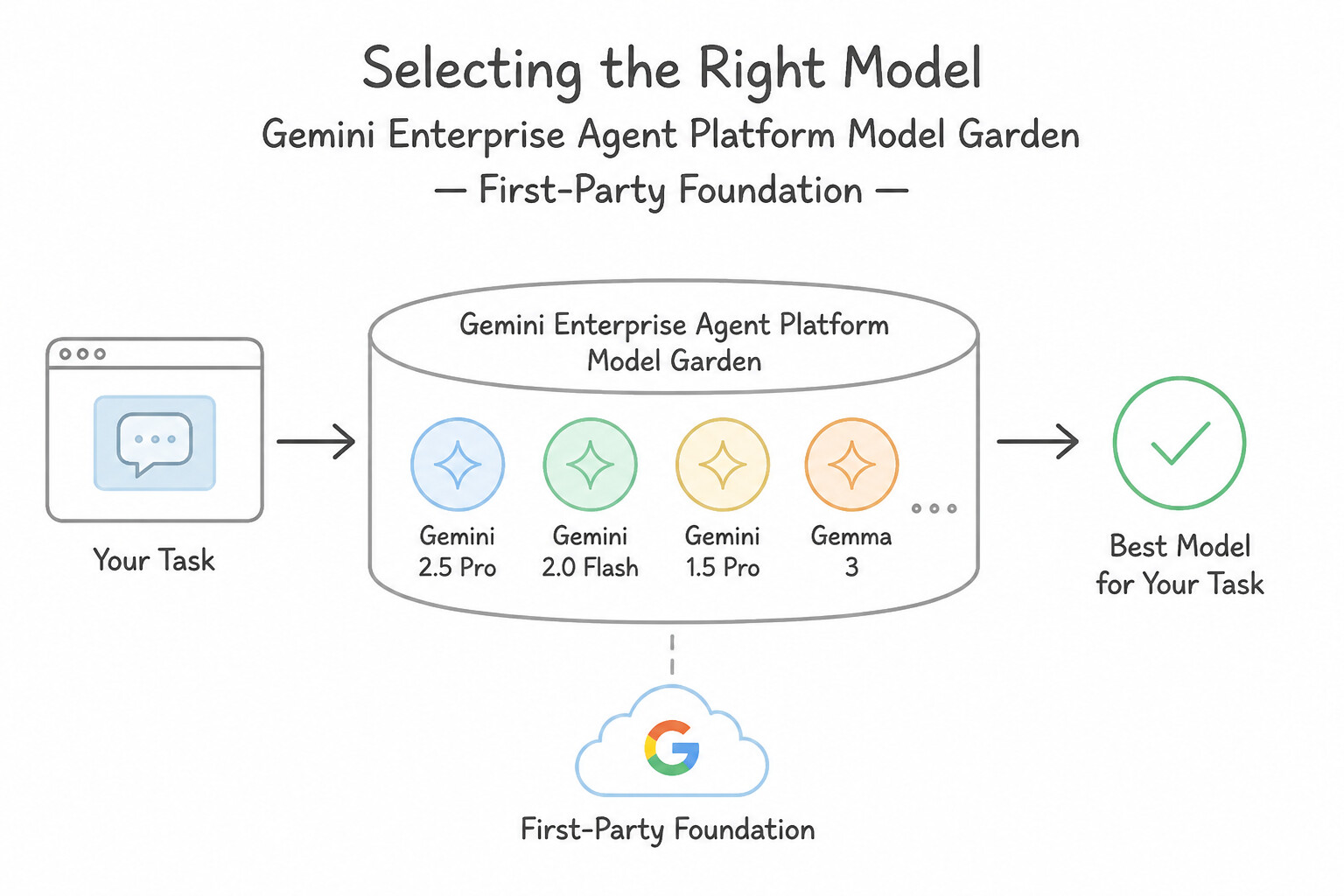
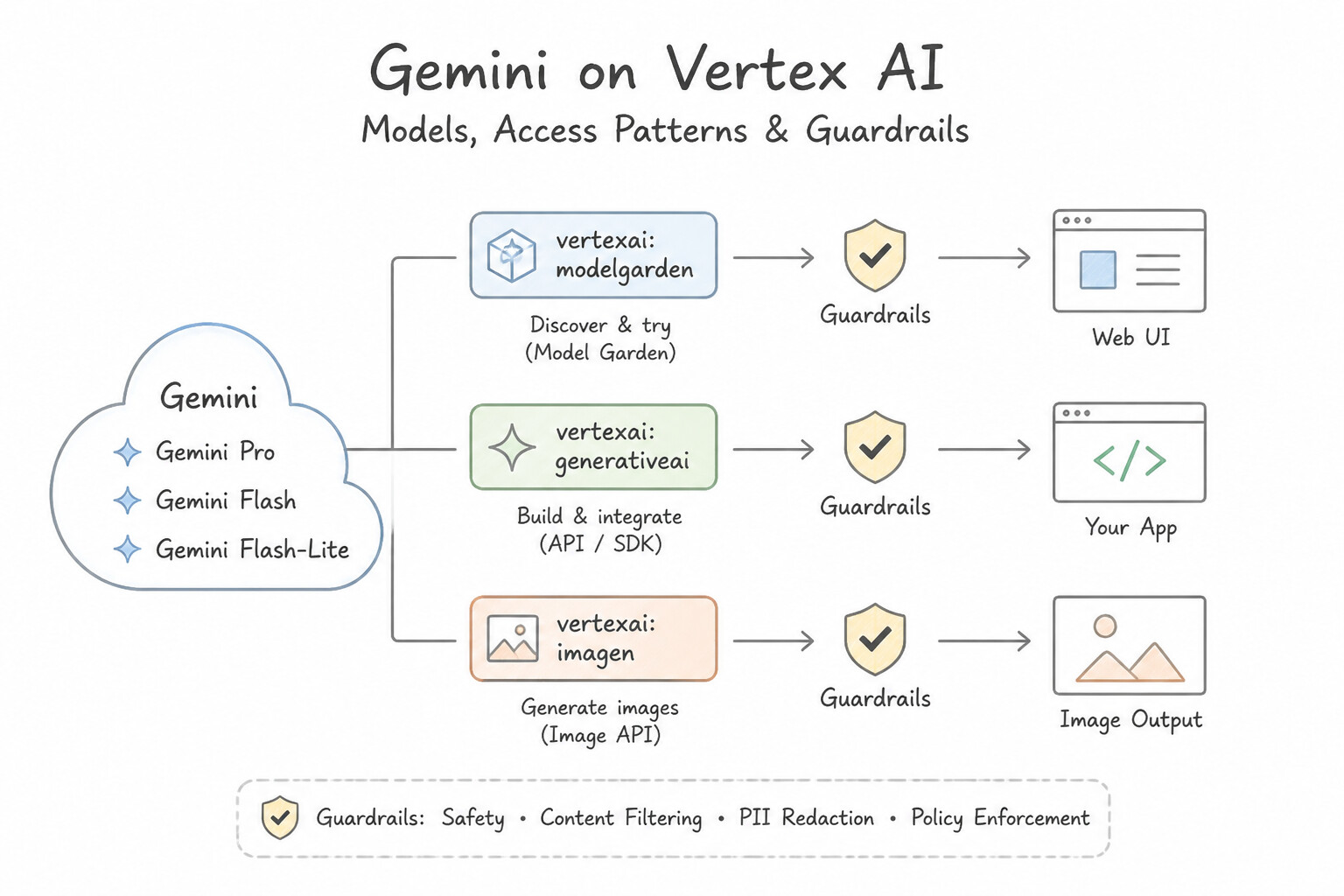
- Consideration 1.2a: Evaluating and selecting the appropriate model for a given task from Gemini Enterprise Agent Platform Model Garden (Diagrams:
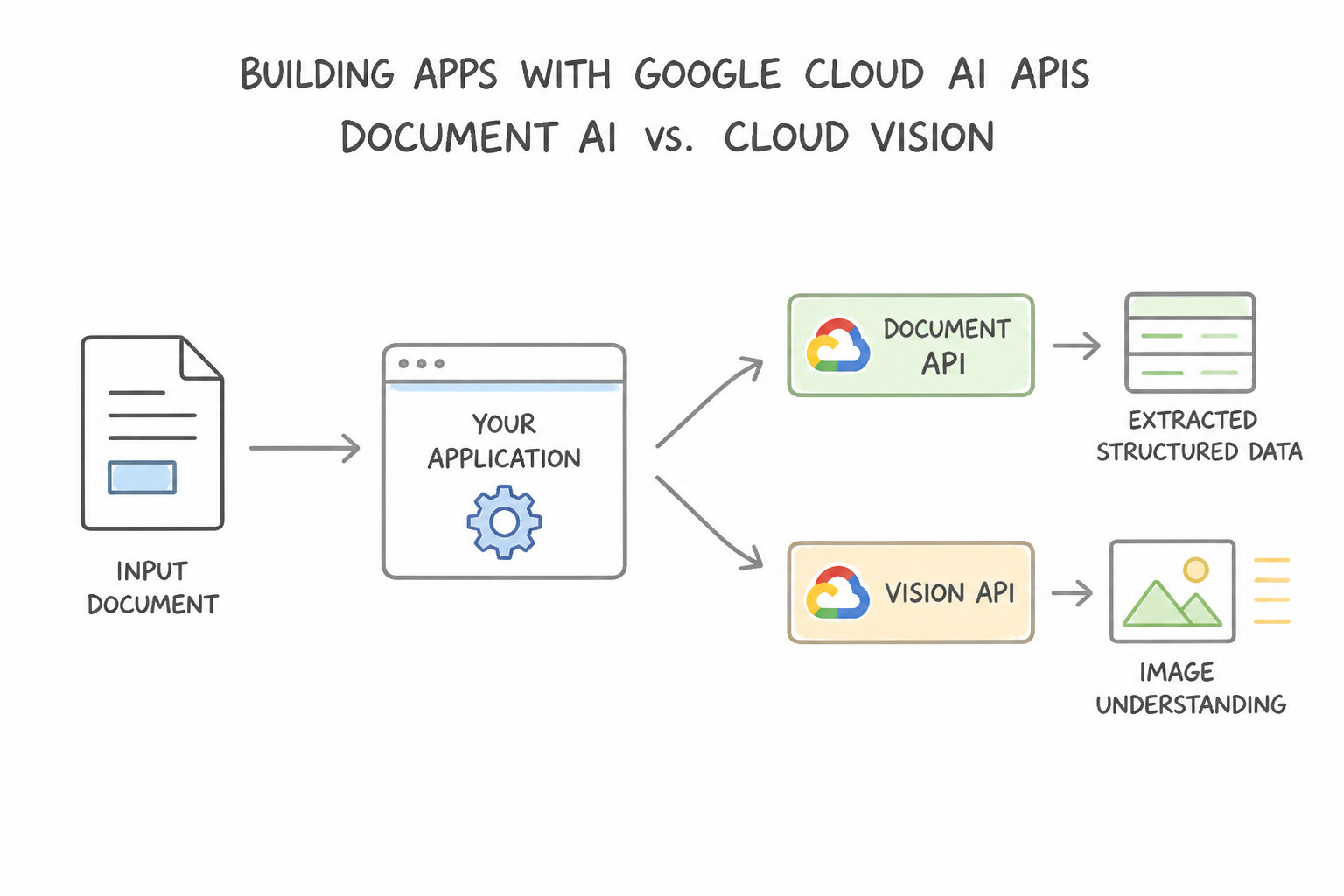
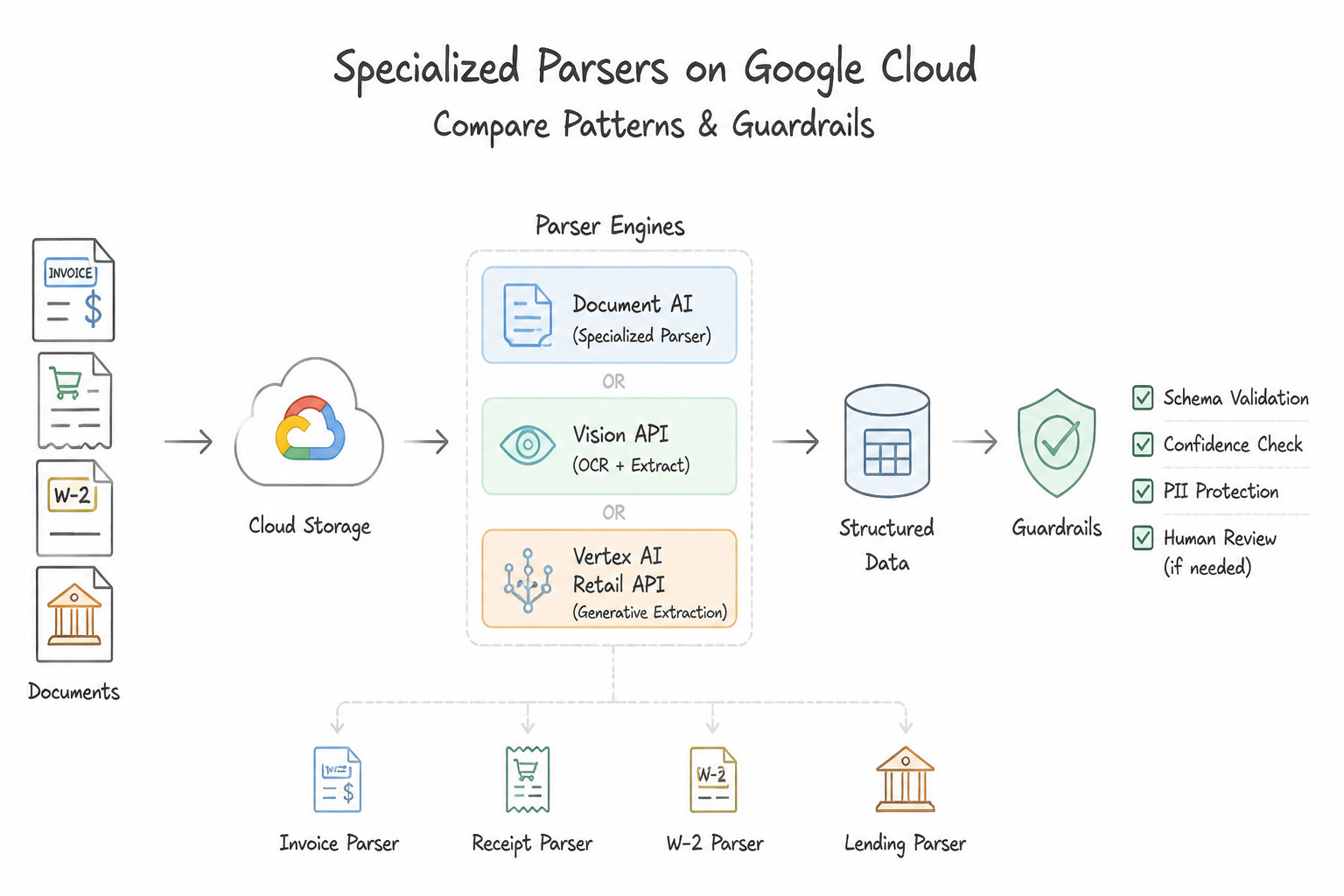
pmle-1.2a-1-first-party-foundation.jpg,pmle-1.2a-2-gemini-gemini-pro-gemini.jpg) - Consideration 1.2b: Building applications using industry-specific APIs (e.g., Document AI API, Vision API, and Translate API) (Diagrams:
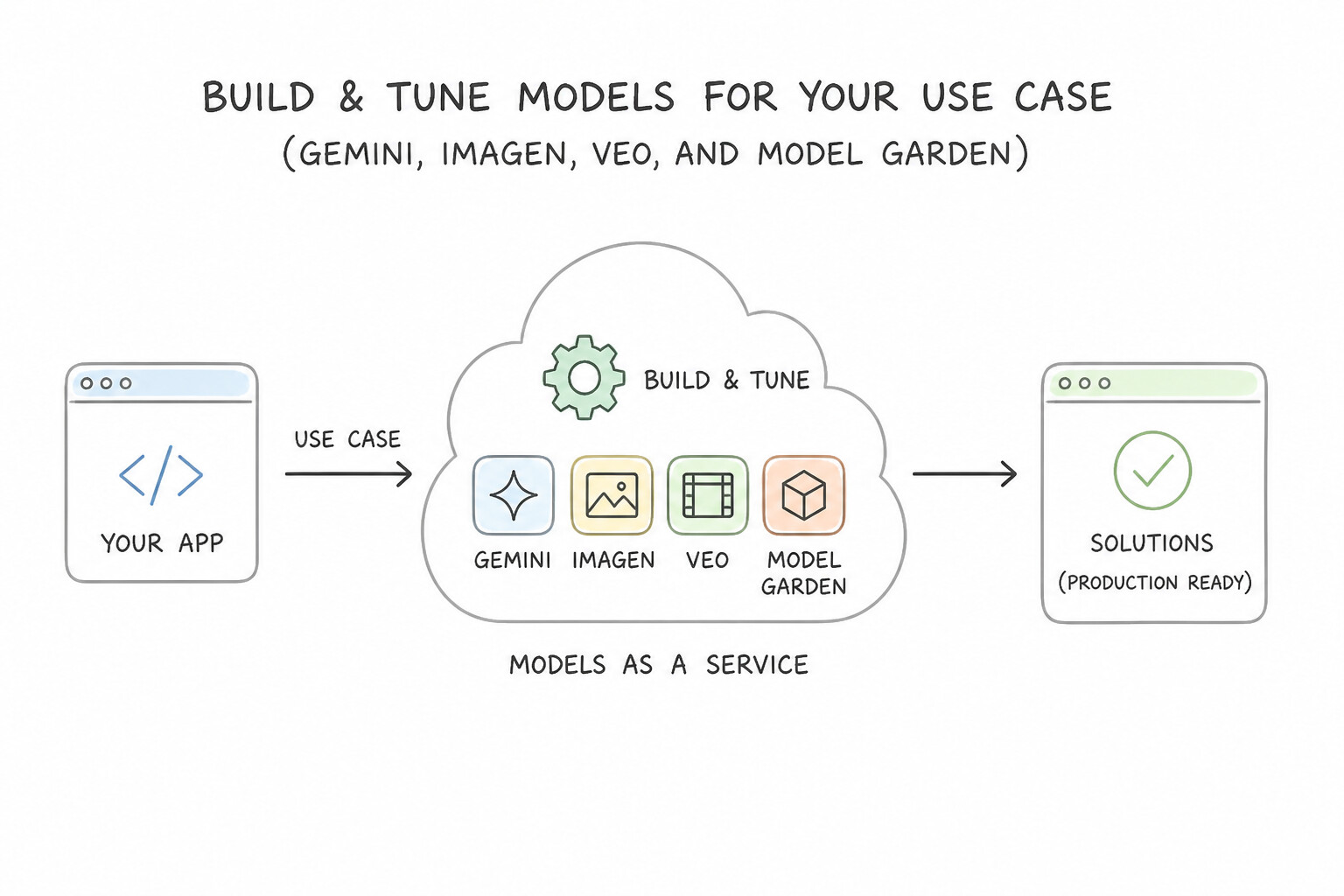
pmle-1.2b-1-document-ai-vs-vision.jpg,pmle-1.2b-2-specialized-parsers.jpg) - Consideration 1.2c: Building solutions and tuning models for specific use cases (e.g., Gemini, Imagen, Veo, and models as a service in Model Garden) (Diagrams:
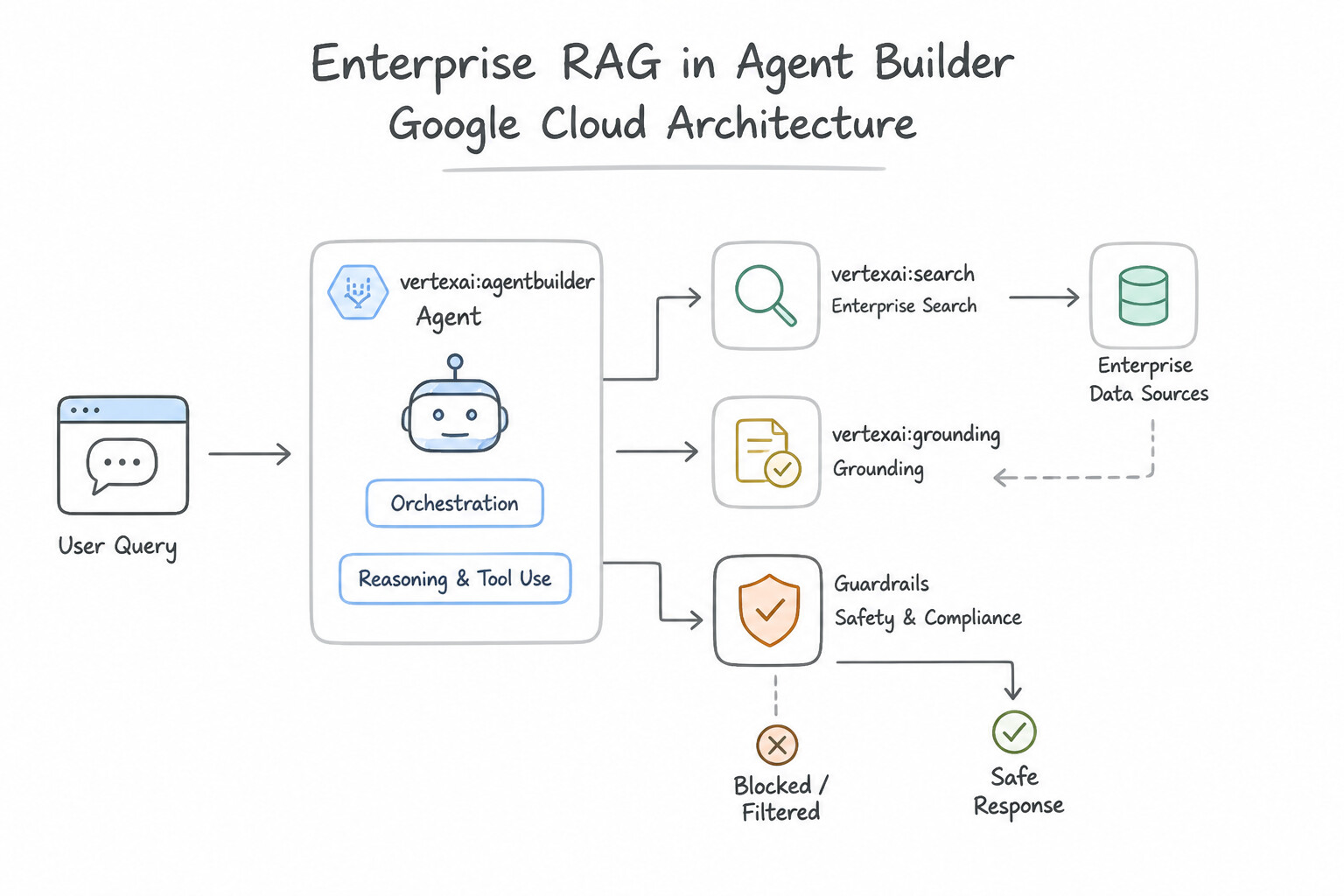
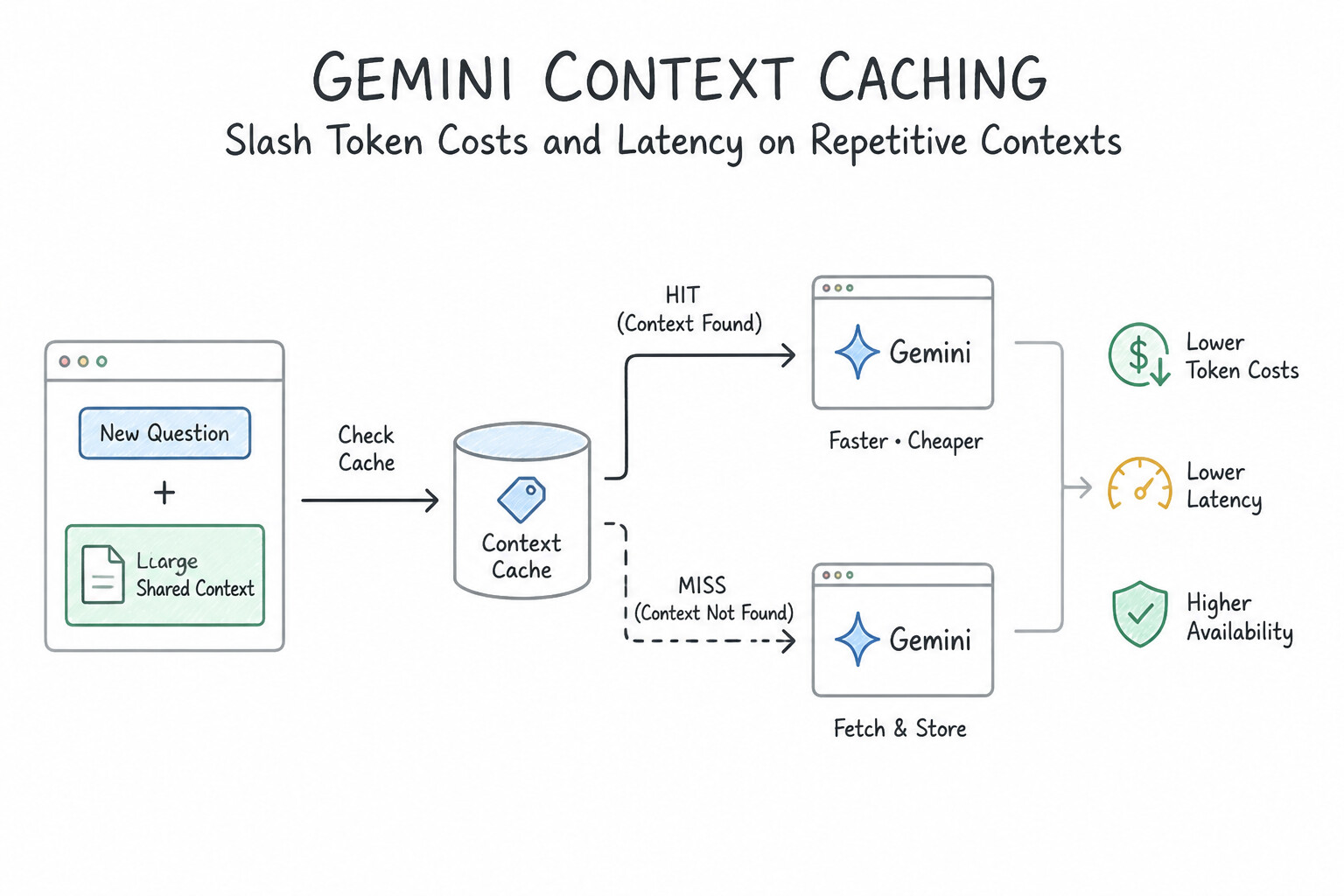
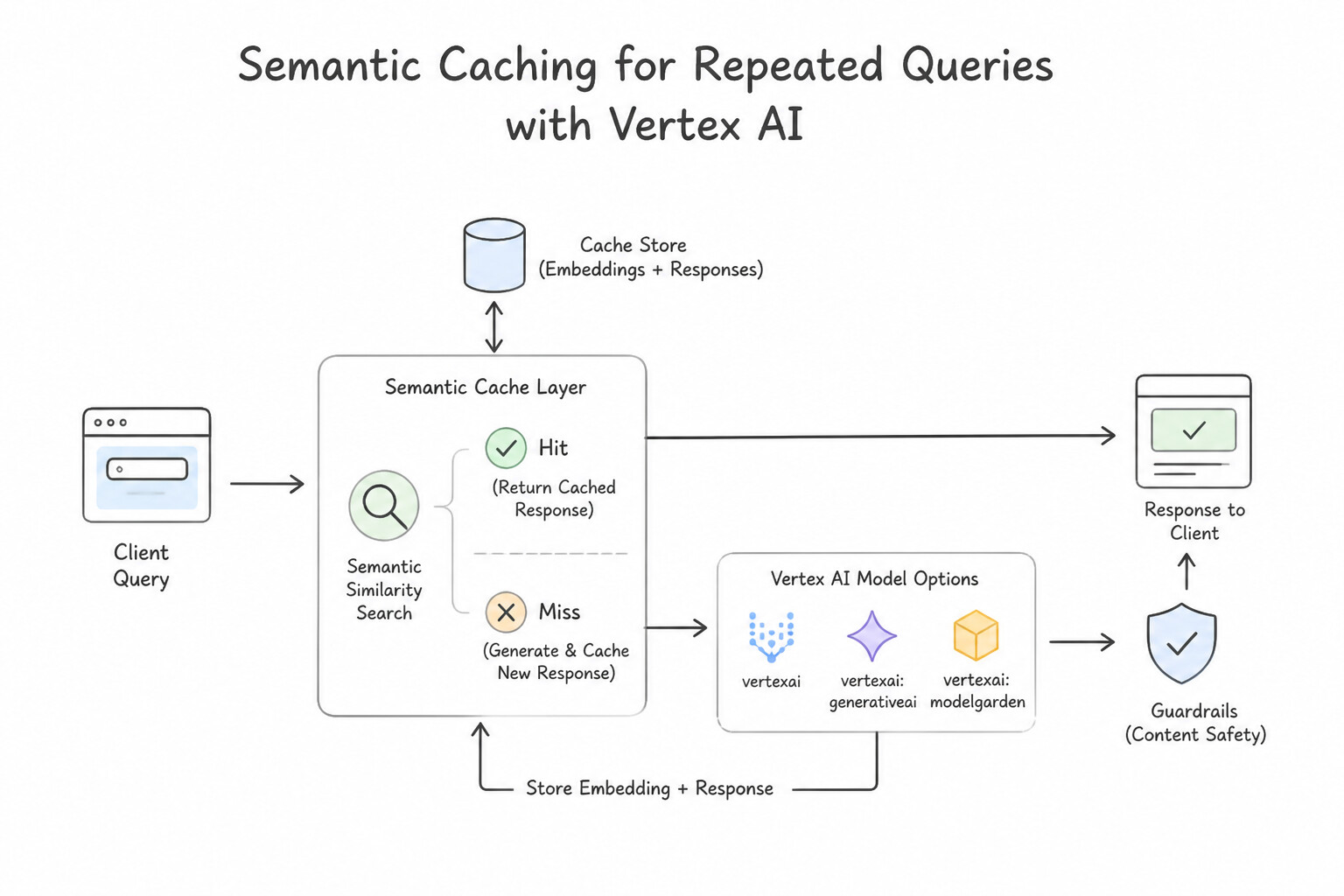
pmle-1.2c-1-customization-ladder.jpg,pmle-1.2c-2-architecting-enterprise.jpg) - Consideration 1.2d: Optimizing Gemini-based applications for cost, latency, and availability (Diagrams:
pmle-1.2d-1-slashing-token-costs.jpg,pmle-1.2d-2-semantic-caching.jpg) - Quick Decision Cheat Sheet (Subsection 1.2)
Chapter 2: Data Exploration, Preprocessing, Feature Store, Managed Notebooks & Experiment Tracking
- Subsection 2.1: Exploring and preprocessing data for ML (Section 2: Collaborating within and across teams to manage data and models)
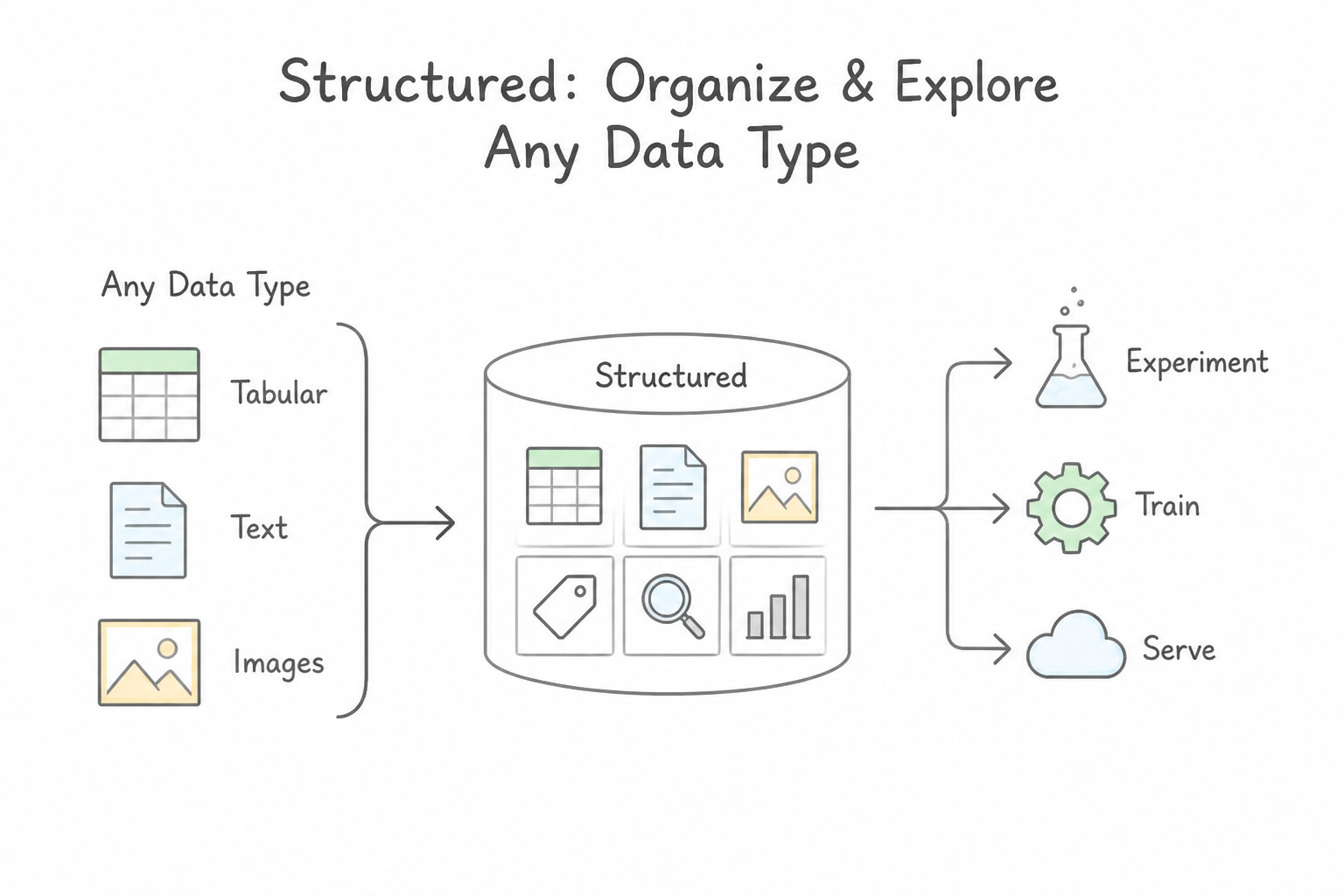
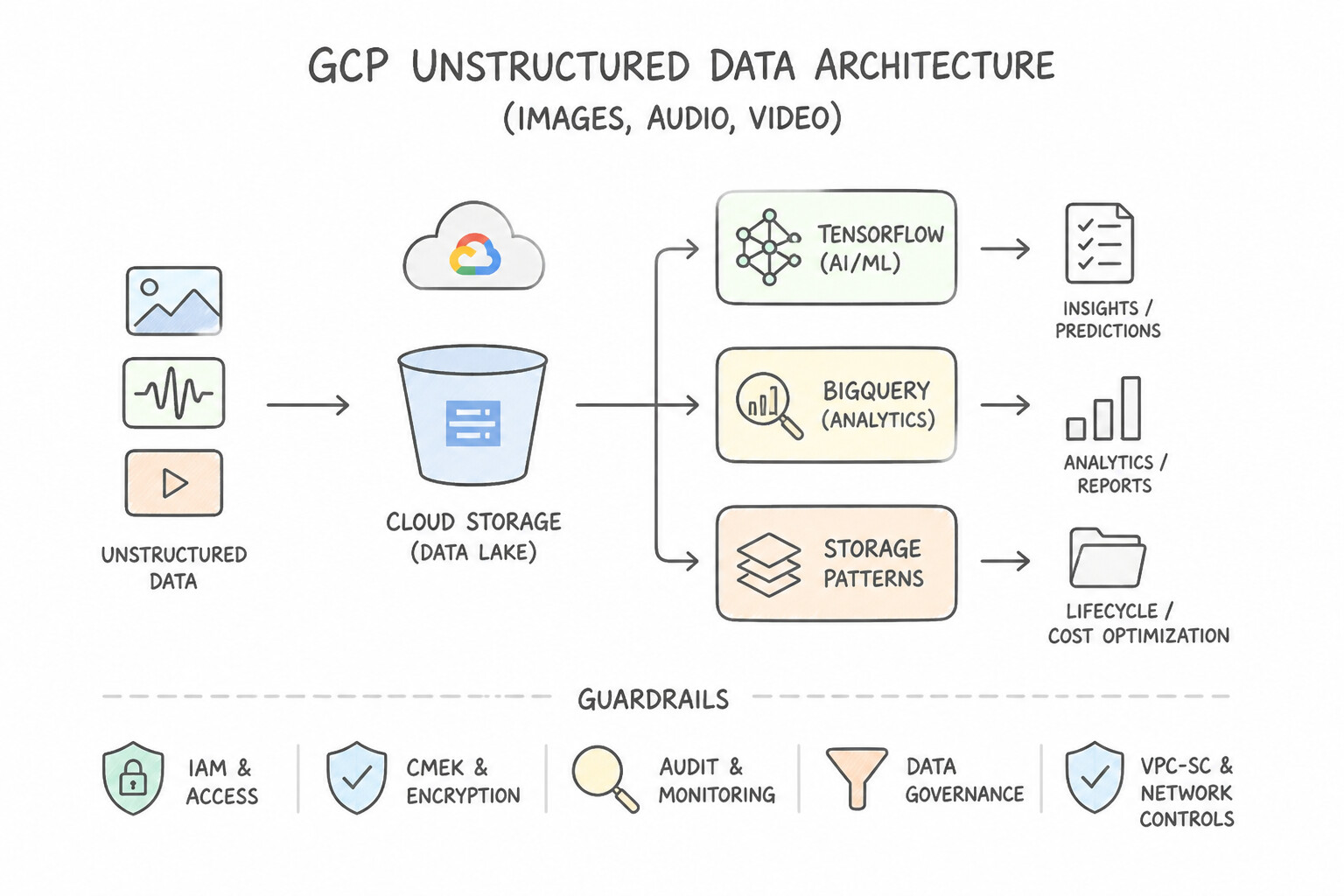
- Consideration 2.1a: Organizing and exploring different data types (e.g., tabular, text, and images) for efficient experimenting, training, and serving (Diagrams:
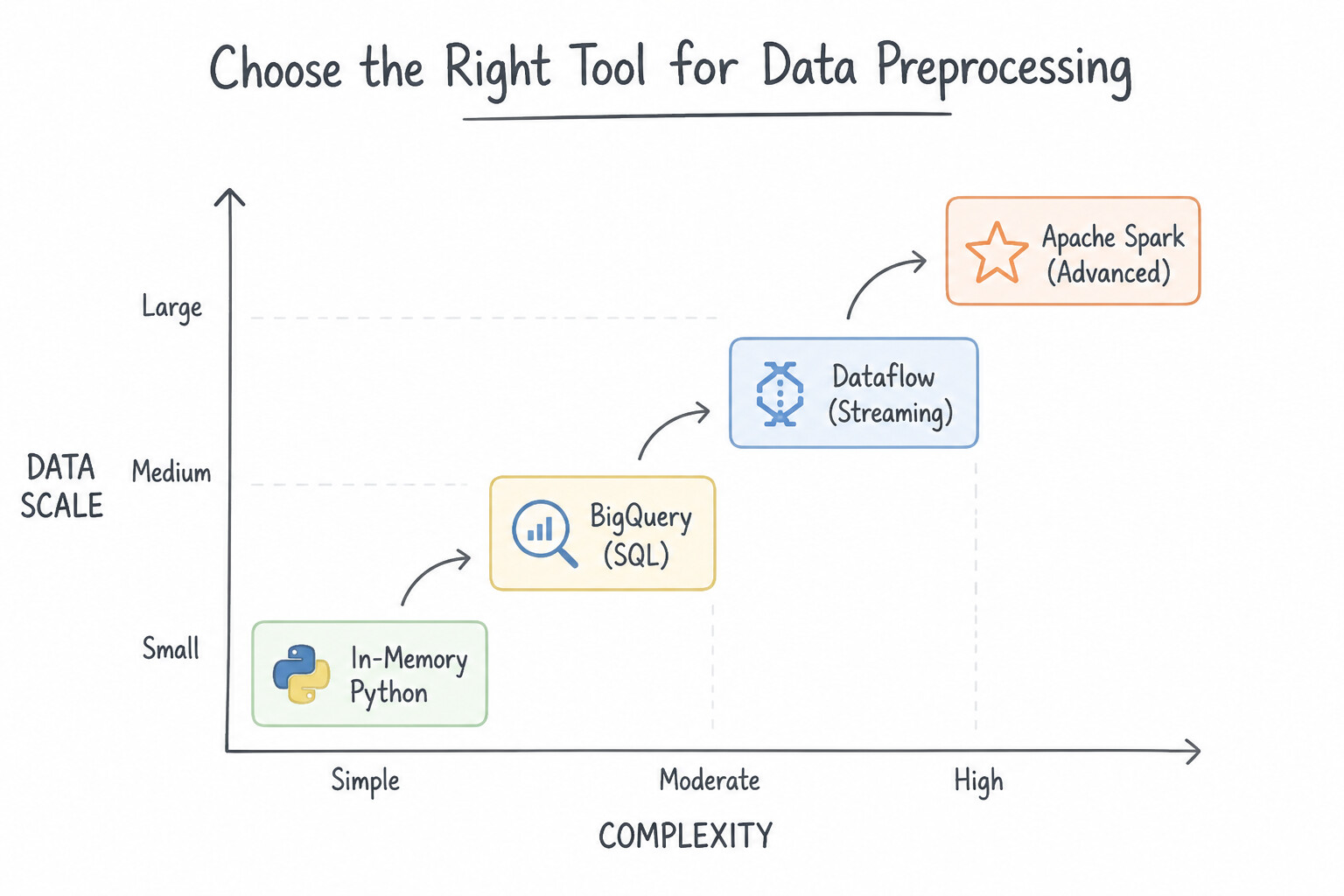
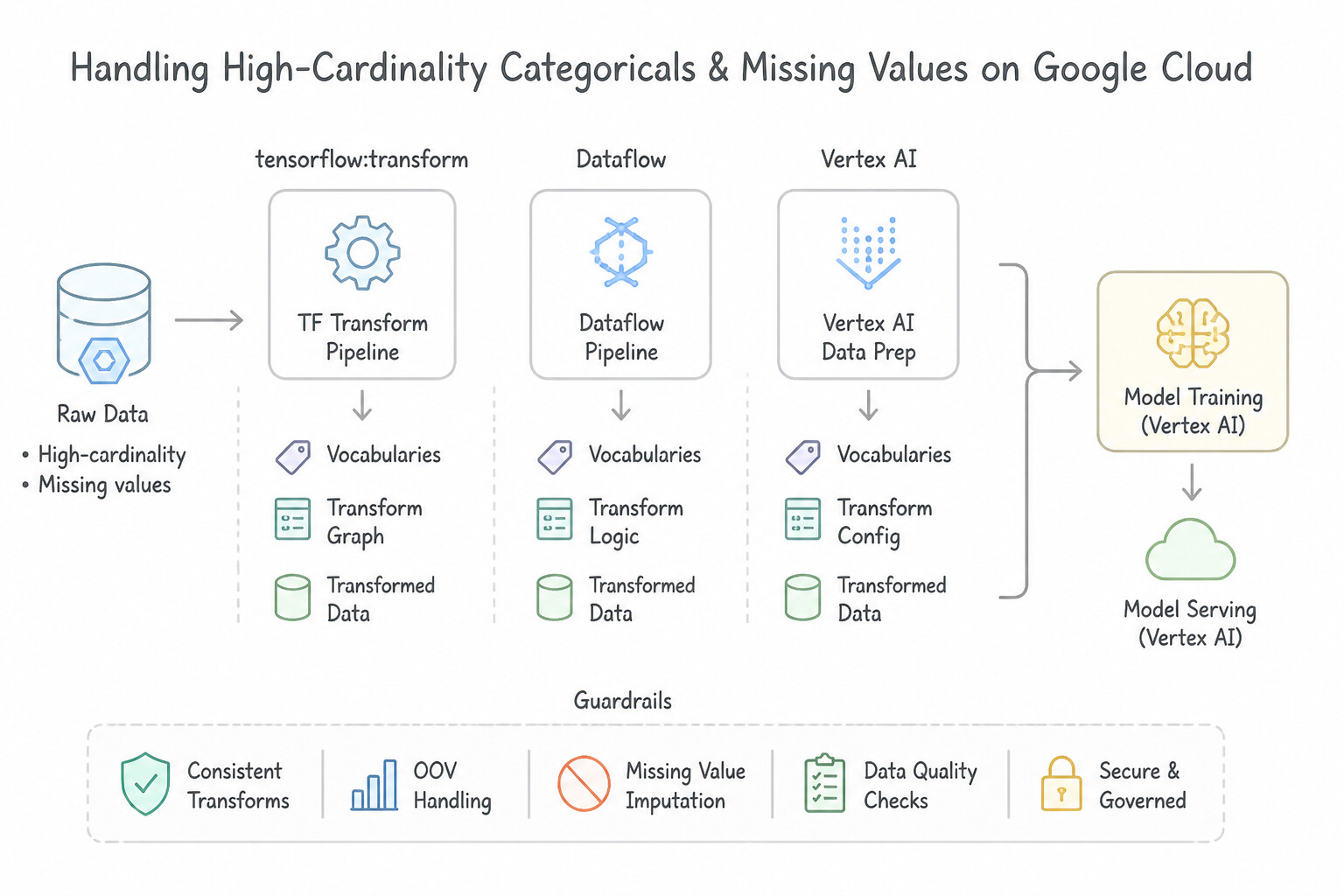
pmle-2.1a-1-structured-tabular-data.jpg,pmle-2.1a-2-unstructured-data-images.jpg) - Consideration 2.1b: Choosing the right tool for data preprocessing based on scale and complexity (e.g., BigQuery [SQL], Dataflow, Apache Spark, and in-memory Python frameworks) (Diagrams:
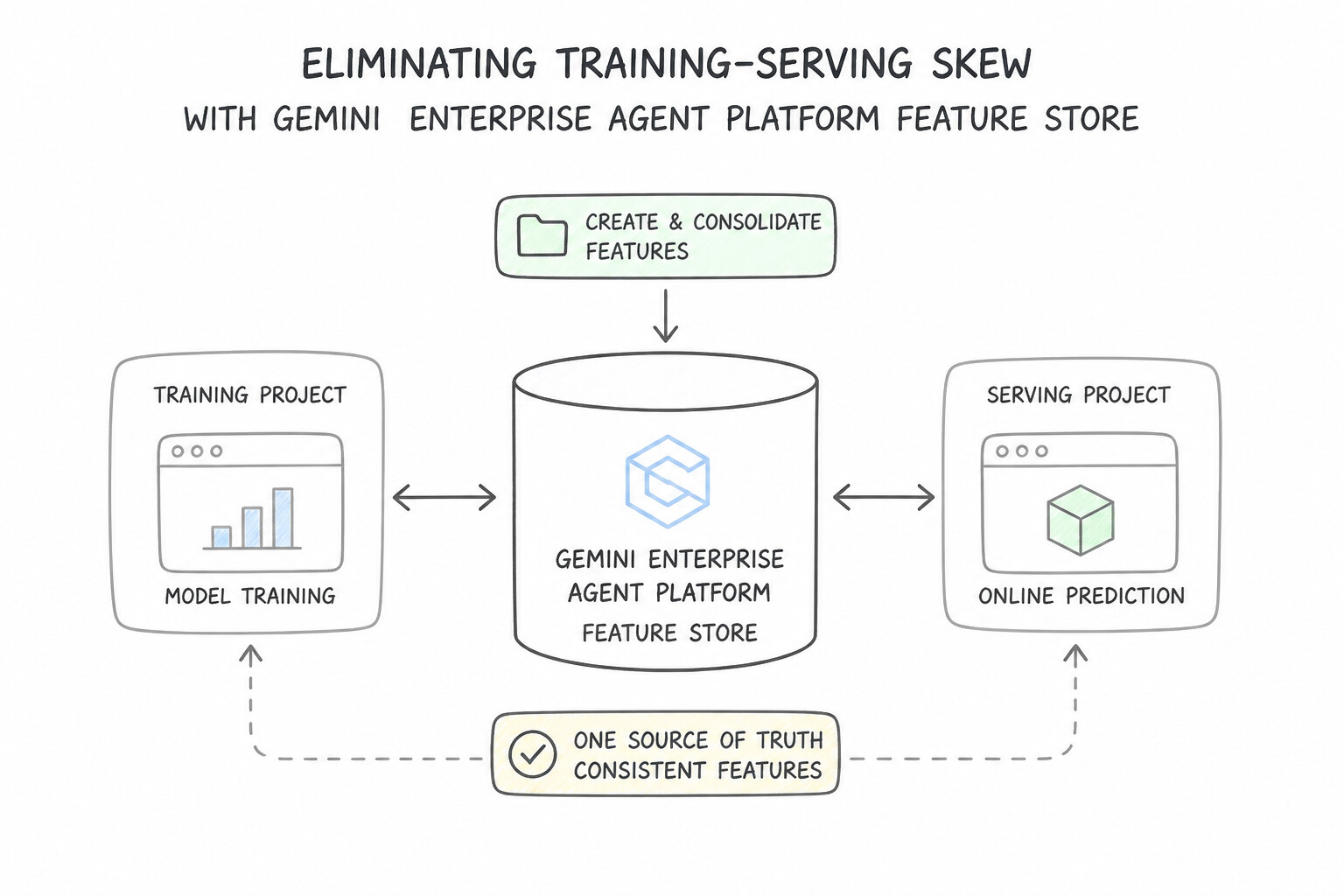
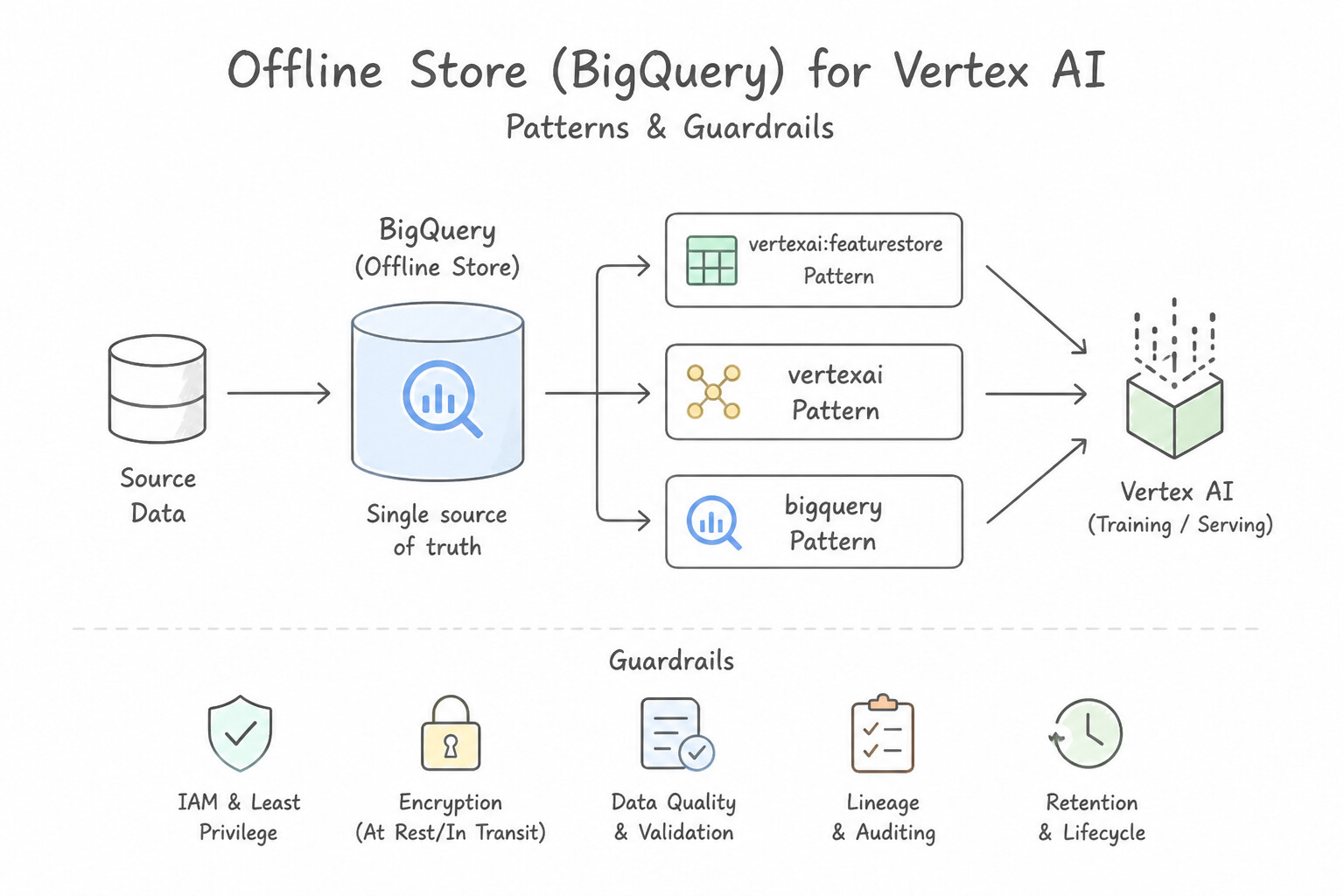
pmle-2.1b-1-way-preprocessing-tool.jpg,pmle-2.1b-2-handling-cardinality.jpg) - Consideration 2.1c: Creating and consolidating features in Gemini Enterprise Agent Platform Feature Store (Diagrams:
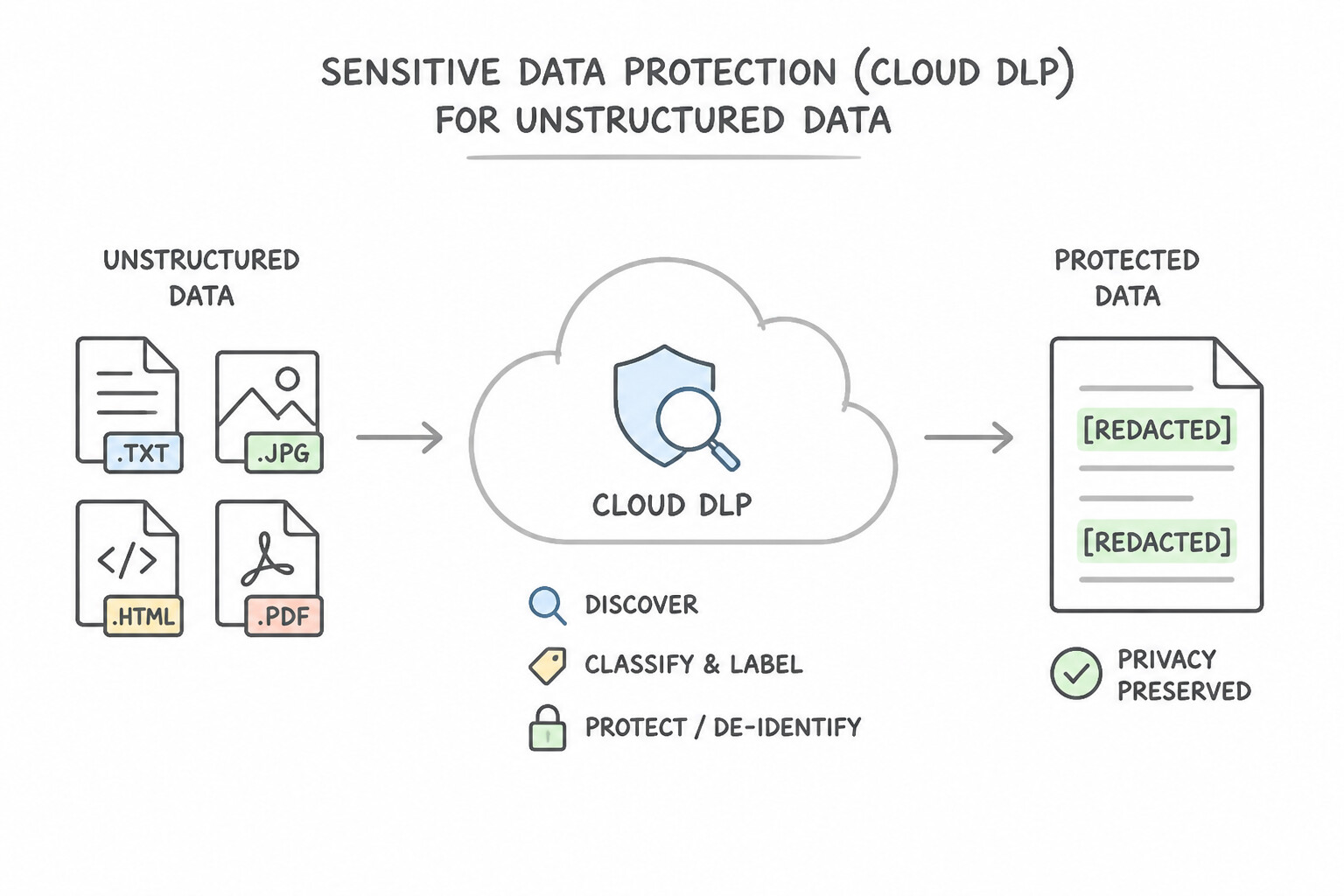
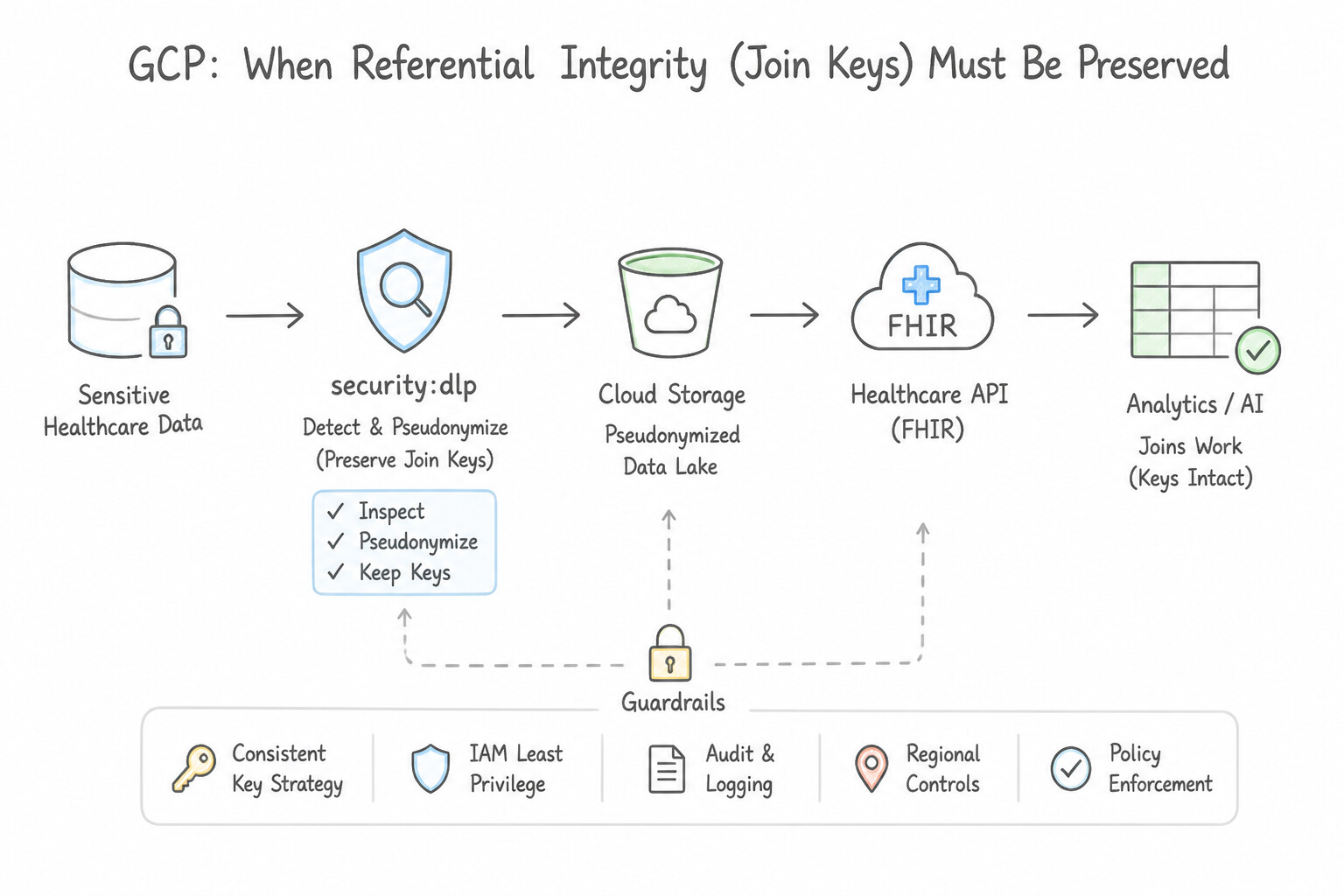
pmle-2.1c-1-eliminating-training.jpg,pmle-2.1c-2-offline-store-backed-by.jpg) - Consideration 2.1d: Ensuring data privacy and handling sensitive information (e.g., personally identifiable information [PII]) (Diagrams:
pmle-2.1d-1-sensitive-data.jpg,pmle-2.1d-2-referential-integrity.jpg) - Quick Decision Cheat Sheet (Subsection 2.1)
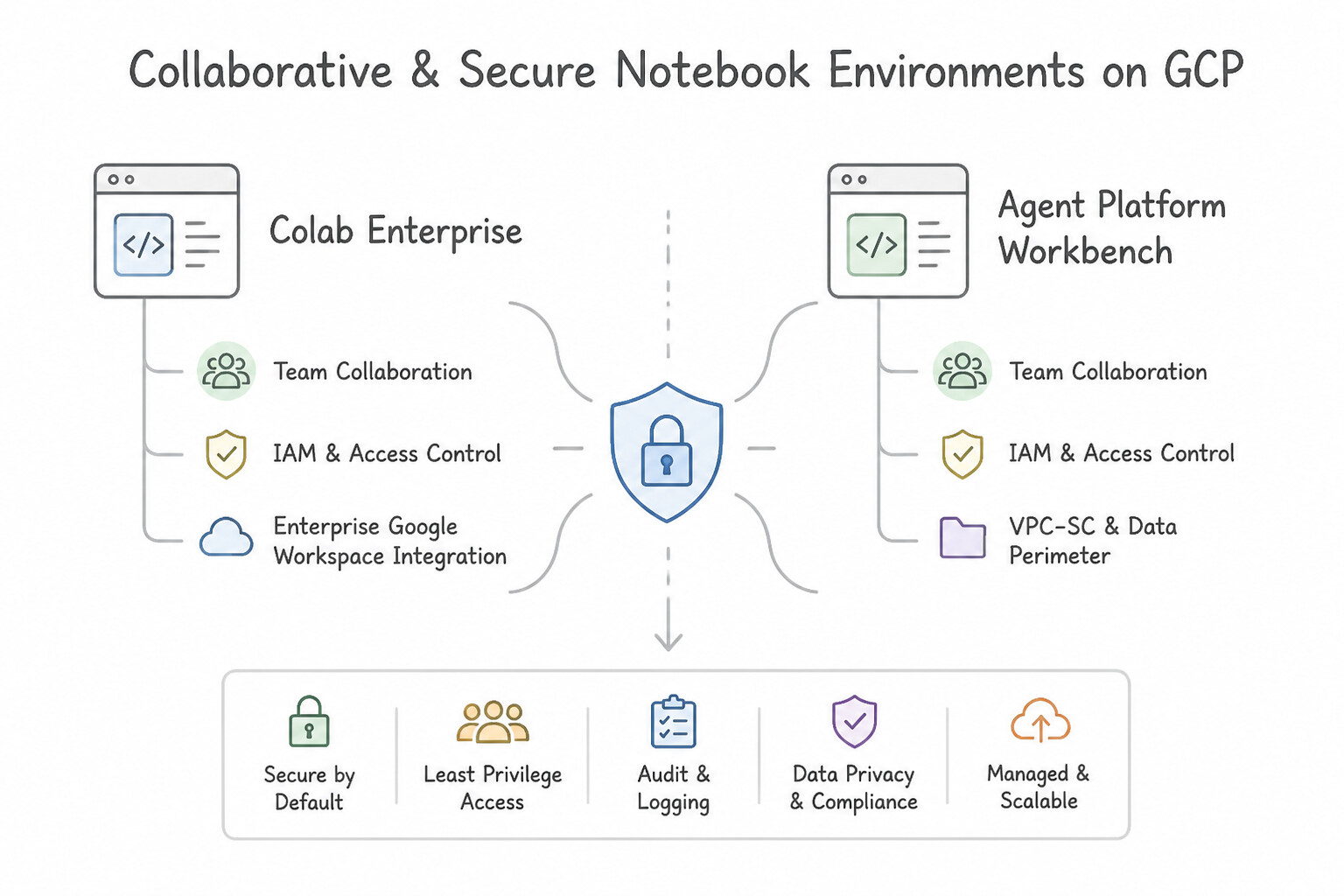
- Subsection 2.2: Model prototyping using notebooks (e.g., Gemini Enterprise Agent Platform Workbench and Colab Enterprise) (Section 2: Collaborating within and across teams to manage data and models)
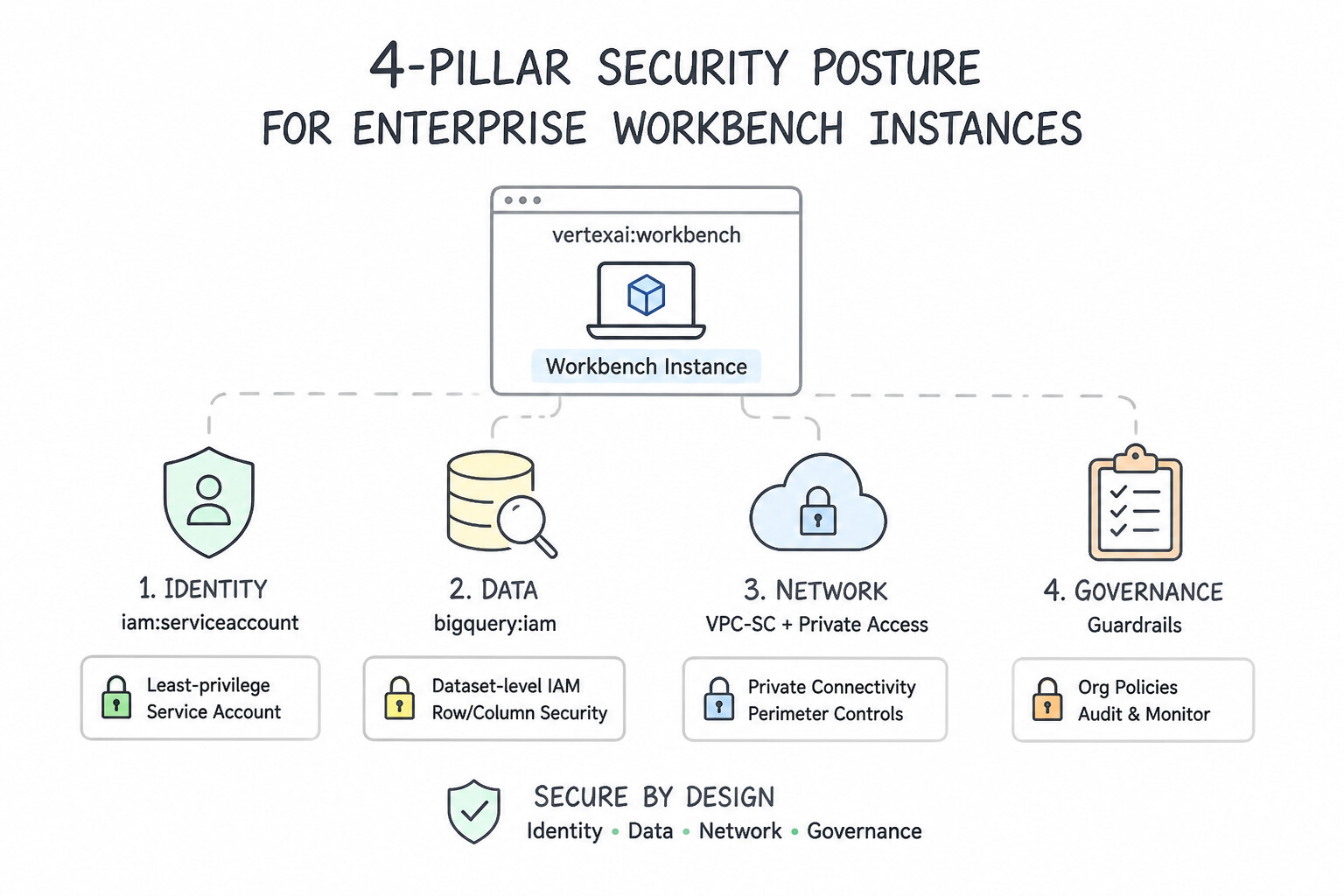
- Consideration 2.2a: Applying collaboration and security best practices when setting up and running notebook environments (Diagrams:
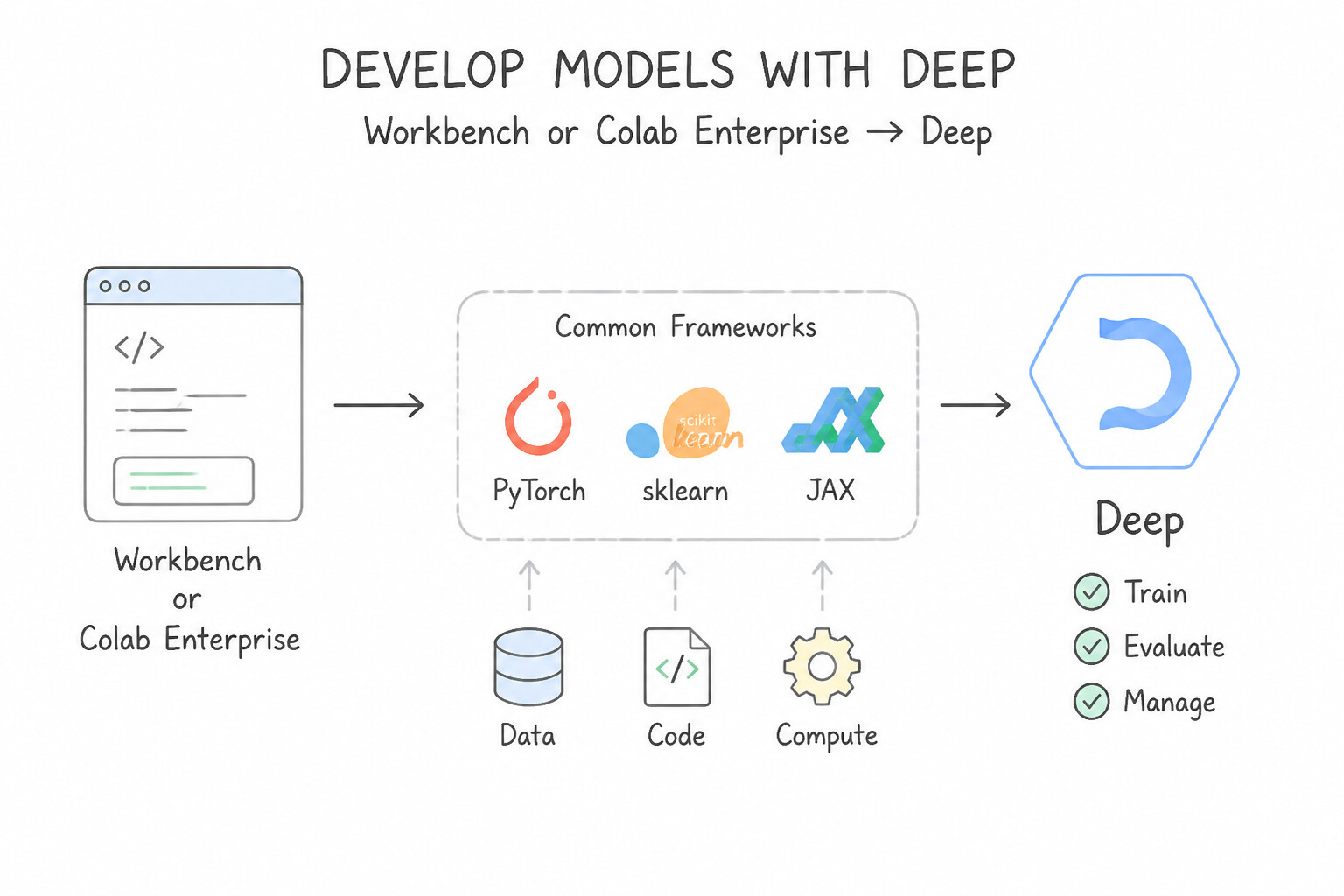
pmle-2.2a-1-colab-enterprise-vs.jpg,pmle-2.2a-2-pillar-security-posture.jpg) - Consideration 2.2b: Developing models in Agent Platform Workbench or Colab Enterprise notebooks using common frameworks (e.g., PyTorch, sklearn, and JAX) (Diagrams:
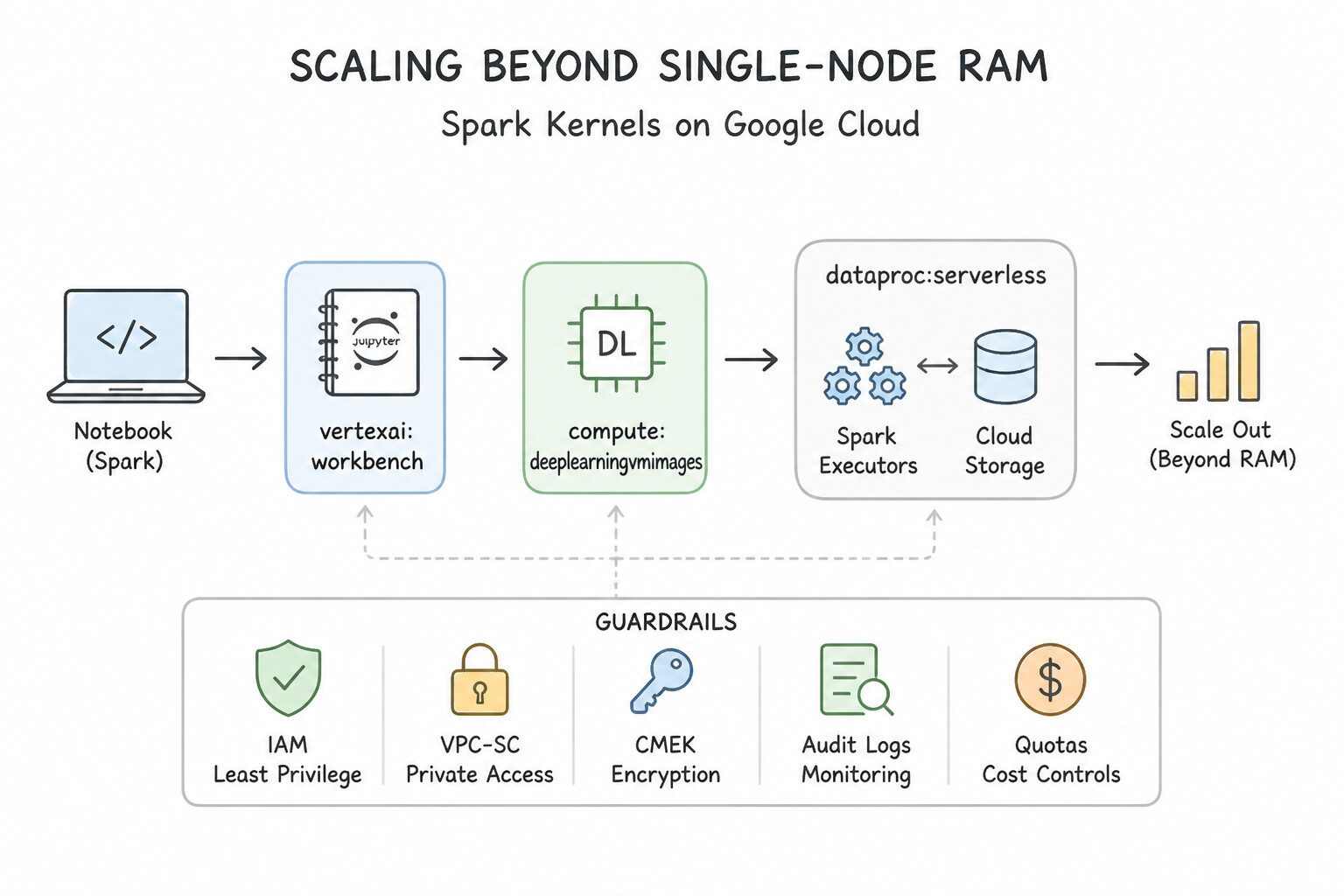
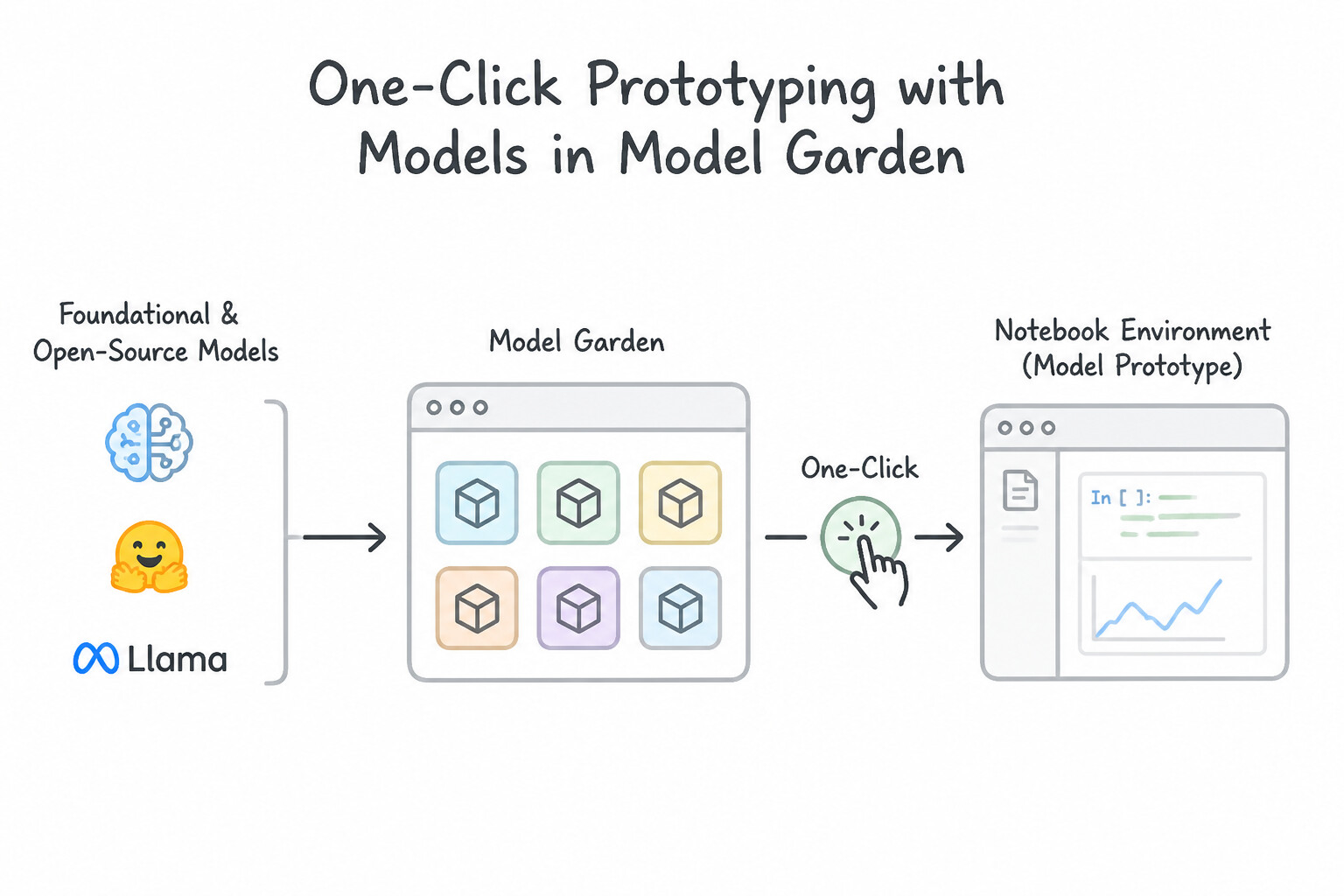
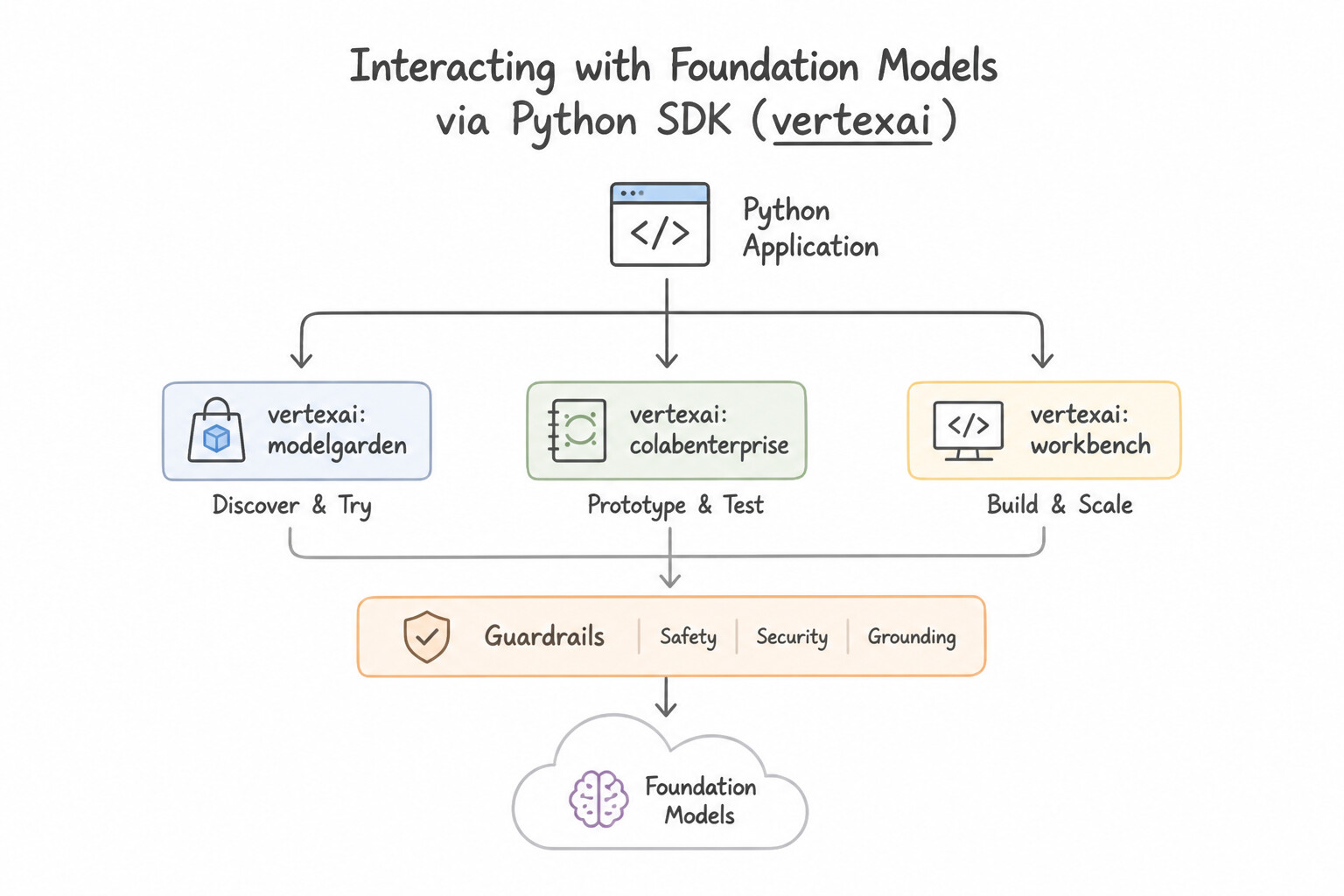
pmle-2.2b-1-deep-learning-vm-images.jpg,pmle-2.2b-2-scaling-beyond-single.jpg) - Consideration 2.2c: Using a variety of foundational and open-source models in Model Garden to create model prototypes in notebook environments (Diagrams:
pmle-2.2c-1-one-click-notebook.jpg,pmle-2.2c-2-interacting-foundation.jpg) - Quick Decision Cheat Sheet (Subsection 2.2)
- Subsection 2.3: Tracking and running ML experiments (Section 2: Collaborating within and across teams to manage data and models)
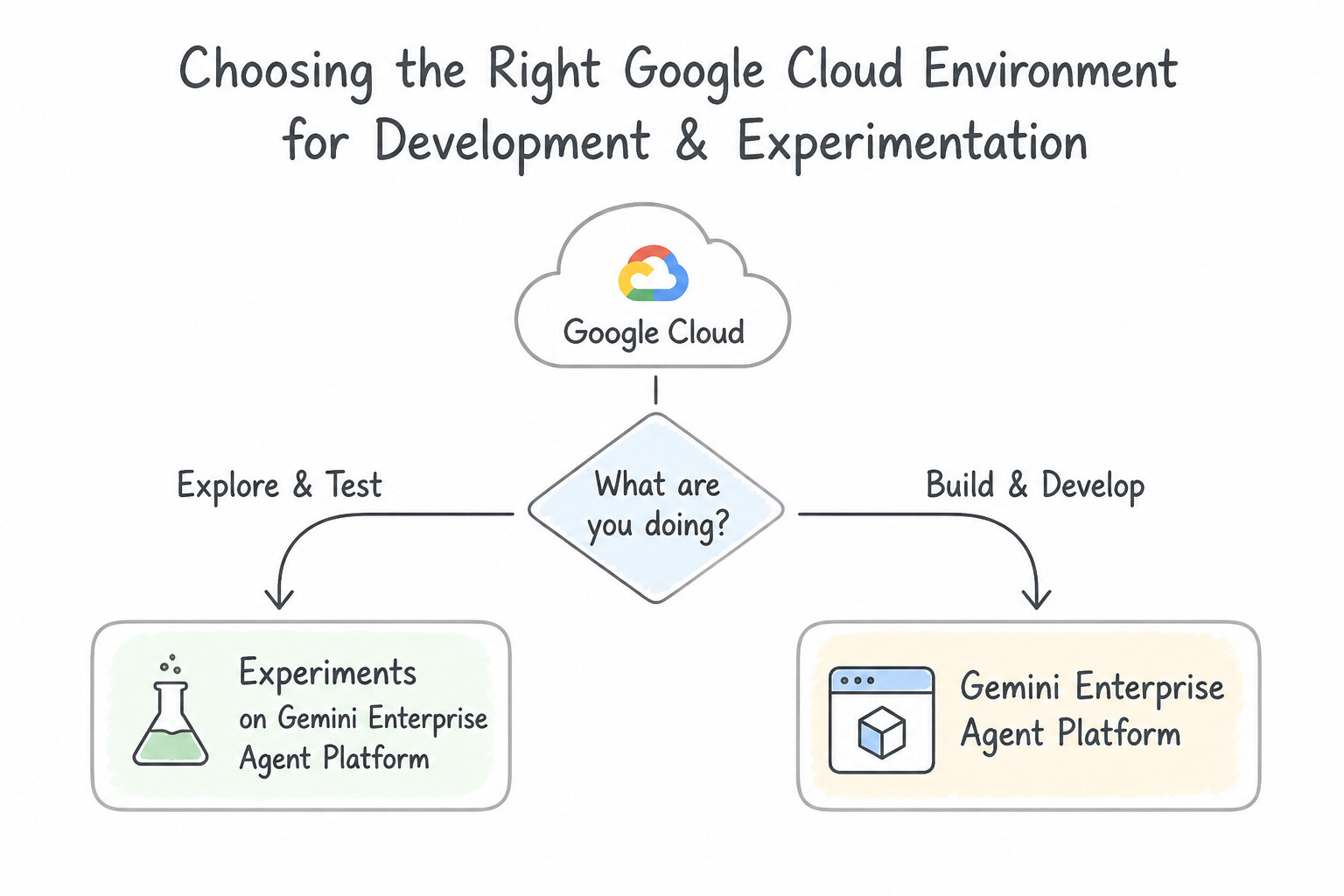
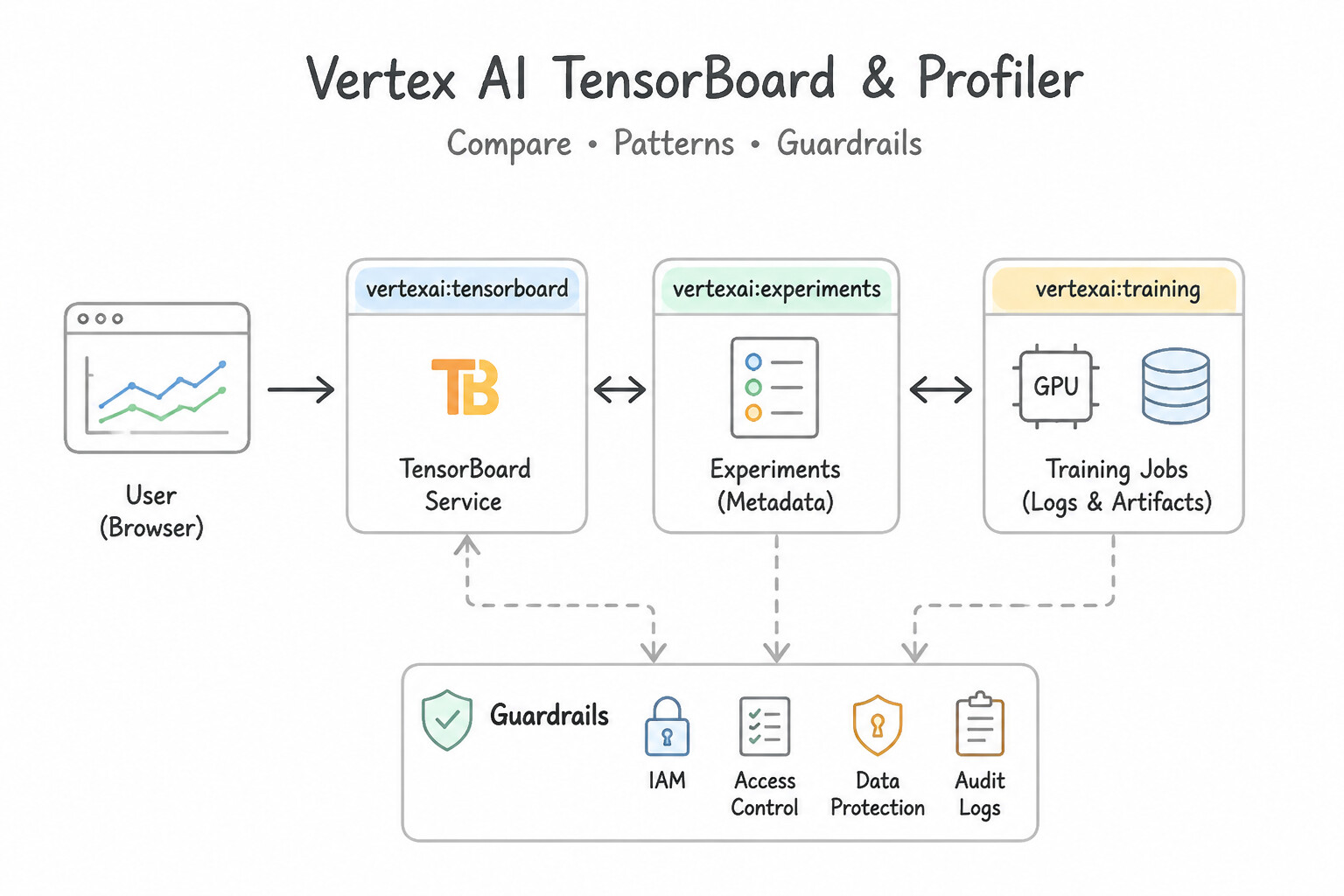
- Consideration 2.3a: Choosing the appropriate Google Cloud environment for development and experimentation (e.g., Experiments on Gemini Enterprise Agent Platform, Gemini Enterprise Agent Platform Pipelines, and Kubeflow Pipelines) given the framework (Diagrams:
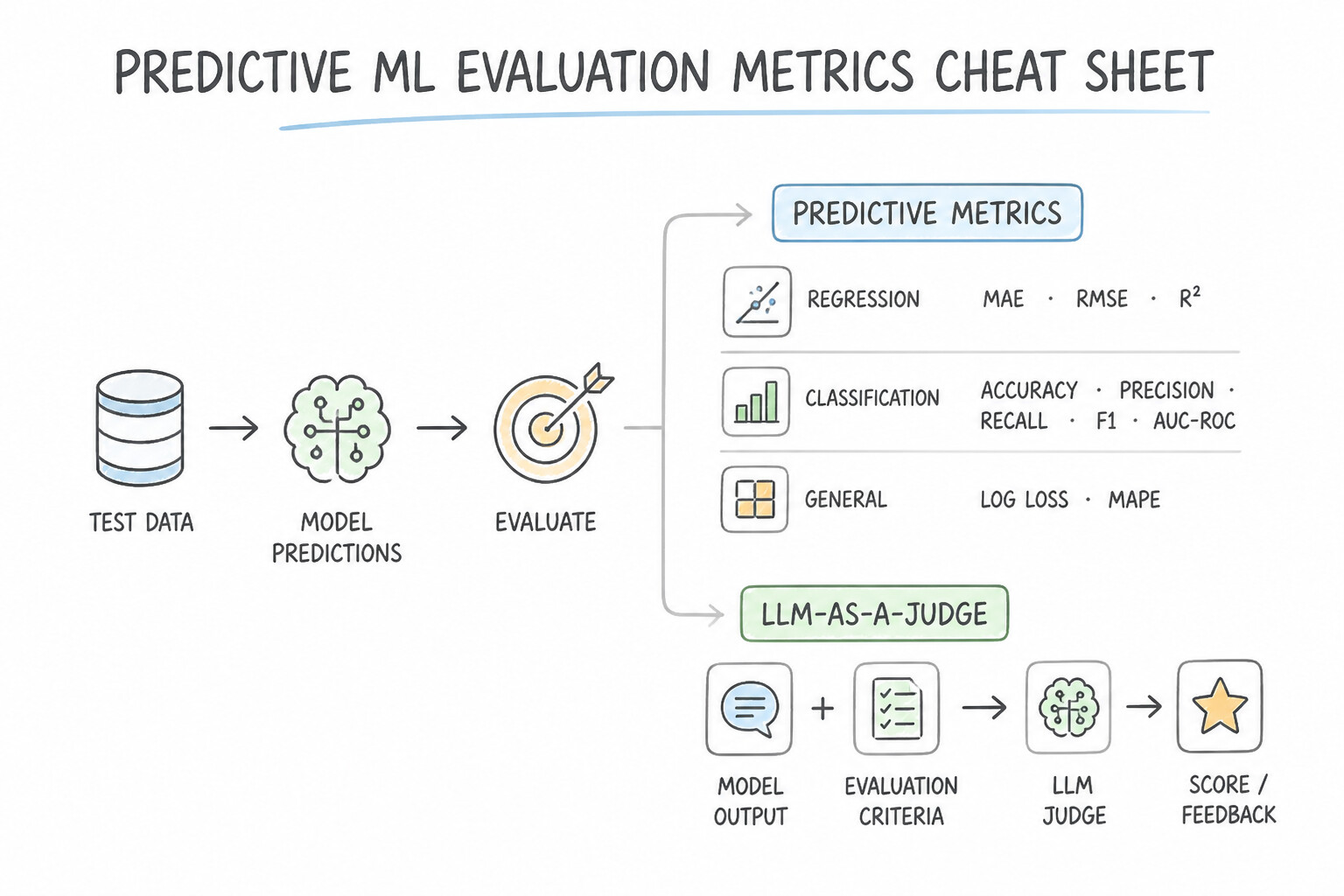
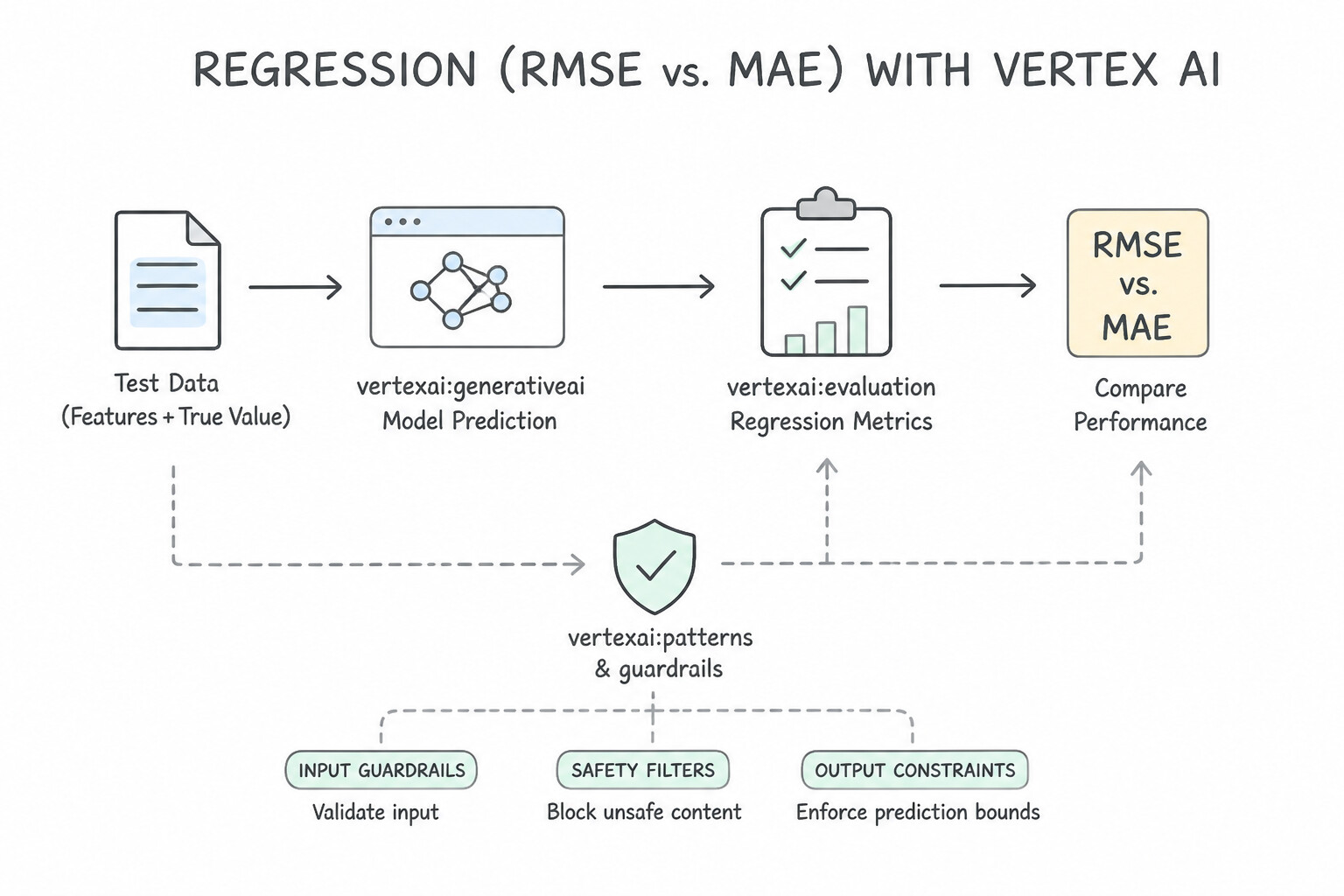
pmle-2.3a-1-experiments-on-gemini.jpg,pmle-2.3a-2-vertex-ai-tensorboard.jpg) - Consideration 2.3b: Evaluating predictive and gen AI solutions (e.g., model evaluation metrics and LLM-as-a-judge) (Diagrams:
pmle-2.3b-1-predictive-ml-evaluation.jpg,pmle-2.3b-2-regression-rmse-vs-mae.jpg) - Consideration 2.3c: Tracking and comparing model artifacts, versions, and lineage (e.g., Experiments on Agent Platform and Gemini Enterprise Agent Platform ML Metadata) (Diagrams:
pmle-2.3c-1-sdk-logging-in.jpg,pmle-2.3c-2-visualizing-dimensional.jpg) - Quick Decision Cheat Sheet (Subsection 2.3)
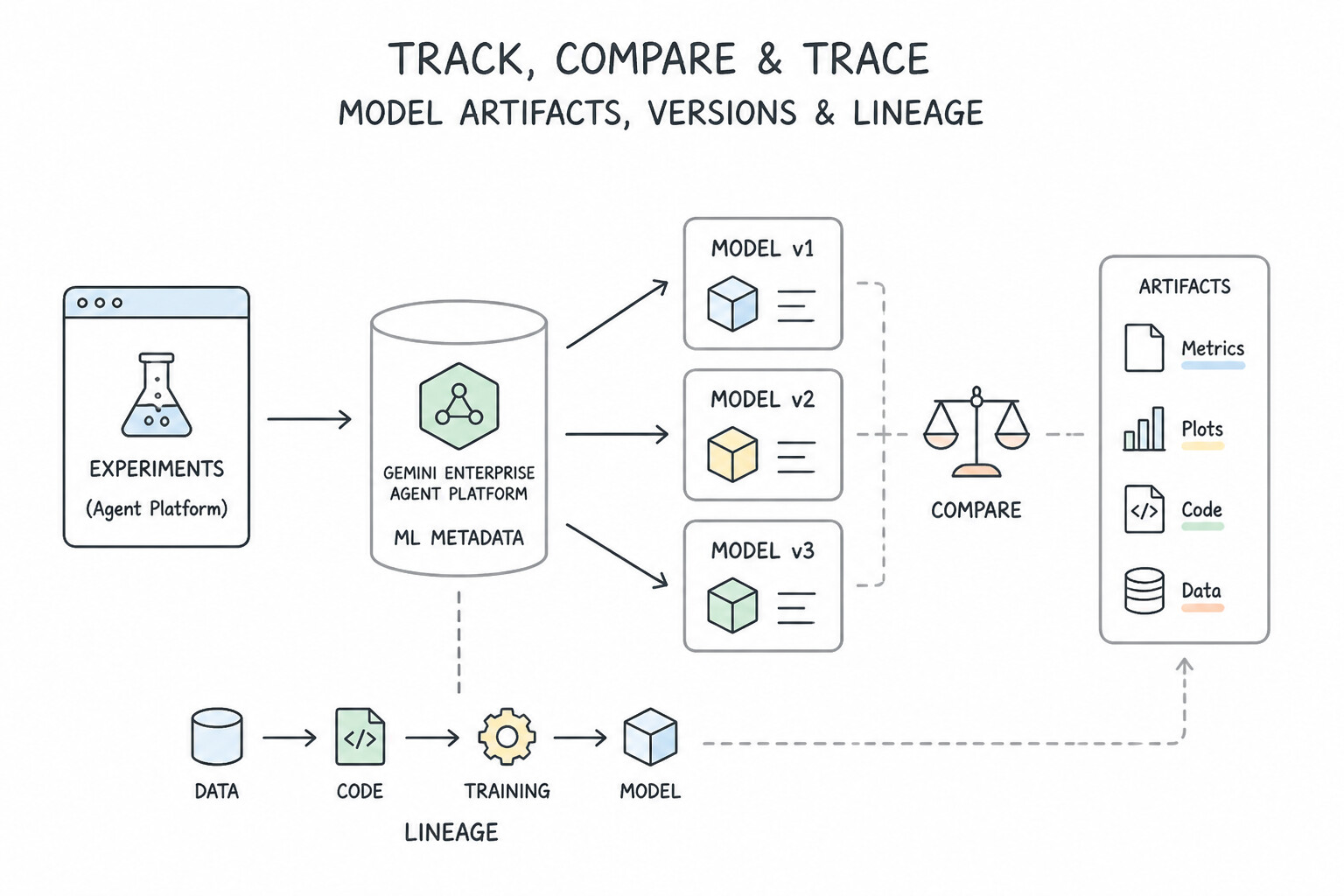
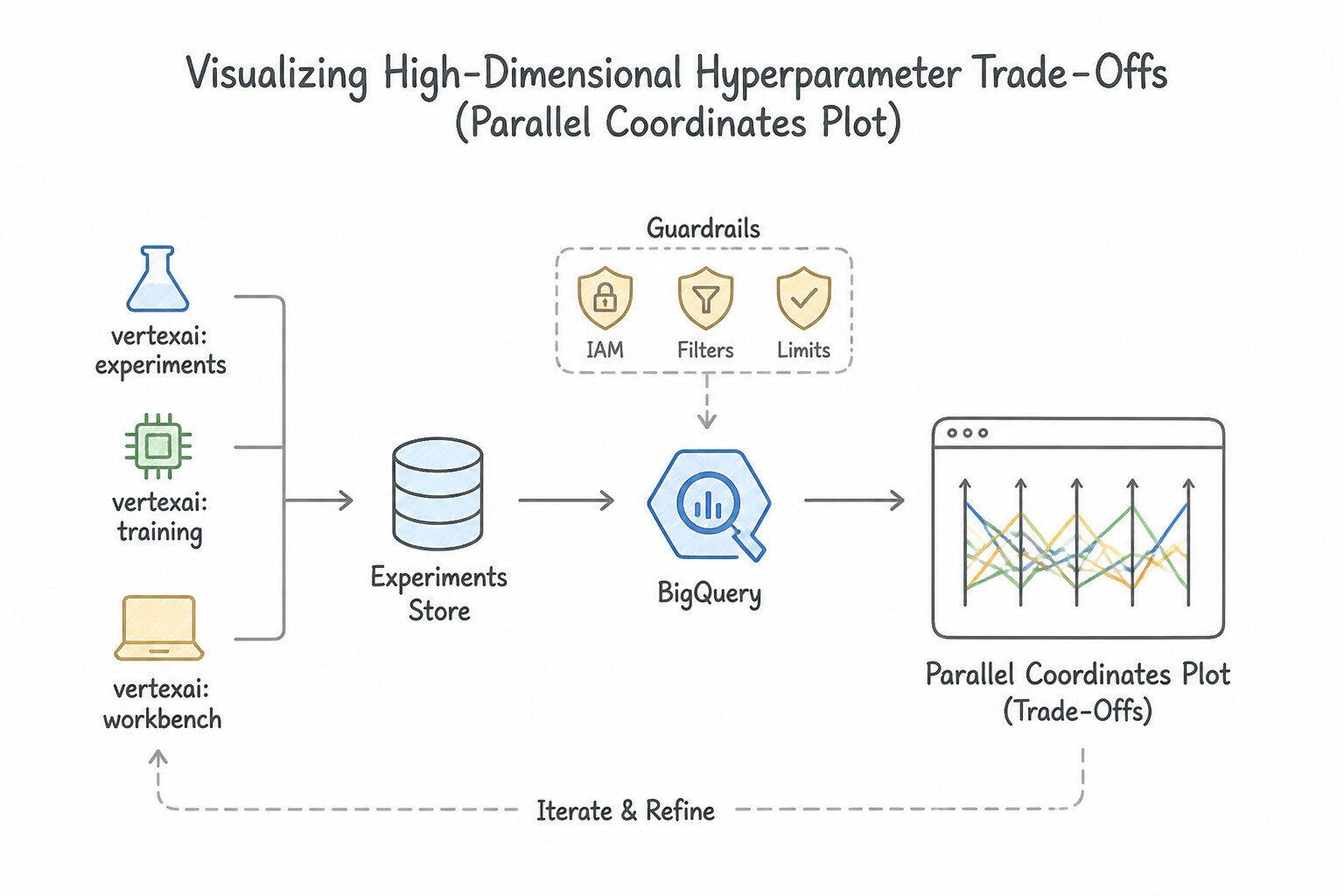
Chapter 3: Scaling Prototypes into Models: Custom Training, Fine-Tuning (PEFT/LoRA) & Hardware Accelerators
- Subsection 3.1: Building models given the task considering cost, complexity, latency, and scalability (Section 3: Scaling prototypes into ML models)
- Consideration 3.1a: Choosing the model type (e.g., ARIMA, DNN, and LLM) (Diagrams:
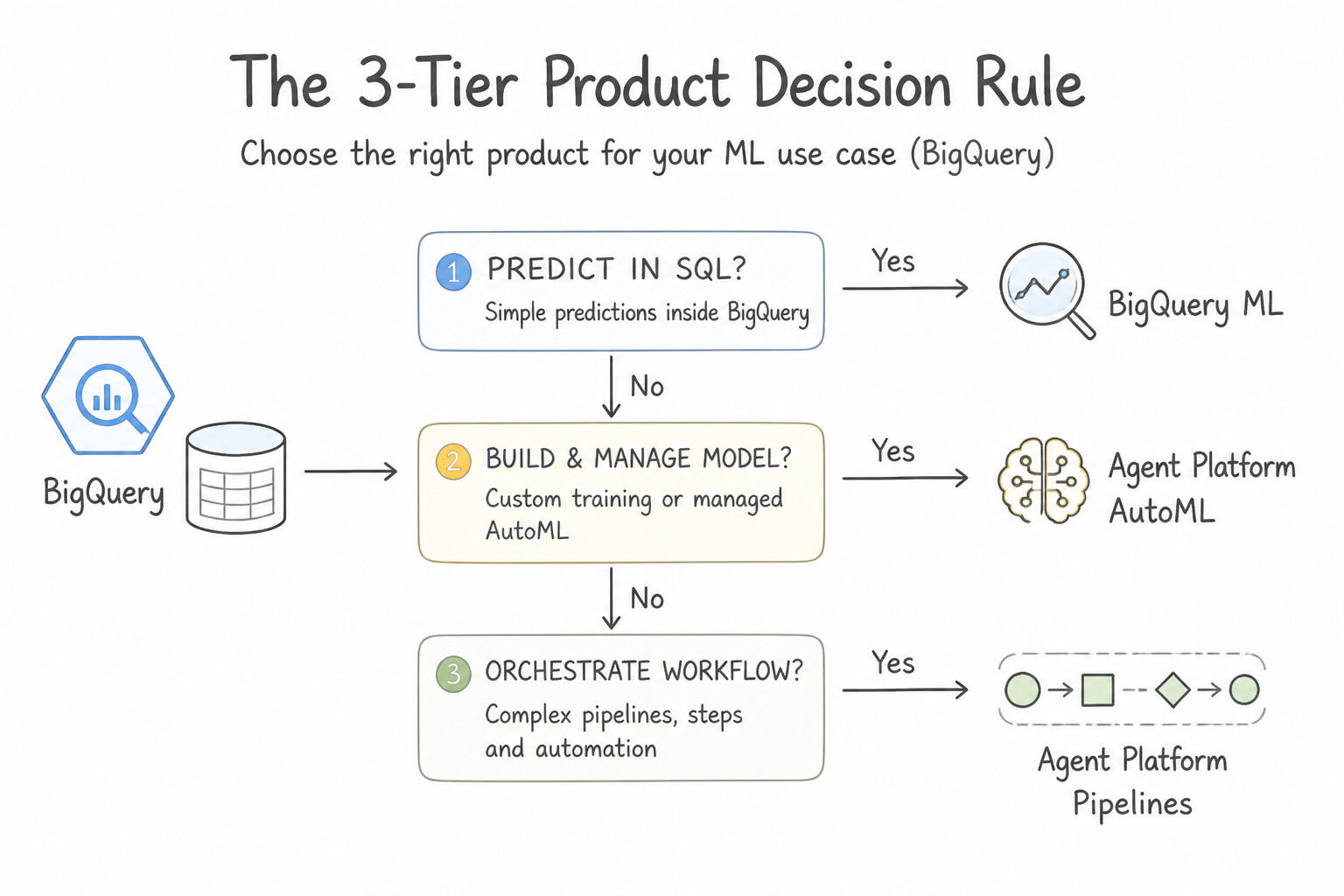
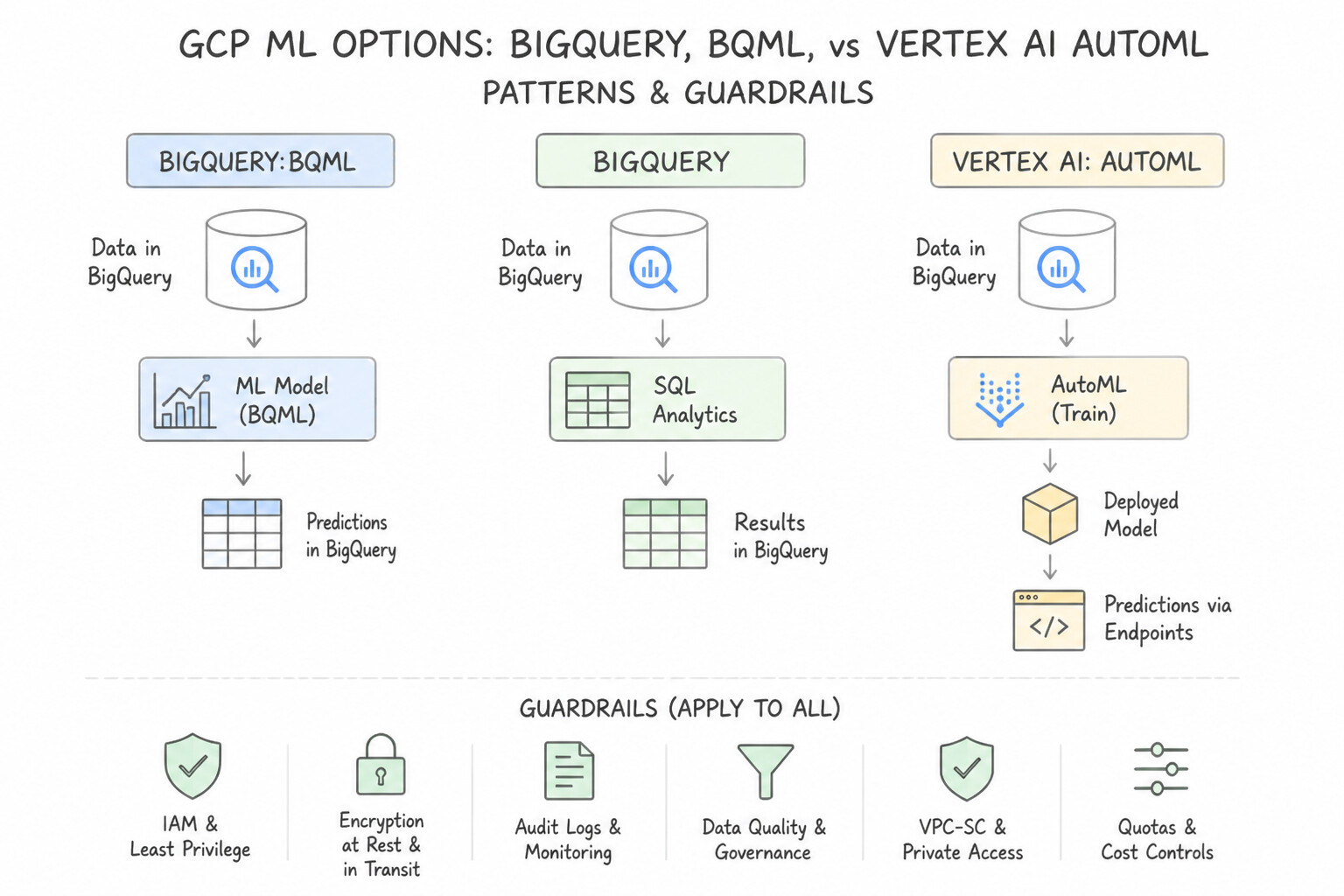
pmle-3.1a-1-matching-model-to.jpg,pmle-3.1a-2-structured-tabular-data.jpg) - Consideration 3.1b: Choosing the product (e.g., Agent Platform AutoML, BigQuery ML, and Agent Platform Pipelines) (Diagrams:
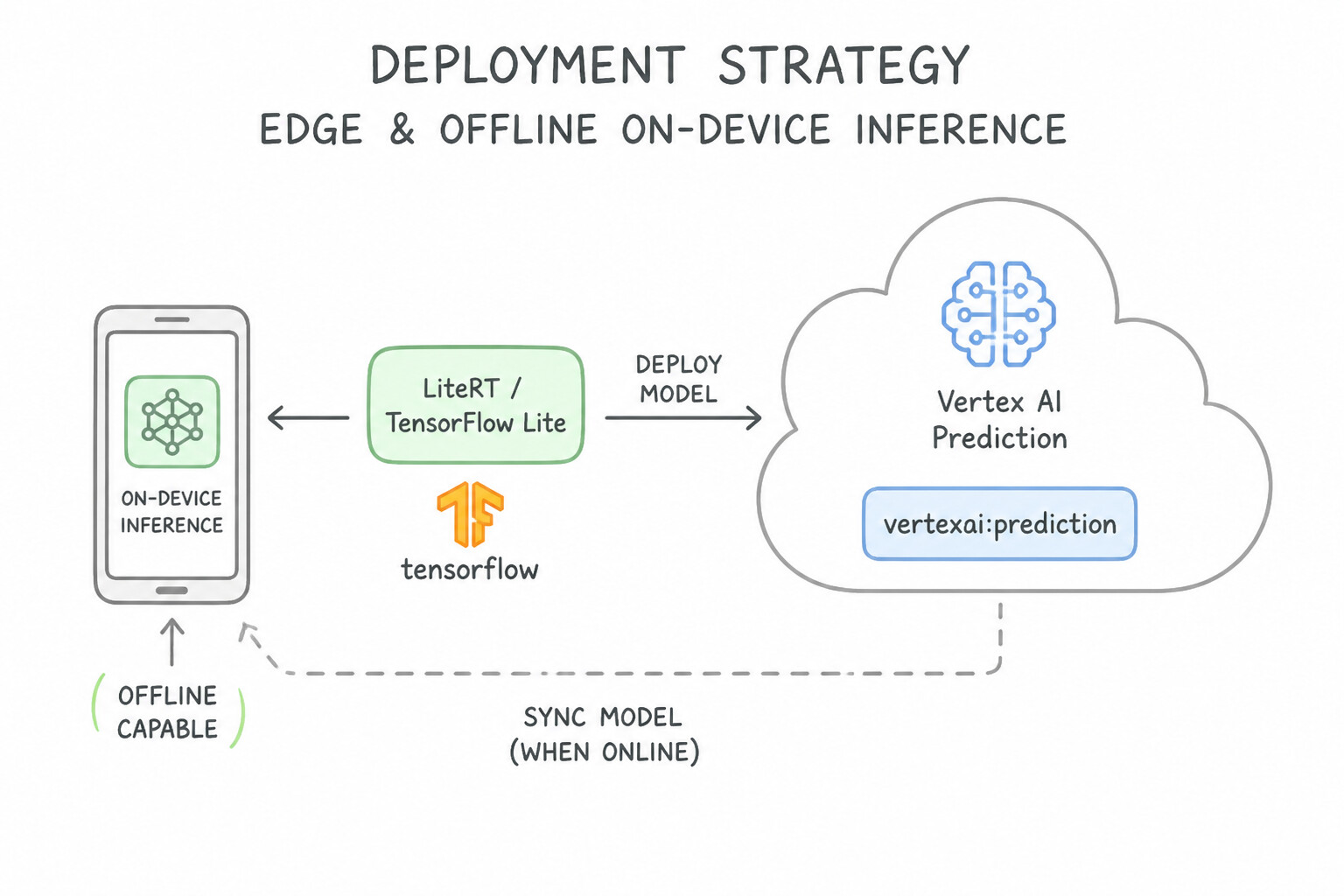
pmle-3.1b-1-tier-product-decision.jpg,pmle-3.1b-2-bigquery-bqml-bigquery.jpg) - Consideration 3.1c: Choosing the deployment strategy (Diagrams:
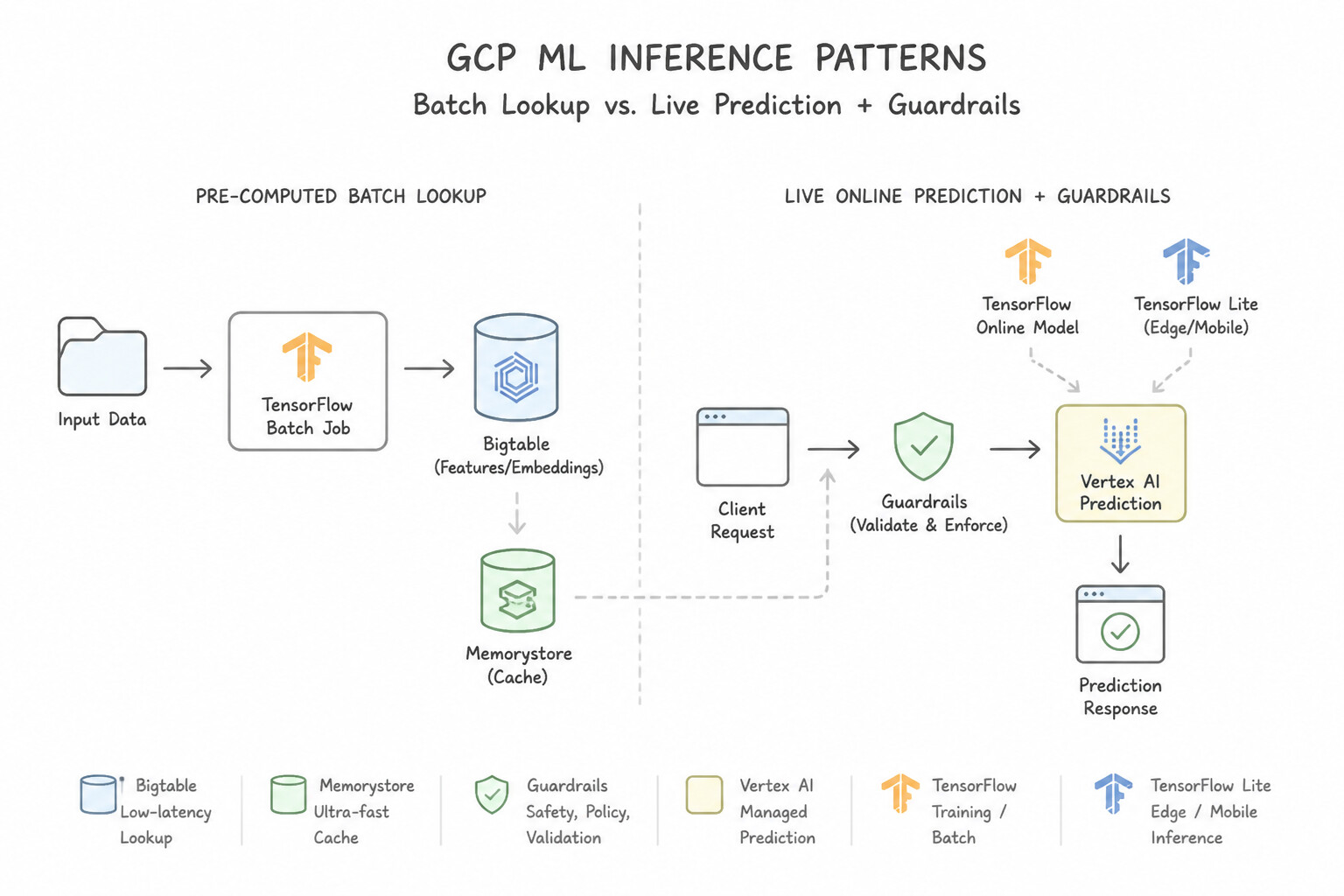
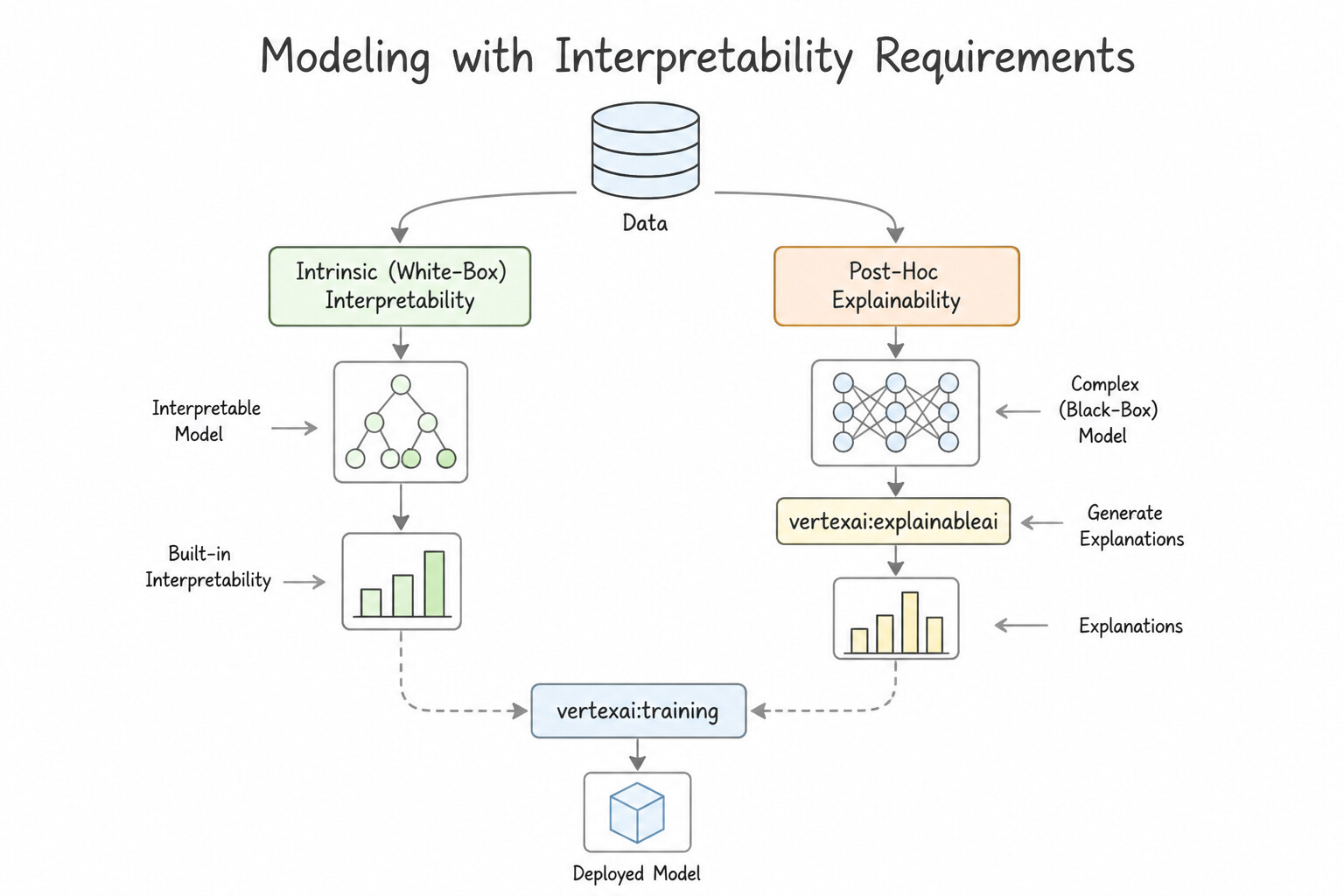
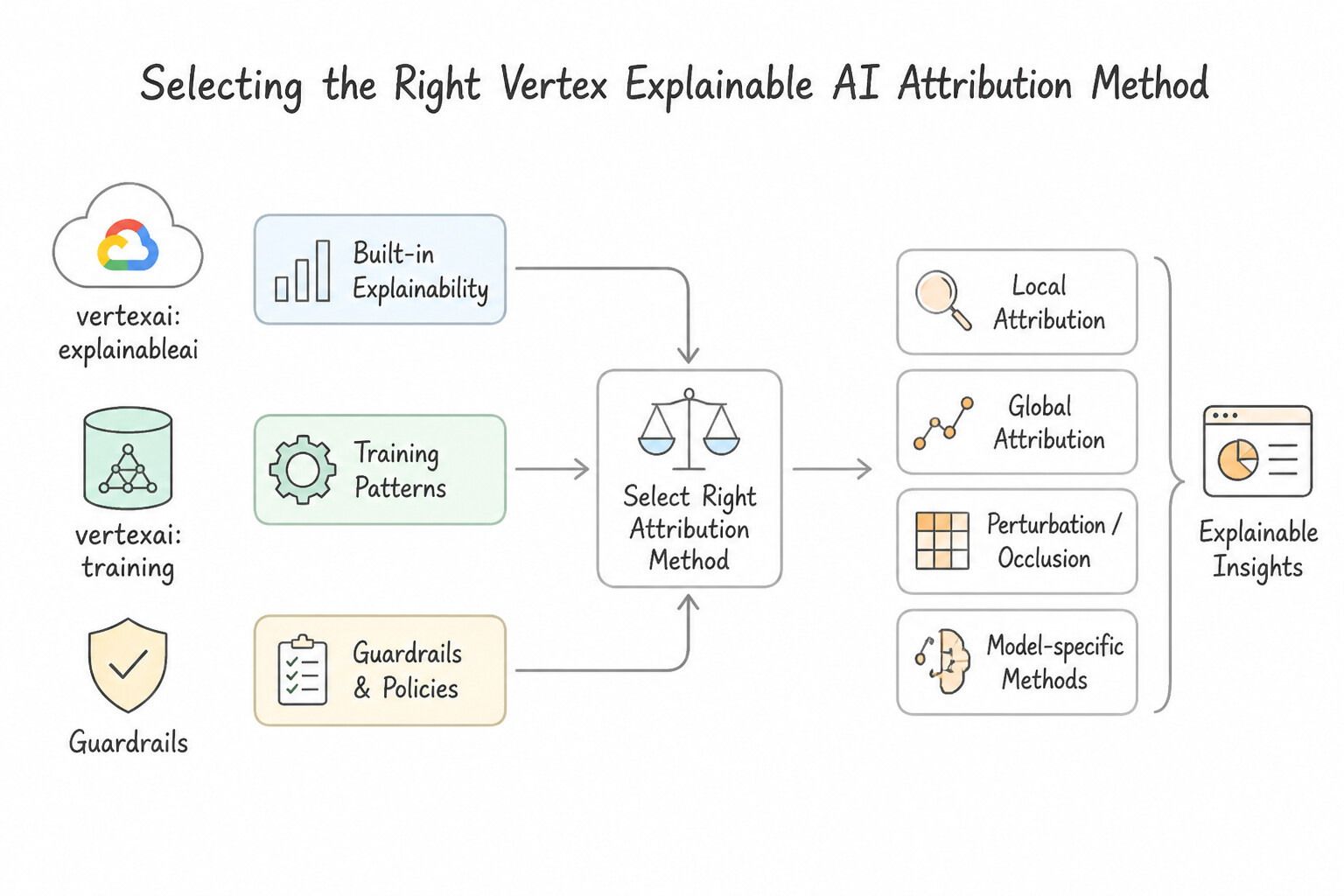
pmle-3.1c-1-edge-offline-on-device.jpg,pmle-3.1c-2-pre-computed-batch.jpg) - Consideration 3.1d: Modeling techniques given interpretability requirements (Diagrams:
pmle-3.1d-1-intrinsic-white-box.jpg,pmle-3.1d-2-right-vertex-explainable.jpg) - Quick Decision Cheat Sheet (Subsection 3.1)
- Subsection 3.2: Training models (Section 3: Scaling prototypes into ML models)
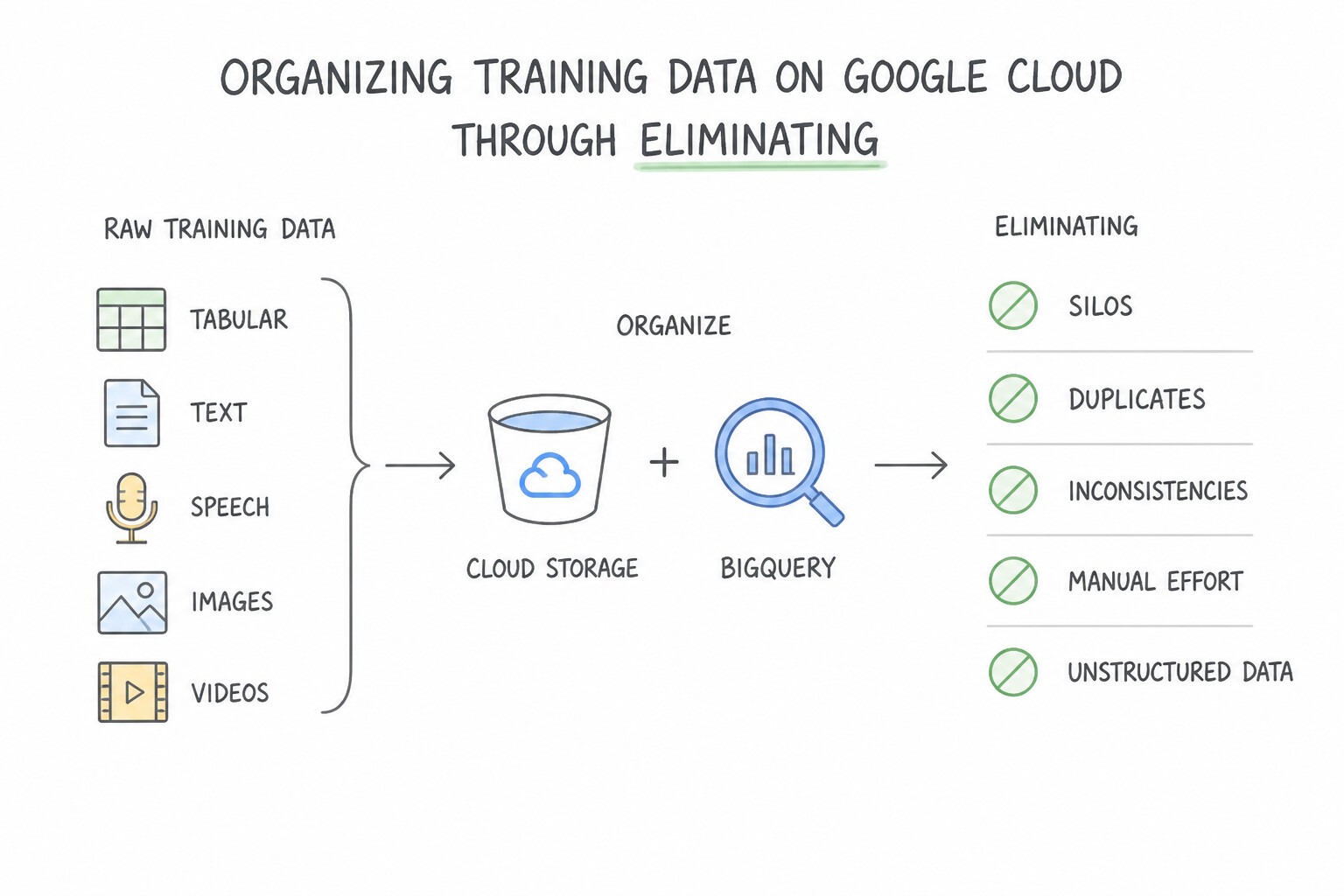
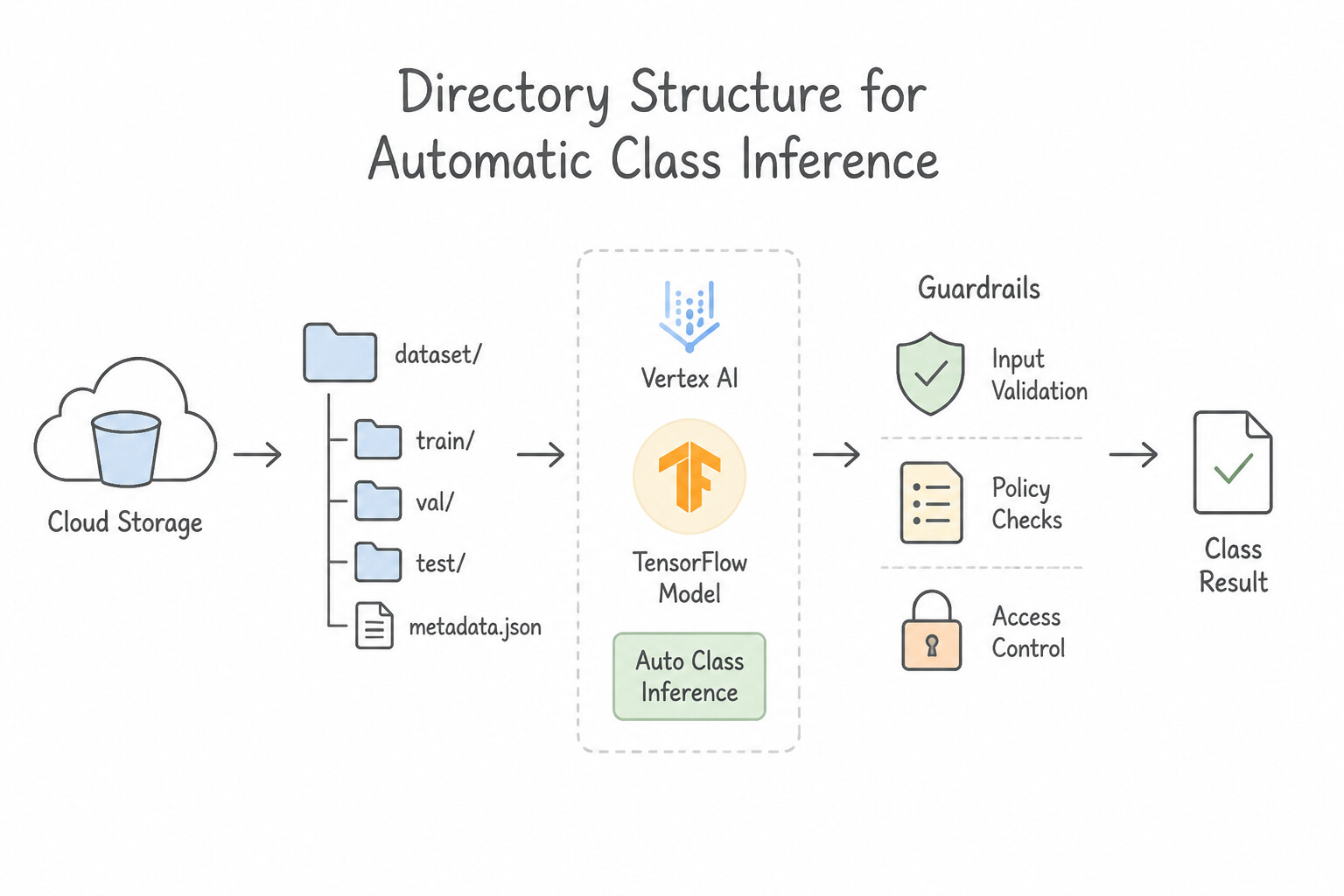
- Consideration 3.2a: Organizing training data (e.g., tabular, text, speech, images, and videos) on Google Cloud (e.g., Cloud Storage and BigQuery) (Diagrams:
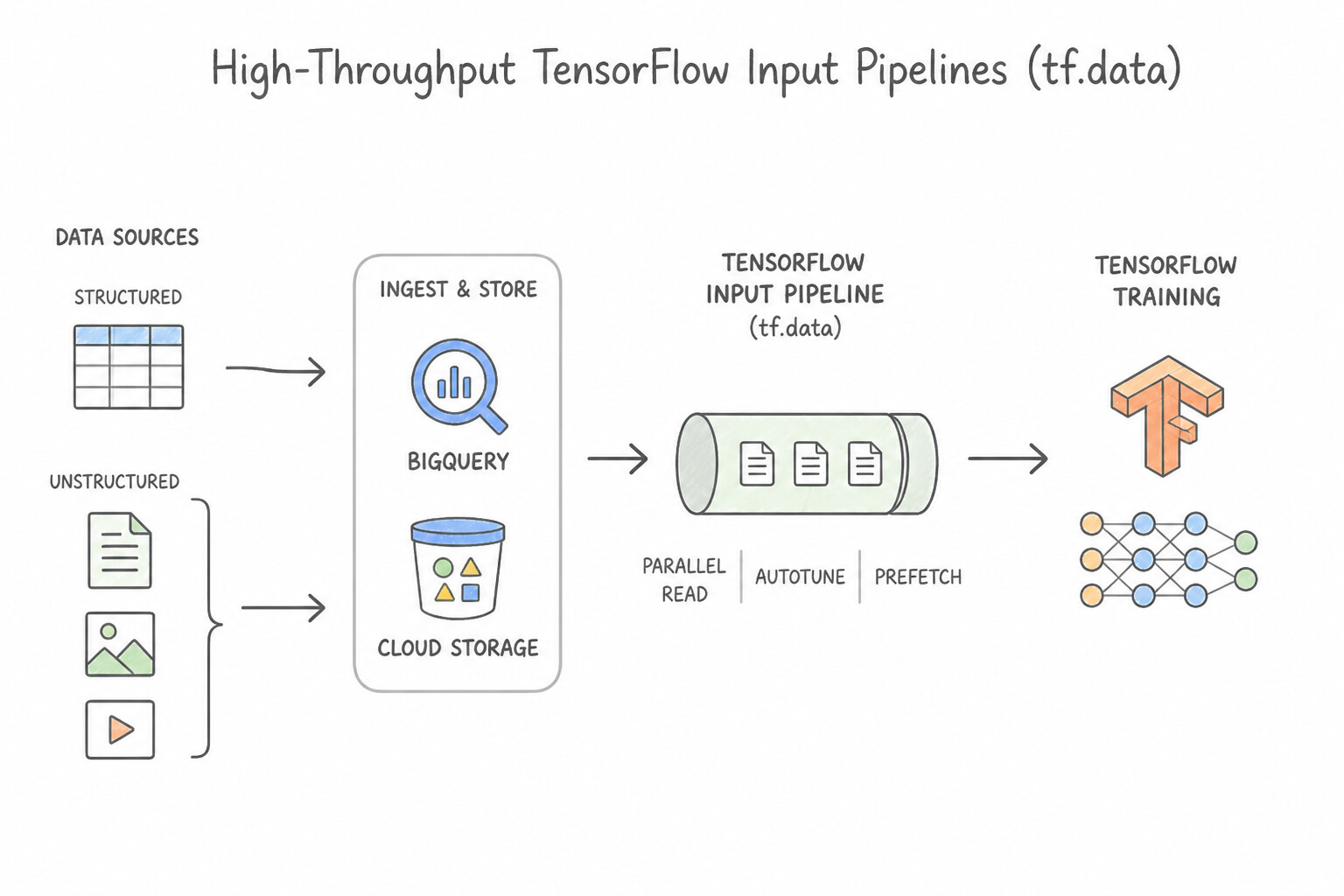
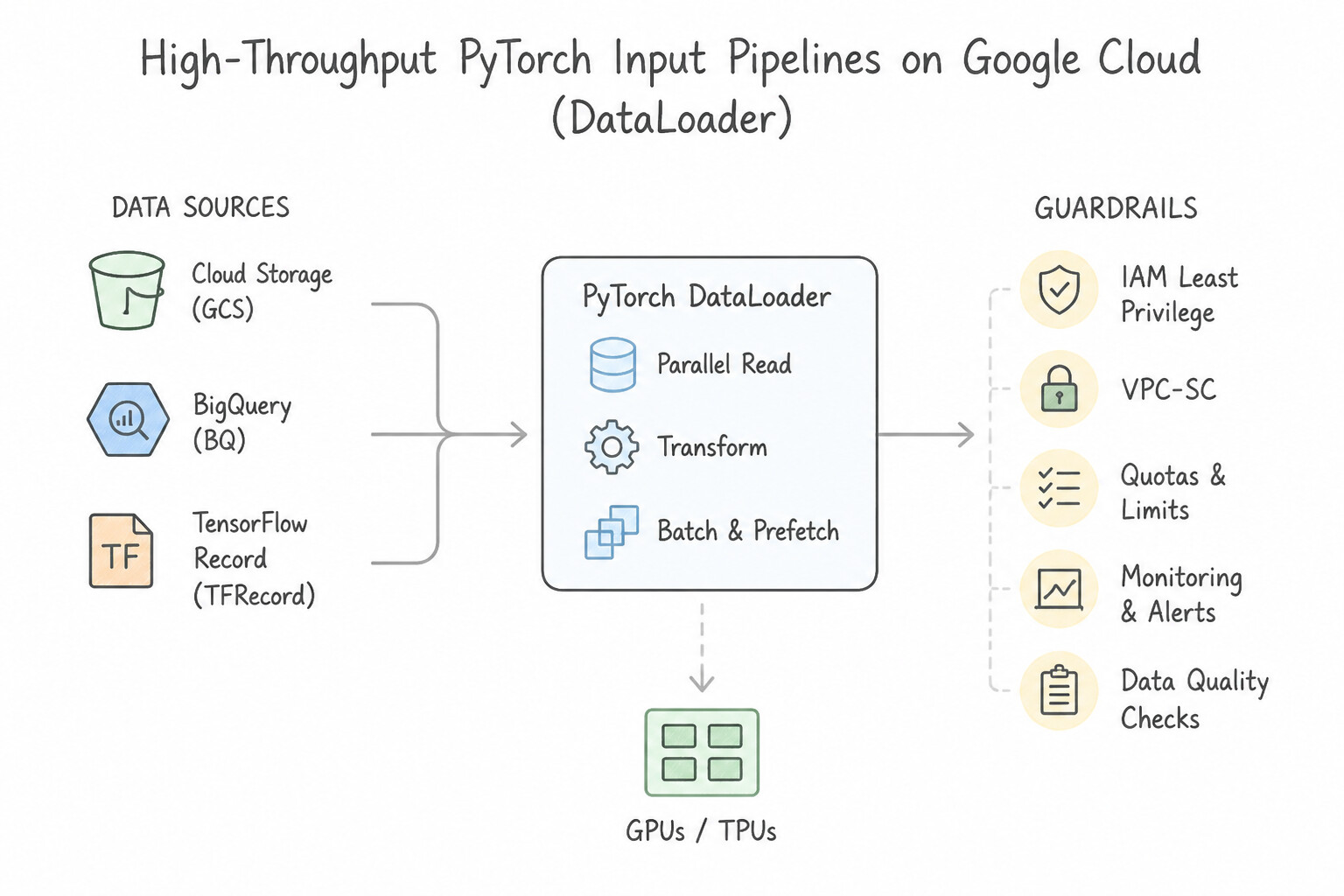
pmle-3.2a-1-eliminating-small-file.jpg,pmle-3.2a-2-directory-structure.jpg) - Consideration 3.2b: Ingesting structured and unstructured data from various sources into training pipelines (Diagrams:
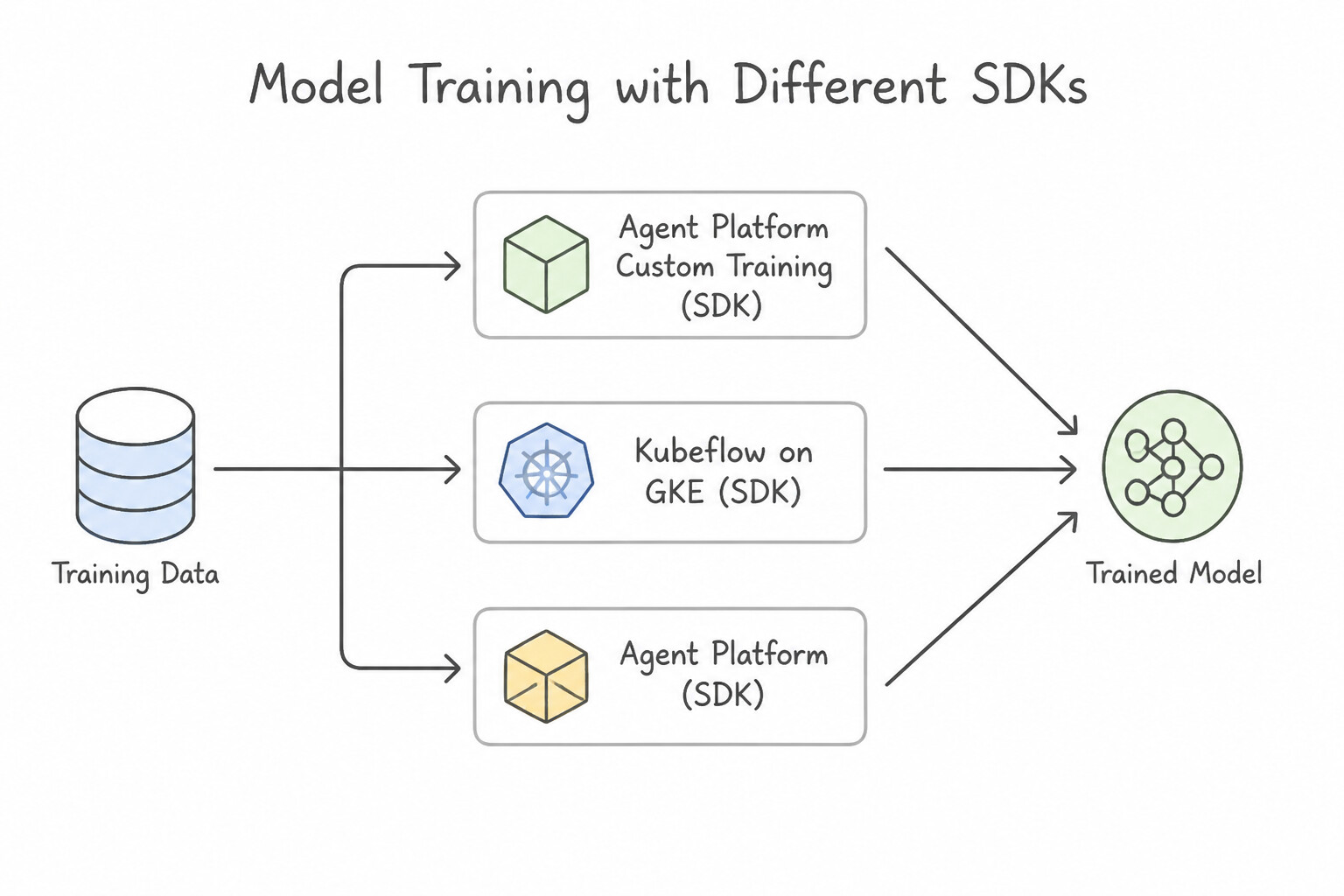
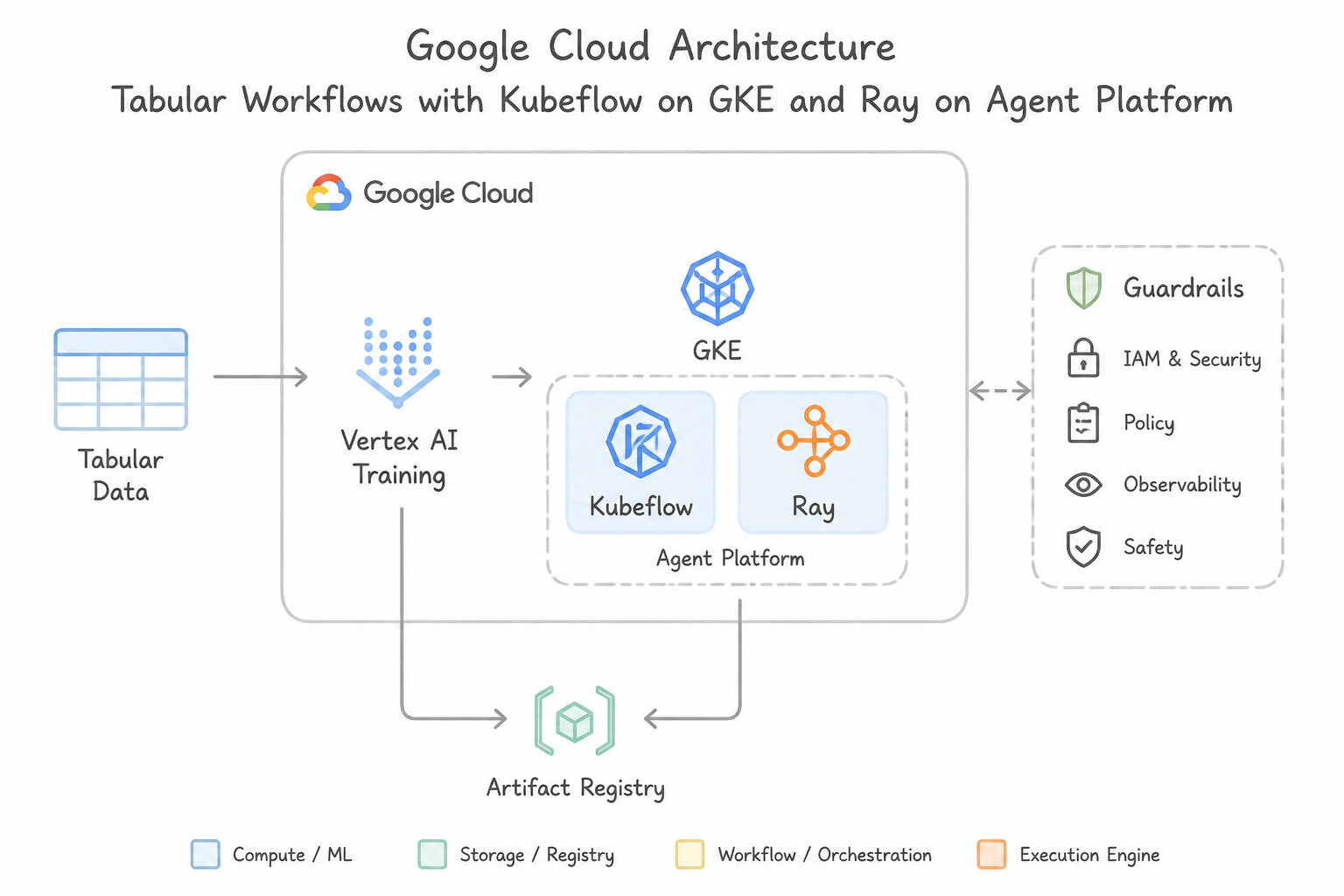
pmle-3.2b-1-throughput-tensorflow.jpg,pmle-3.2b-2-throughput-pytorch-input.jpg) - Consideration 3.2c: Model training using different software development kits (SDKs) (e.g., Agent Platform custom training, Kubeflow on Google Kubernetes Engine [GKE], Agent Platform AutoML, and Tabular Workflows) and organizing training on Google Cloud (Diagrams:
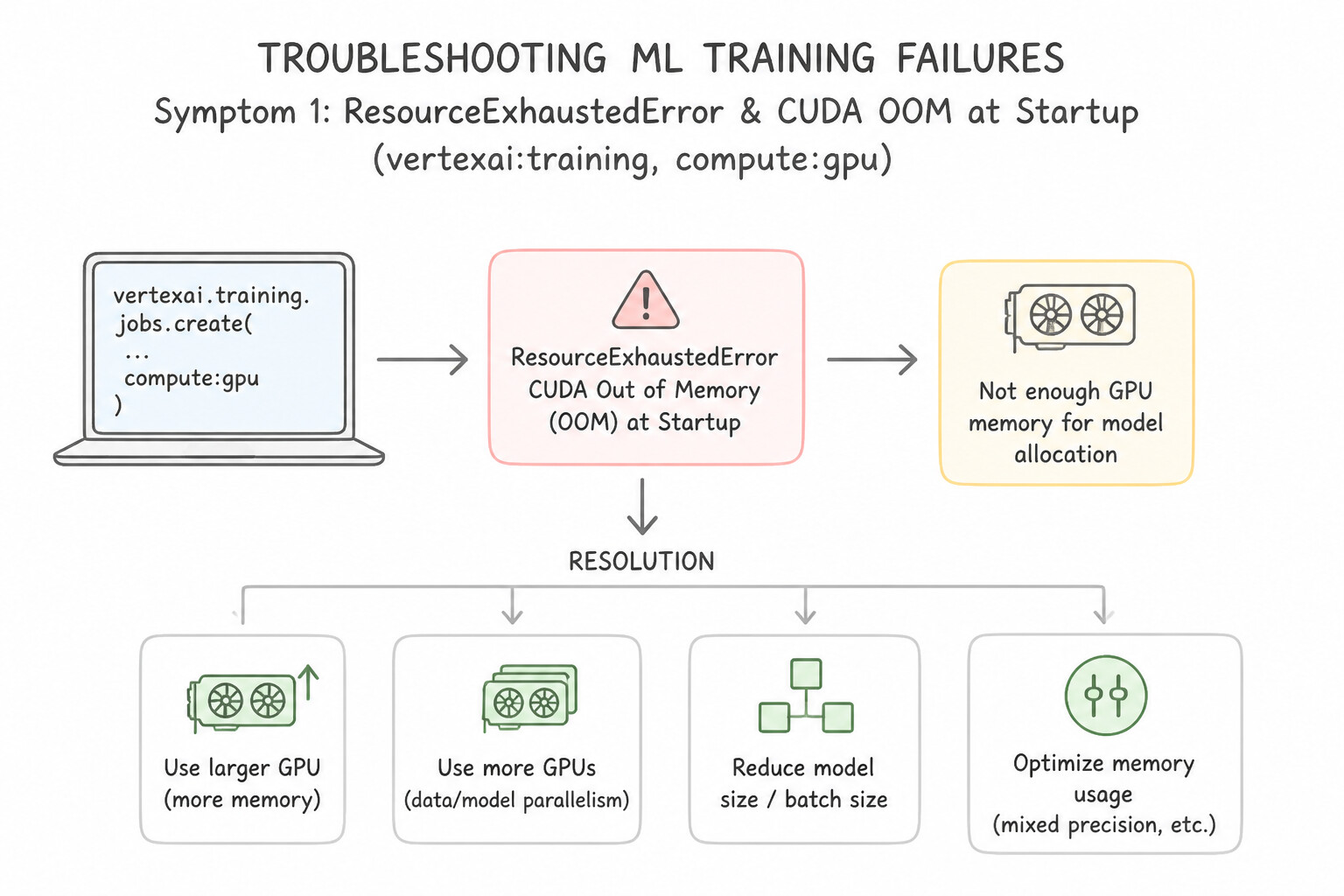
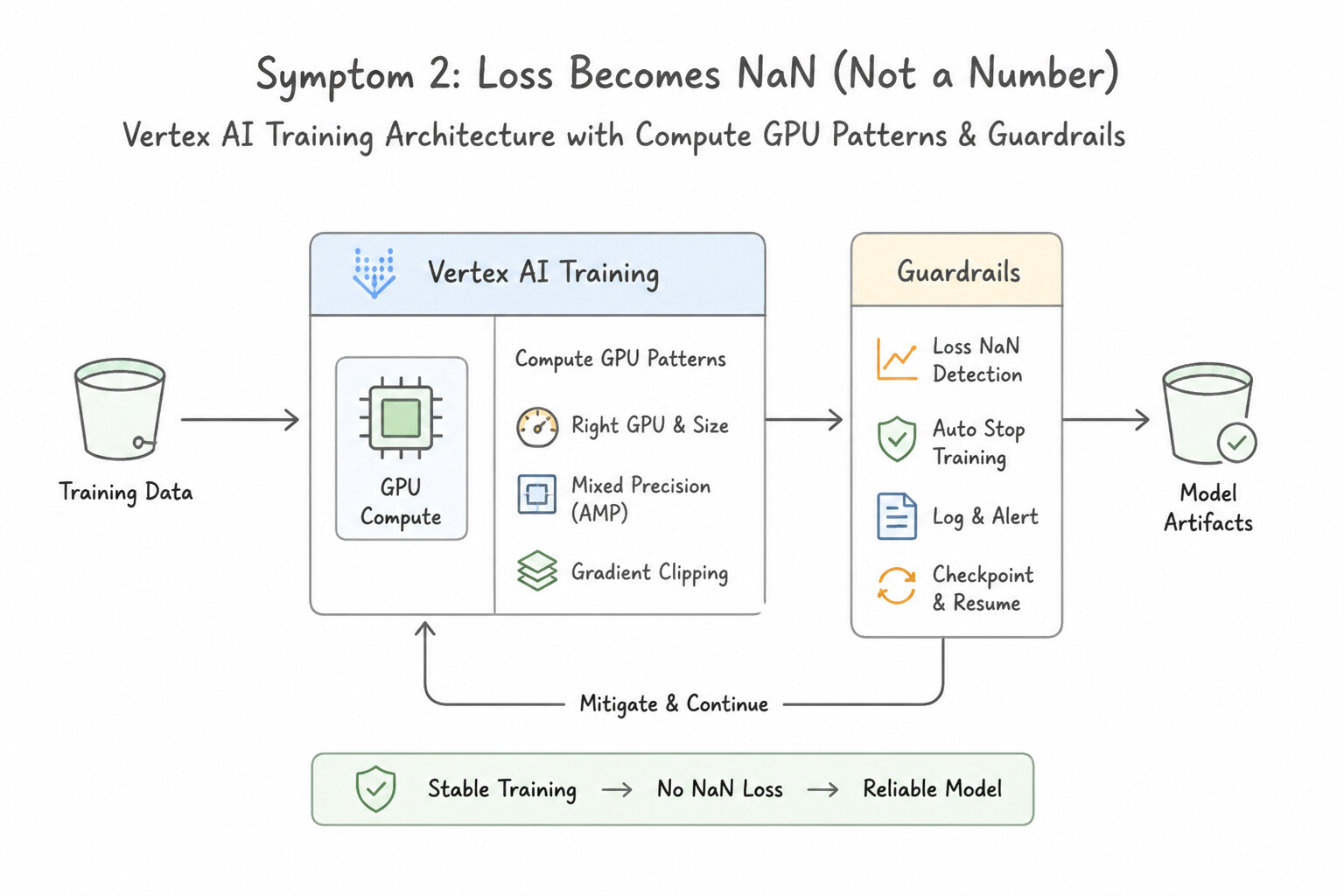
pmle-3.2c-1-prebuilt-containers-vs.jpg,pmle-3.2c-2-tabular-workflows.jpg) - Consideration 3.2d: Troubleshooting ML model training failures (Diagrams:
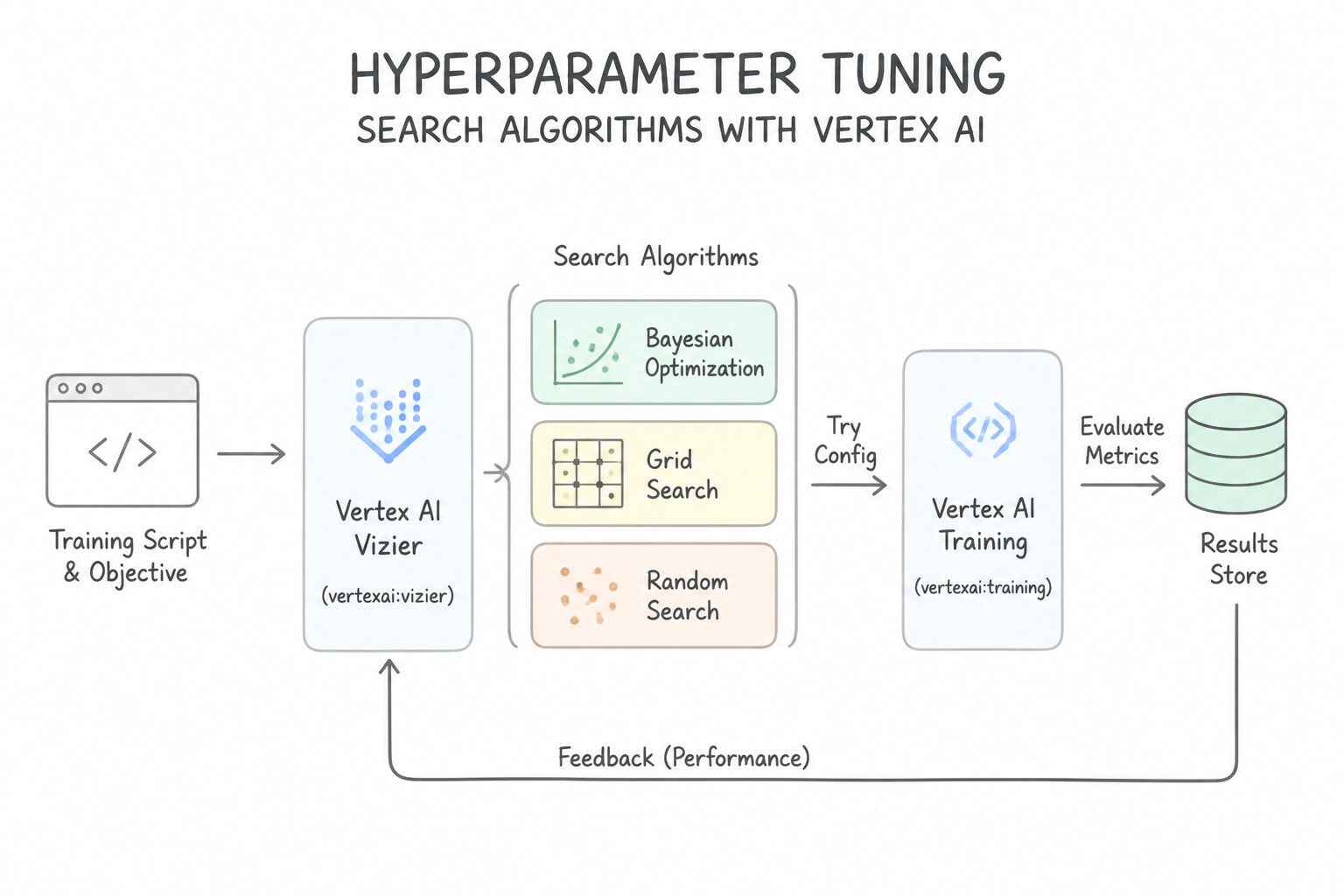
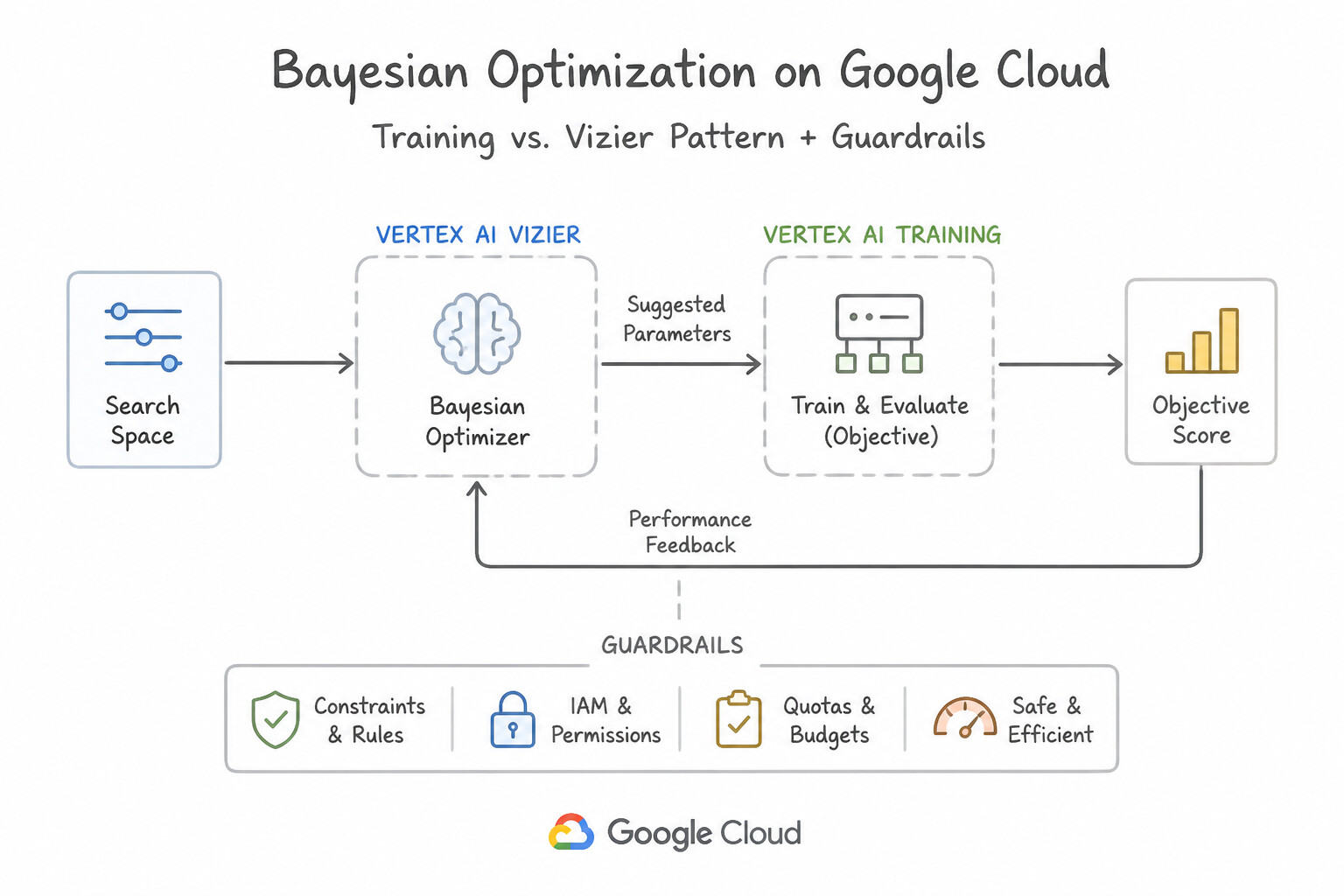
pmle-3.2d-1-symptom.jpg,pmle-3.2d-2-symptom-loss-becomes-nan.jpg) - Consideration 3.2e: Hyperparameter tuning (Diagrams:
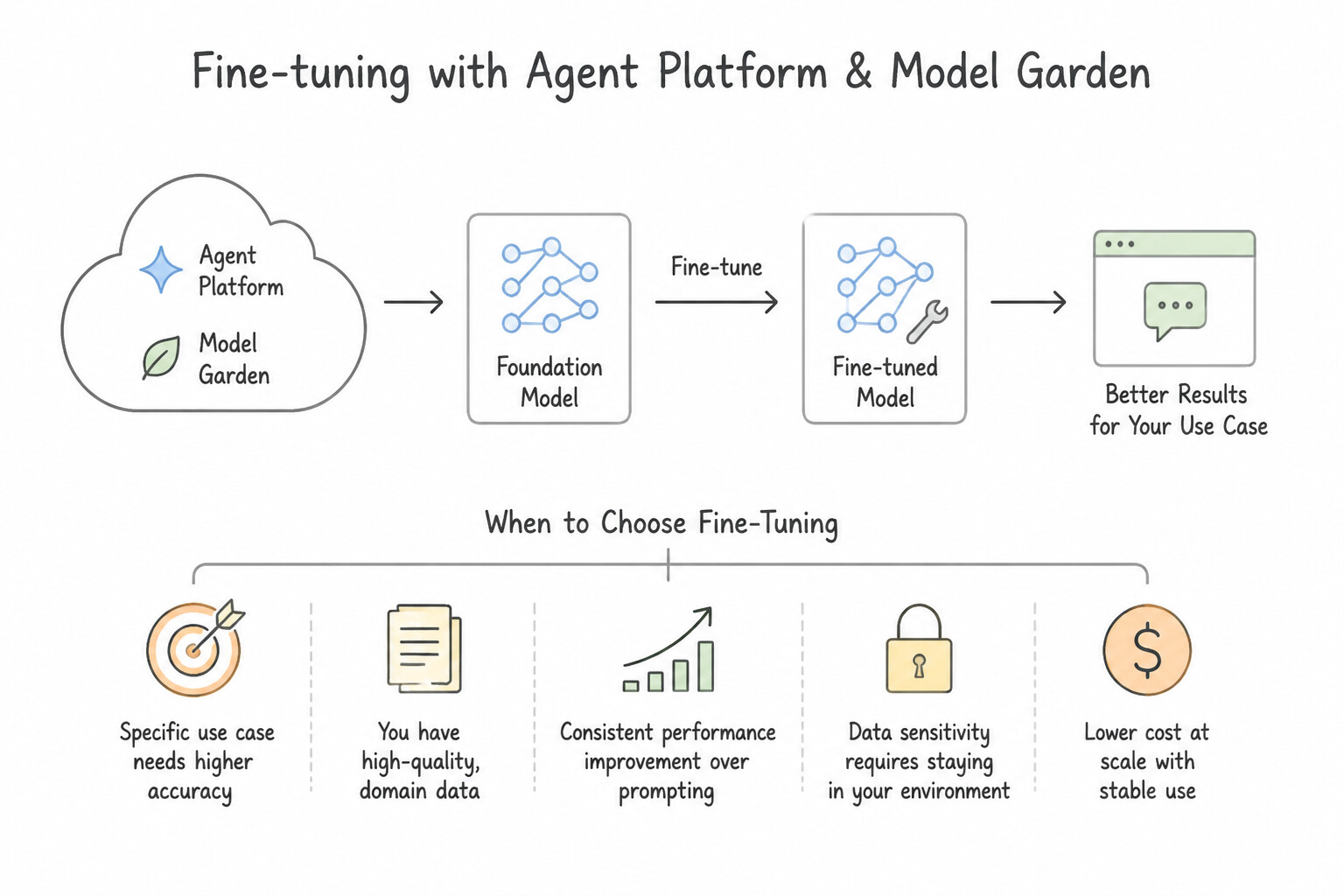
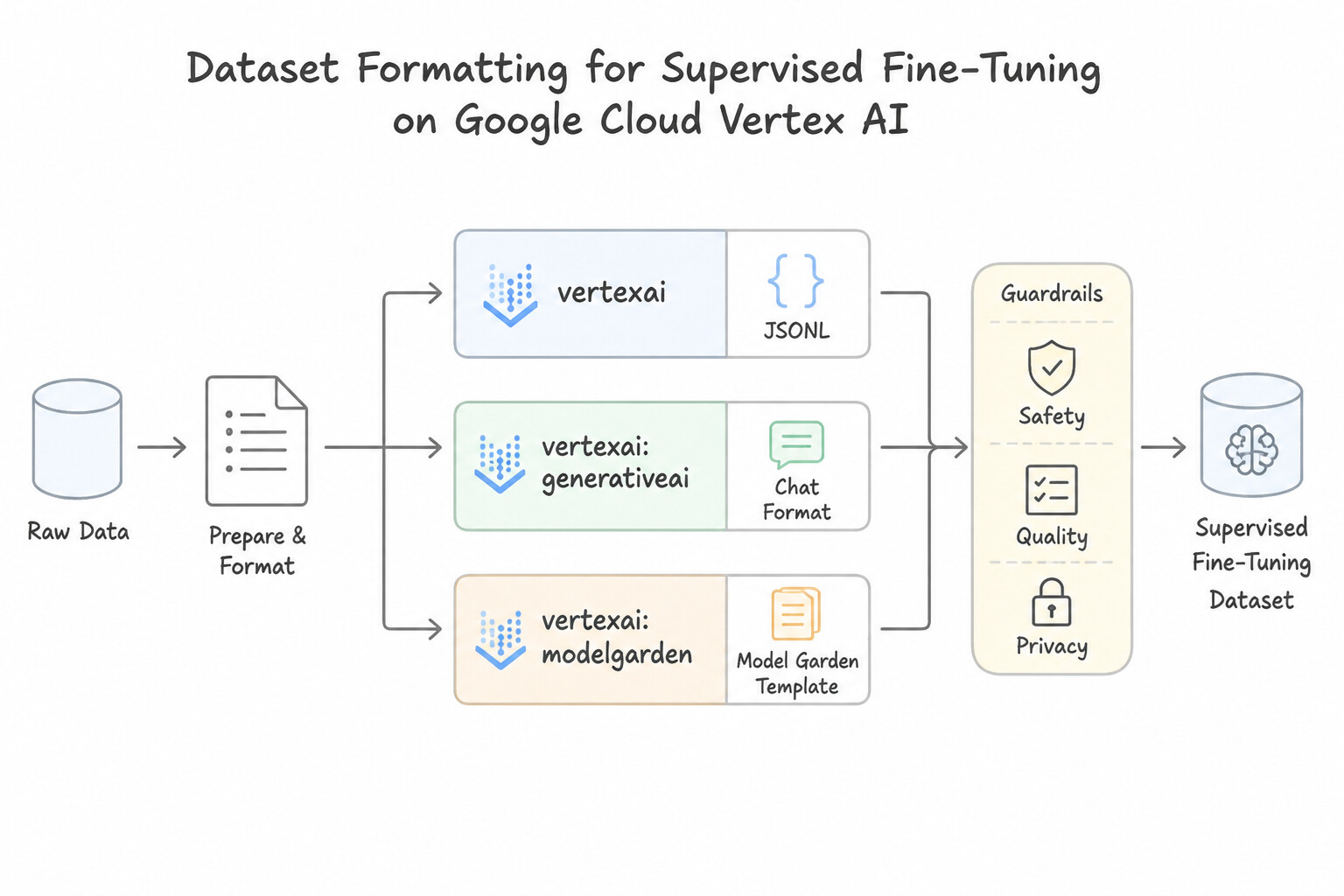
pmle-3.2e-1-search-algorithms.jpg,pmle-3.2e-2-bayesian-optimization.jpg) - Consideration 3.2f: Fine-tuning foundational models from Agent Platform and Model Garden and when tuning should be considered (Diagrams:
pmle-3.2f-1-to-choose-fine-tuning.jpg,pmle-3.2f-2-dataset-formatting.jpg) - Quick Decision Cheat Sheet (Subsection 3.2)
- Subsection 3.3: Choosing appropriate hardware for training (Section 3: Scaling prototypes into ML models)
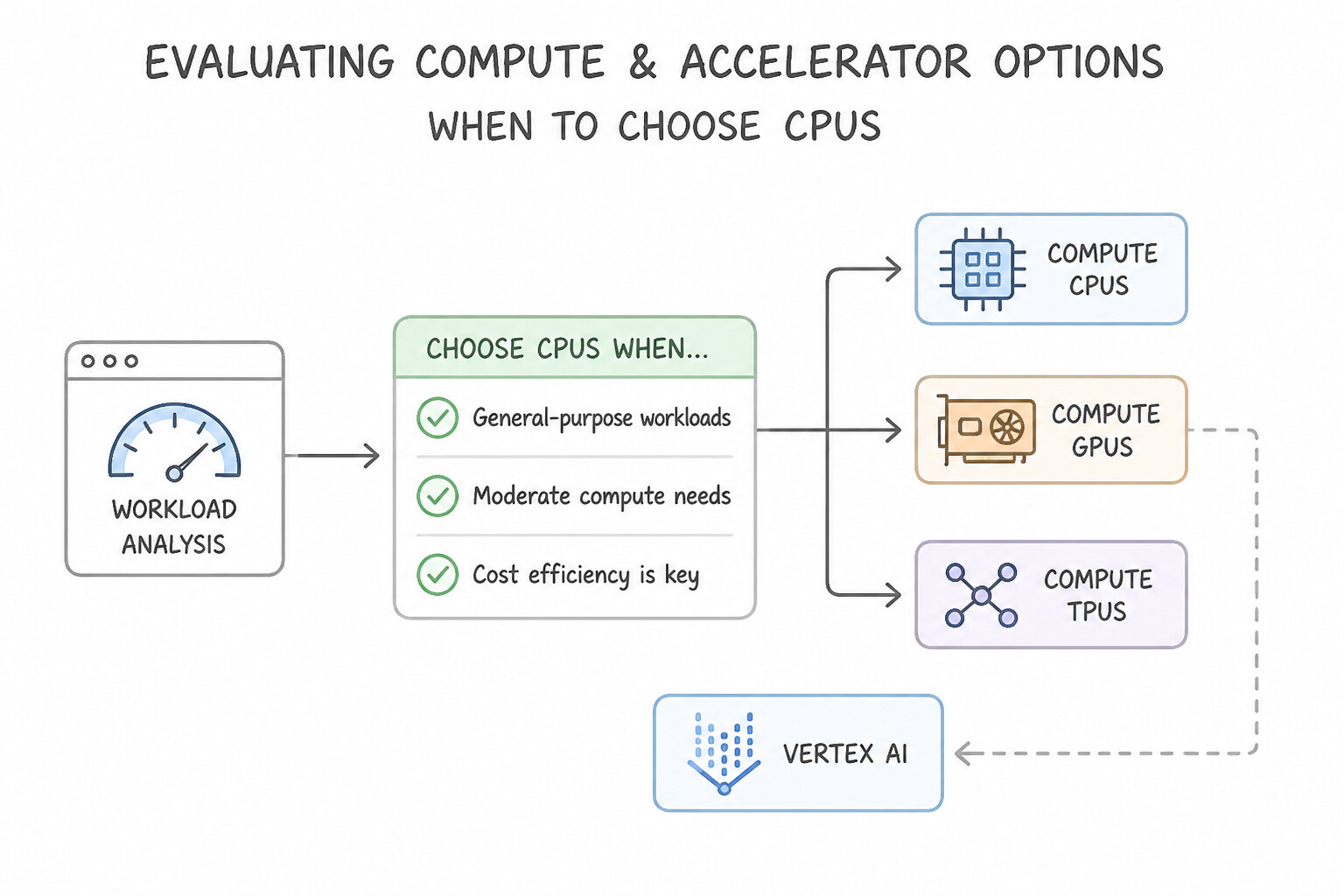
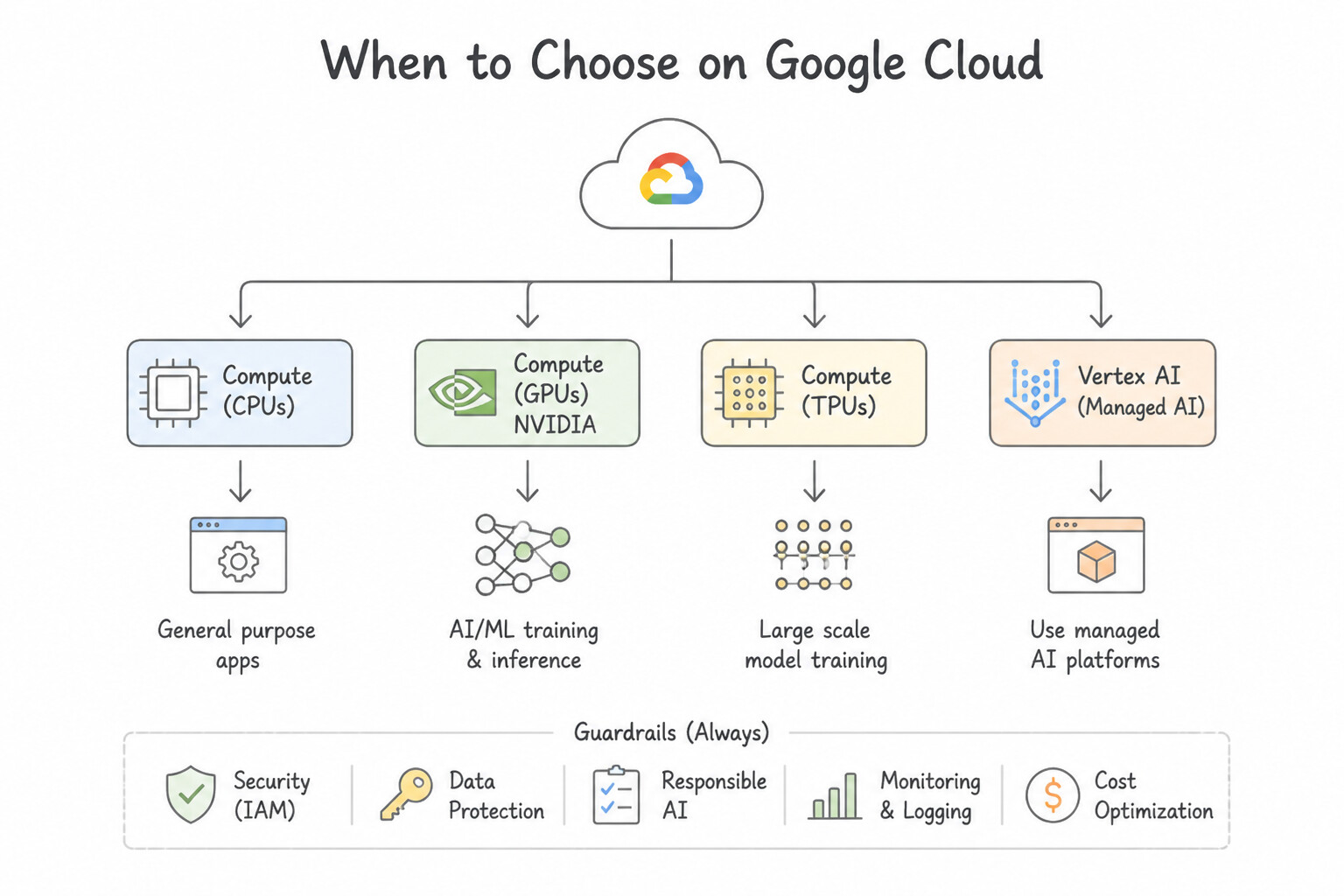
- Consideration 3.3a: Evaluation of compute and accelerator options (e.g., CPU, GPU, and TPU) (Diagrams:
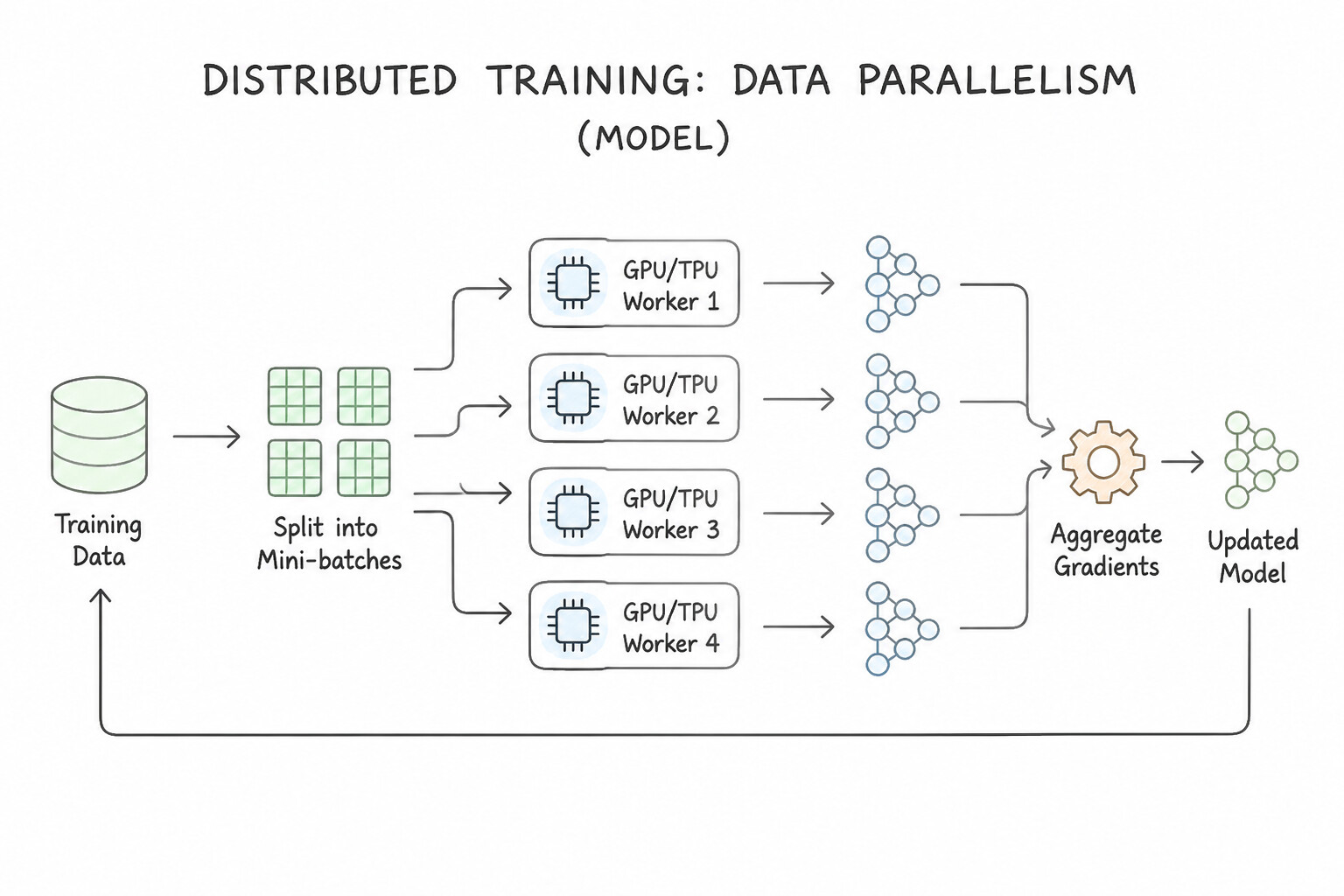
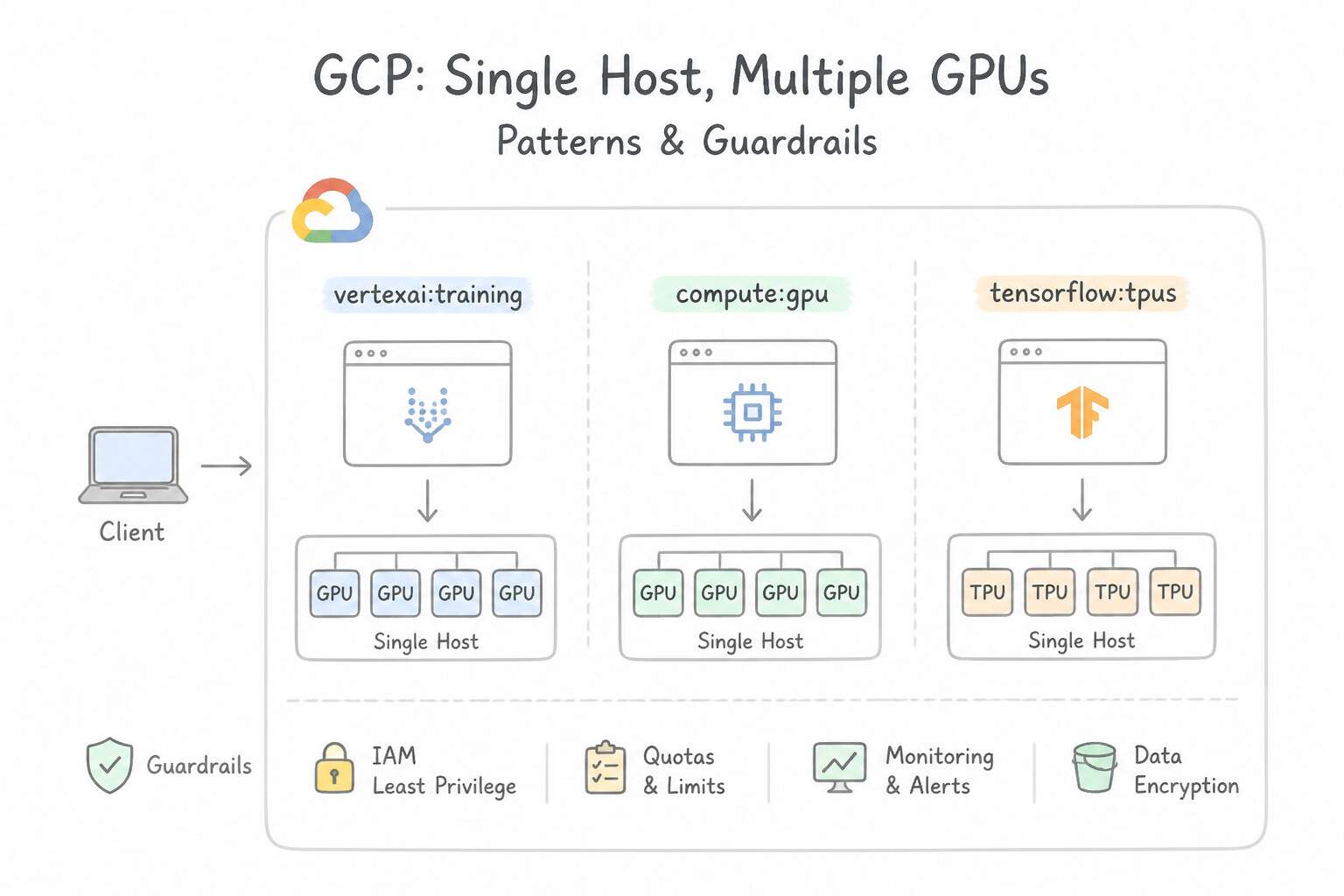
pmle-3.3a-1-to-choose-cpus.jpg,pmle-3.3a-2-to-choose-nvidia-gpus.jpg) - Consideration 3.3b: Understanding the options for distributed training on GPUs and TPUs using data and model parallelism strategies (Diagrams:
pmle-3.3b-1-data-parallelism-model.jpg,pmle-3.3b-2-single-host-multiple.jpg) - Quick Decision Cheat Sheet (Subsection 3.3)
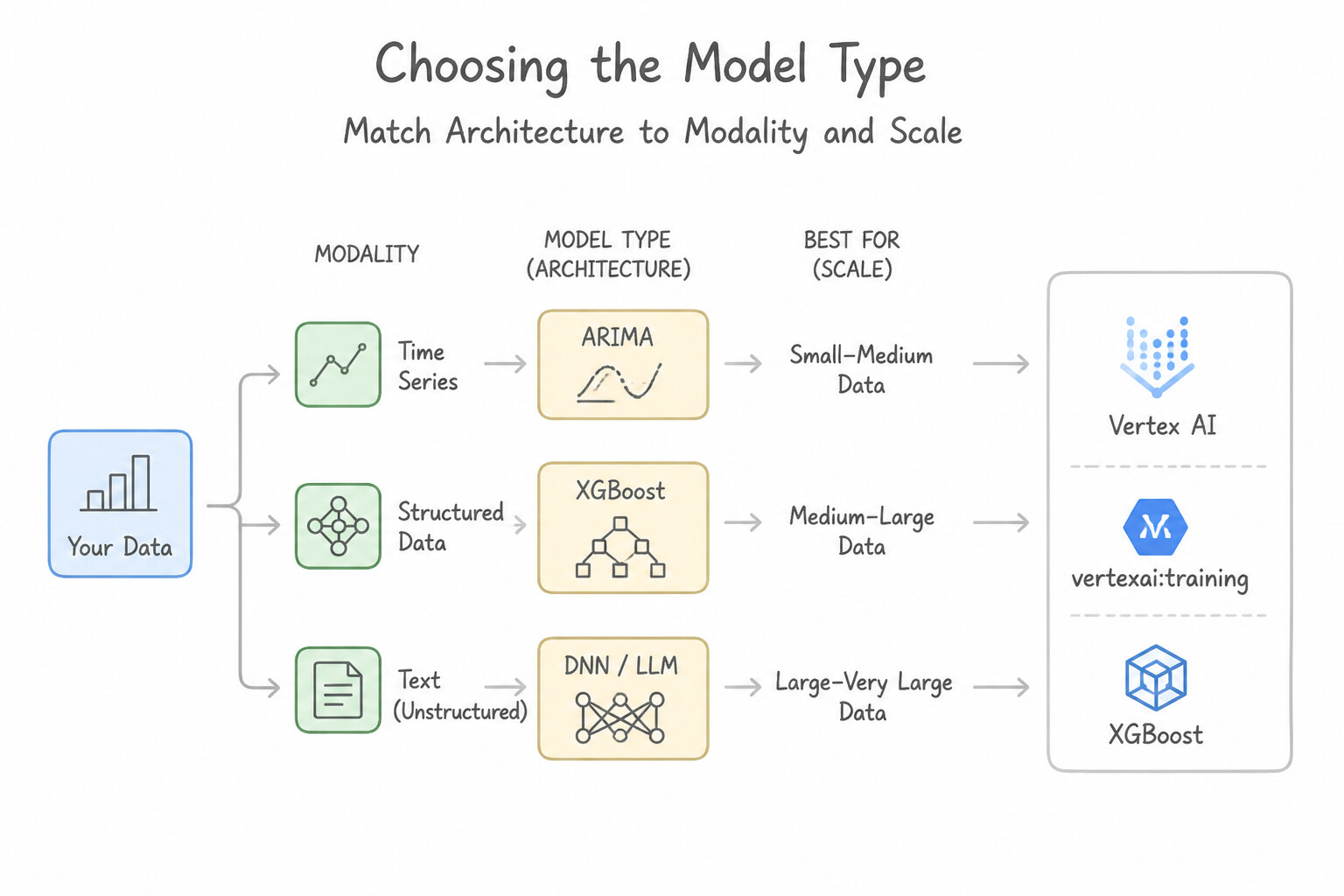
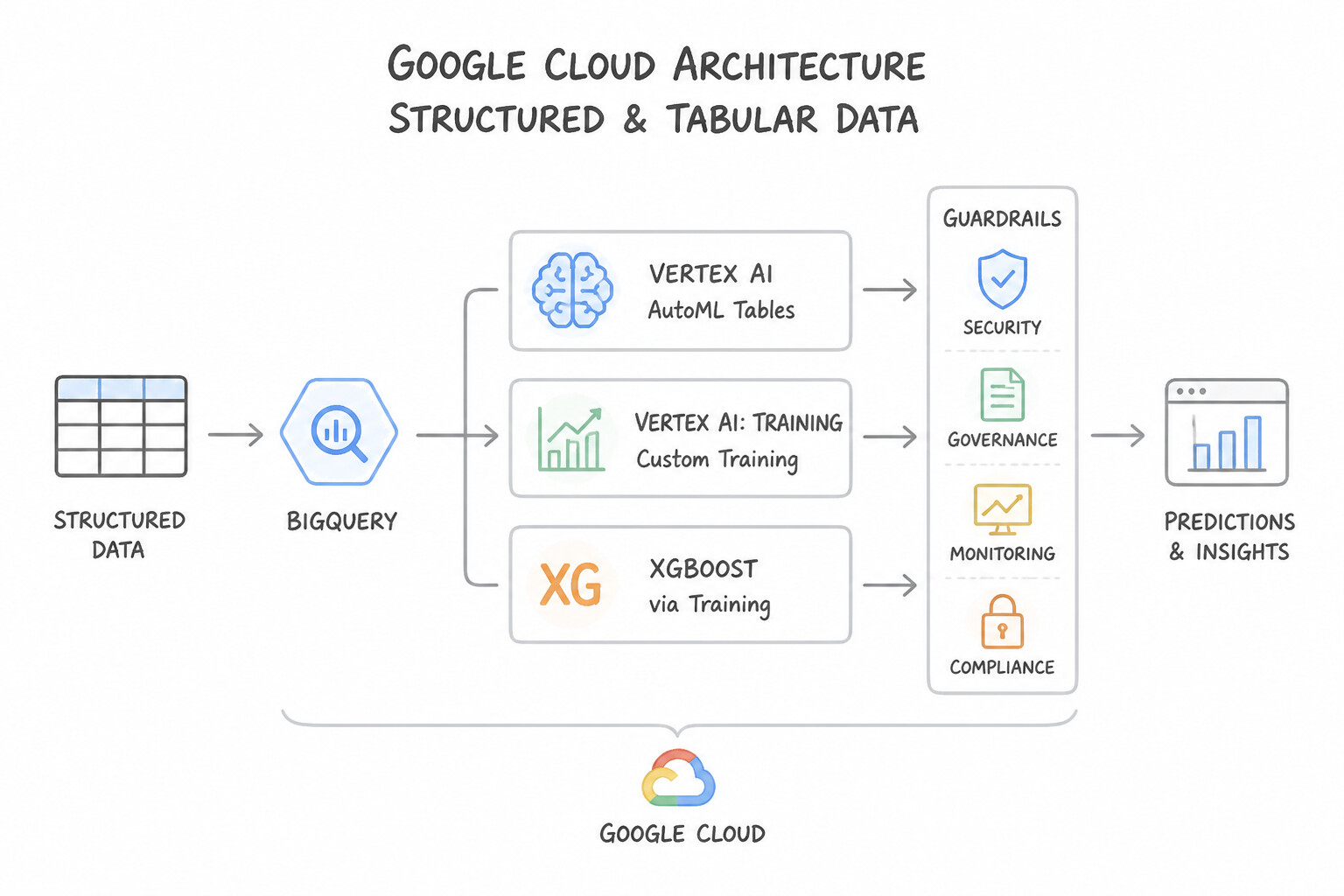
Chapter 4: Serving & Scaling Models: Model Registry, Batch vs. Online Endpoints & Inference Optimization
- Subsection 4.1: Serving models (Section 4: Serving and scaling models)
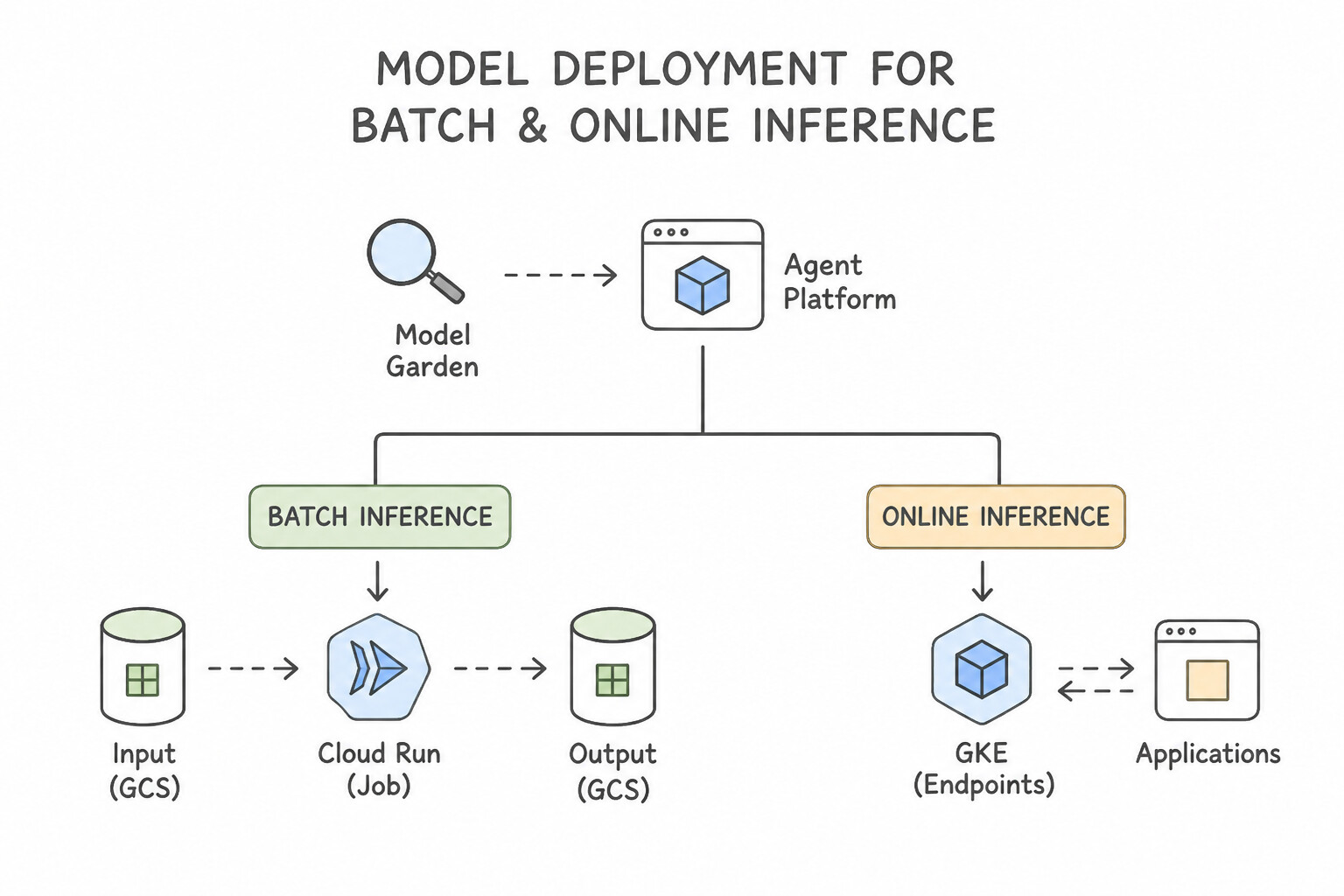
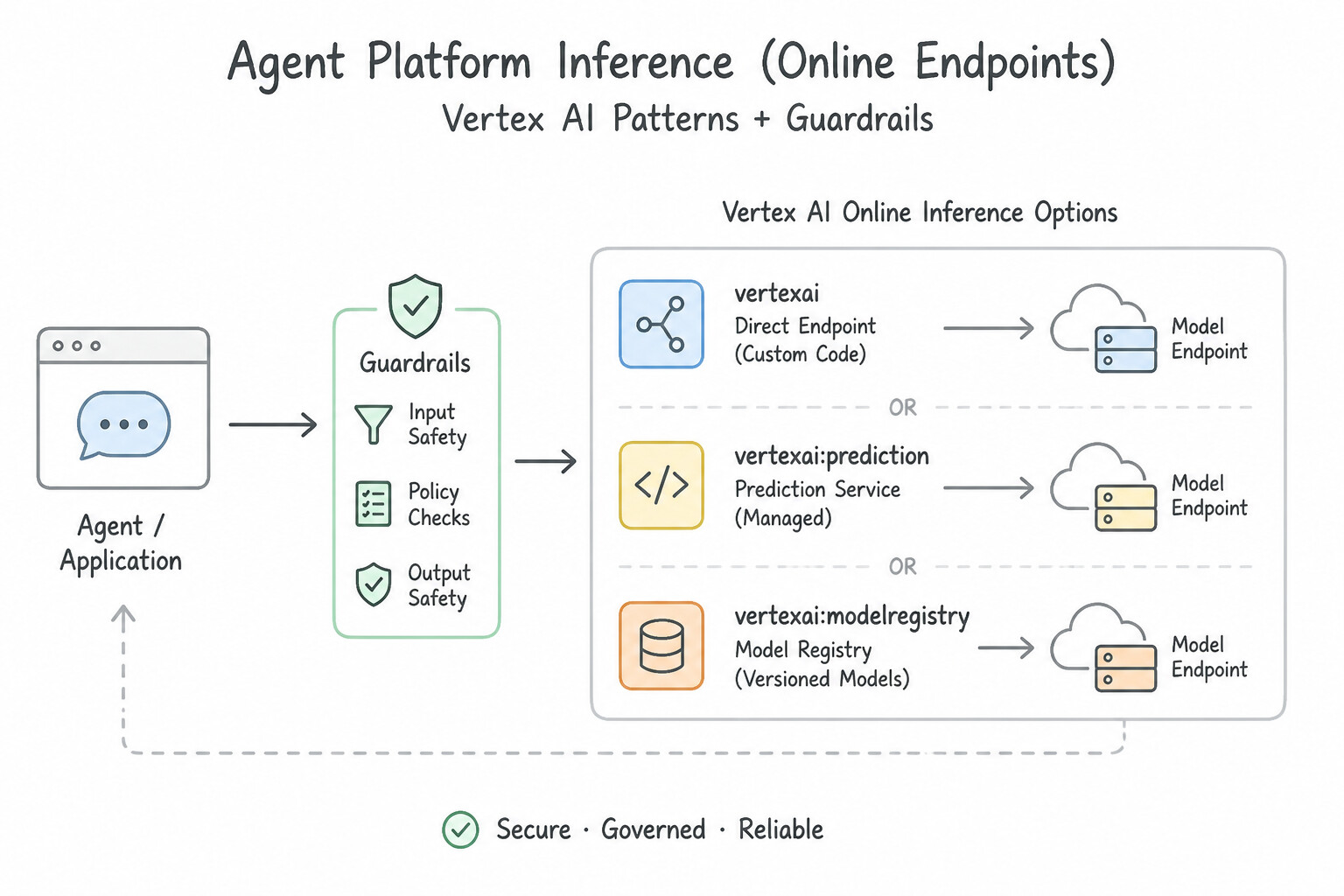
- Consideration 4.1a: Deploying models for batch and online inference using appropriate services (e.g., Agent Platform, Model Garden, Cloud Run, and GKE) (Diagrams:
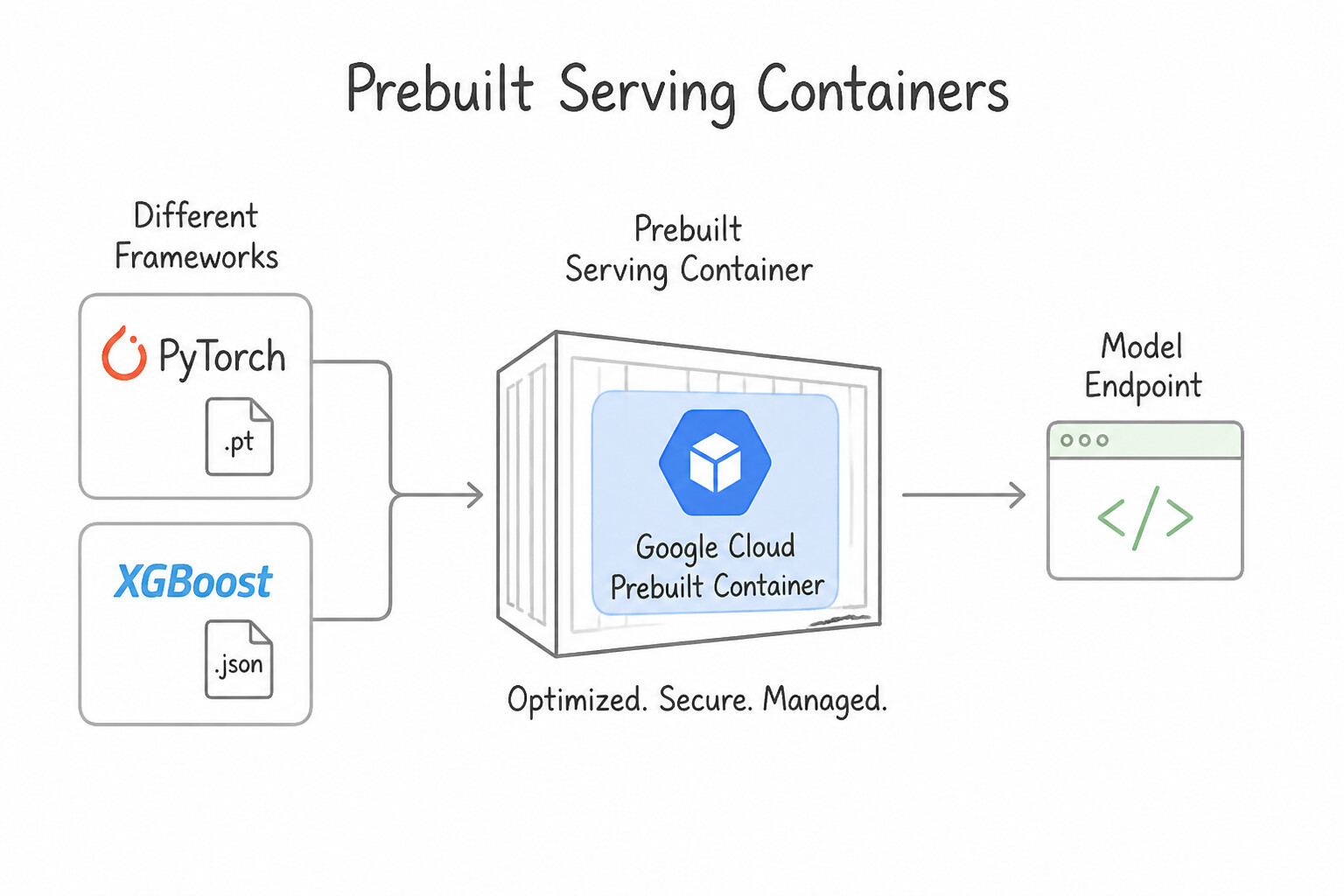
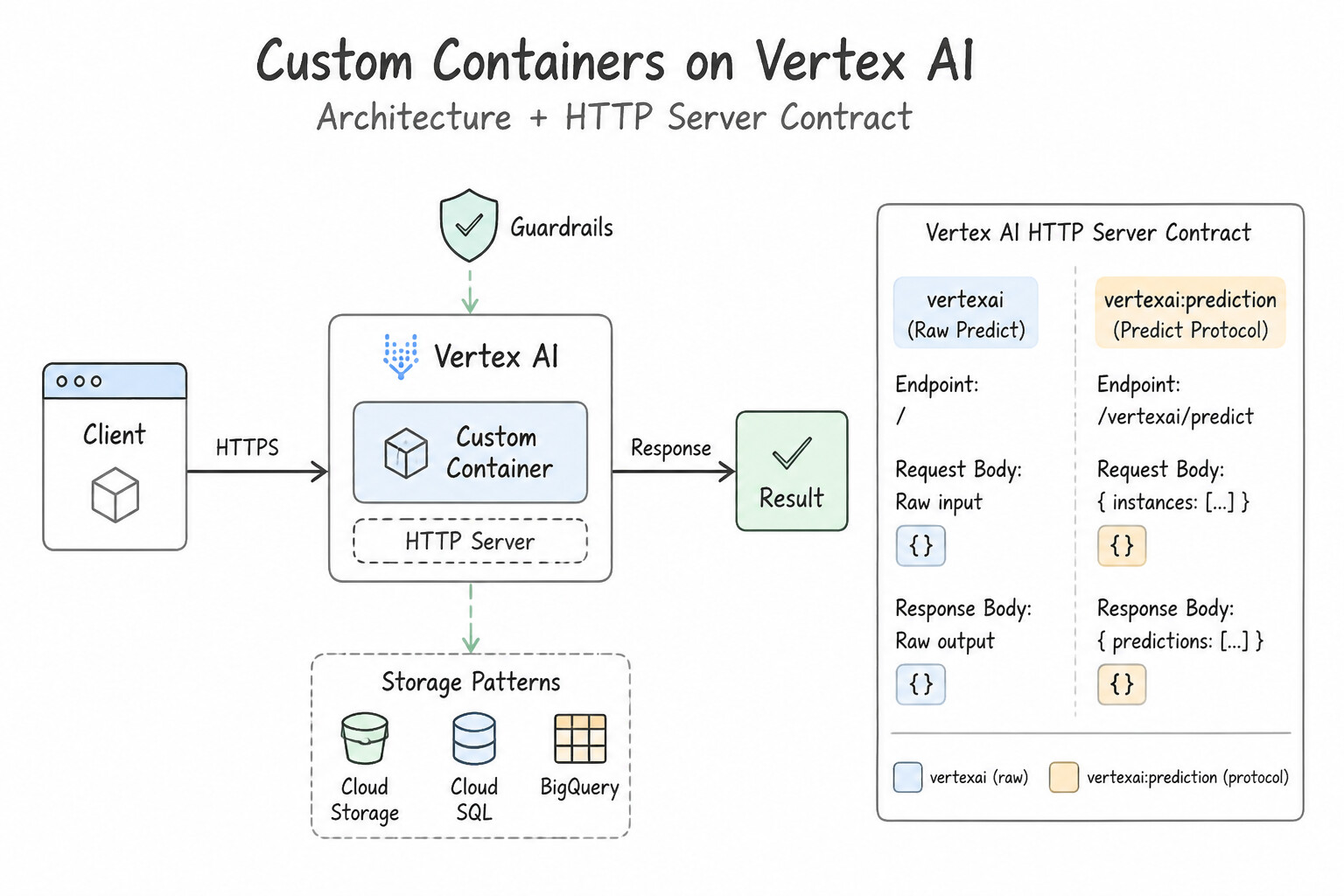
pmle-4.1a-1-online-synchronous-vs.jpg,pmle-4.1a-2-agent-platform-inference.jpg) - Consideration 4.1b: Packaging and serving models from different frameworks (e.g., PyTorch and XGBoost) using prebuilt and custom containers (Diagrams:
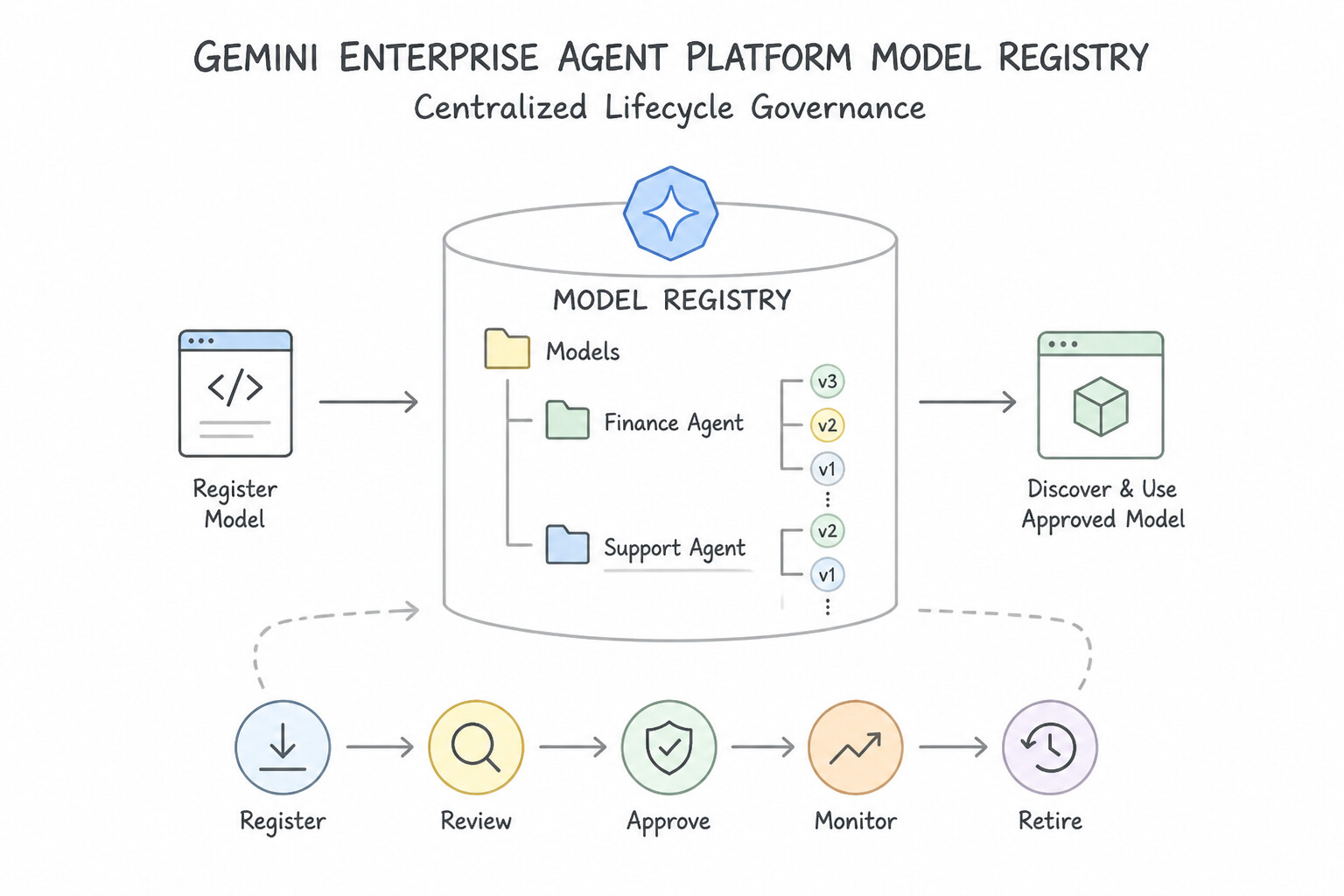
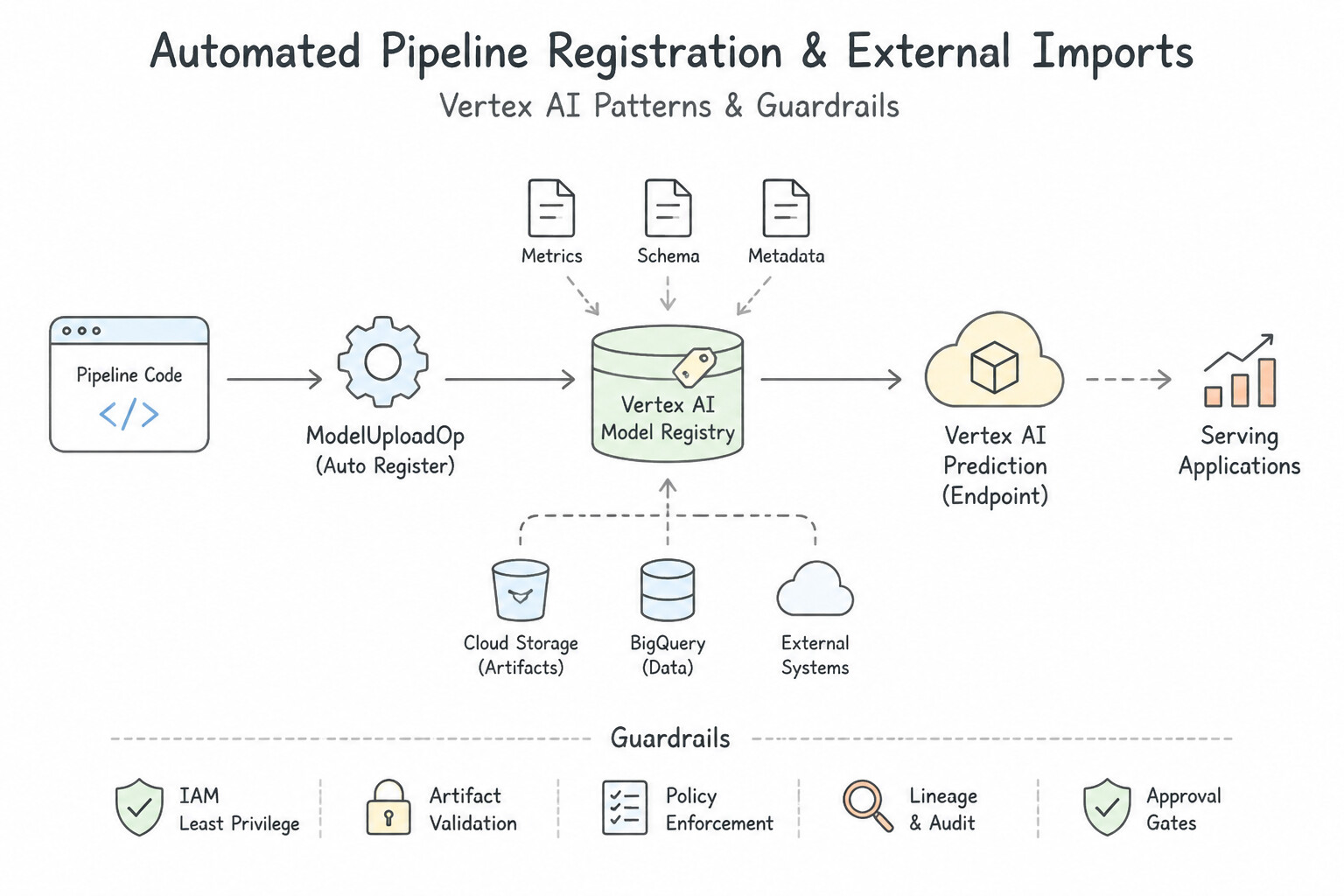
pmle-4.1b-1-prebuilt-serving.jpg,pmle-4.1b-2-custom-containers-vertex.jpg) - Consideration 4.1c: Organizing and versioning models in Gemini Enterprise Agent Platform Model Registry (Diagrams:
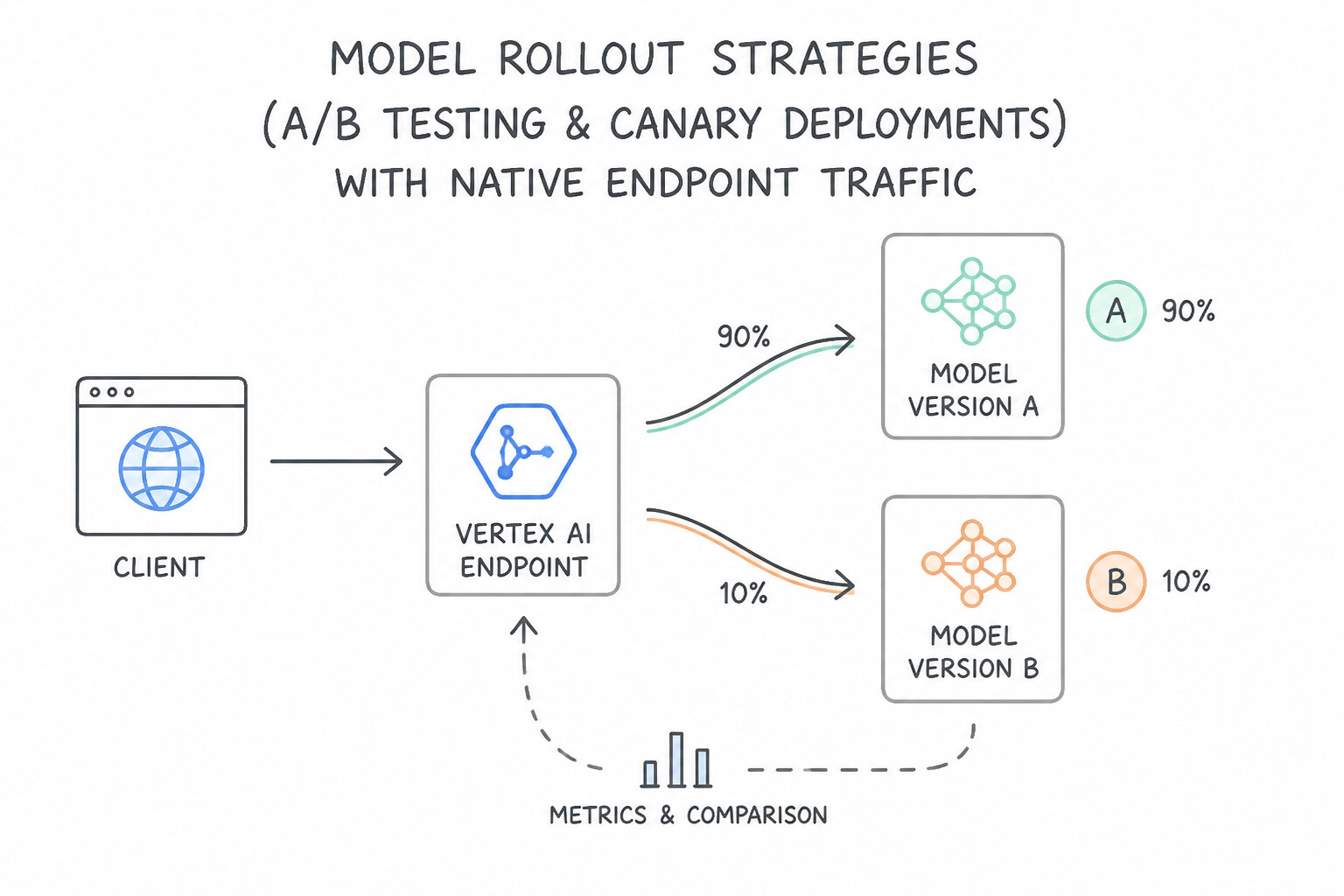
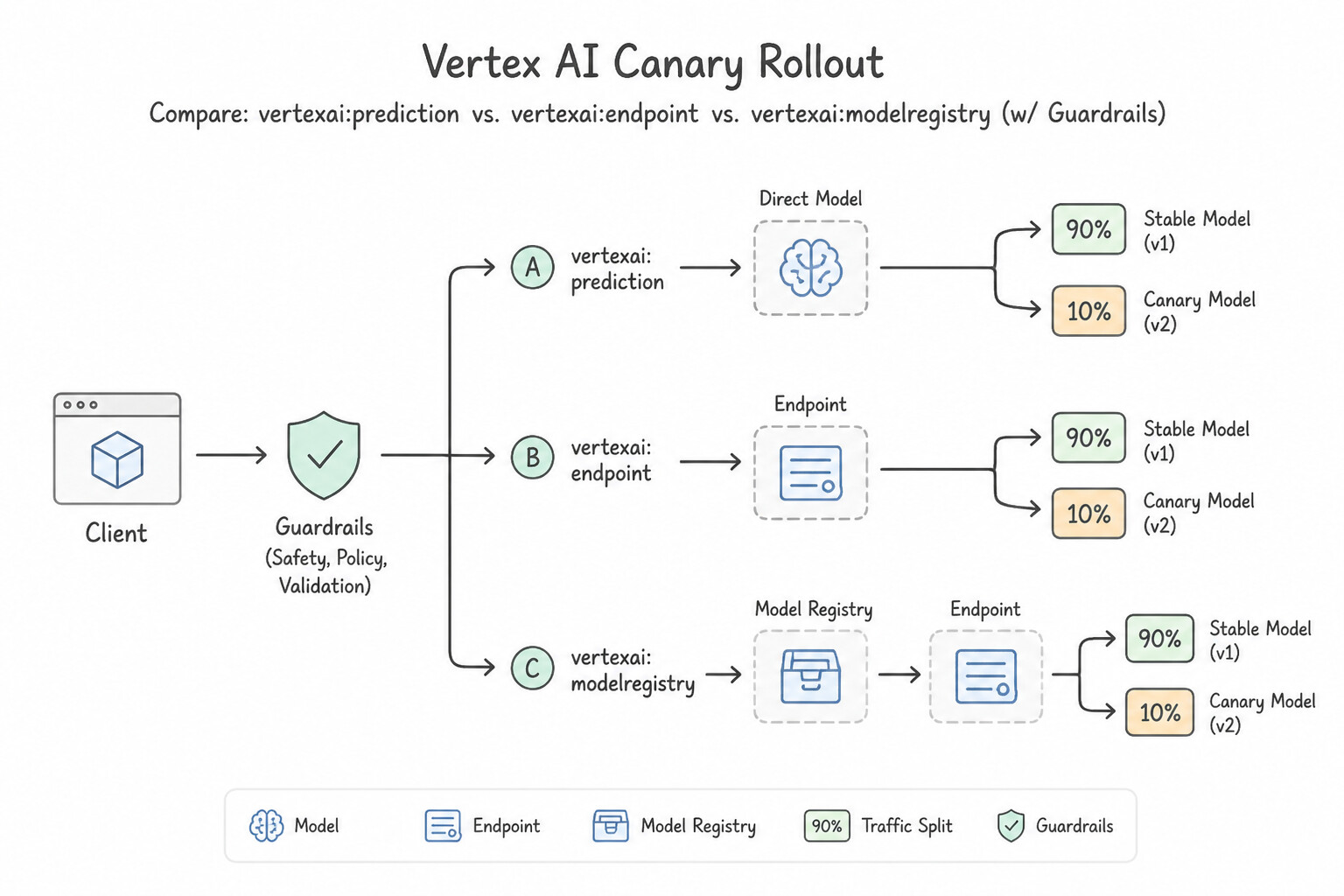
pmle-4.1c-1-centralized-lifecycle.jpg,pmle-4.1c-2-automated-pipeline.jpg) - Consideration 4.1d: Implementing model rollout strategies (e.g., A/B testing and canary deployments) to compare model versions (Diagrams:
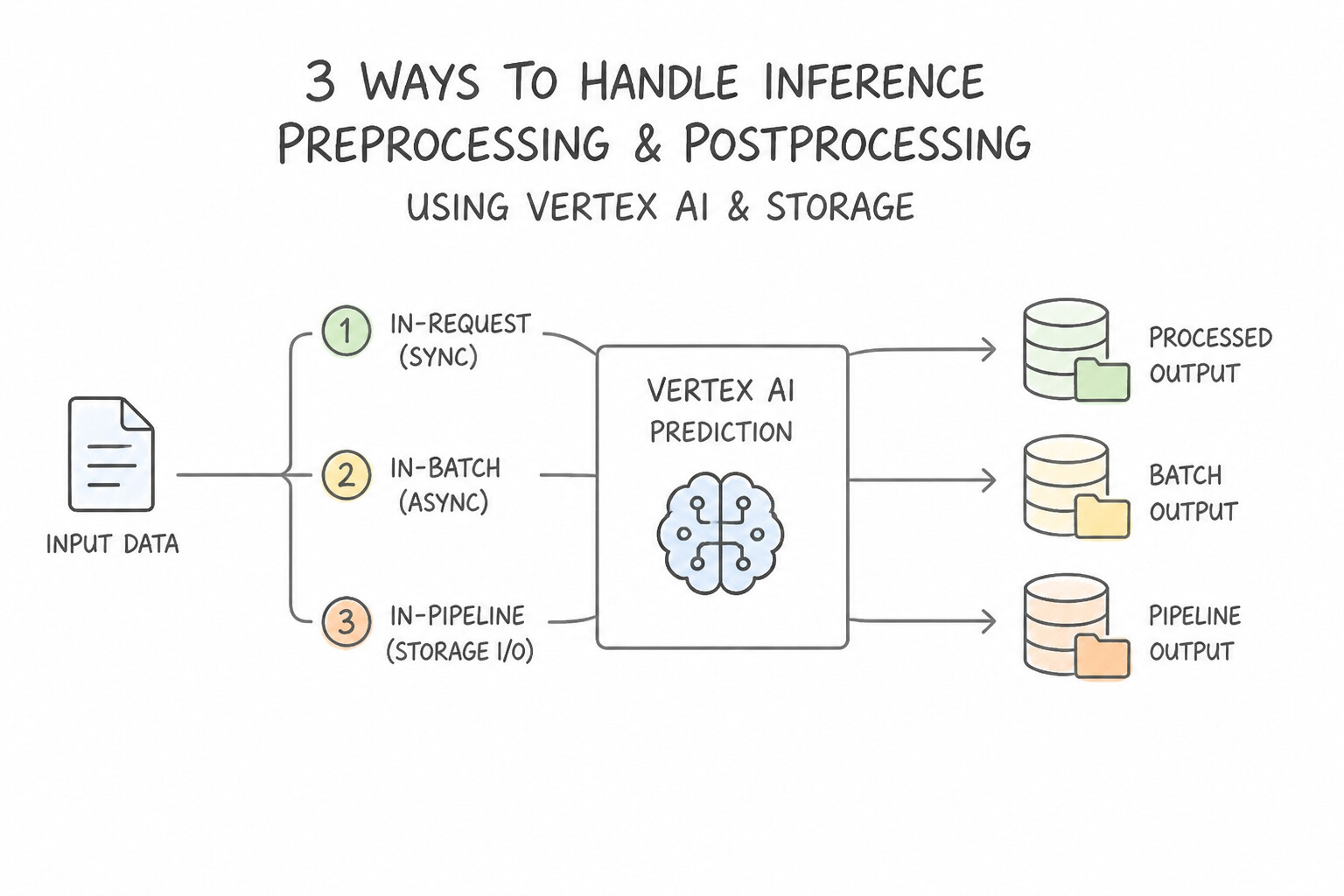
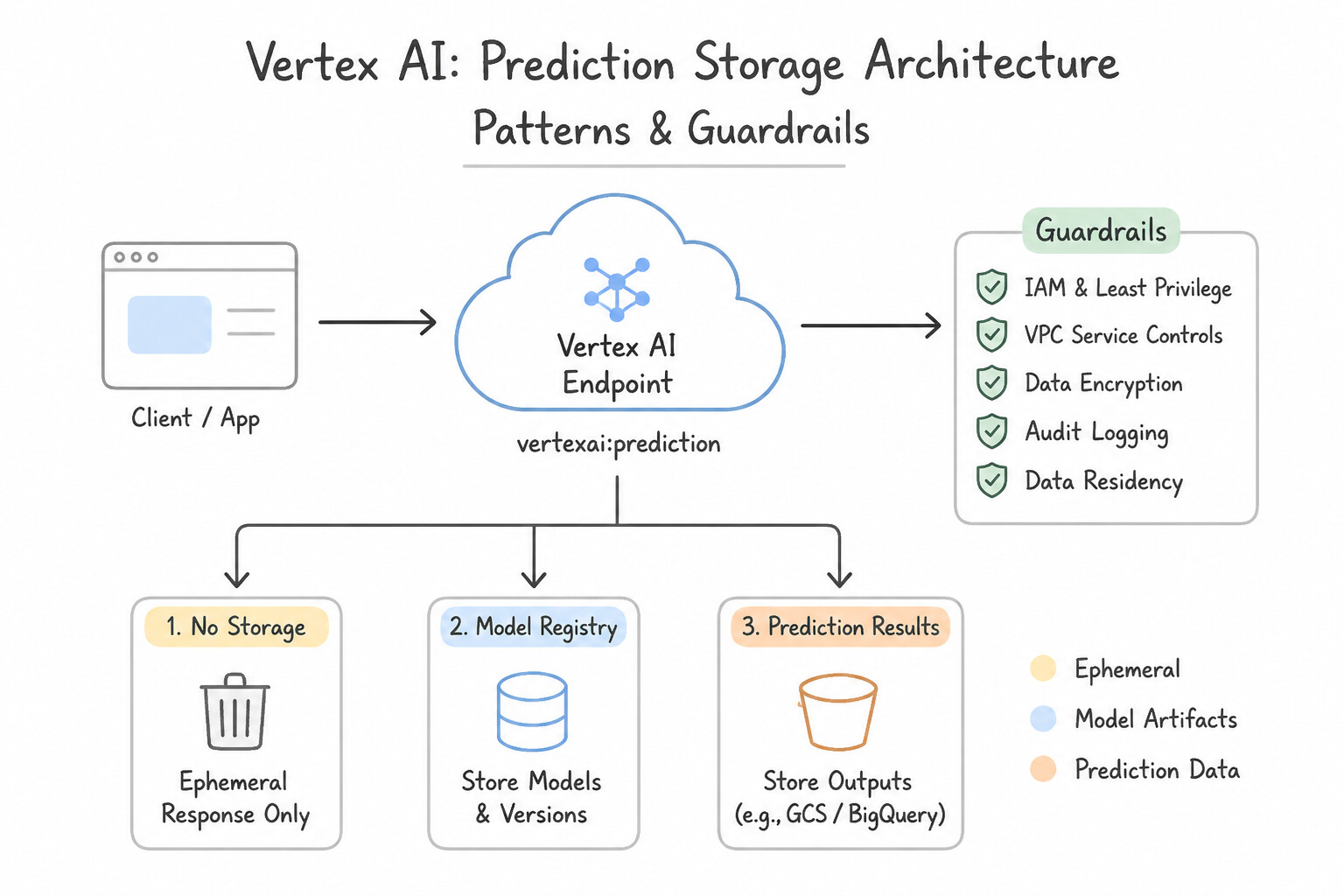
pmle-4.1d-1-native-endpoint-traffic.jpg,pmle-4.1d-2-canary-rollout-vertex-ai.jpg) - Consideration 4.1e: Developing solutions for inference preprocessing and postprocessing (Diagrams:
pmle-4.1e-1-ways-to-handle-inference.jpg,pmle-4.1e-2-vertex-ai-prediction.jpg) - Quick Decision Cheat Sheet (Subsection 4.1)
- Subsection 4.2: Scaling online model serving (Section 4: Serving and scaling models)
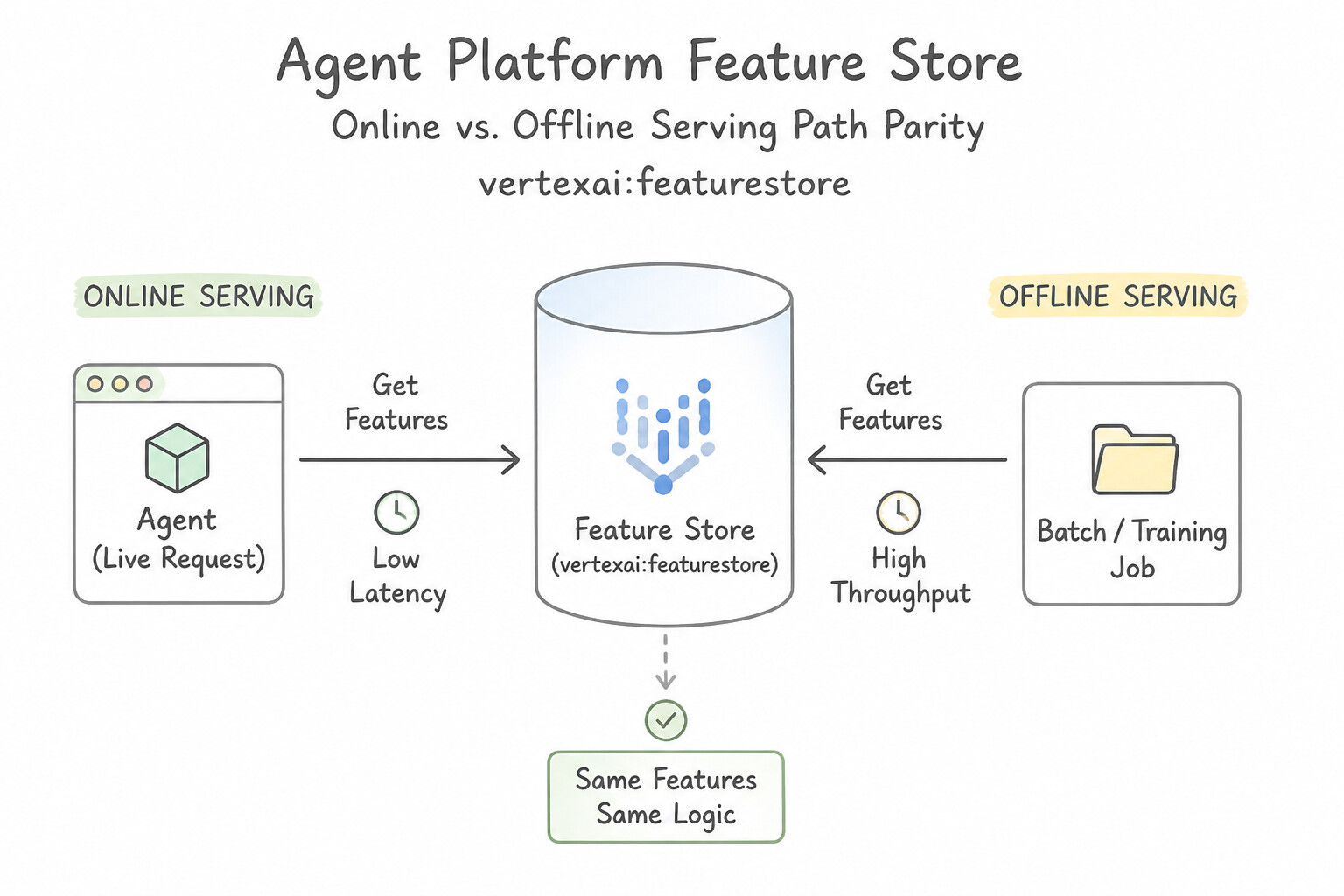
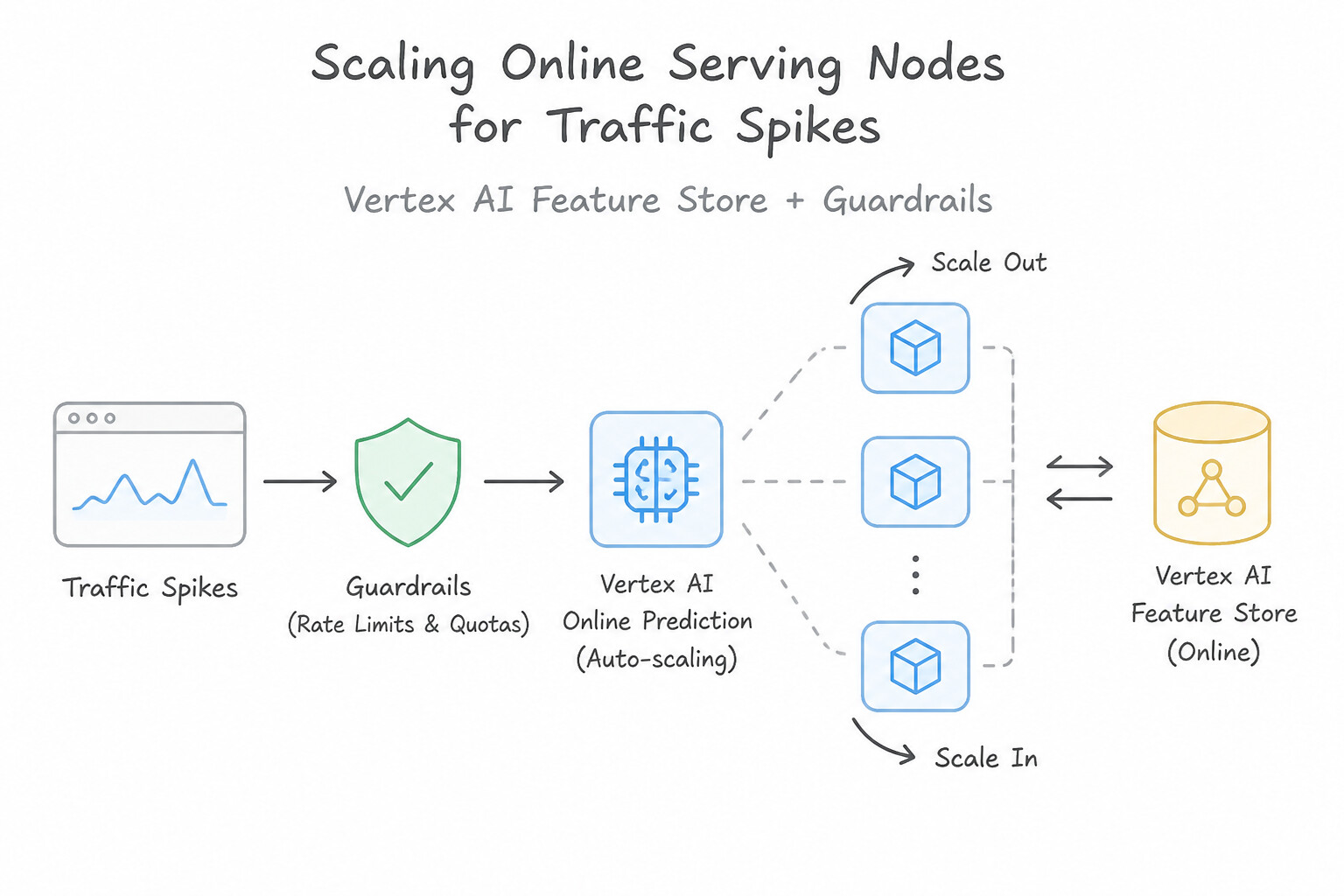
- Consideration 4.2a: Managing and serving features using Agent Platform Feature Store (Diagrams:
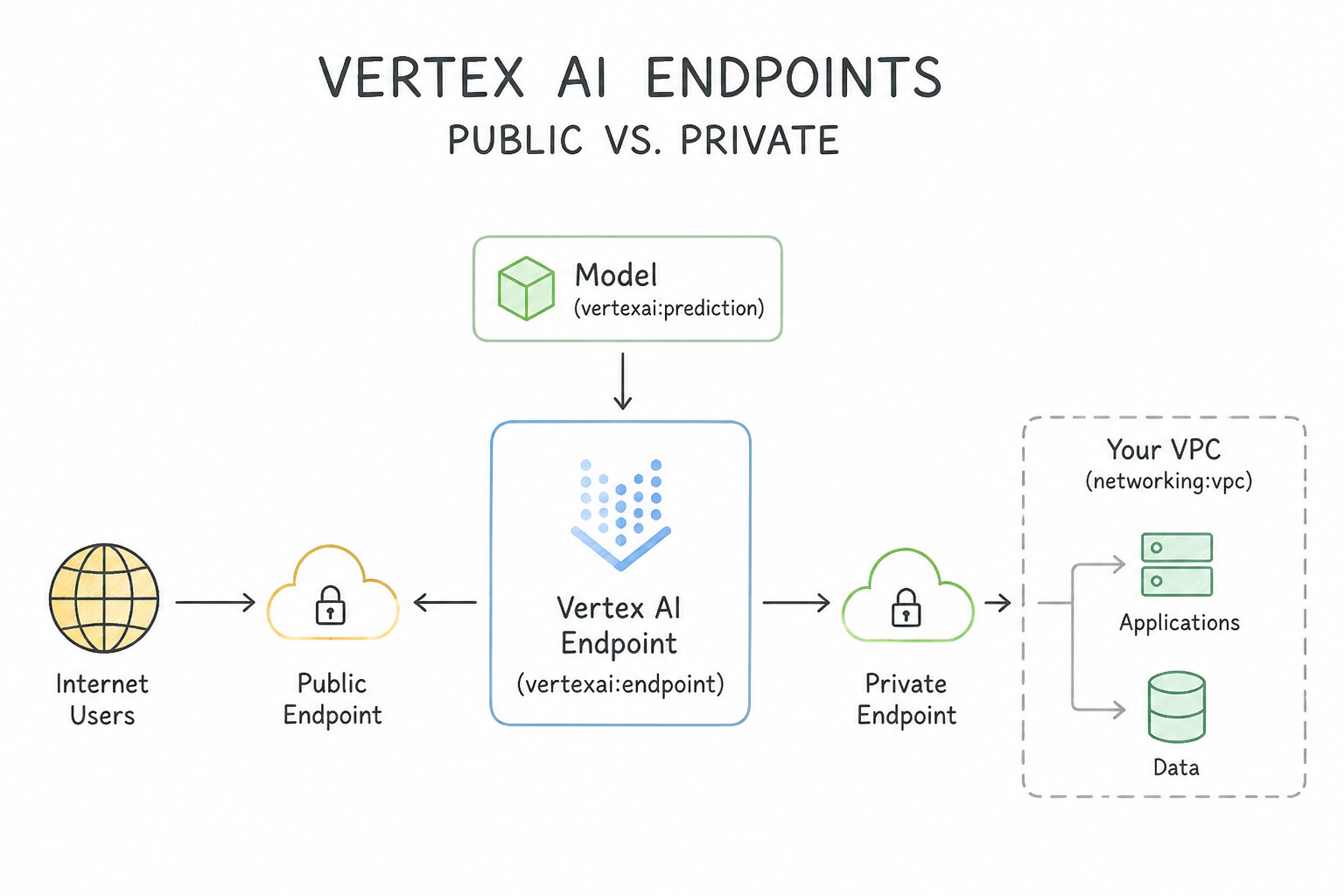
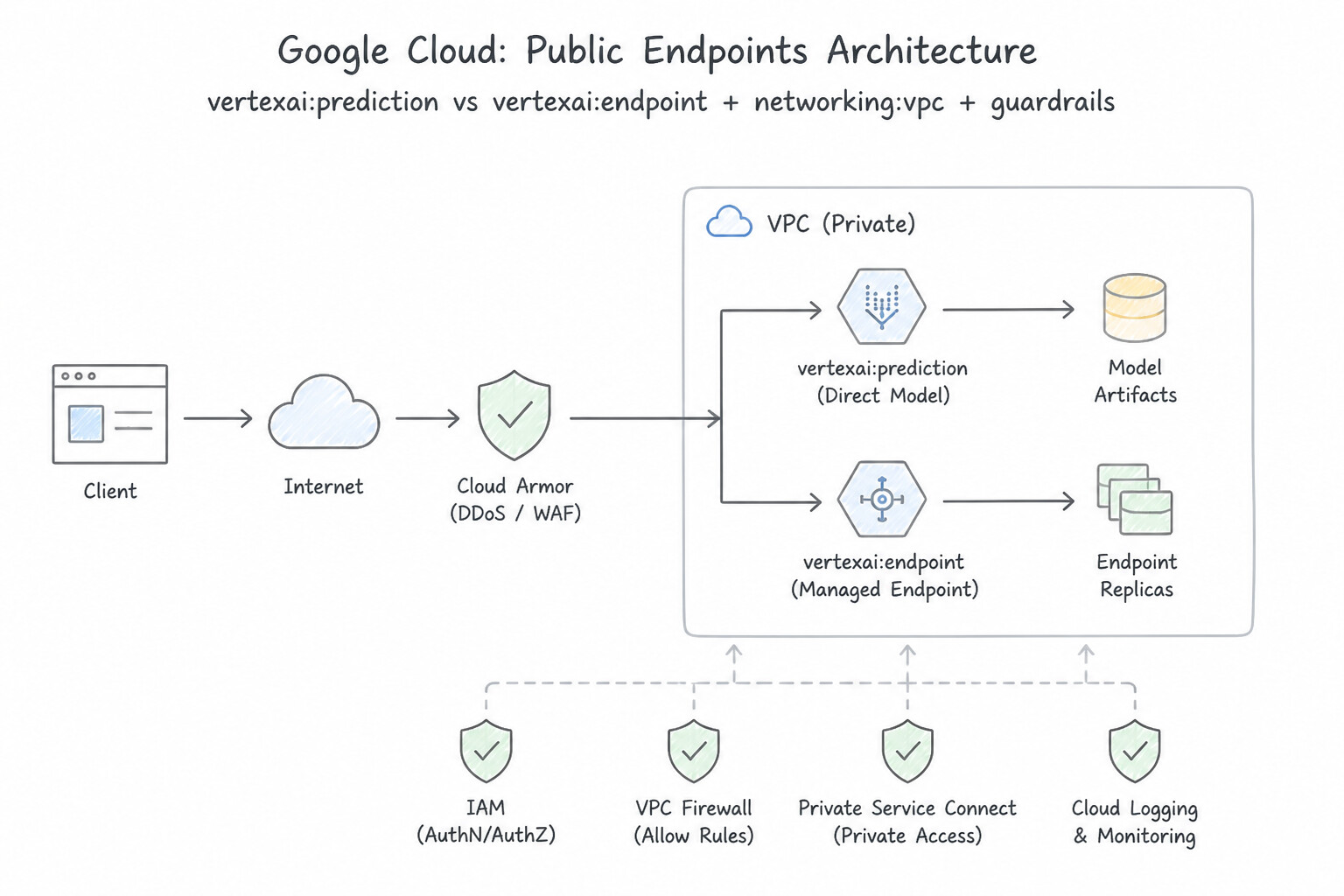
pmle-4.2a-1-online-vs-offline.jpg,pmle-4.2a-2-scaling-online-serving.jpg) - Consideration 4.2b: Deploying models to public and private endpoints (Diagrams:
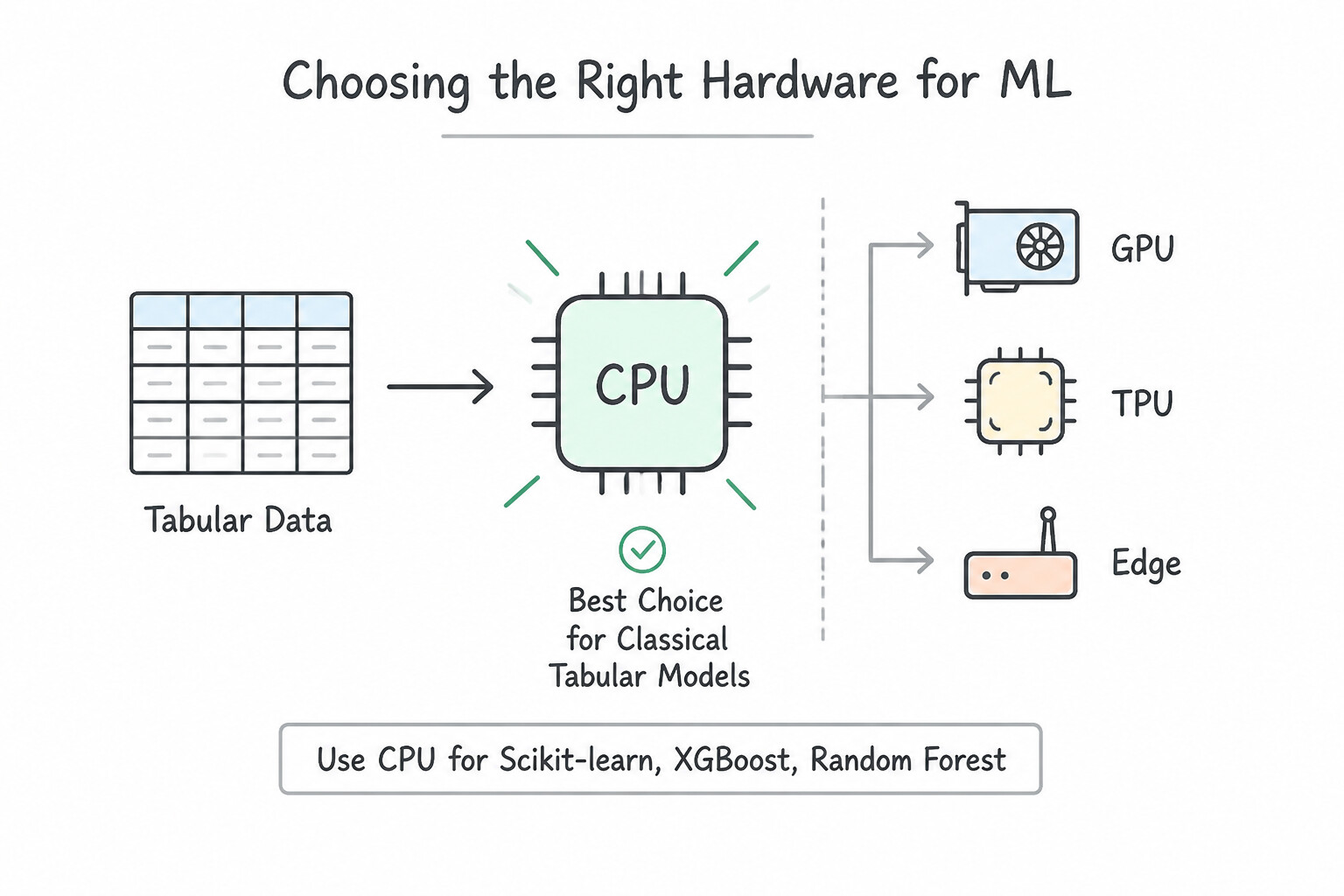
pmle-4.2b-1-public-endpoints-vs.jpg,pmle-4.2b-2-public-endpoints-vertex.jpg) - Consideration 4.2c: Choosing appropriate hardware (e.g., CPU, GPU, TPU, and edge) (Diagrams:
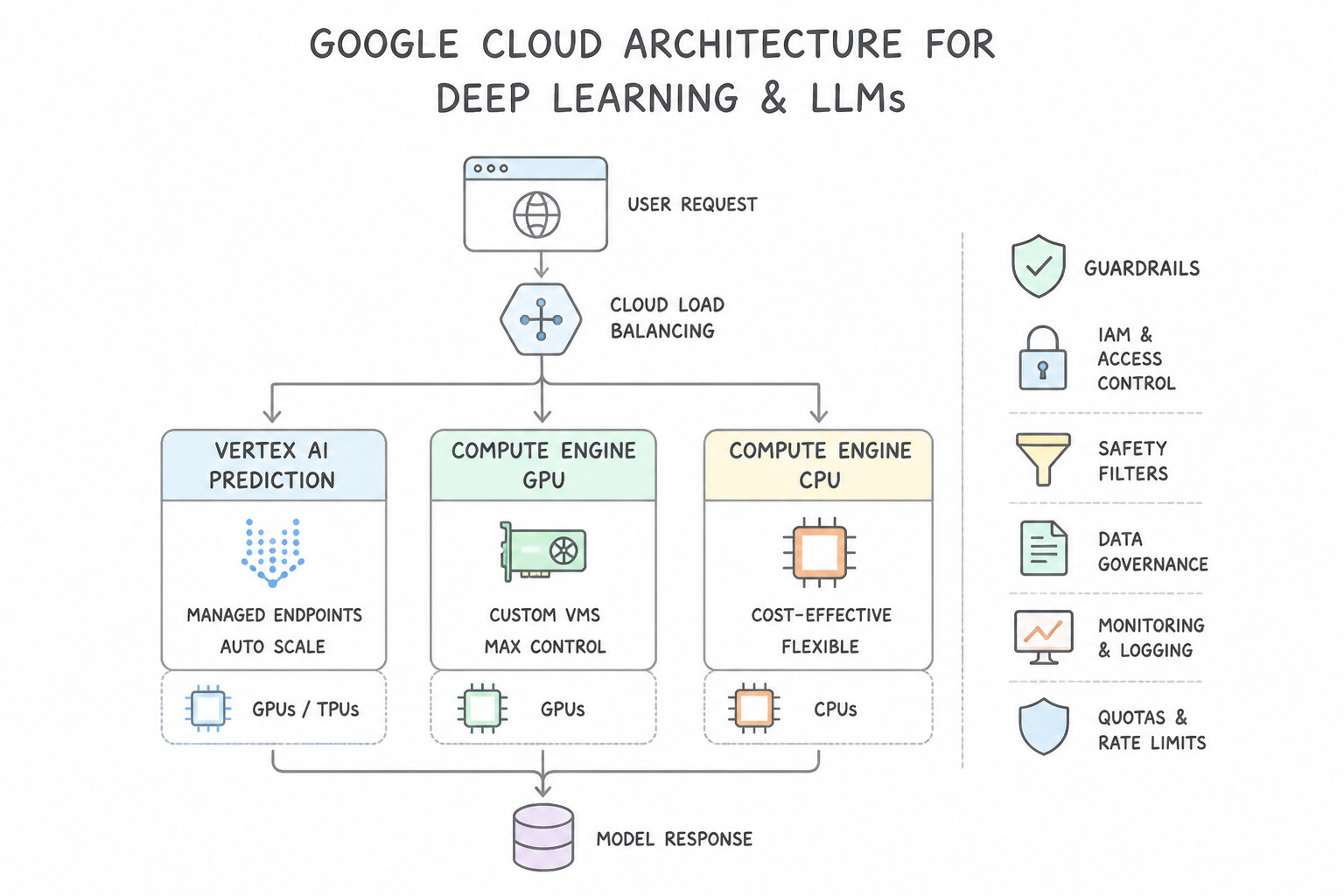
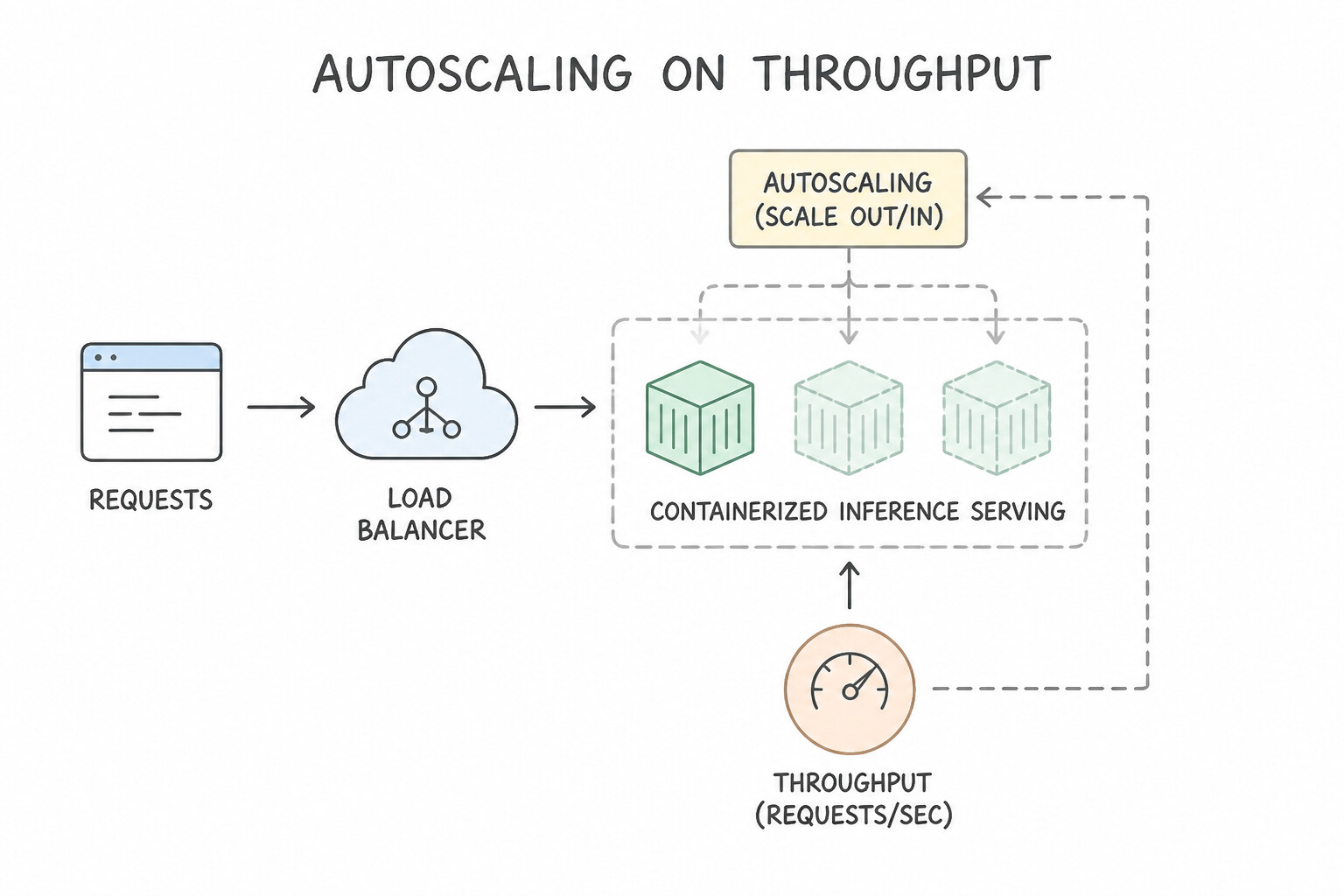
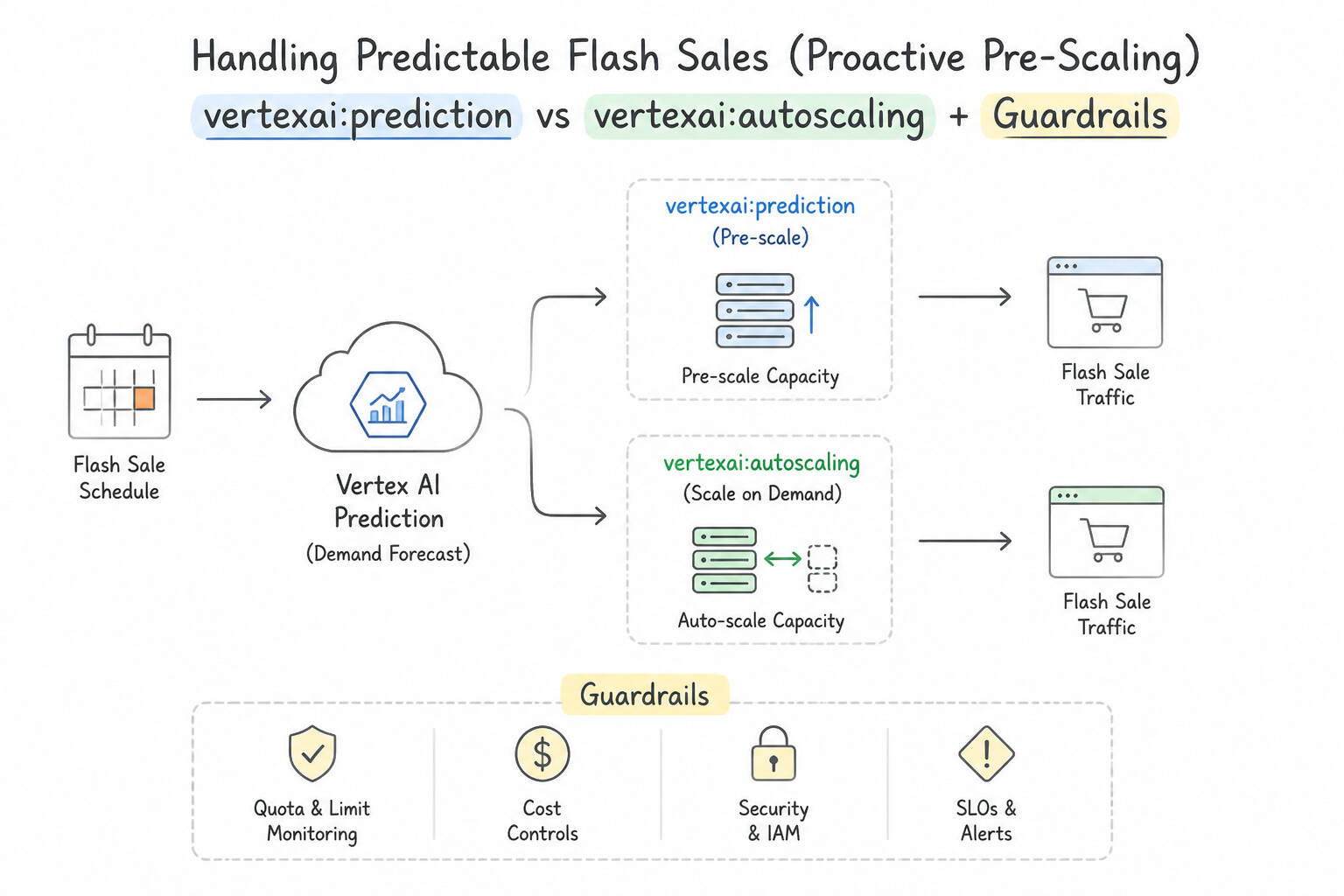
pmle-4.2c-1-cpu-classical-tabular.jpg,pmle-4.2c-2-gpus-tpus-deep-learning.jpg) - Consideration 4.2d: Scaling the serving backend based on the throughput (e.g., Gemini Enterprise Agent Platform Inference and containerized serving) (Diagrams:
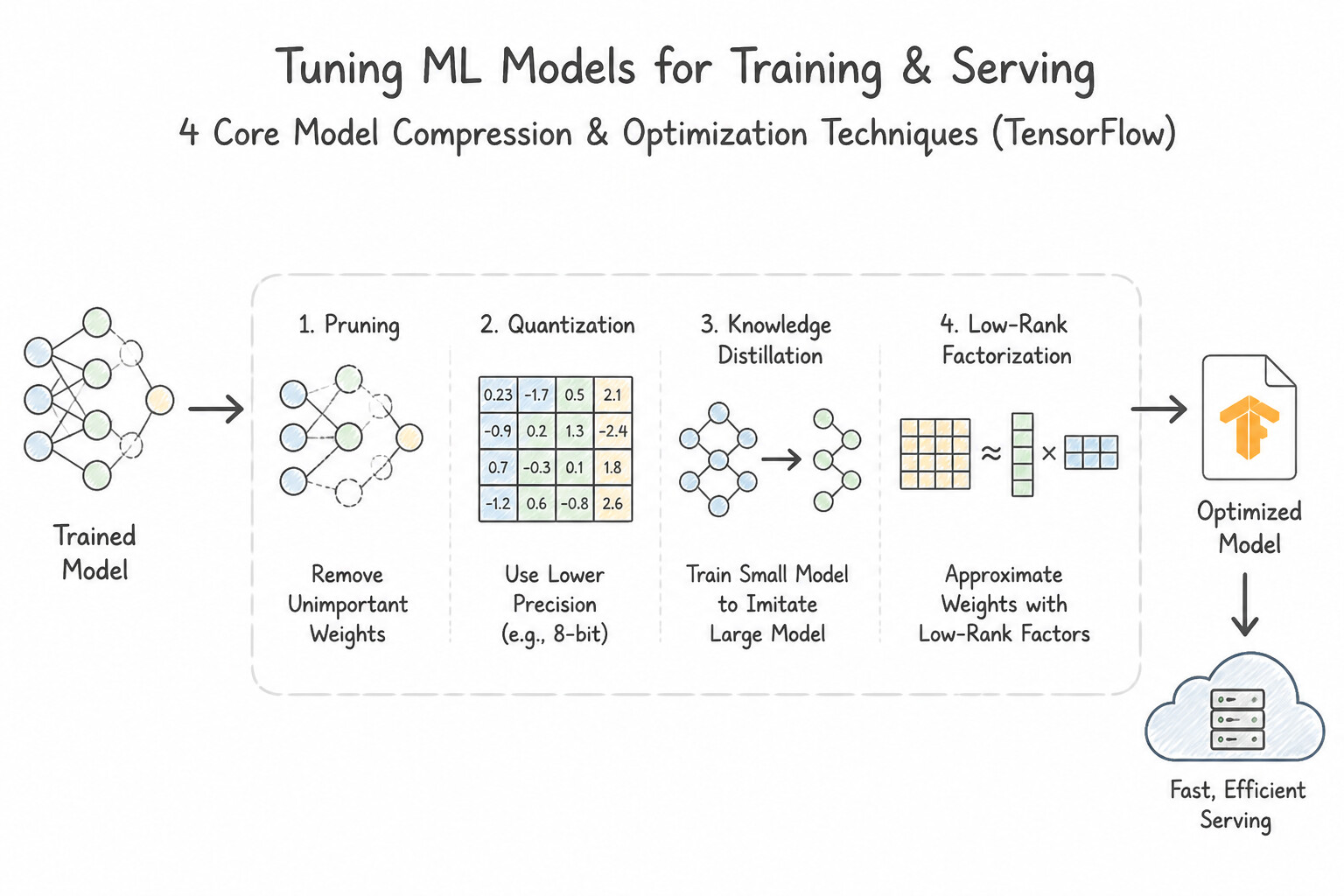
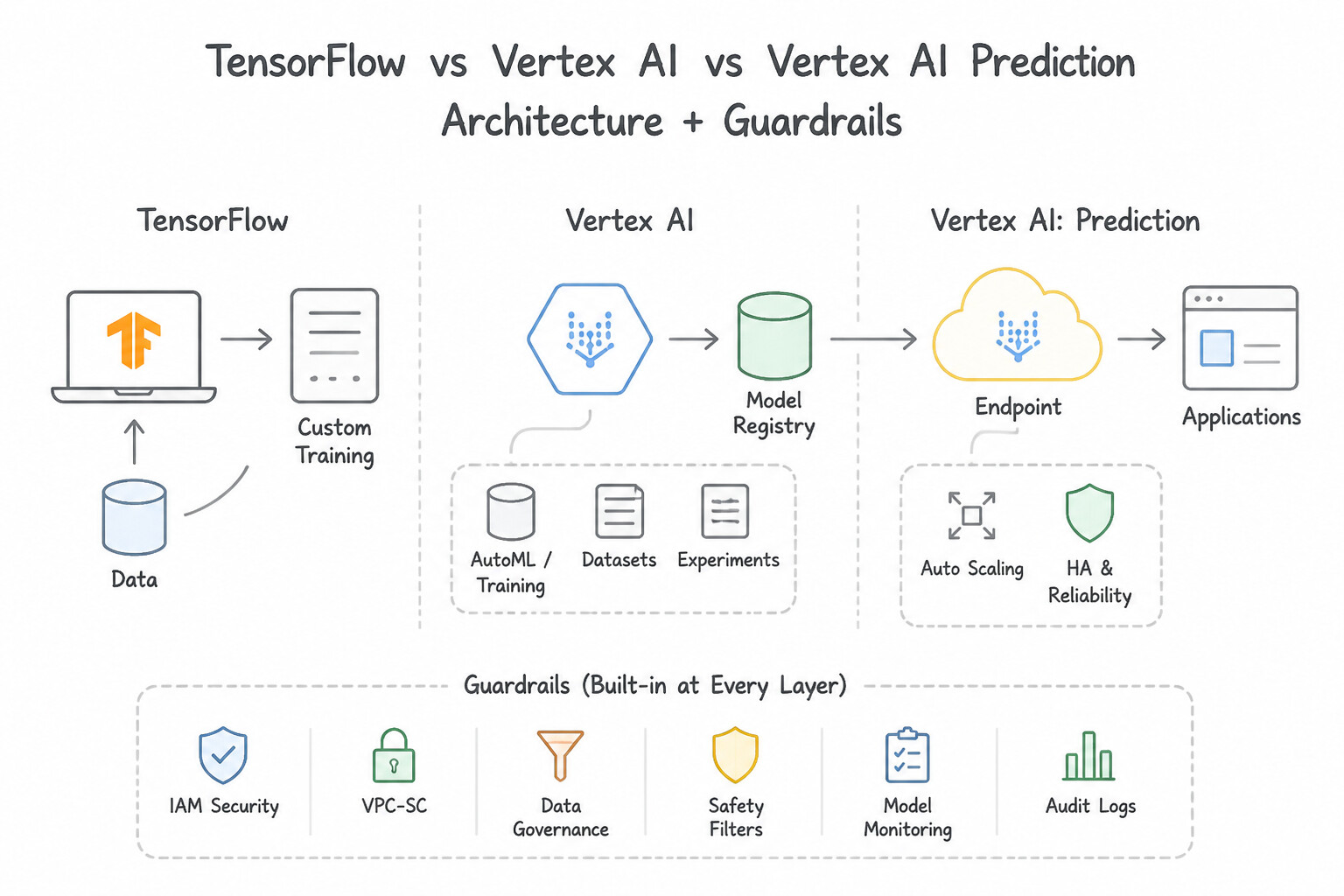
pmle-4.2d-1-autoscaling-metric.jpg,pmle-4.2d-2-handling-predictable.jpg) - Consideration 4.2e: Tuning ML models for training and serving in production (Diagrams:
pmle-4.2e-1-core-model-compression.jpg,pmle-4.2e-2-tensorflow-vertex-ai.jpg) - Quick Decision Cheat Sheet (Subsection 4.2)
Chapter 5: Automating & Orchestrating ML Pipelines: Vertex AI Pipelines (KFP/TFX) & Continuous Training
- Subsection 5.1: Developing end-to-end ML pipelines (Section 5: Automating and orchestrating ML pipelines)
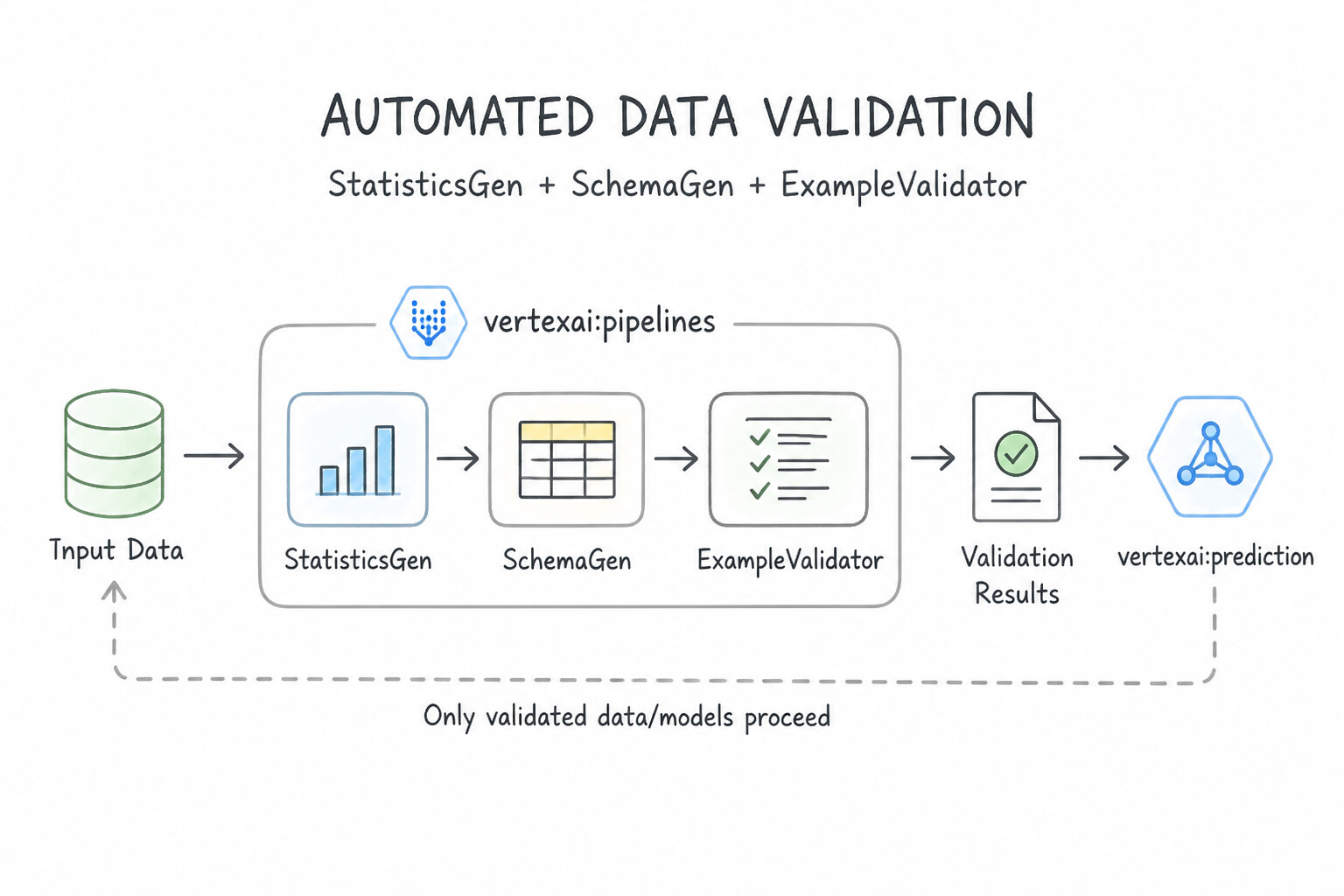
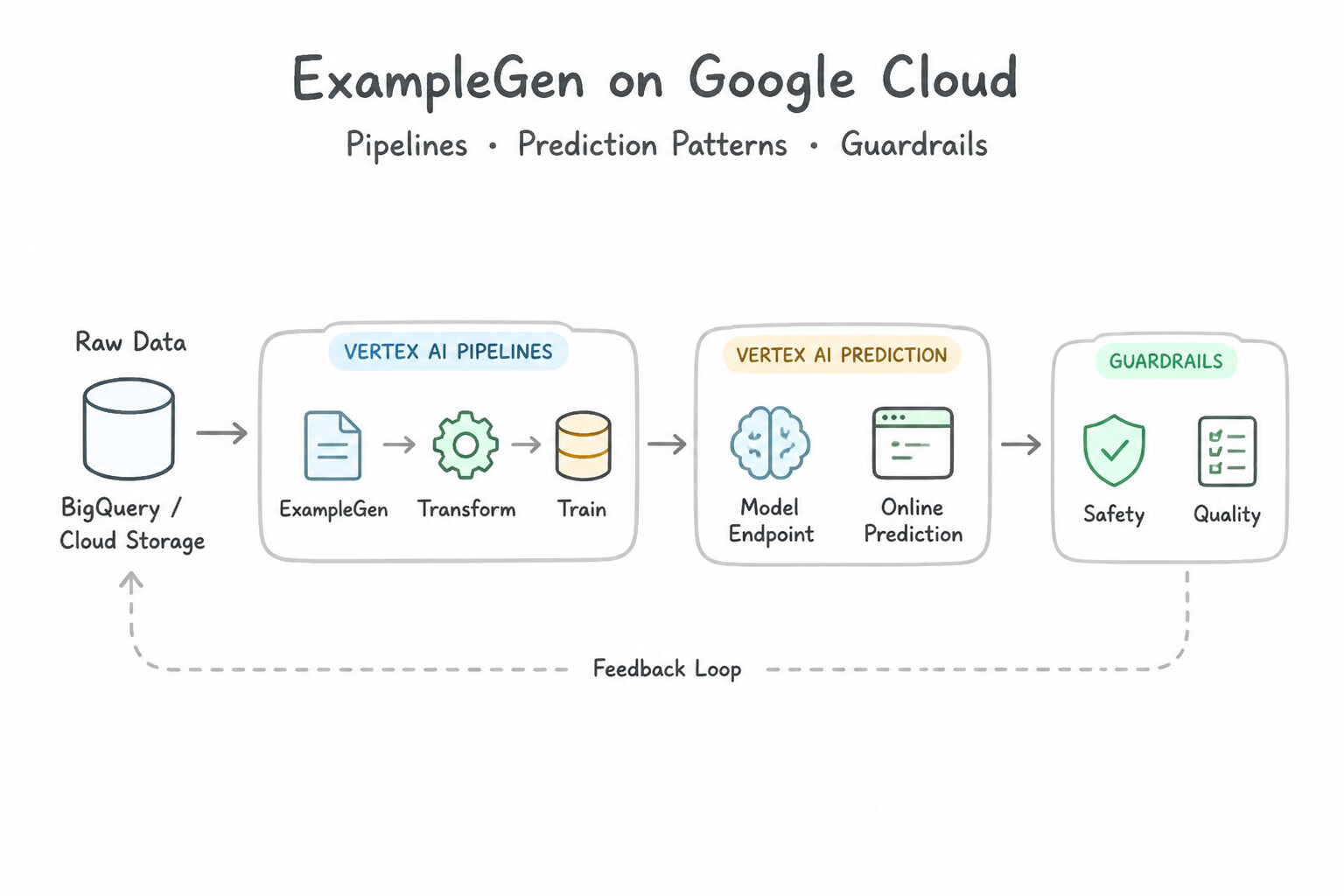
- Consideration 5.1a: Validating data and models (Diagrams:
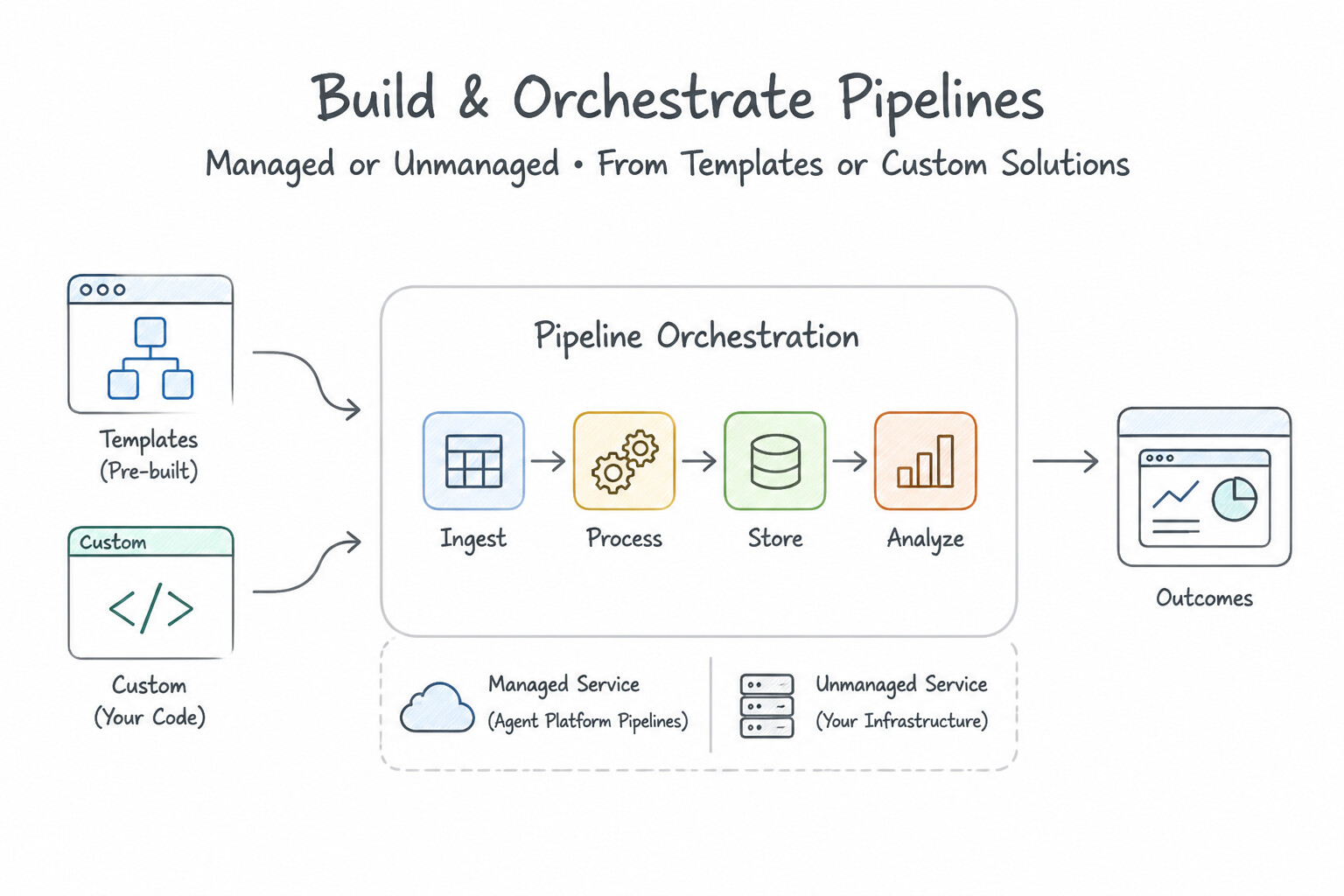
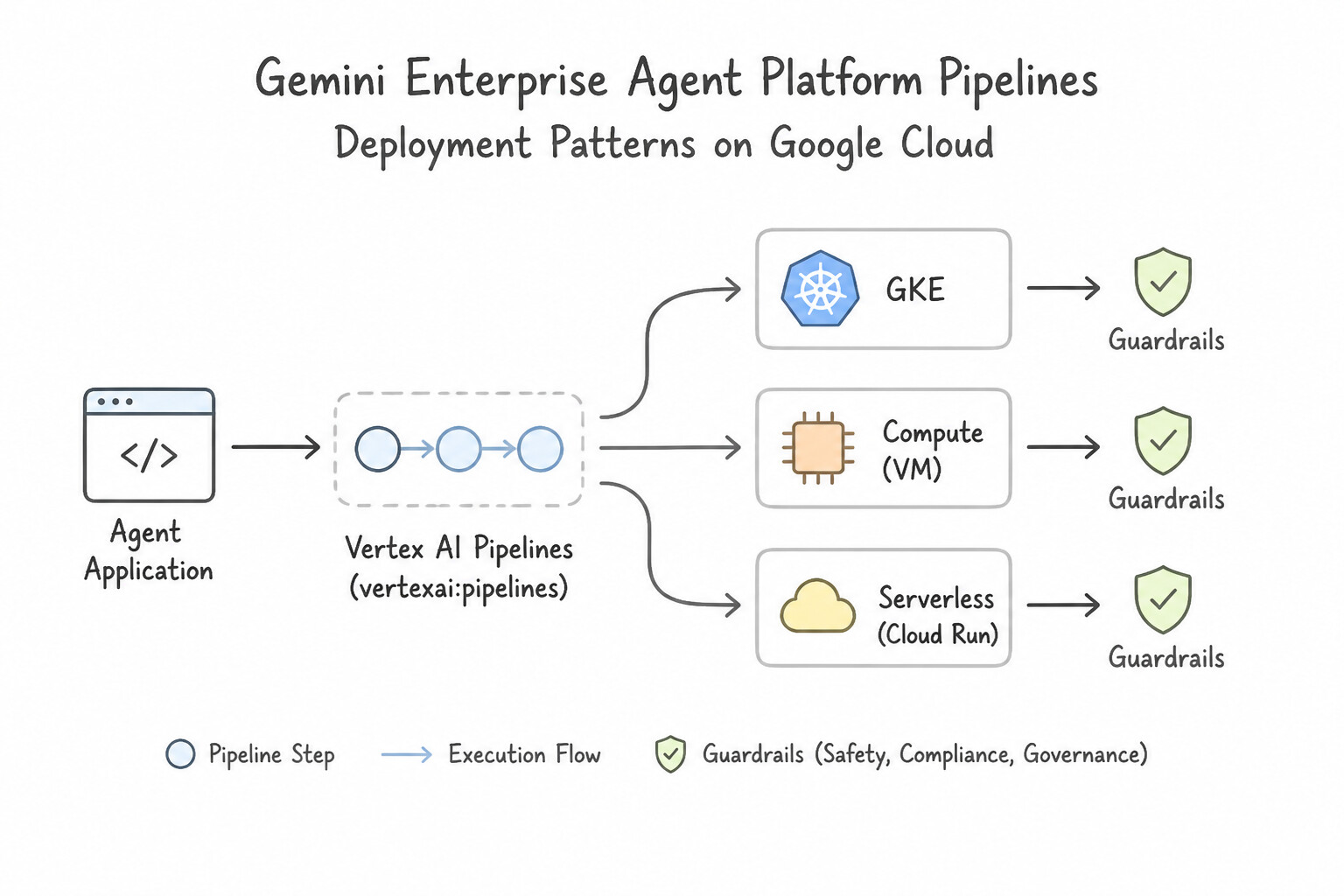
pmle-5.1a-1-automated-data.jpg,pmle-5.1a-2-examplegen-vertex-ai.jpg) - Consideration 5.1b: Building and orchestrating pipelines using managed or unmanaged services and from templates or custom solutions (e.g., Agent Platform Pipelines, Managed Service for Apache Airflow, and Ray on Gemini Enterprise Agent Platform) (Diagrams:
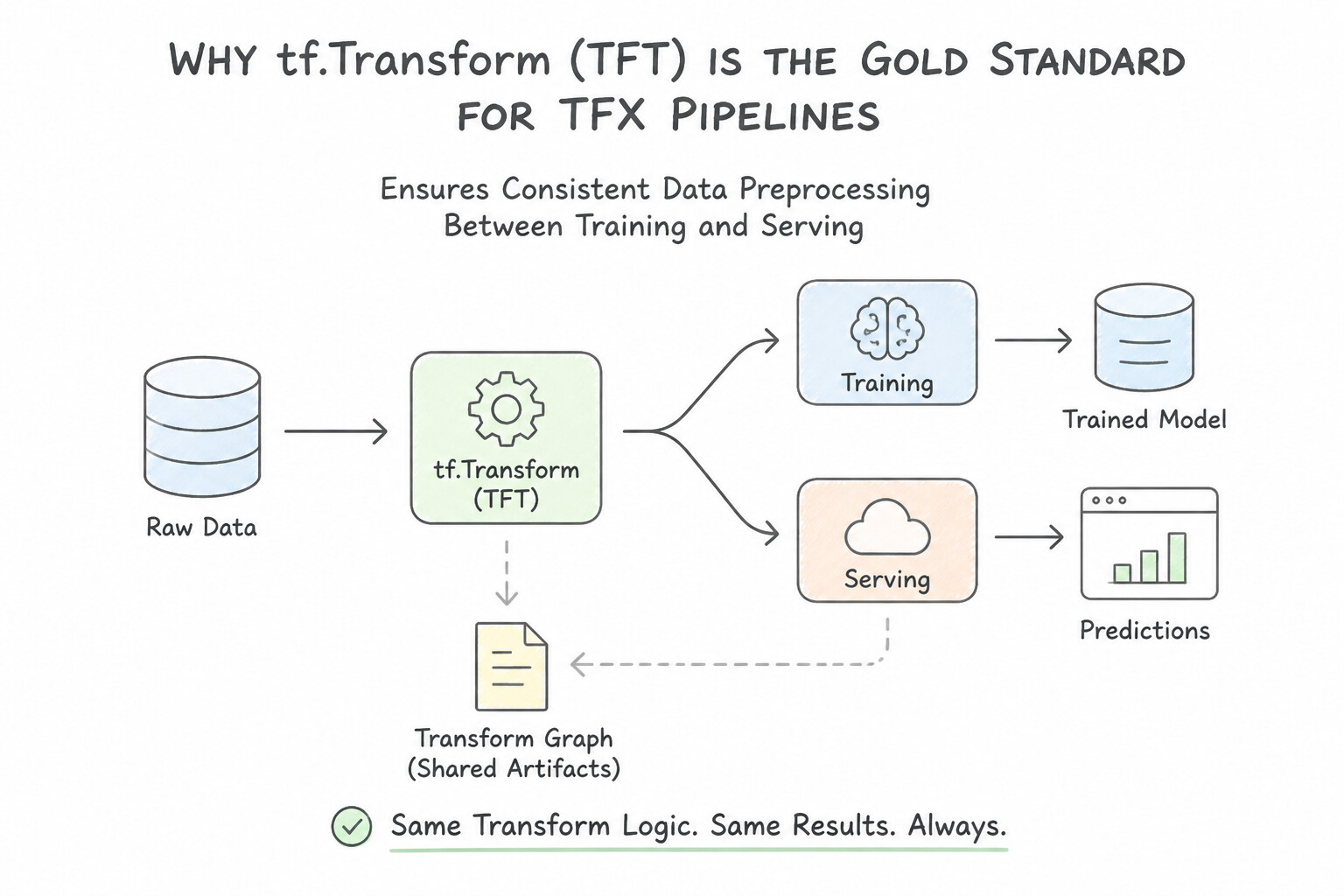
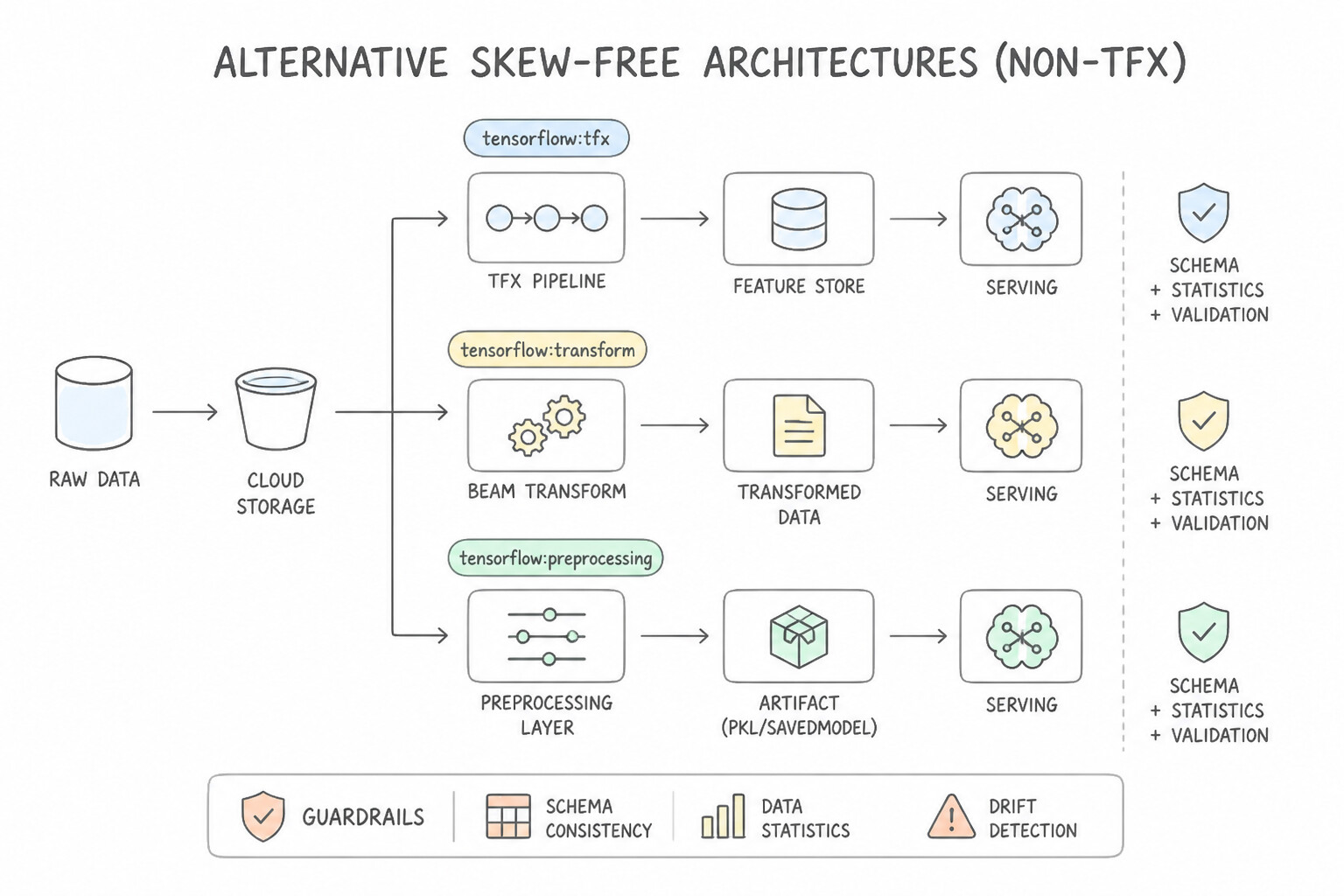
pmle-5.1b-1-right-orchestration.jpg,pmle-5.1b-2-gemini-enterprise-agent.jpg) - Consideration 5.1c: Ensuring consistent data preprocessing between training and serving (Diagrams:
pmle-5.1c-1-tf-transform-tft-is.jpg,pmle-5.1c-2-alternative-skew-free.jpg) - Quick Decision Cheat Sheet (Subsection 5.1)
- Subsection 5.2: Automating model retraining (Section 5: Automating and orchestrating ML pipelines)
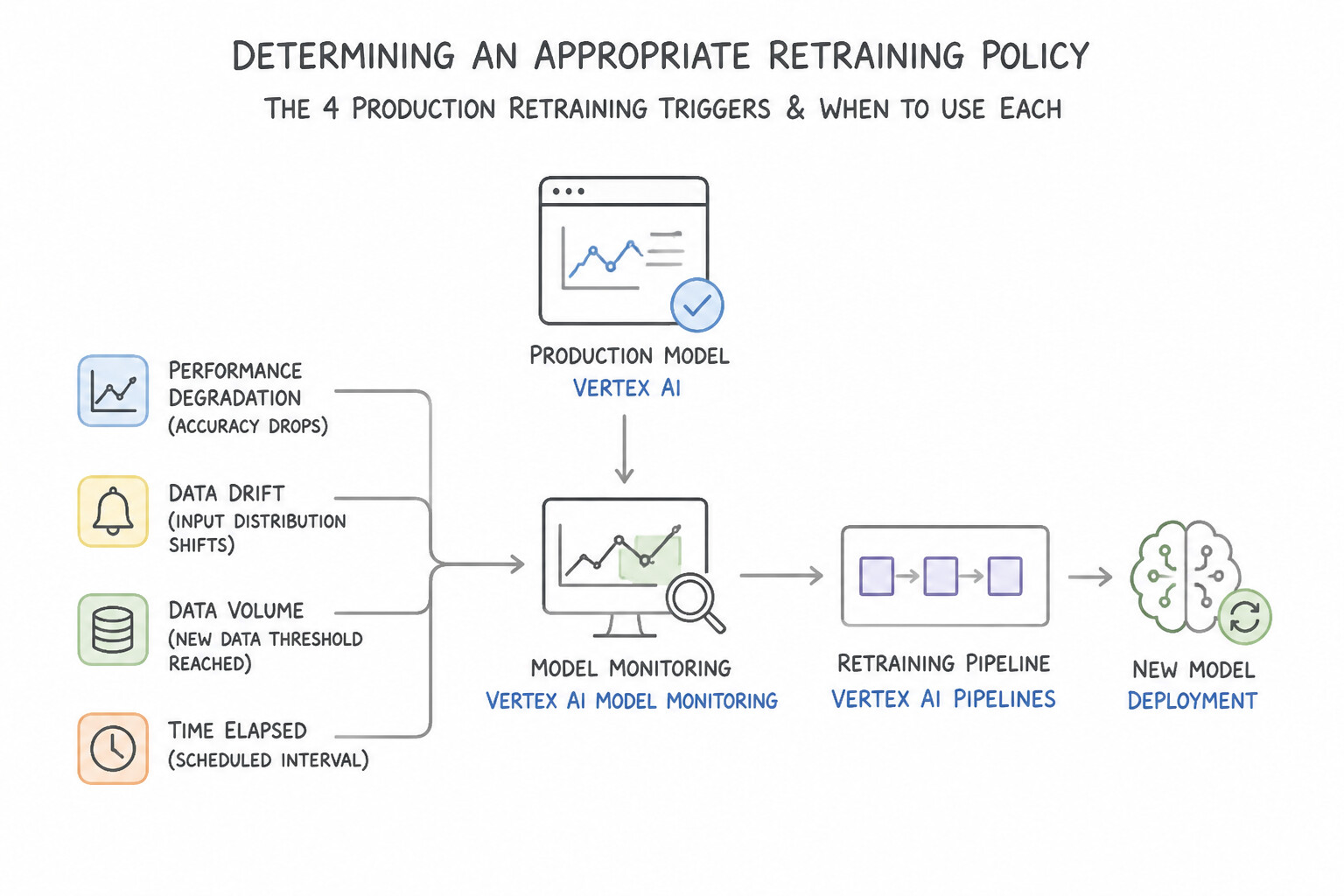
- Consideration 5.2a: Determining an appropriate retraining policy (Diagrams:
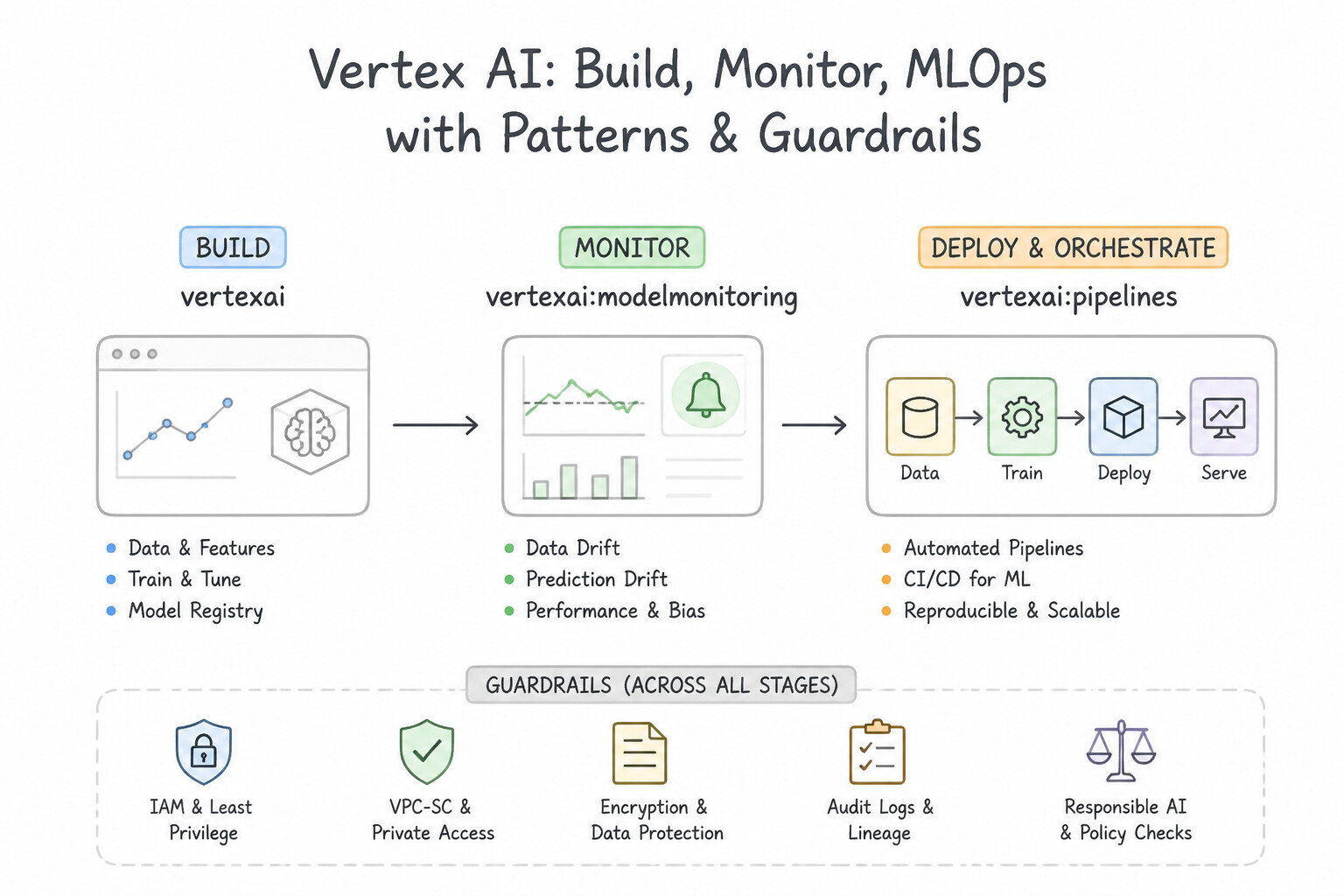
pmle-5.2a-1-retraining-triggers-to.jpg,pmle-5.2a-2-vertex-ai-vertex-ai.jpg) - Consideration 5.2b: Deploying models in continuous integration, continuous delivery, and continuous training (CI/CD/CT) pipelines (e.g., Cloud Build) (Diagrams:
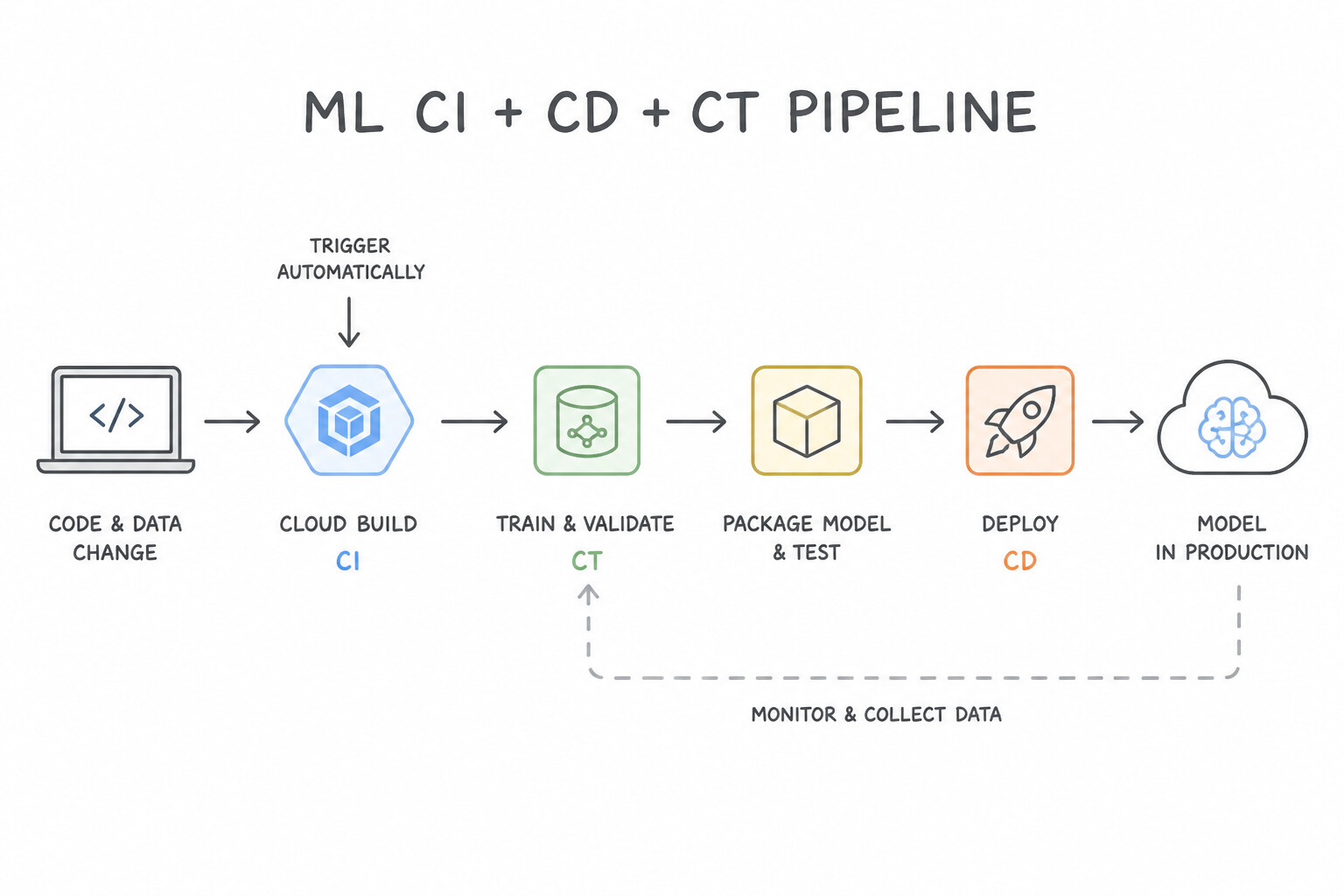
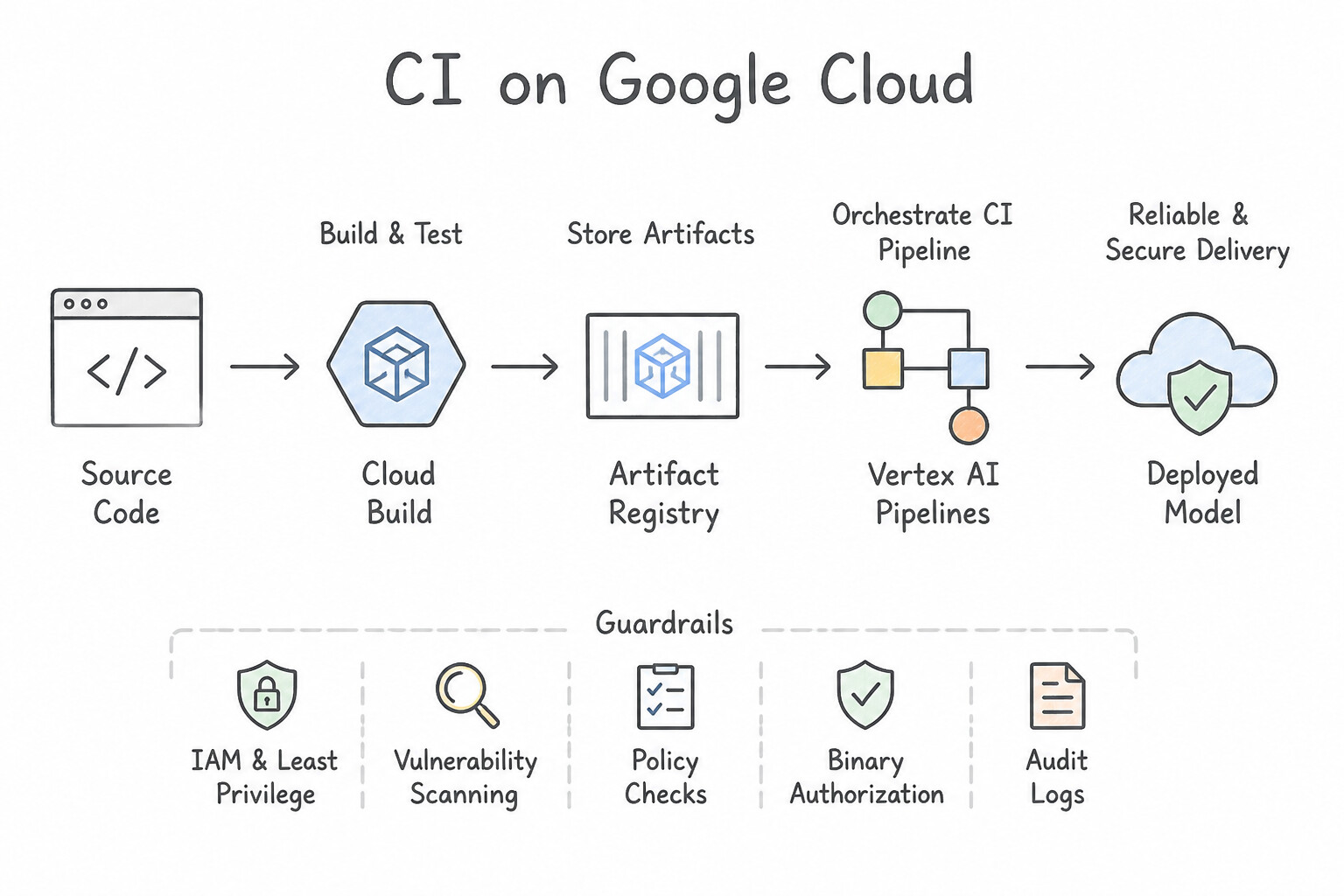
pmle-5.2b-1-distinguishing-ci-cd-ct.jpg,pmle-5.2b-2-continuous-integration.jpg) - Quick Decision Cheat Sheet (Subsection 5.2)
Chapter 6: Monitoring, Evaluating & Securing AI Solutions: Model Armor, Skew/Drift Detection & Gen AI Eval
- Subsection 6.1: Identifying risks to AI solutions (Section 6: Monitoring AI solutions)
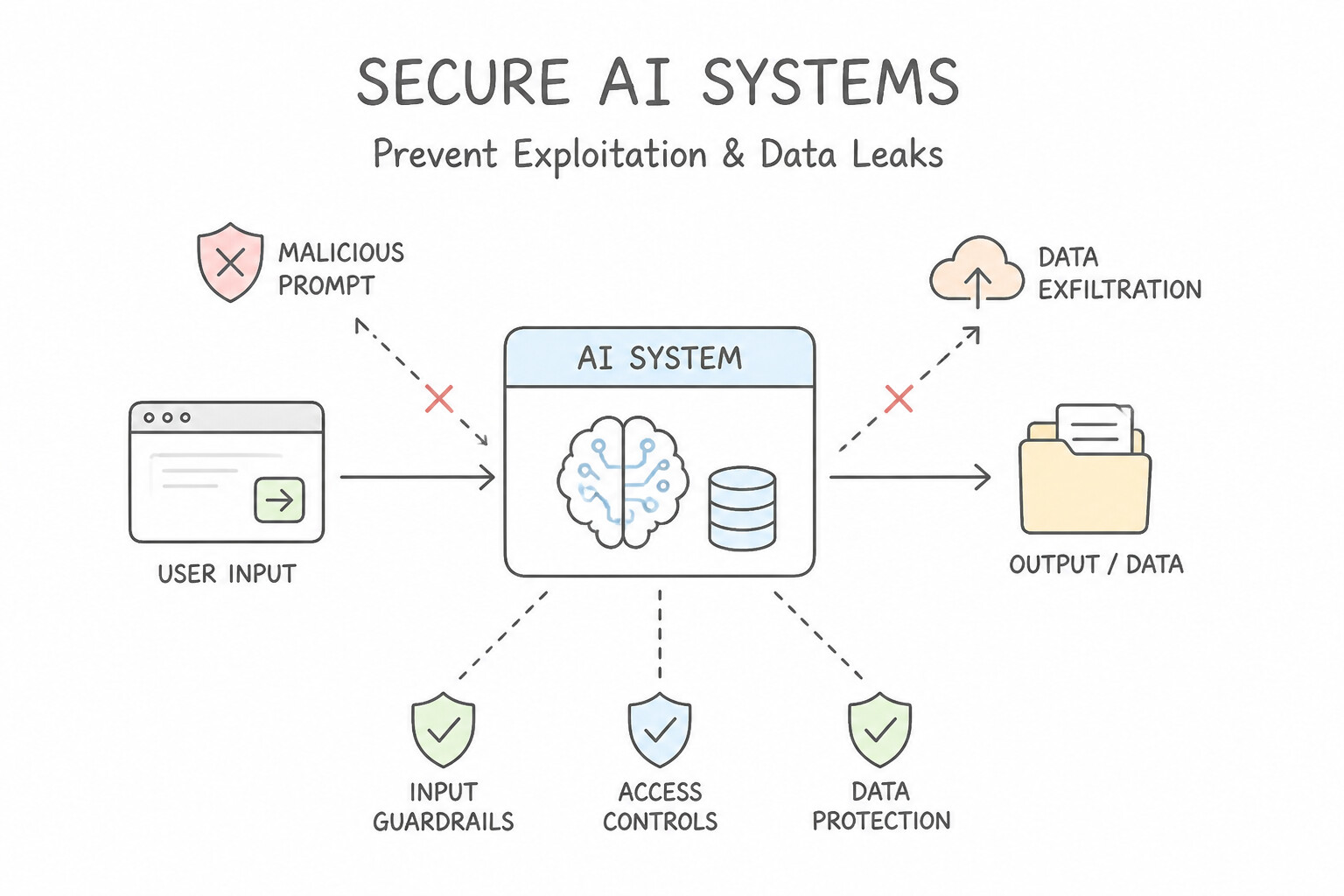
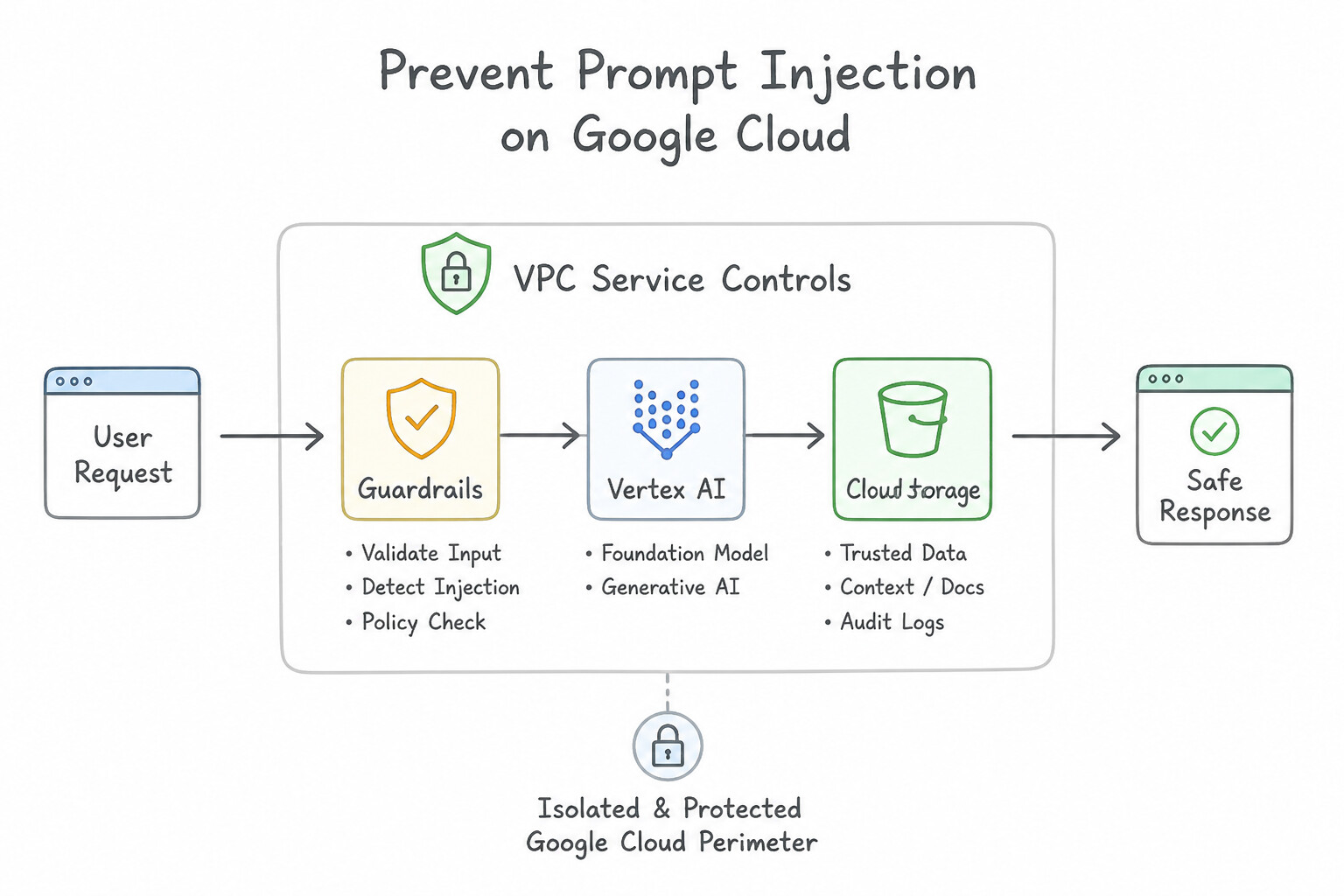
- Consideration 6.1a: Building secure AI systems by protecting against unintentional exploitation and leaks of data or models (e.g., data exfiltration, malicious prompting, and sharing sensitive data with LLMs) using the appropriate security tool (e.g., Regex, safety filters, and Model Armor) (Diagrams:
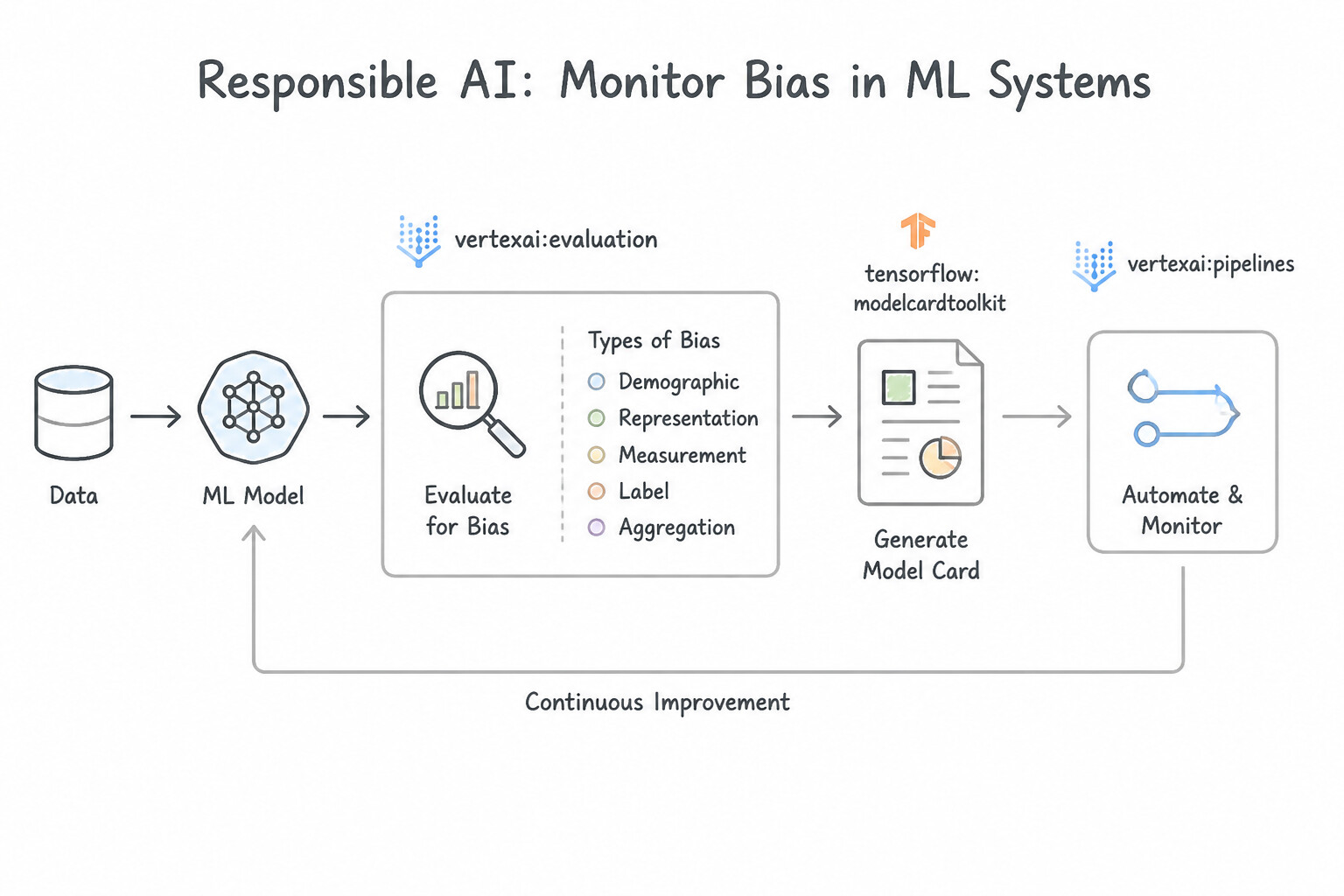
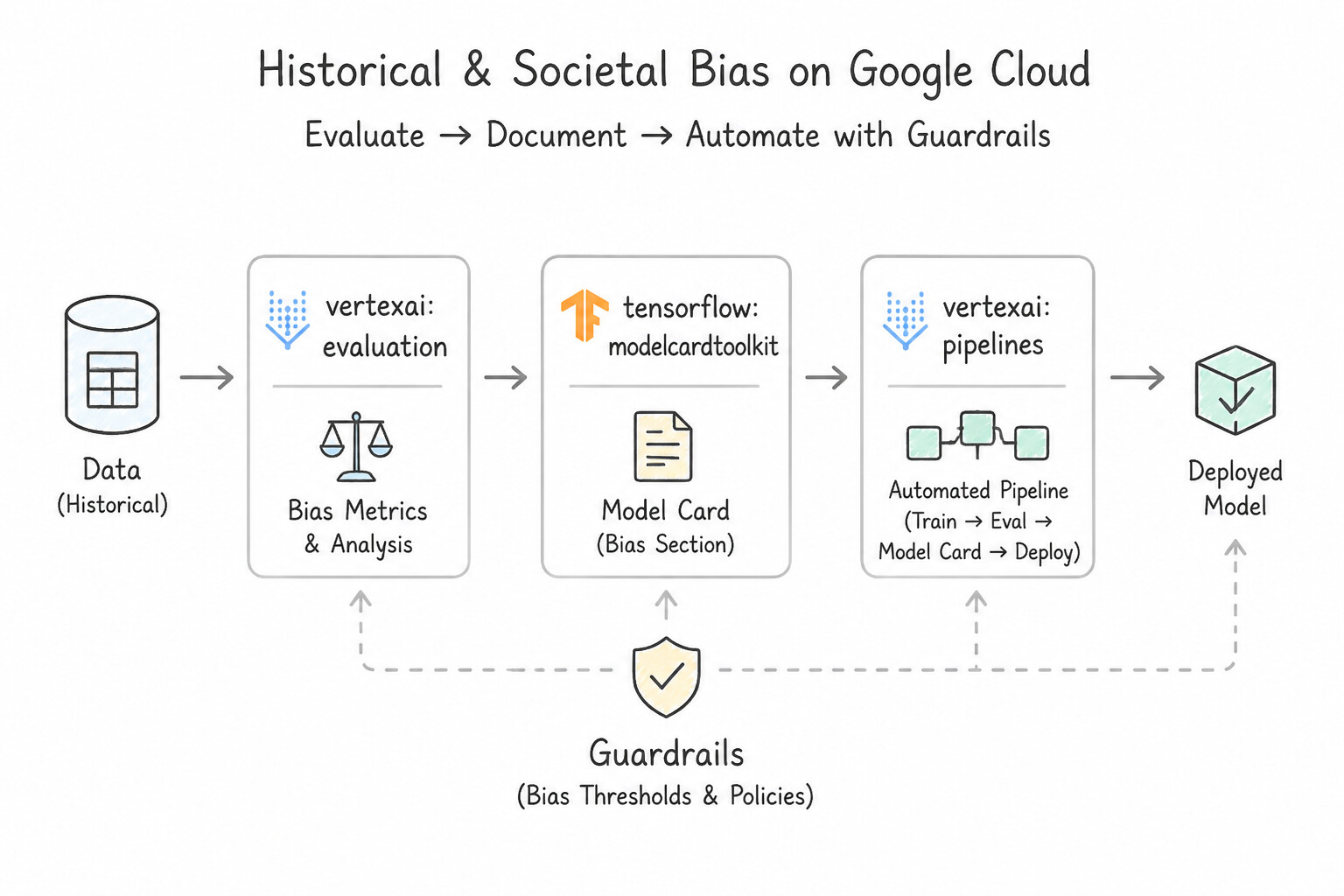
pmle-6.1a-1-defending-against.jpg,pmle-6.1a-2-prompt-injection.jpg) - Consideration 6.1b: Aligning with responsible AI practices (e.g., monitoring for bias) (Diagrams:
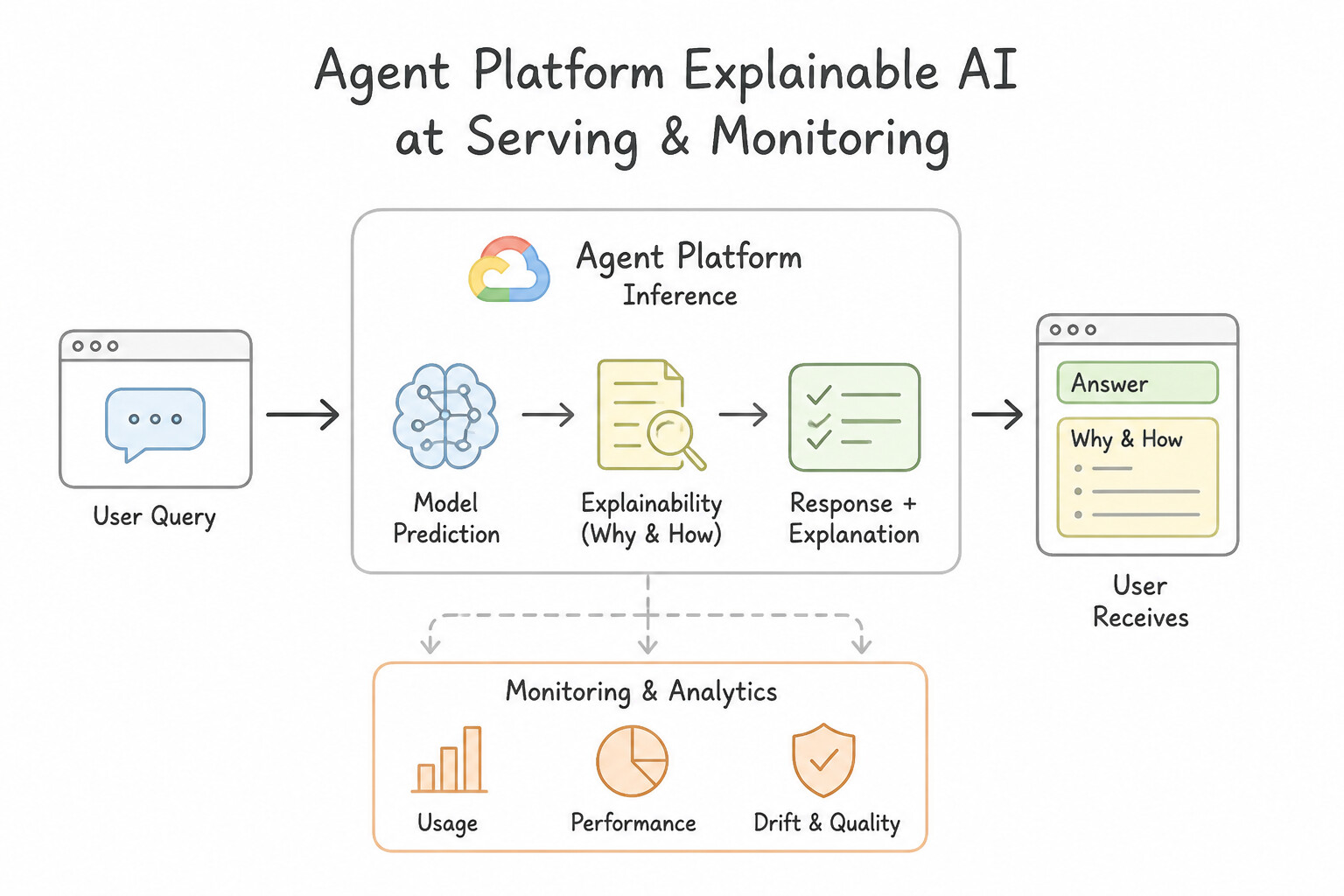
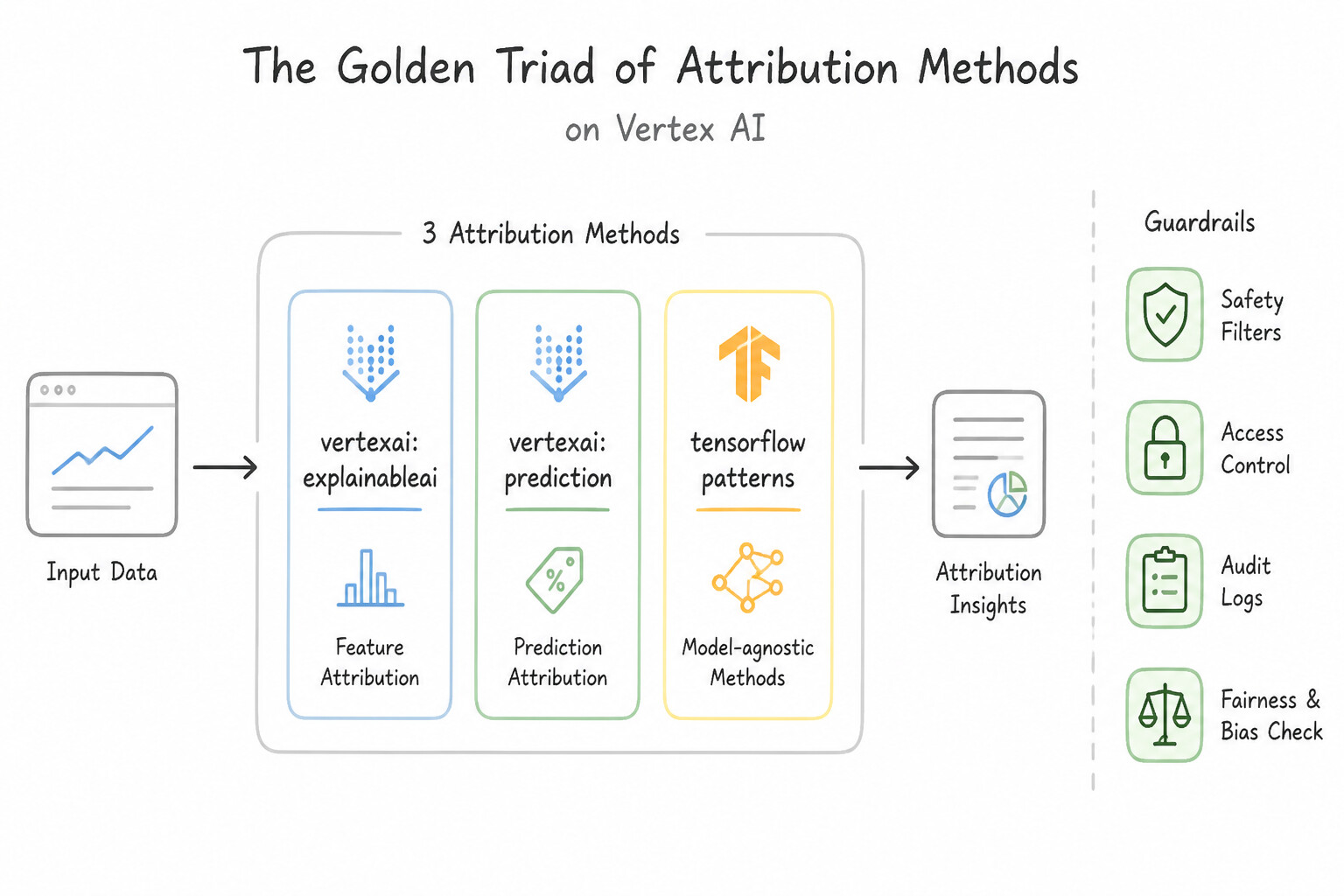
pmle-6.1b-1-types-of-bias-in.jpg,pmle-6.1b-2-historical-societal-bias.jpg) - Consideration 6.1c: Model explainability on Agent Platform (e.g., Agent Platform Inference) (Diagrams:
pmle-6.1c-1-agent-platform.jpg,pmle-6.1c-2-golden-triad-of.jpg) - Quick Decision Cheat Sheet (Subsection 6.1)
- Subsection 6.2: Monitoring, testing, and troubleshooting AI solutions (Section 6: Monitoring AI solutions)
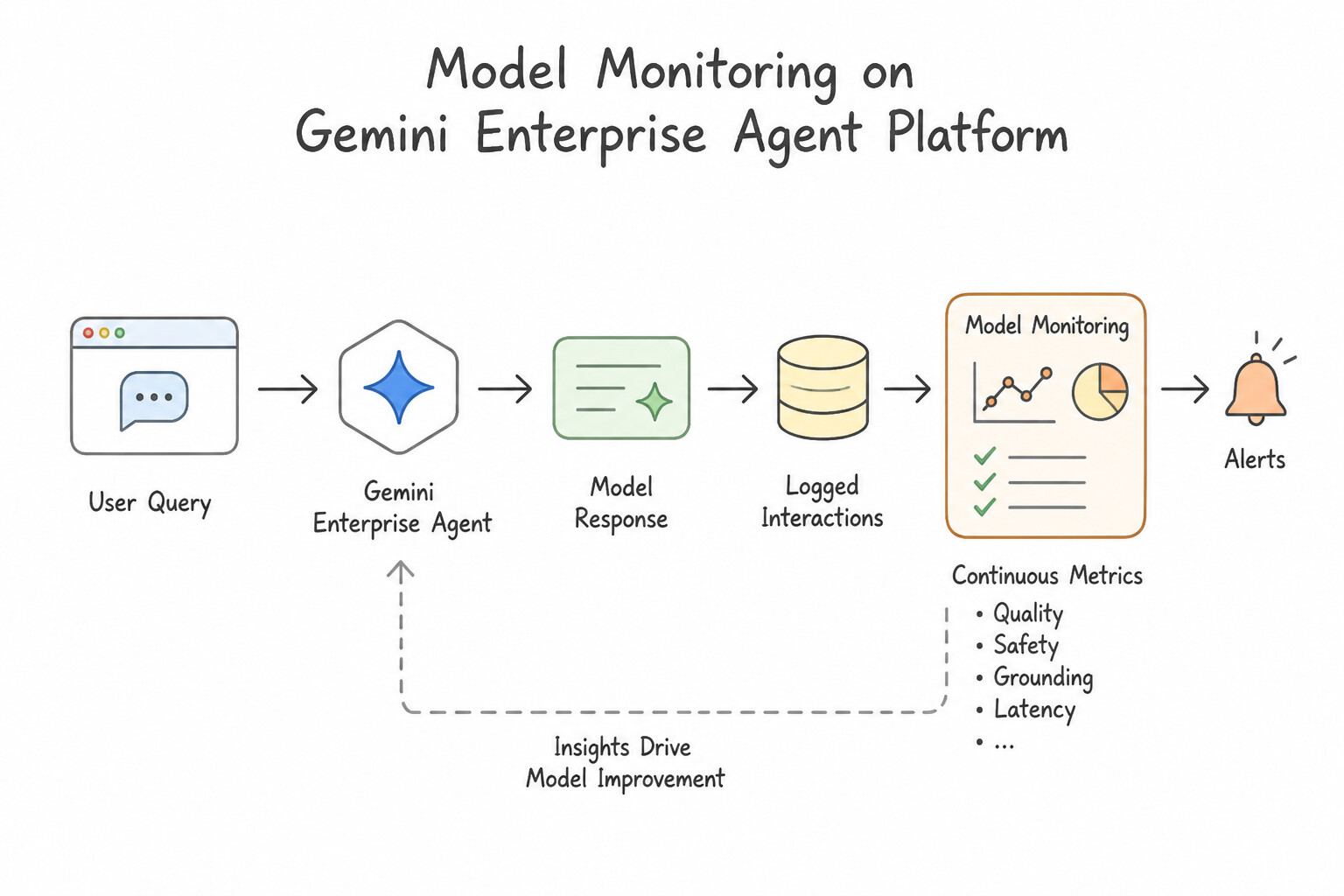
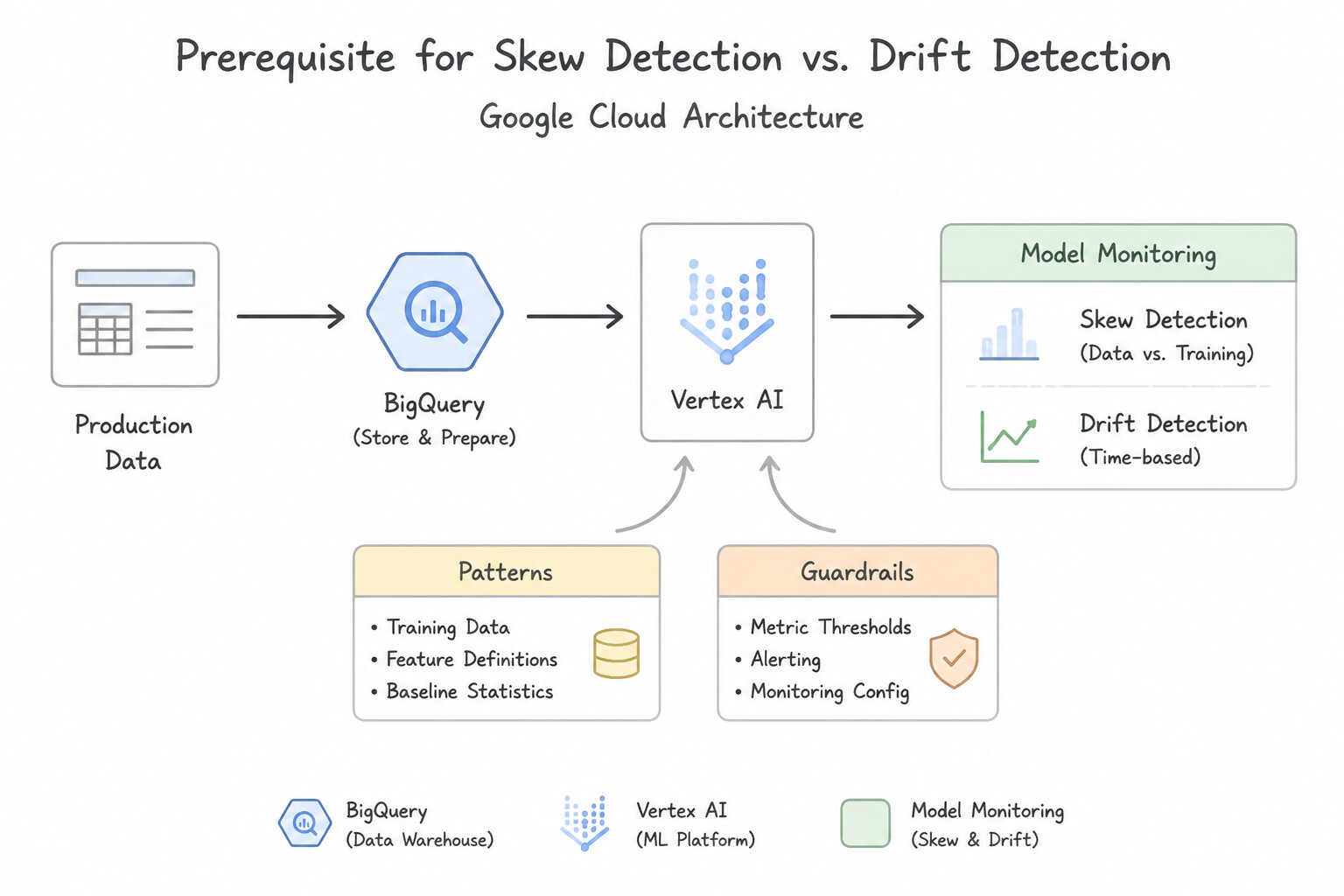
- Consideration 6.2a: Configuring and using Model Monitoring on Gemini Enterprise Agent Platform to establish continuous evaluation metrics for production models (Diagrams:
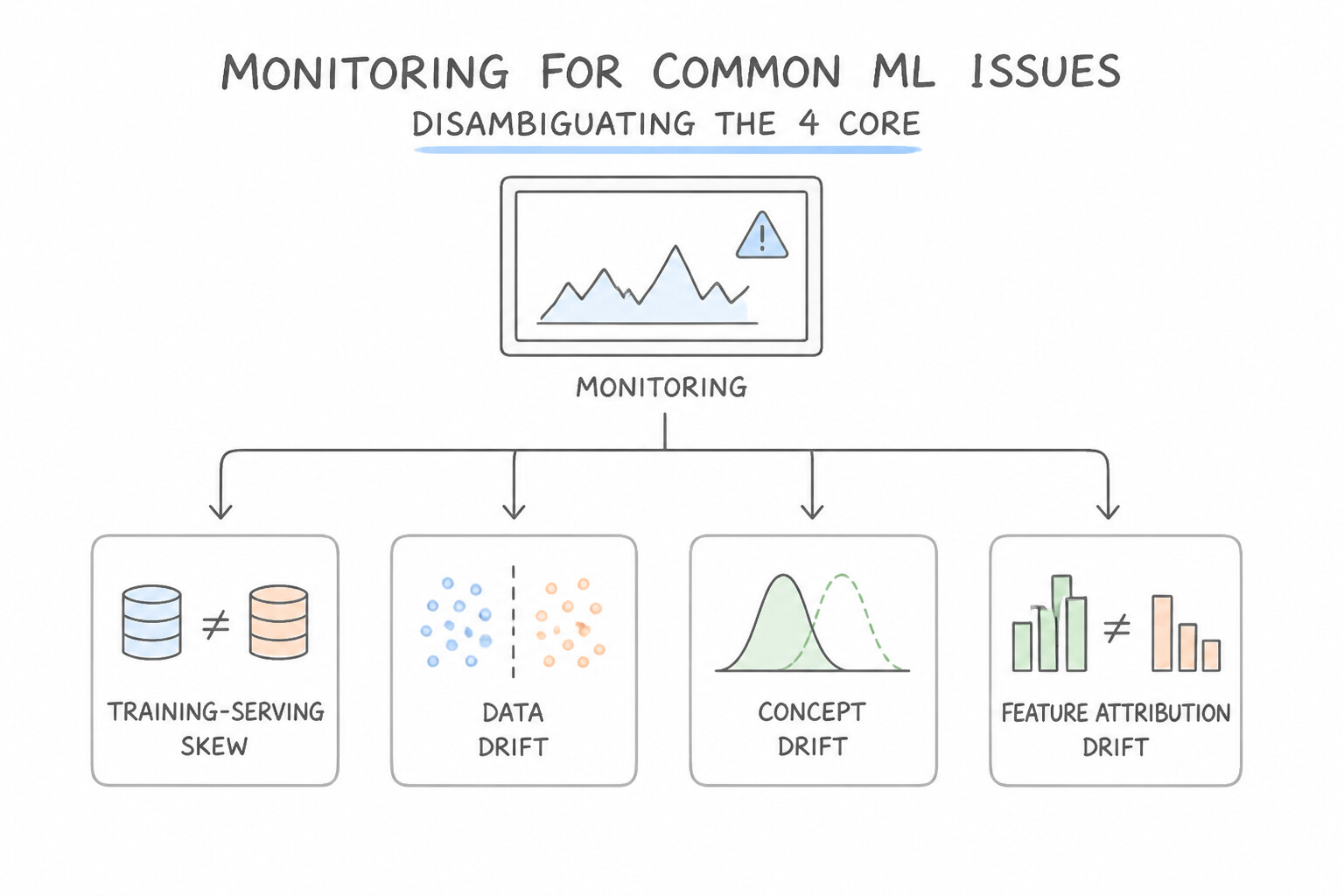
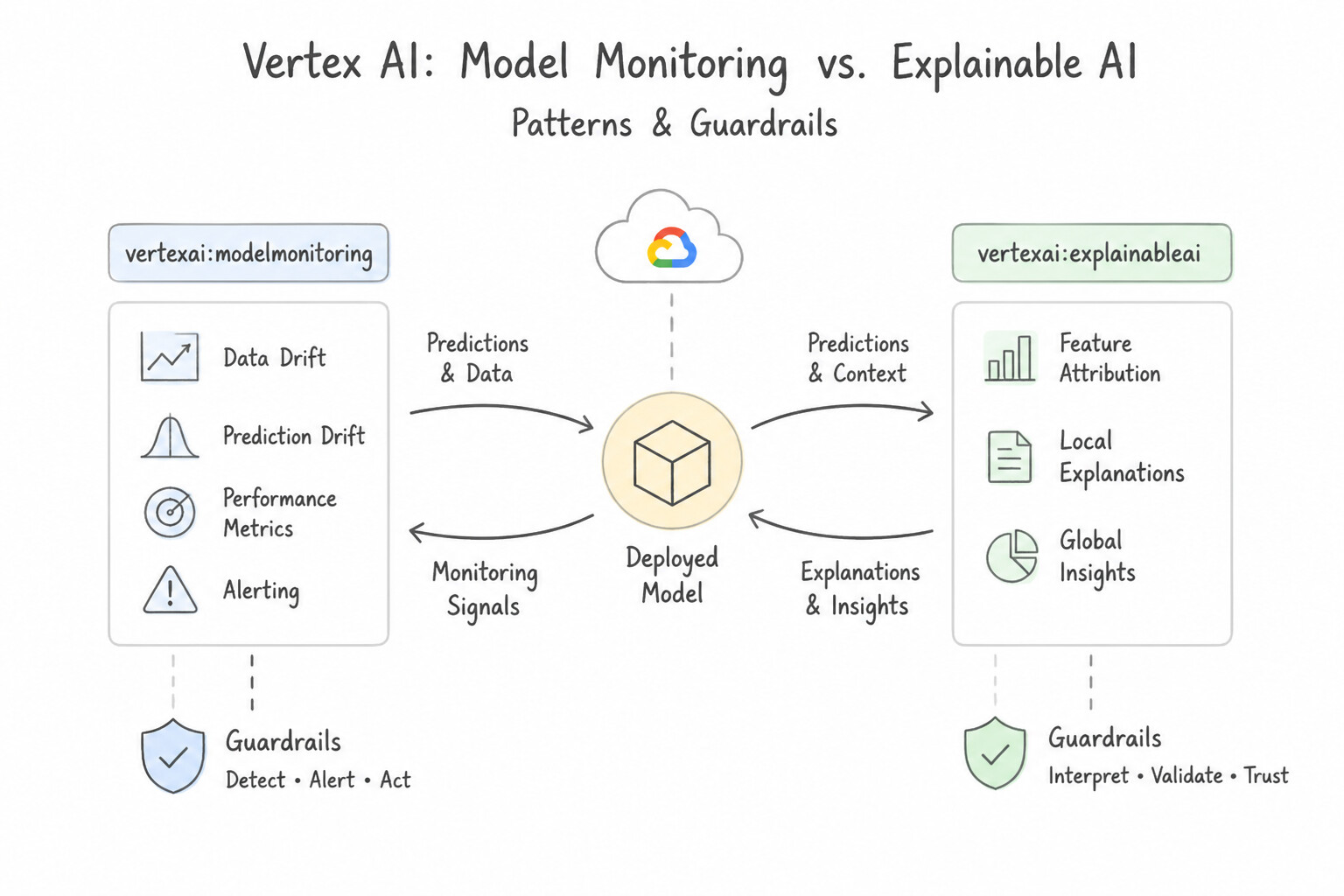
pmle-6.2a-1-model-monitoring-samples.jpg,pmle-6.2a-2-prerequisite-skew.jpg) - Consideration 6.2b: Monitoring for common issues (e.g., training-serving skew, data drift, concept drift, and feature attribution drift) (Diagrams:
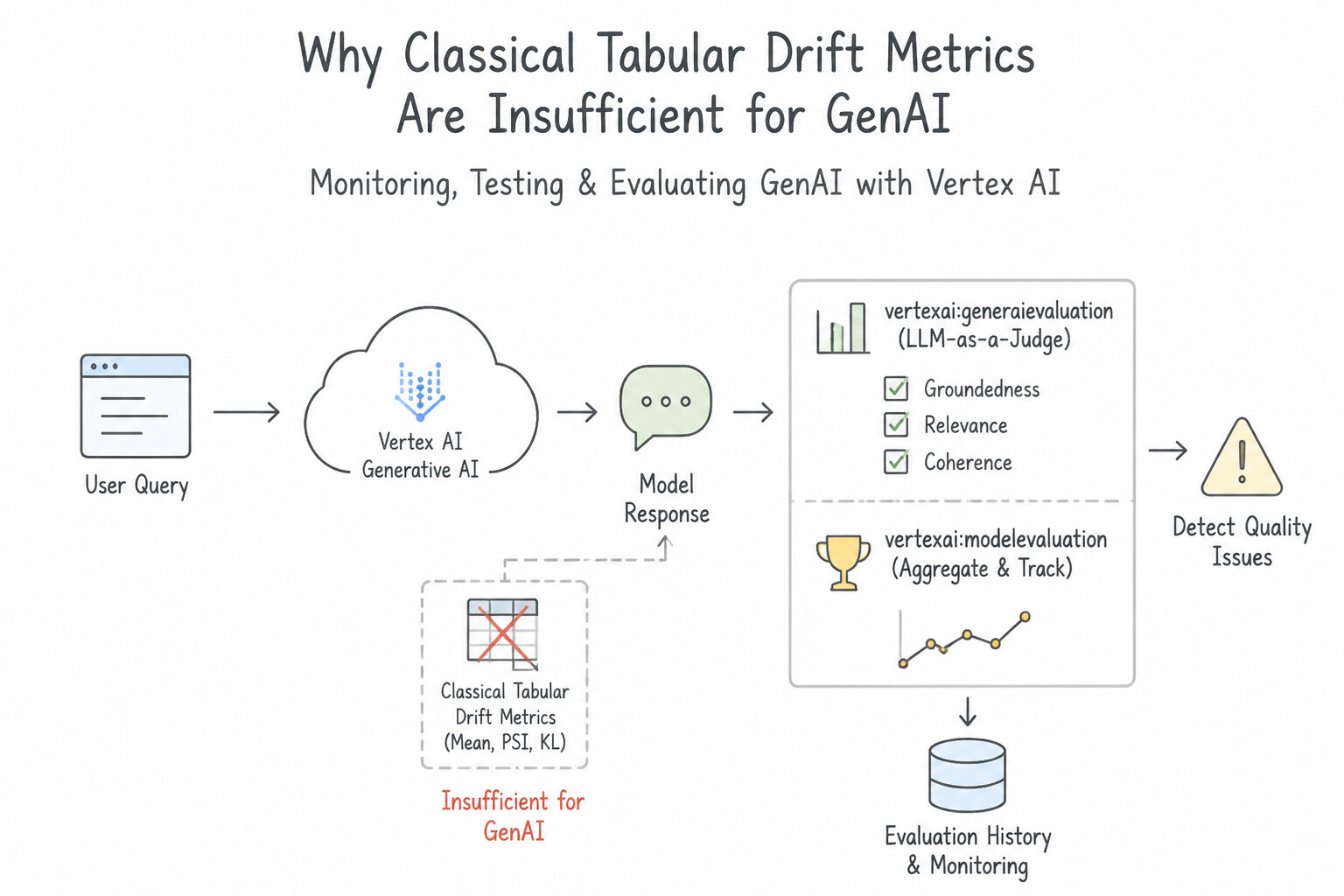
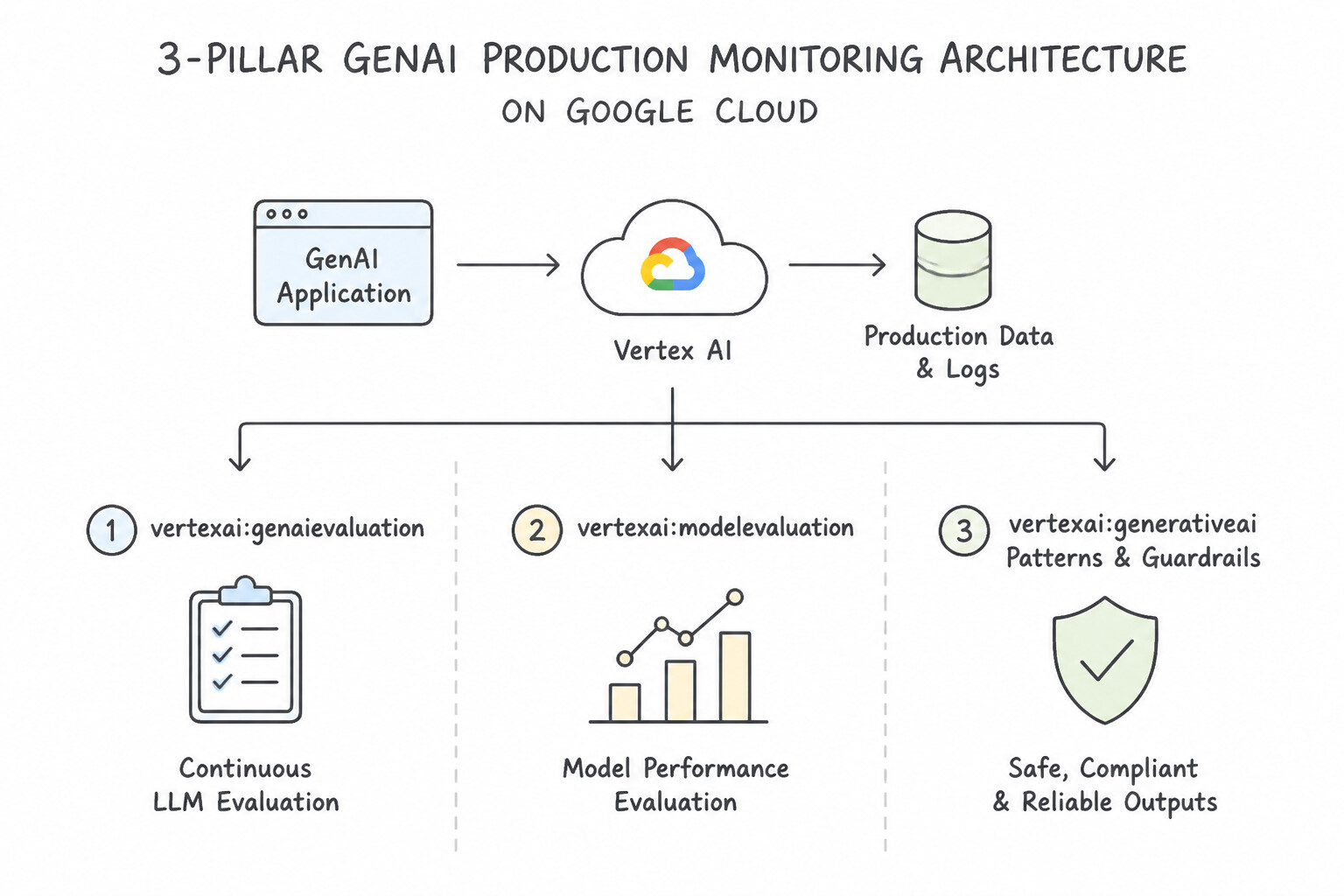
pmle-6.2b-1-disambiguating-core.jpg,pmle-6.2b-2-vertex-ai-model.jpg) - Consideration 6.2c: Monitoring, testing, and evaluating gen AI solutions (Diagrams:
pmle-6.2c-1-classical-tabular-drift.jpg,pmle-6.2c-2-pillar-genai-monitoring.jpg) - Quick Decision Cheat Sheet (Subsection 6.2)
Chapter 7: Master Look-Alike Tool Comparison & Decision Playbook
- 7.1 The Master Look-Alike Tool Comparison Matrix
- 7.2 The 5-Step Architecture Decision Checklist
- 7.3 Top 25 Golden Rules for Final Review
Generating the Custom Illustrations (pmle-image-prompts.json)
All 104 custom image prompts and output filenames for this book are stored in pmle-image-prompts.json (and mirrored in openai-image-gen/out/9009-openai-prompts-pmle-book.json). To generate the illustrations using openai-image-gen/images-from-prompts.py, run:
cd openai-image-gen
uv run images-from-prompts.py -file ../books/pmle-architecture-takeaways/pmle-image-prompts.json -simple -quality medium
AwesomeGCP.com Learning
The approach taken is a question-led learning approach: you explore realistic project scenarios where you need to make decisions or take actions to achieve business goals within specific constraints. Instead of passive learning, you are challenged to think and work through the options to master the Professional Machine Learning Engineer (PMLE) certification!