About This Edition: A clean, intermediate-level architectural guide covering all 12 Subsections and 93 Official Considerations of the Google Cloud Certified Associate Cloud Engineer curriculum, illustrated with Mermaid architecture blueprints and 186 custom-designed concept & architecture diagrams.
Chapter Plan at a Glance
Ch # | Chapter Title | Subsections | Considerations | Custom Diagrams | Core Focus |
|---|---|---|---|---|---|
00 | Overview | — | Mermaid | The Architectural Planes, plain-English guide to in-scope services, and the 10 Core Architectural Principles. | |
01 | 1.1, 1.2 | 16 | 32 | Organization/Folder/Project hierarchy, Organization Policies, Cloud Identity, Billing accounts, budgets, alerts, labels, and BigQuery billing exports. | |
02 | 2.1 | 12 | 24 | Compute Engine VM sizing, Spot VMs, CUDs, GKE Standard vs. Autopilot, Cloud Run services/jobs, Cloud Run functions, and Vertex AI / Agent Platform runtimes. | |
03 | 2.2, 2.3, 2.4 | 12 | 24 | Cloud Storage classes, Cloud SQL/Spanner/AlloyDB/Firestore/Bigtable/BigQuery selection, VPC topologies, Load Balancers, Terraform, Config Connector, and Cloud Shell/gcloud. | |
04 | 3.1 | 16 | 32 | Managed Instance Groups (MIGs), autoscaling, rolling updates, OS Patch Management, SSH/IAP troubleshooting, GKE node pools/pods, and Cloud Run traffic splitting. | |
05 | 3.2, 3.3 | 13 | 26 | Object Lifecycle Management, backups/replicas, CMEK, non-disruptive subnet CIDR expansion, static/dynamic routing, Cloud DNS zones, Cloud NAT, and VPC firewall rules. | |
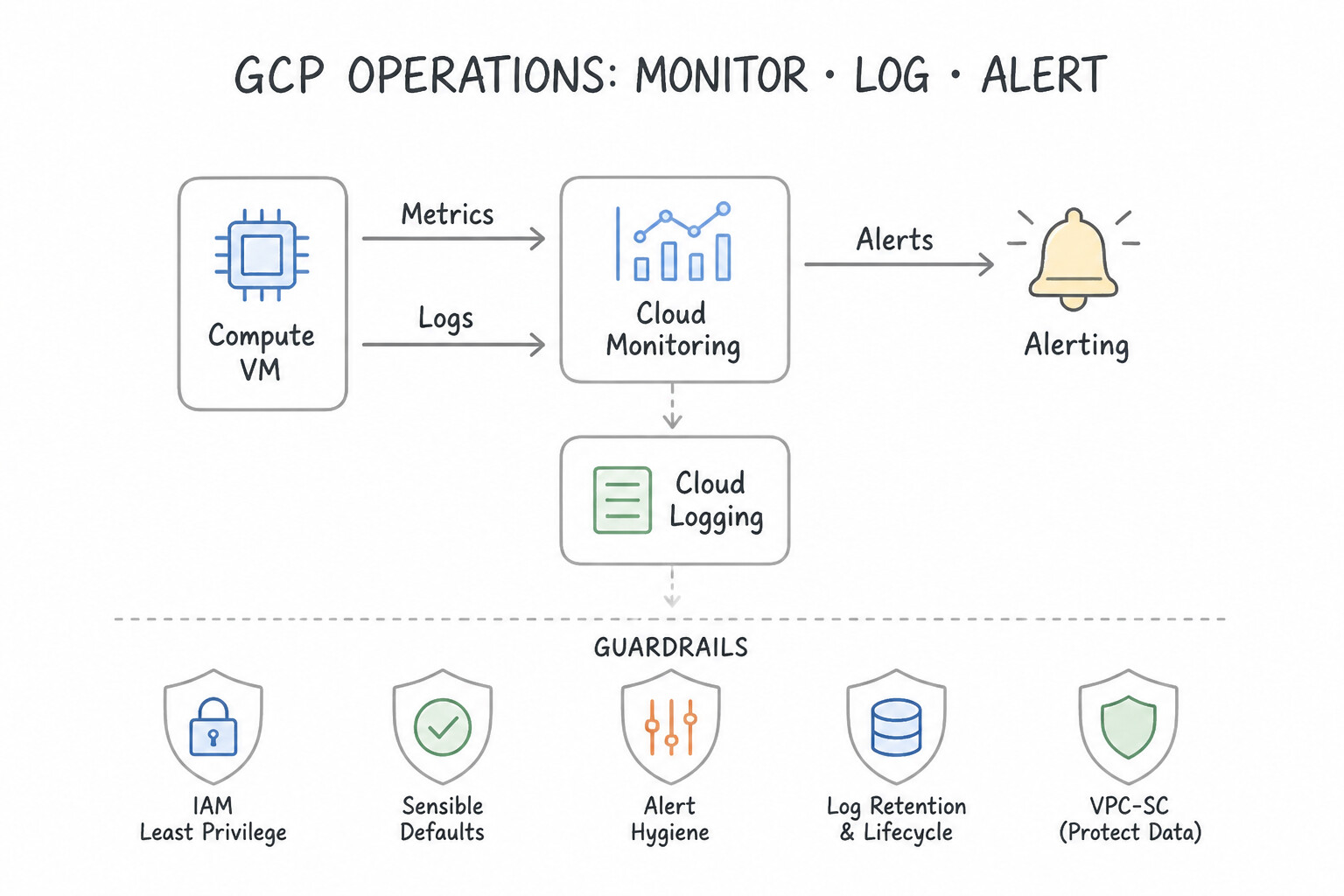
06 | 3.4 | 14 | 28 | Ops Agent, custom metrics, alerting policies, Uptime checks, Cloud Logging sinks (BigQuery, Storage, Pub/Sub), Cloud Audit Logs, Cloud Trace, and Cloud Hub. | |
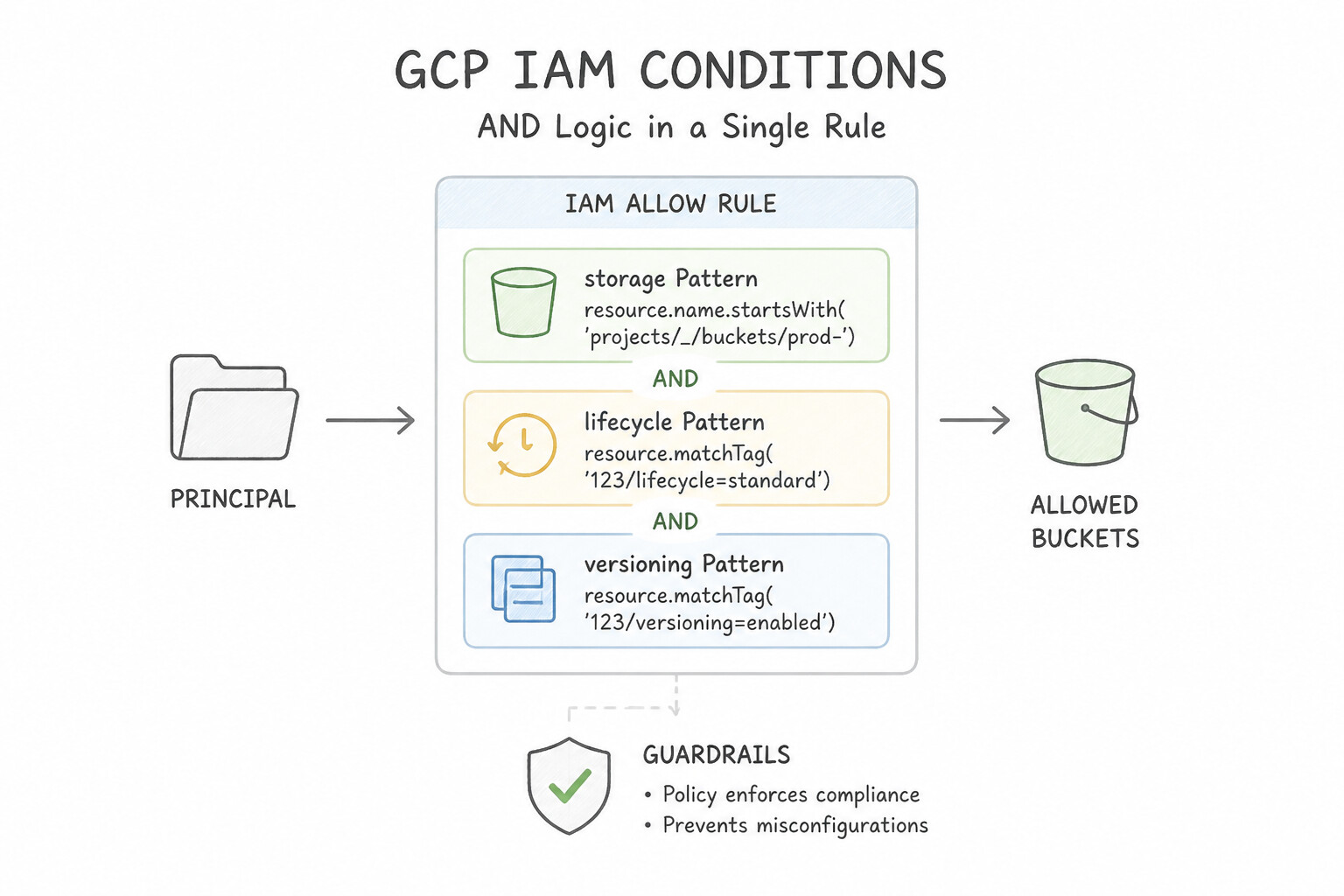
07 | 4.1, 4.2 | 10 | 20 | IAM policy inheritance, predefined vs. custom roles, IAM Conditions, Service Account impersonation ( --impersonate-service-account), short-lived tokens, and Workload Identity Federation. | |
08 | All Sections | — | — | Side-by-side Look-Alike Tool Comparison Matrix, 5-Step Architecture Decision Checklist, and Top 25 Golden Rules. |
Detailed Table of Contents
Chapter 0: The ACE Reference Stack & 10 Core Principles
- 0.1 The Master Architectural Map: All In-Scope Services of the ACE Stack
- 0.2 The 10 Core Architectural Principles
Chapter 1: Cloud Projects, Organization Hierarchy, Cloud Identity & Billing Governance
- Subsection 1.1: Setting Up Cloud Projects and Accounts (Section 1: Setting Up a Cloud Solution Environment)
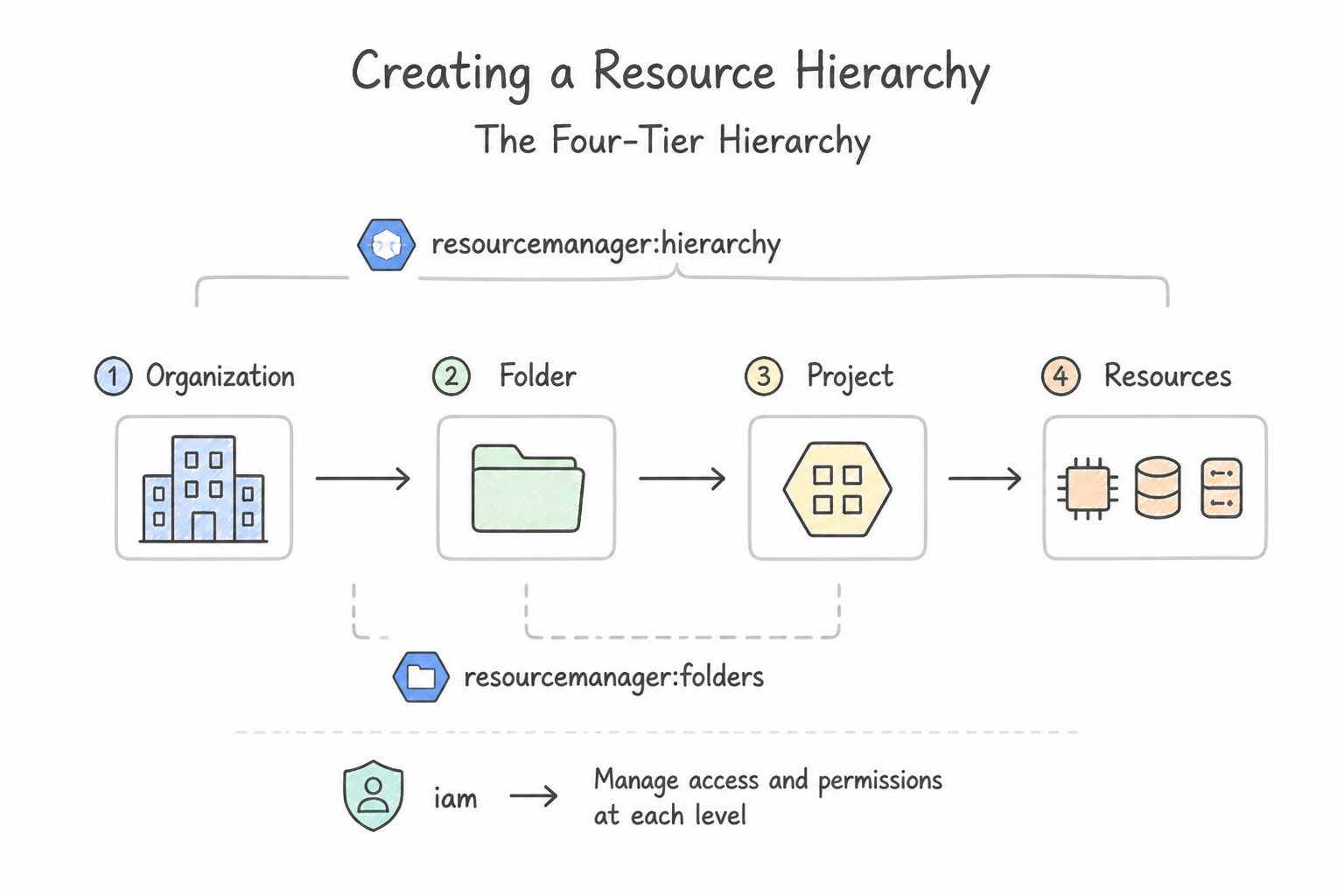
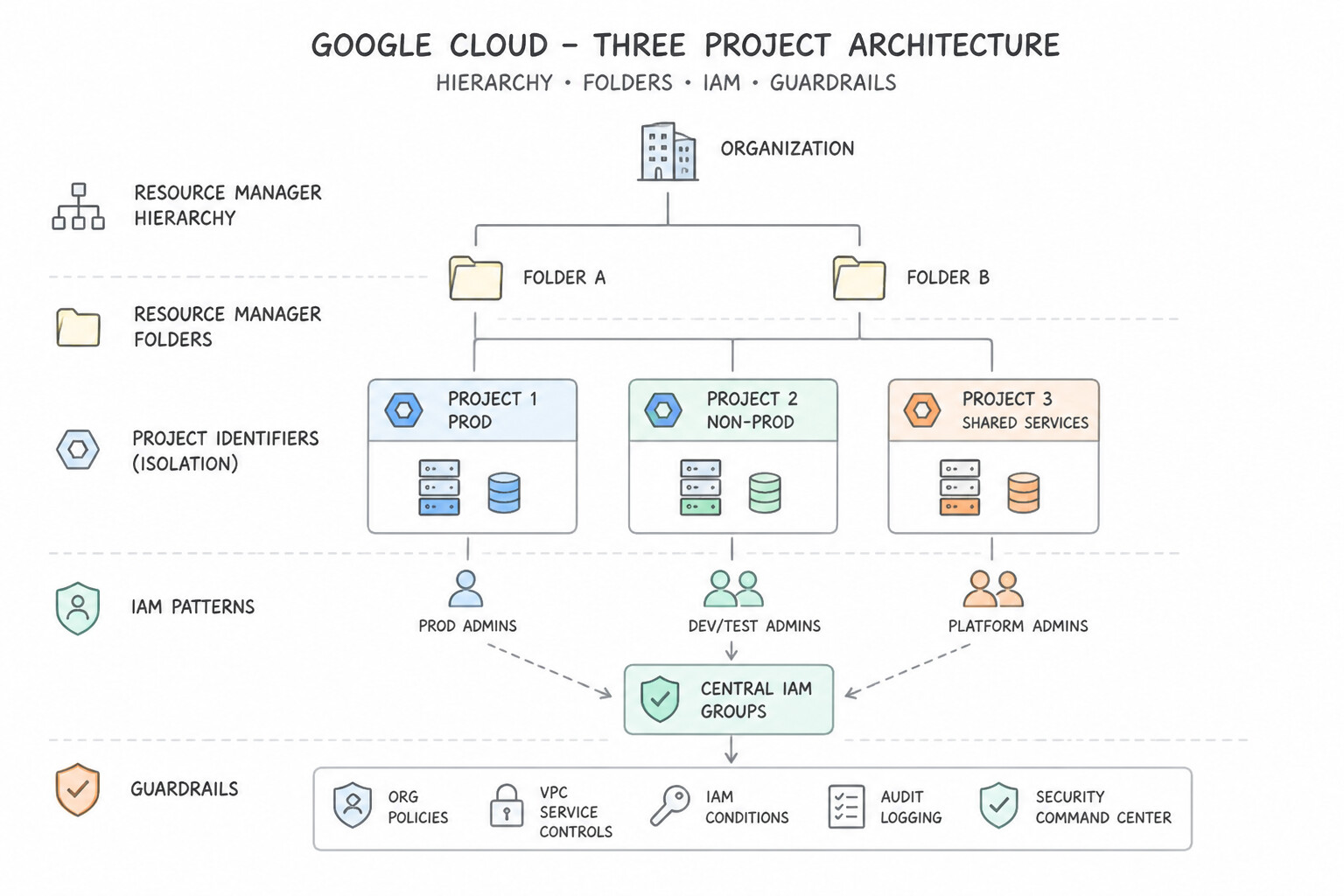
- Consideration 1.1a: Creating a resource hierarchy (Diagrams:
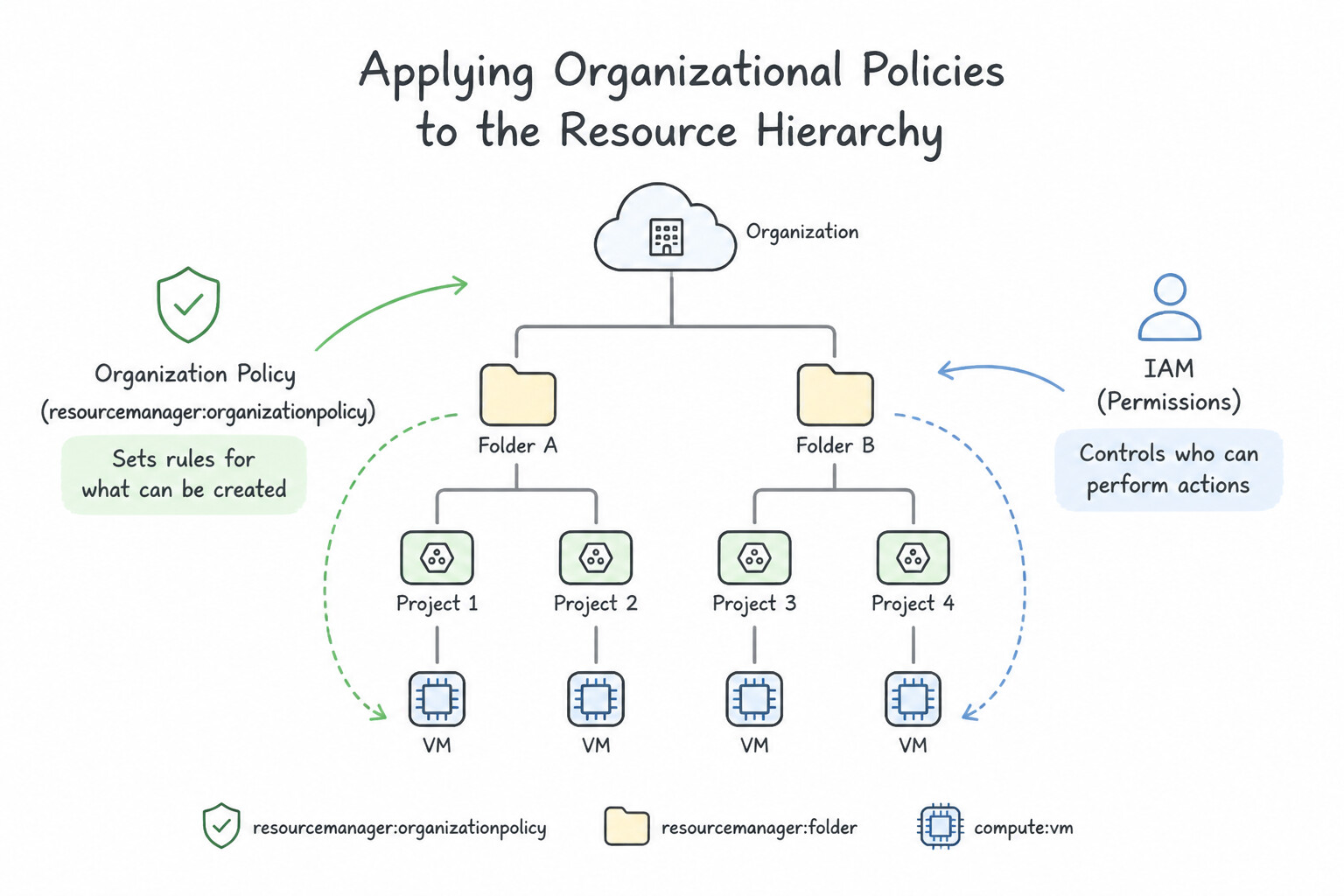
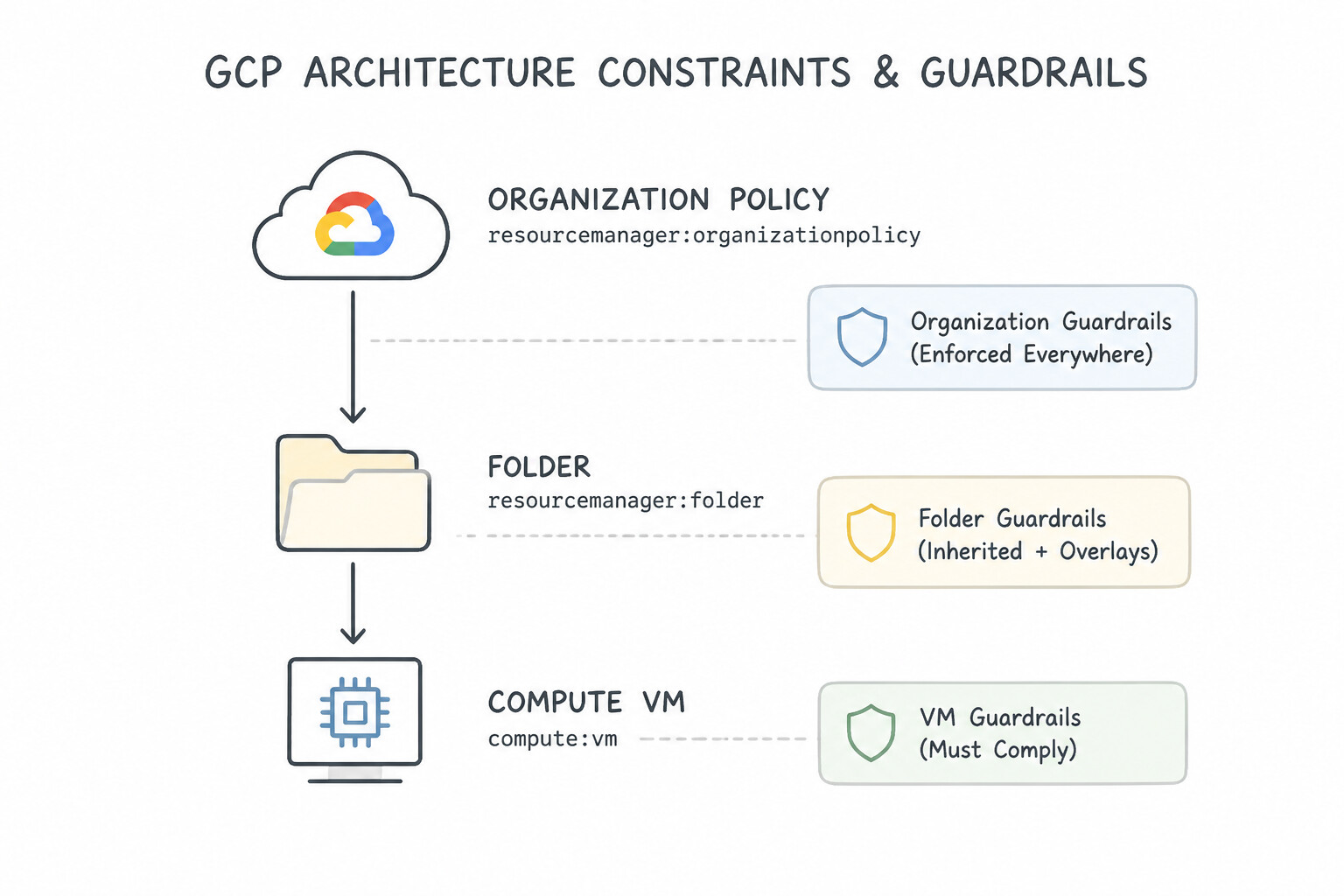
ace-1.1a-1-tier-hierarchy-resource.jpg,ace-1.1a-2-project-identifiers.jpg) - Consideration 1.1b: Applying organizational policies to the resource hierarchy (Diagrams:
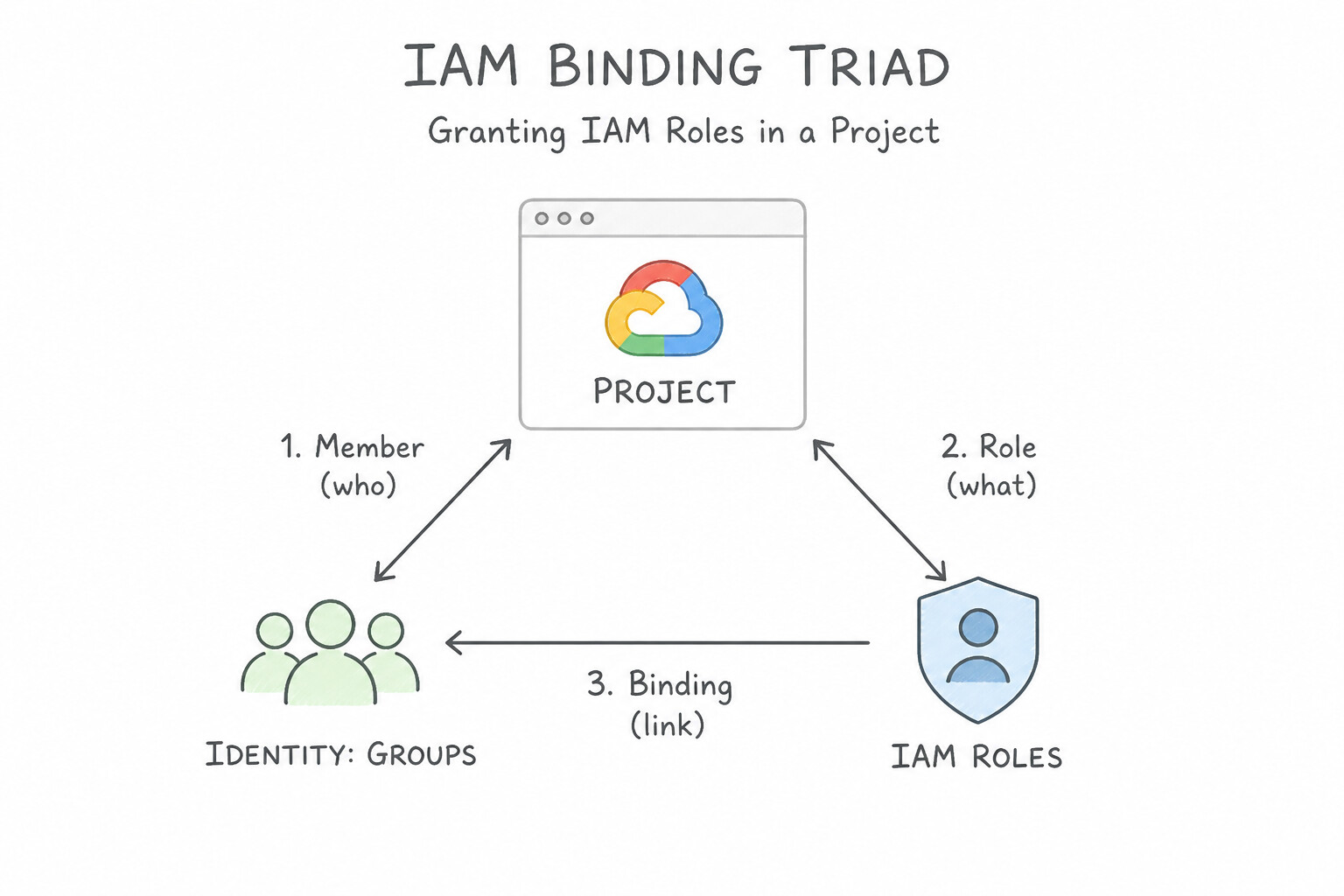
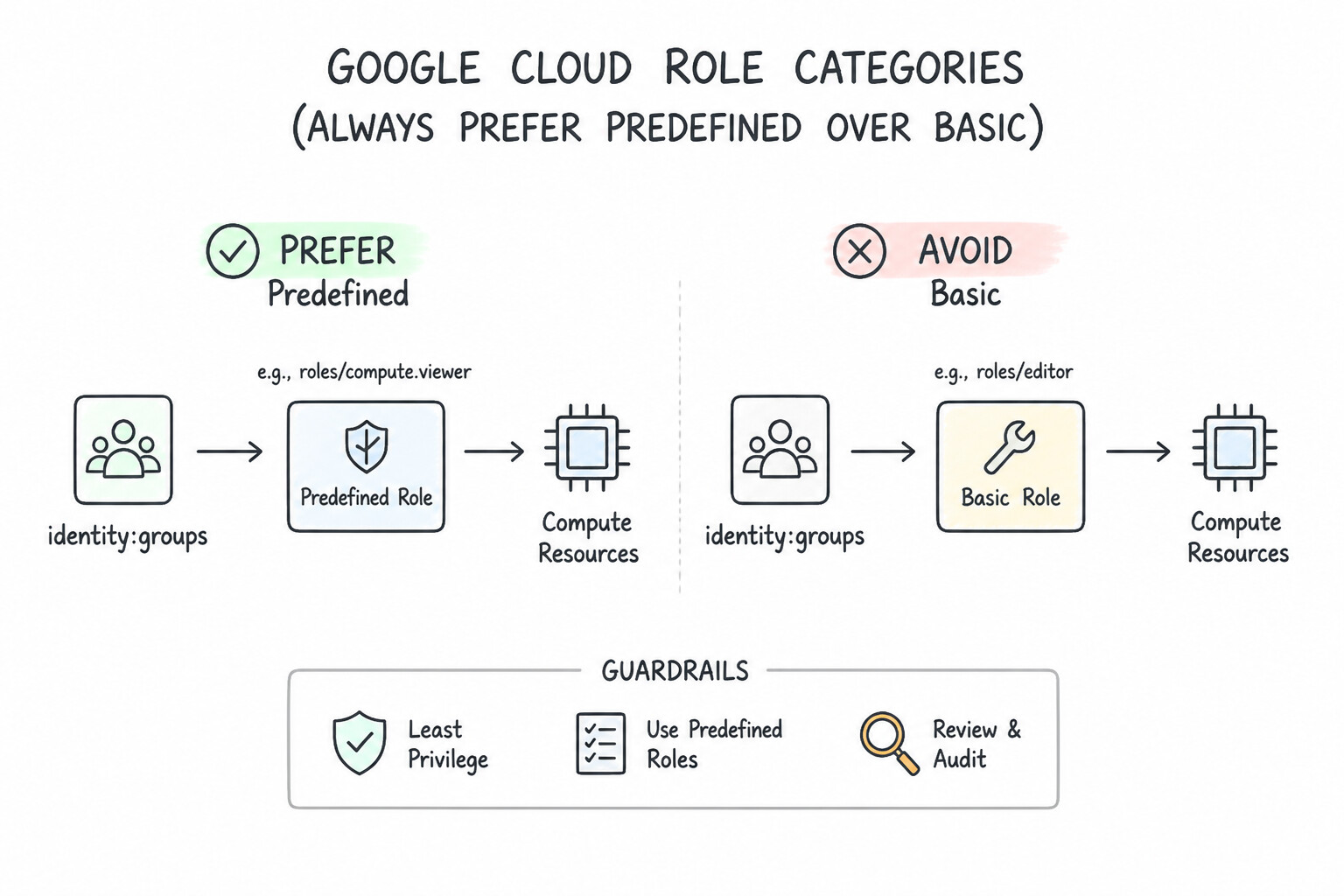
ace-1.1b-1-iam-vs-organization.jpg,ace-1.1b-2-architectural-constraints.jpg) - Consideration 1.1c: Granting members iam roles within a project (Diagrams:
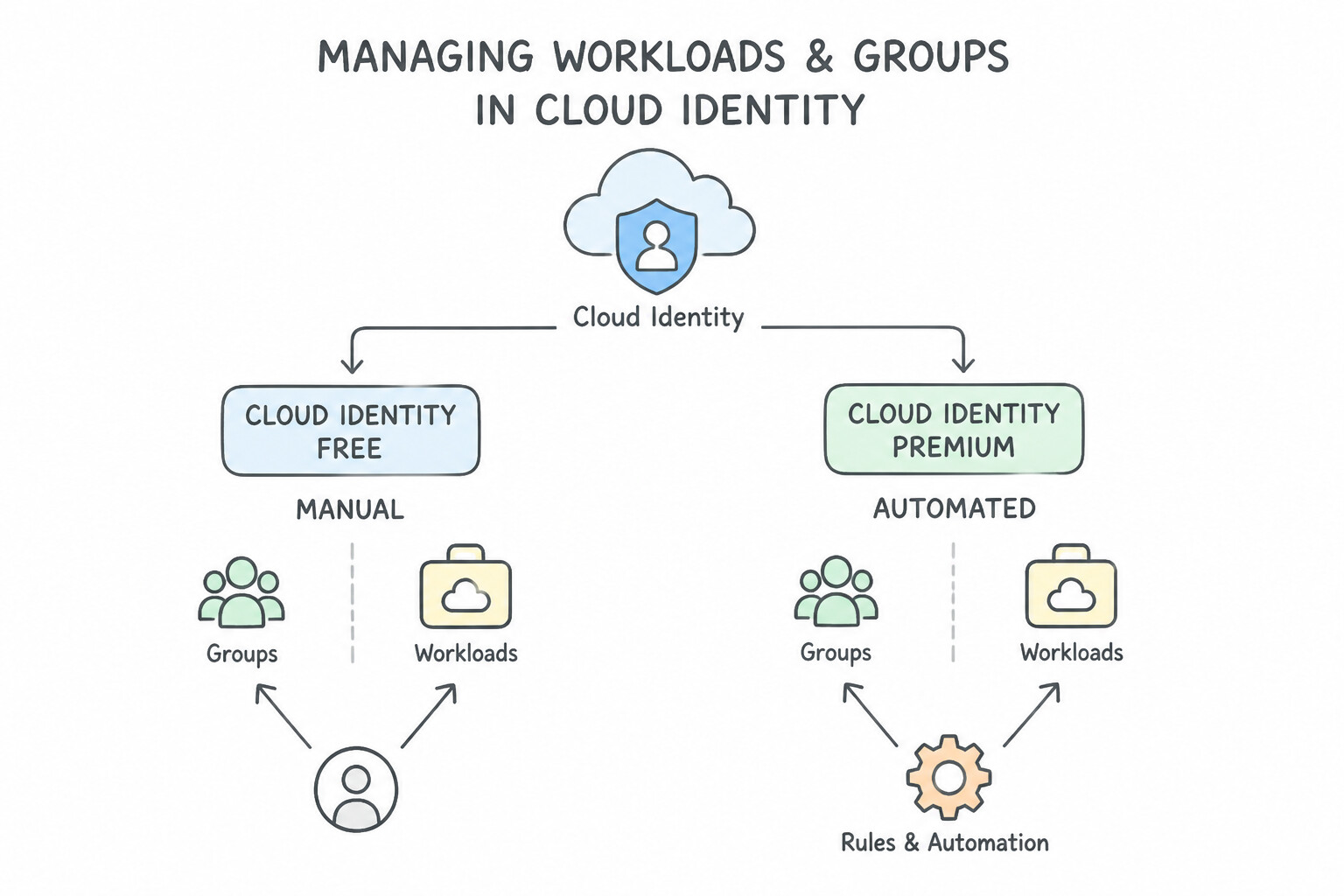
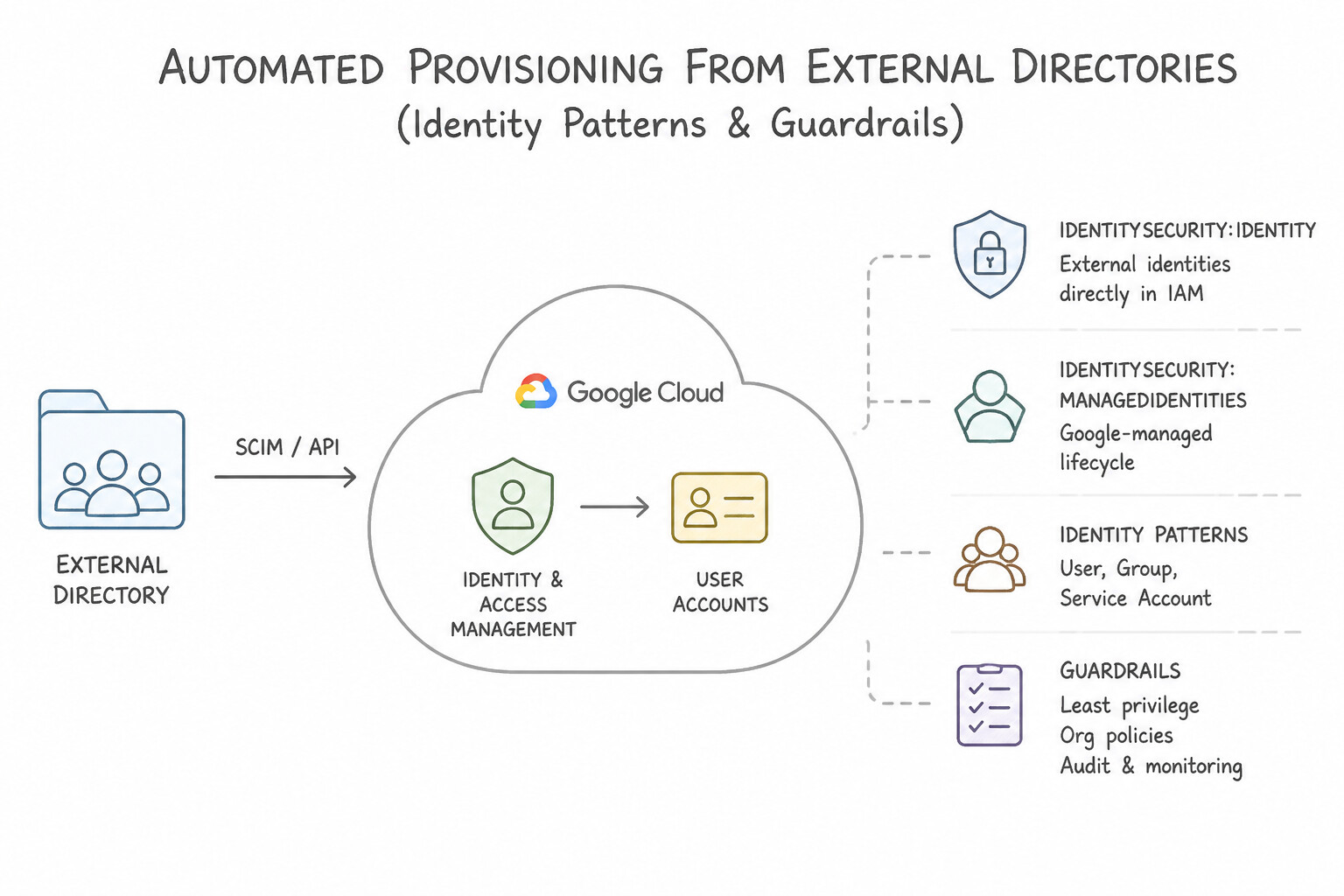
ace-1.1c-1-iam-binding-triad.jpg,ace-1.1c-2-role-categories-always.jpg) - Consideration 1.1d: Managing users and groups in cloud identity (manual and automated) (Diagrams:
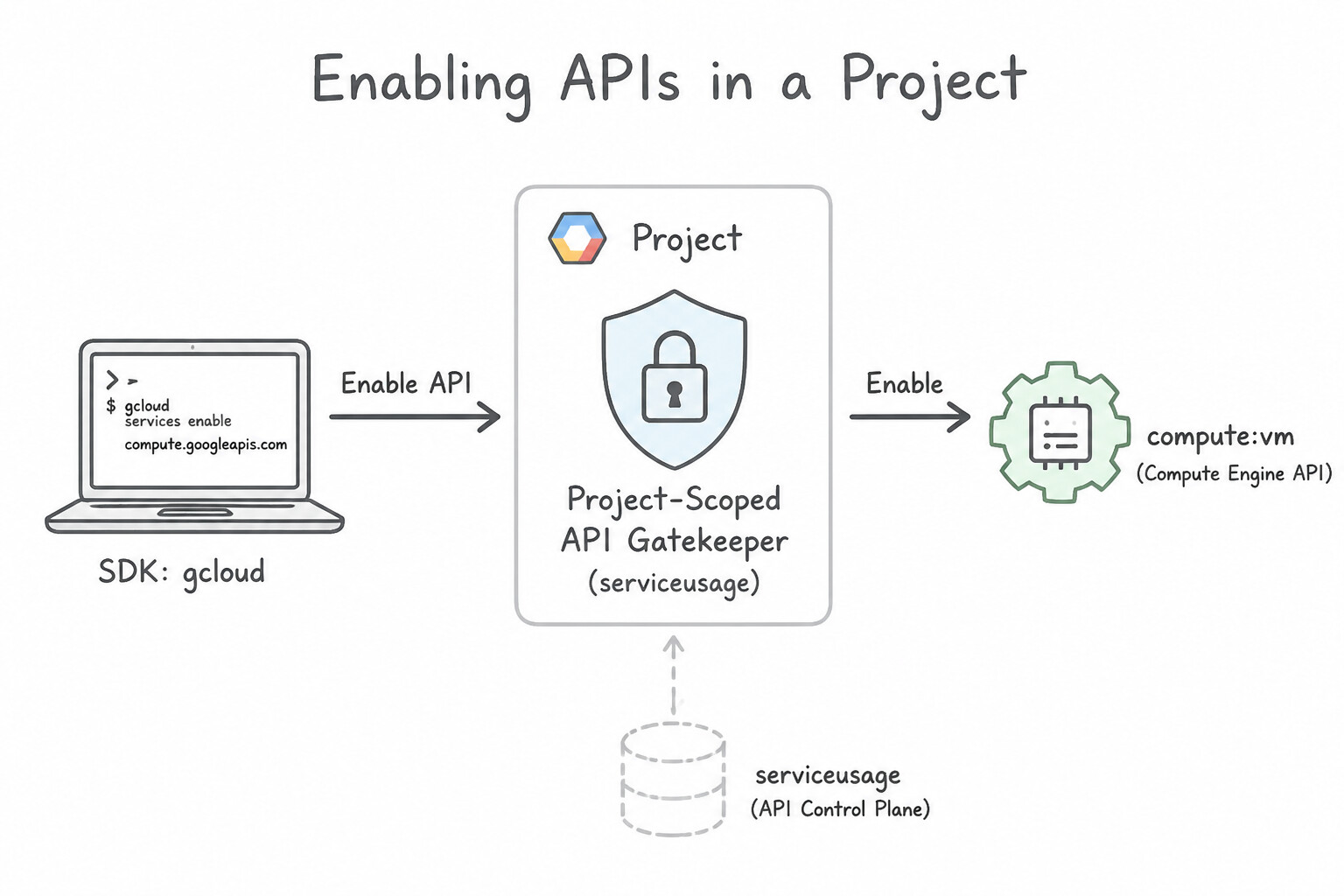
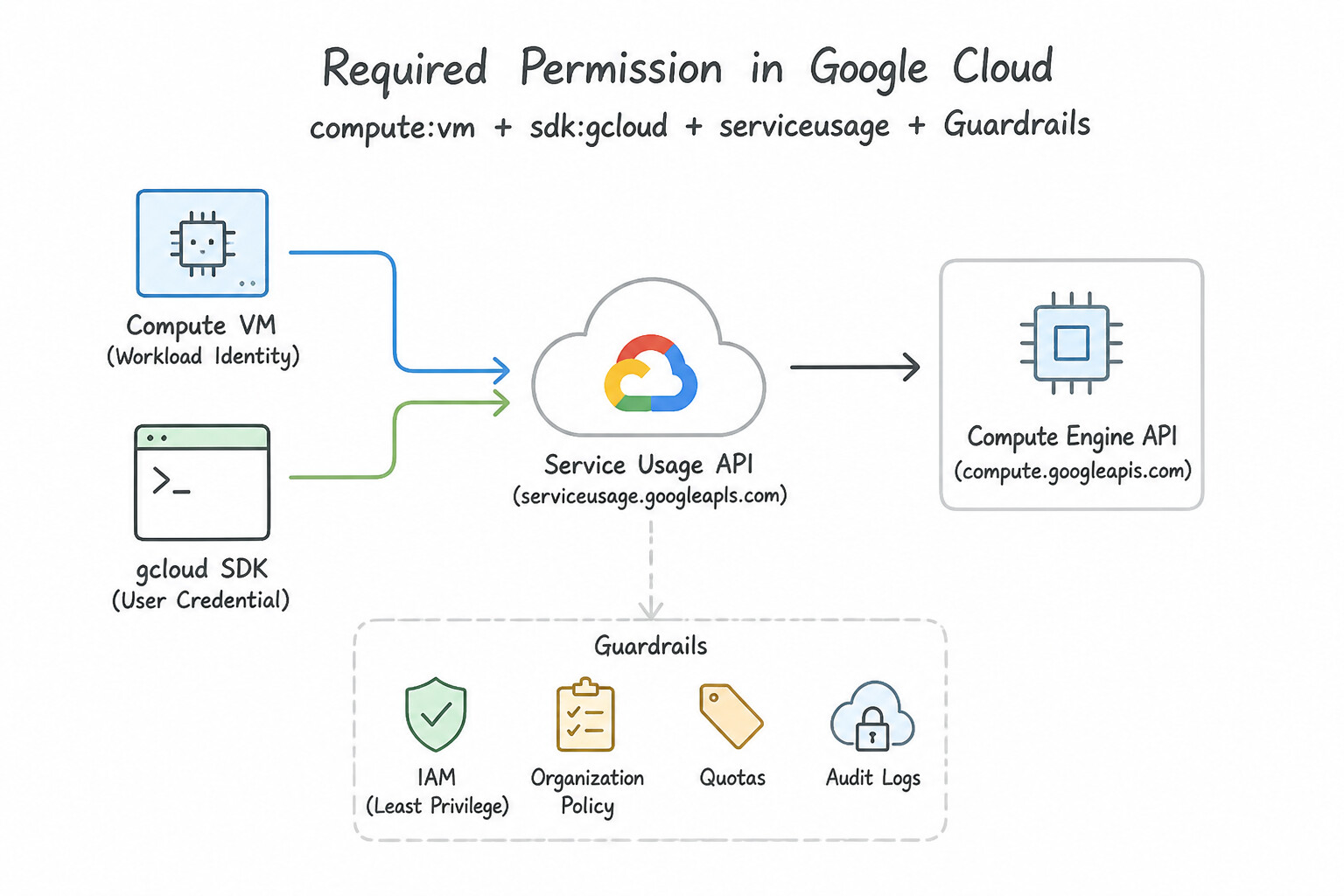
ace-1.1d-1-identity-free-vs-premium.jpg,ace-1.1d-2-automated-provisioning.jpg) - Consideration 1.1e: Enabling apis within projects (Diagrams:
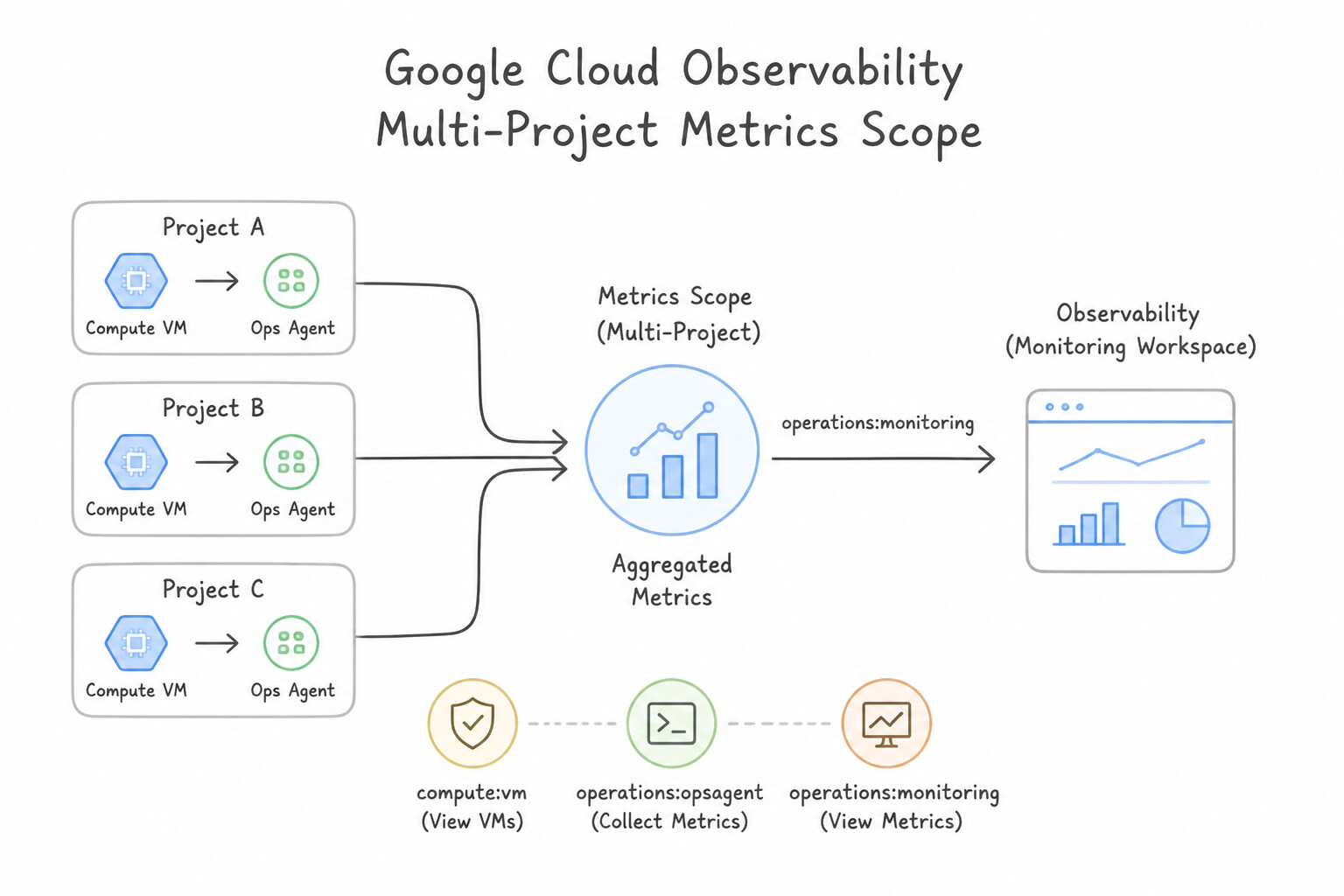
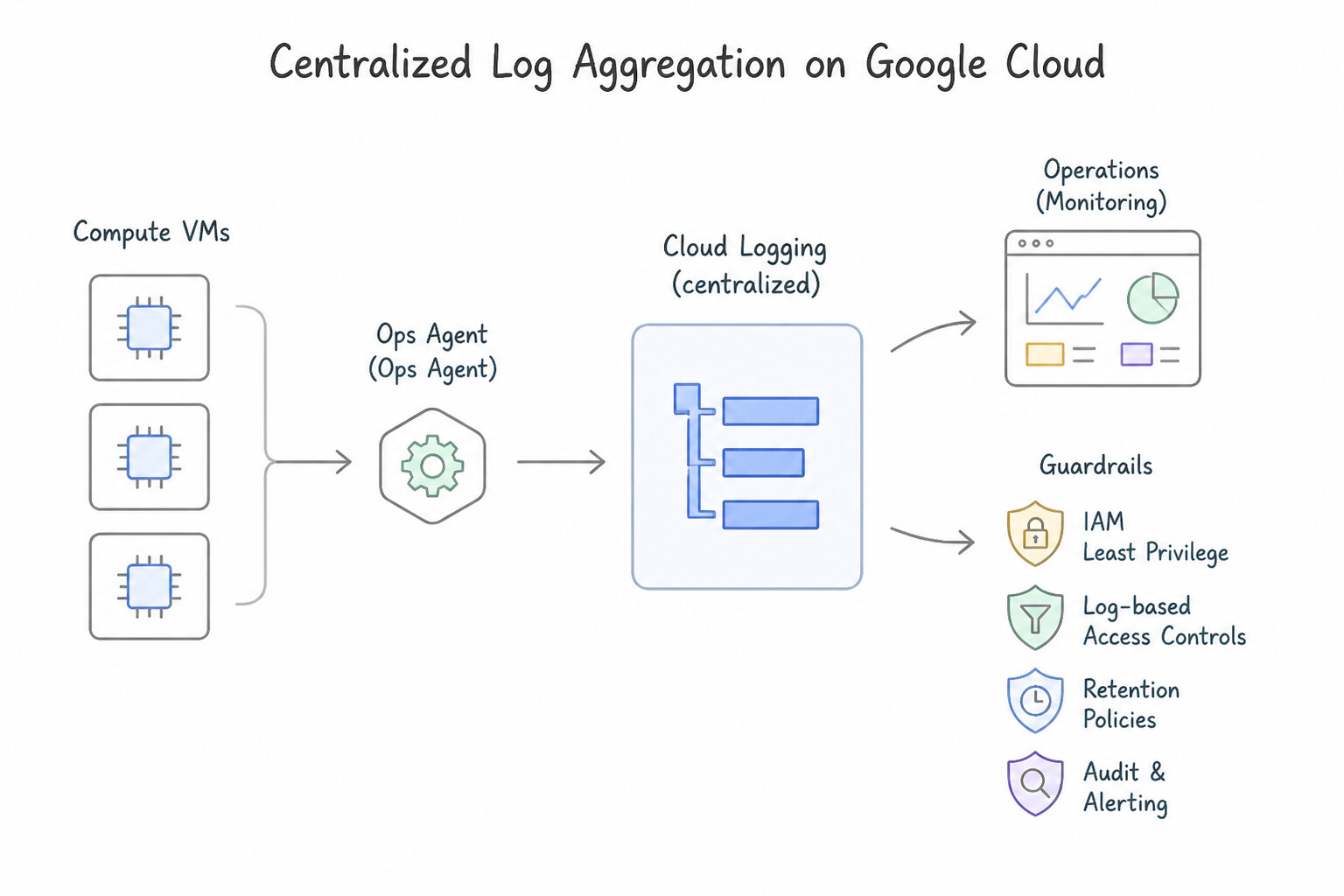
ace-1.1e-1-project-scoped-api.jpg,ace-1.1e-2-required-permission.jpg) - Consideration 1.1f: Provisioning and setting up products in google cloud observability (Diagrams:
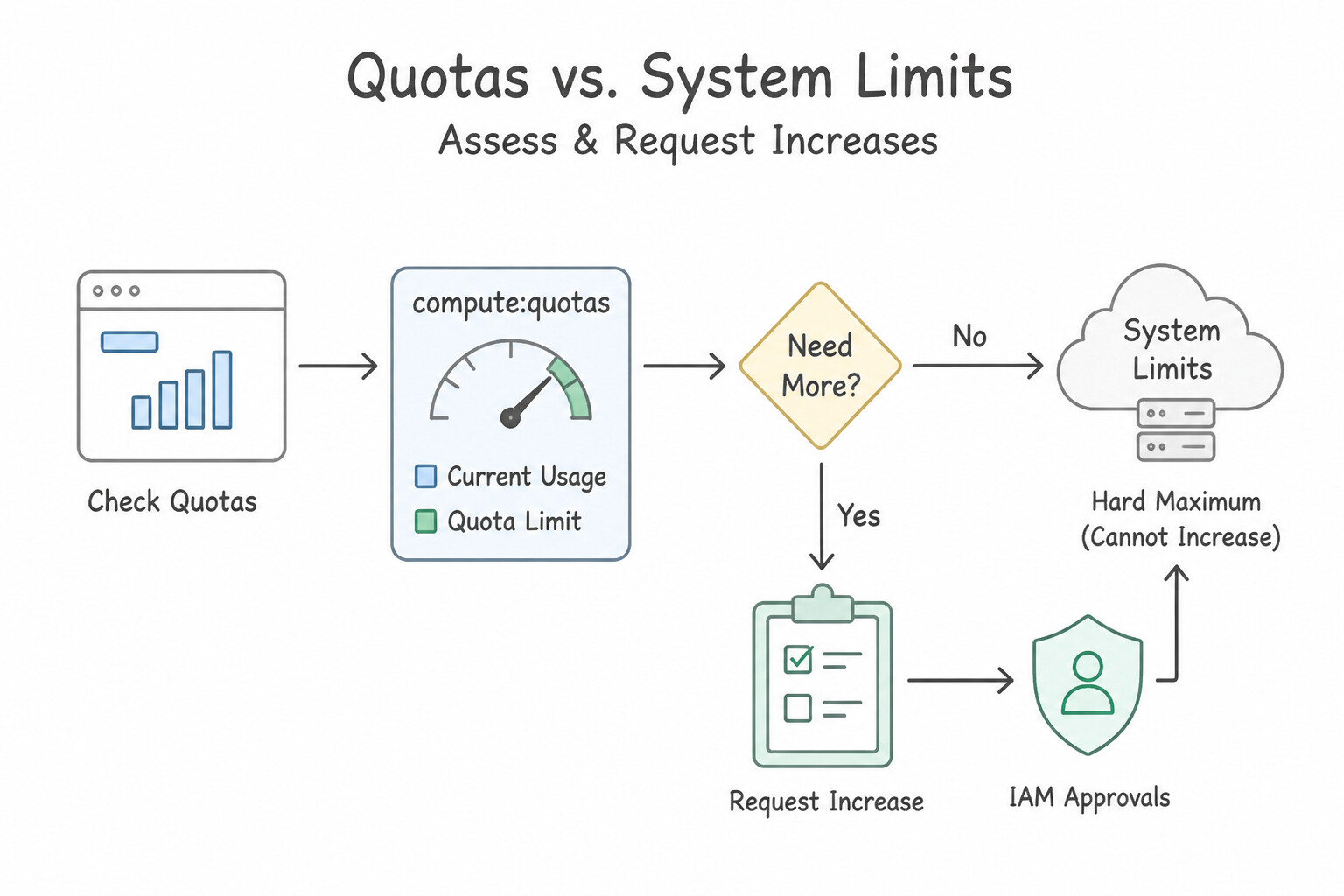
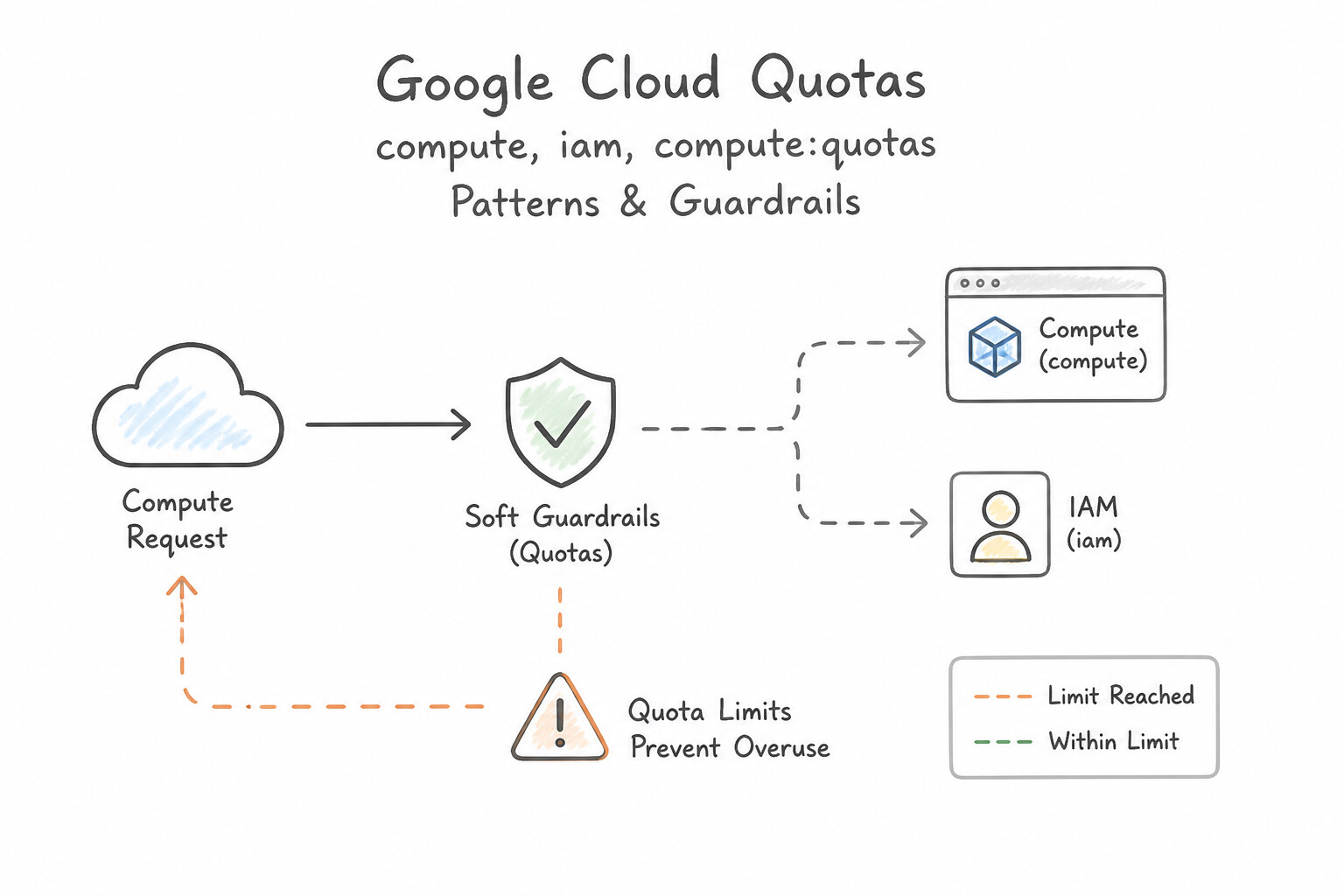
ace-1.1f-1-multi-project-metrics.jpg,ace-1.1f-2-centralized-log.jpg) - Consideration 1.1g: Assessing quotas and requesting increases (Diagrams:
ace-1.1g-1-quotas-vs-system-limits.jpg,ace-1.1g-2-quotas-compute-iam.jpg) - Consideration 1.1h: Setting up standalone organizations (Diagrams:
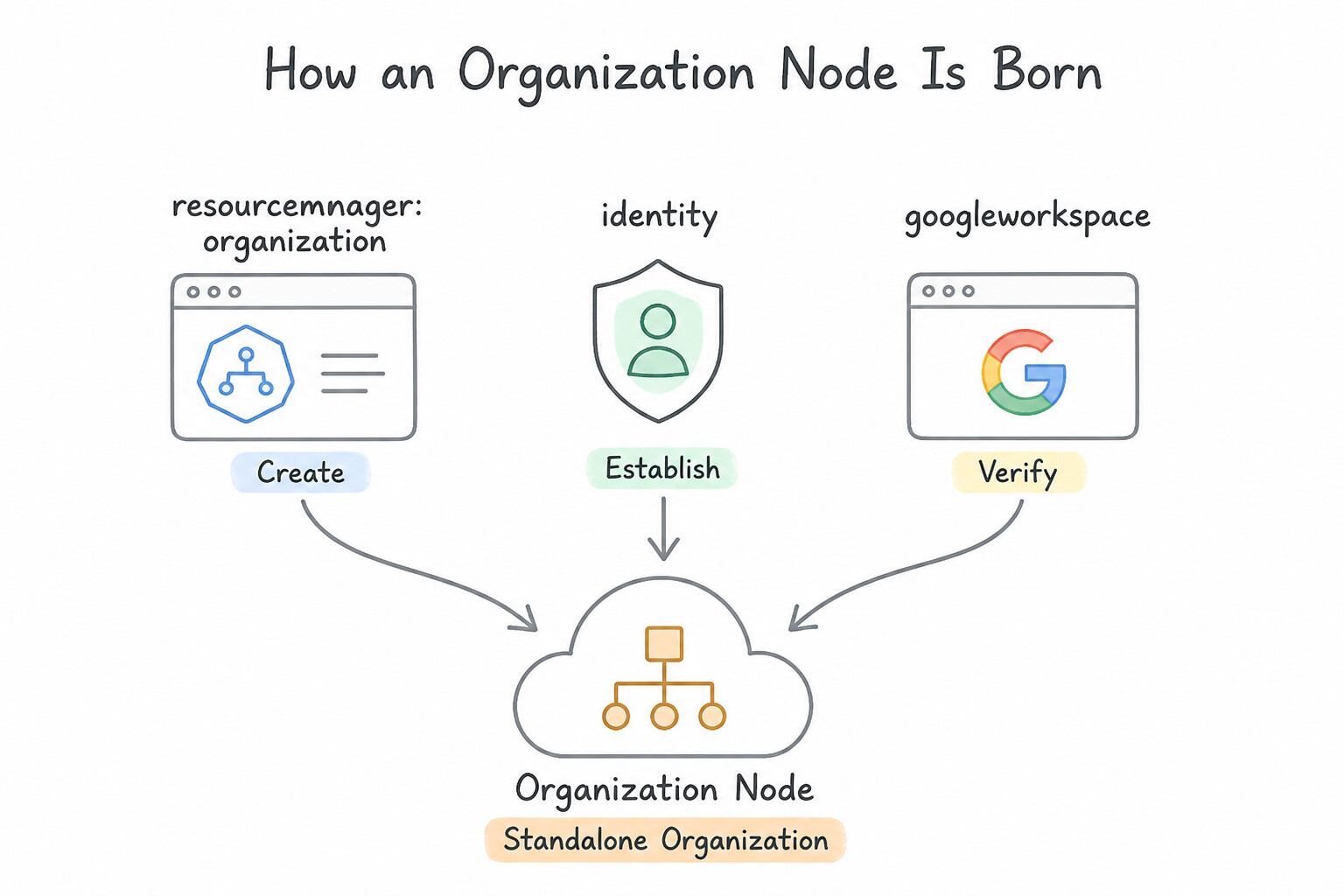
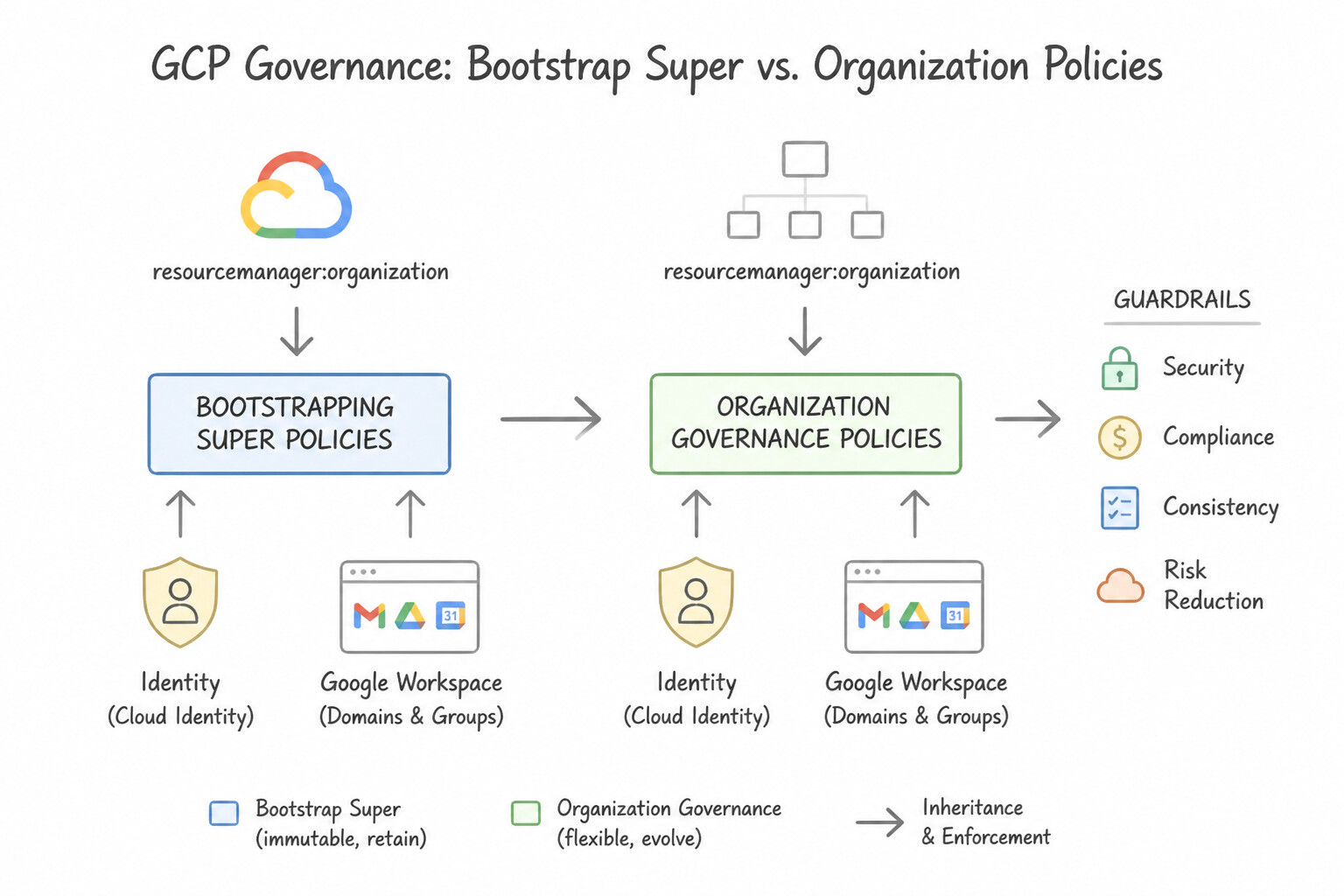
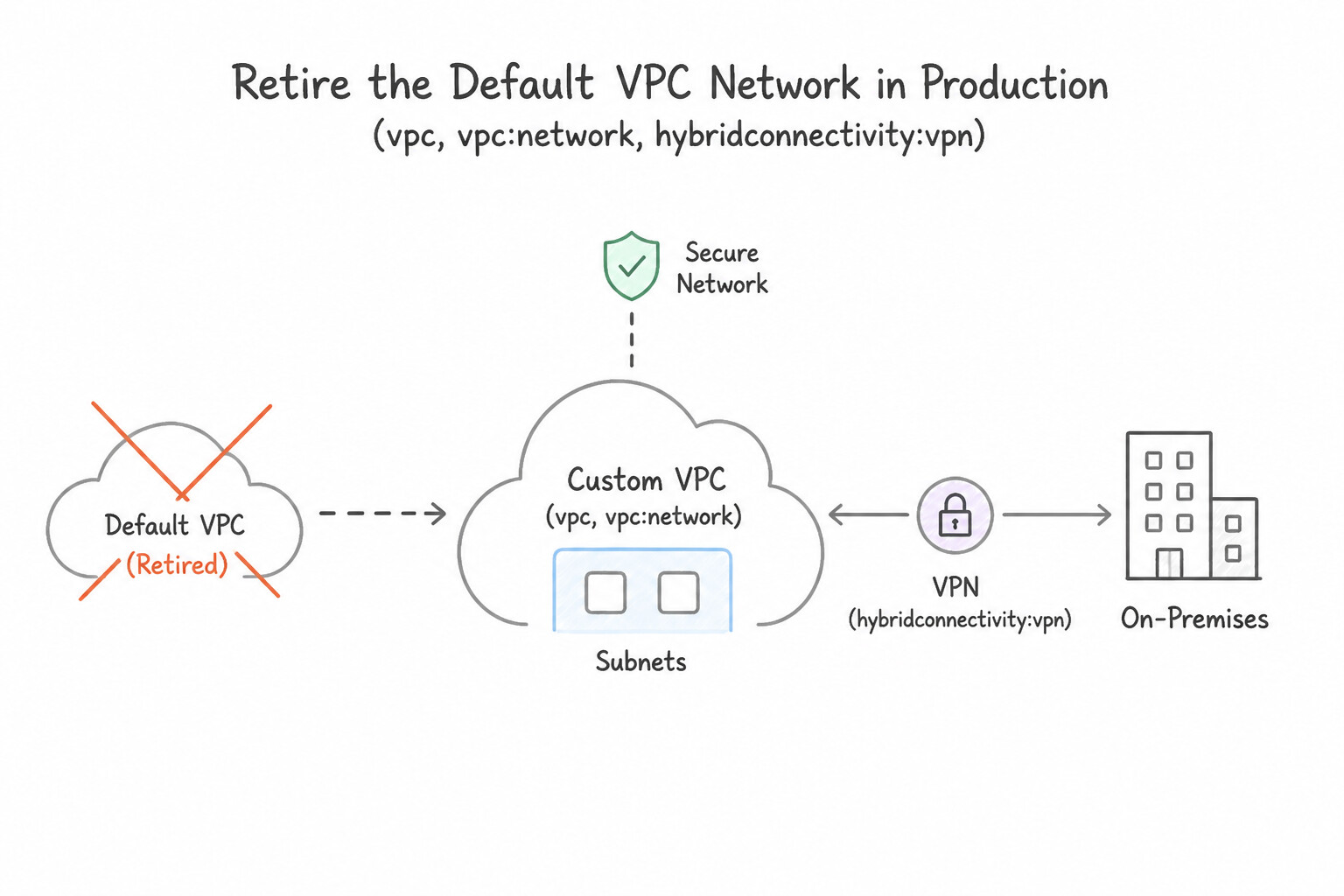
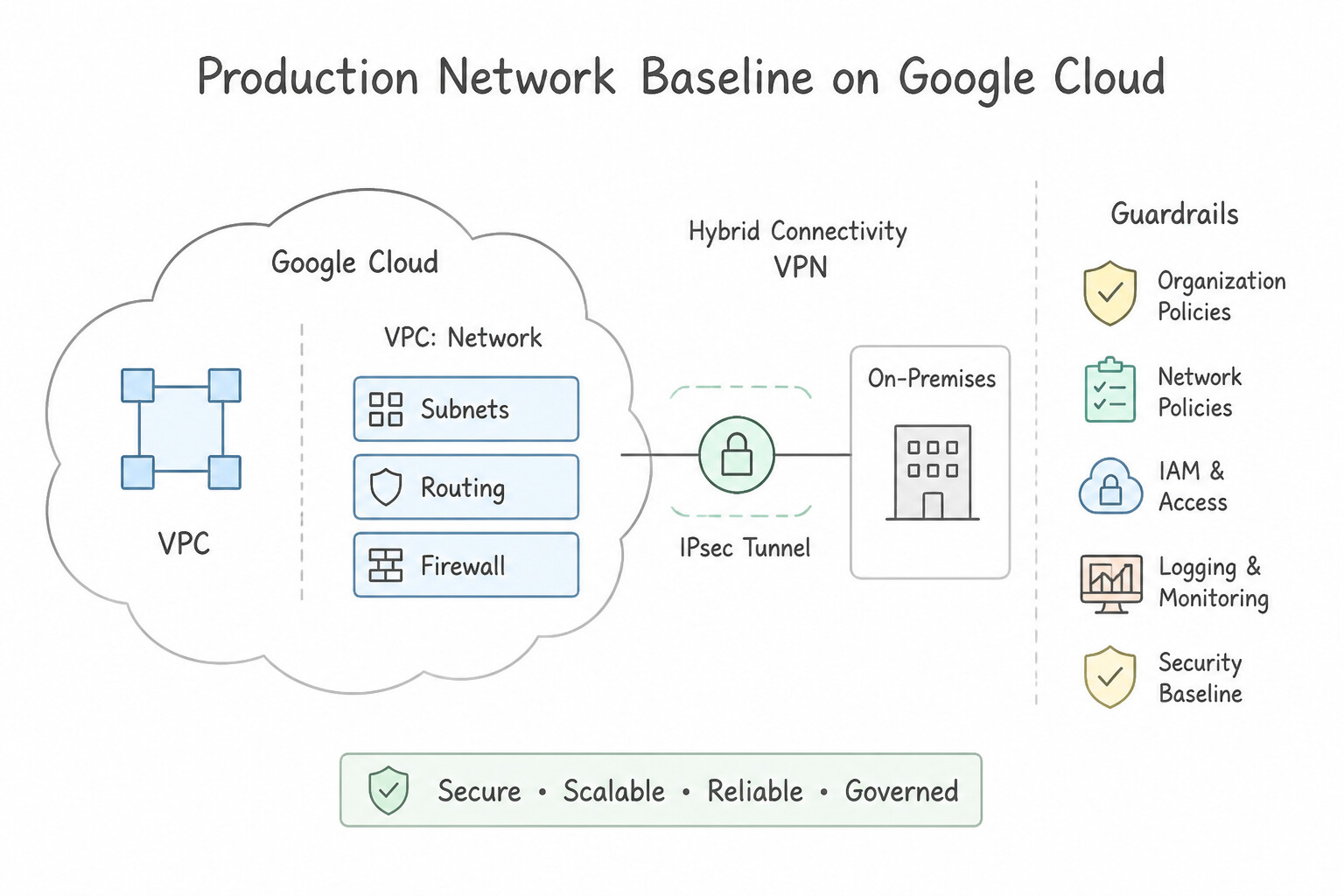
ace-1.1h-1-an-organization-node-is.jpg,ace-1.1h-2-bootstrapping-super-admin.jpg) - Consideration 1.1i: Setting up cloud networking (Diagrams:
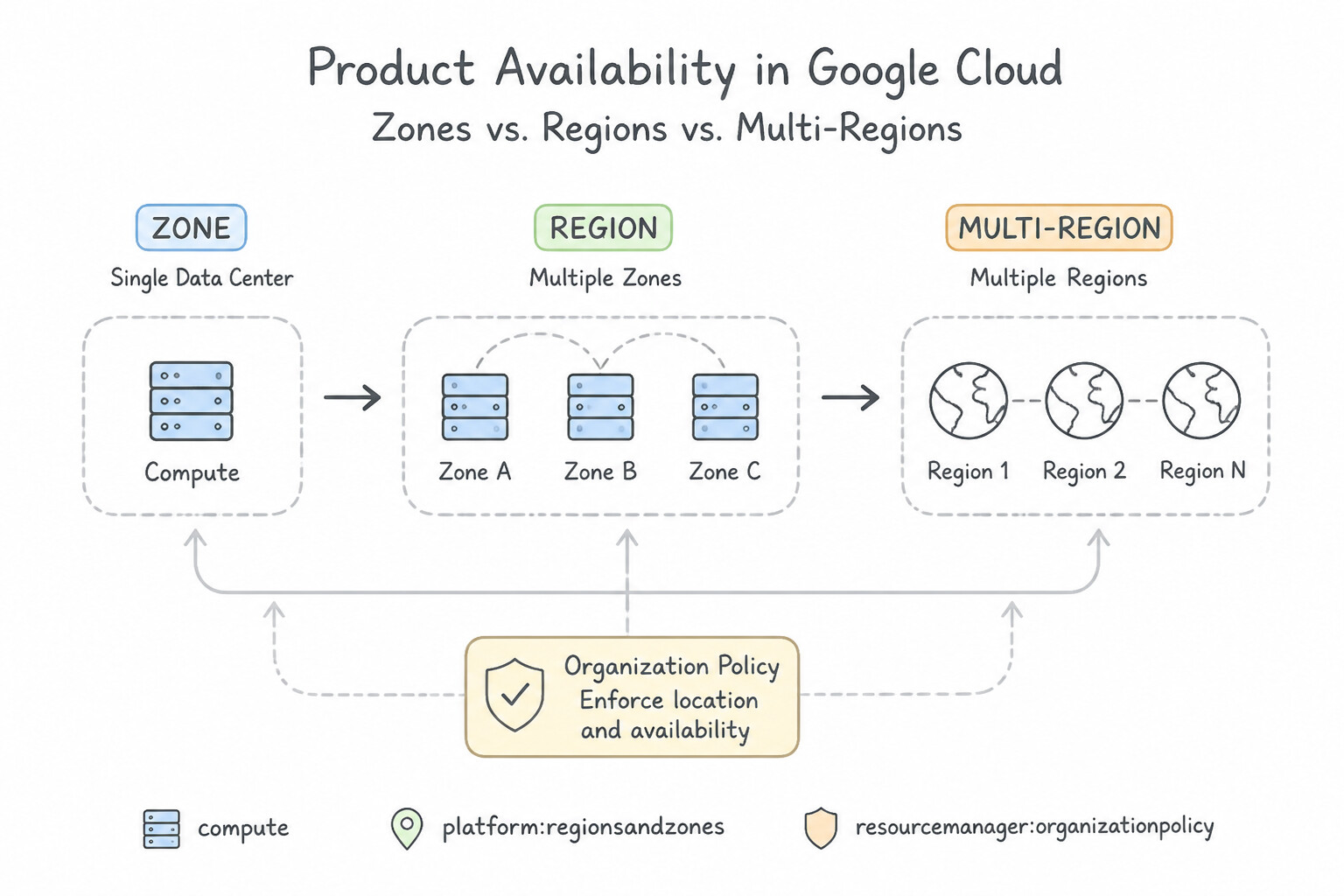
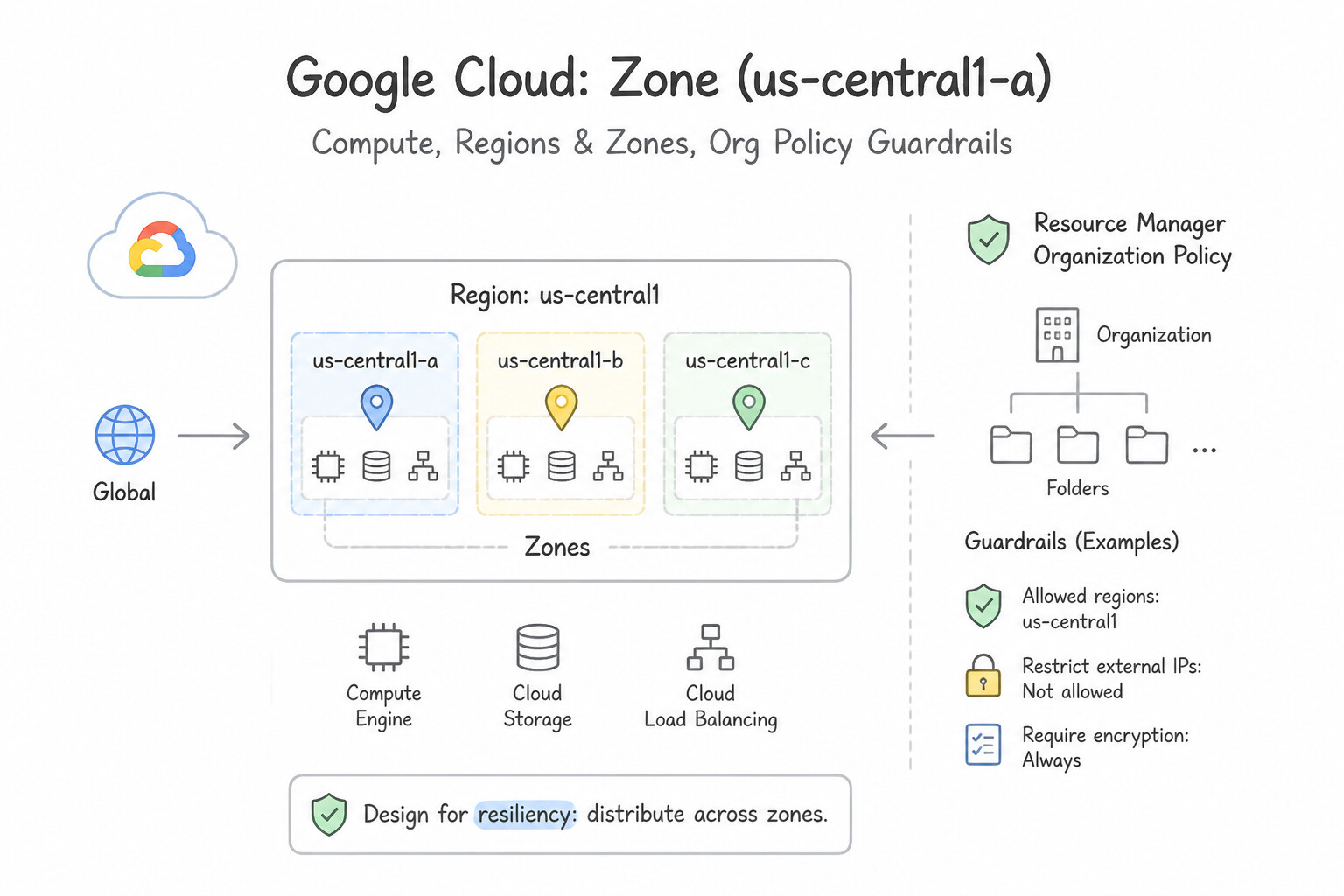
ace-1.1i-1-retire-default-vpc.jpg,ace-1.1i-2-network-baseline-vpc-vpc.jpg) - Consideration 1.1j: Confirming availability of products in geographical locations (regional, global) (Diagrams:
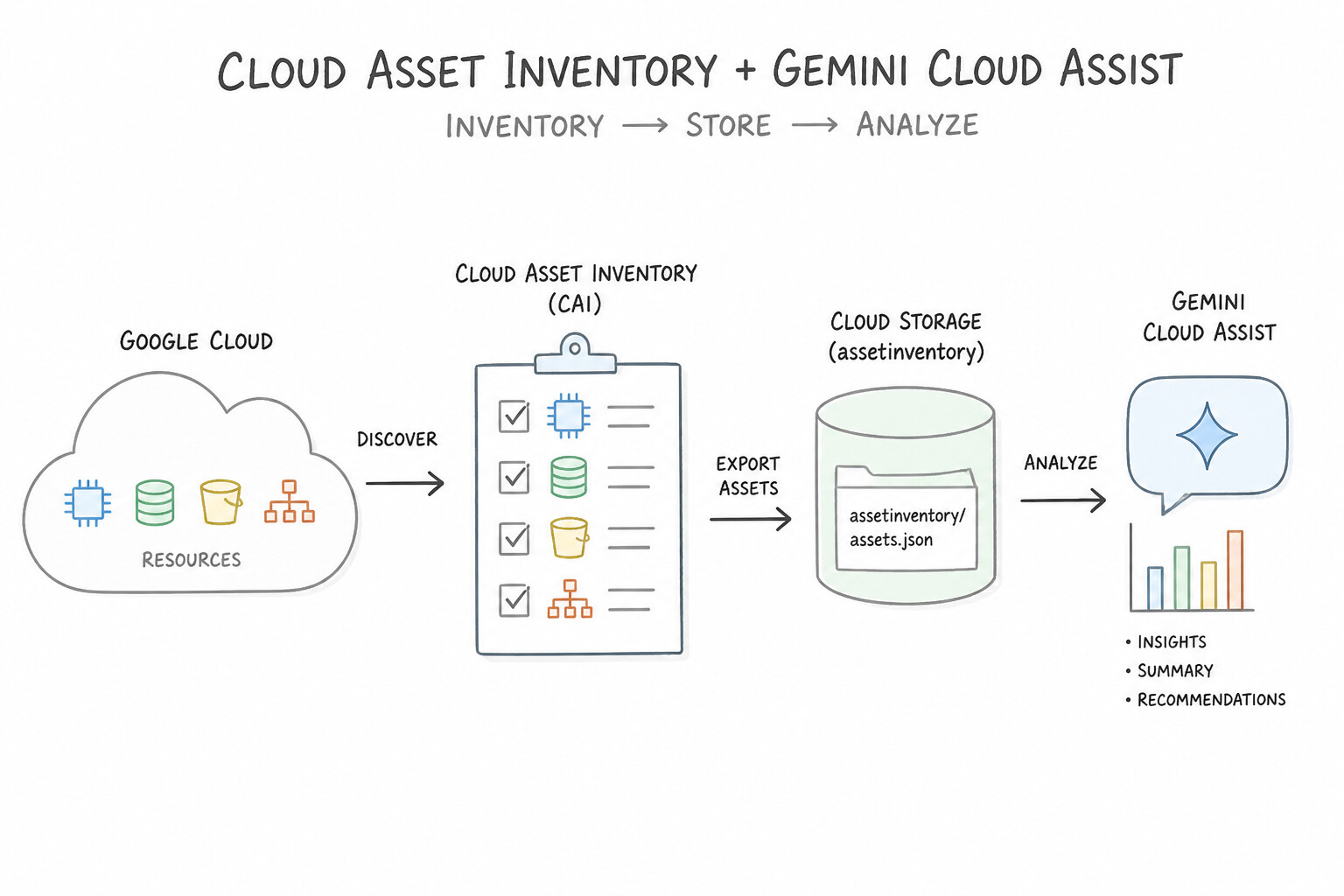
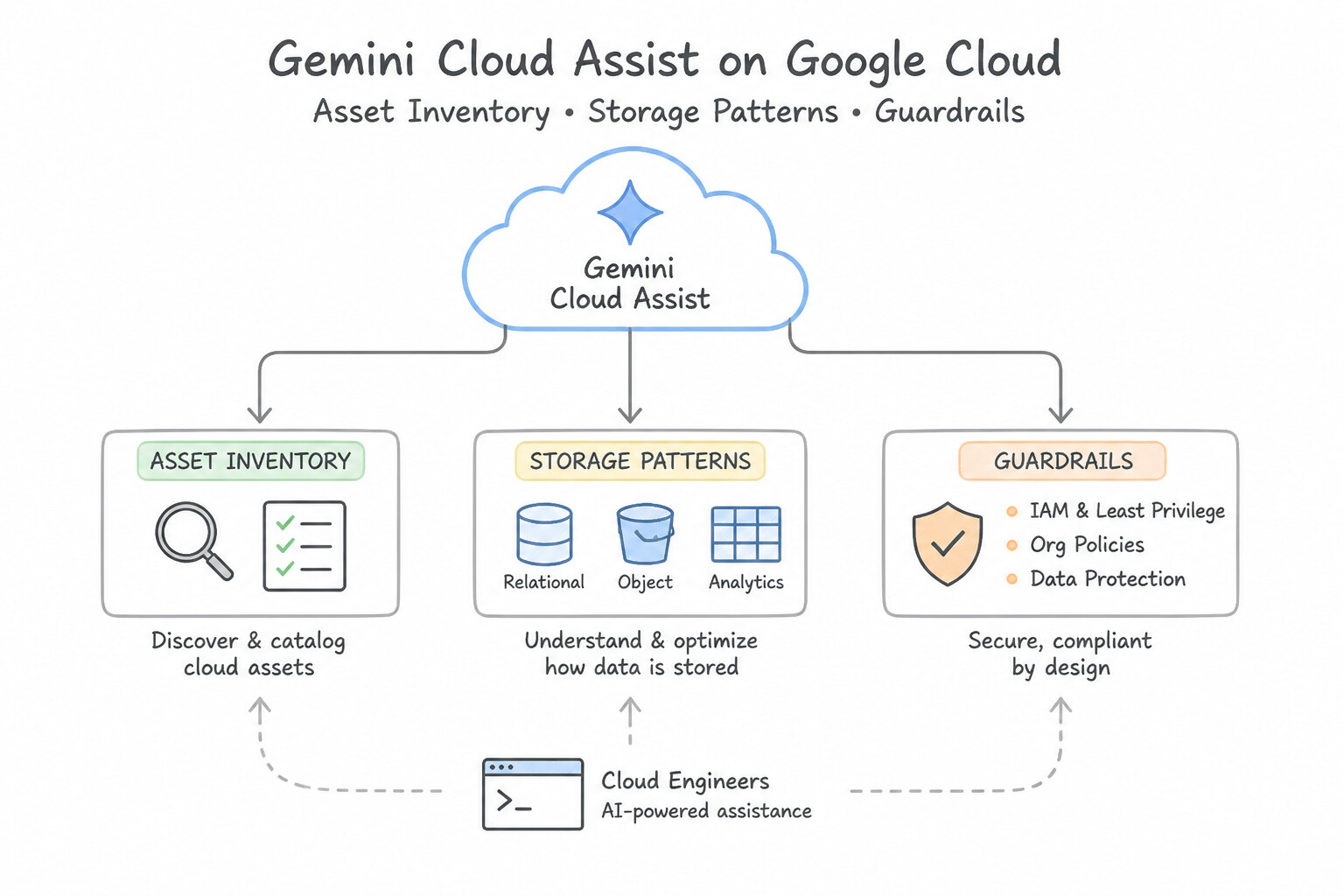
ace-1.1j-1-zones-vs-regions-vs.jpg,ace-1.1j-2-zone-us-central1-compute.jpg) - Consideration 1.1k: Configuring cloud asset inventory and using gemini cloud assist to analyze resources (Diagrams:
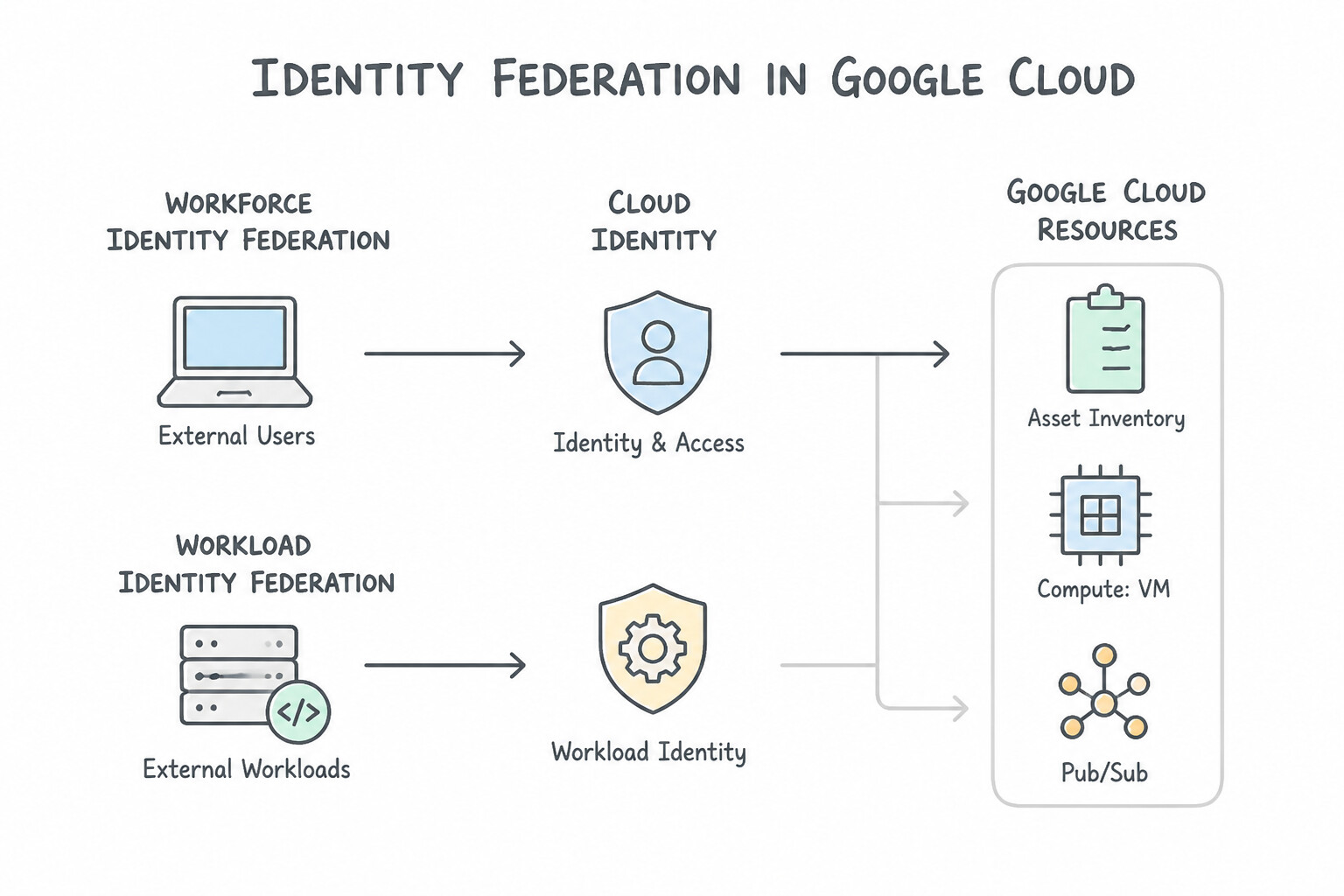
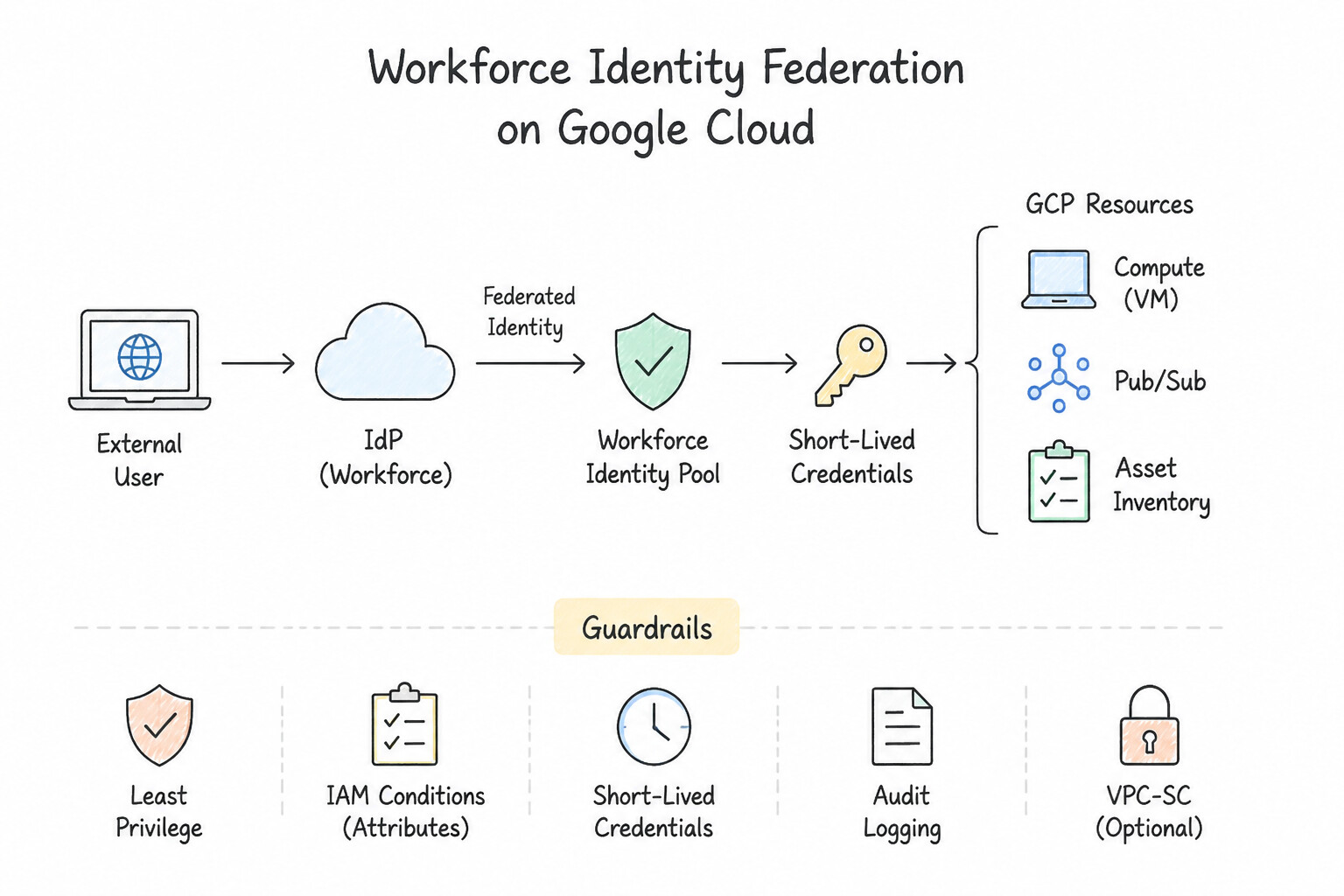
ace-1.1k-1-asset-inventory-cai-asset.jpg,ace-1.1k-2-gemini-assist-asset.jpg) - Consideration 1.1l: Configuring Workforce Identity Federation (Diagrams:
ace-1.1l-1-workforce-identity.jpg,ace-1.1l-2-arch-asset-inventory.jpg) - Quick Decision Cheat Sheet (Subsection 1.1)
- Subsection 1.2: Managing Billing Configuration (Section 1: Setting Up a Cloud Solution Environment)
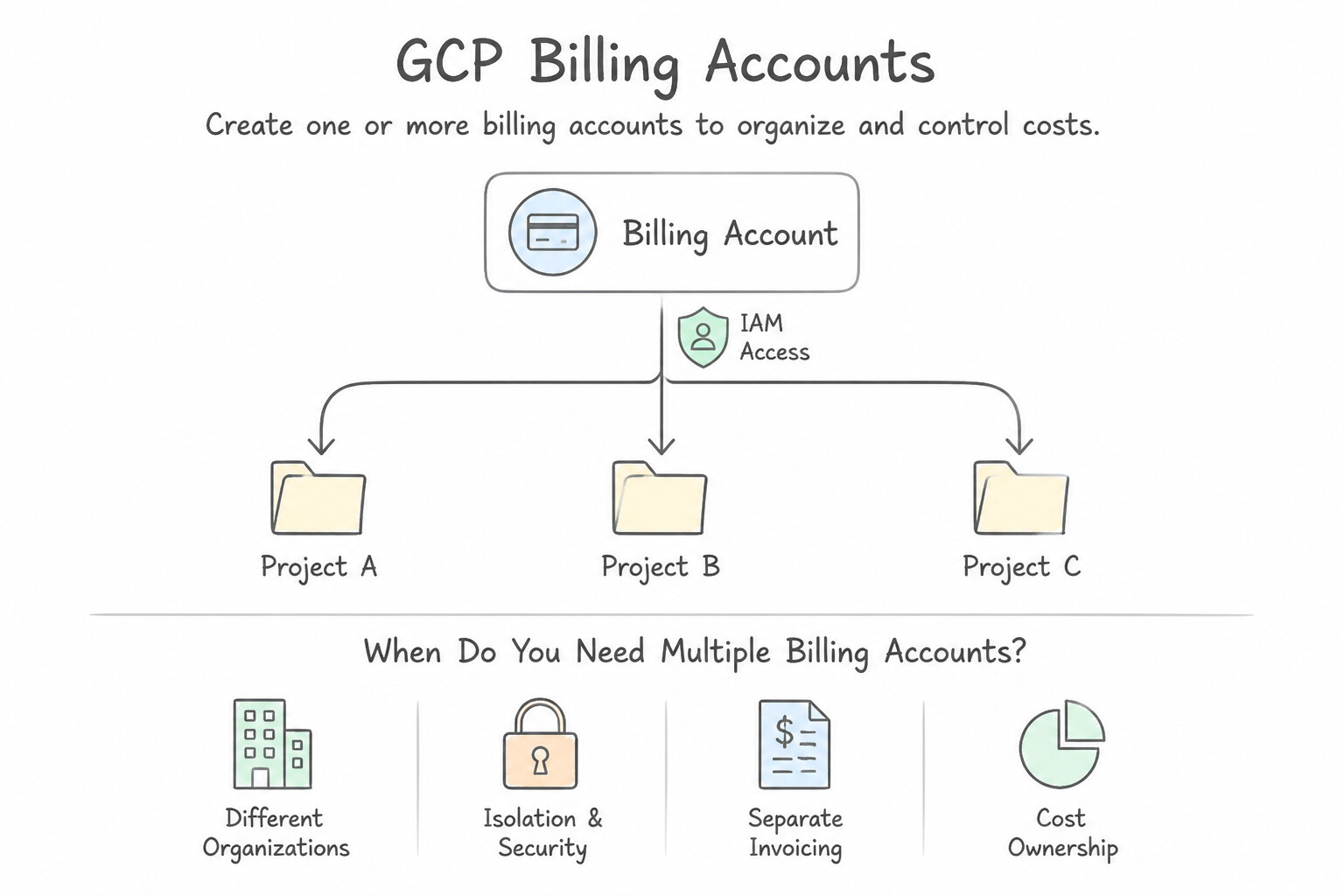
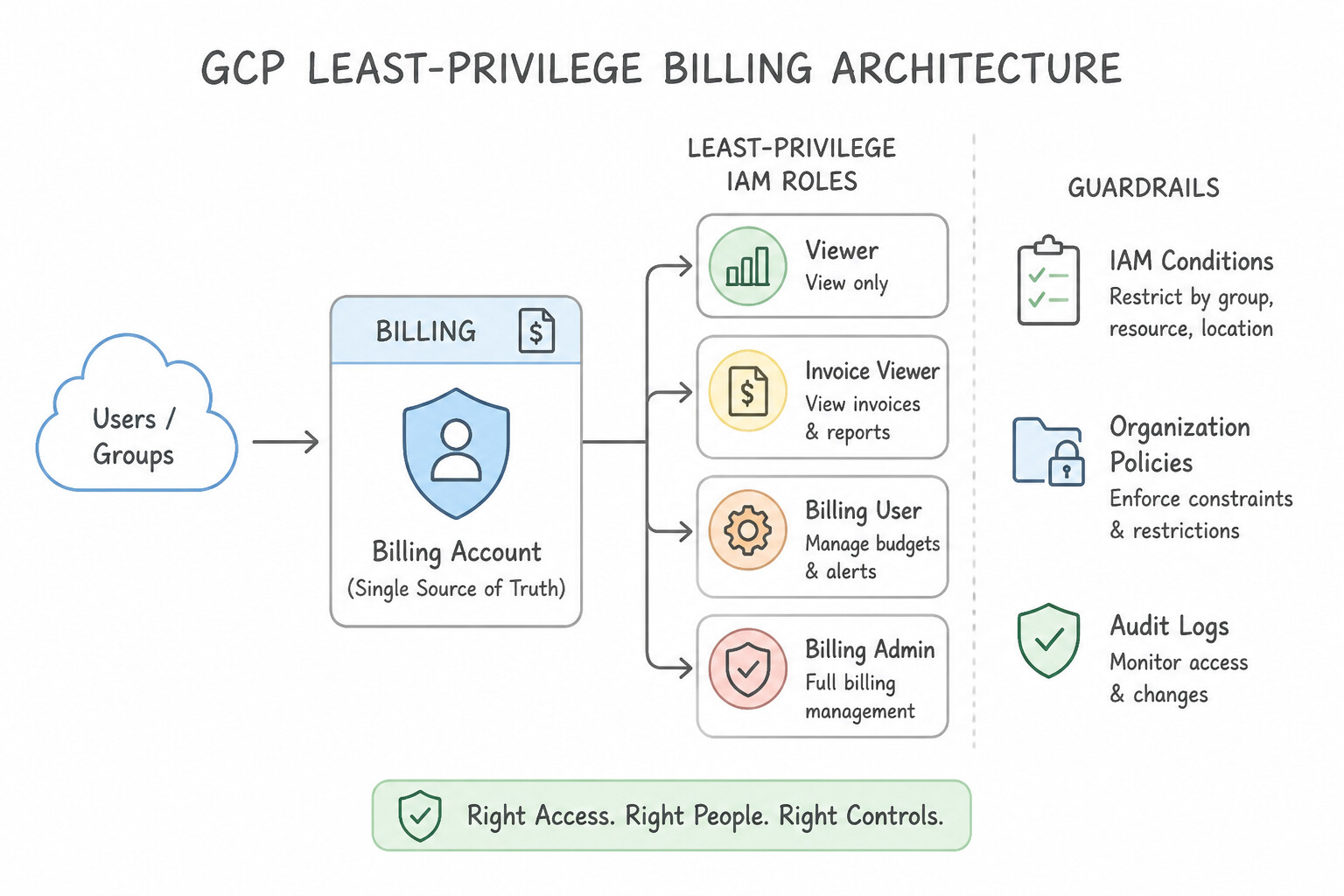
- Consideration 1.2a: Creating one or more billing accounts (Diagrams:
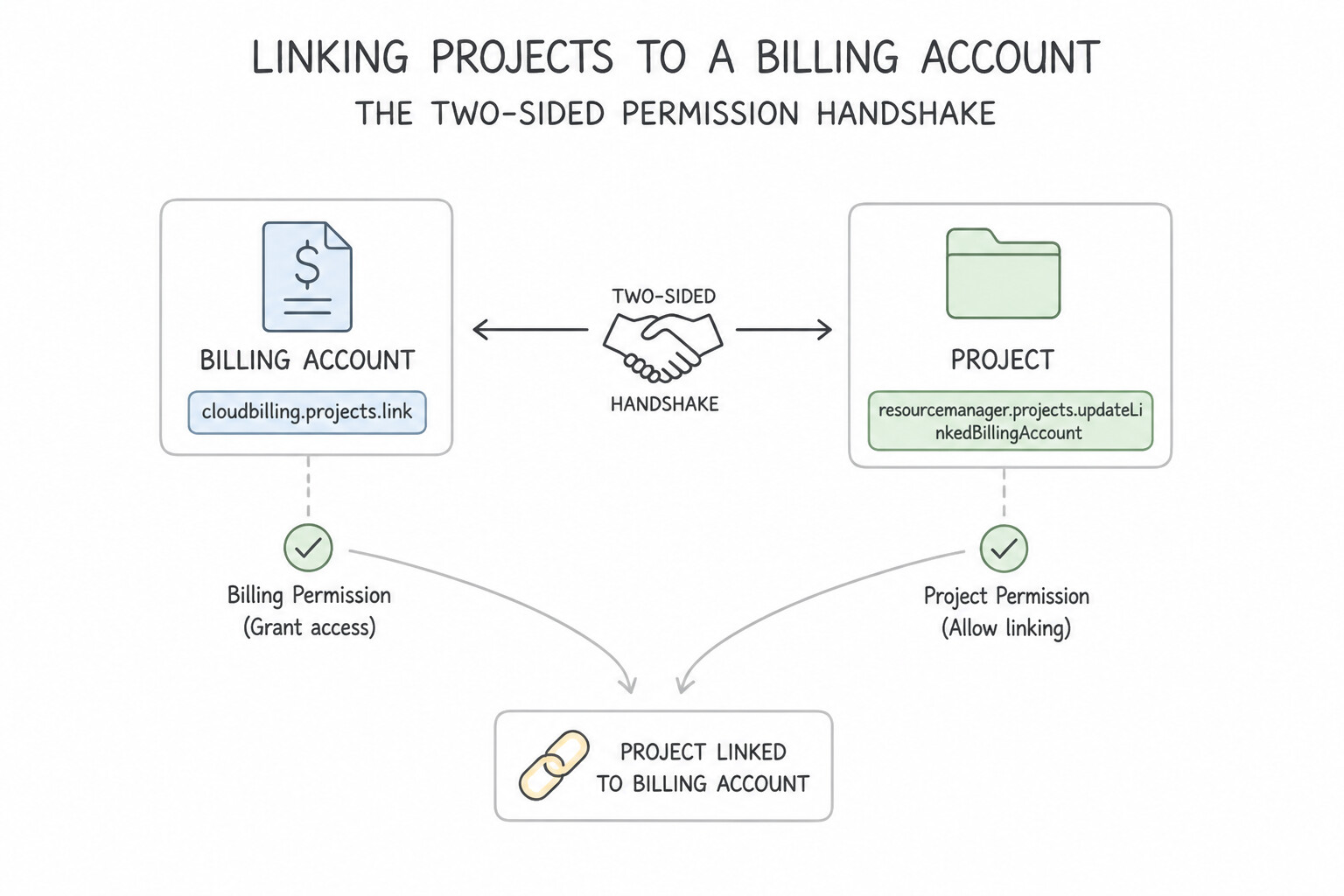
ace-1.2a-1-do-you-need-multiple.jpg,ace-1.2a-2-least-privilege-billing.jpg) - Consideration 1.2b: Linking projects to a billing account (Diagrams:
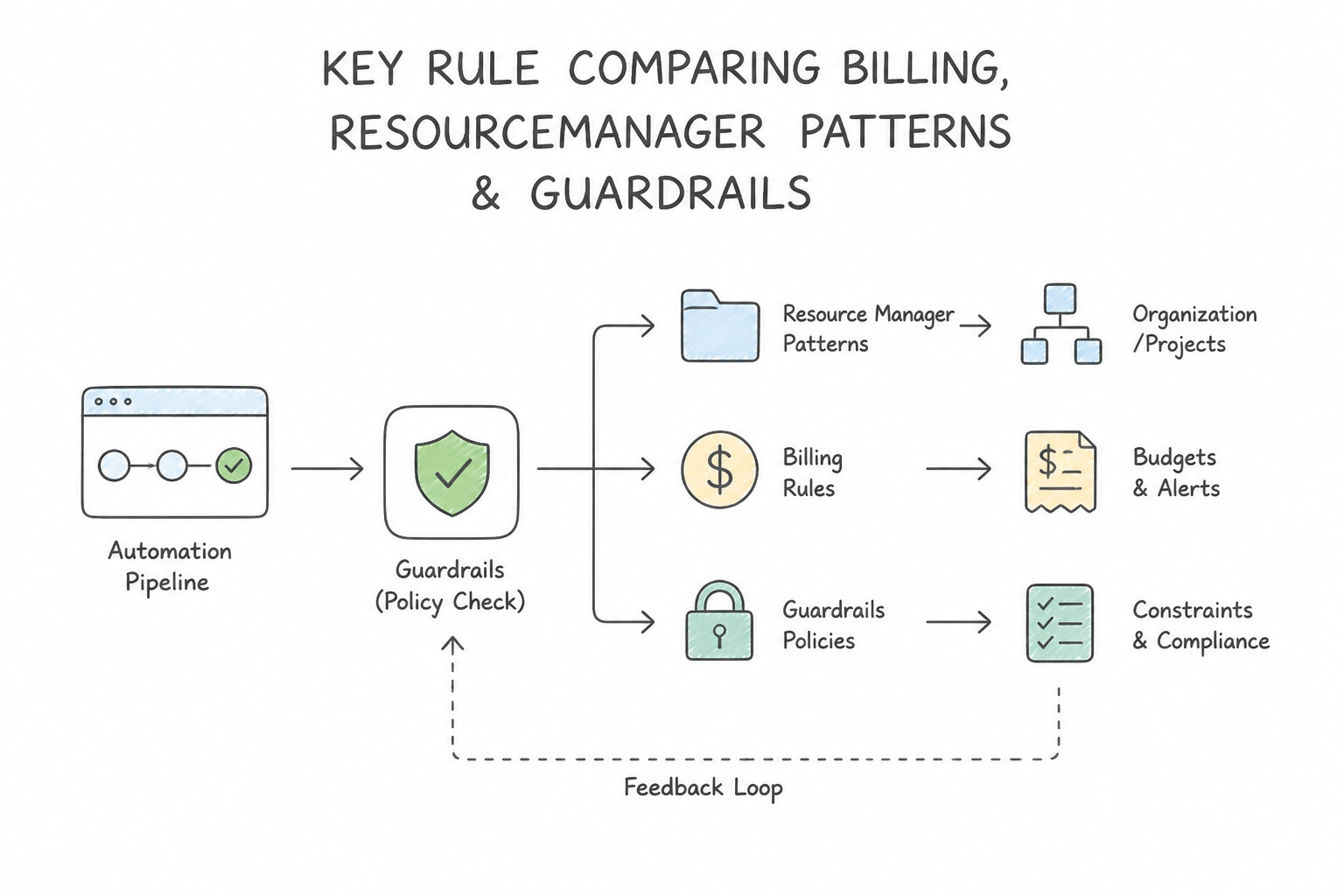
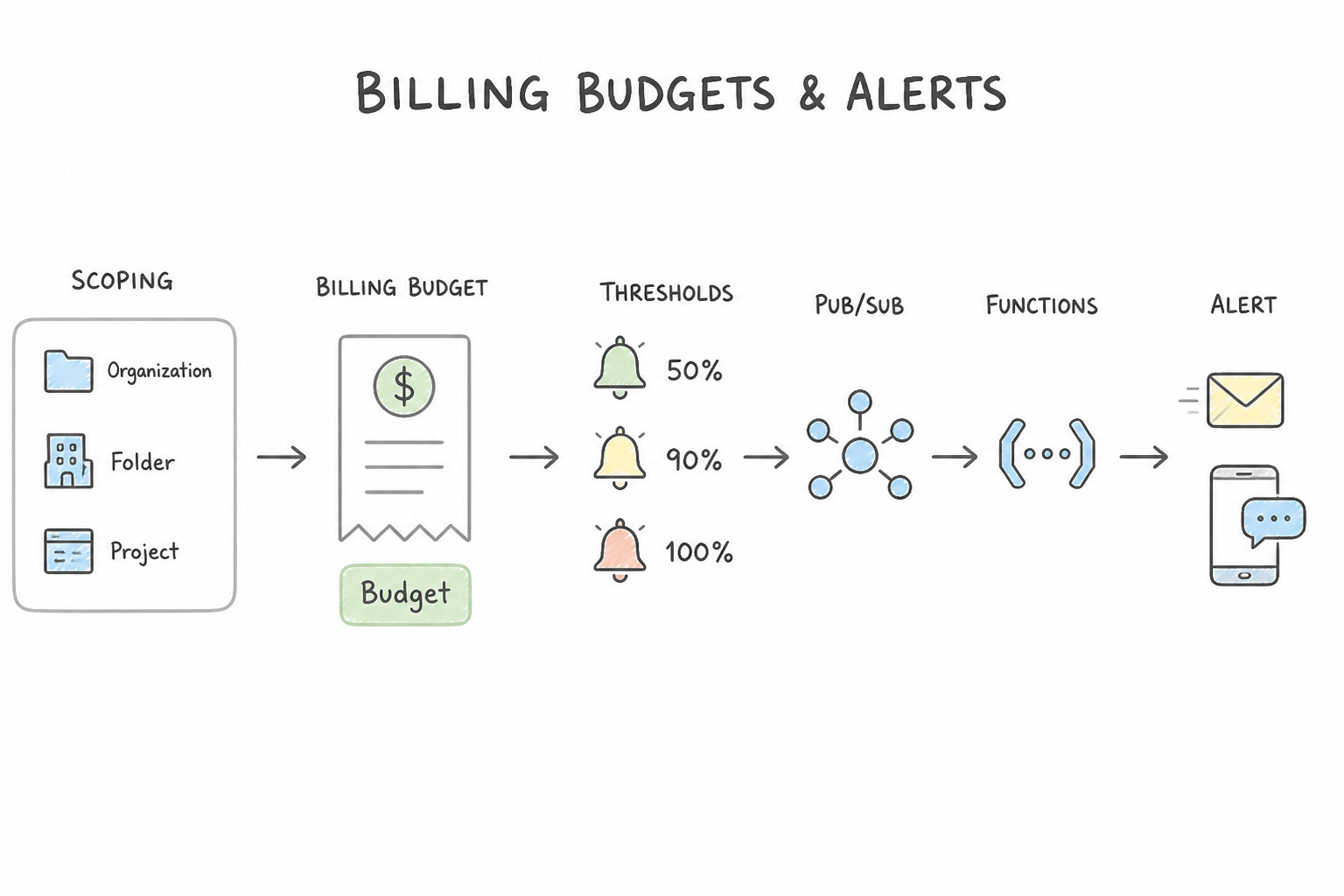
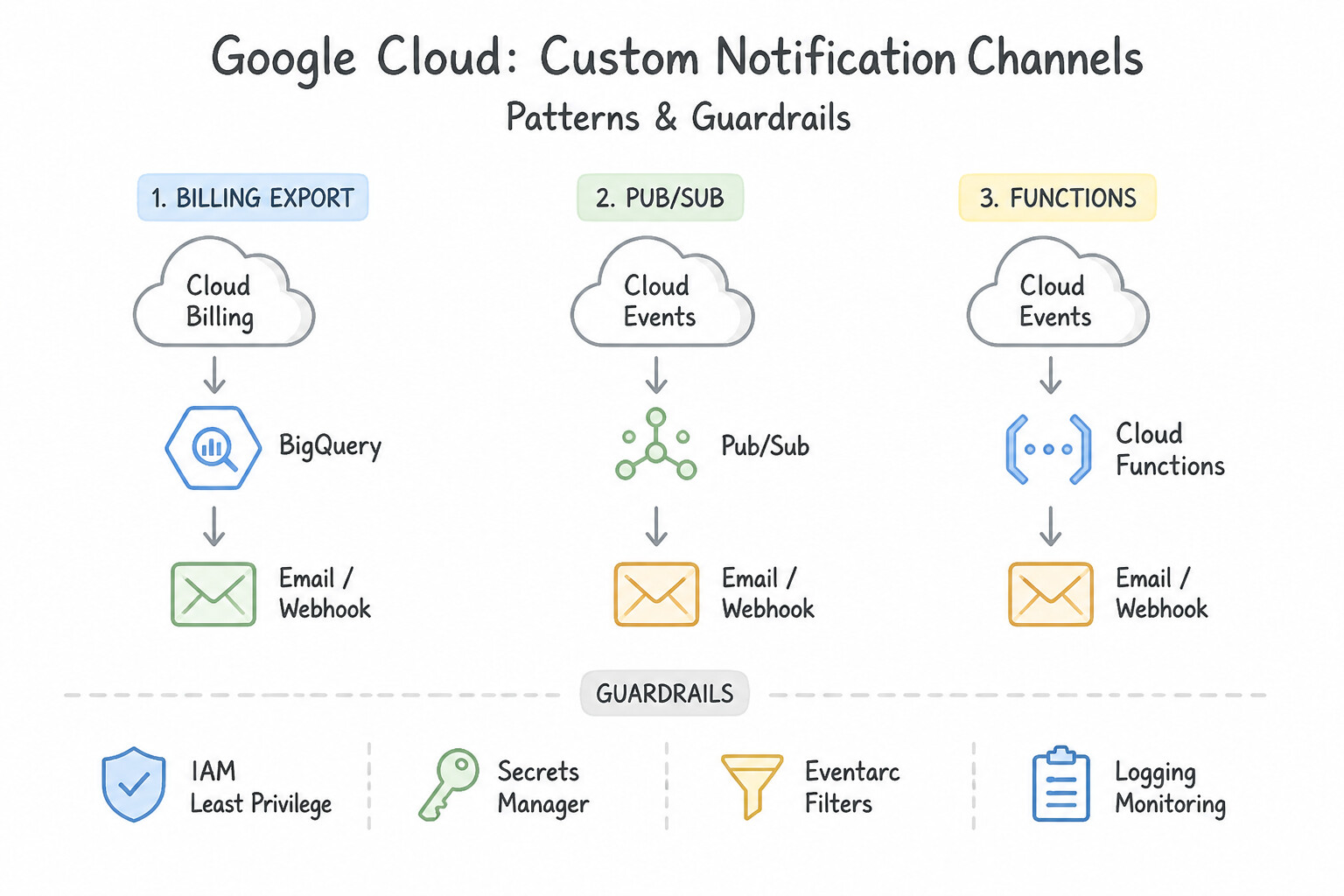
ace-1.2b-1-sided-permission.jpg,ace-1.2b-2-billing-resource-manager.jpg) - Consideration 1.2c: Establishing billing budgets and alerts (Diagrams:
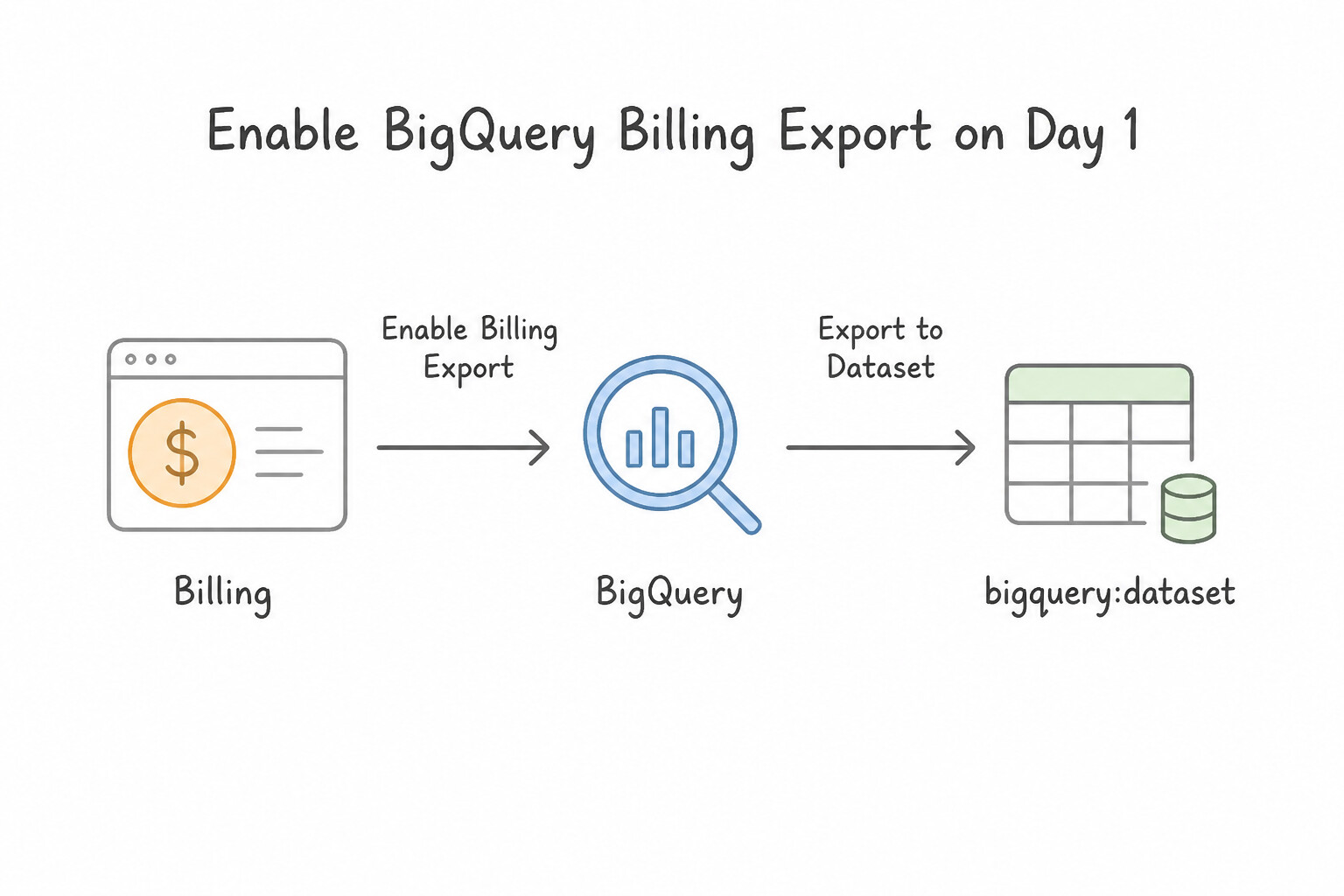
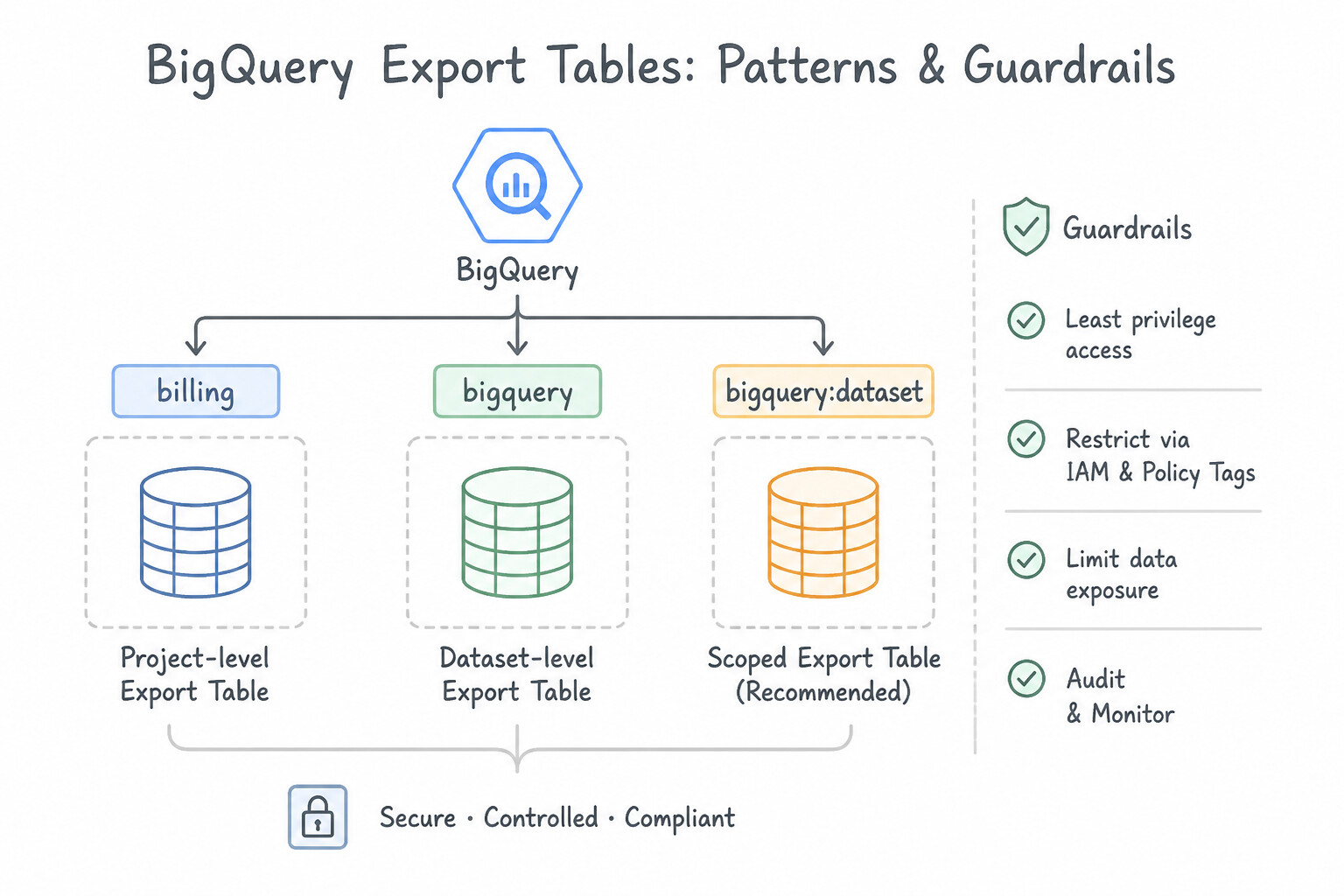
ace-1.2c-1-scoping-thresholds.jpg,ace-1.2c-2-custom-notification.jpg) - Consideration 1.2d: Setting up billing exports (Diagrams:
ace-1.2d-1-enable-bigquery-billing.jpg,ace-1.2d-2-export-tables-in-bigquery.jpg) - Quick Decision Cheat Sheet (Subsection 1.2)
Chapter 2: Planning & Implementing Compute Engine, GKE, Serverless & AI Runtimes
- Subsection 2.1: Planning and Implementing Compute Resources (Section 2: Planning and Implementing a Cloud Solution)
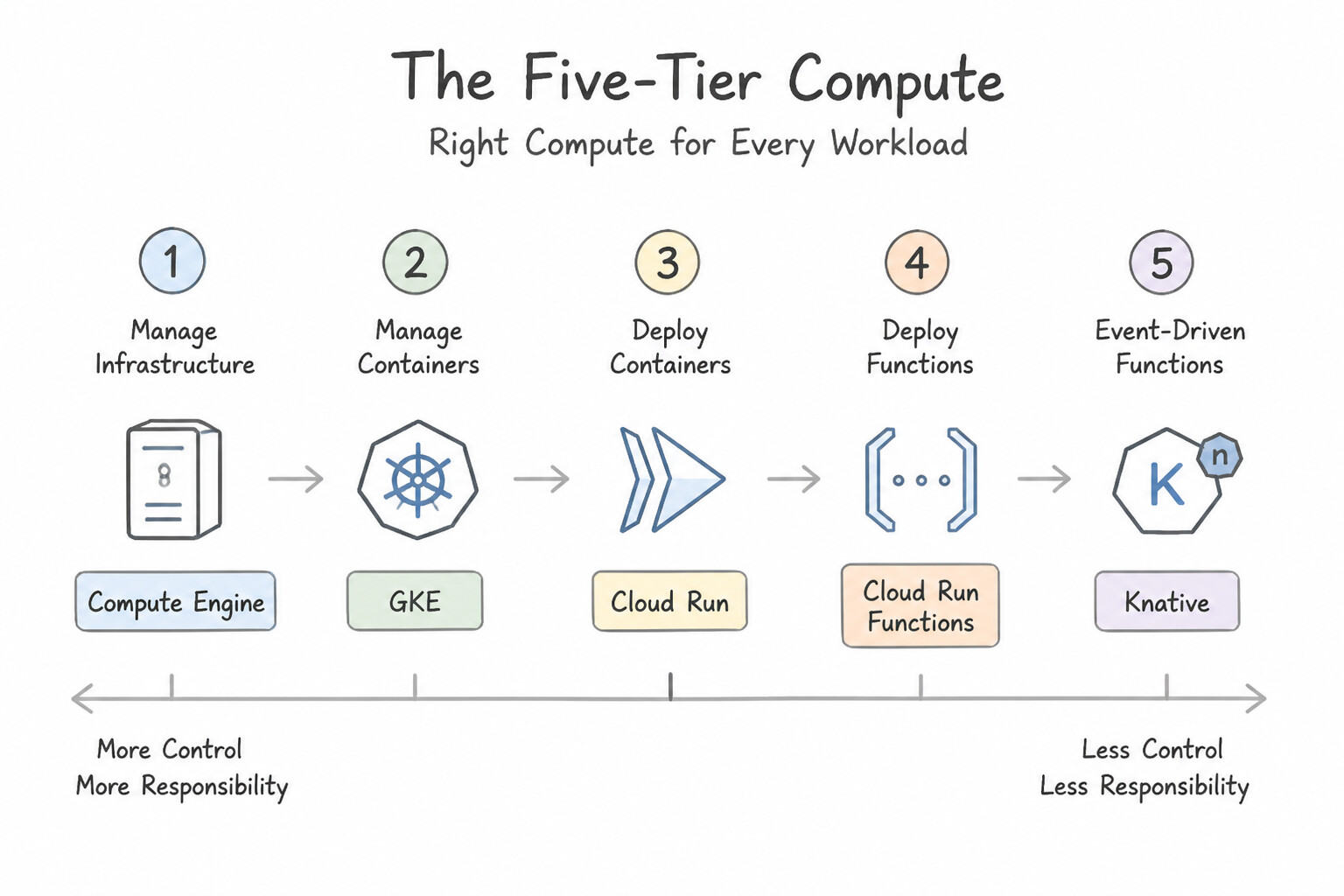
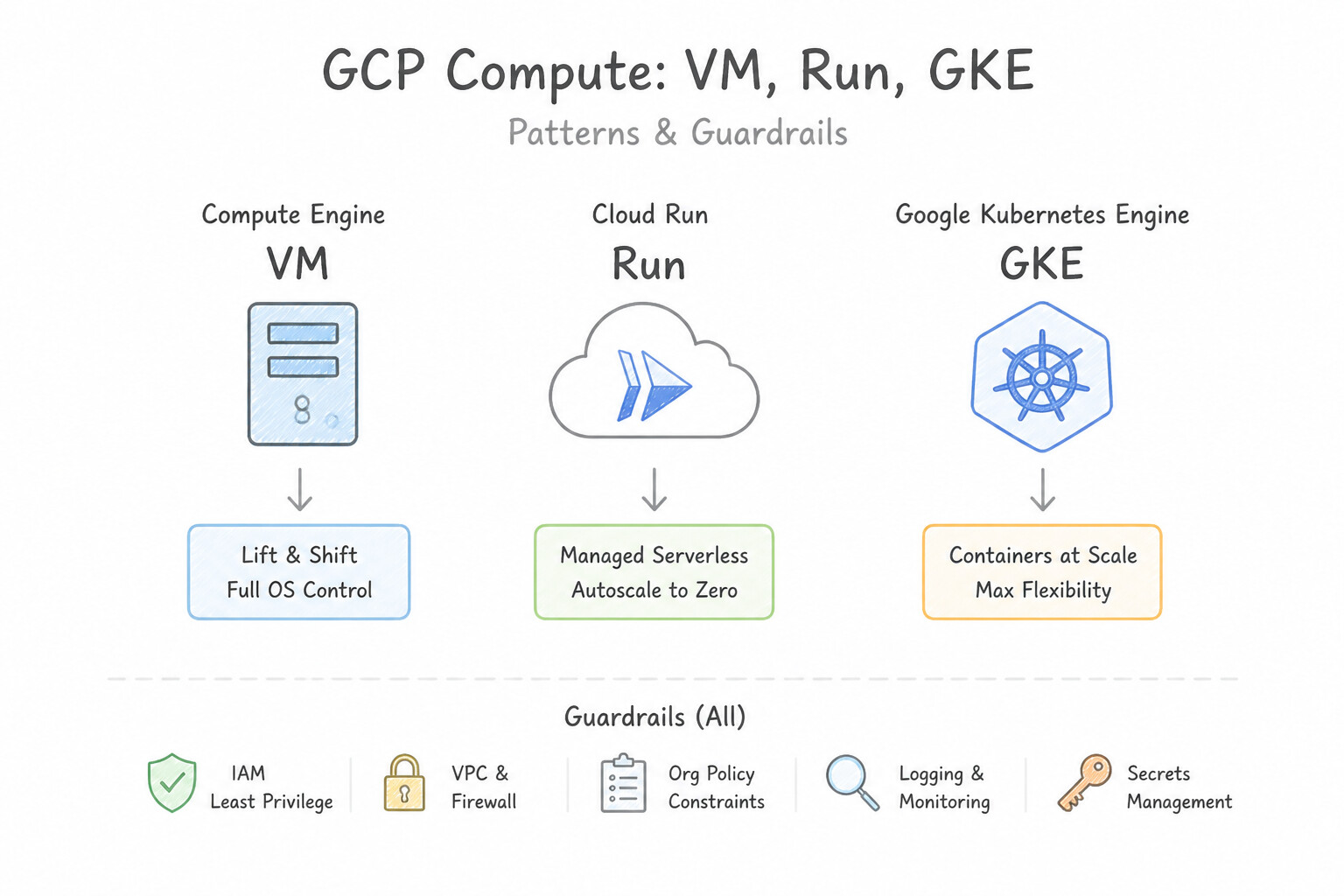
- Consideration 2.1a: Selecting appropriate compute choices for a workload (compute engine, gke, cloud run, cloud run functions, knative) (Diagrams:
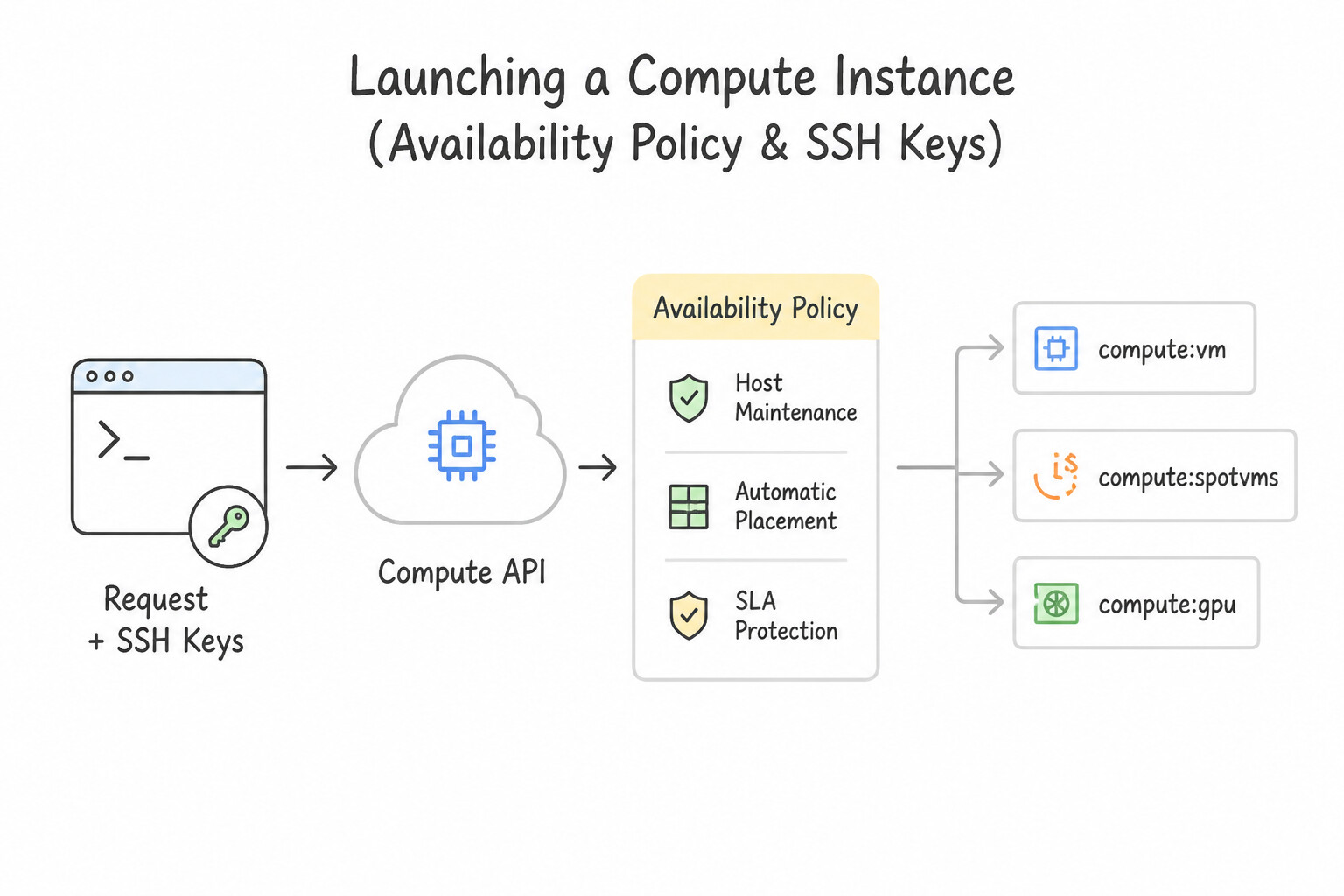
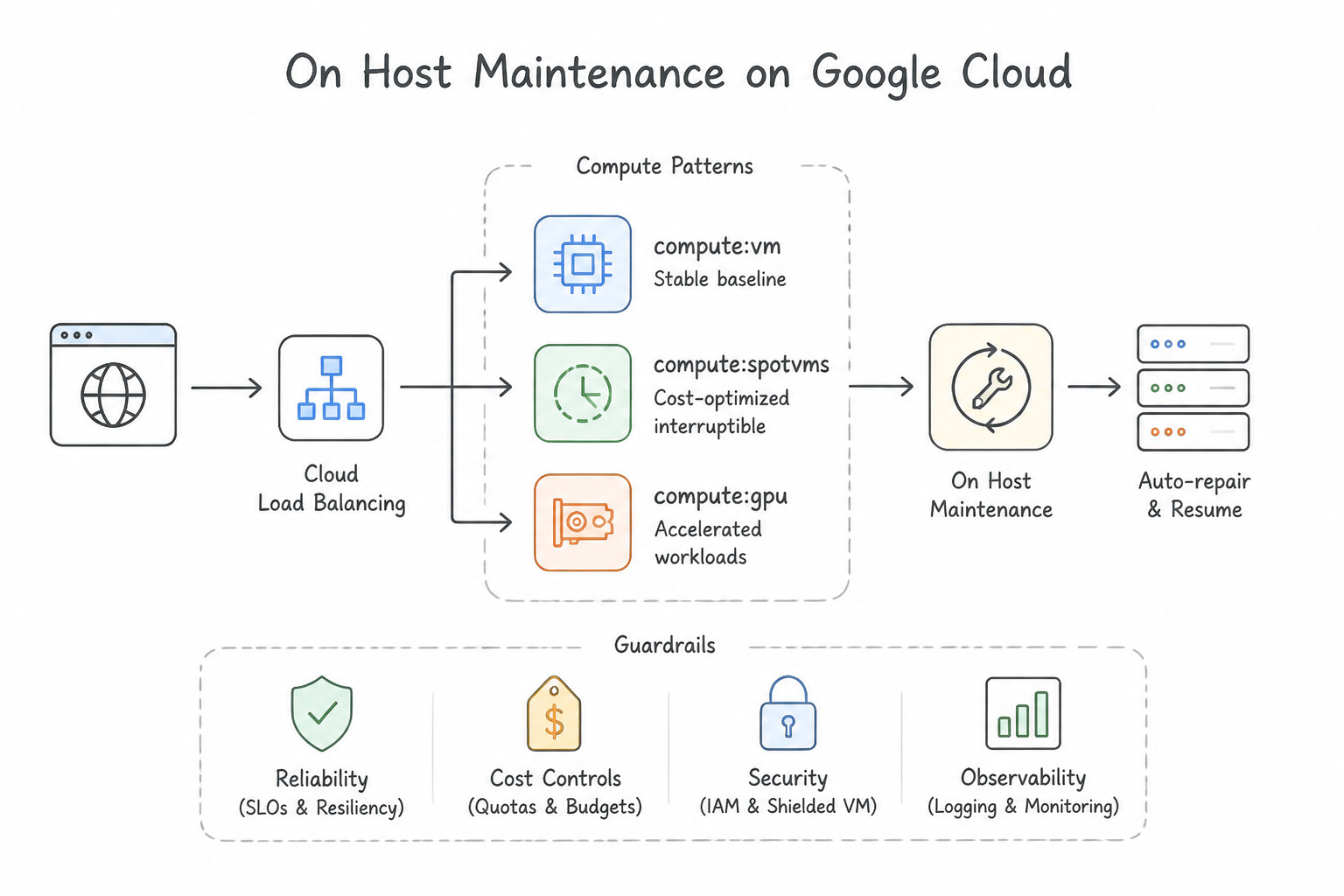
ace-2.1a-1-tier-compute-decision.jpg,ace-2.1a-2-compute-vm-run-gke.jpg) - Consideration 2.1b: Launching a compute instance (availability policy, ssh keys) (Diagrams:
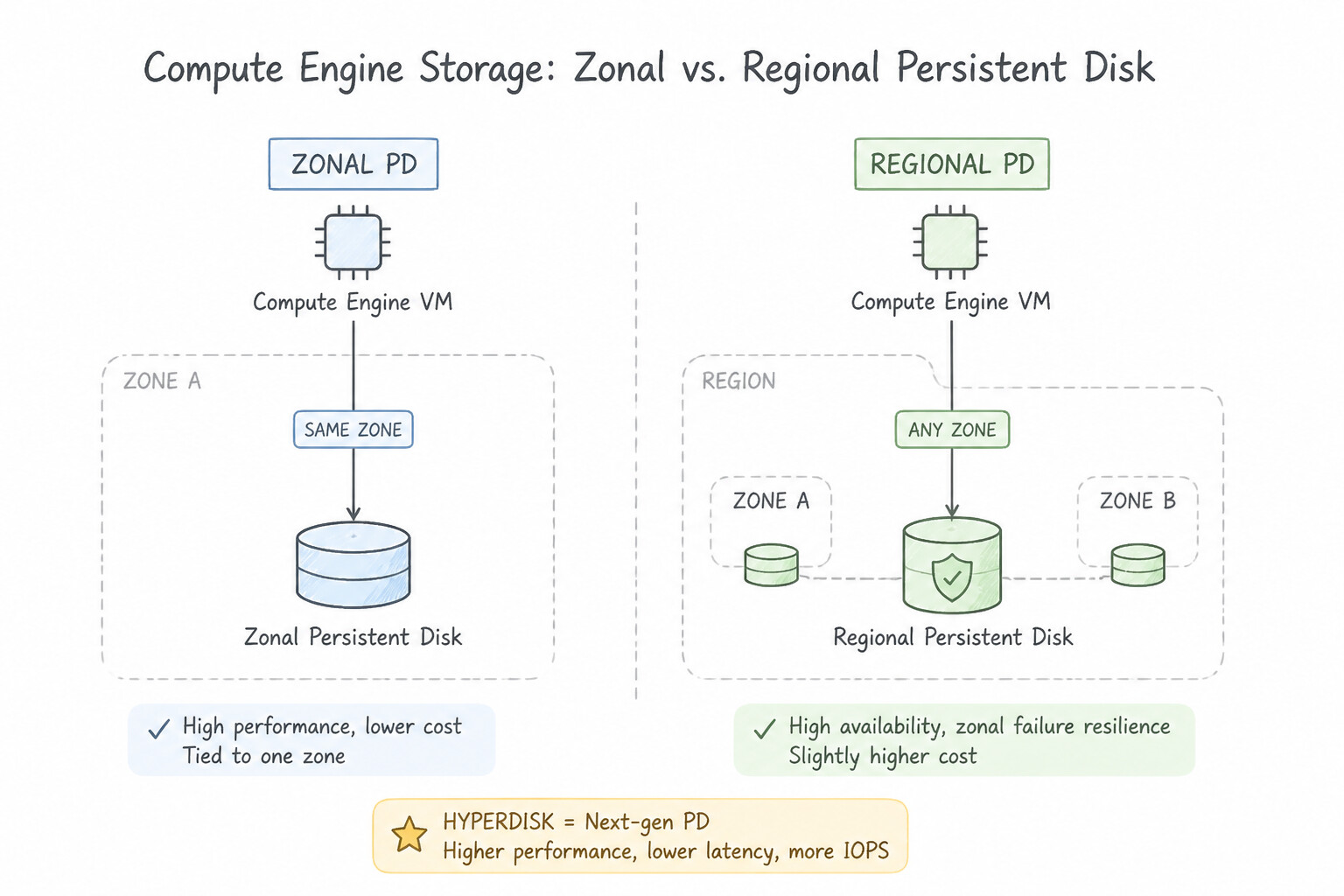
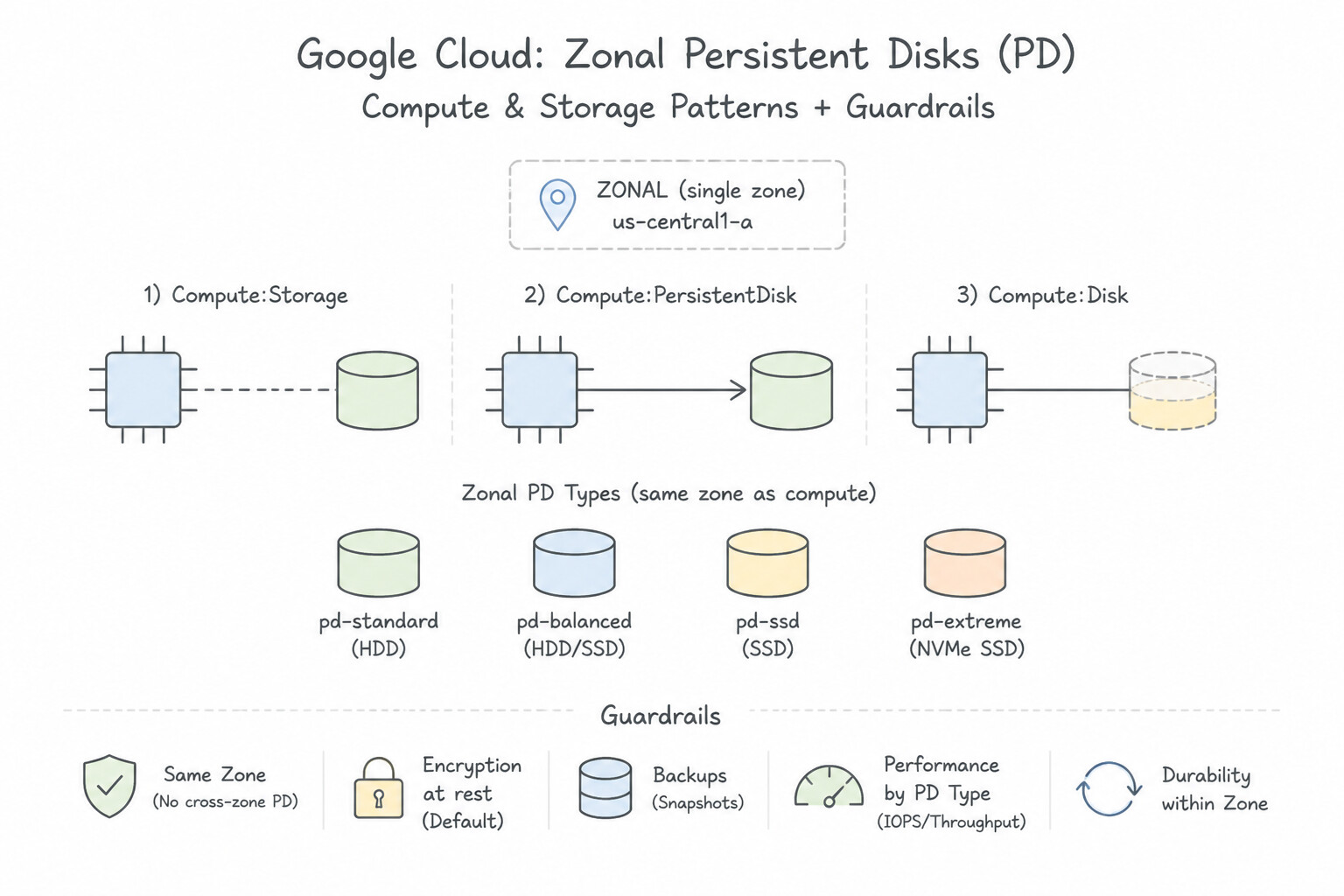
ace-2.1b-1-host-maintenance.jpg,ace-2.1b-2-on-host-maintenance.jpg) - Consideration 2.1c: Choosing appropriate storage for compute engine (zonal/regional persistent disk, hyperdisk) (Diagrams:
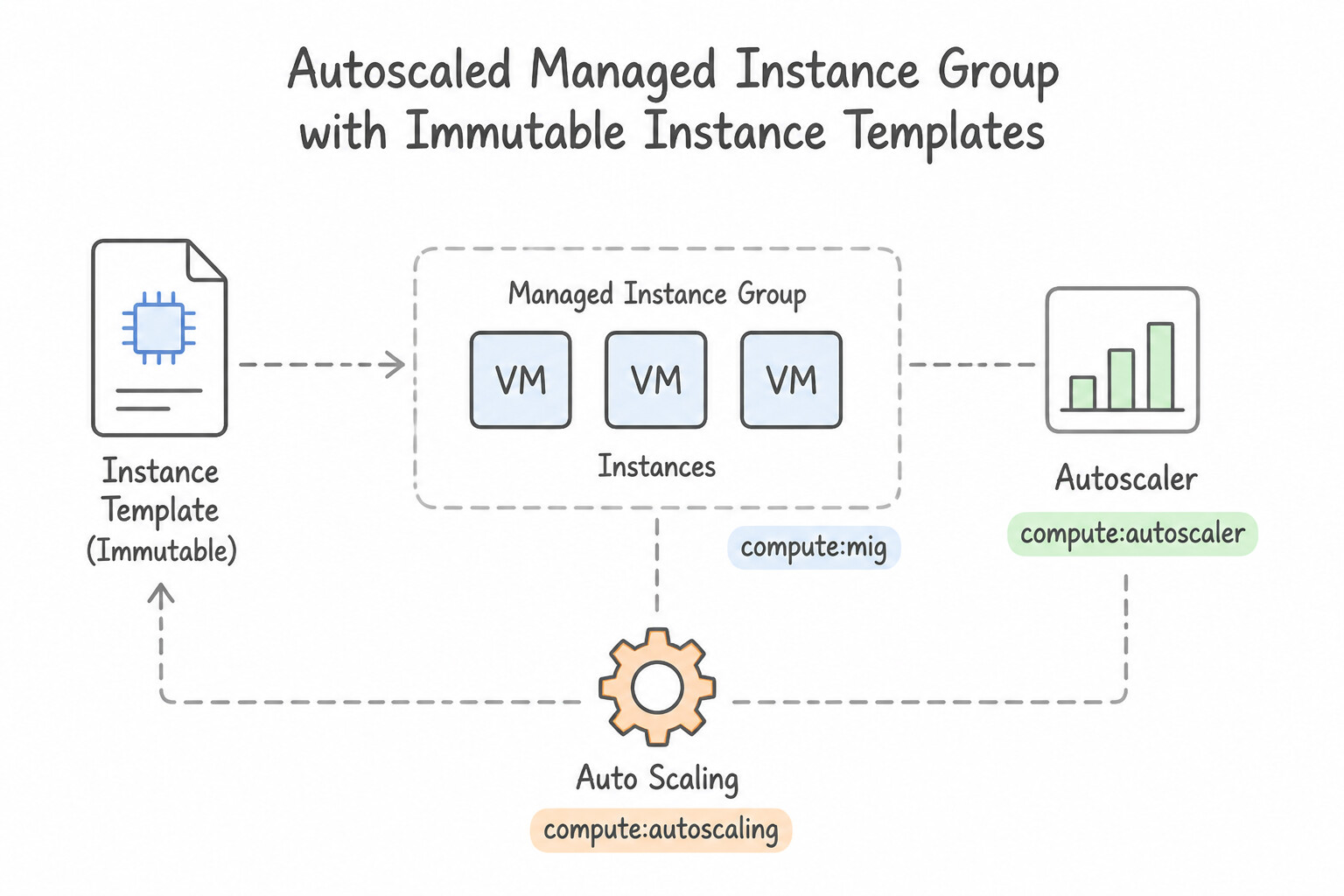
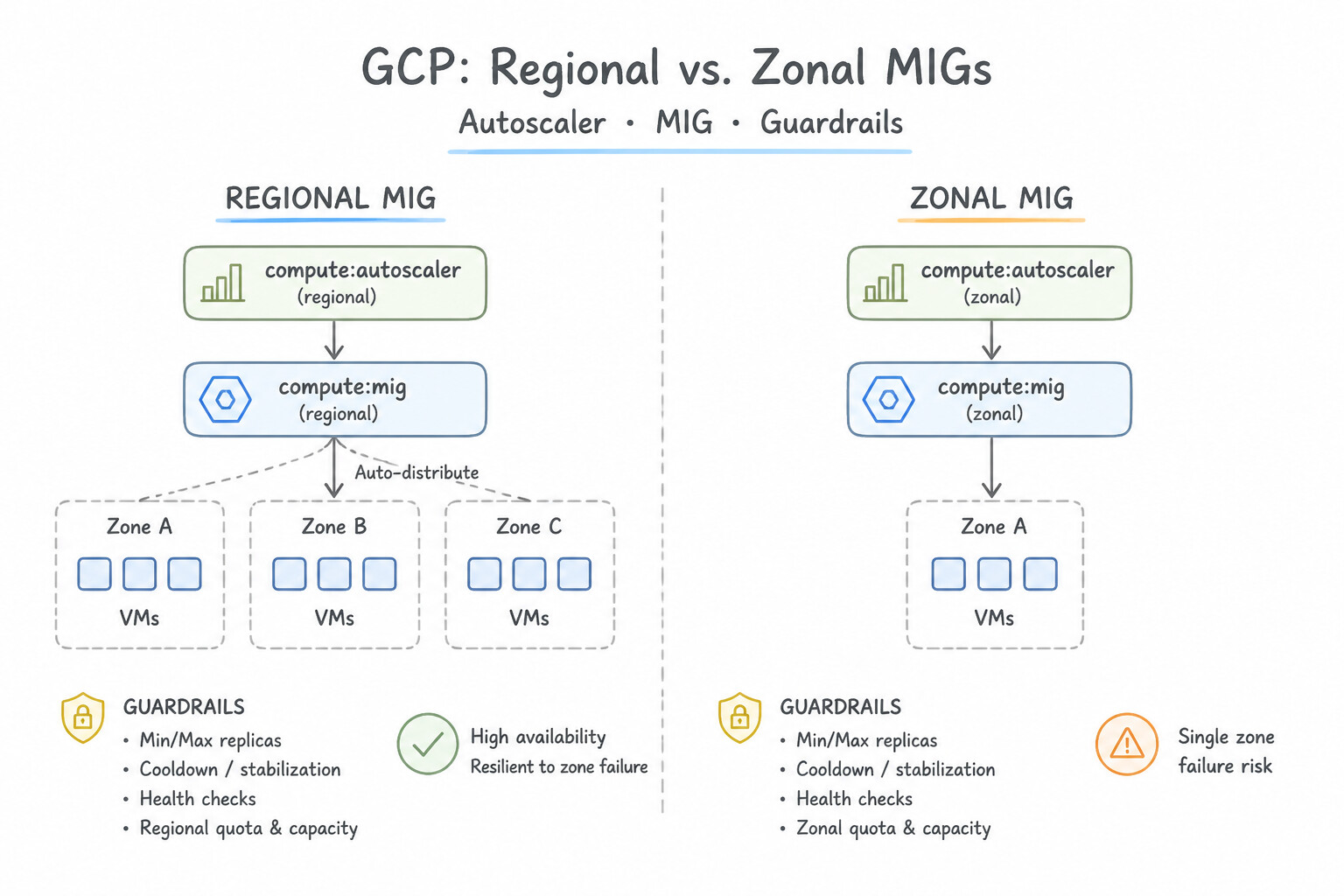
ace-2.1c-1-zonal-vs-regional.jpg,ace-2.1c-2-zonal-pd-pd-standard.jpg) - Consideration 2.1d: Creating an autoscaled managed instance group using an instance template (Diagrams:
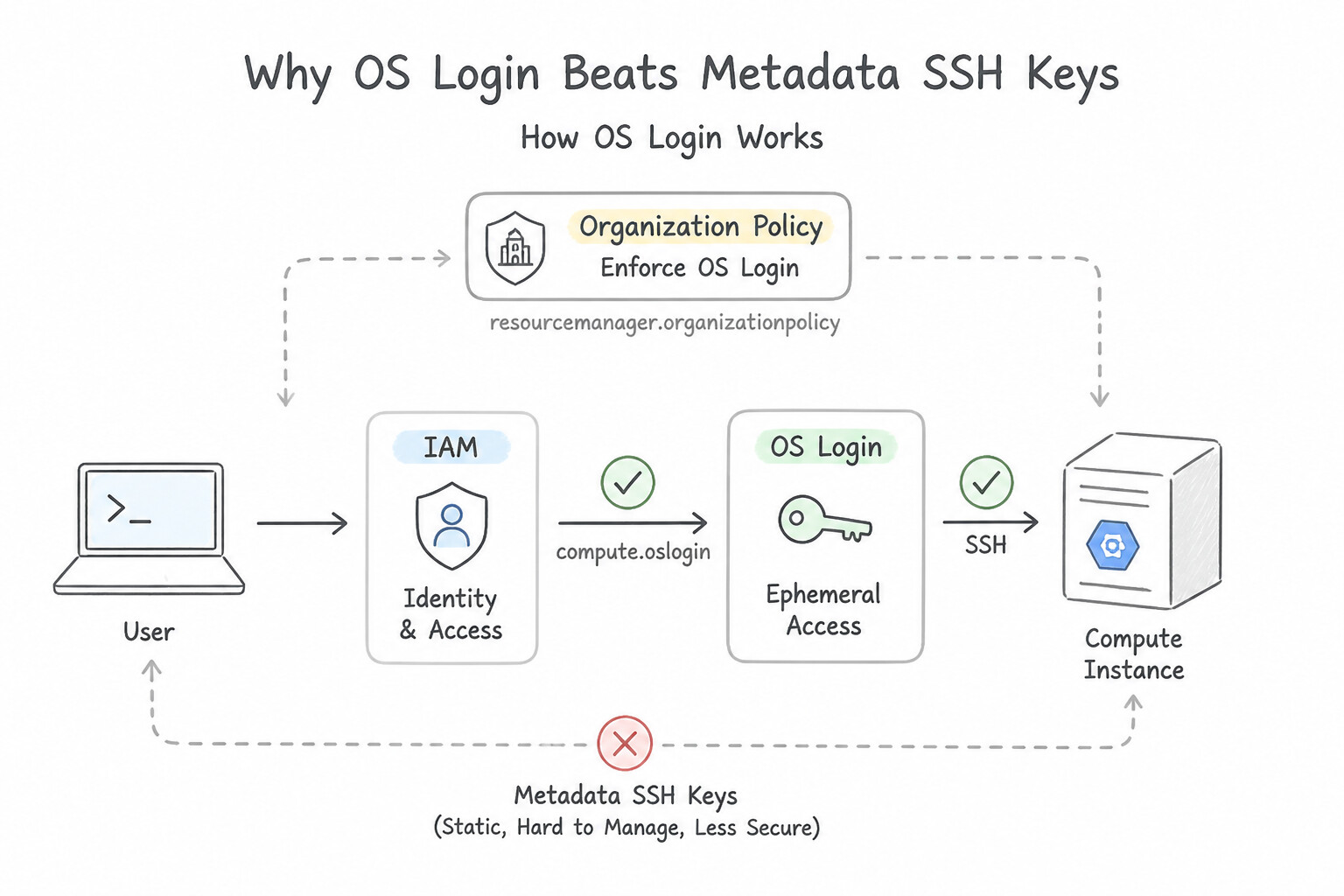
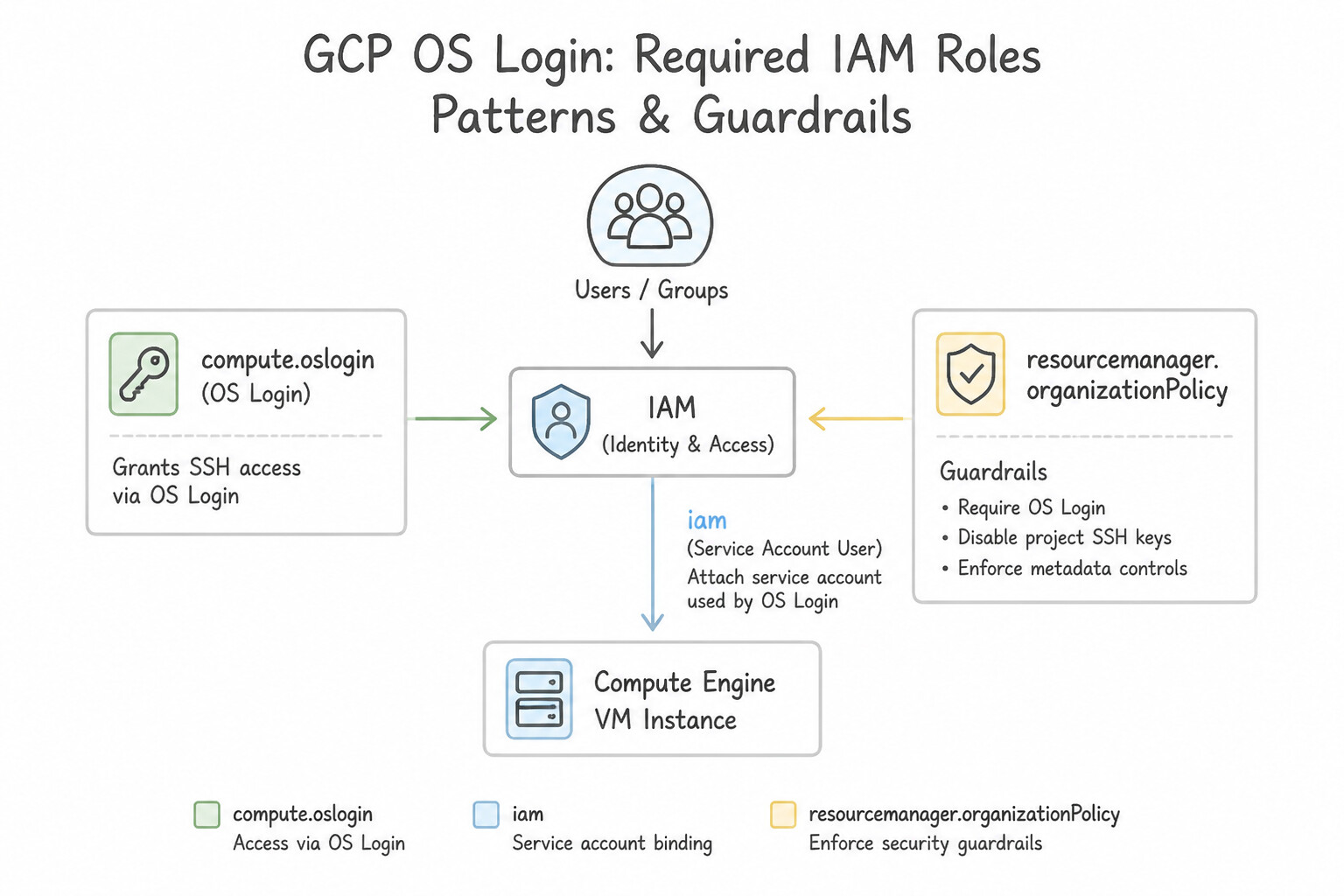
ace-2.1d-1-instance-templates-are.jpg,ace-2.1d-2-regional-vs-zonal-migs.jpg) - Consideration 2.1e: Configuring os login (Diagrams:
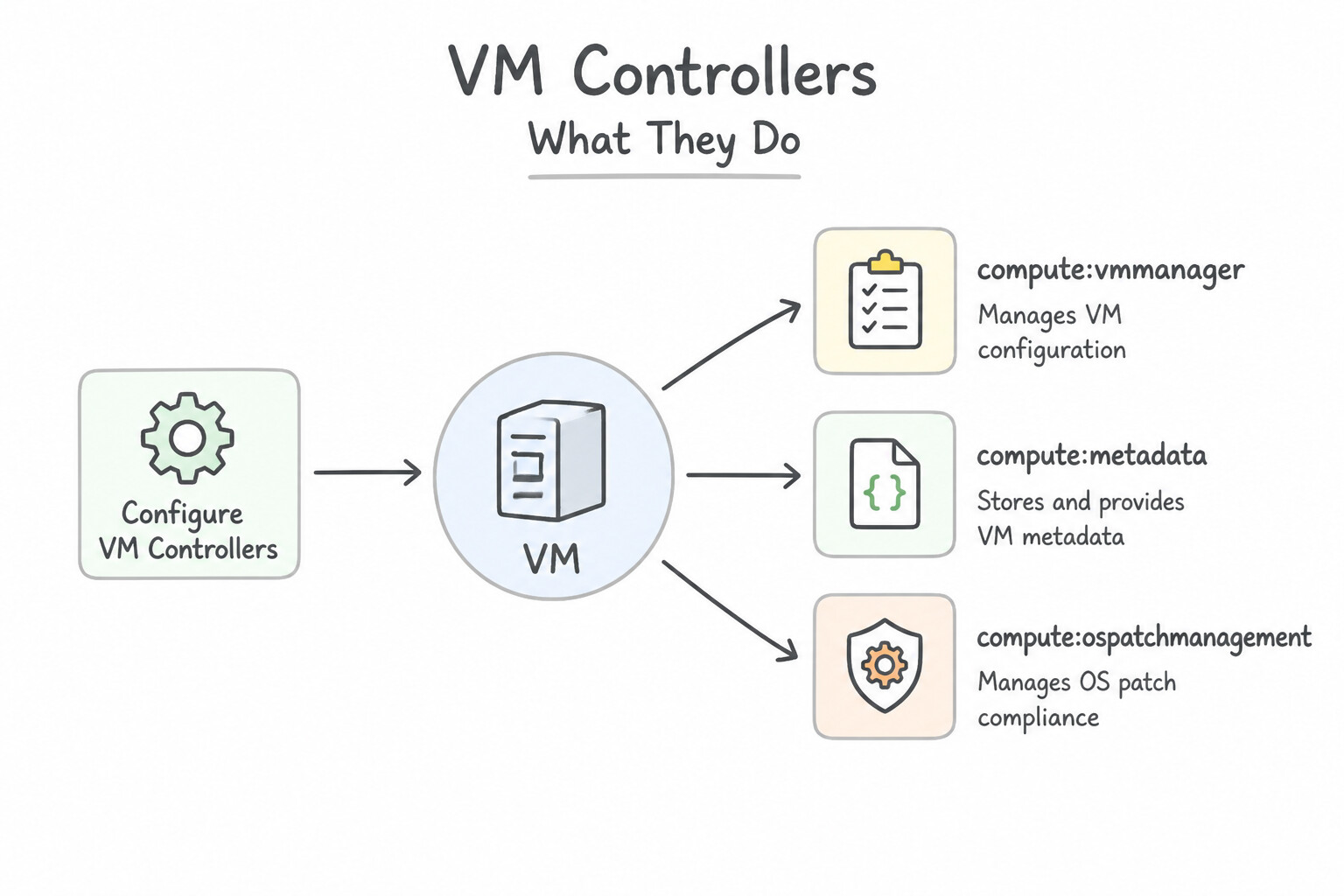
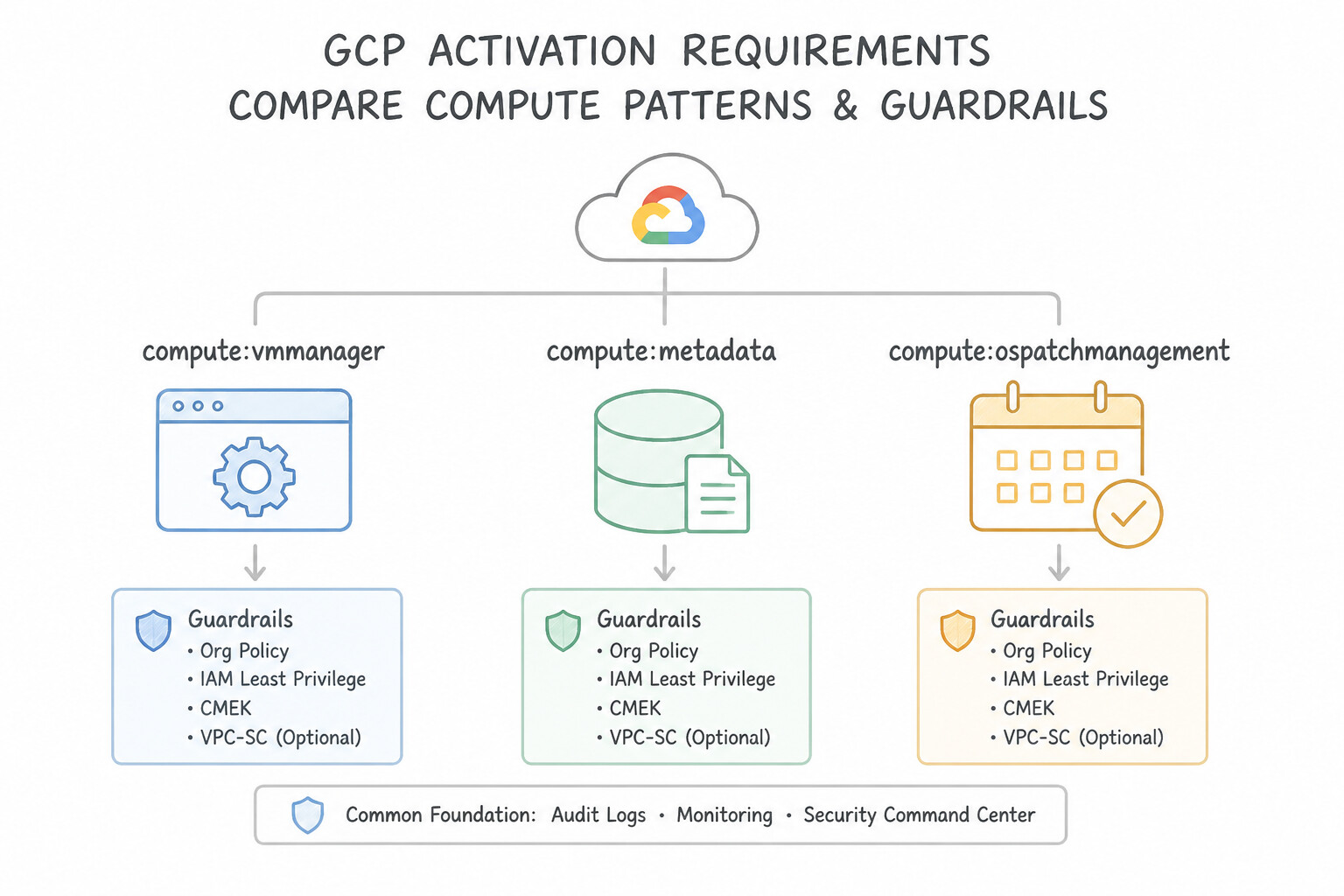
ace-2.1e-1-os-login-beats-metadata.jpg,ace-2.1e-2-required-iam-roles-os.jpg) - Consideration 2.1f: Configuring vm manager (Diagrams:
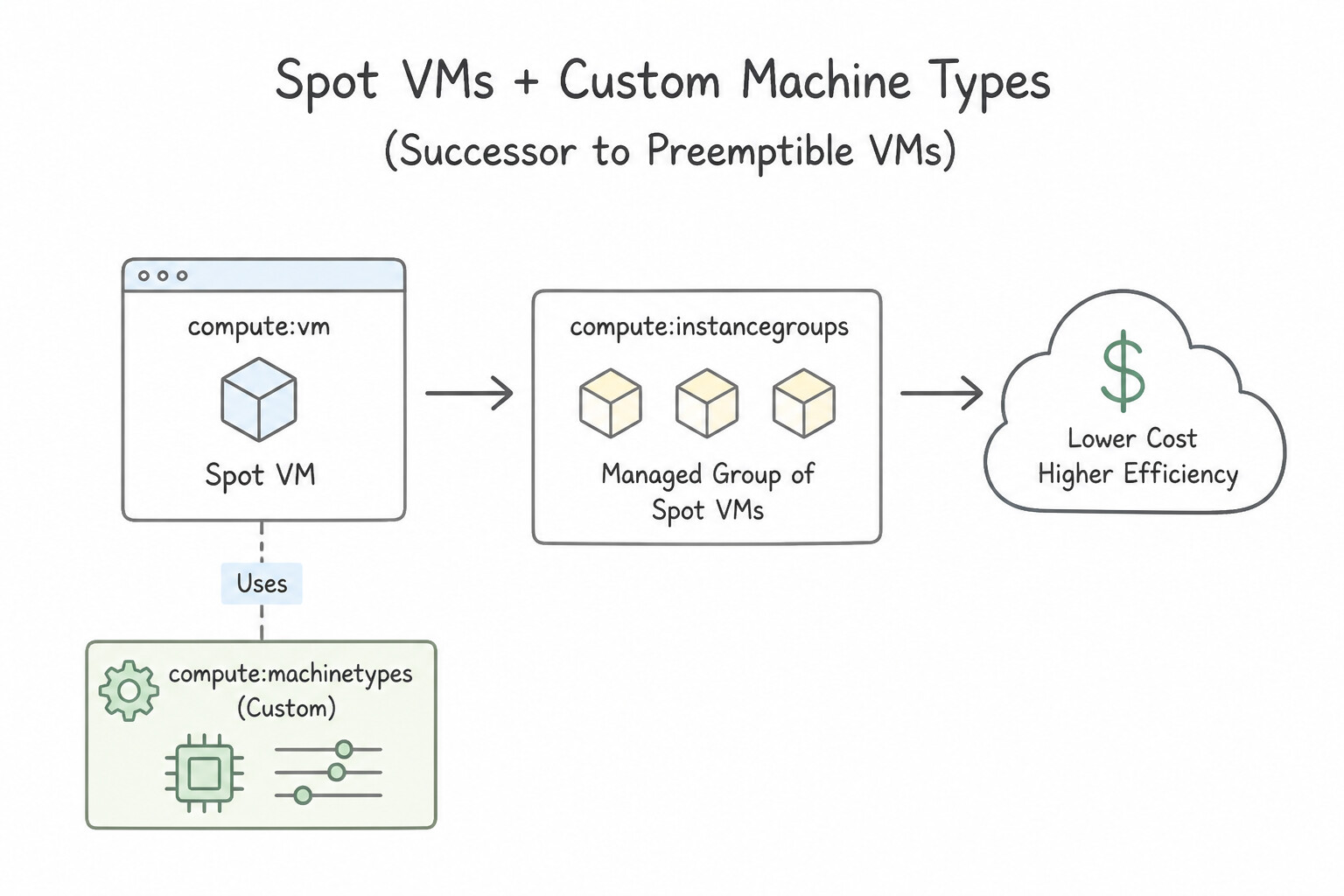
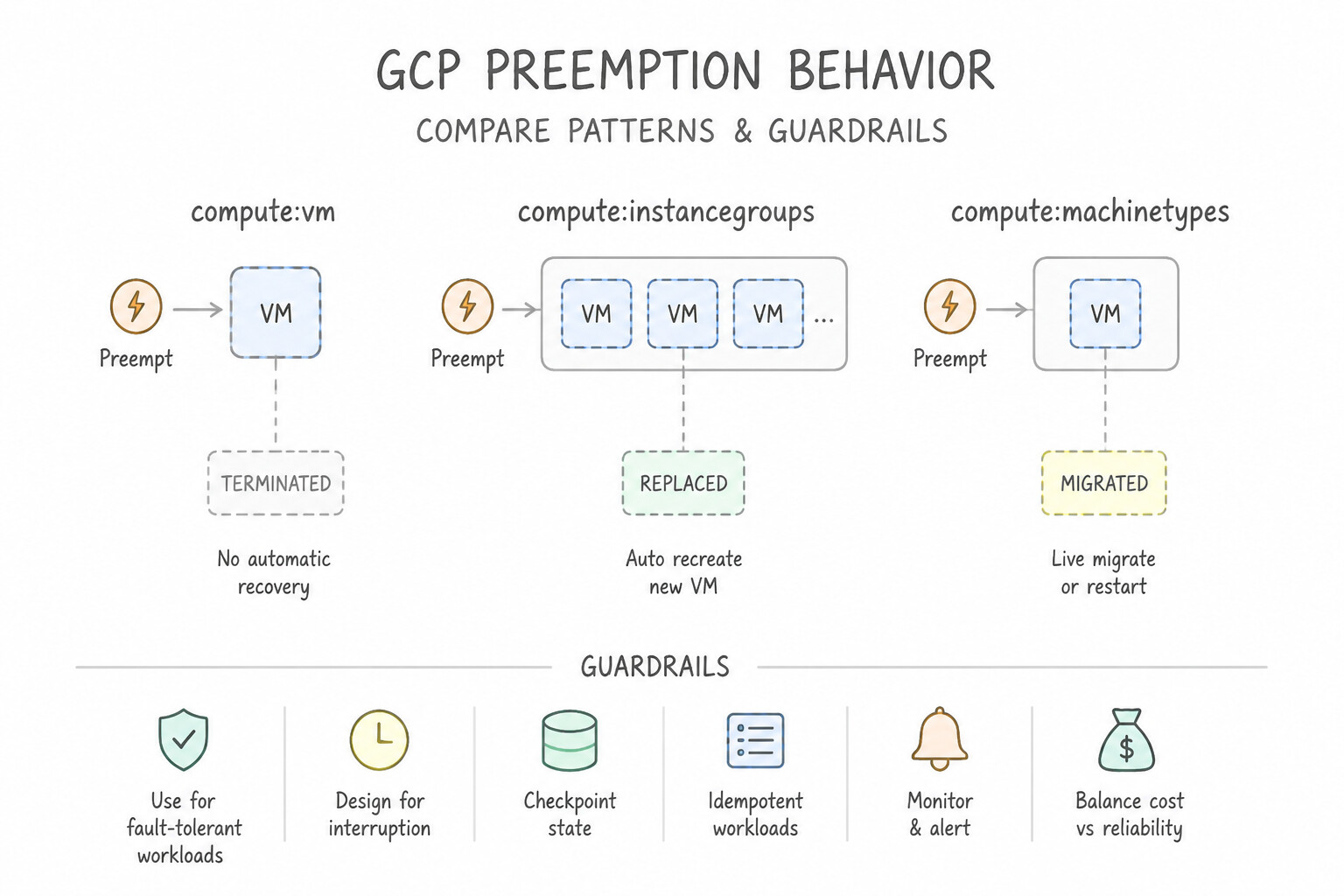
ace-2.1f-1-vm-manager-does-vm.jpg,ace-2.1f-2-activation-requirements.jpg) - Consideration 2.1g: Using spot vms and custom machine types (Diagrams:
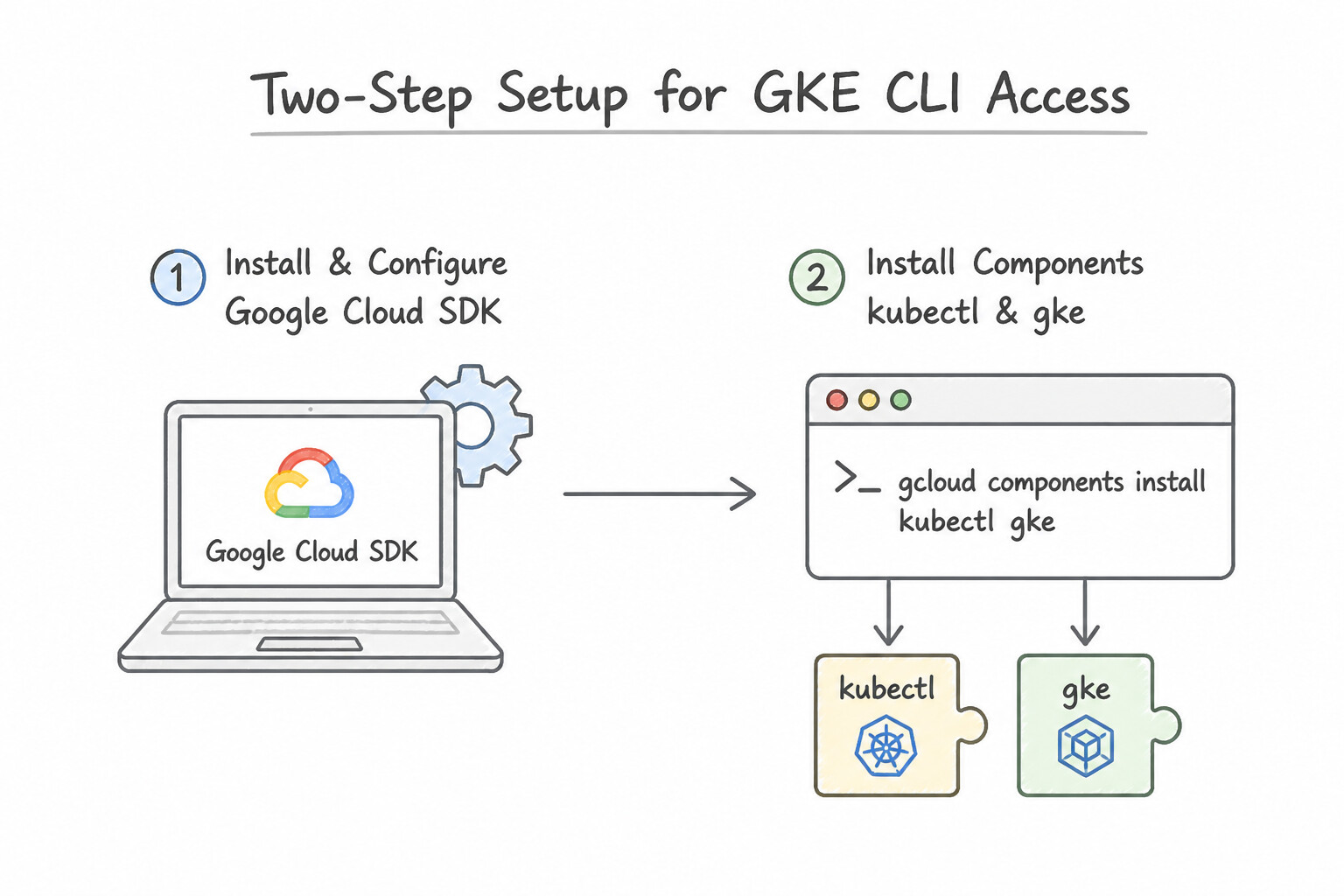
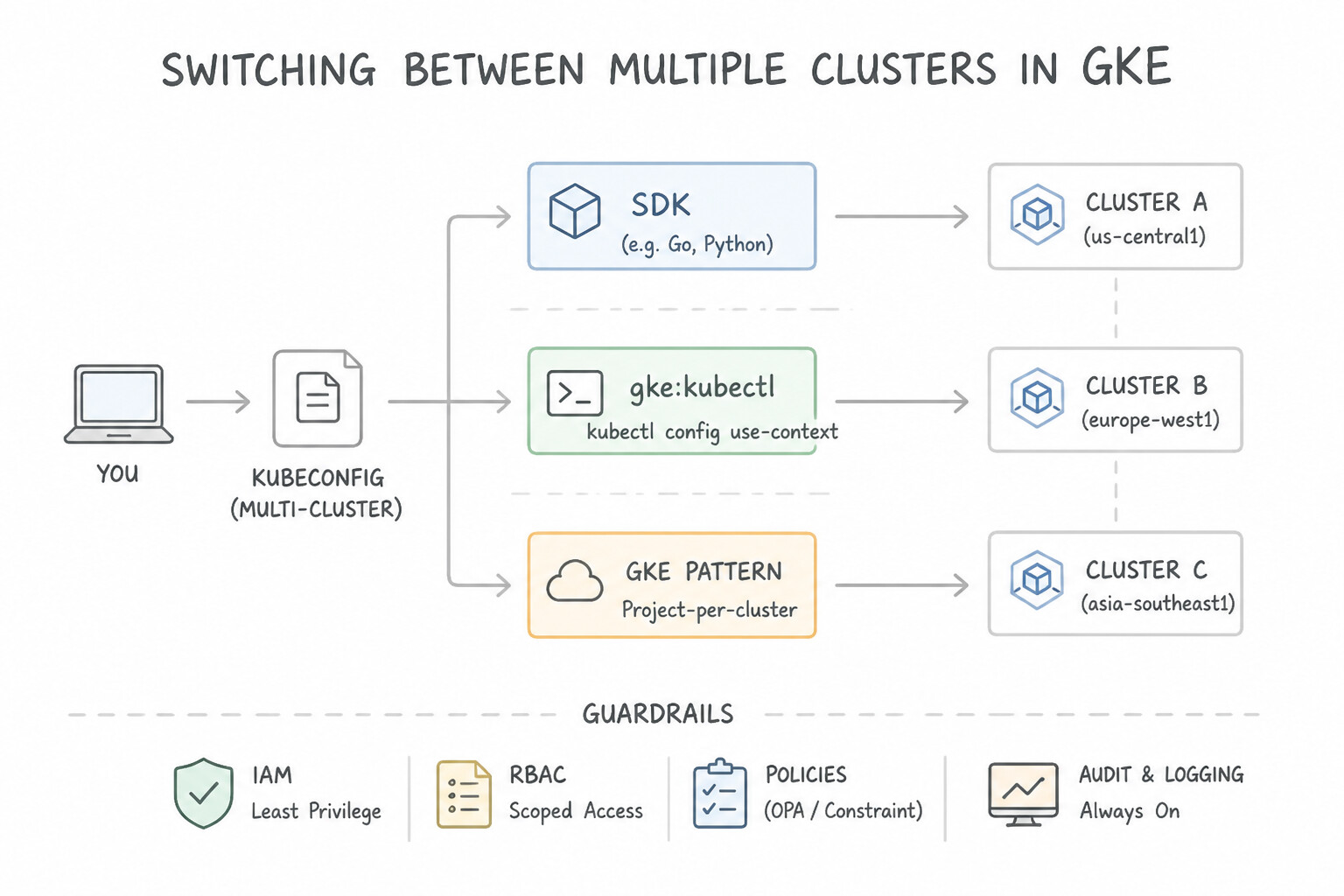
ace-2.1g-1-spot-vms-successor-to.jpg,ace-2.1g-2-preemption-behavior.jpg) - Consideration 2.1h: Installing and configuring kubectl (Diagrams:
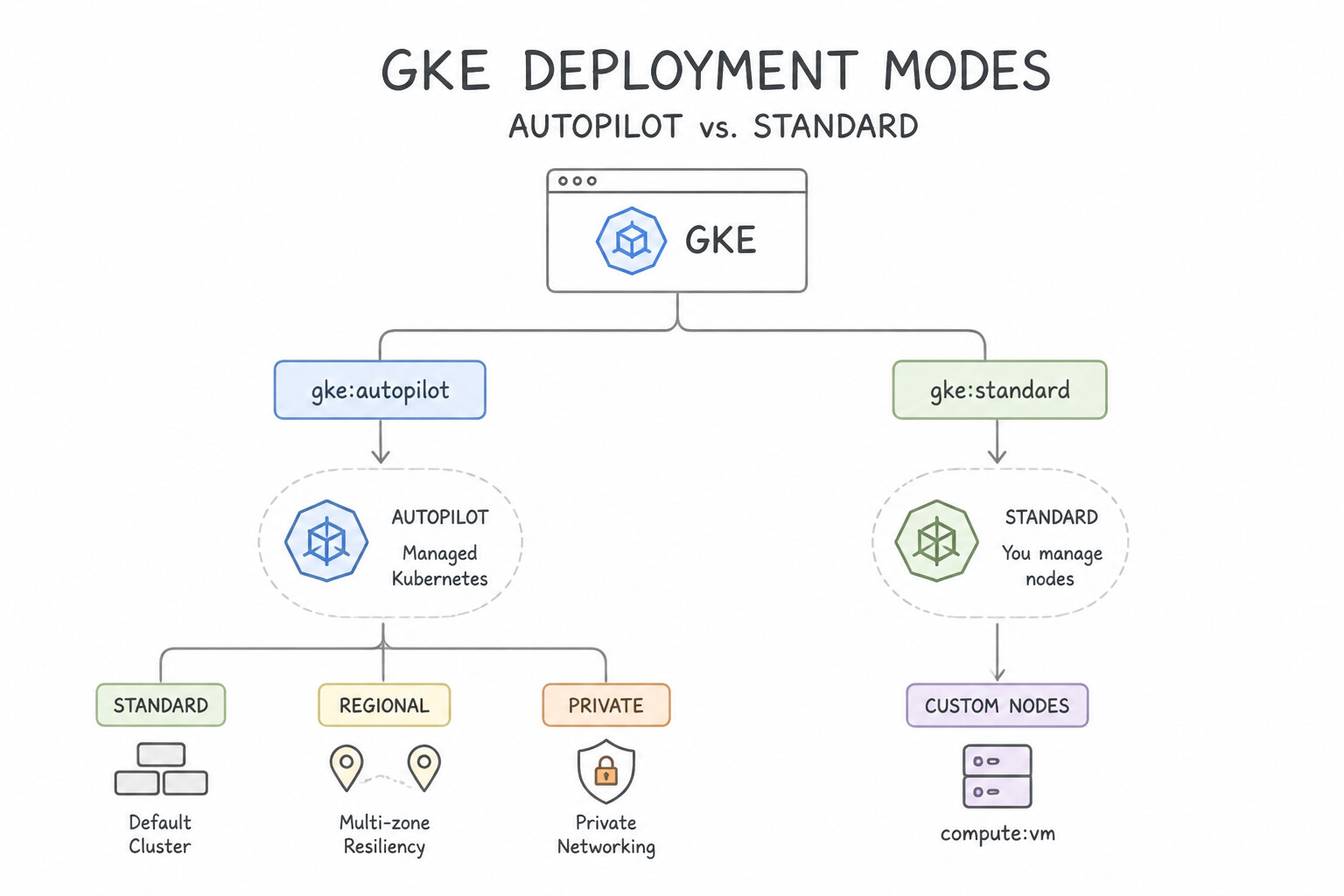
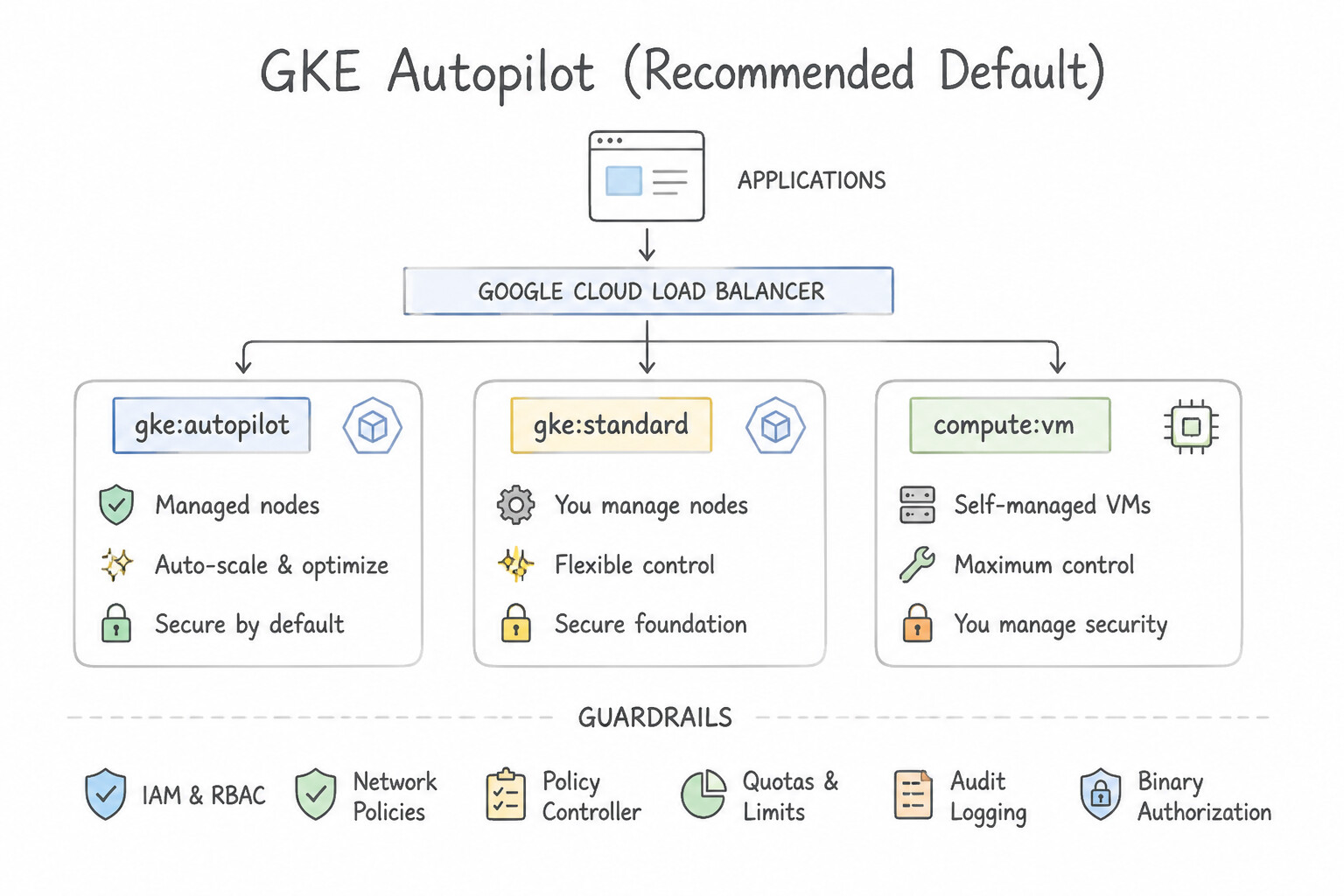
ace-2.1h-1-step-setup-gke-cli.jpg,ace-2.1h-2-switching-multiple.jpg) - Consideration 2.1i: Deploying gke clusters with different configurations (autopilot, regional, private) (Diagrams:
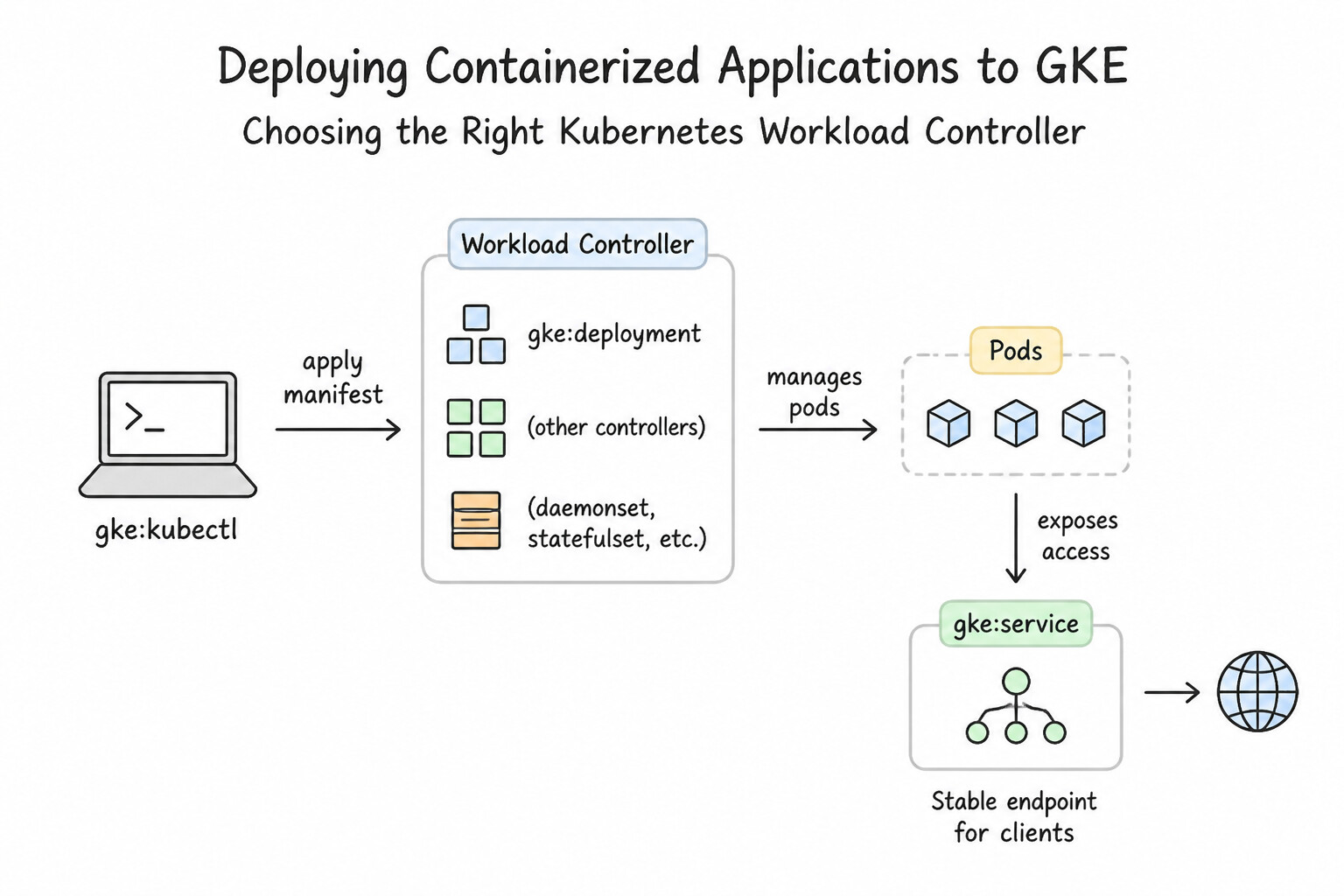
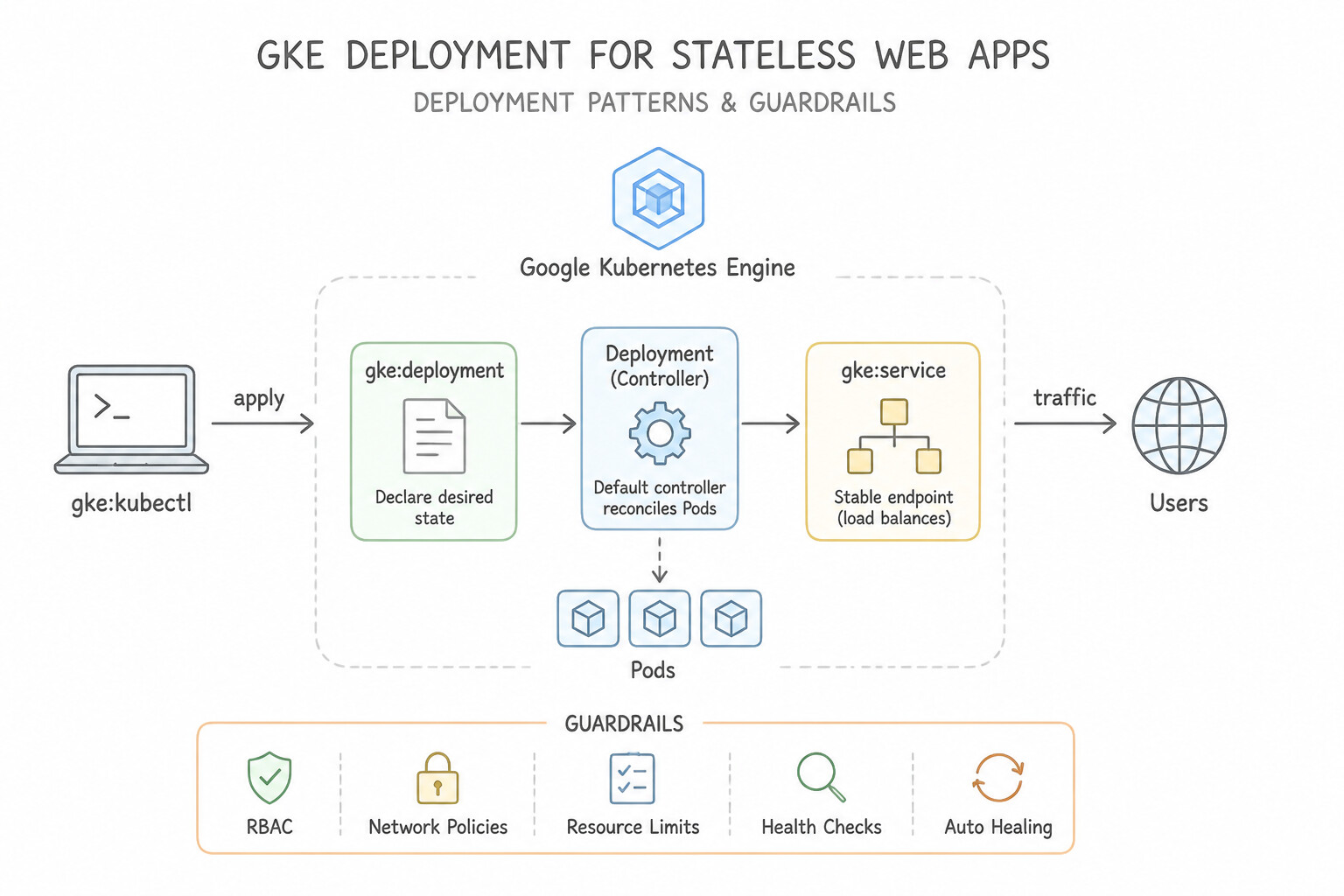
ace-2.1i-1-gke-autopilot-vs-gke.jpg,ace-2.1i-2-gke-autopilot-recommended.jpg) - Consideration 2.1j: Deploying containerized applications to gke (Diagrams:
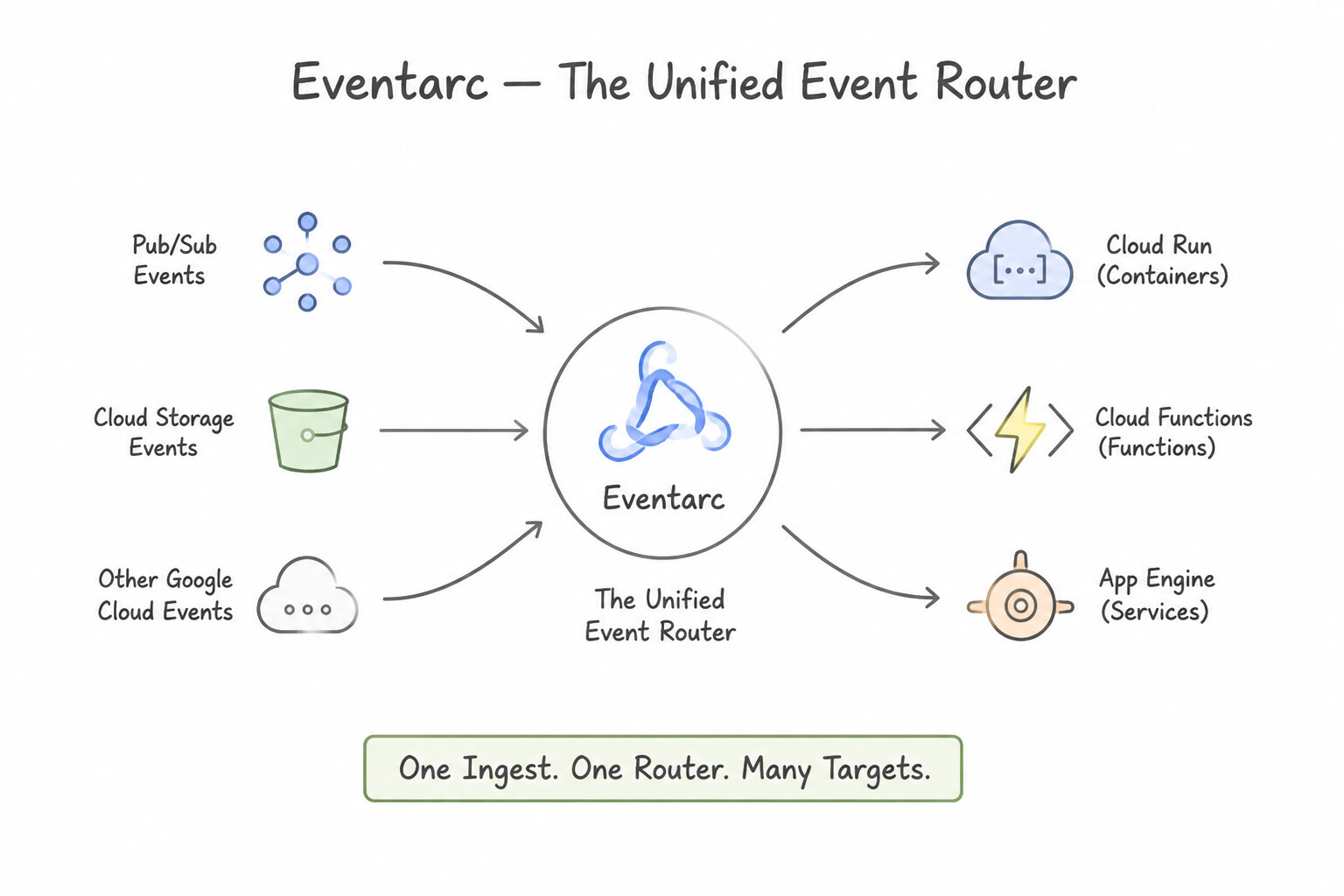
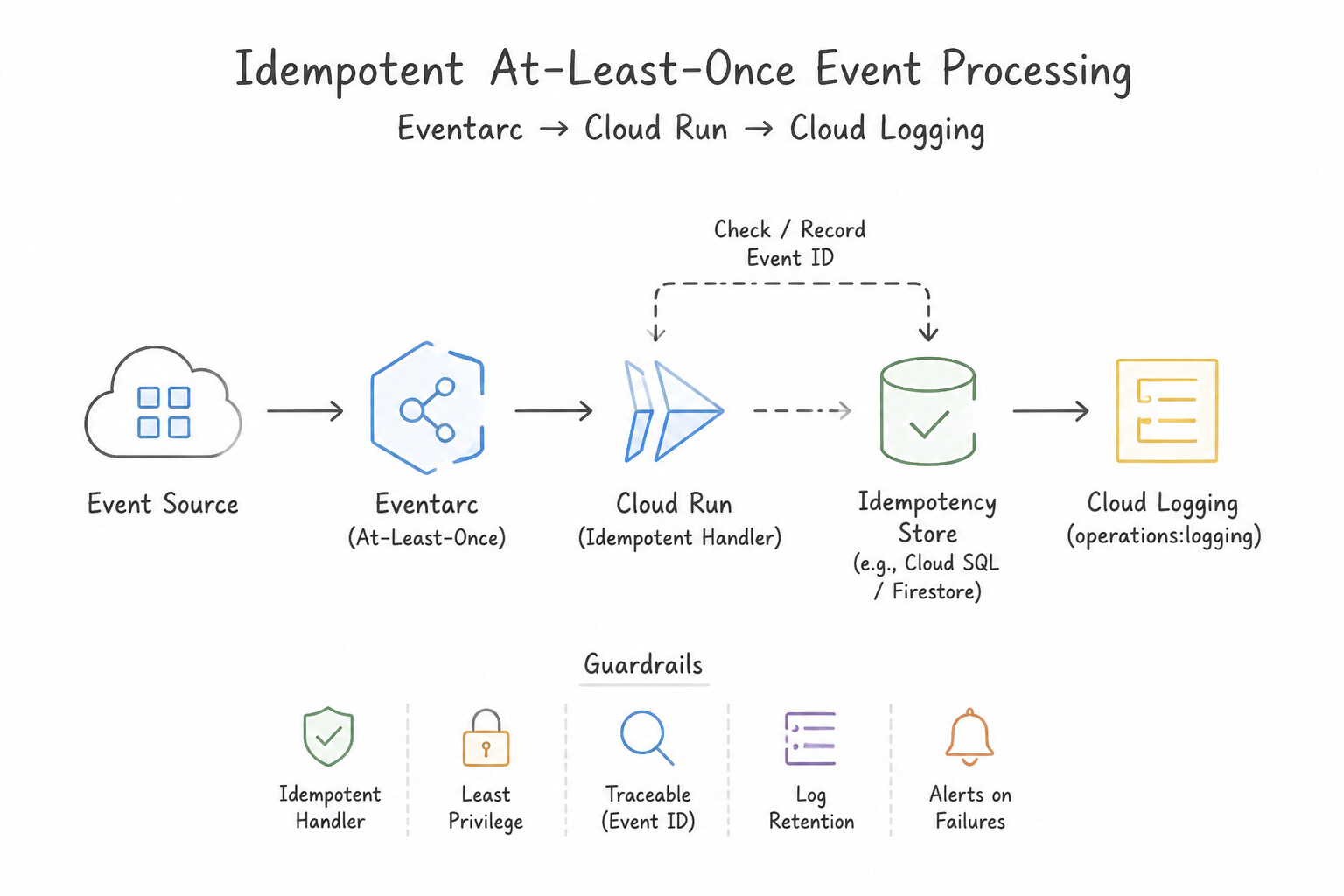
ace-2.1j-1-right-kubernetes-workload.jpg,ace-2.1j-2-deployment-gke-deployment.jpg) - Consideration 2.1k: Deploying applications to serverless platforms for event processing (pub/sub, cloud storage events, eventarc) (Diagrams:
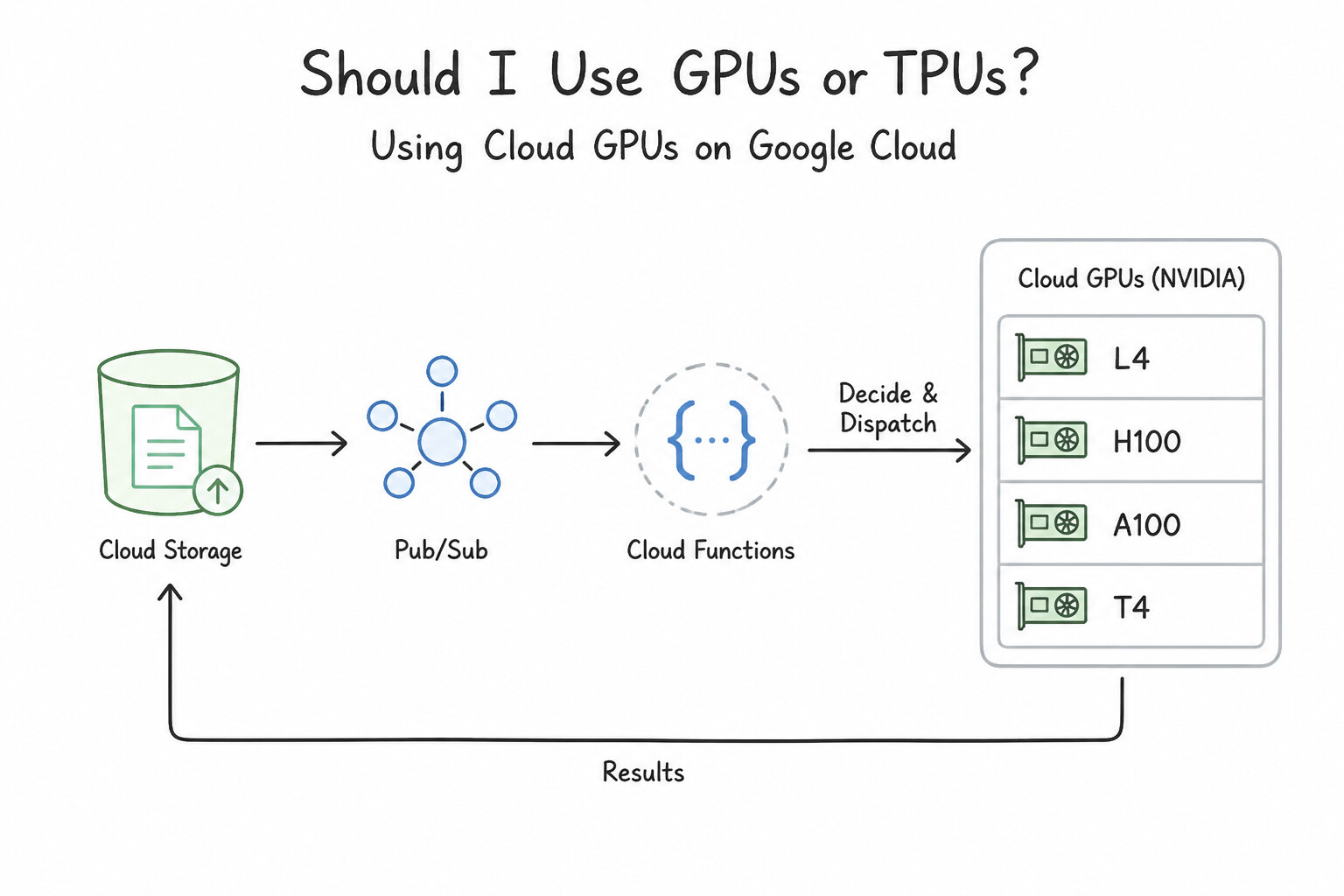
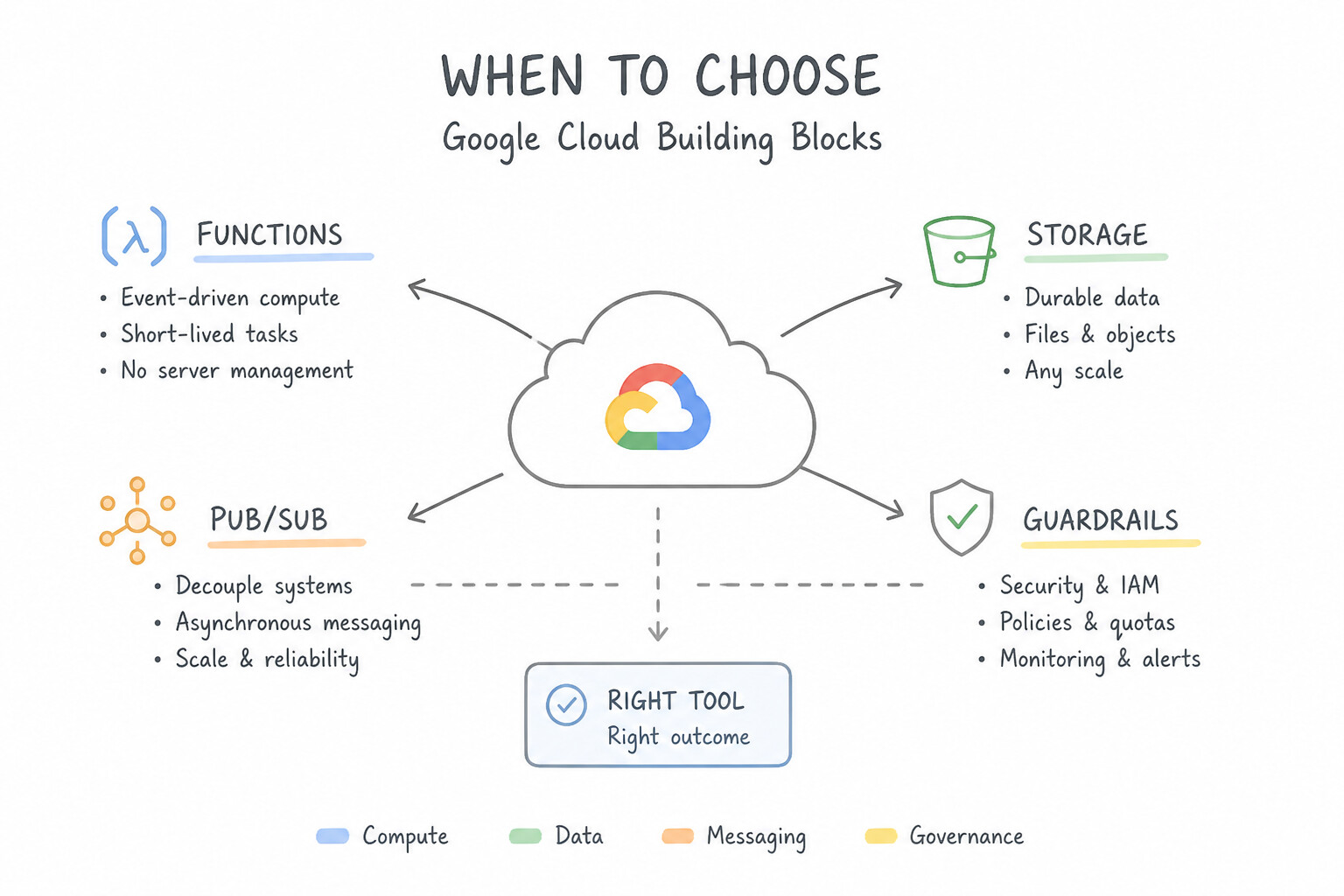
ace-2.1k-1-eventarc-unified.jpg,ace-2.1k-2-idempotency-at-least-once.jpg) - Consideration 2.1l: Identifying Whether to Use GPUs or TPUs (Diagrams:
ace-2.1l-1-gpus-nvidia-l4-h100.jpg,ace-2.1l-2-to-choose-functions.jpg) - Quick Decision Cheat Sheet (Subsection 2.1)
Chapter 3: Planning Storage, Databases, VPC Networking & Infrastructure as Code Tooling
- Subsection 2.2: Planning and Implementing Storage and Data Solutions (Section 2: Planning and Implementing a Cloud Solution)
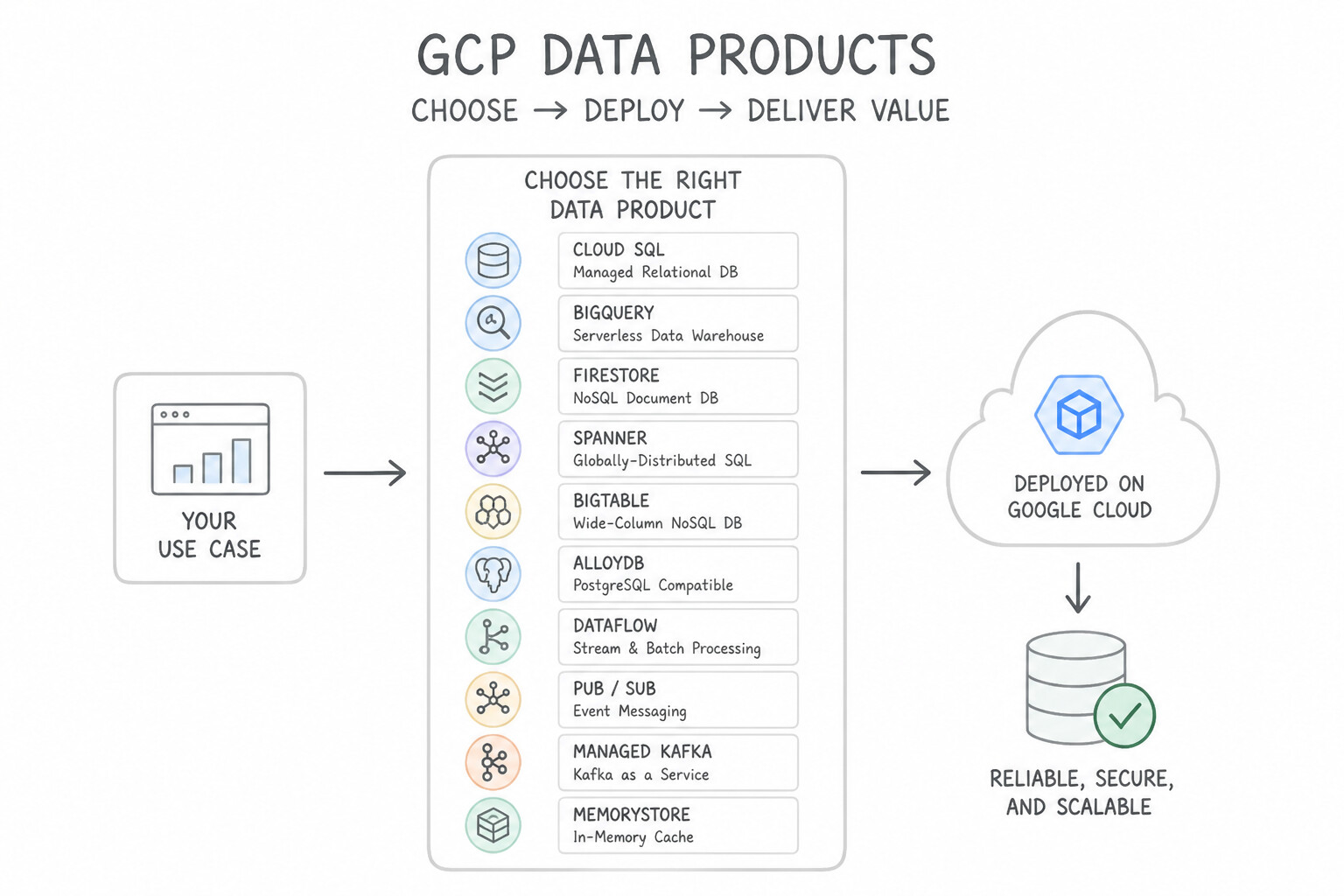
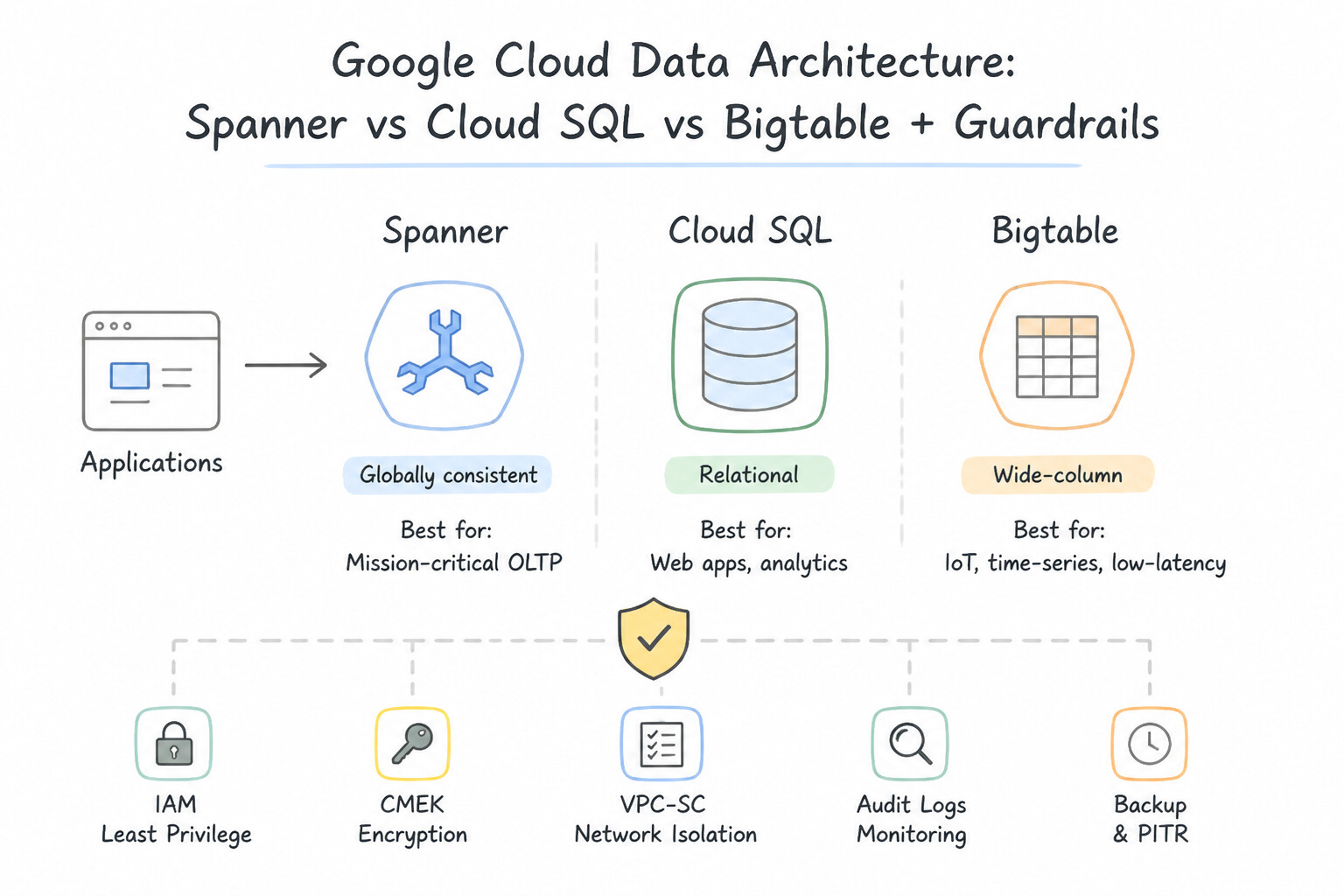
- Consideration 2.2a: Choosing and deploying data products (cloud sql, bigquery, firestore, spanner, bigtable, alloydb, dataflow, pub/sub, managed kafka, memorystore) (Diagrams:
ace-2.2a-1-relational-oltp-triad-sql.jpg,ace-2.2a-2-sql-spanner-sql-bigtable.jpg) - Consideration 2.2b: Choosing and deploying storage products (cloud storage, filestore, netapp volumes) and storage classes (Diagrams:
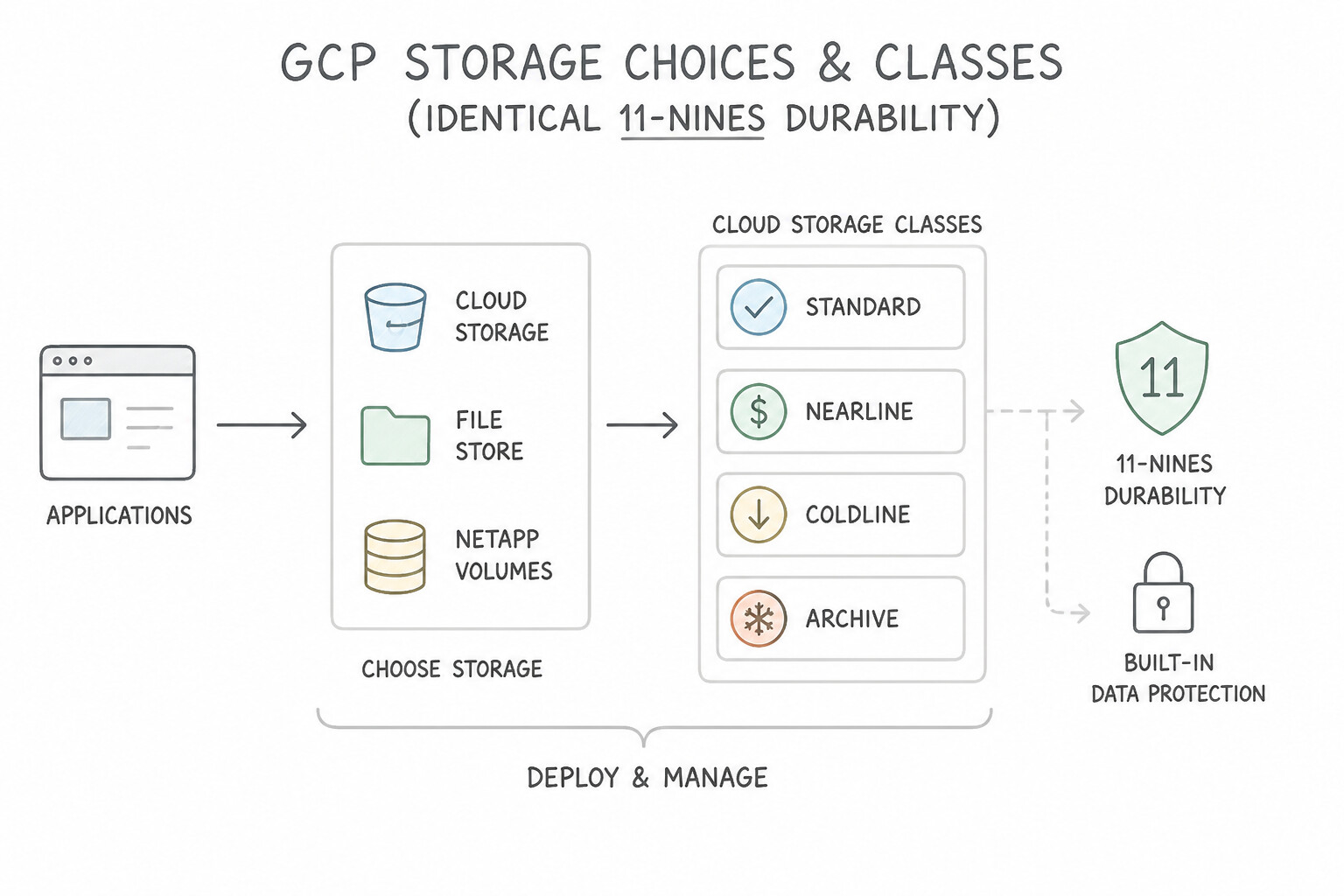
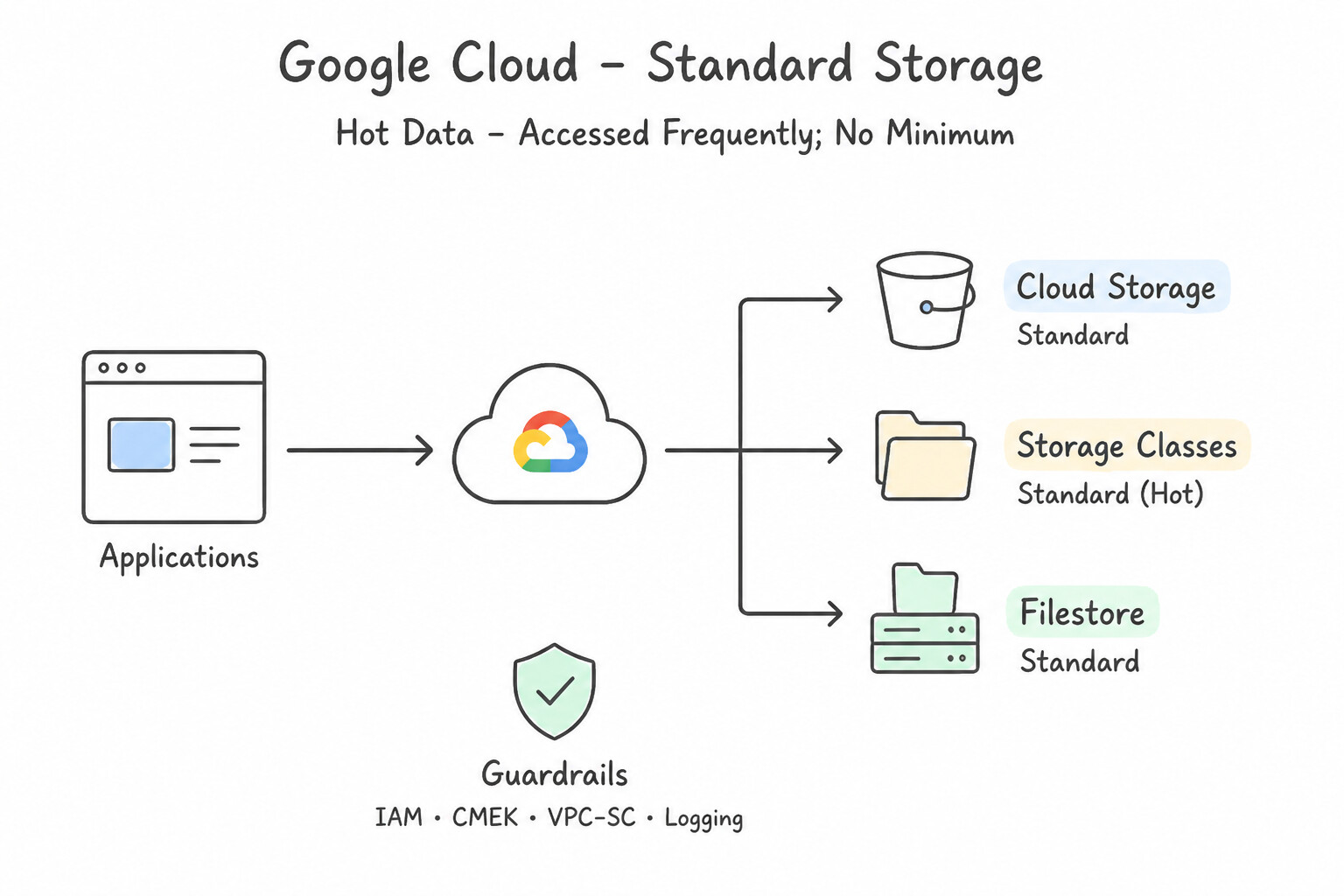
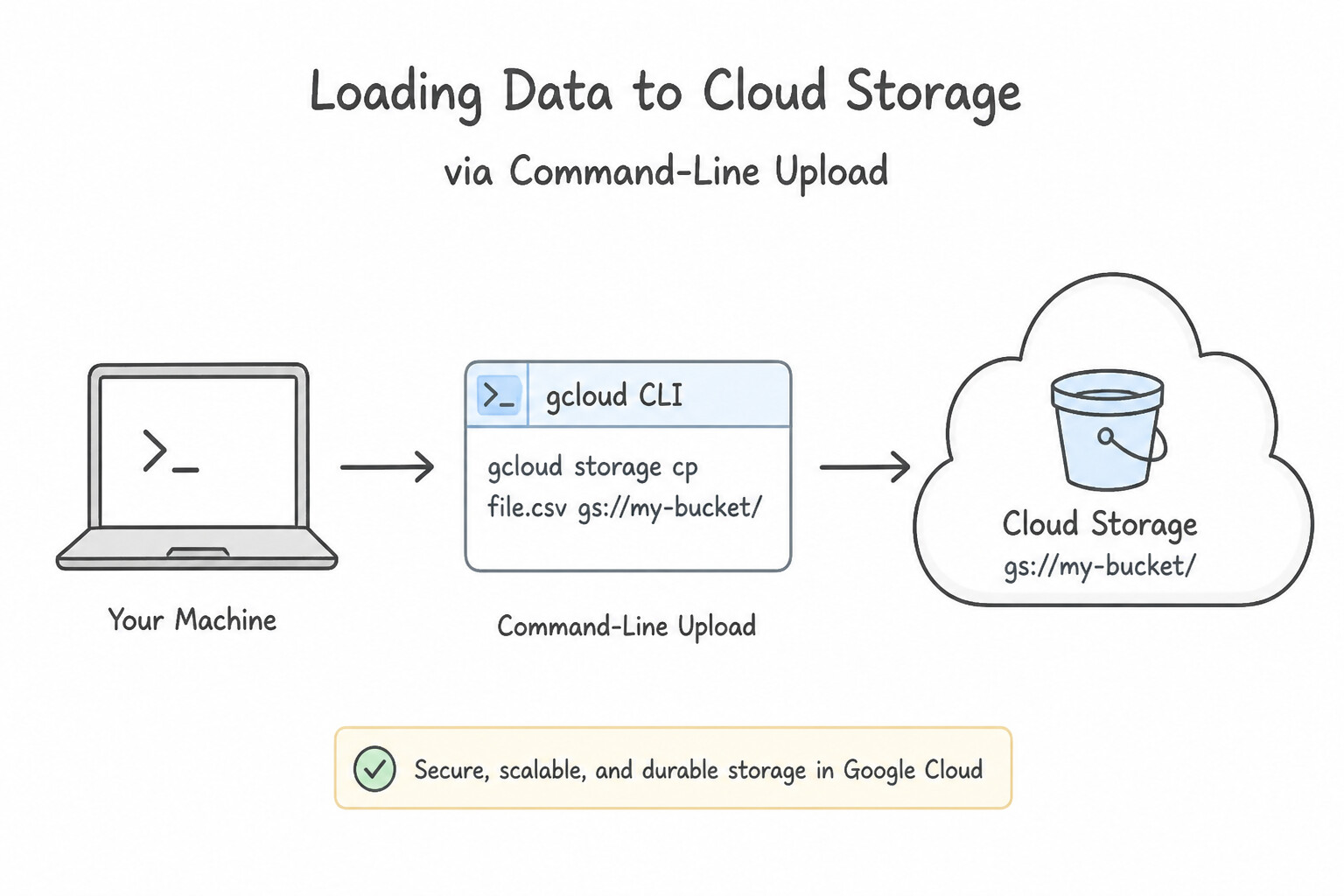
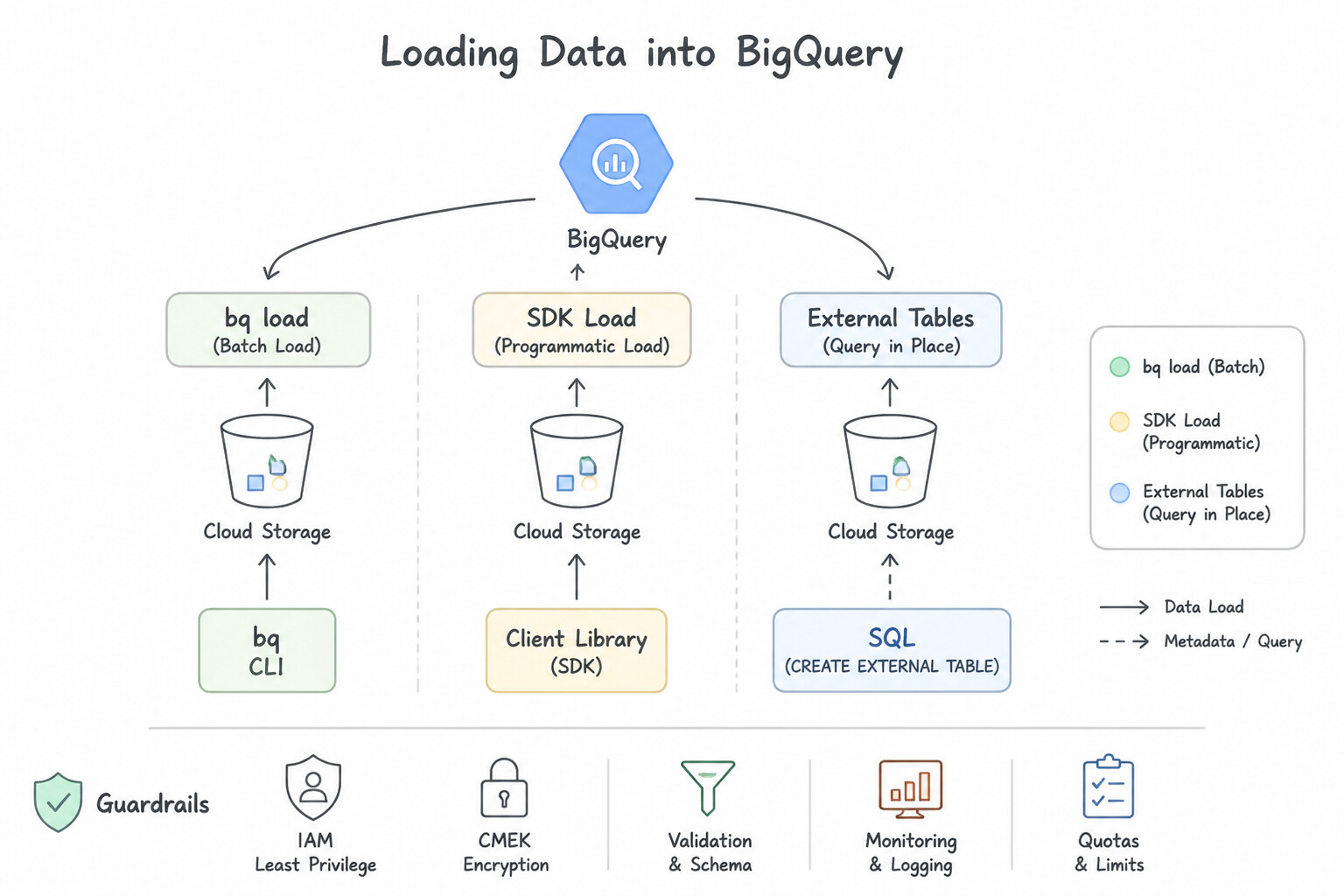
ace-2.2b-1-storage-classes-identical.jpg,ace-2.2b-2-standard-storage-storage.jpg) - Consideration 2.2c: Loading data using appropriate methods (cli upload, cloud storage loads, storage transfer service) (Diagrams:
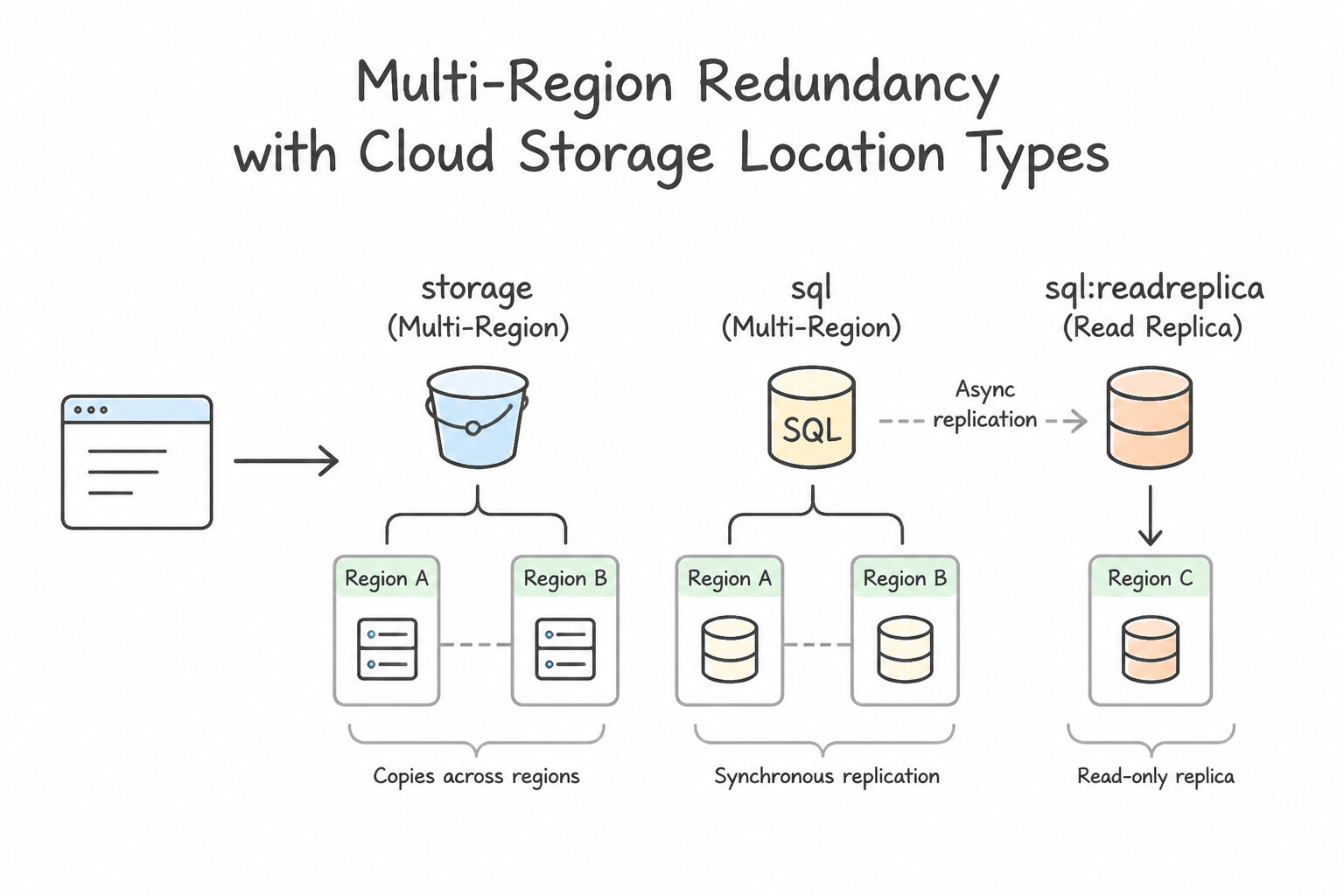
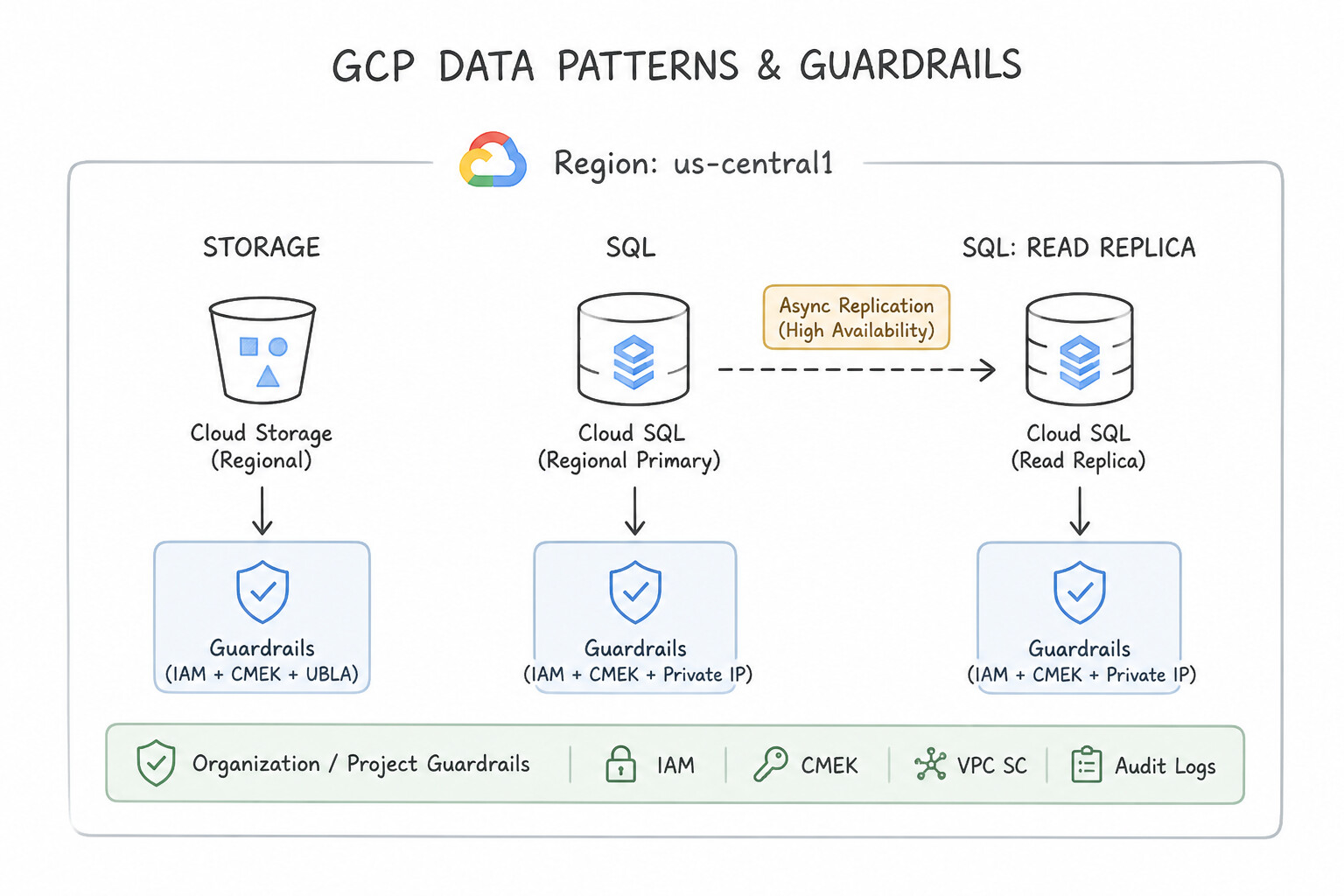
ace-2.2c-1-command-line-uploads-to.jpg,ace-2.2c-2-loading-data-bigquery-bq.jpg) - Consideration 2.2d: Maintaining multi-region redundancy across data solutions (Diagrams:
ace-2.2d-1-storage-location-types.jpg,ace-2.2d-2-region-us-central1.jpg) - Quick Decision Cheat Sheet (Subsection 2.2)
- Subsection 2.3: Planning and Implementing Networking Resources (Section 2: Planning and Implementing a Cloud Solution)
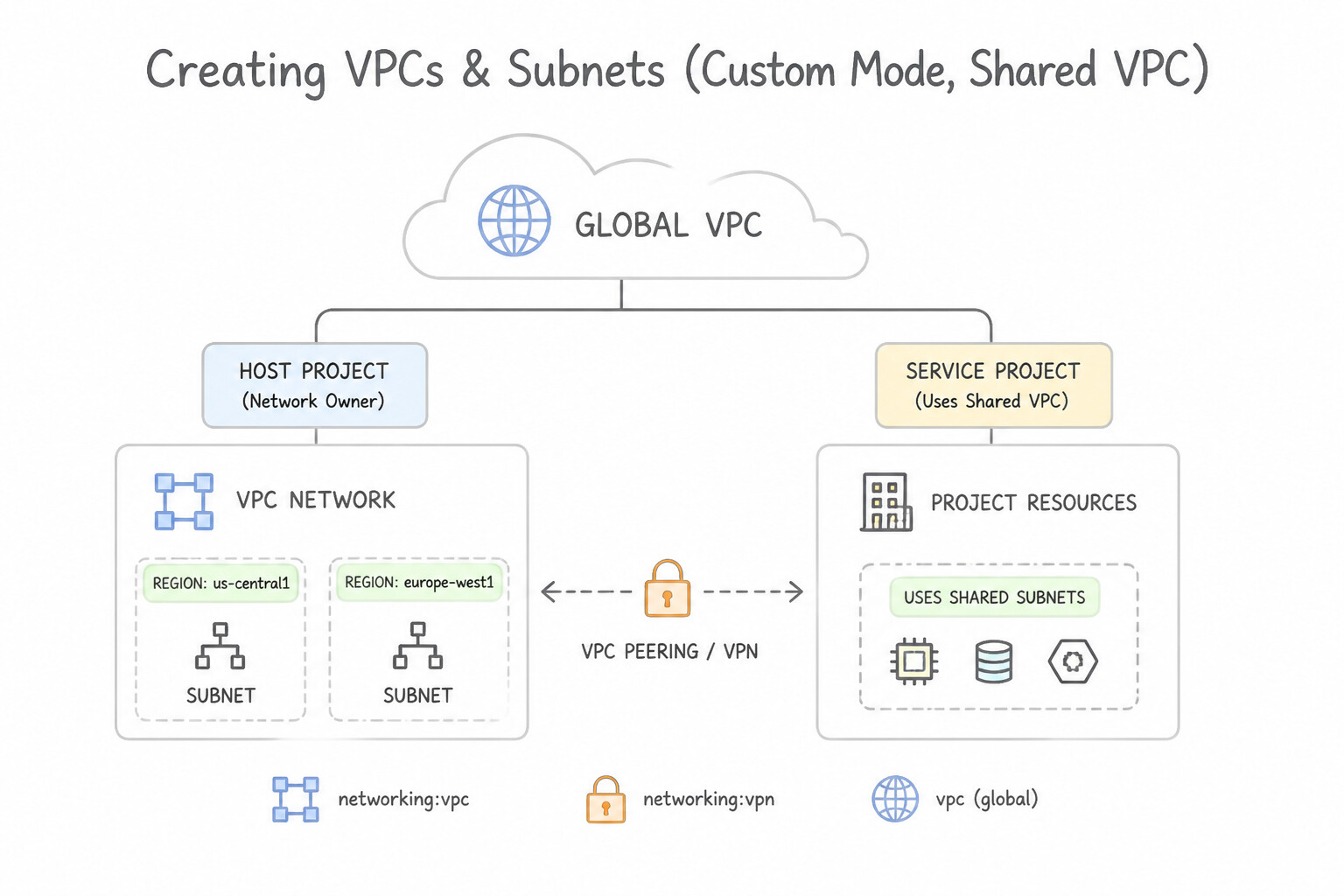
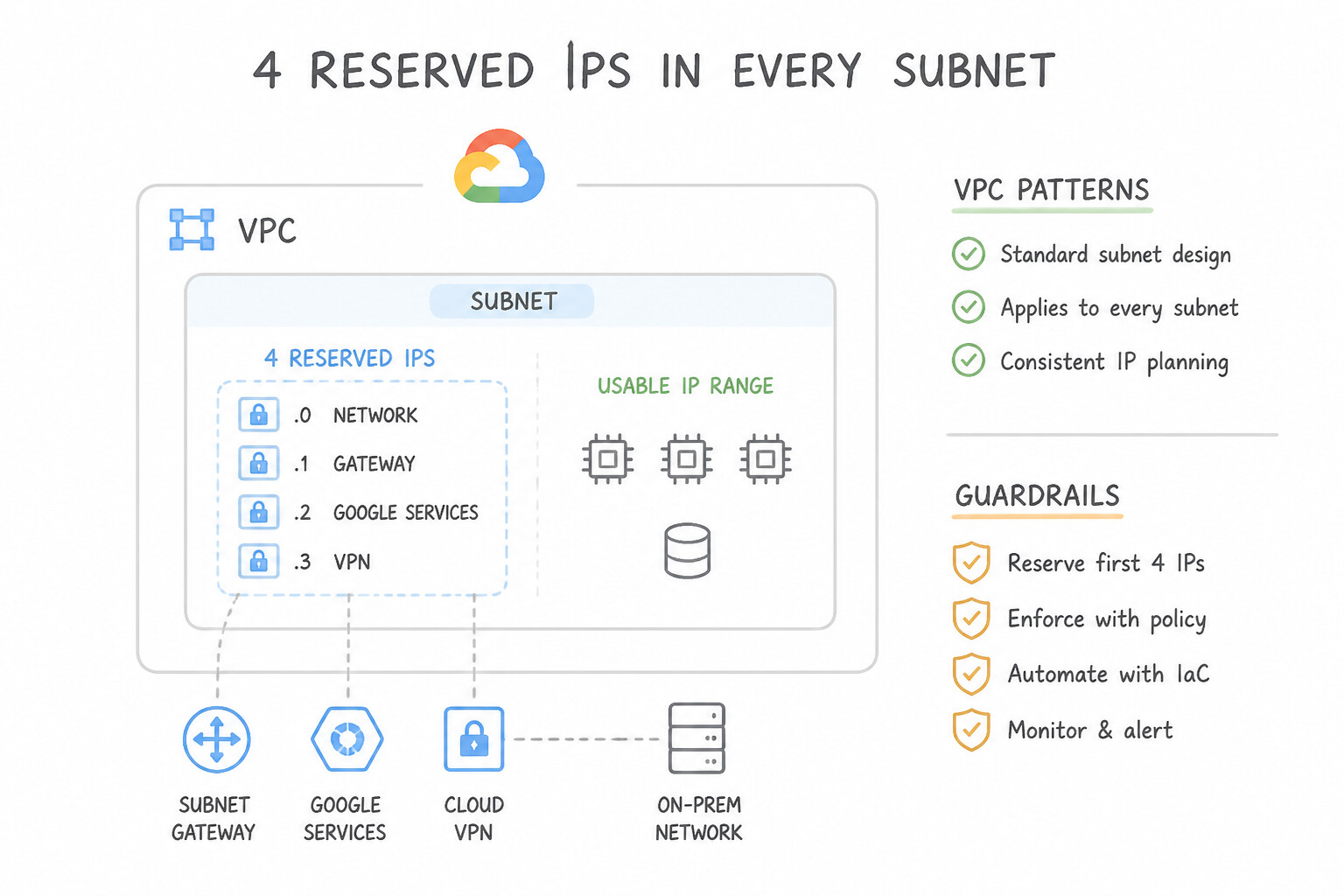
- Consideration 2.3a: Creating vpcs and subnets (custom mode, shared vpc) (Diagrams:
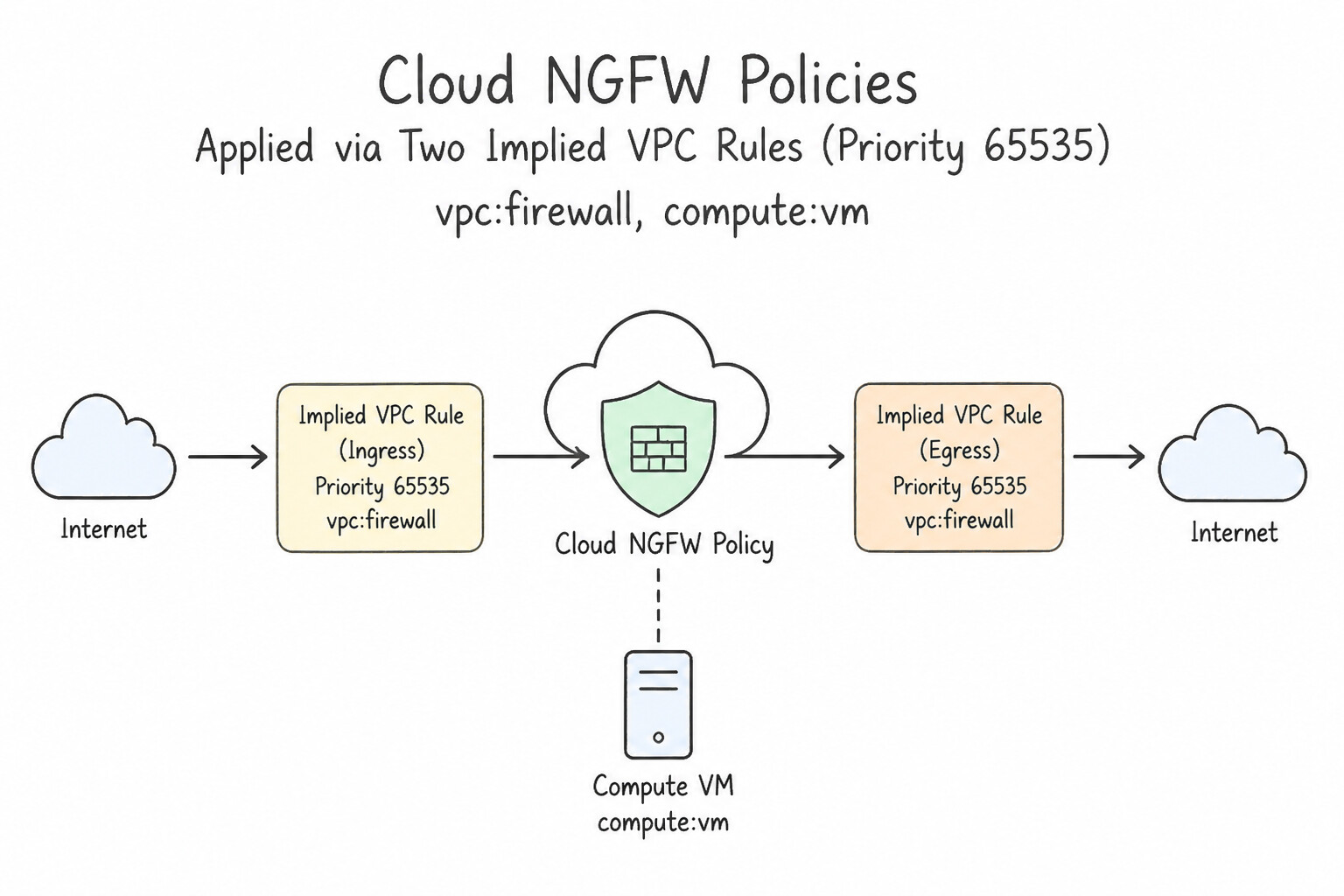
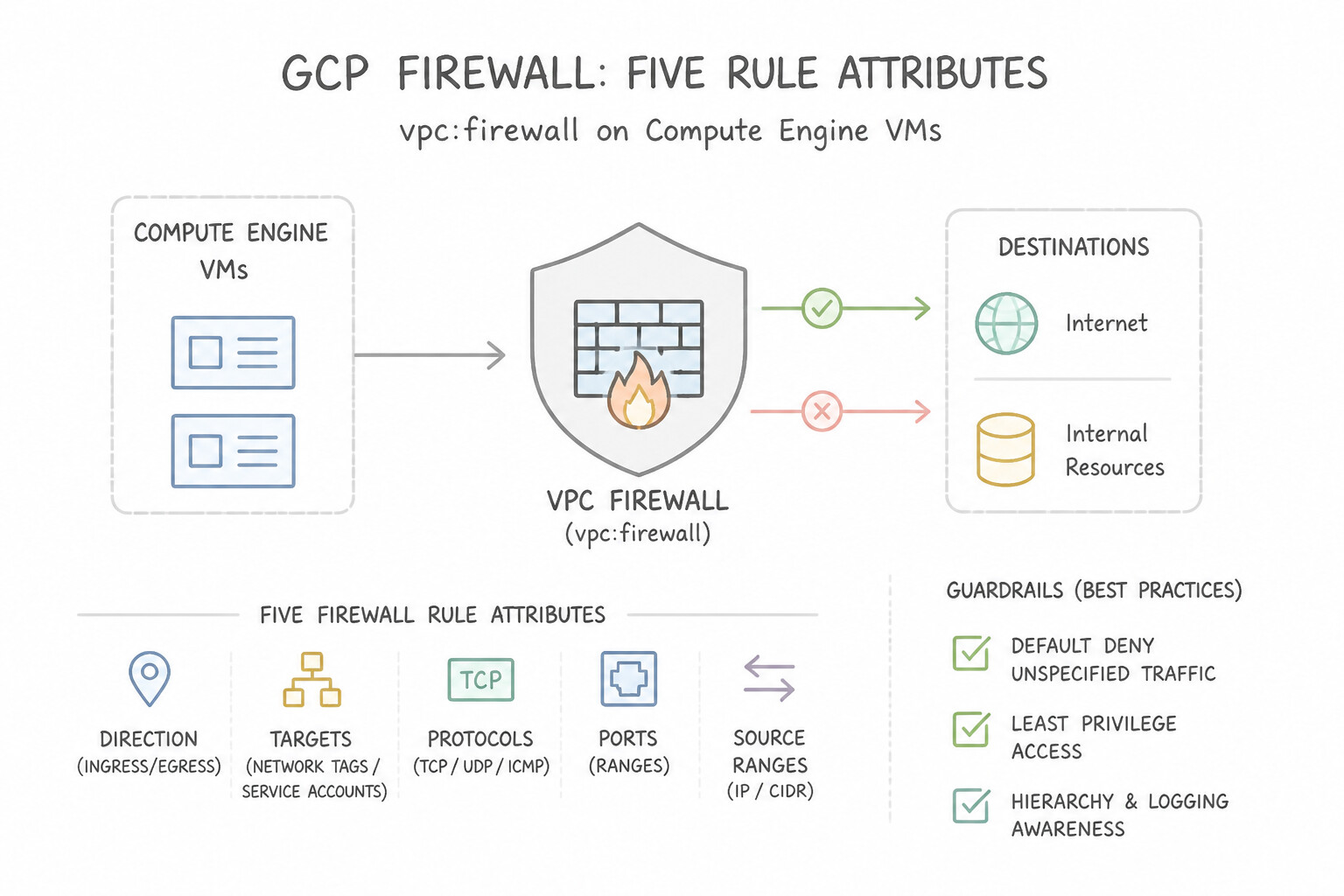
ace-2.3a-1-global-vpc-regional.jpg,ace-2.3a-2-reserved-ips-in-every.jpg) - Consideration 2.3b: Creating and applying cloud ngfw policies with ingress and egress rules (Diagrams:
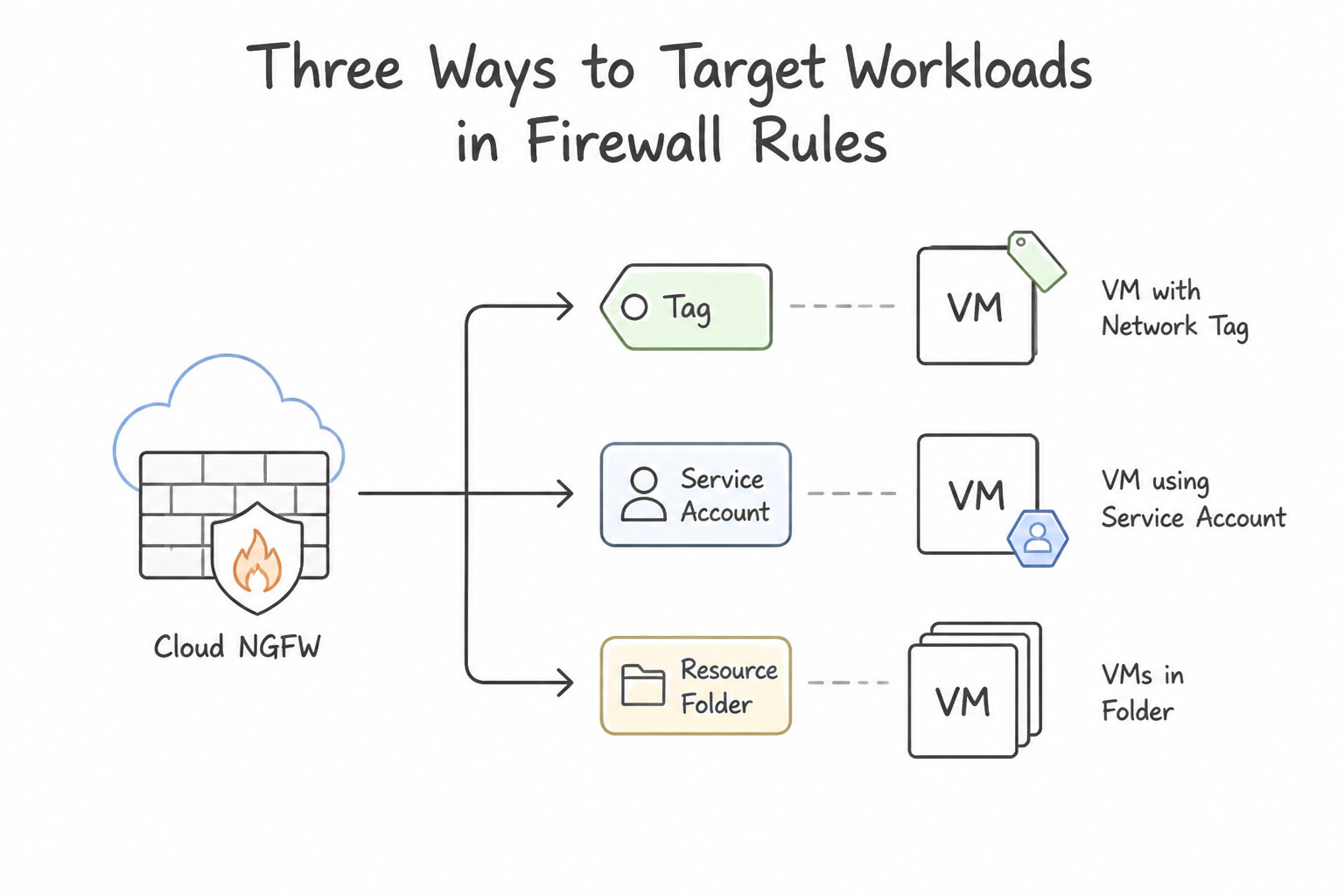
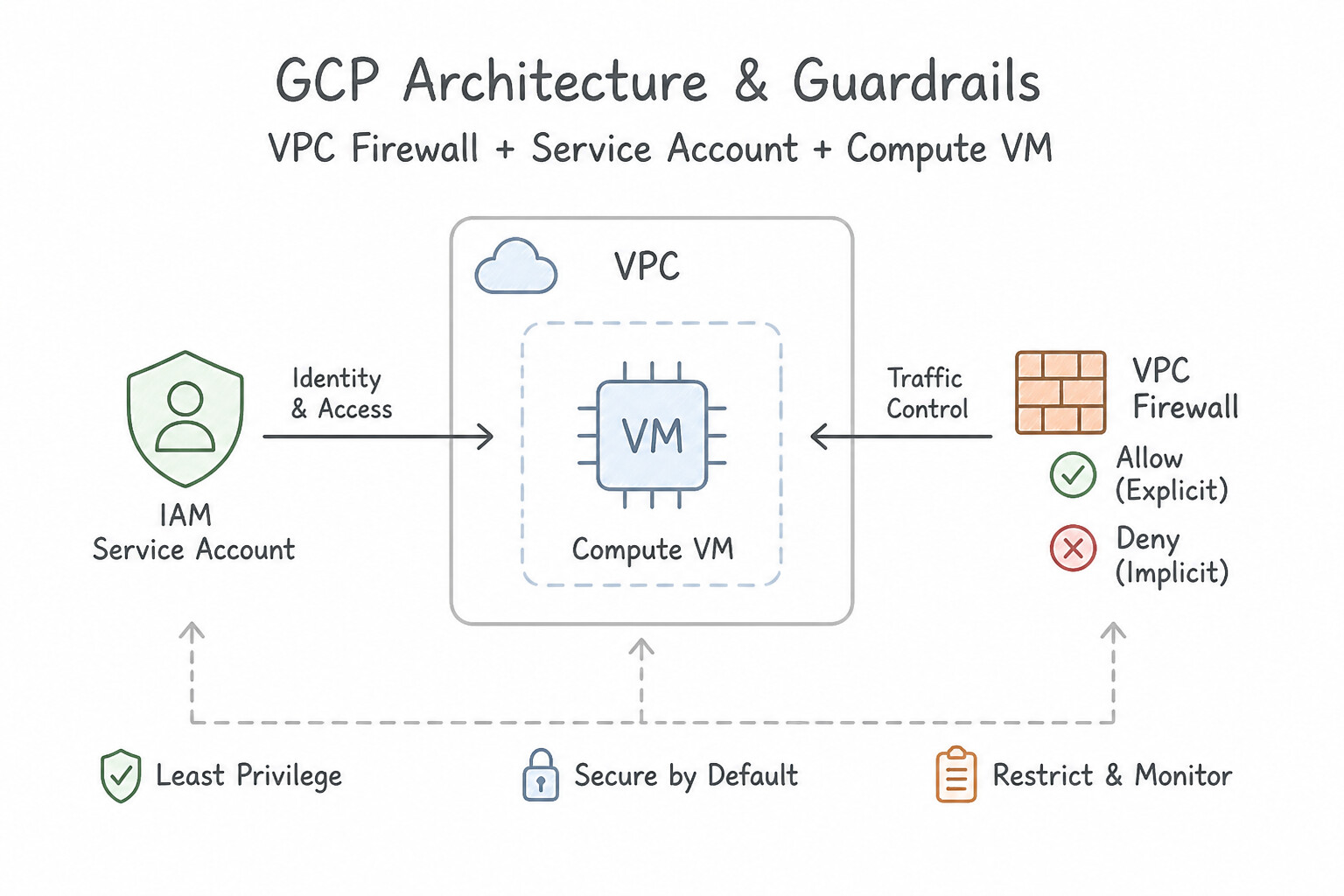
ace-2.3b-1-implied-vpc-priority.jpg,ace-2.3b-2-firewall-attributes-vpc.jpg) - Consideration 2.3c: Using tags and service accounts in cloud ngfw policy rules (Diagrams:
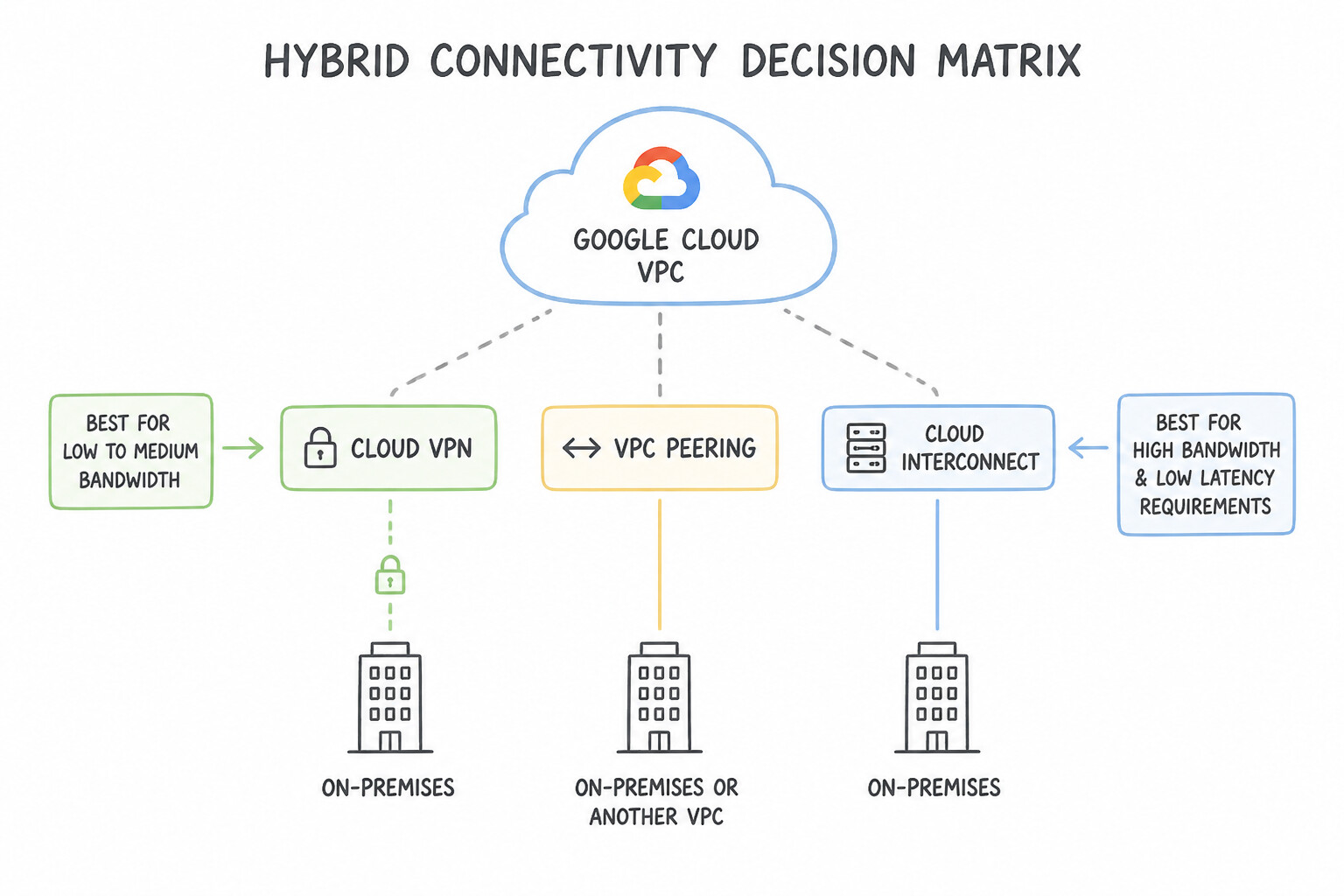
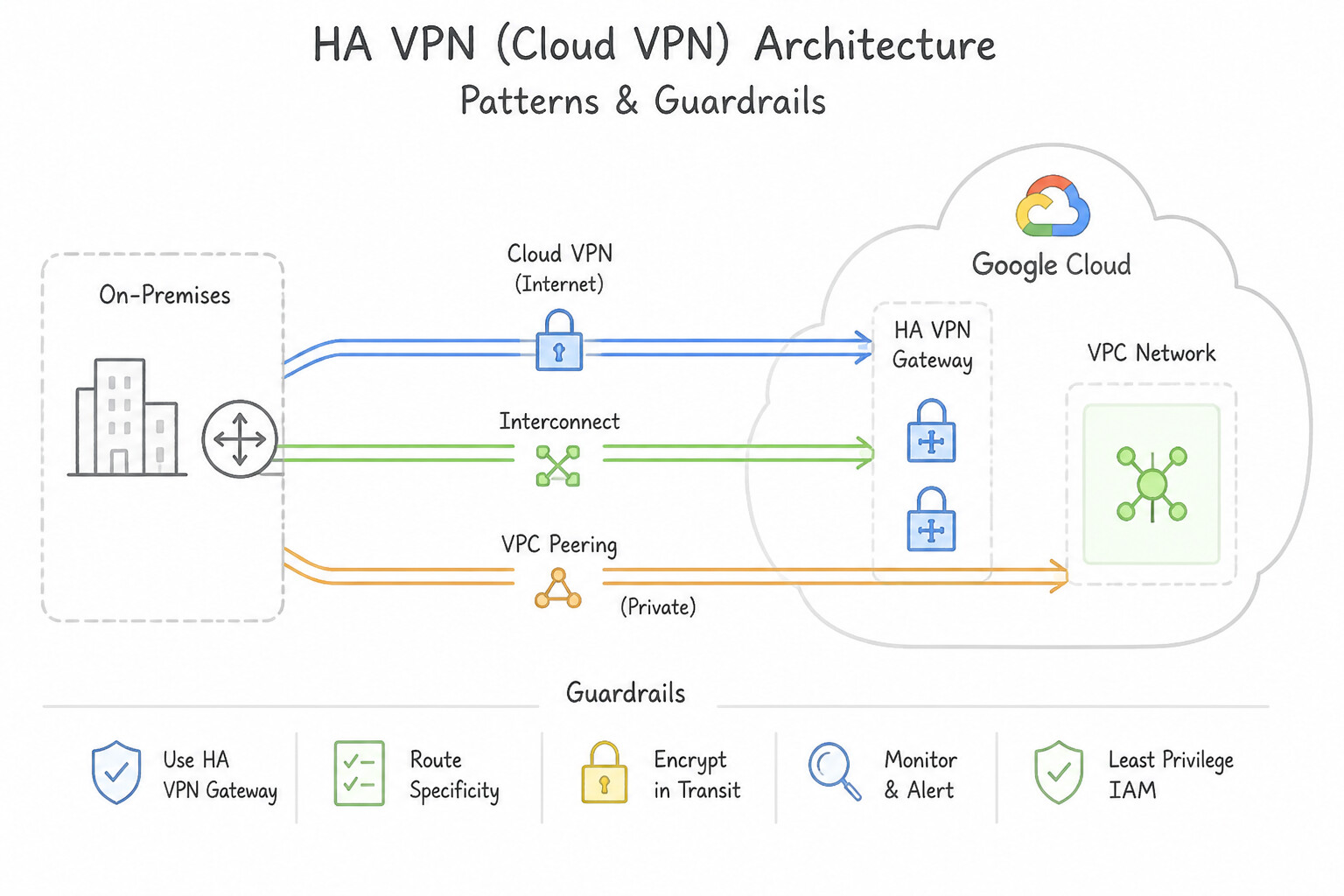
ace-2.3c-1-ways-to-target-workloads.jpg,ace-2.3c-2-vpc-firewall-iam-service.jpg) - Consideration 2.3d: Establishing network connectivity (cloud vpn, vpc peering, cloud interconnect) (Diagrams:
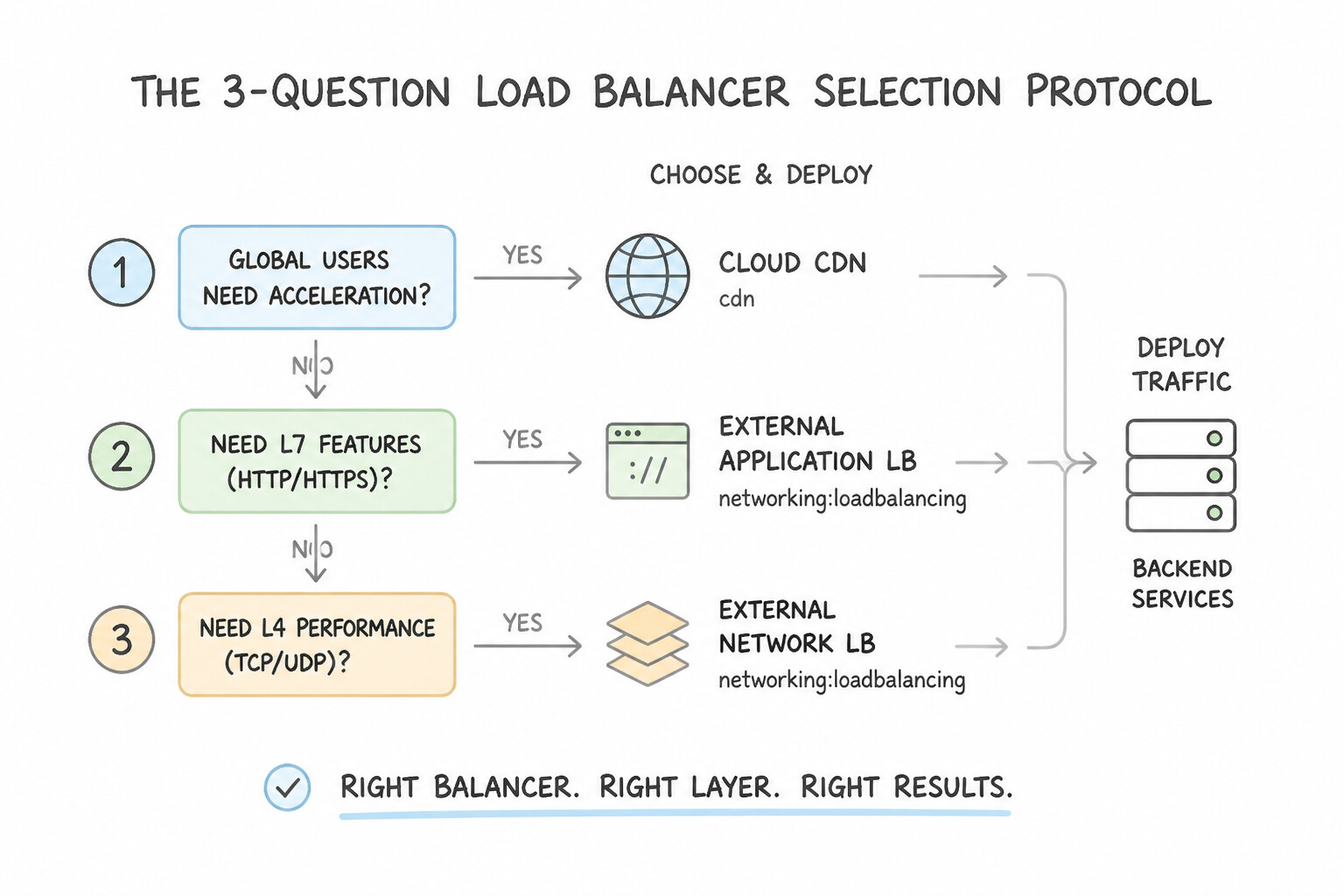
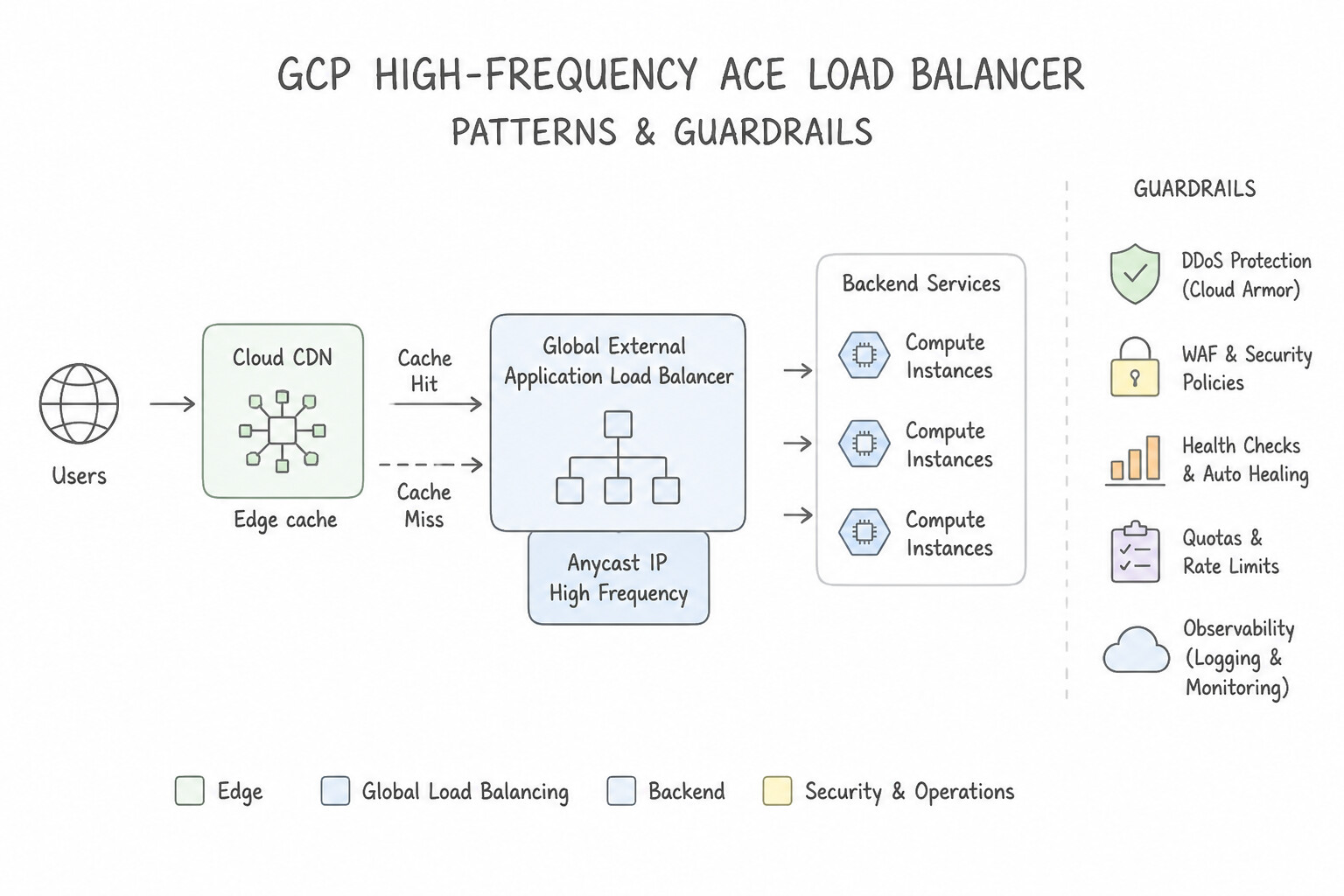
ace-2.3d-1-hybrid-connectivity.jpg,ace-2.3d-2-ha-vpn-vpn-networking.jpg) - Consideration 2.3e: Choosing and deploying load balancers (Diagrams:
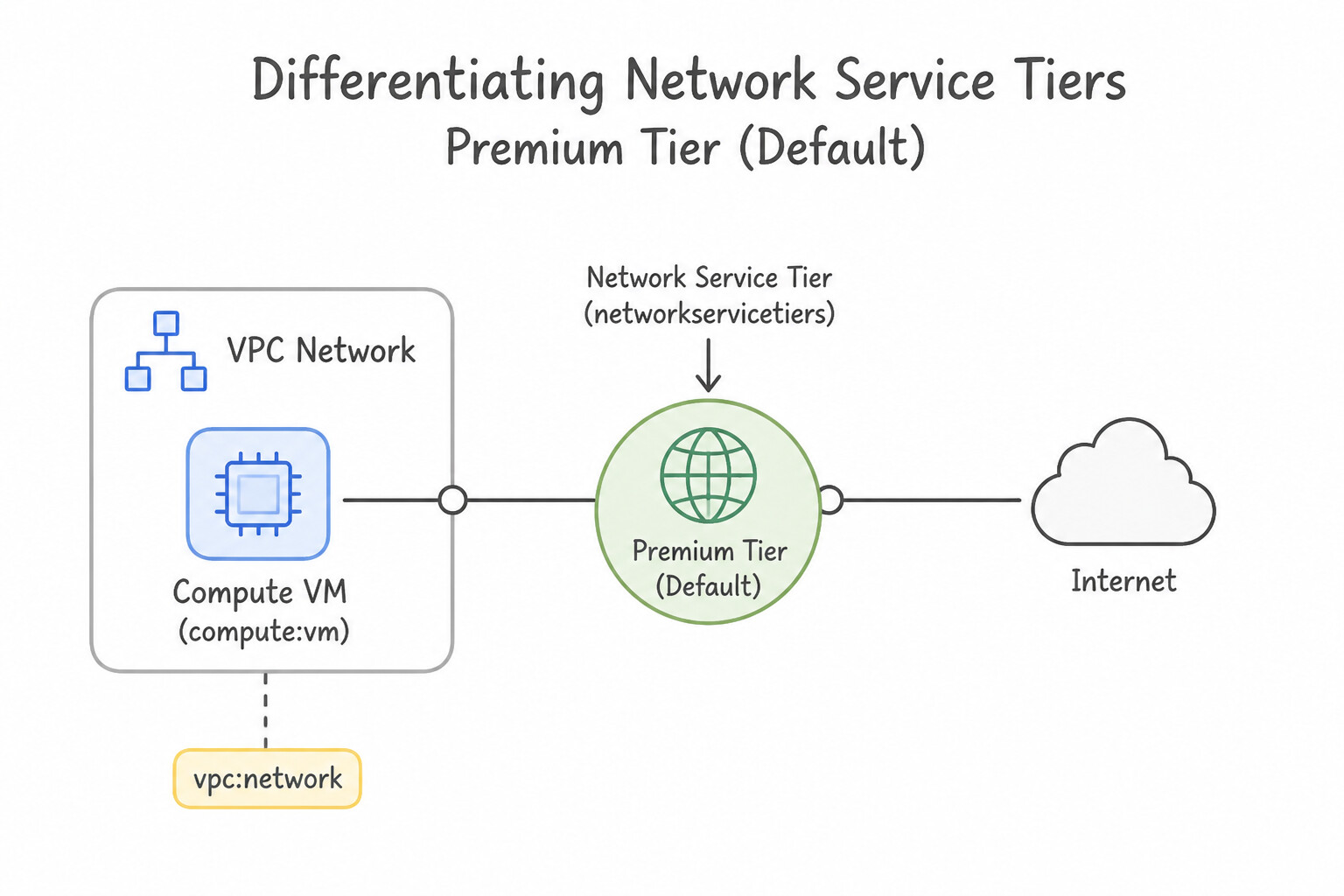
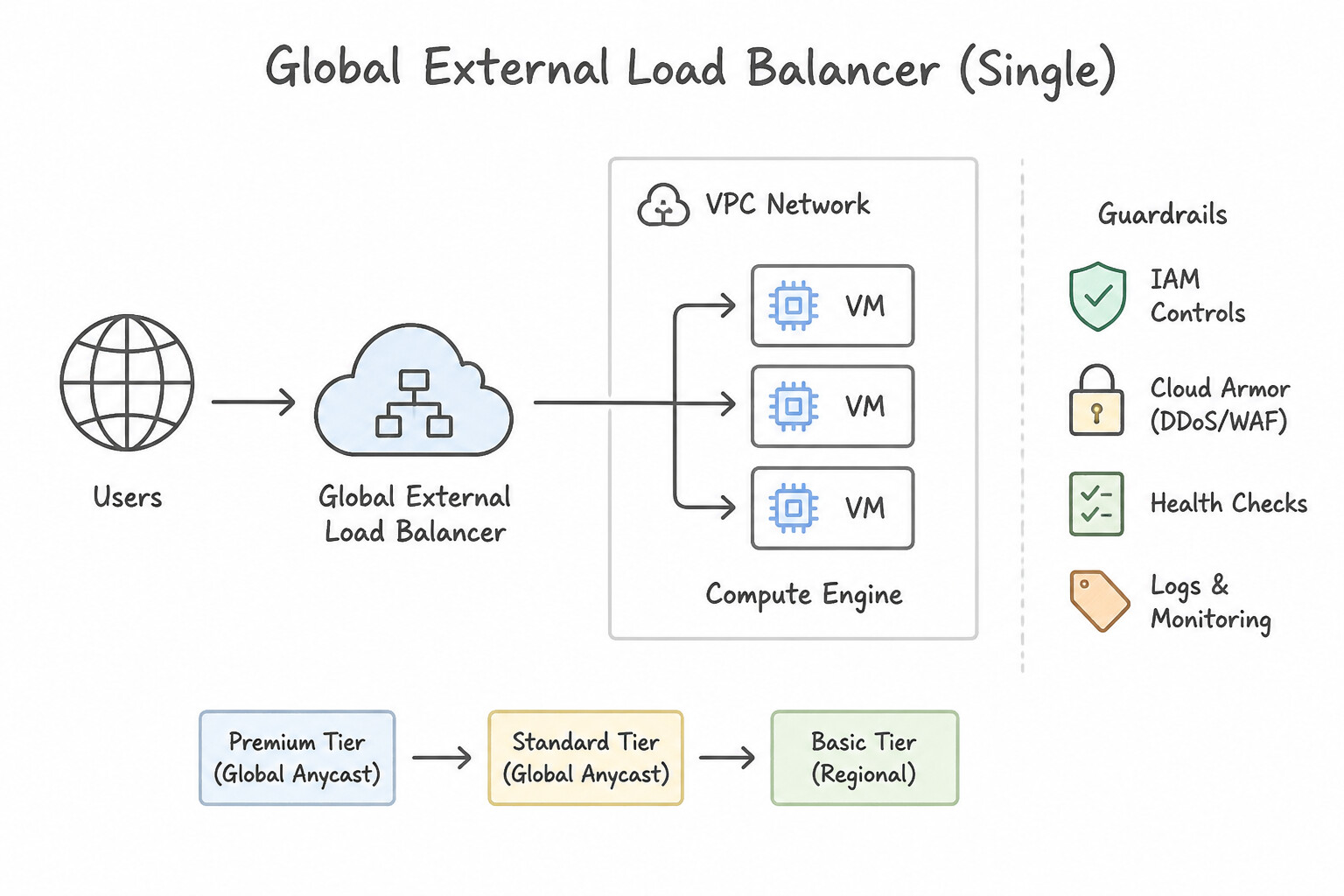
ace-2.3e-1-question-load-balancer.jpg,ace-2.3e-2-ace-load-balancers-load.jpg) - Consideration 2.3f: Differentiating network service tiers (Diagrams:
ace-2.3f-1-premium-tier-default.jpg,ace-2.3f-2-required-network-service.jpg) - Quick Decision Cheat Sheet (Subsection 2.3)
- Subsection 2.4: Planning and Implementing Resources Using Tooling (Section 2: Planning and Implementing a Cloud Solution)
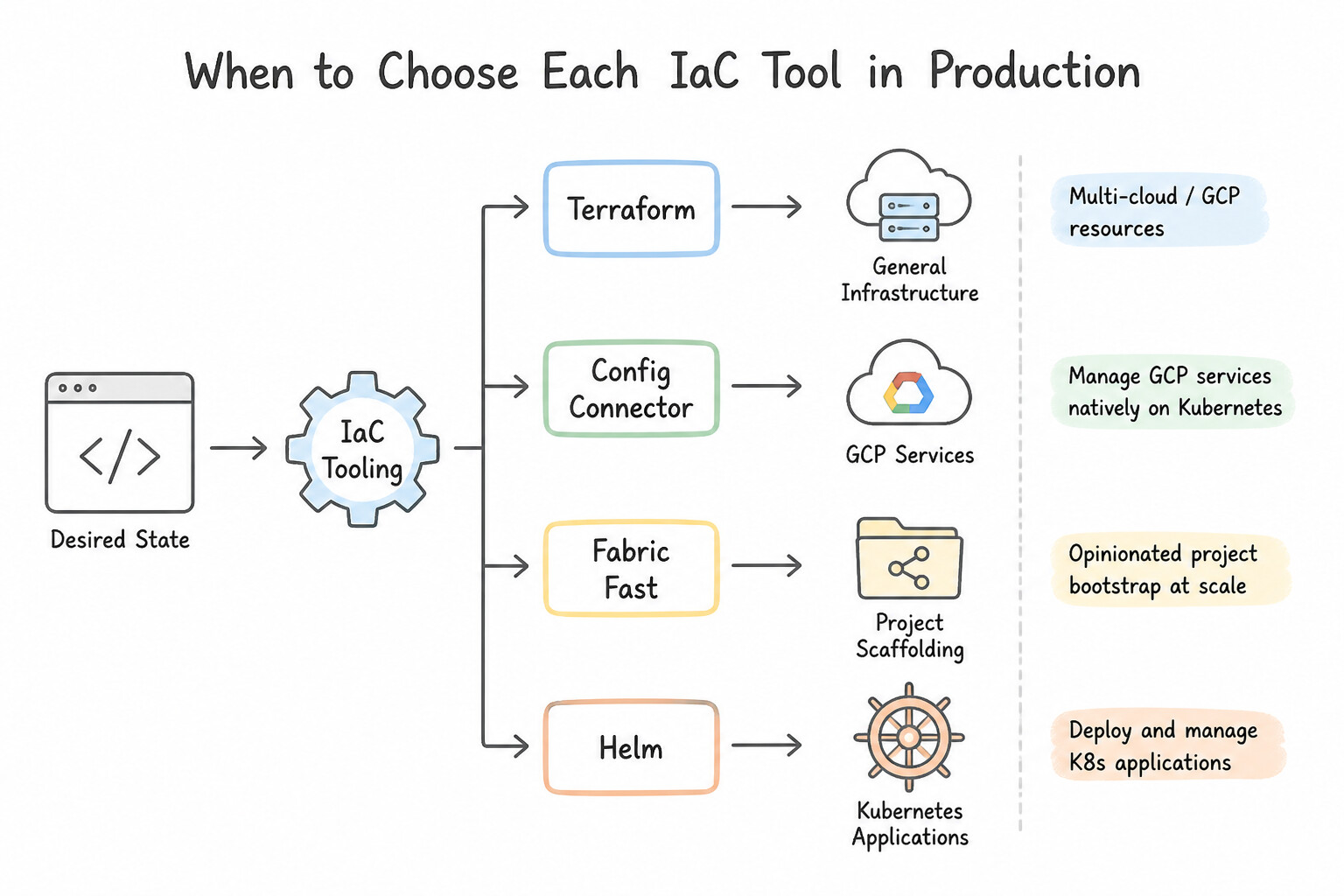
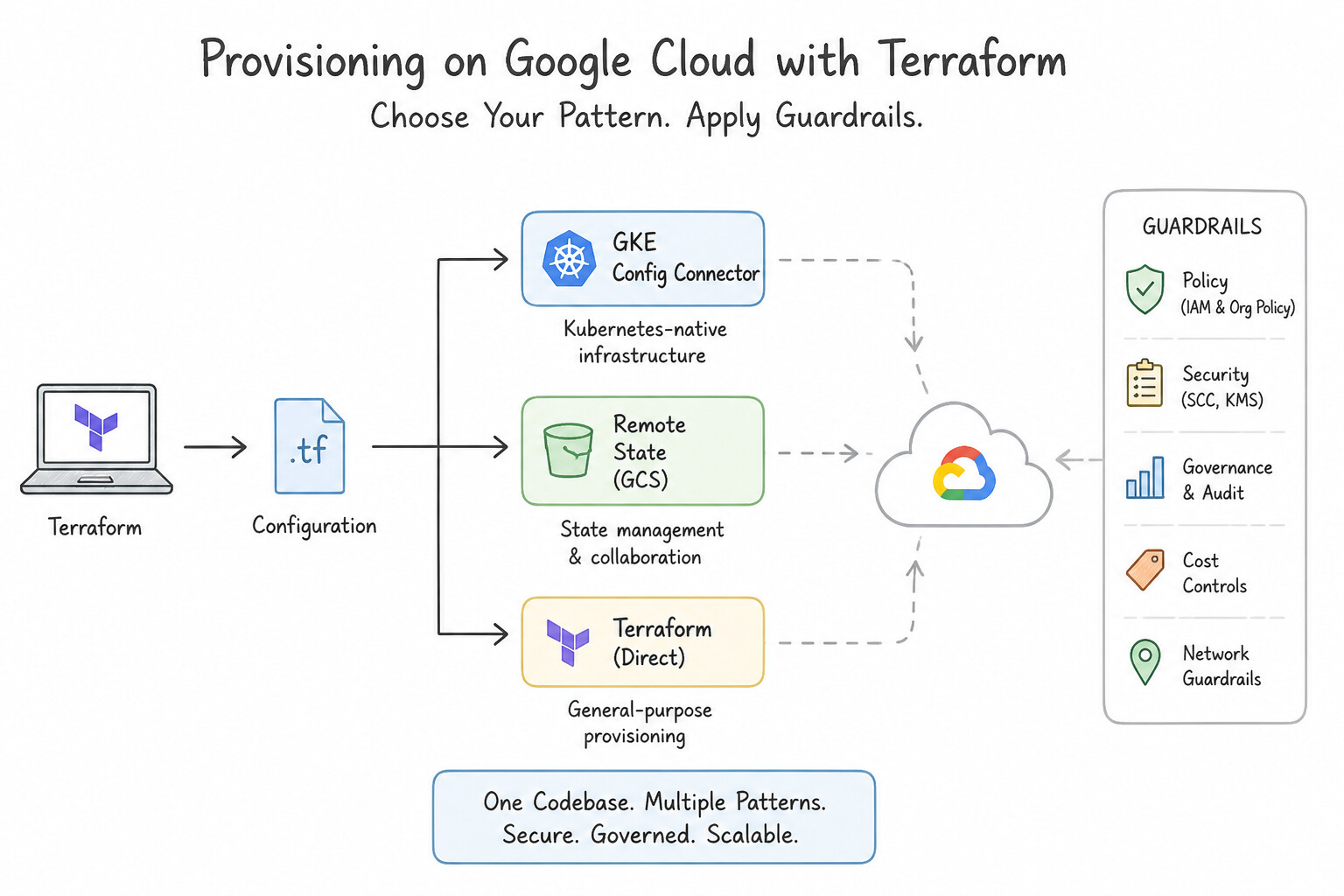
- Consideration 2.4a: Using infrastructure as code tooling (fabric fast, config connector, terraform, helm) (Diagrams:
ace-2.4a-1-to-choose-each-iac.jpg,ace-2.4a-2-terraform-terraform.jpg) - Consideration 2.4b: Planning and executing iac deployments including versioning, state management, and updates (Diagrams:
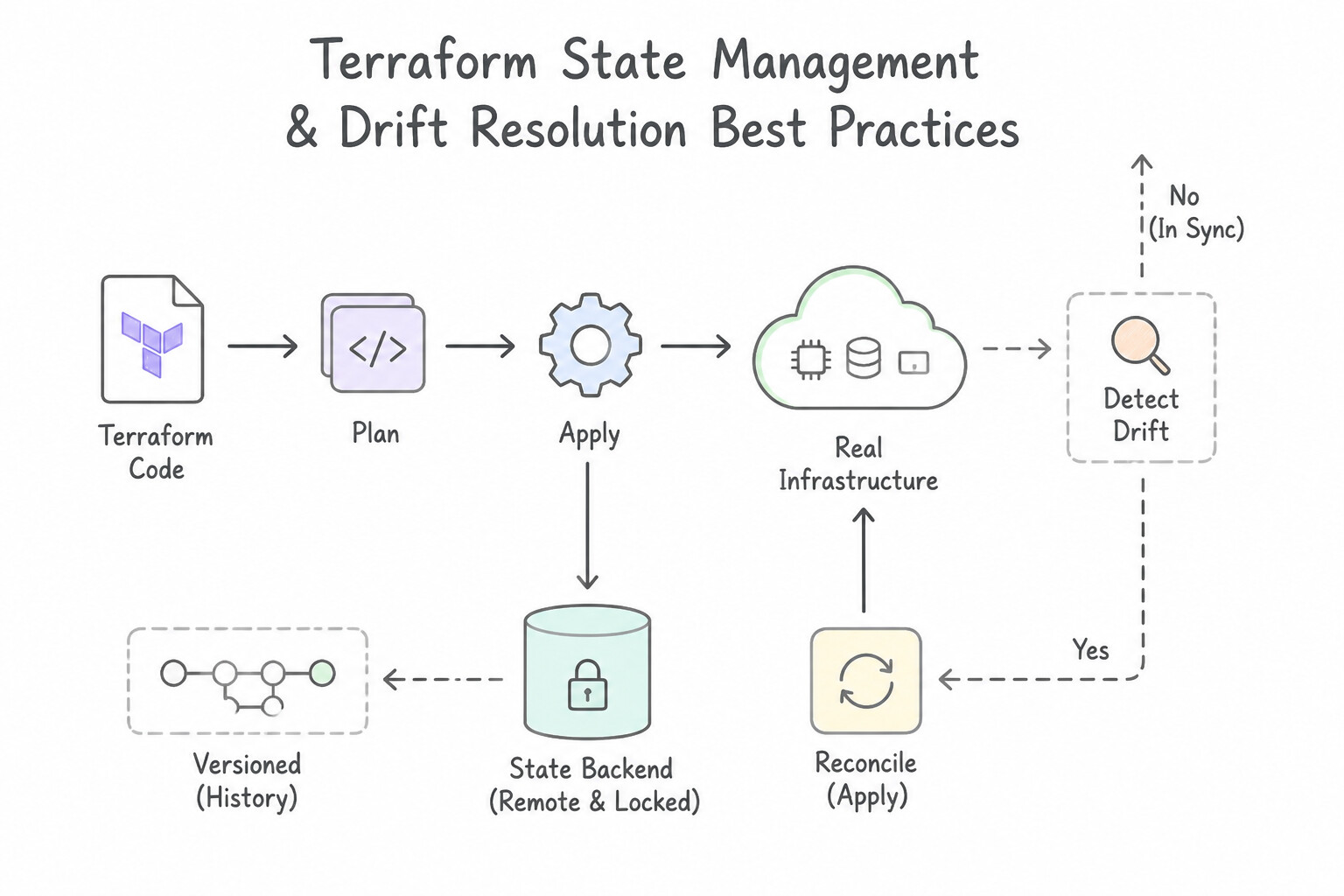
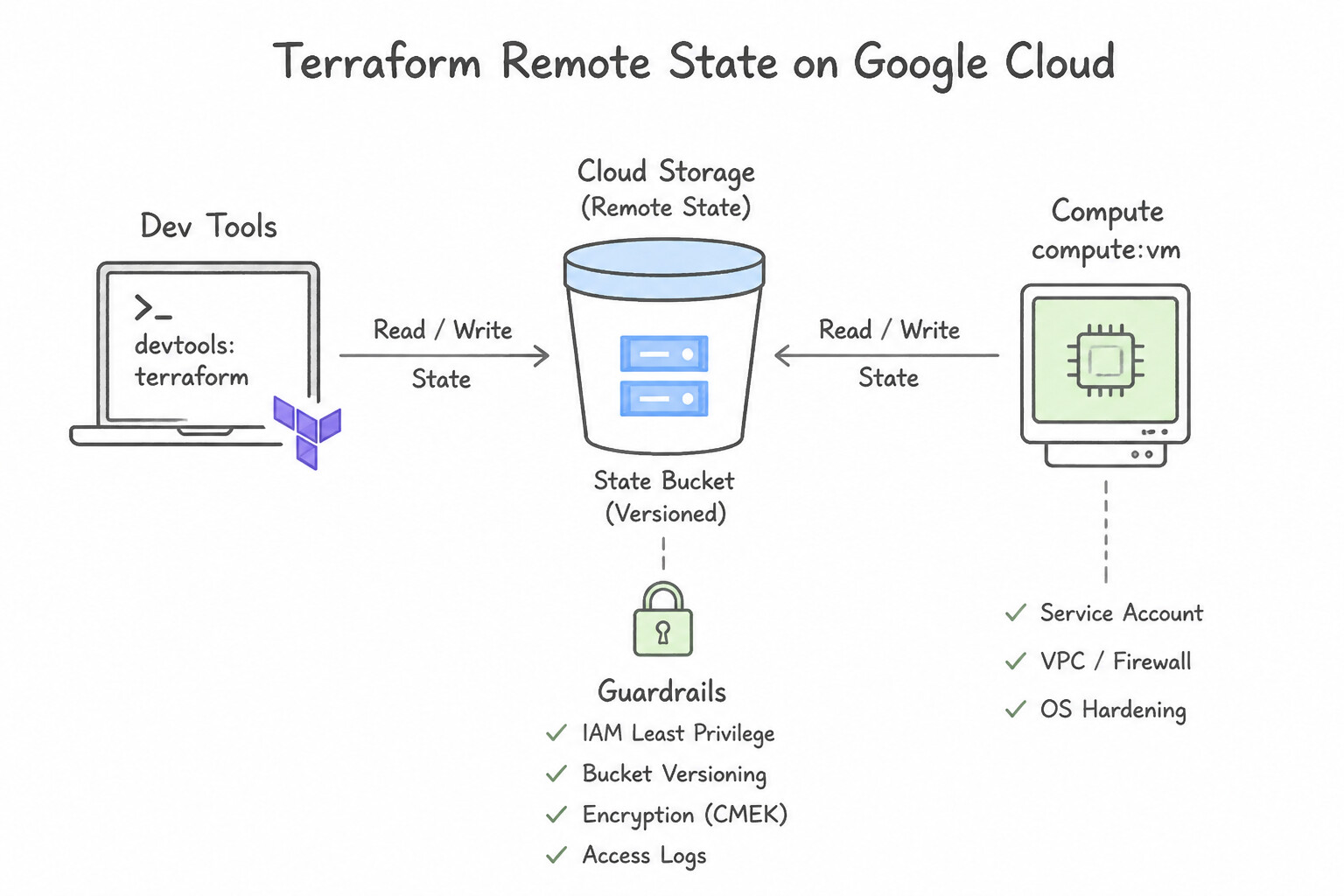
ace-2.4b-1-terraform-state.jpg,ace-2.4b-2-remote-state-in-storage.jpg) - Quick Decision Cheat Sheet (Subsection 2.4)
Chapter 4: Operating & Scaling Compute Engine, MIGs, GKE Workloads & Cloud Run
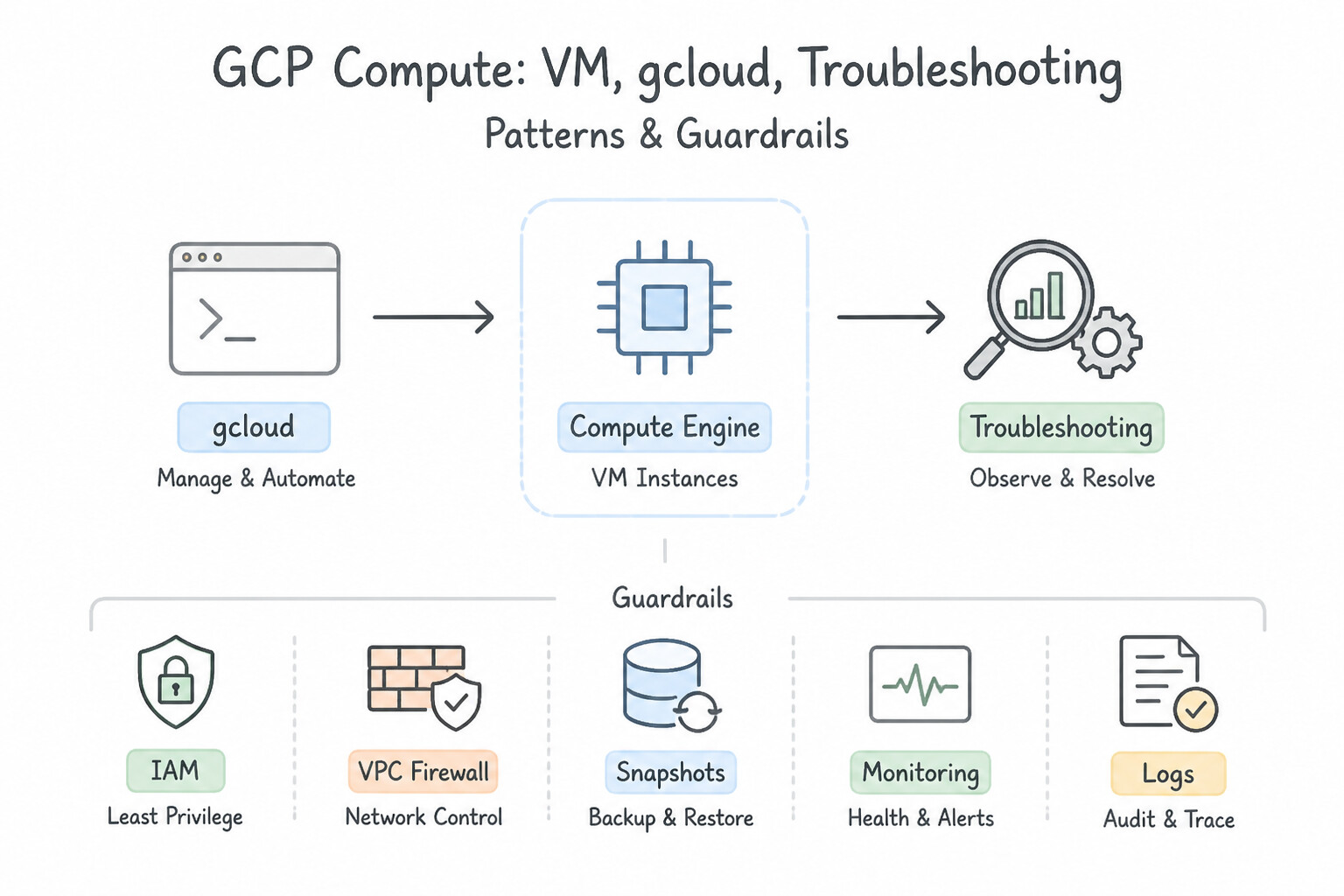
- Subsection 3.1: Managing Compute Resources (Section 3: Ensuring the Successful Operation of a Cloud Solution)
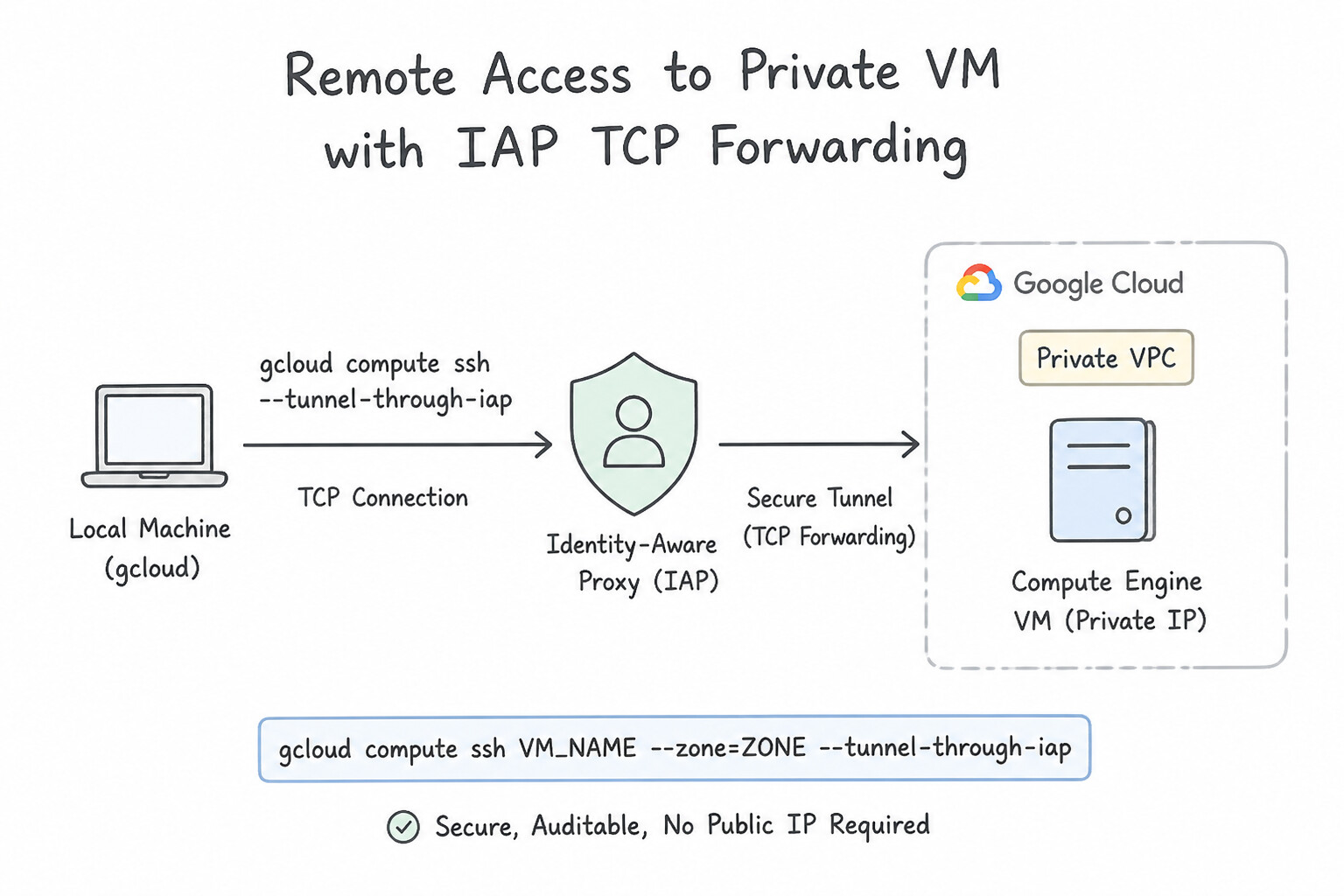
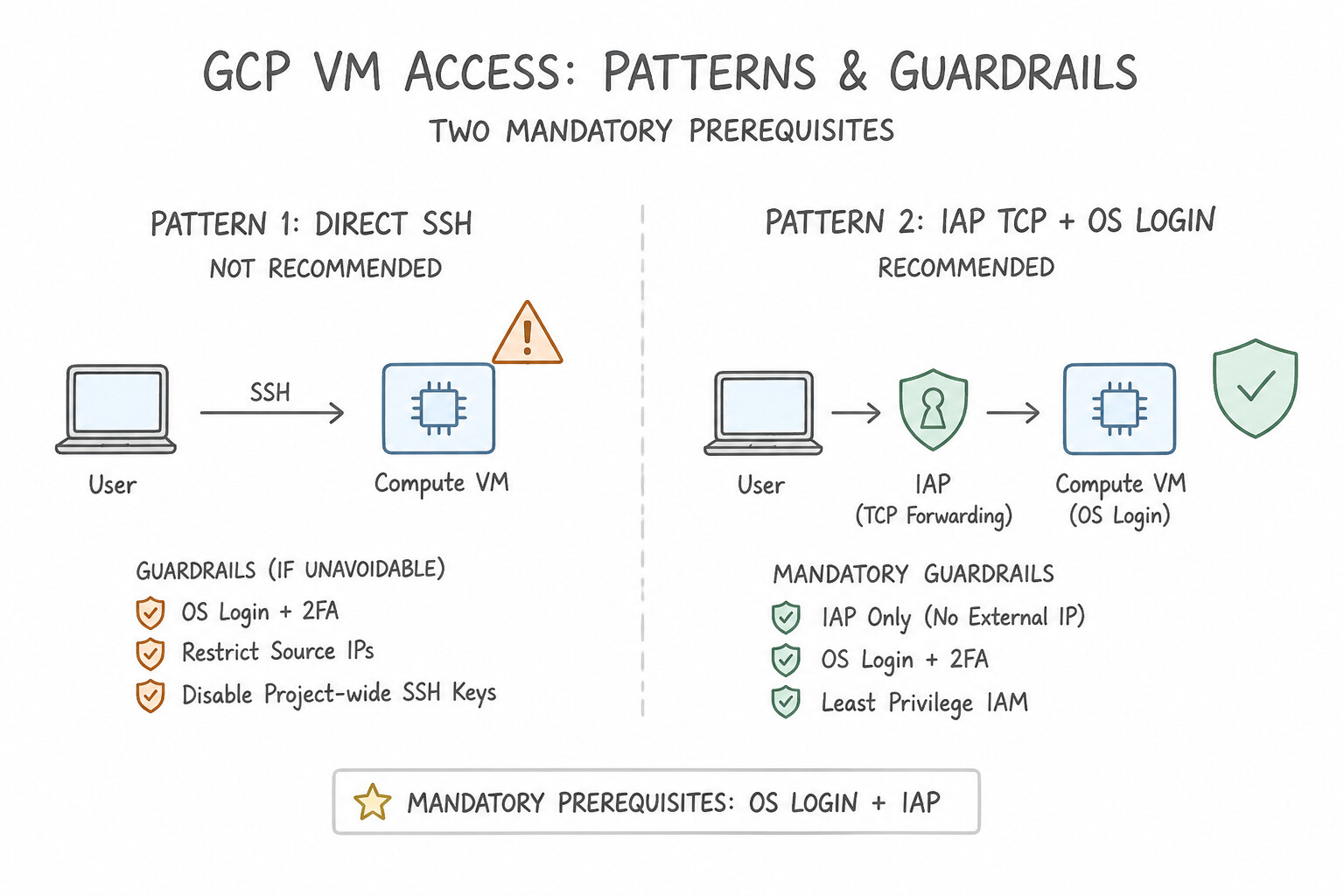
- Consideration 3.1a: Remotely connecting to compute engine instances (Diagrams:
ace-3.1a-1-iap-tcp-forwarding-tunnel.jpg,ace-3.1a-2-mandatory-prerequisites.jpg) - Consideration 3.1b: Viewing running compute engine instances (Diagrams:
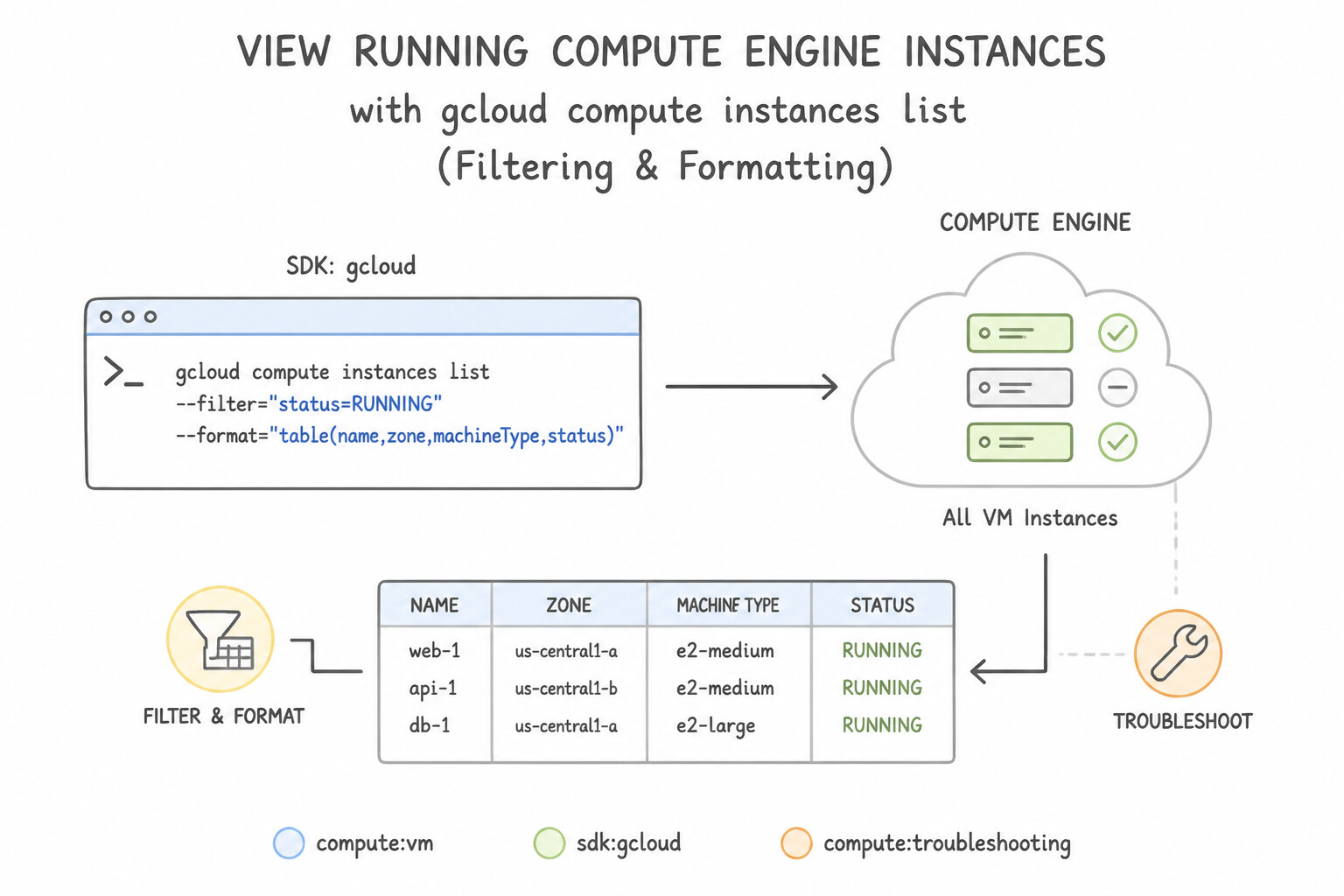
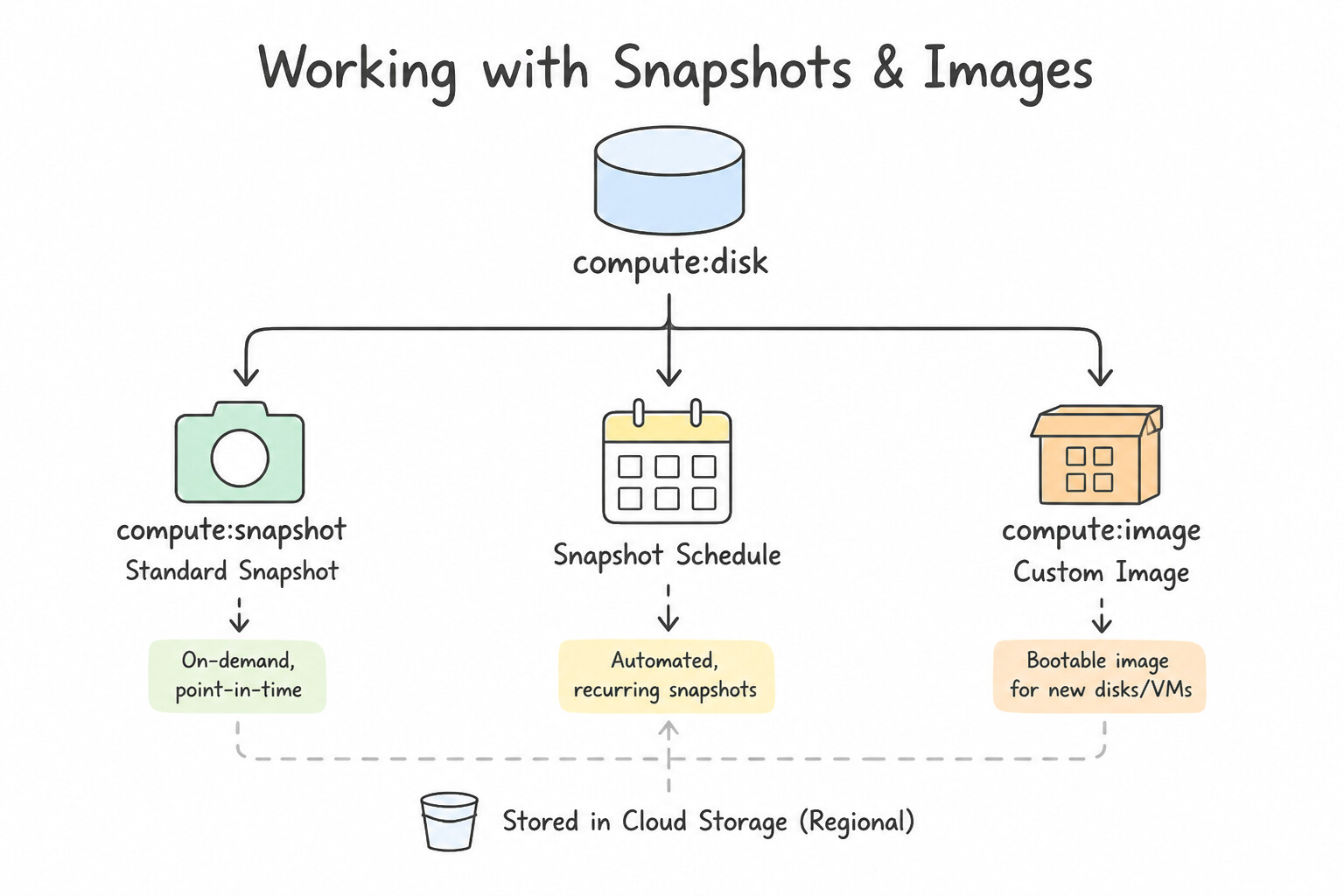
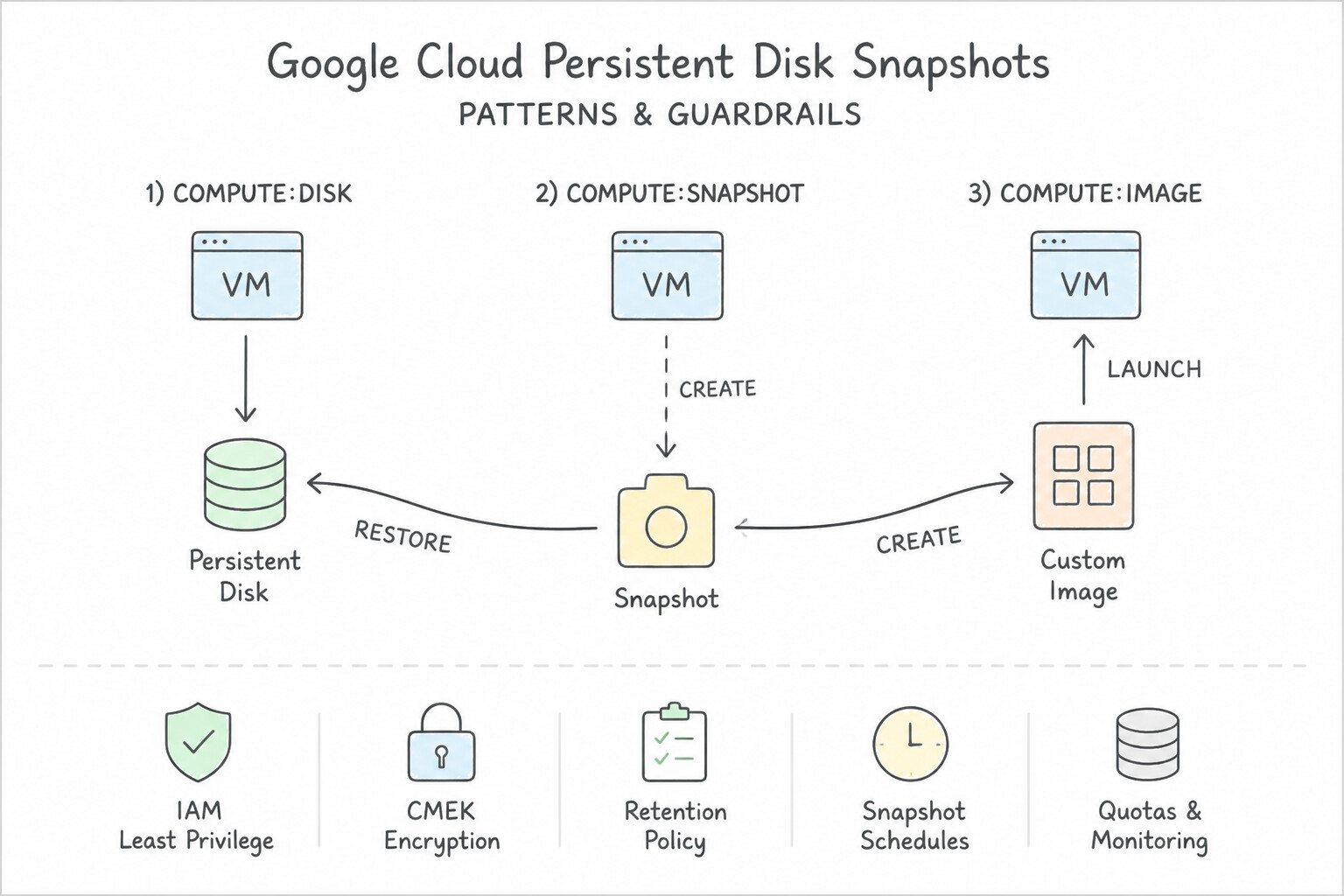
ace-3.1b-1-mastering-gcloud-compute.jpg,ace-3.1b-2-compute-vm-sdk-gcloud.jpg) - Consideration 3.1c: Working with snapshots and images (Diagrams:
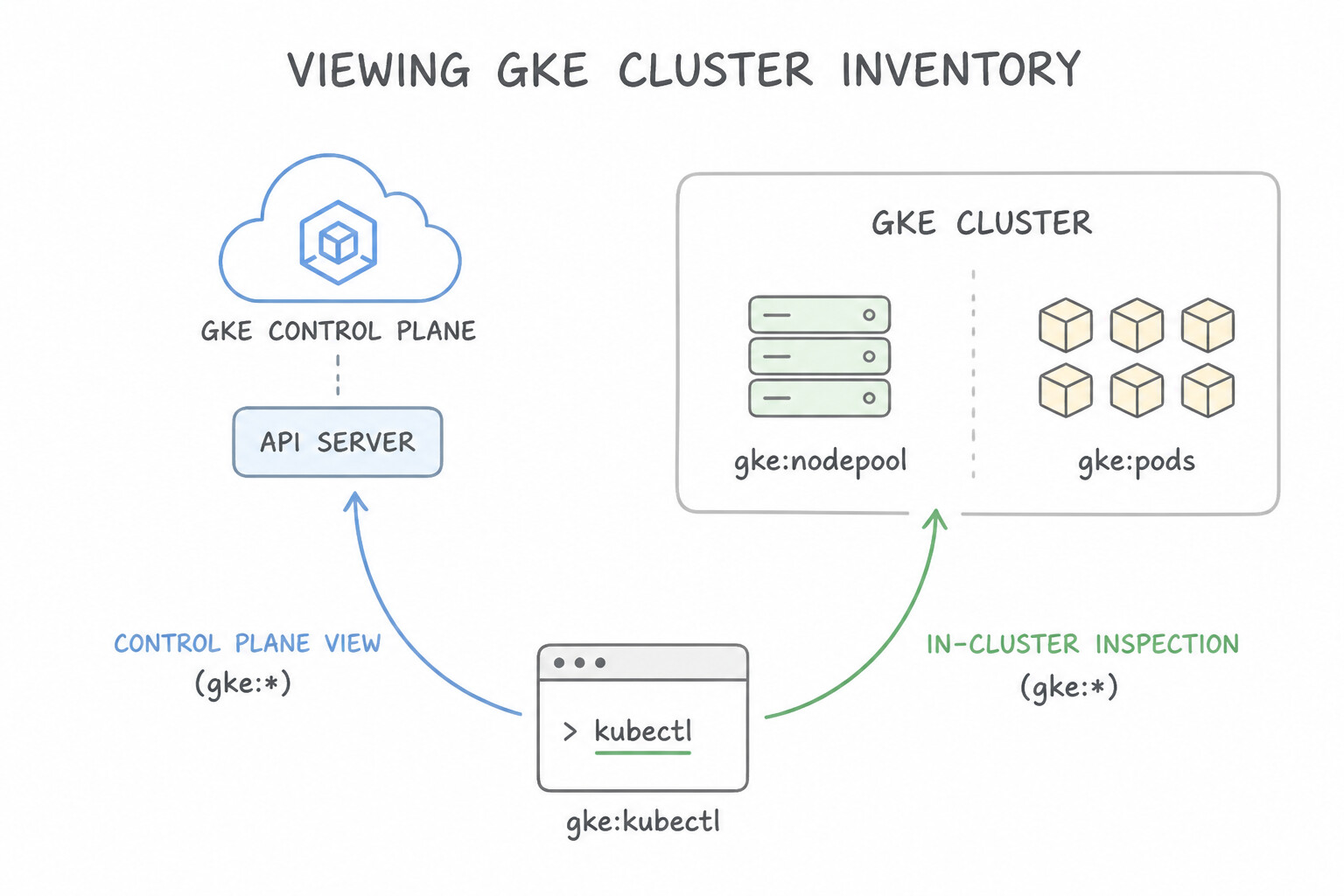
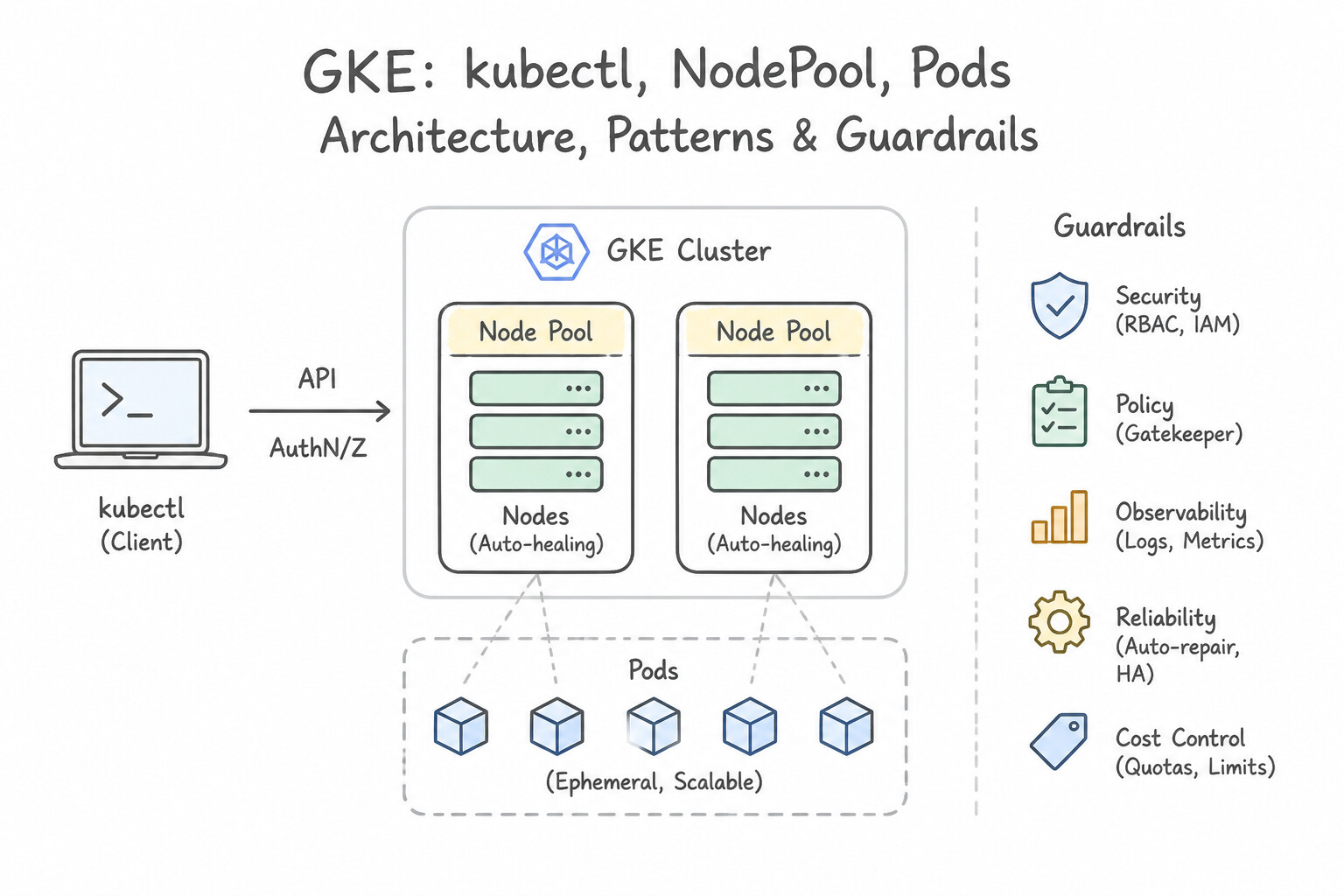
ace-3.1c-1-standard-snapshots-vs.jpg,ace-3.1c-2-persistent-disk-snapshots.jpg) - Consideration 3.1d: Viewing gke cluster inventory (Diagrams:
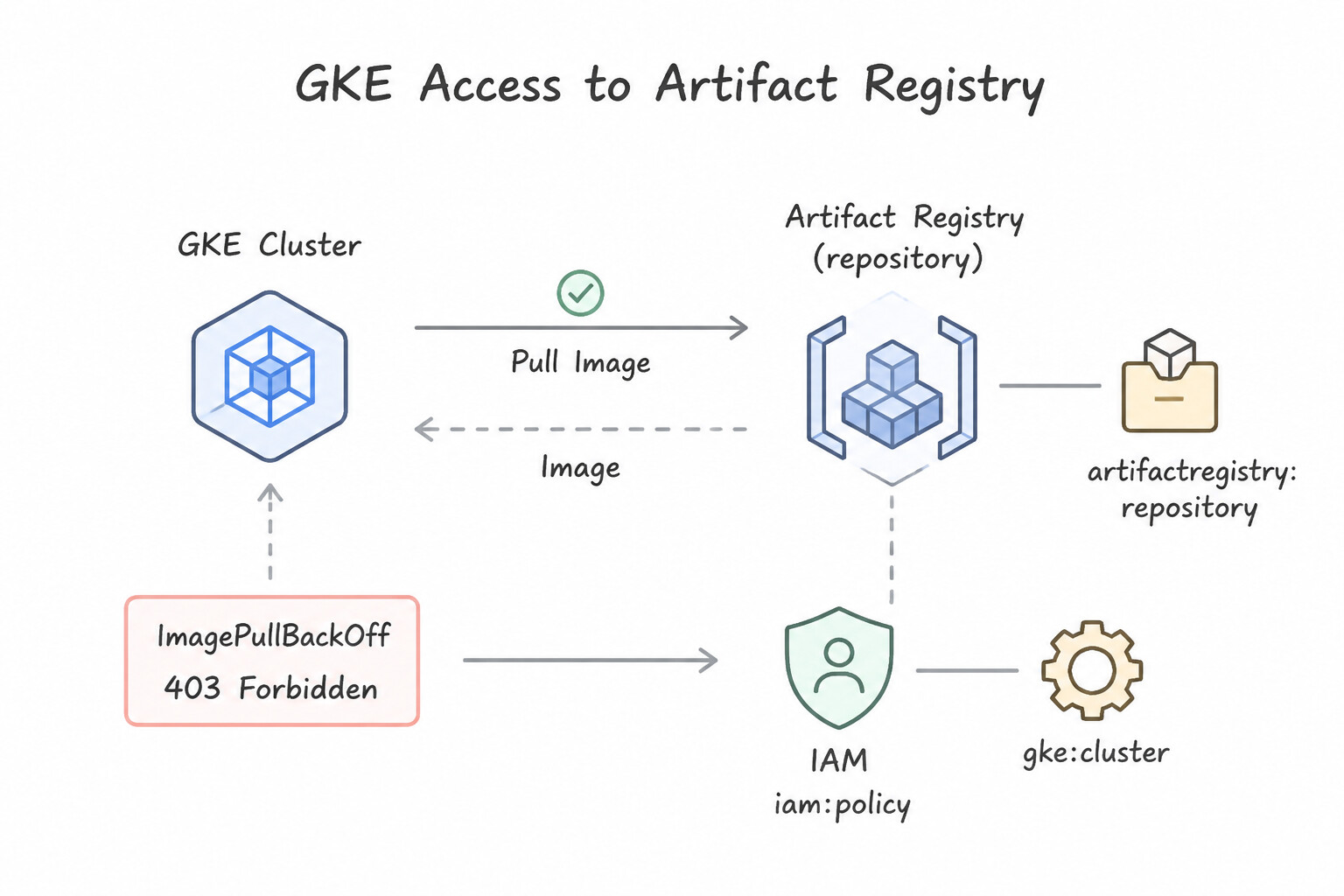
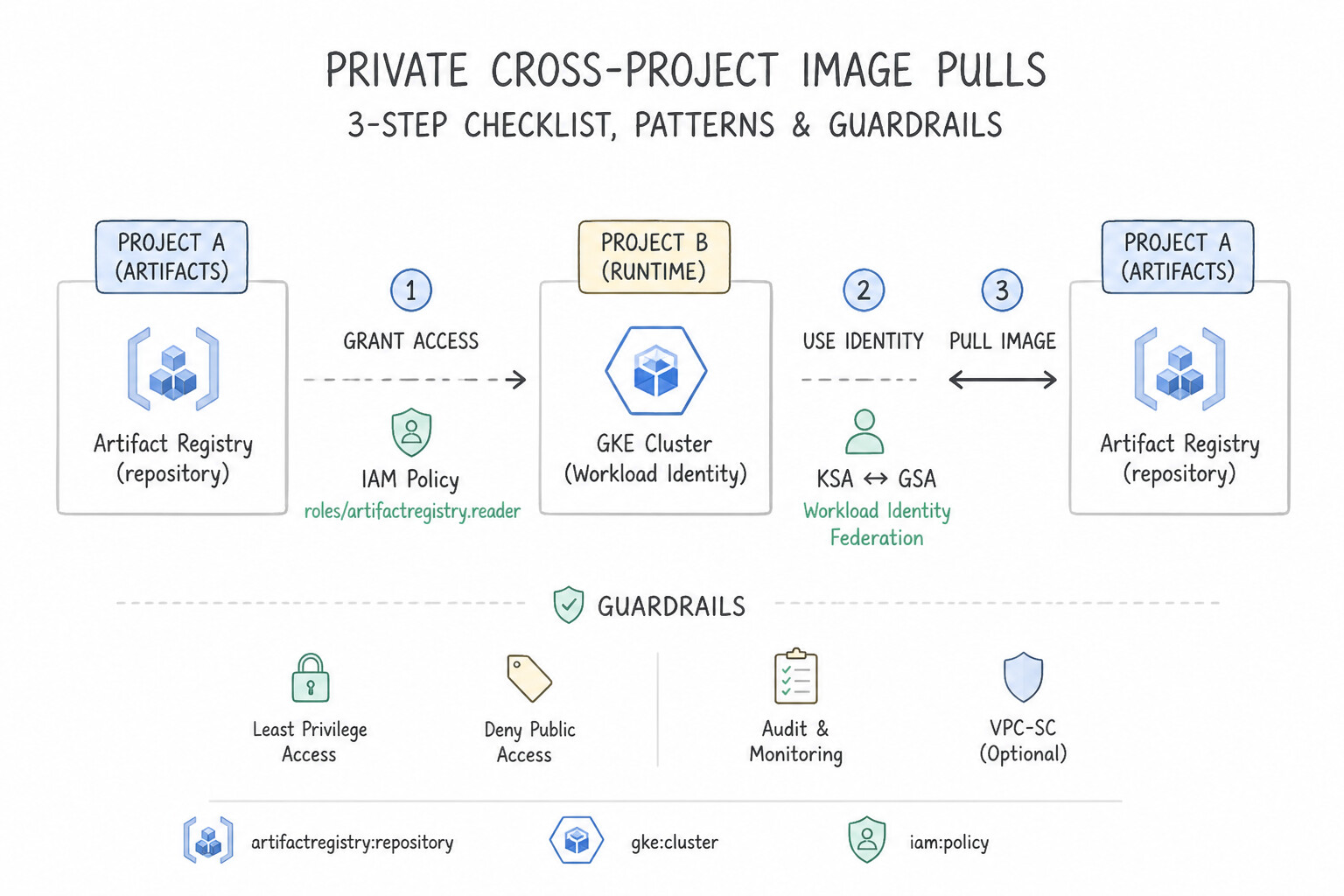
ace-3.1d-1-control-plane-vs-in.jpg,ace-3.1d-2-gke-kubectl-gke-node.jpg) - Consideration 3.1e: Configuring gke access to artifact registry (Diagrams:
ace-3.1e-1-resolving.jpg,ace-3.1e-2-step-checklist-private.jpg) - Consideration 3.1f: Managing gke node pools and autoscaling (Diagrams:
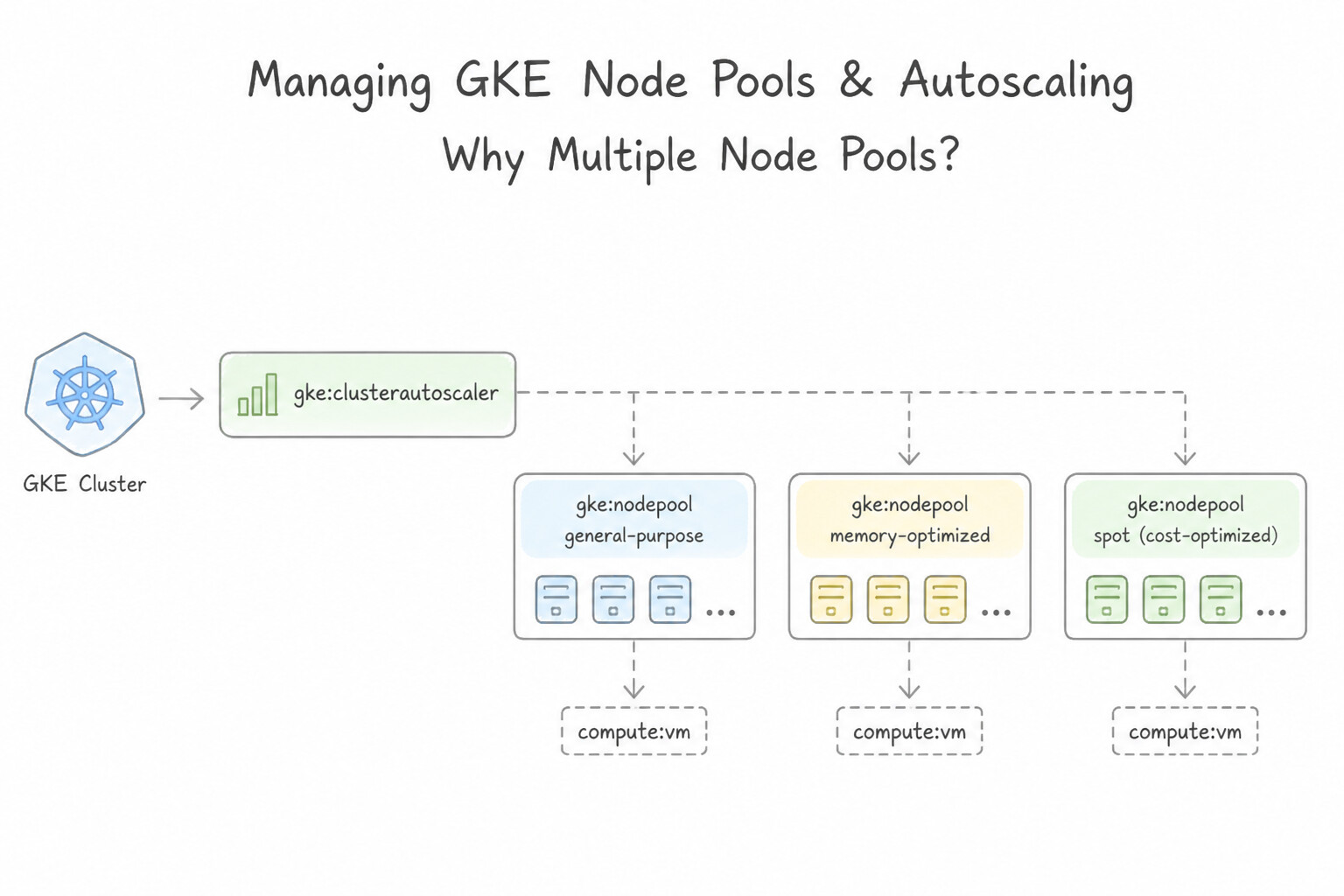
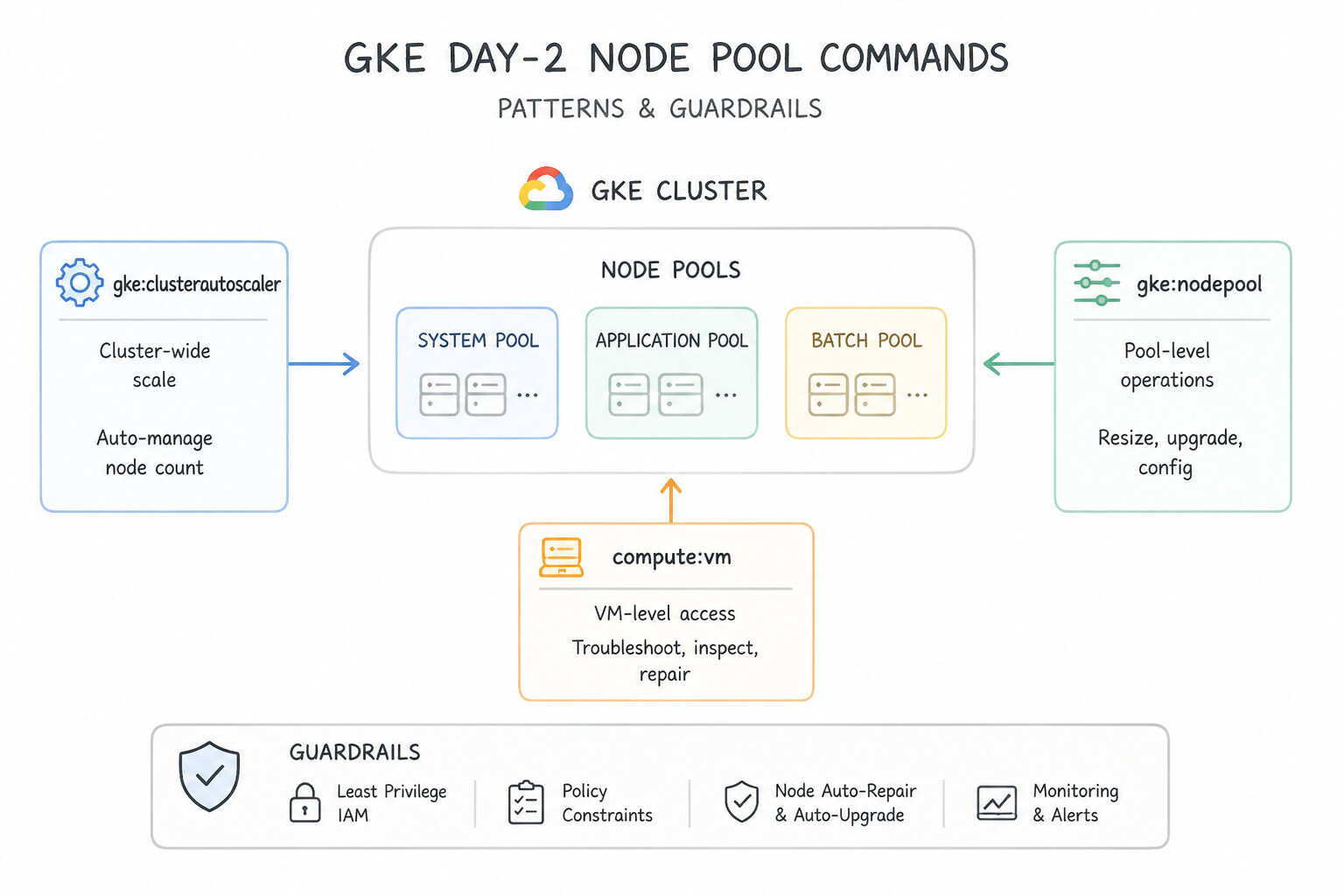
ace-3.1f-1-multiple-node-pools-gke.jpg,ace-3.1f-2-day-node-pool-commands.jpg) - Consideration 3.1g: Working with kubernetes resources (Diagrams:
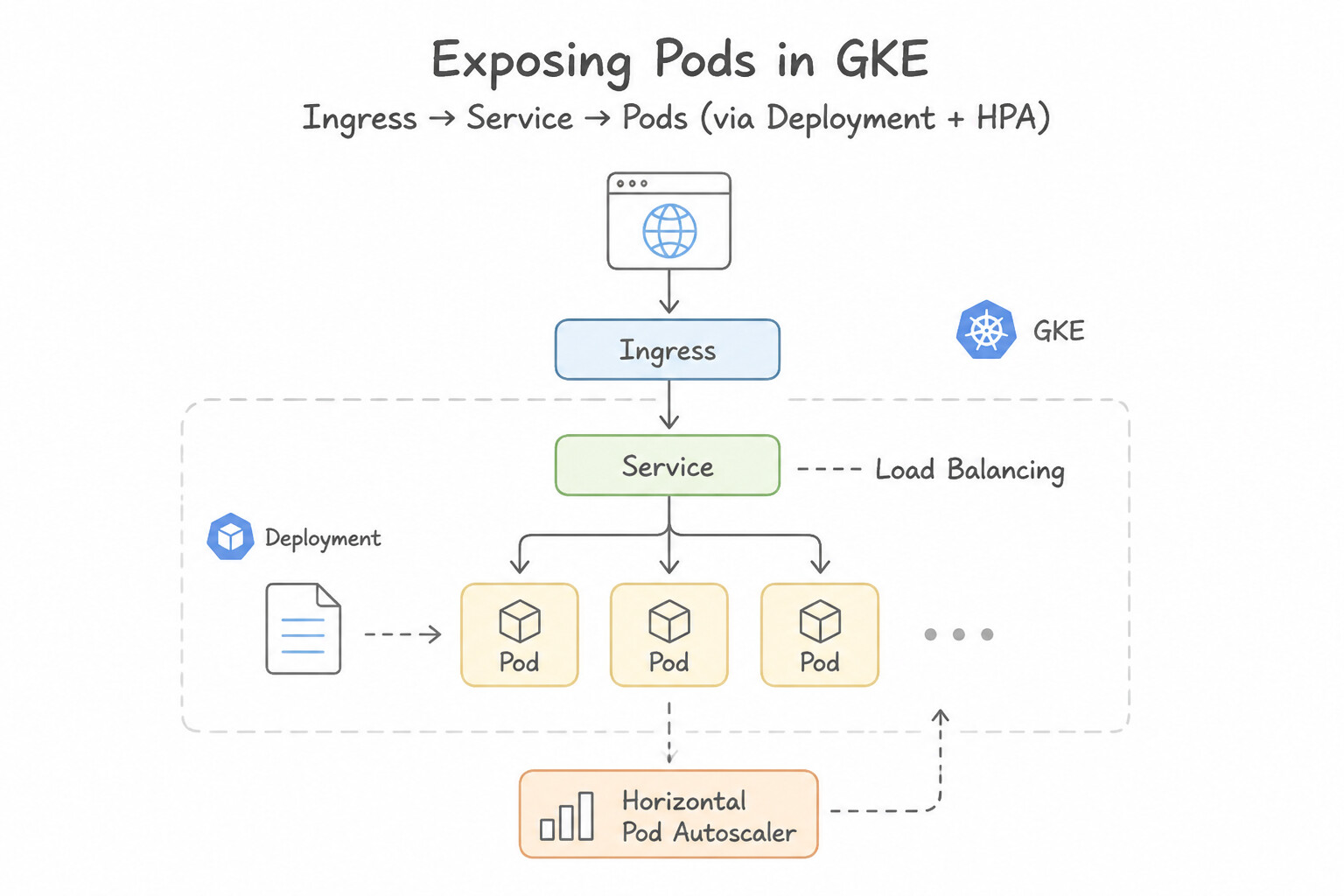
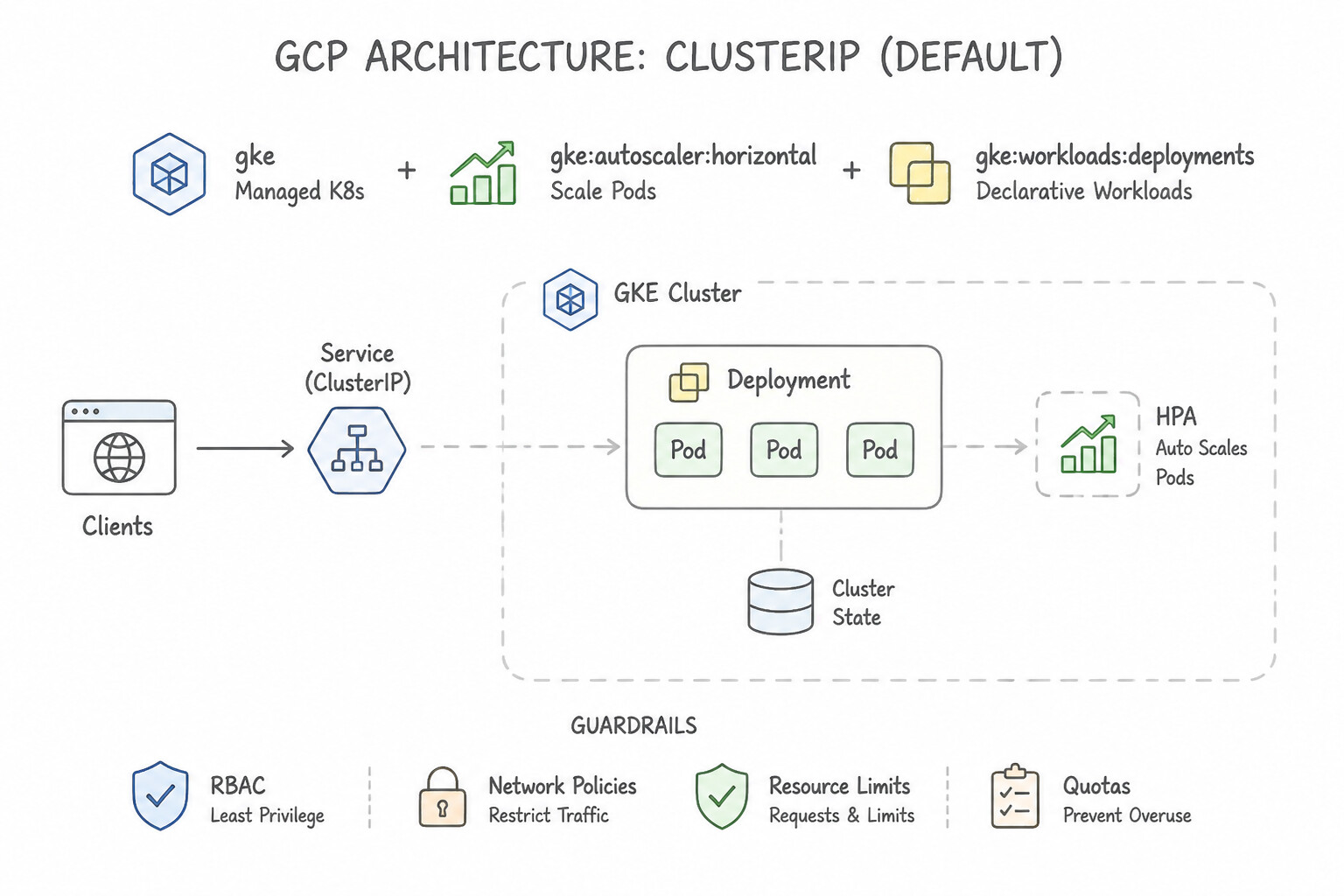
ace-3.1g-1-exposing-pods-kubernetes.jpg,ace-3.1g-2-clusterip-default-gke-gke.jpg) - Consideration 3.1h: Managing horizontal and vertical pod autoscaling (Diagrams:
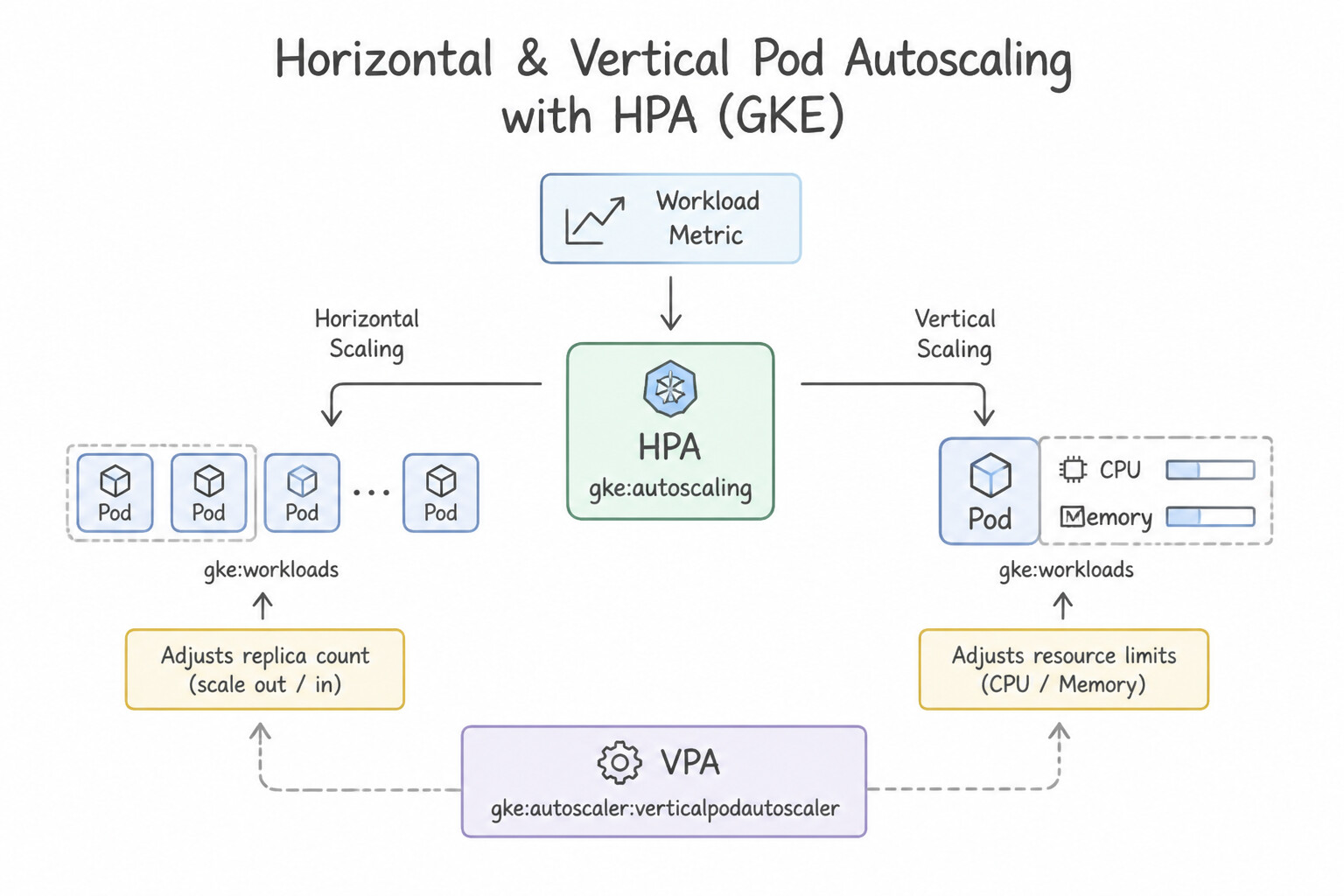
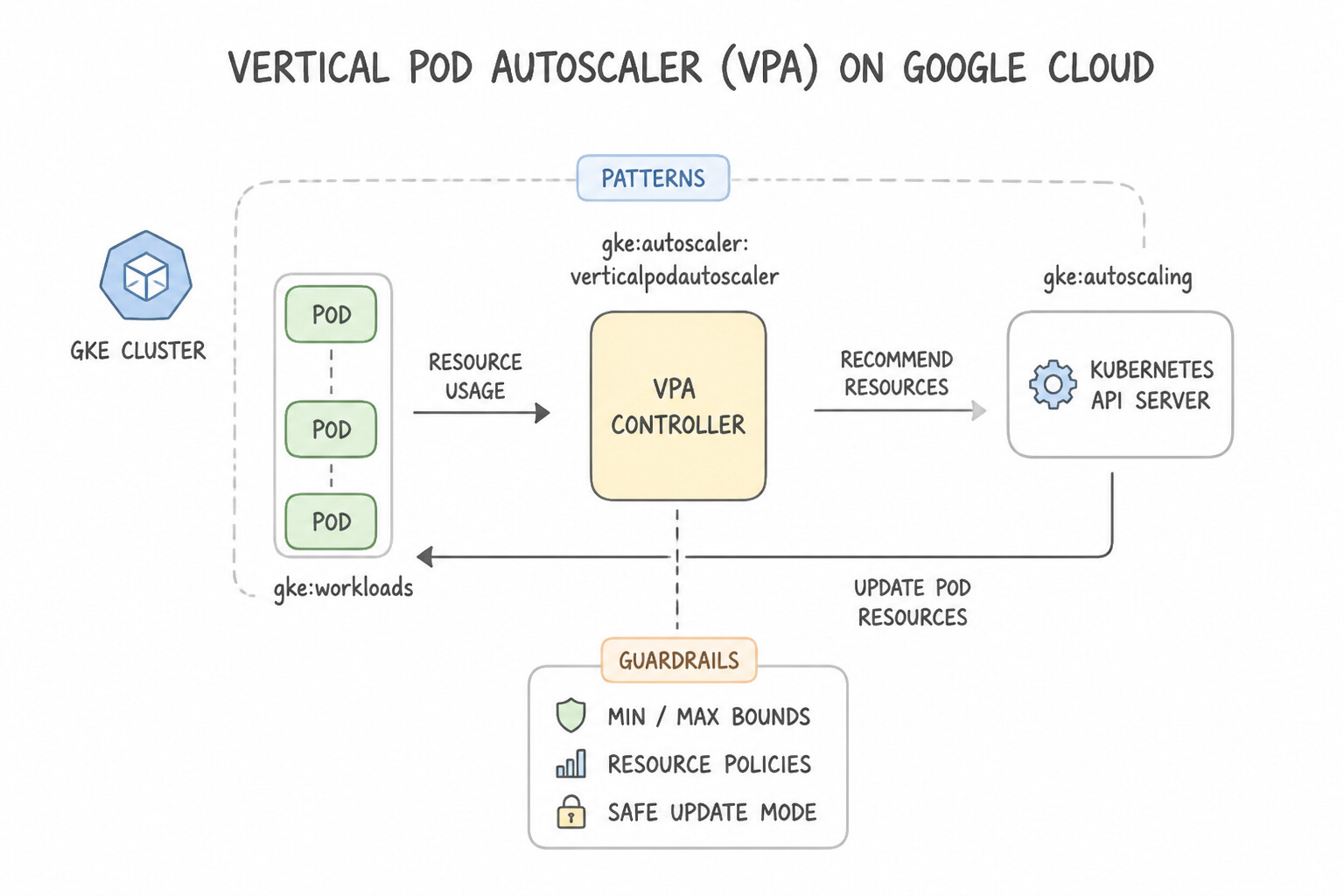
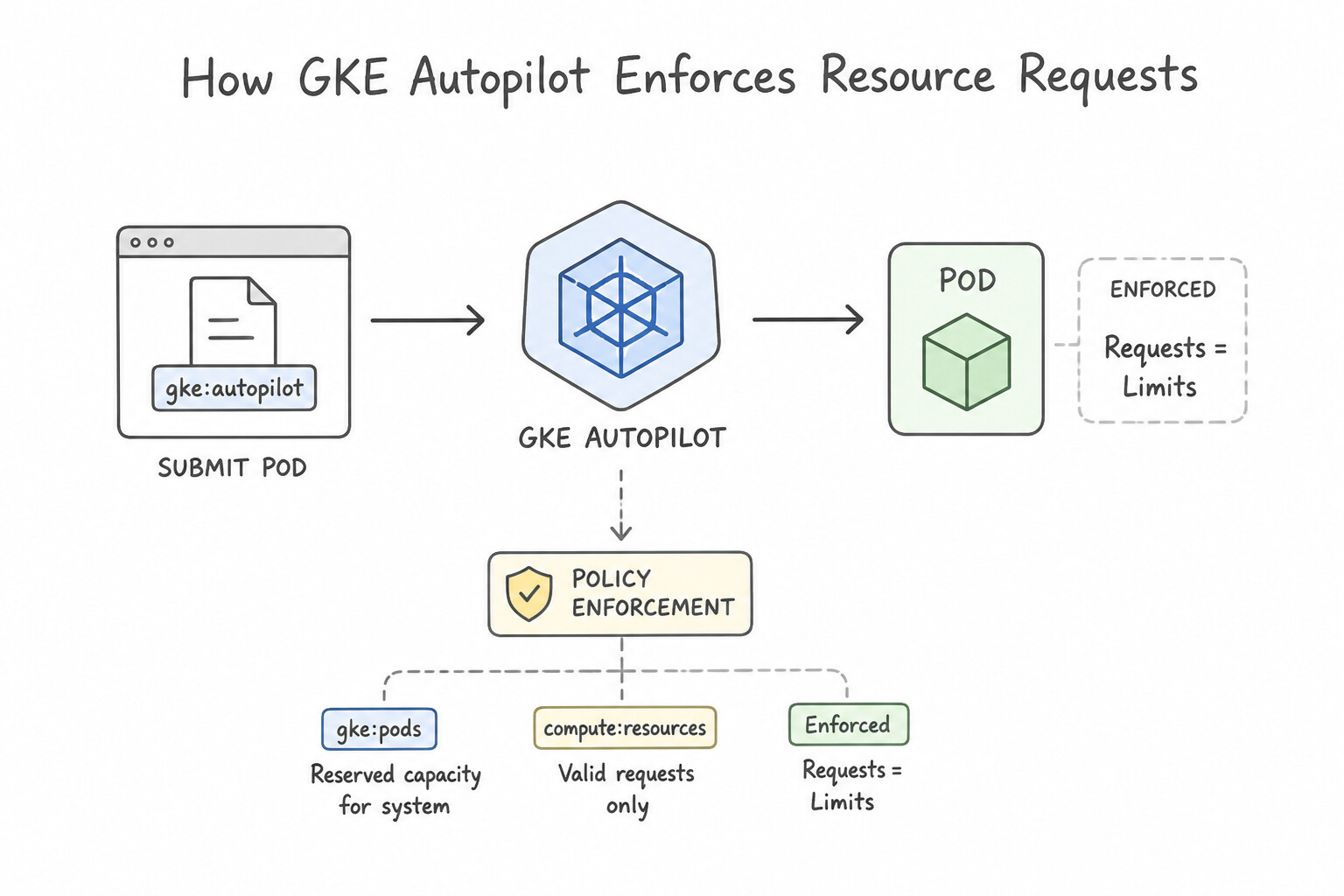
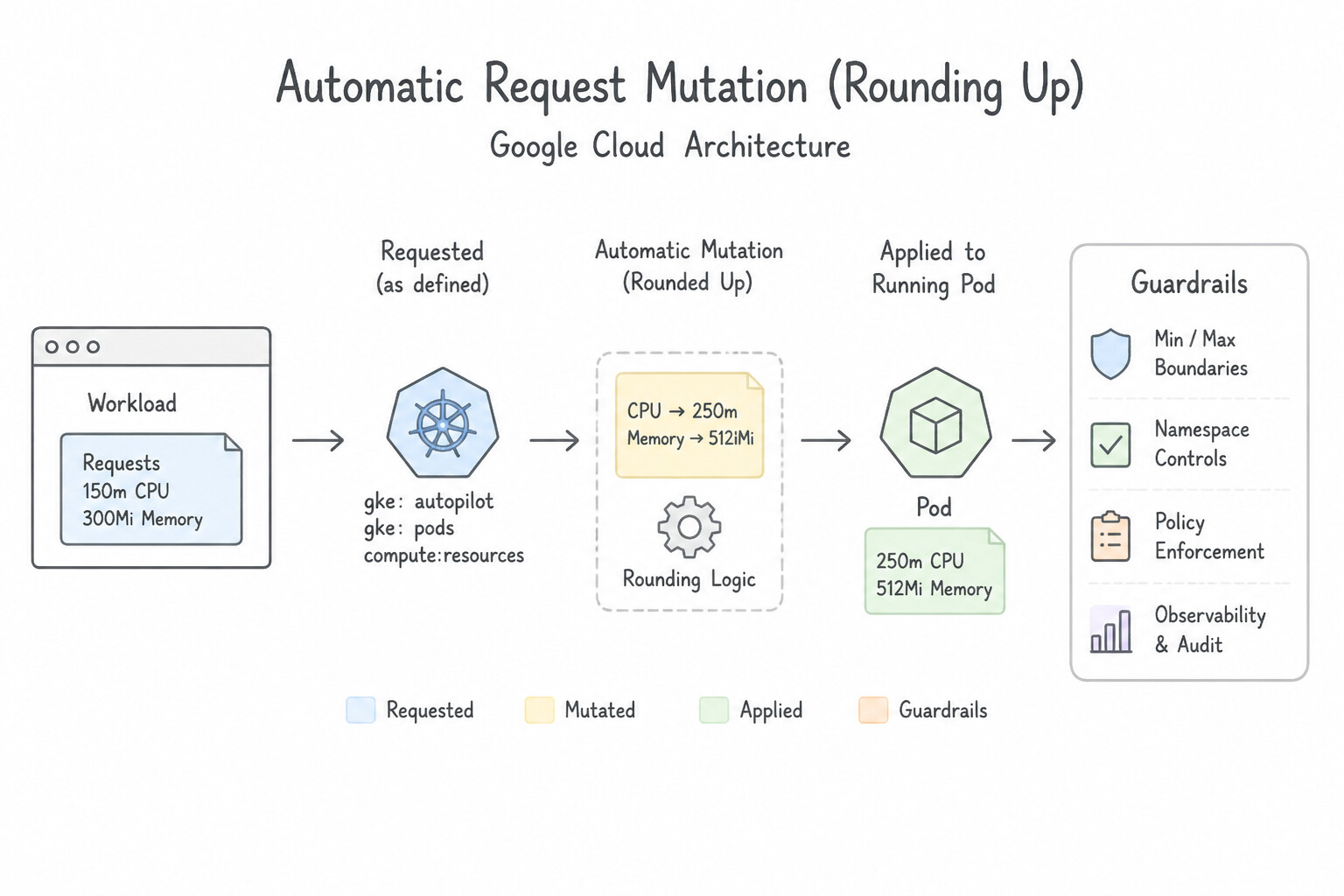
ace-3.1h-1-horizontal-pod-autoscaler.jpg,ace-3.1h-2-vertical-pod-autoscaler.jpg) - Consideration 3.1i: Managing gke autopilot pod resource requests (Diagrams:
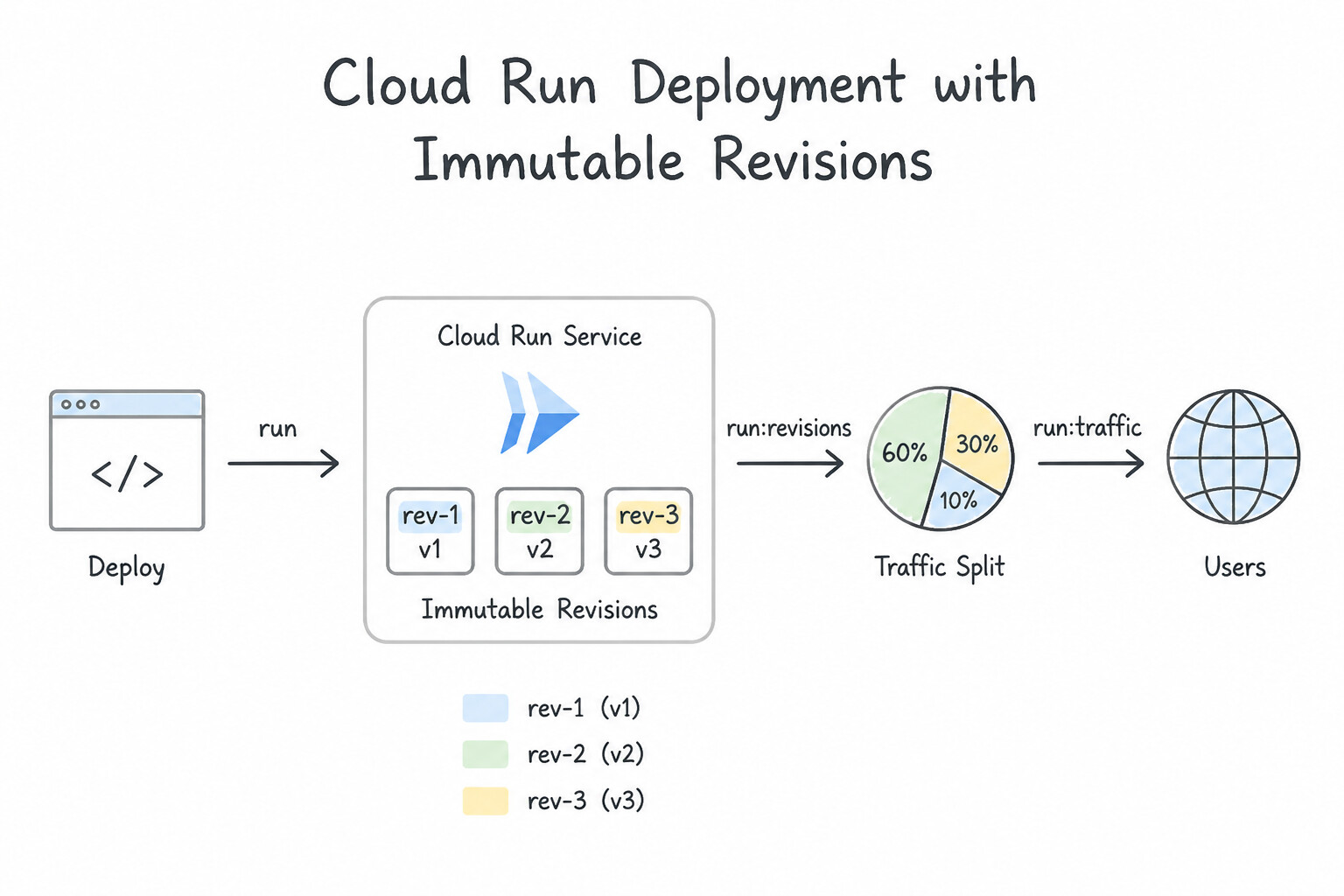
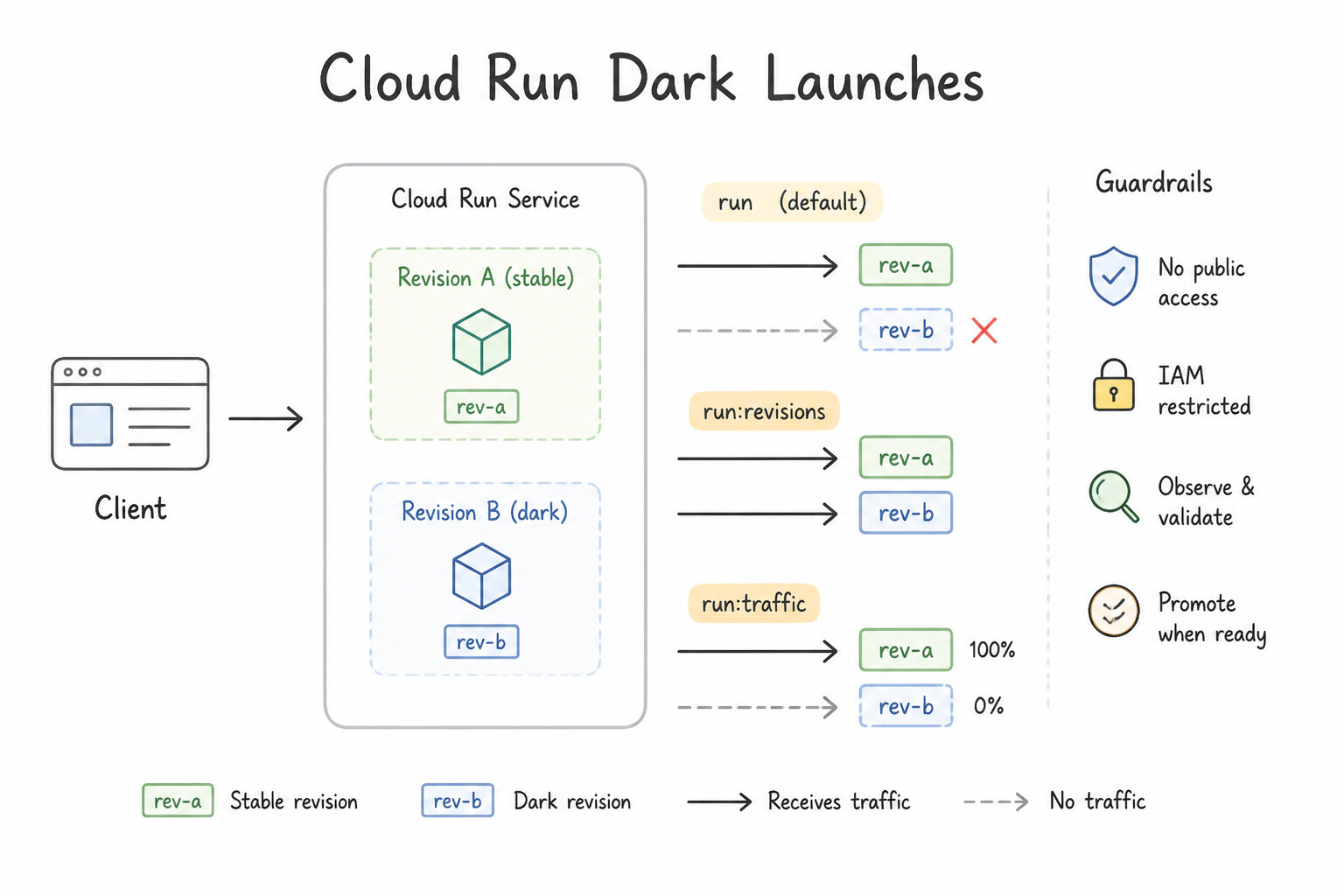
ace-3.1i-1-gke-autopilot-enforces.jpg,ace-3.1i-2-automatic-request.jpg) - Consideration 3.1j: Deploying new cloud run application versions (Diagrams:
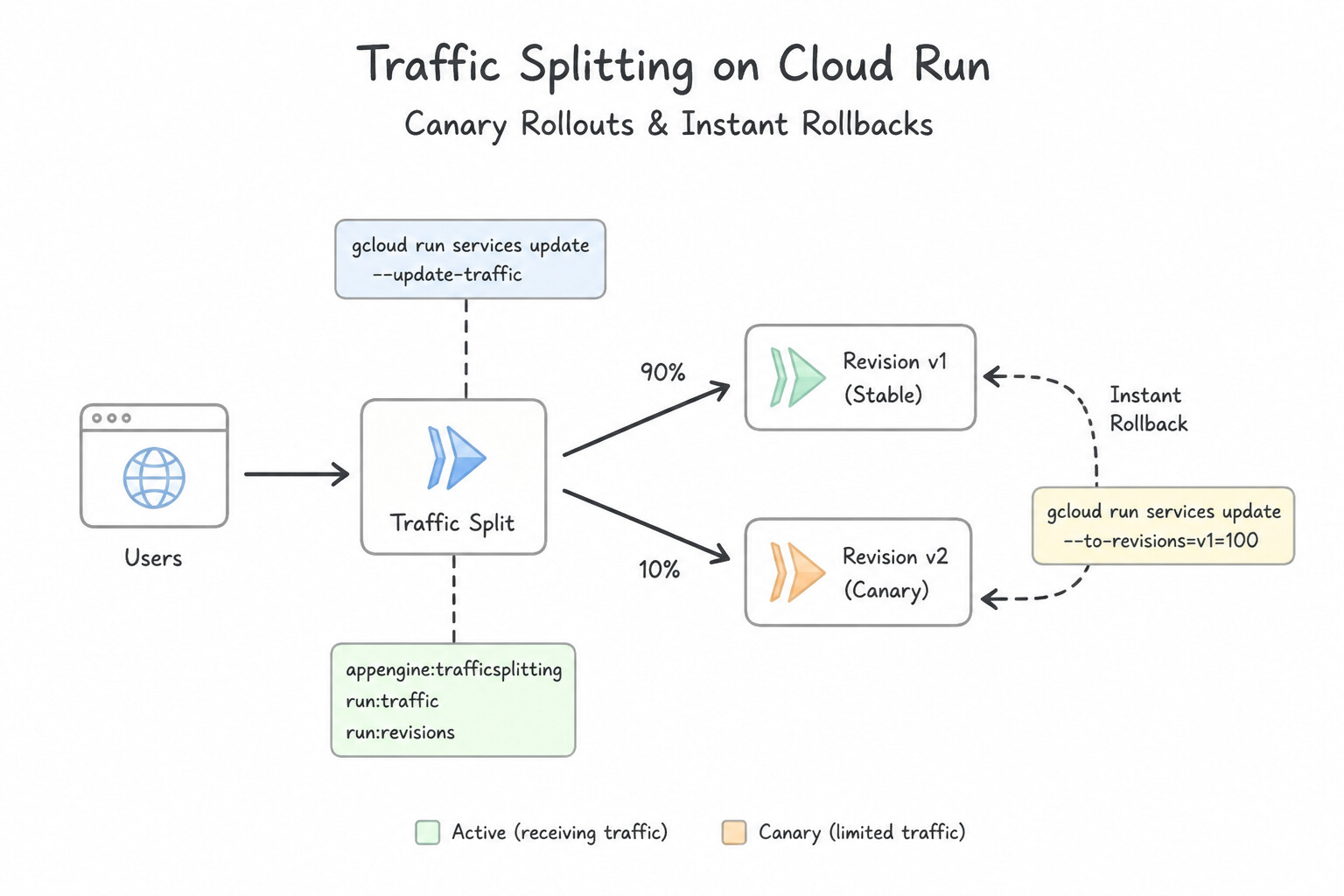
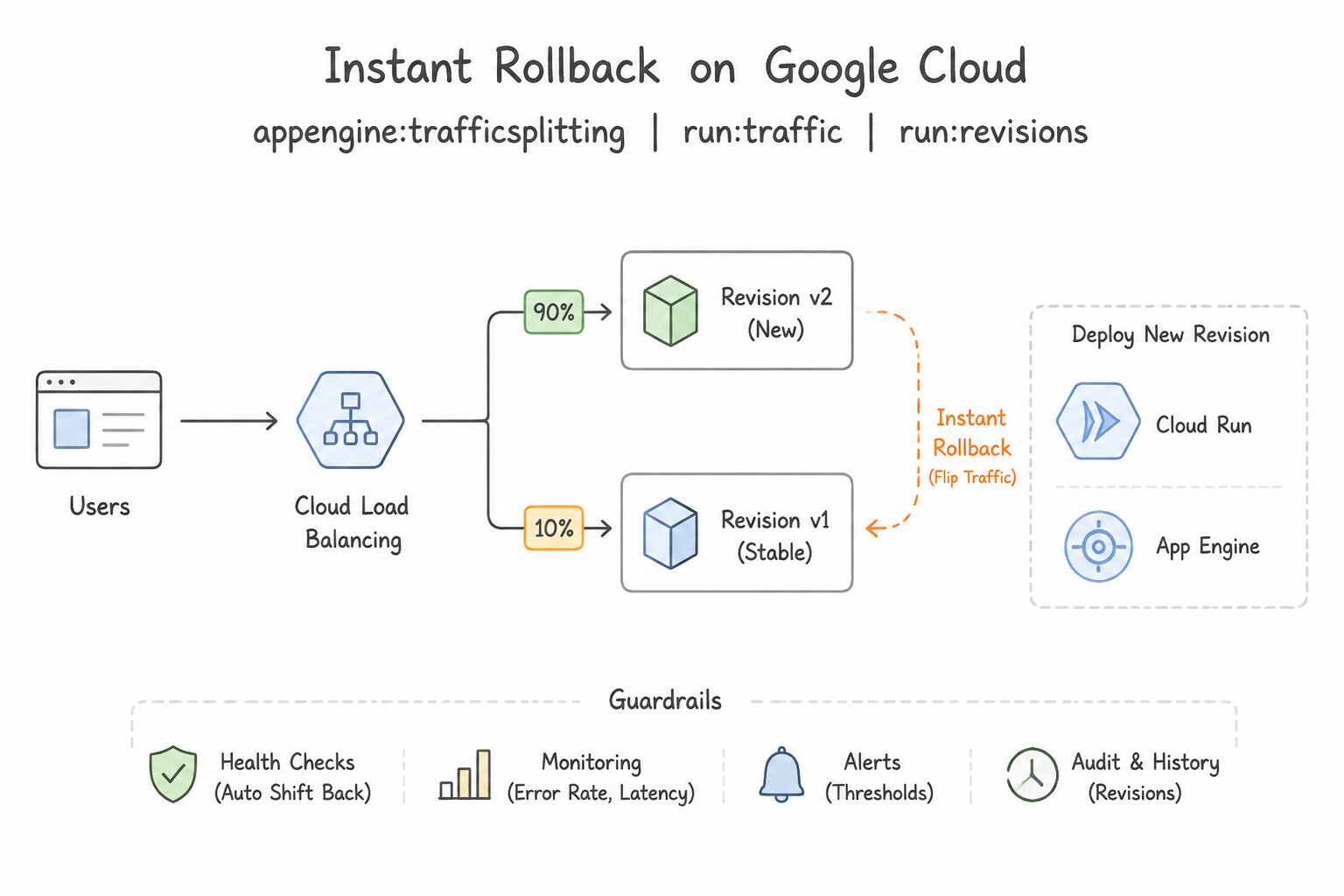
ace-3.1j-1-immutable-revisions.jpg,ace-3.1j-2-dark-launches-no-traffic.jpg) - Consideration 3.1k: Adjusting traffic splitting parameters (Diagrams:
ace-3.1k-1-canary-rollouts-instant.jpg,ace-3.1k-2-instant-rollback-app.jpg) - Consideration 3.1l: Configuring autoscaling for cloud run applications (Diagrams:
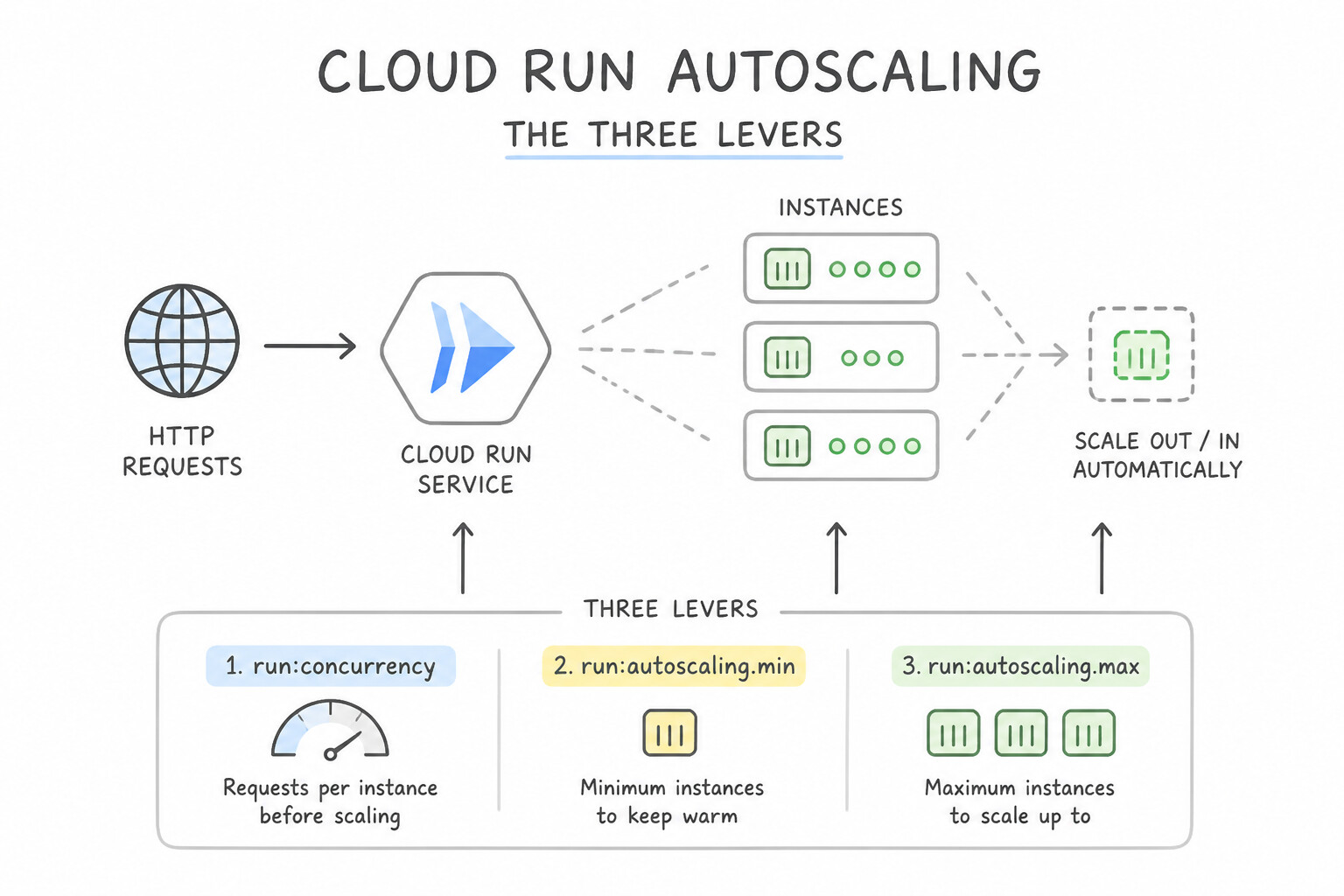
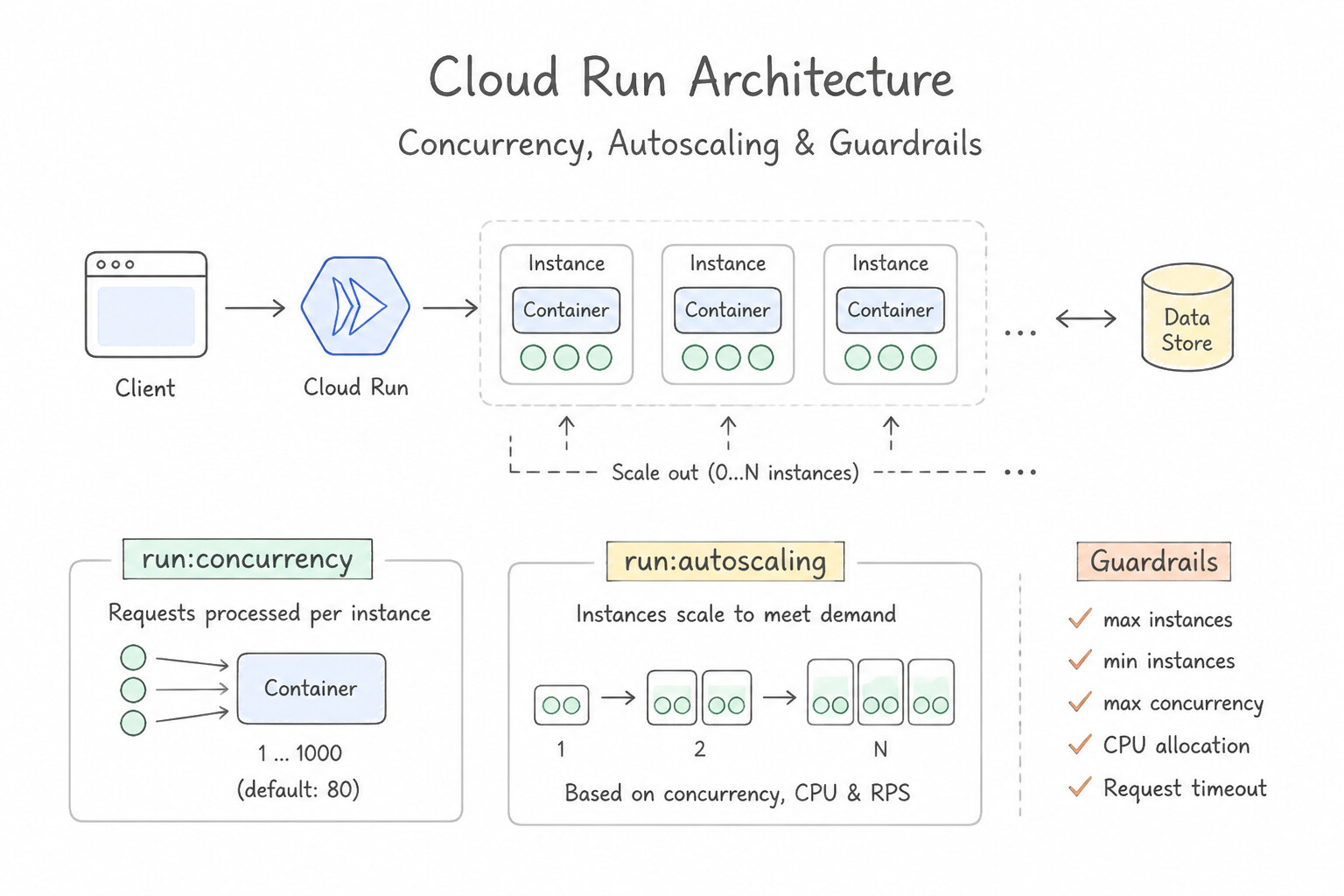
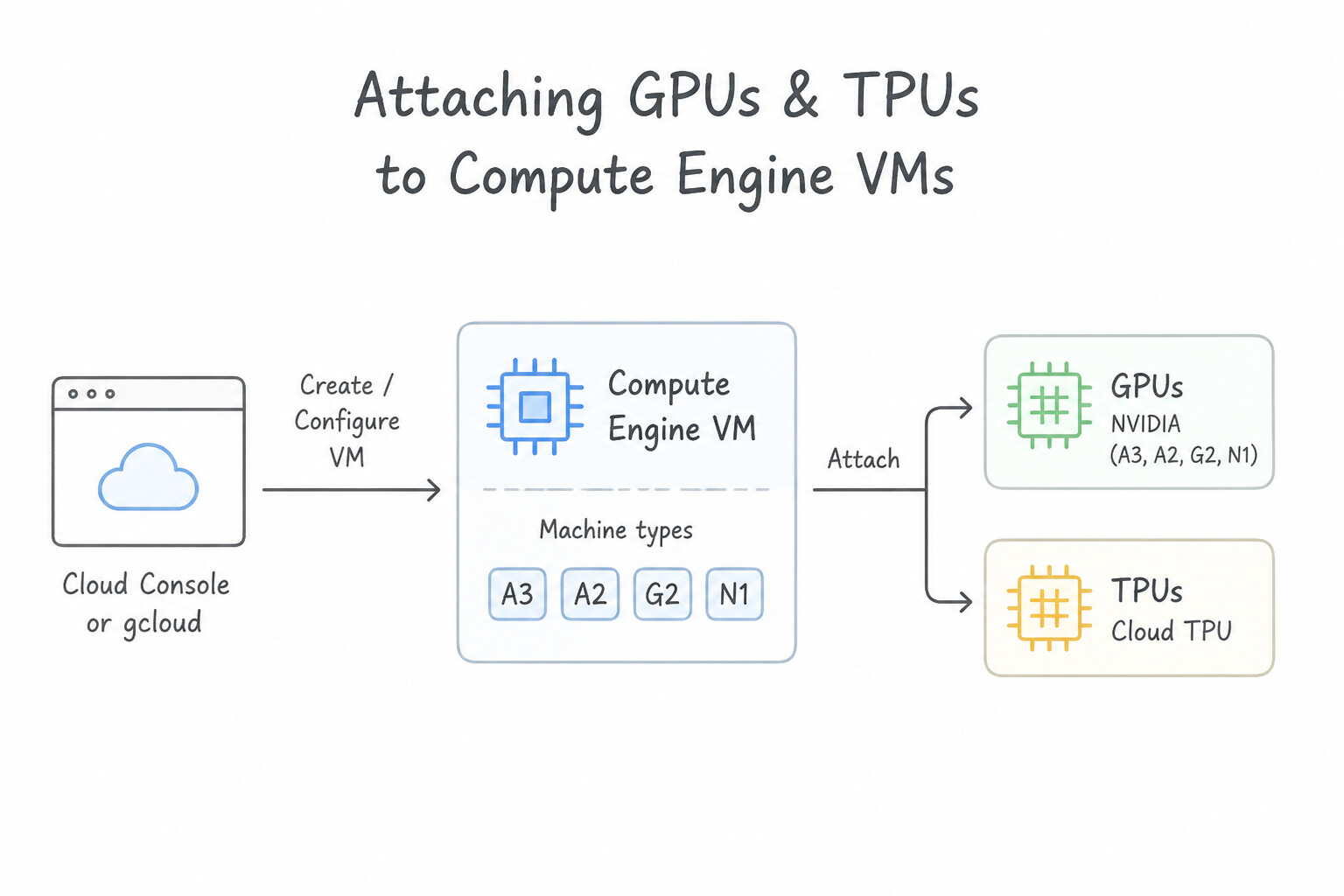
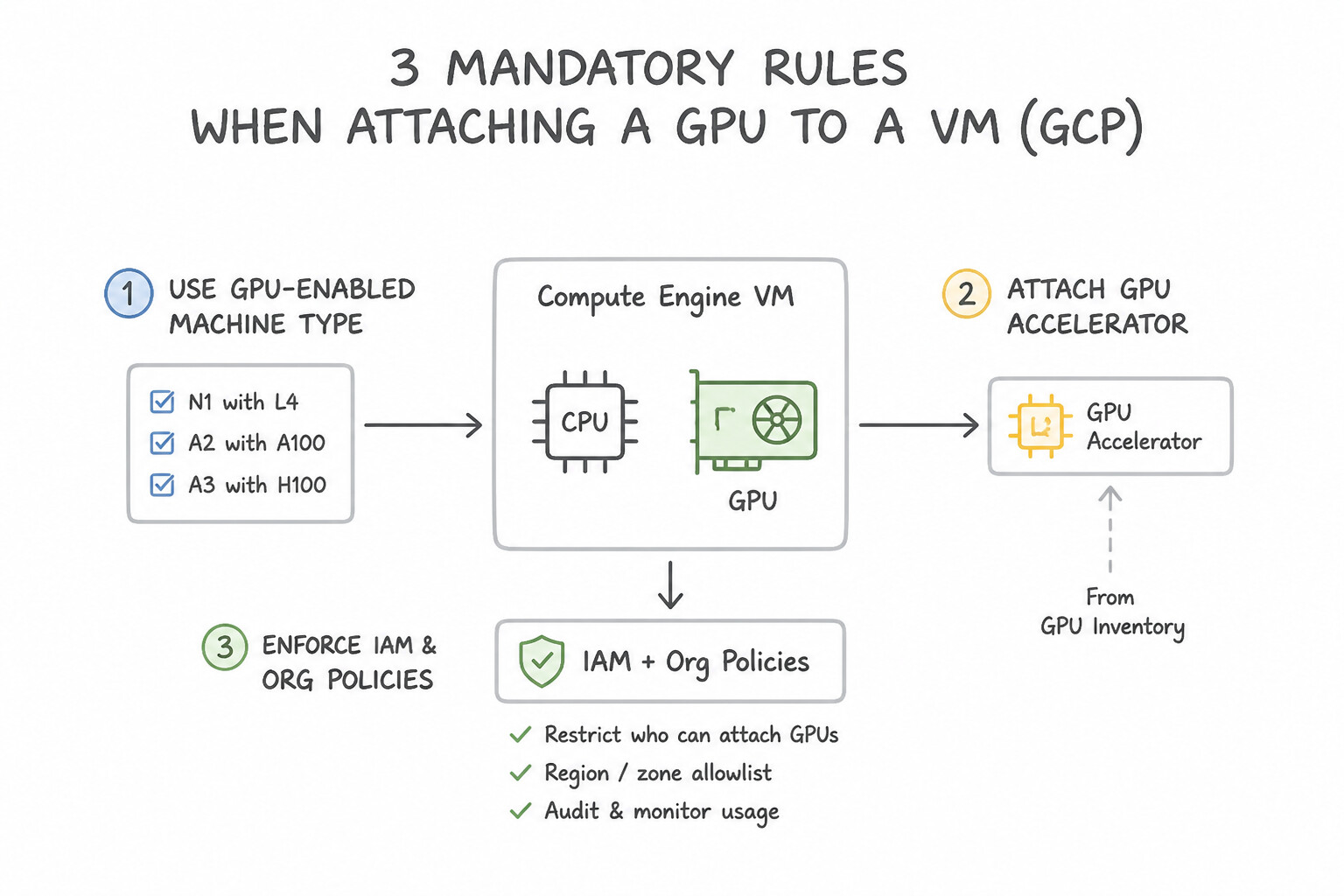
ace-3.1l-1-levers-of-run-autoscaling.jpg,ace-3.1l-2-run-concurrency-run.jpg) - Consideration 3.1m: Attaching GPUs and TPUs (Diagrams:
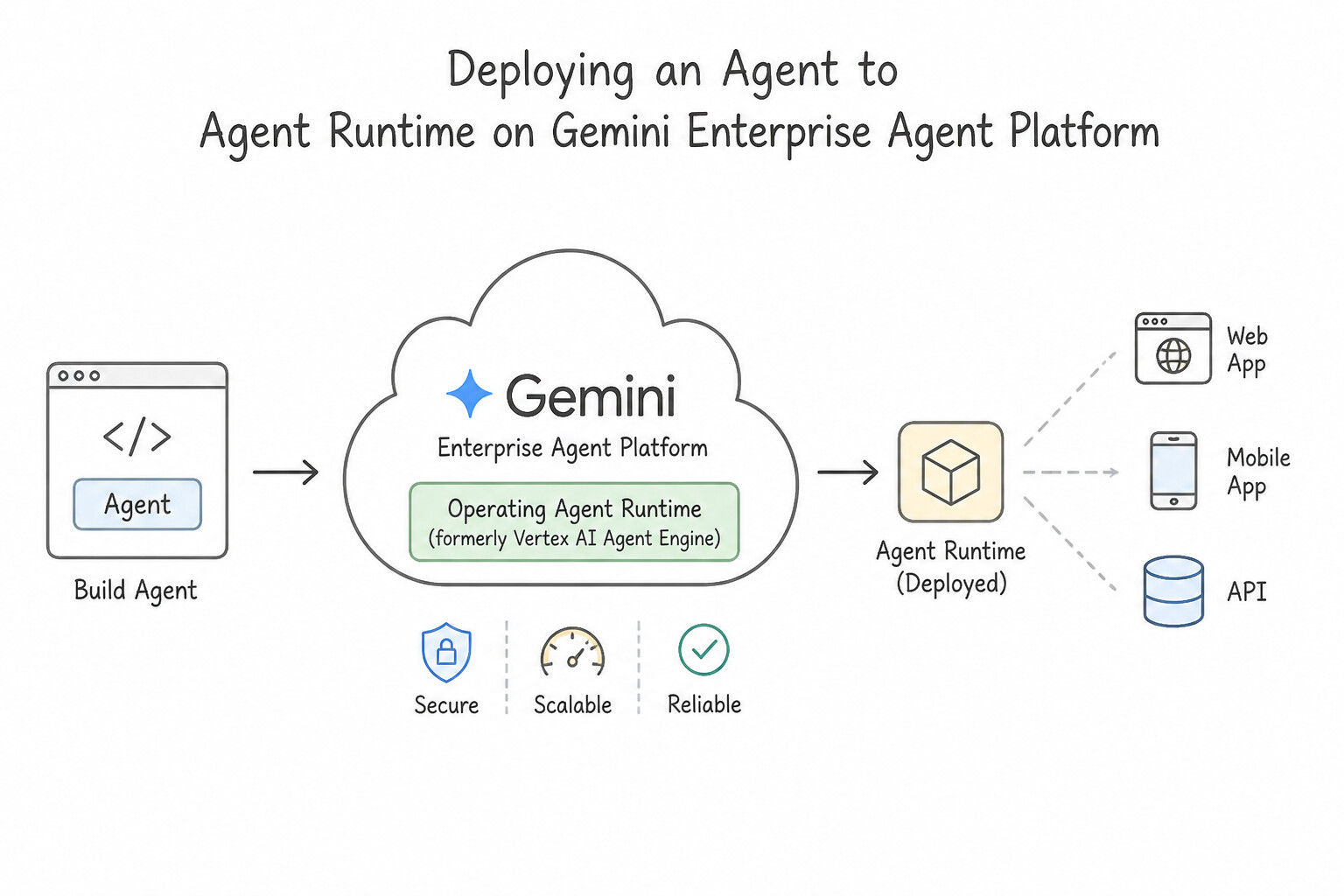
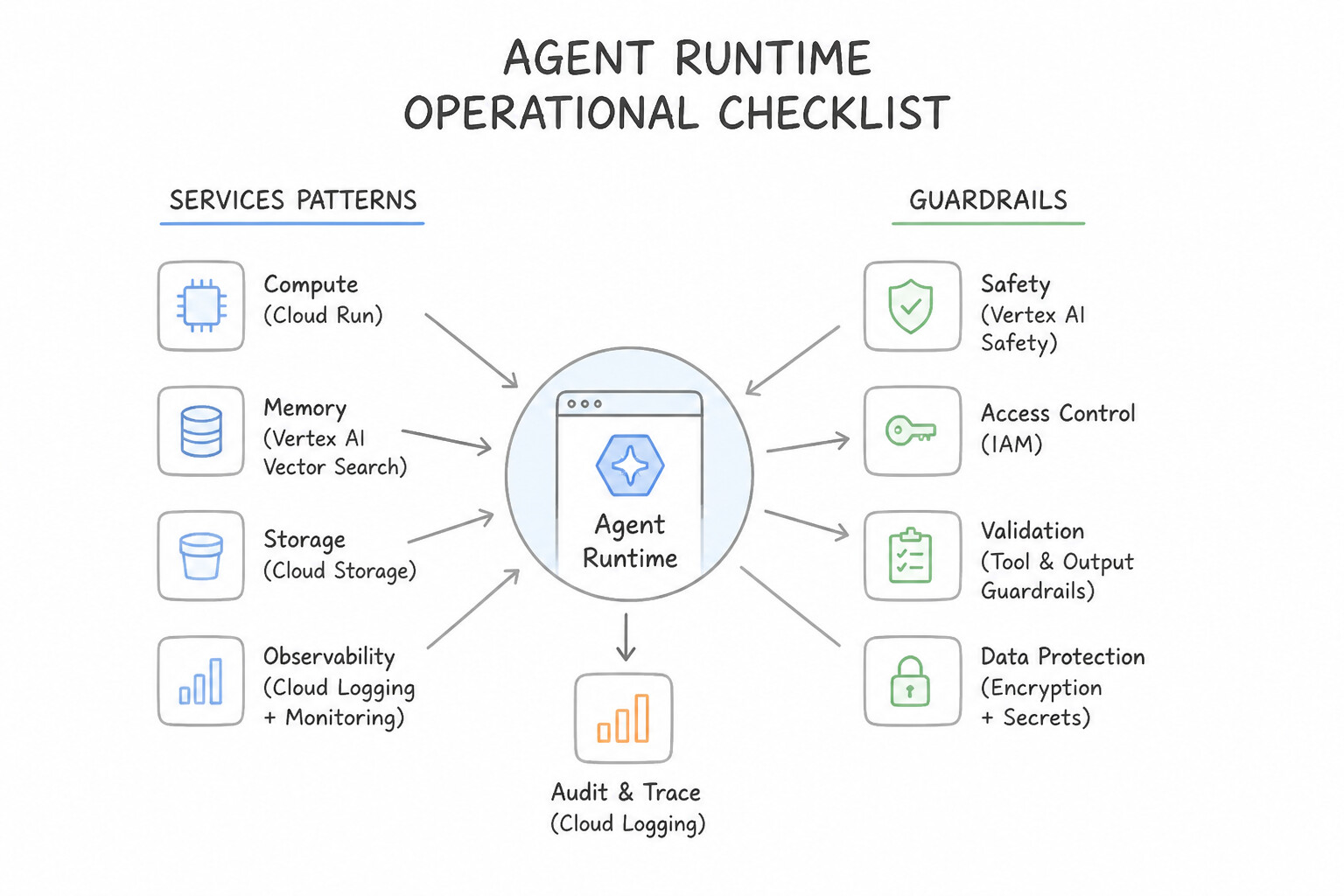
ace-3.1m-1-attaching-gpus-to-compute.jpg,ace-3.1m-2-mandatory-operational.jpg) - Consideration 3.1n: Deploying an Agent to Agent Runtime on Gemini Enterprise Agent Platform (Diagrams:
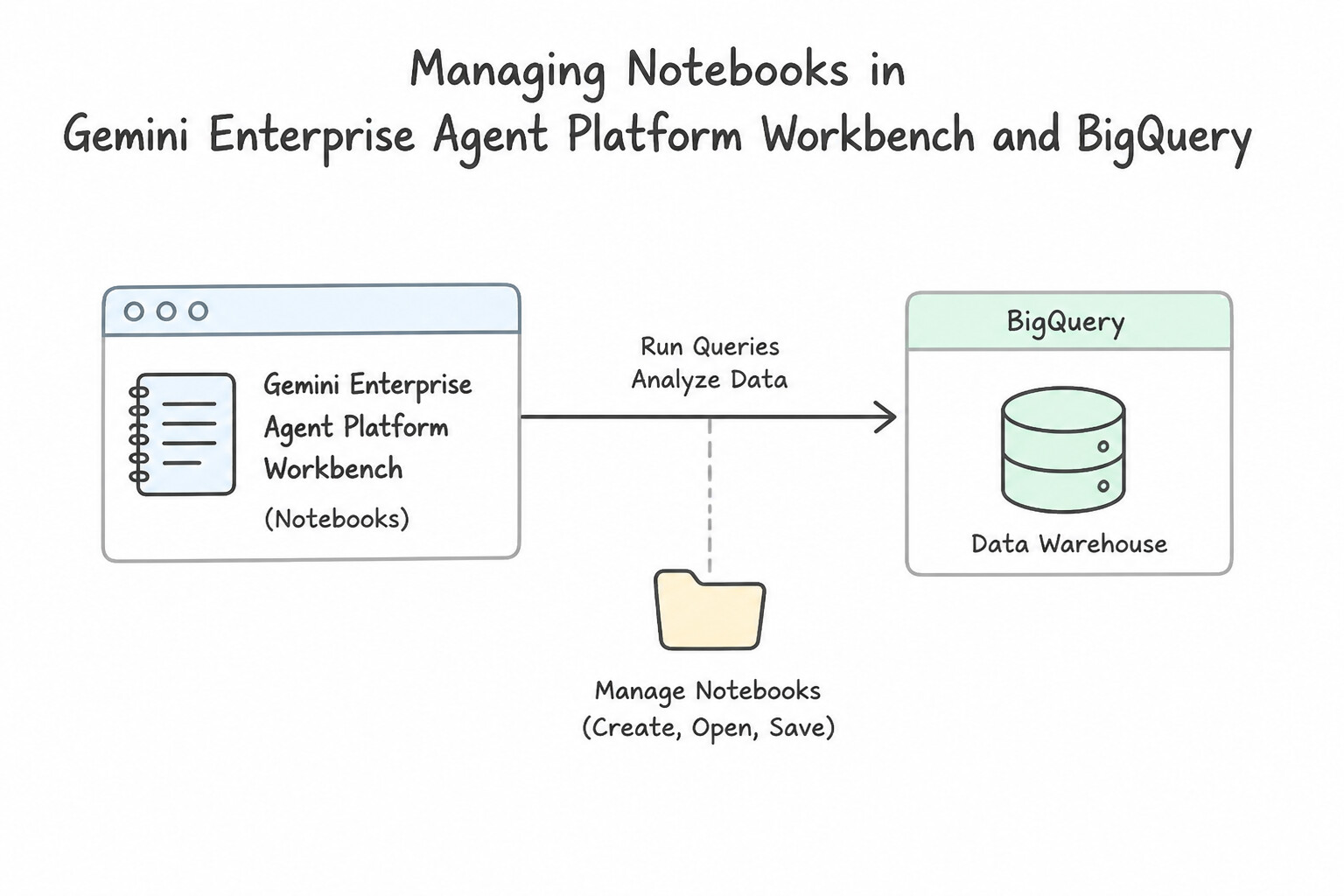
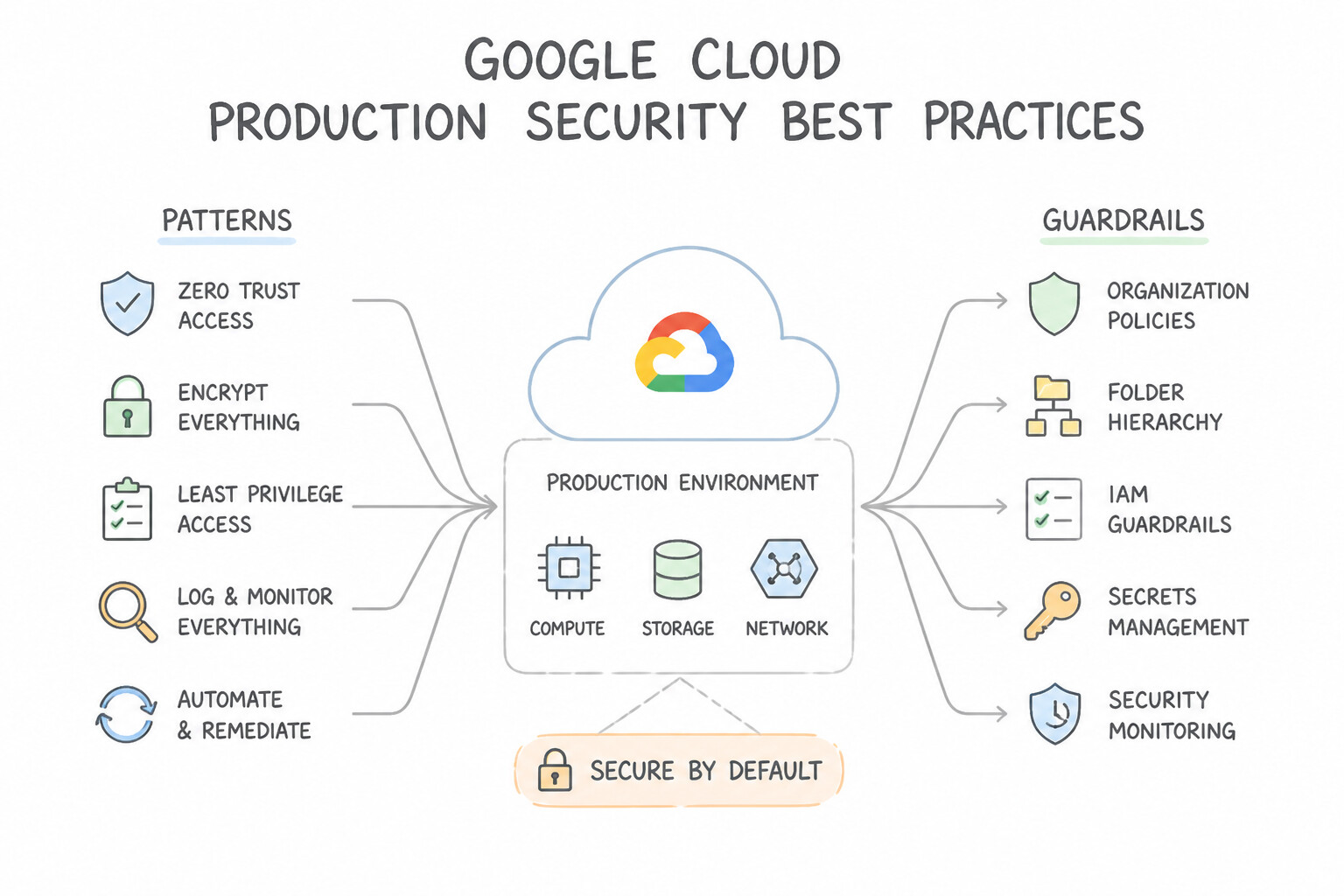
ace-3.1n-1-operating-agent-runtime.jpg,ace-3.1n-2-operational-checklist.jpg) - Consideration 3.1o: Managing Notebooks in Gemini Enterprise Agent Platform Workbench & BigQuery (Diagrams:
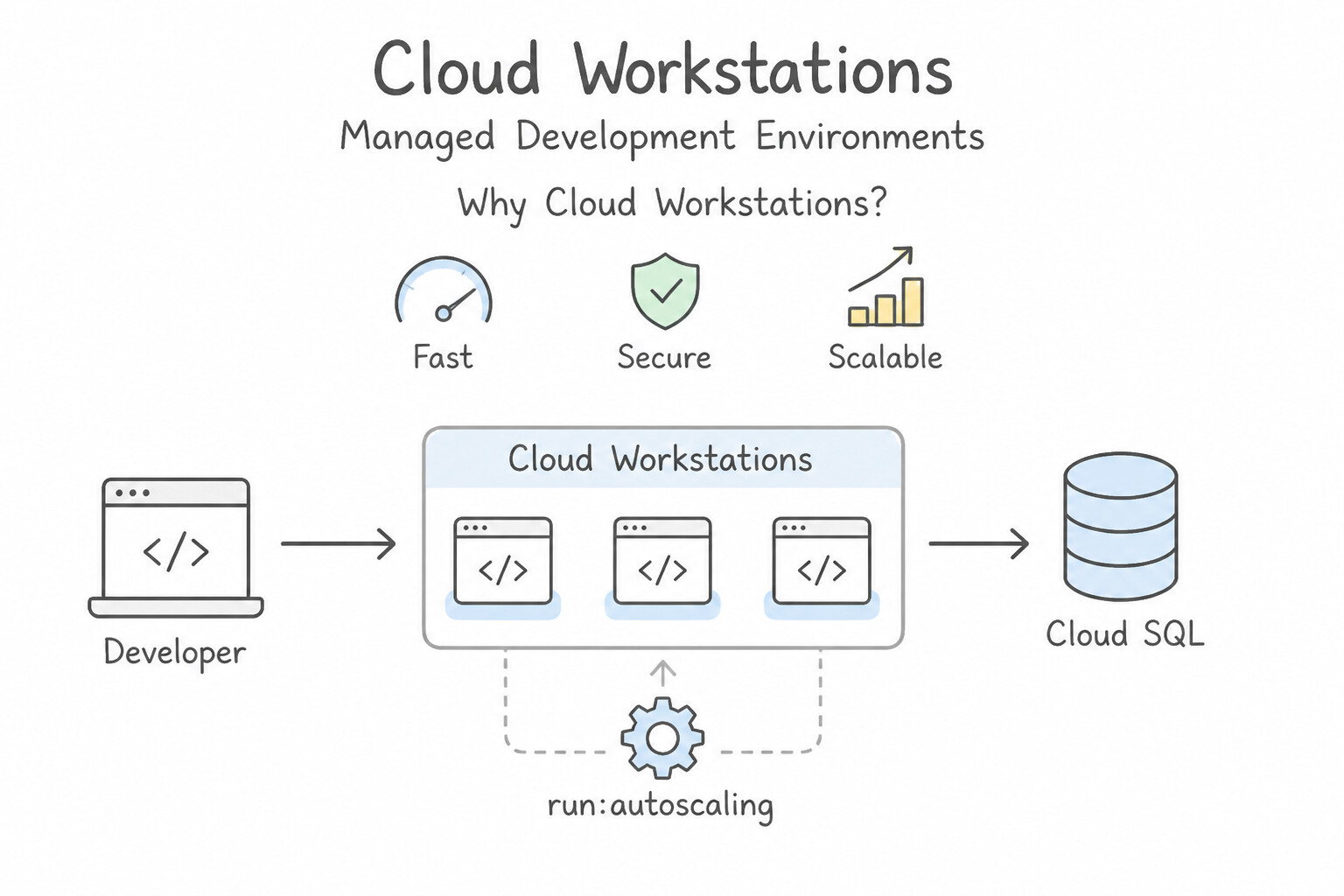
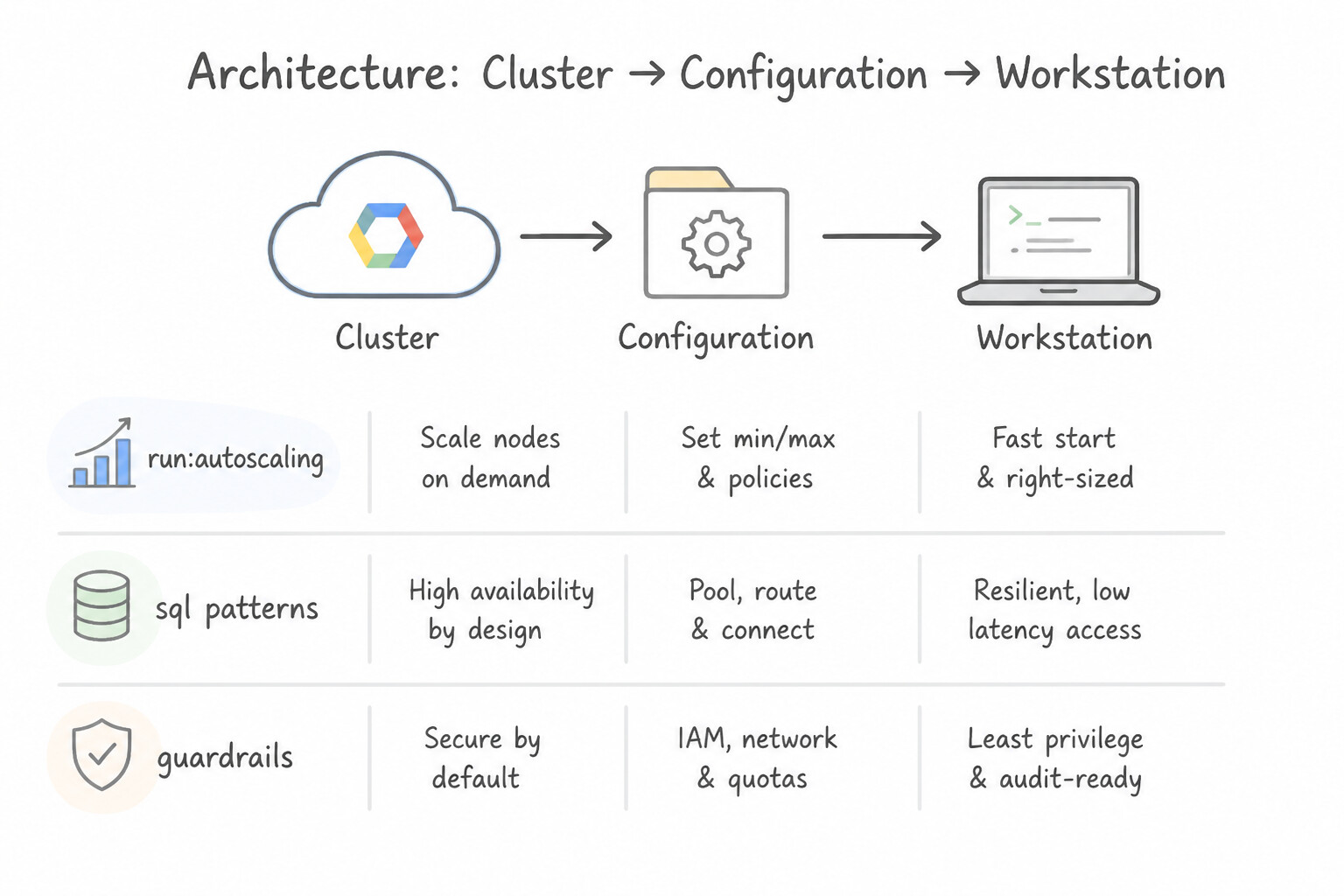
ace-3.1o-1-gemini-enterprise-agent.jpg,ace-3.1o-2-security-best-practices.jpg) - Consideration 3.1p: Managing Developer Environments (
Cloud Workstations) (Diagrams:ace-3.1p-1-workstations-developer.jpg,ace-3.1p-2-cluster-configuration.jpg) - Quick Decision Cheat Sheet (Subsection 3.1)
Chapter 5: Operating Cloud Storage Lifecycles, Database Fleets, Subnets, DNS & Firewalls
- Subsection 3.2: Managing Storage and Data Solutions (Section 3: Ensuring the Successful Operation of a Cloud Solution)
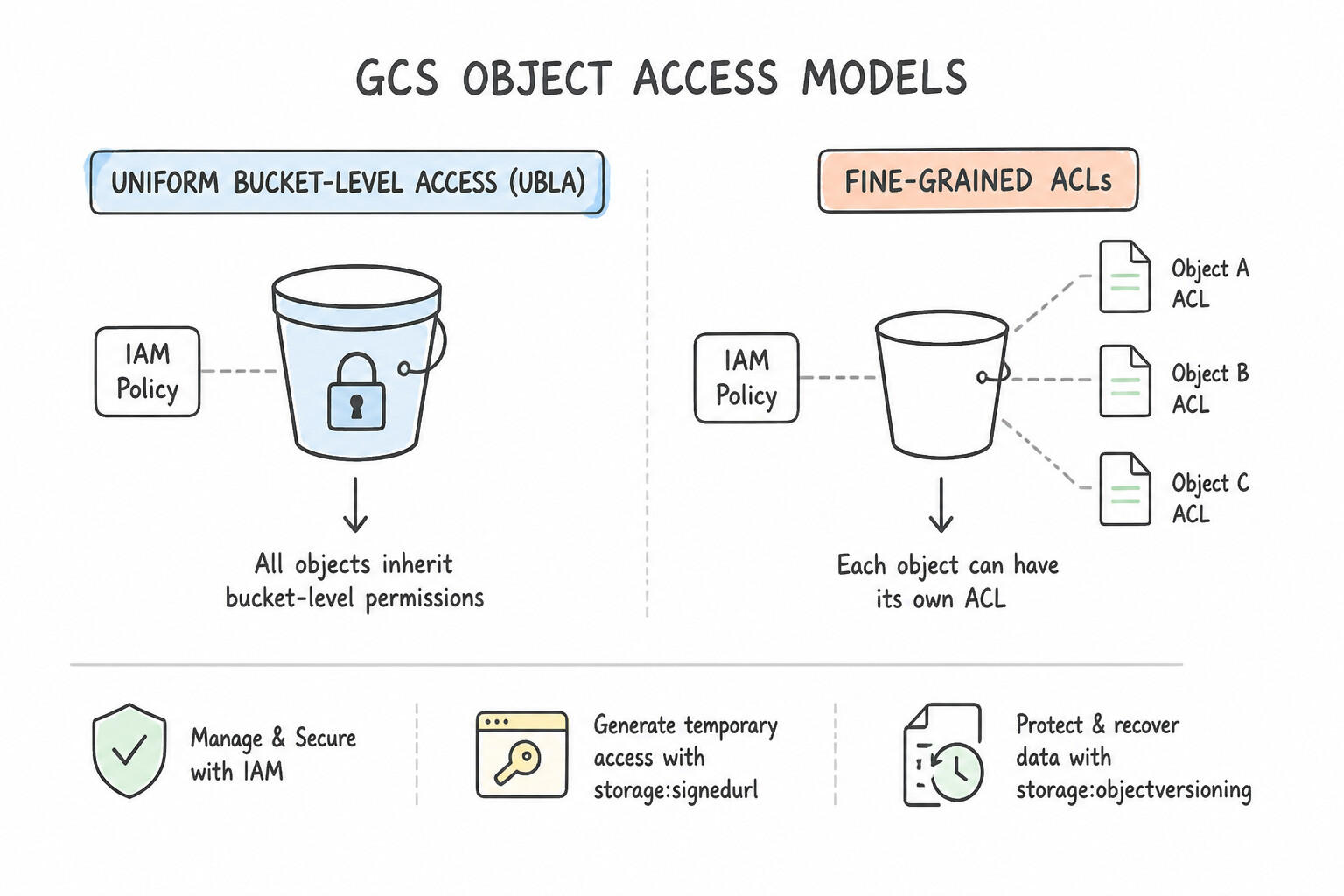
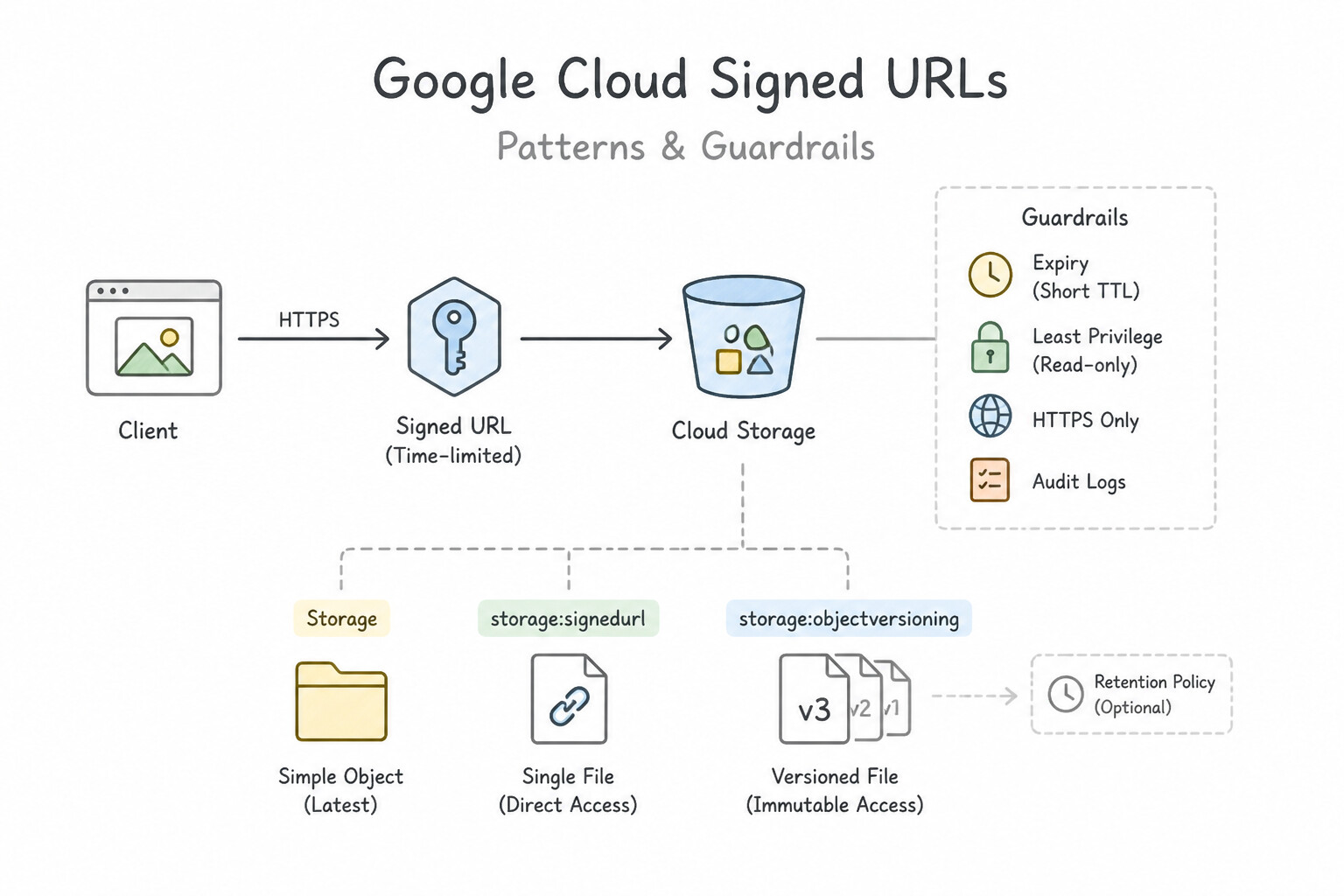
- Consideration 3.2a: Managing and securing cloud storage objects (Diagrams:
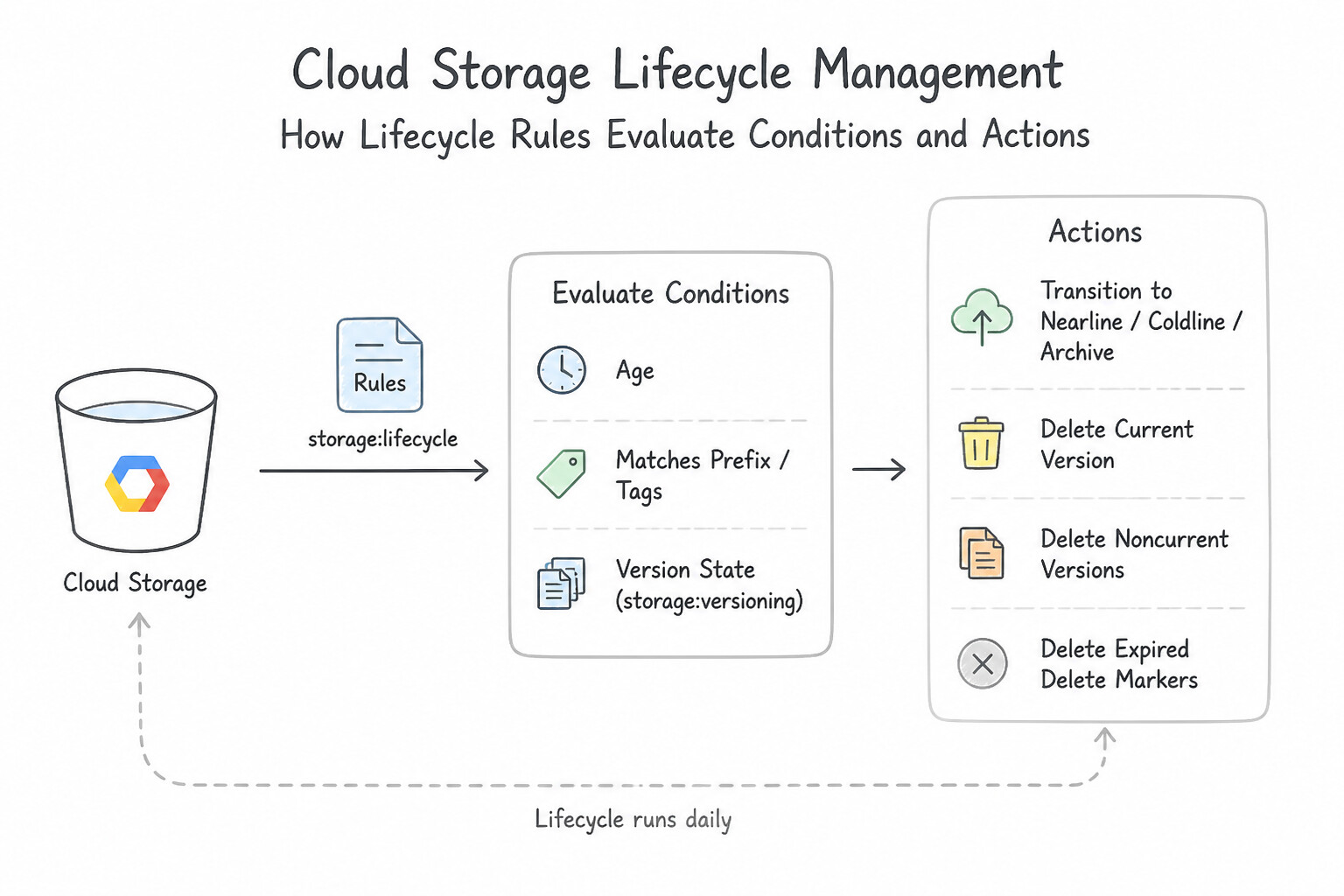
ace-3.2a-1-uniform-bucket-level.jpg,ace-3.2a-2-signed-urls-gcloud.jpg) - Consideration 3.2b: Setting object lifecycle management policies (Diagrams:
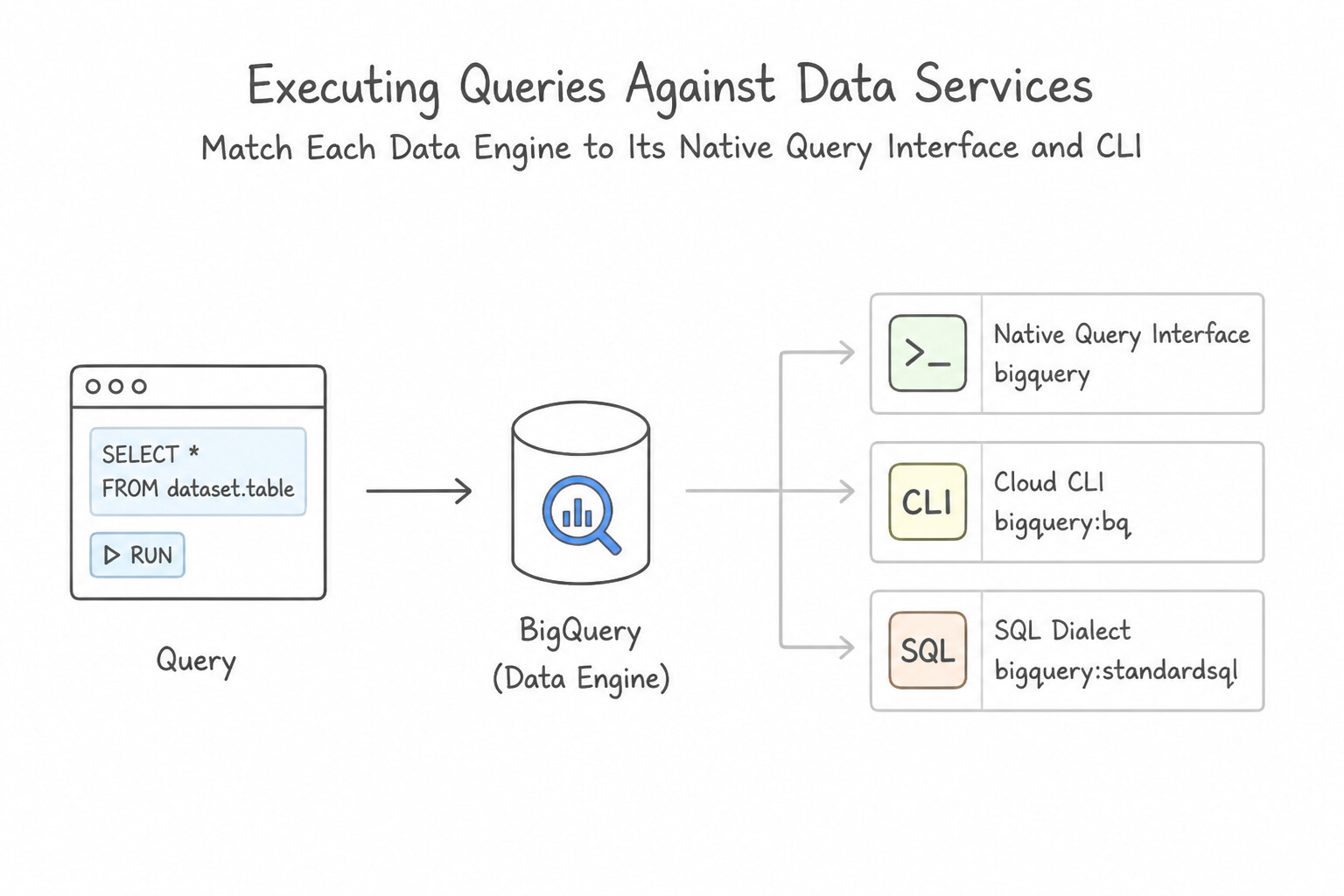
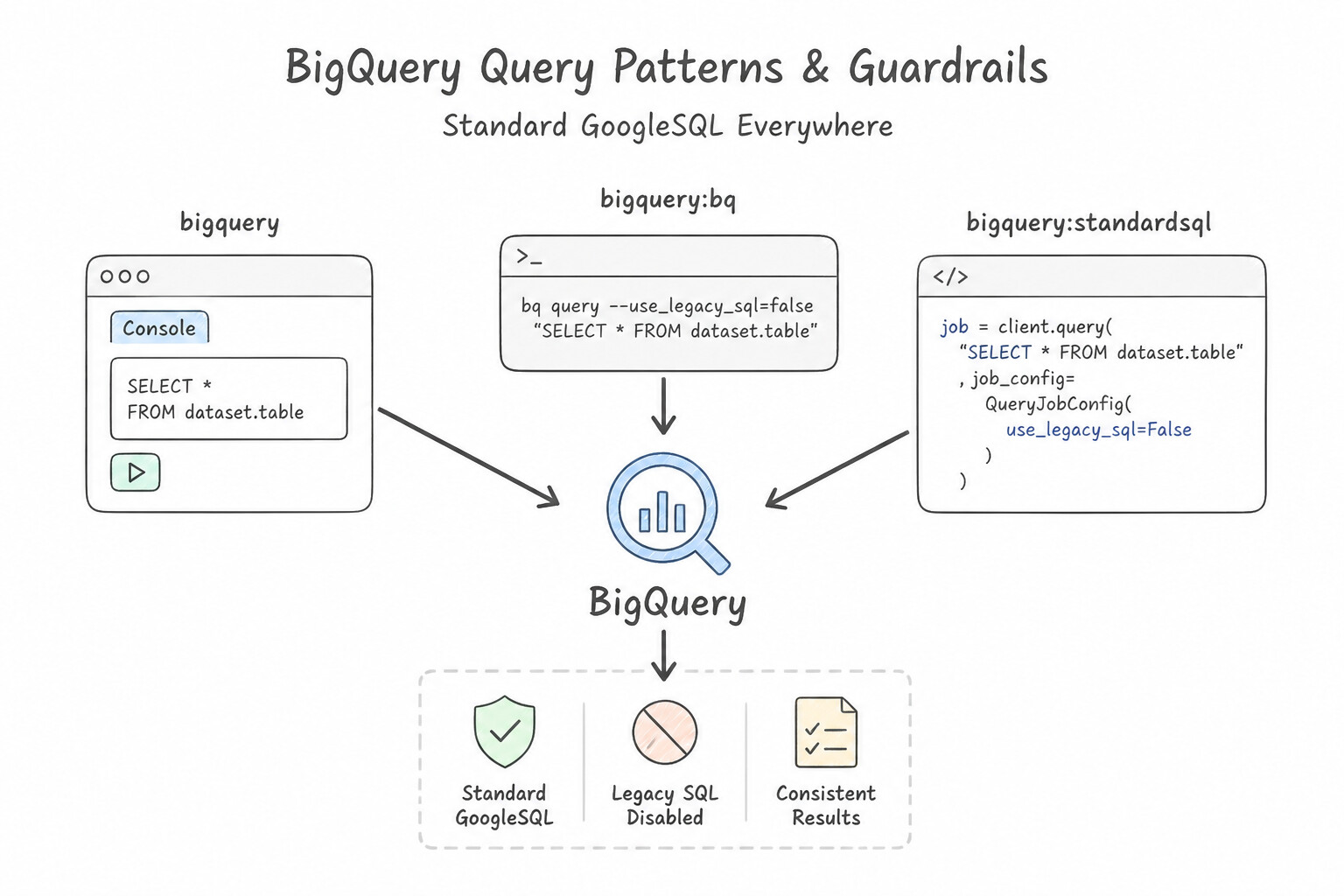
ace-3.2b-1-lifecycle-evaluate.jpg,ace-3.2b-2-conditions-combined-logic.jpg) - Consideration 3.2c: Executing queries against data services (Diagrams:
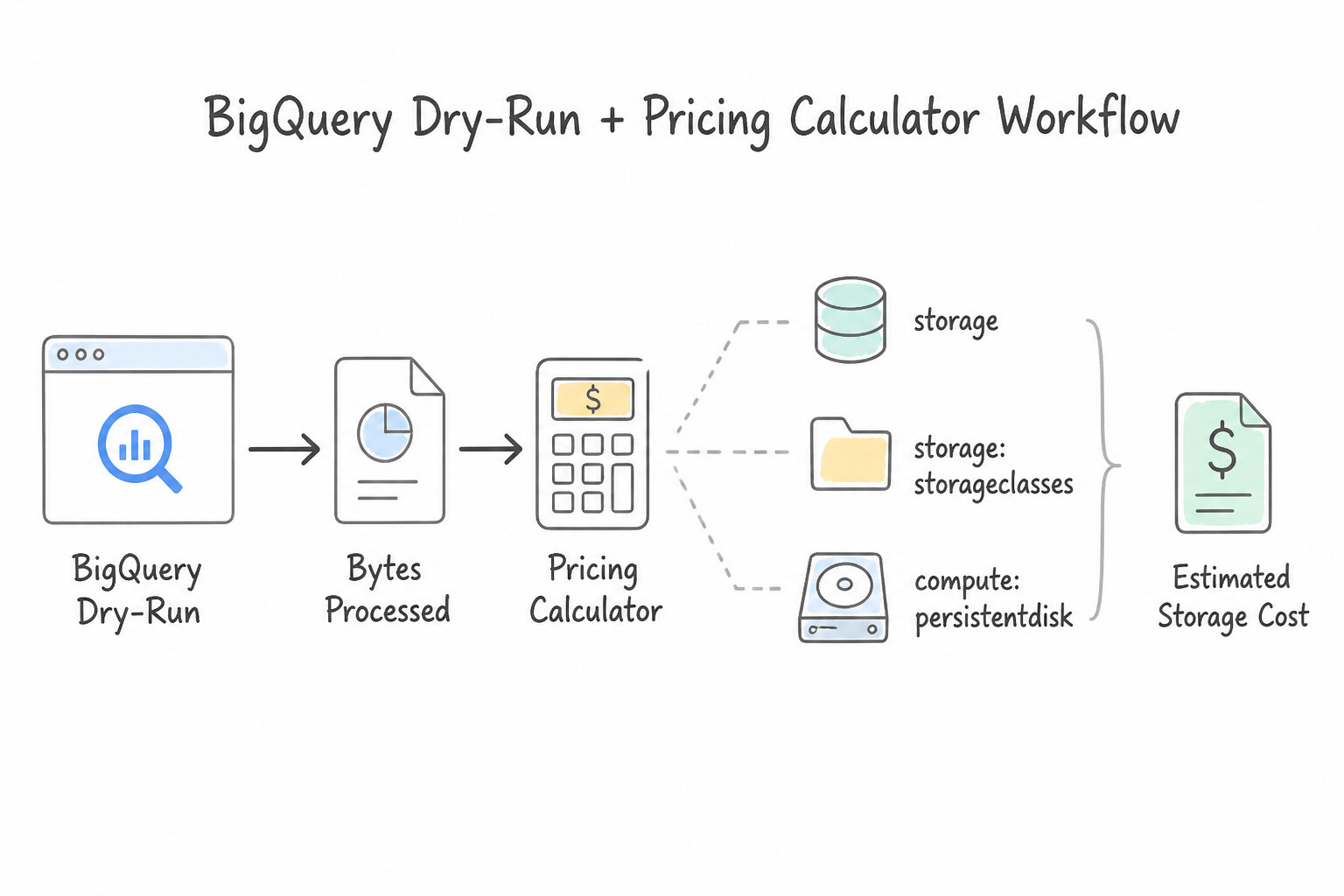
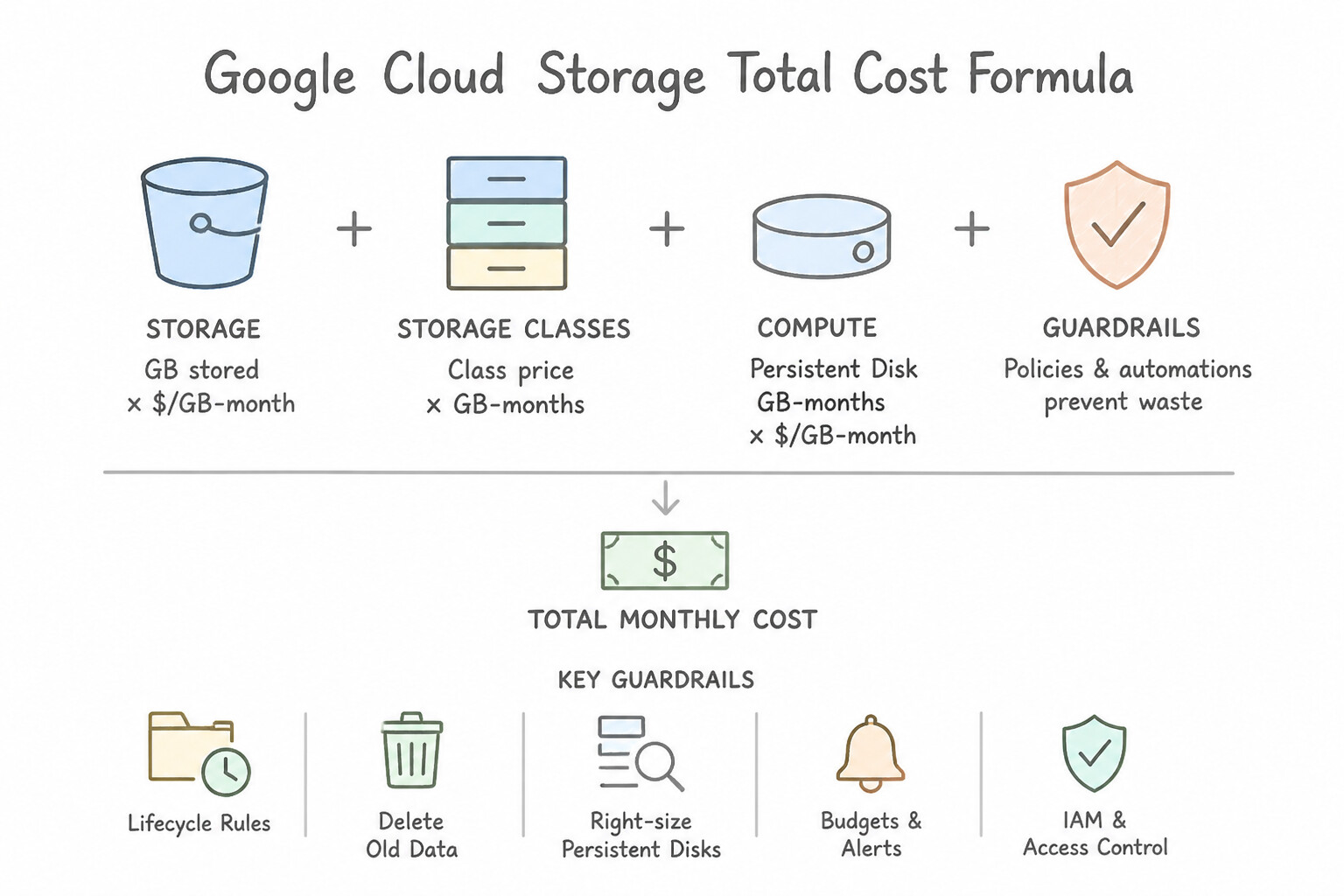
ace-3.2c-1-matching-each-data-engine.jpg,ace-3.2c-2-bigquery-bigquery.jpg) - Consideration 3.2d: Estimating storage costs (Diagrams:
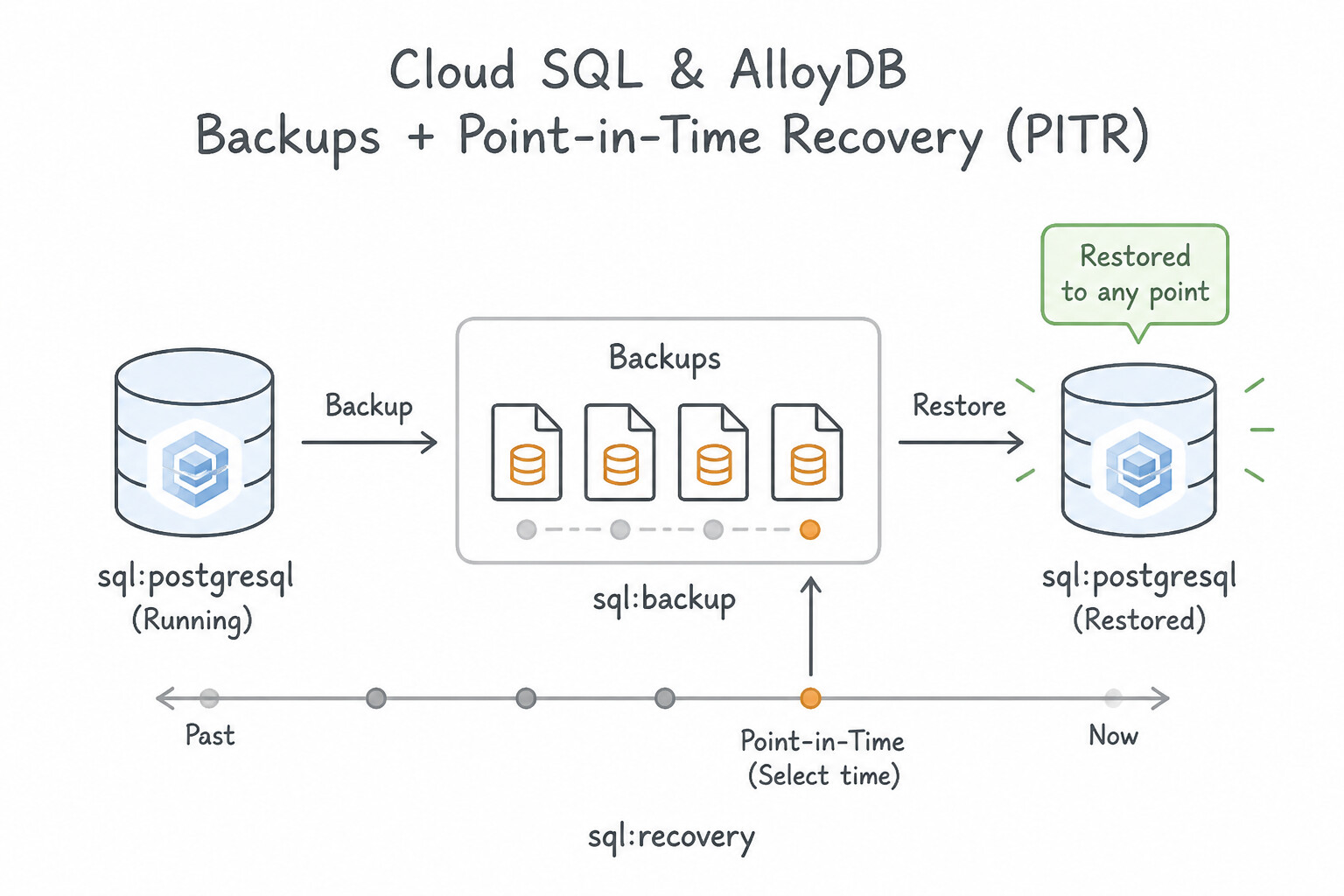
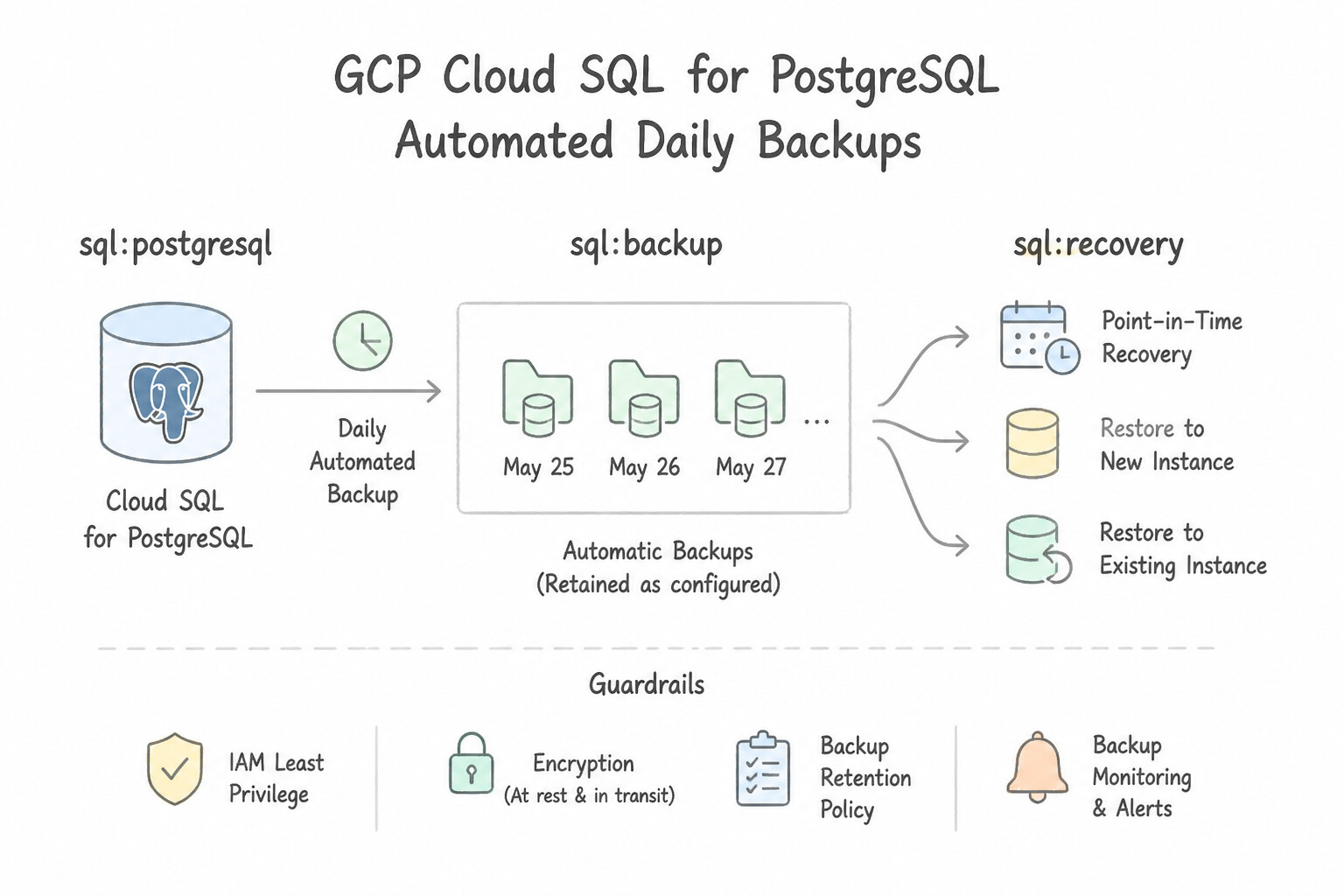
ace-3.2d-1-bigquery-dry-run-pricing.jpg,ace-3.2d-2-storage-total-cost.jpg) - Consideration 3.2e: Backing up and restoring database instances (Diagrams:
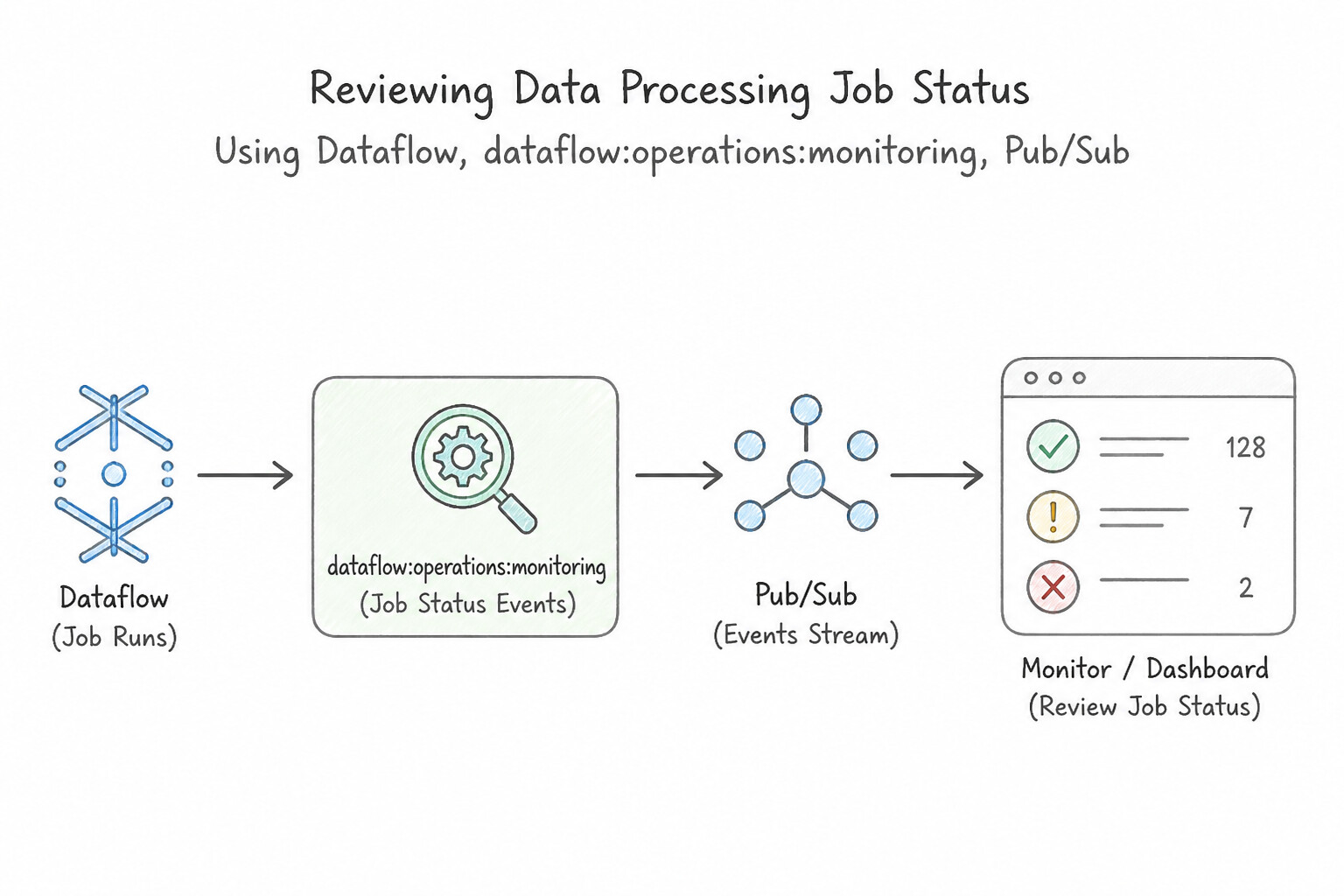
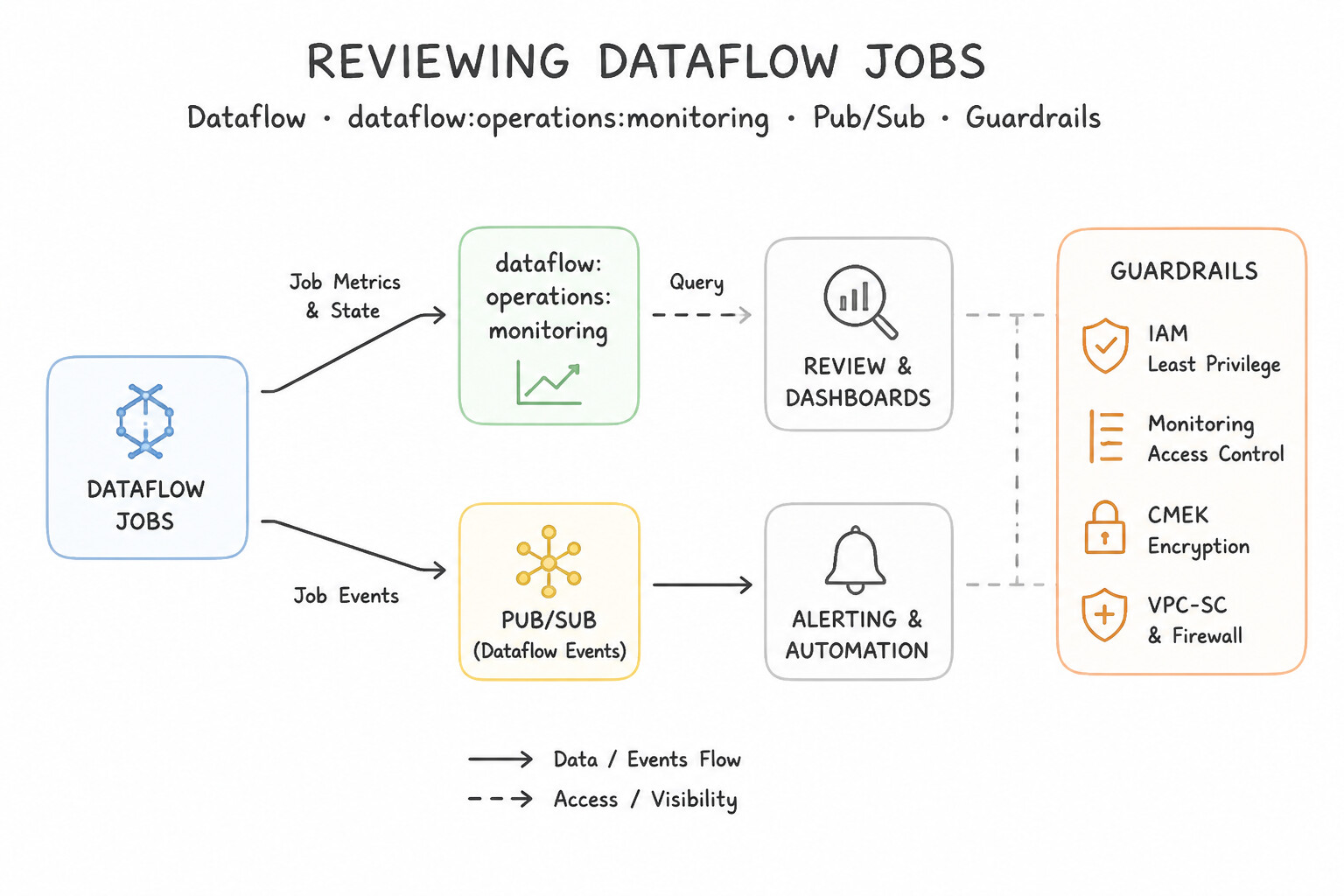
ace-3.2e-1-sql-alloydb-backups-point.jpg,ace-3.2e-2-automated-daily-backups.jpg) - Consideration 3.2f: Reviewing data processing job status (Diagrams:
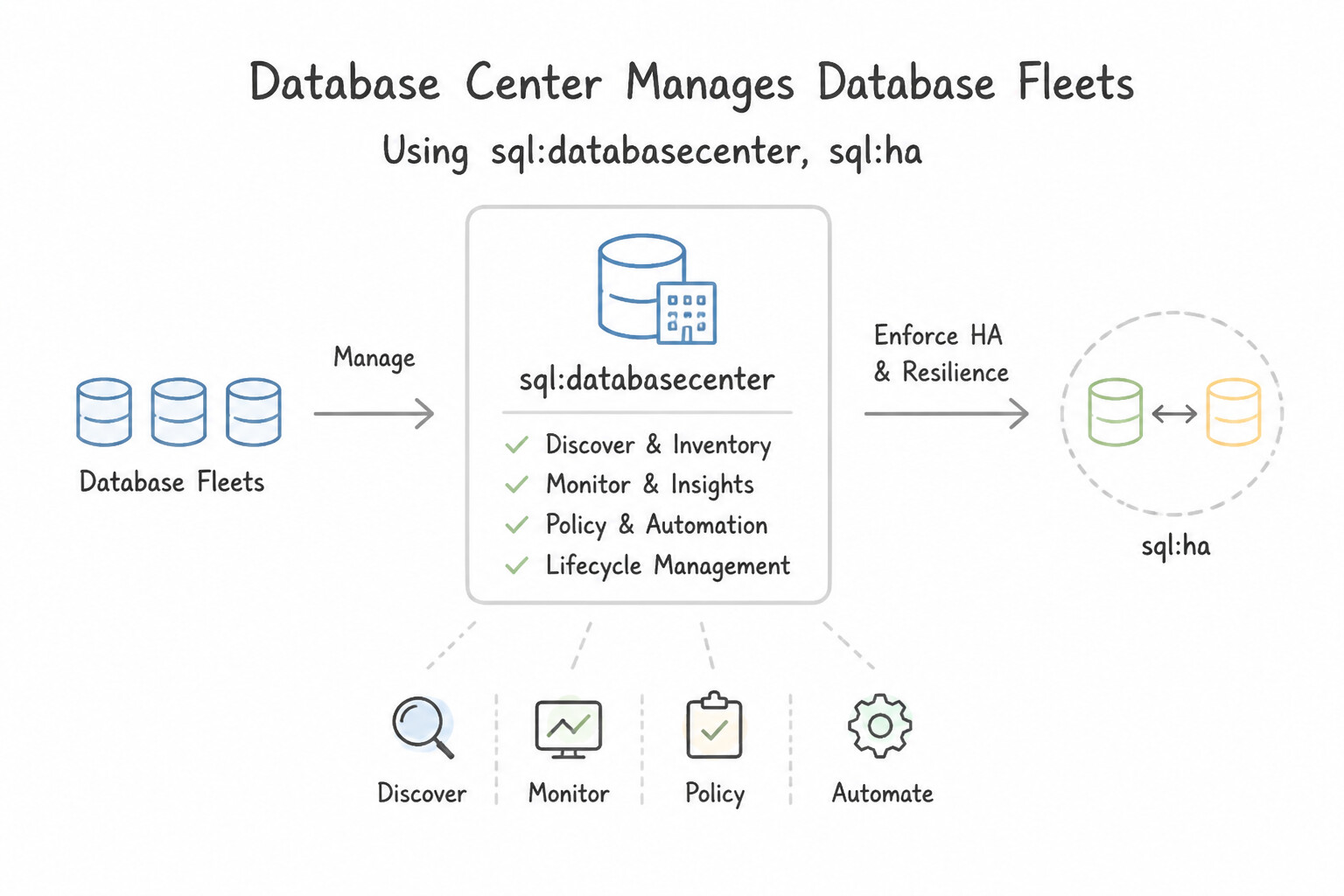
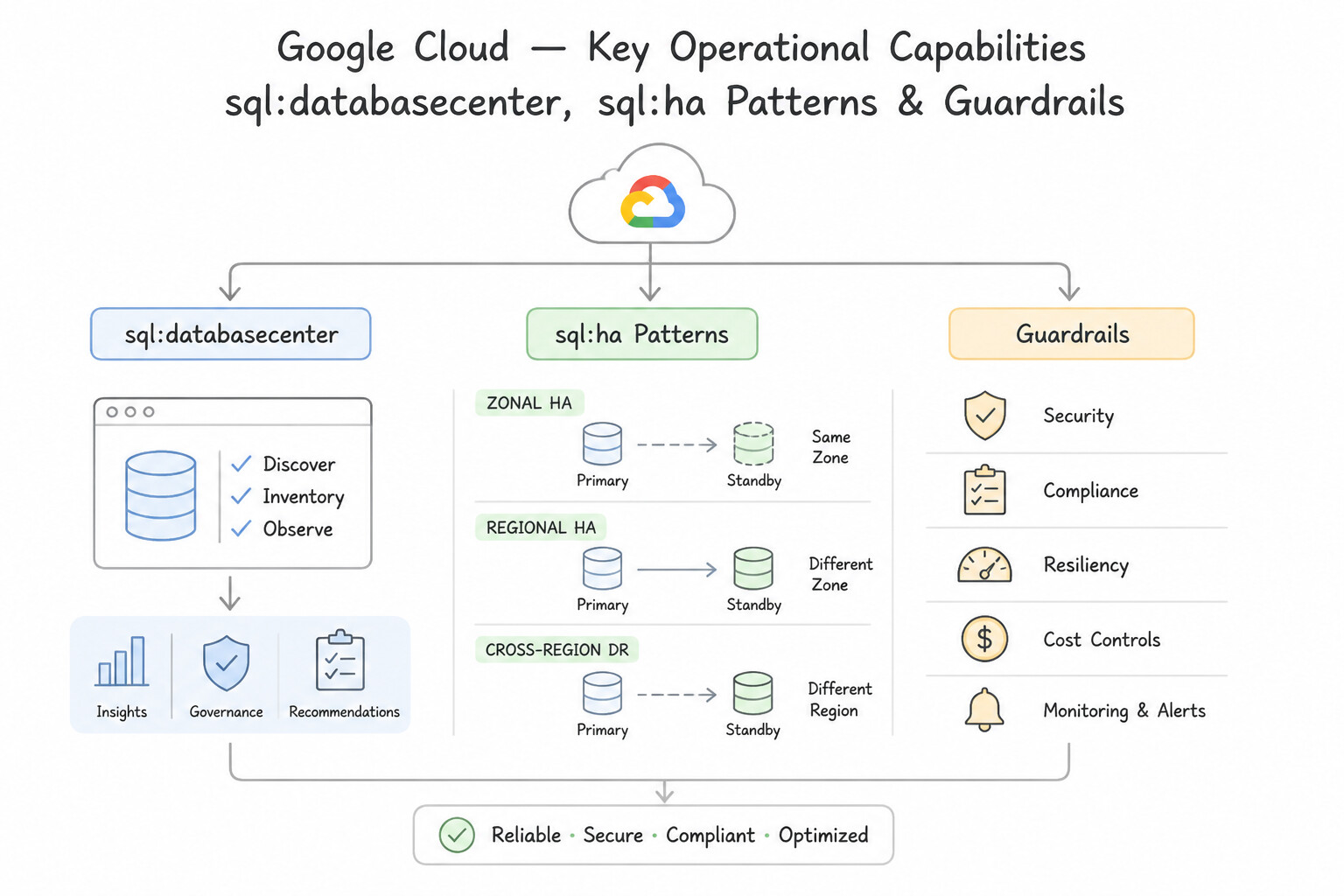
ace-3.2f-1-reviewing-bigquery-jobs.jpg,ace-3.2f-2-reviewing-dataflow-jobs.jpg) - Consideration 3.2g: Using database center to manage database fleets (Diagrams:
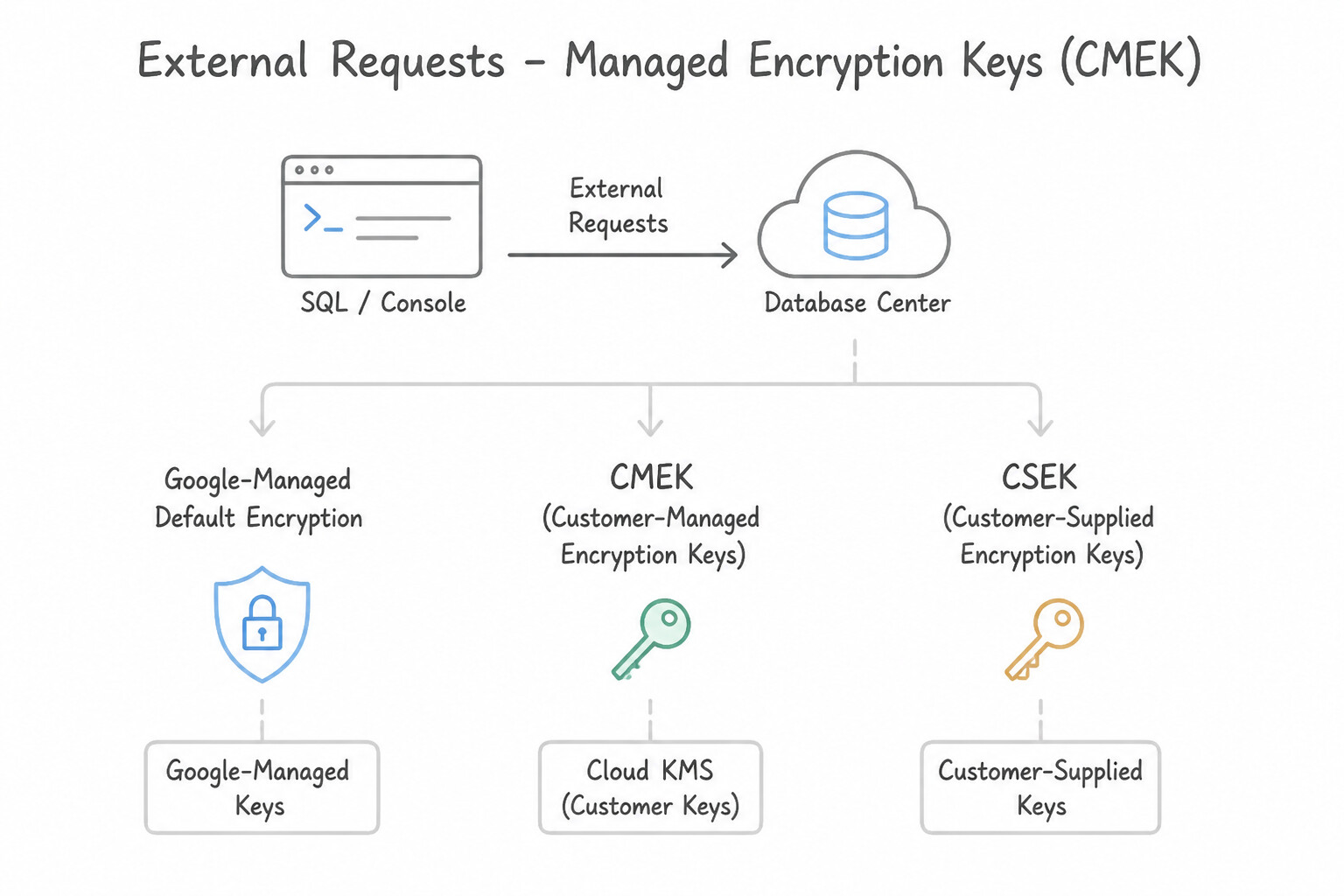
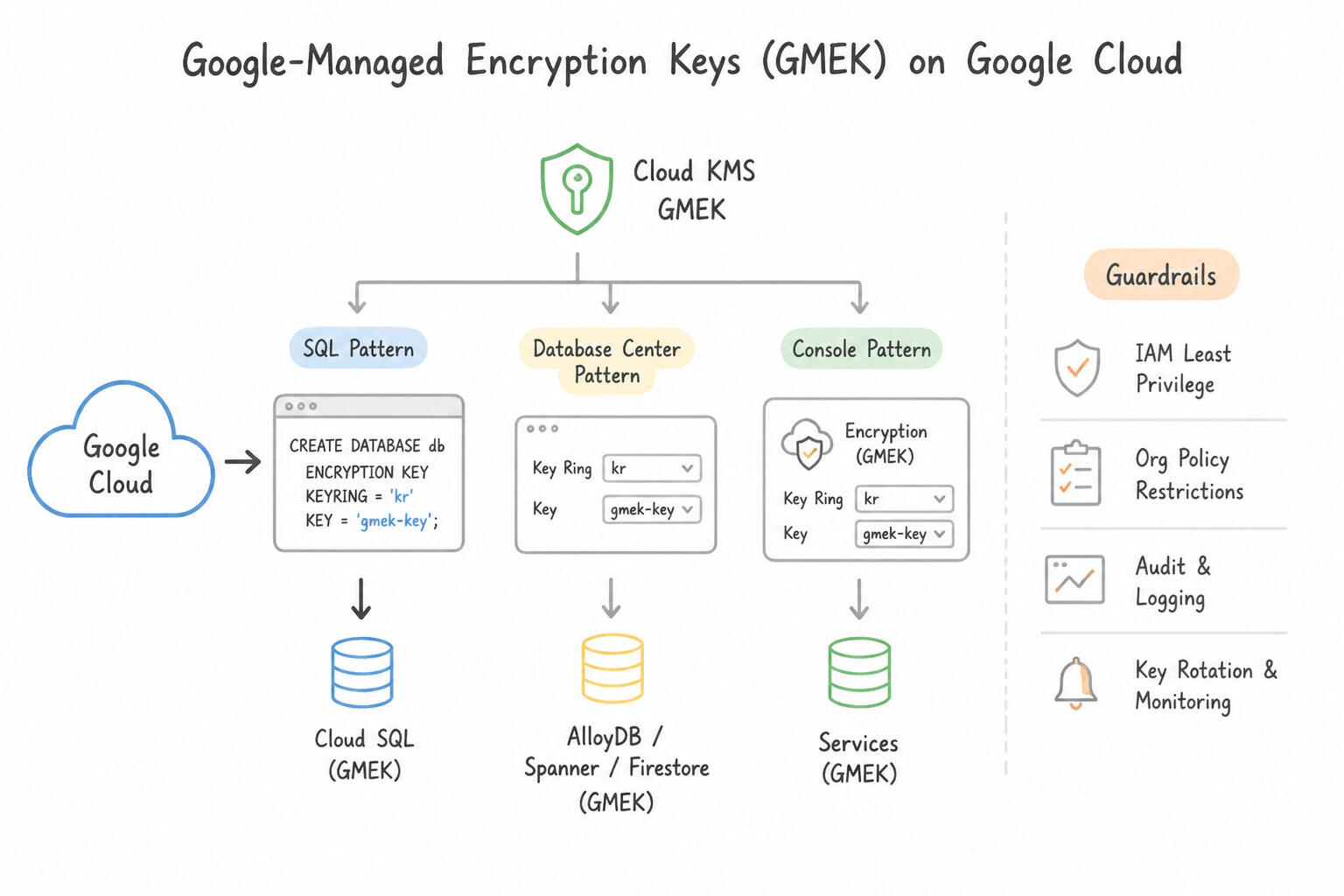
ace-3.2g-1-database-center-does.jpg,ace-3.2g-2-operational-capabilities.jpg) - Consideration 3.2h: Configuring Customer-Managed Encryption Keys (
CMEK) (Diagrams:ace-3.2h-1-managed-default.jpg,ace-3.2h-2-managed-encryption-keys.jpg) - Quick Decision Cheat Sheet (Subsection 3.2)
- Subsection 3.3: Managing Networking Resources (Section 3: Ensuring the Successful Operation of a Cloud Solution)
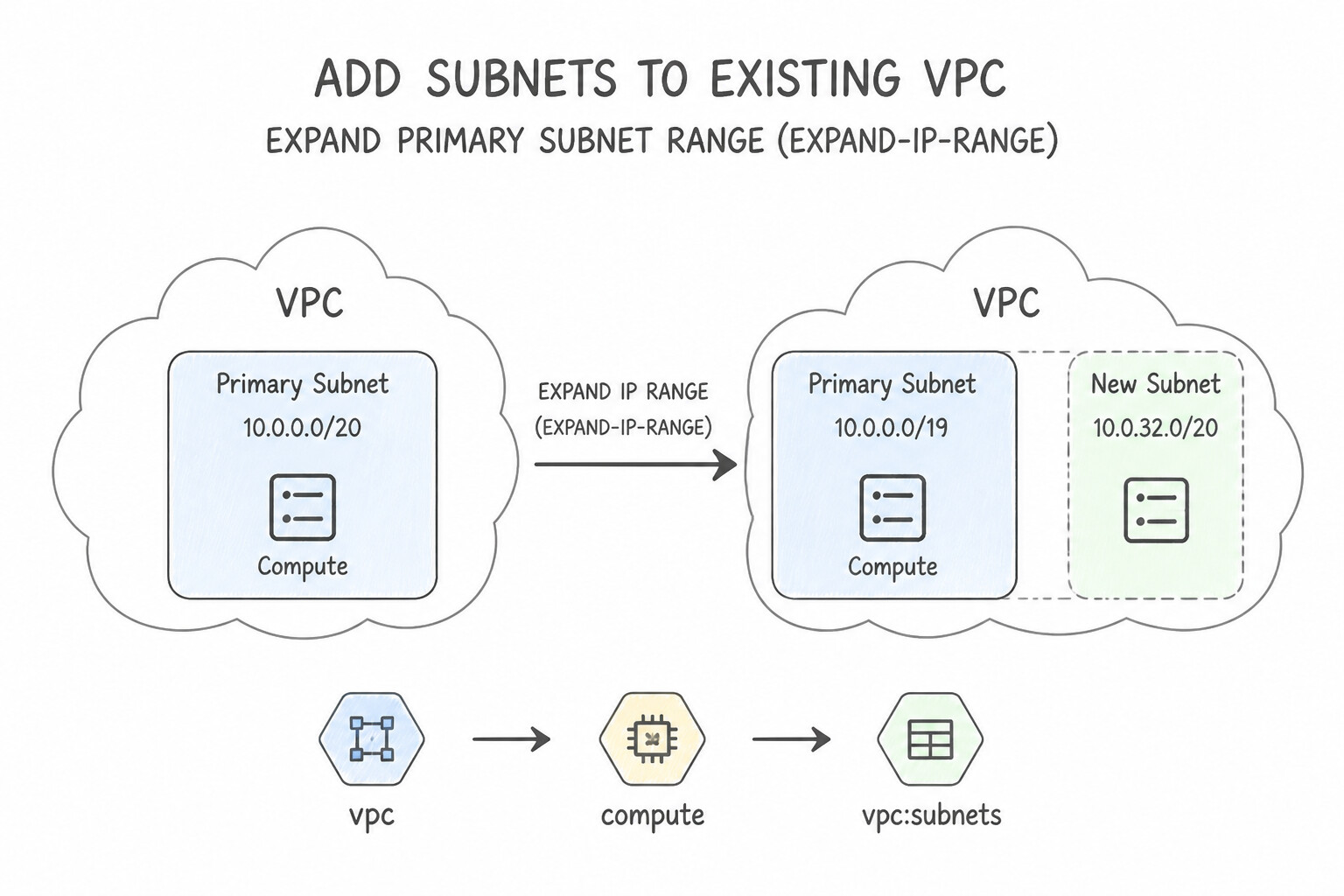
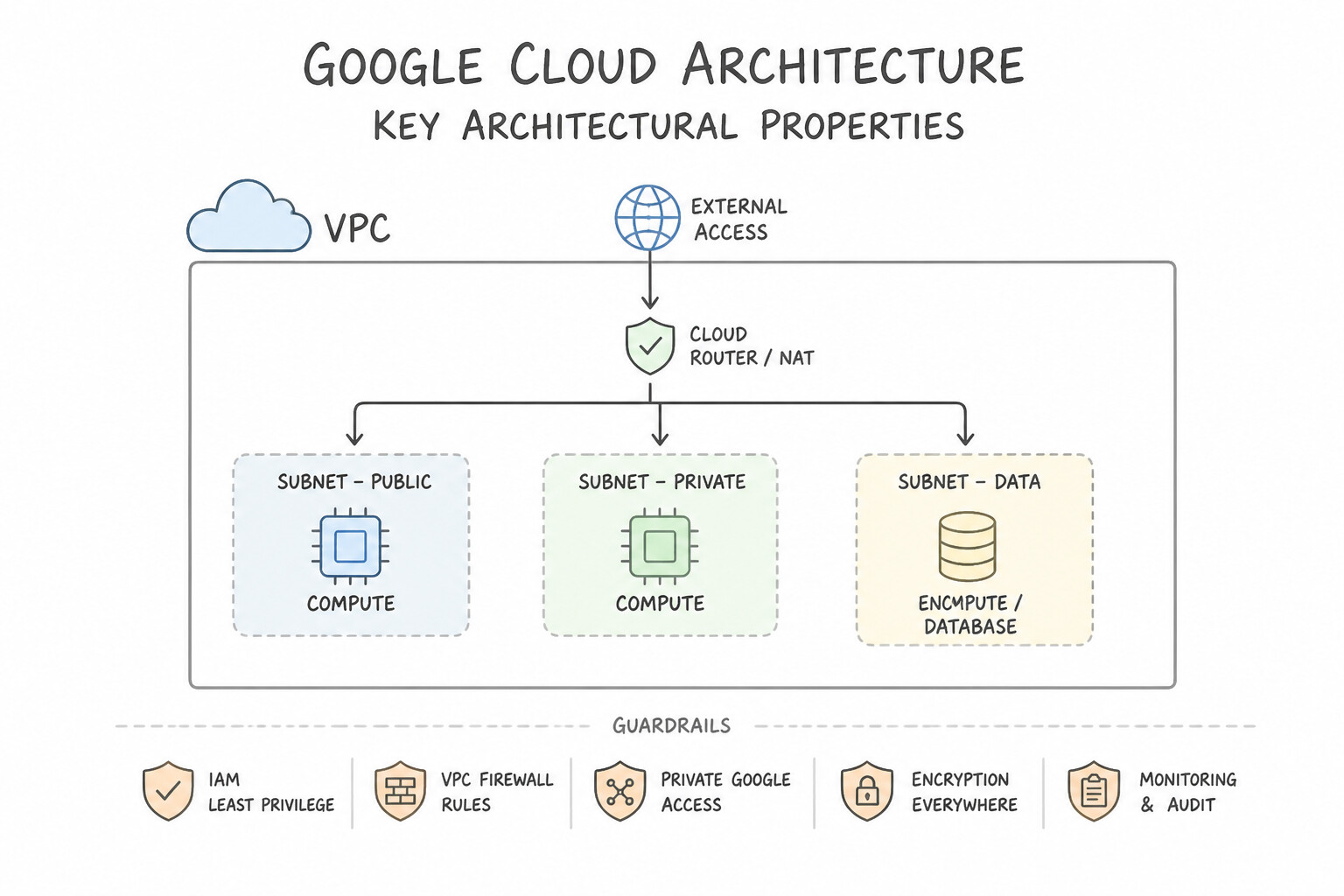
- Consideration 3.3a: Adding subnets to existing vpcs (Diagrams:
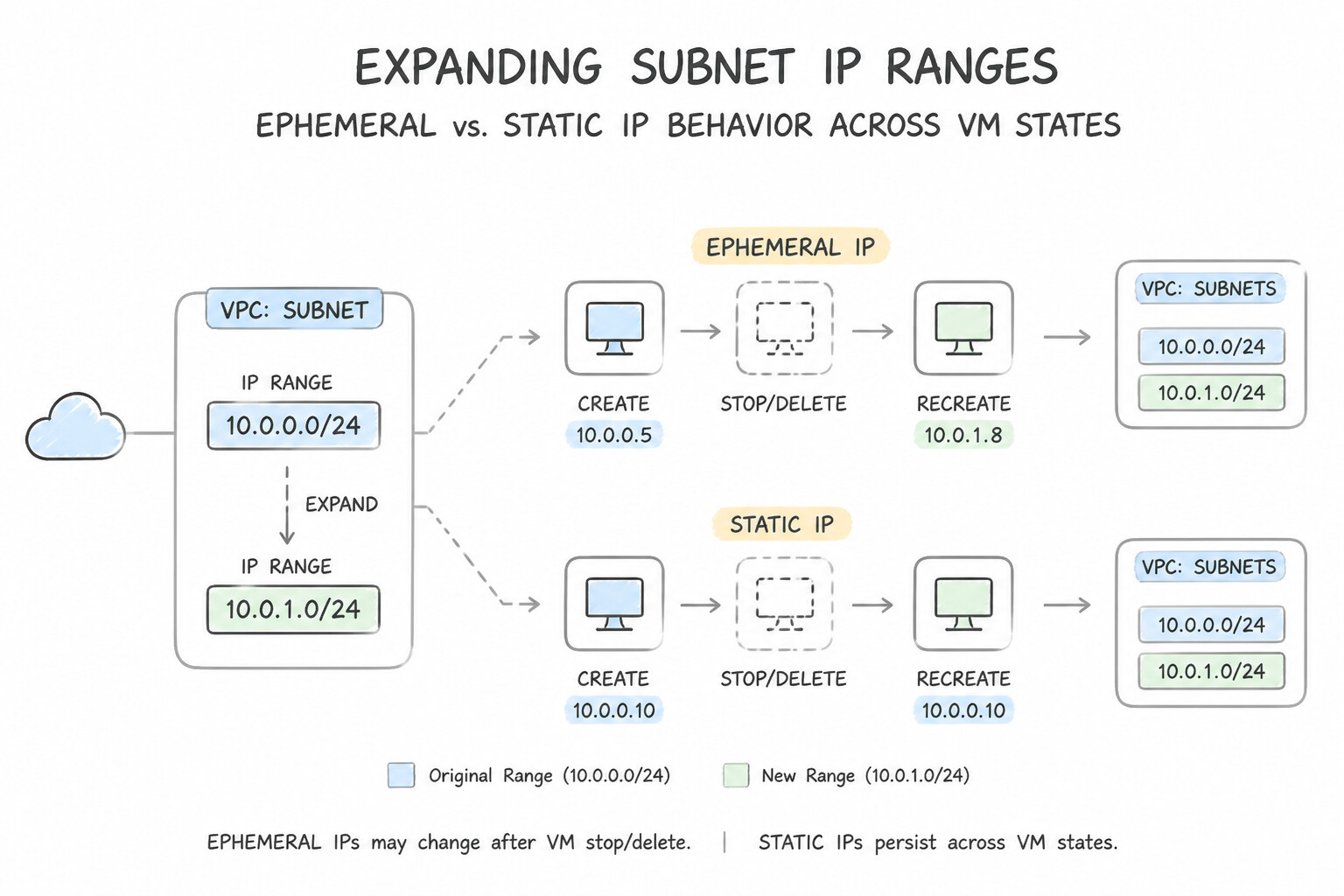
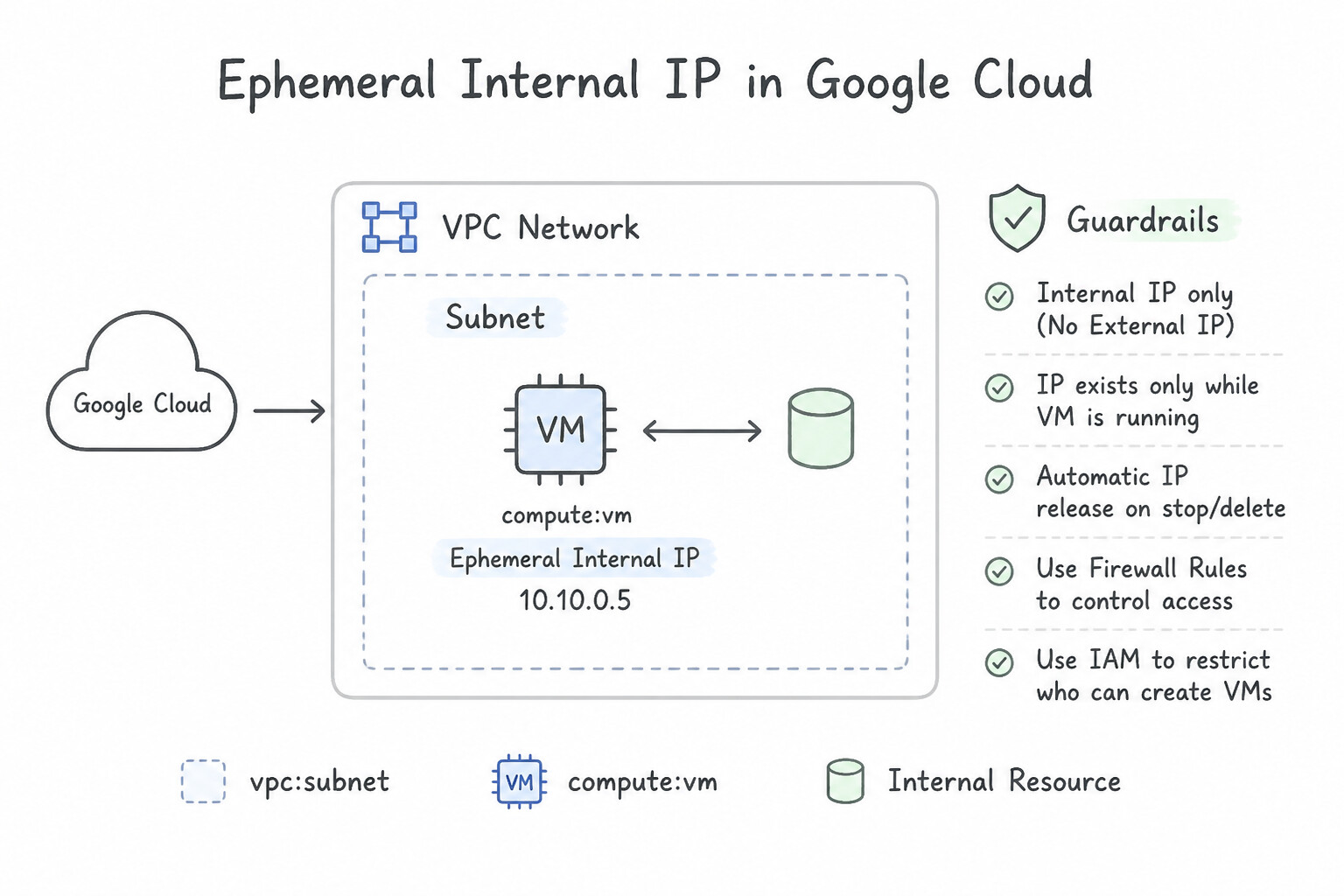
ace-3.3a-1-expanding-primary-subnet.jpg,ace-3.3a-2-architectural-properties.jpg) - Consideration 3.3b: Expanding subnet ip ranges (Diagrams:
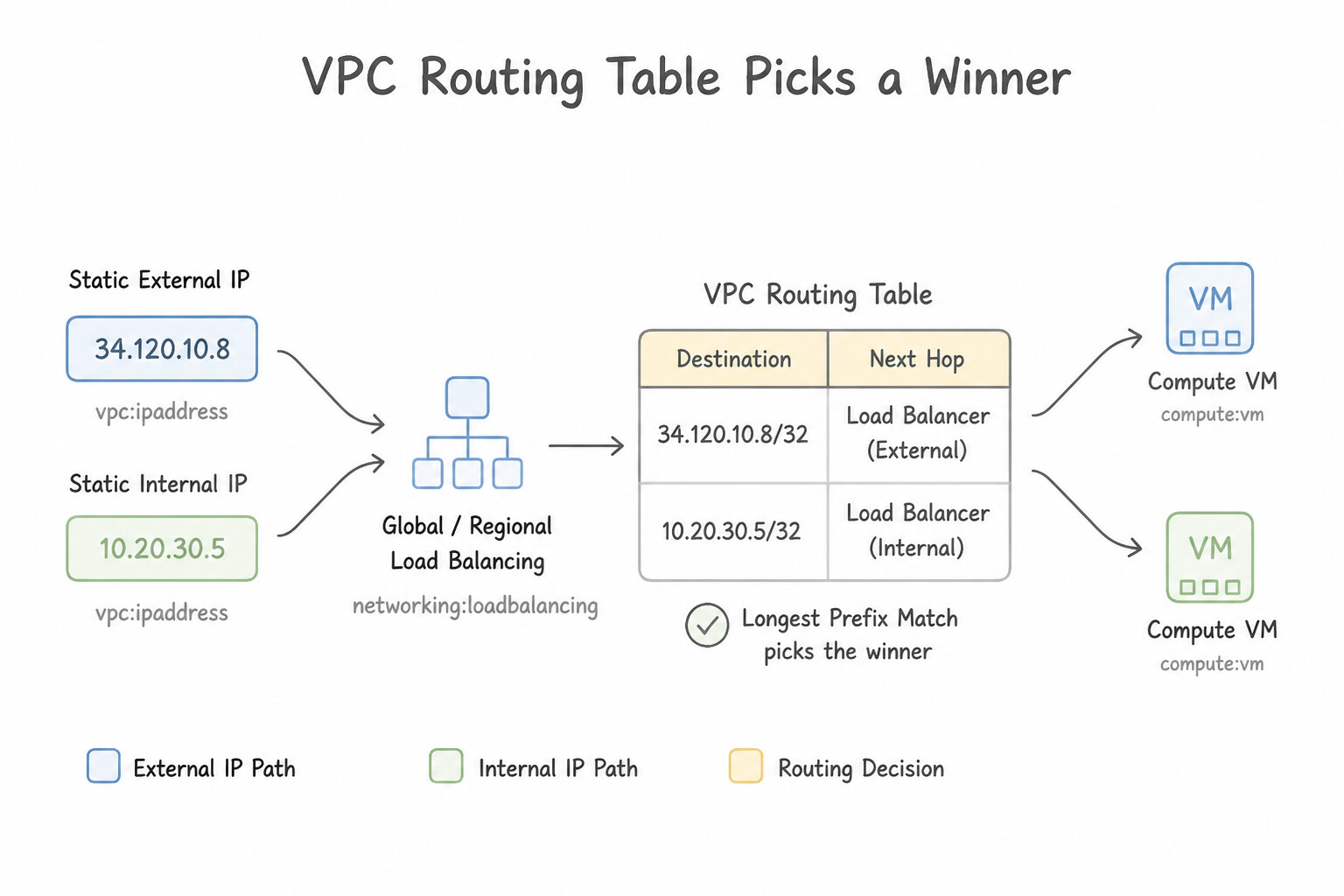
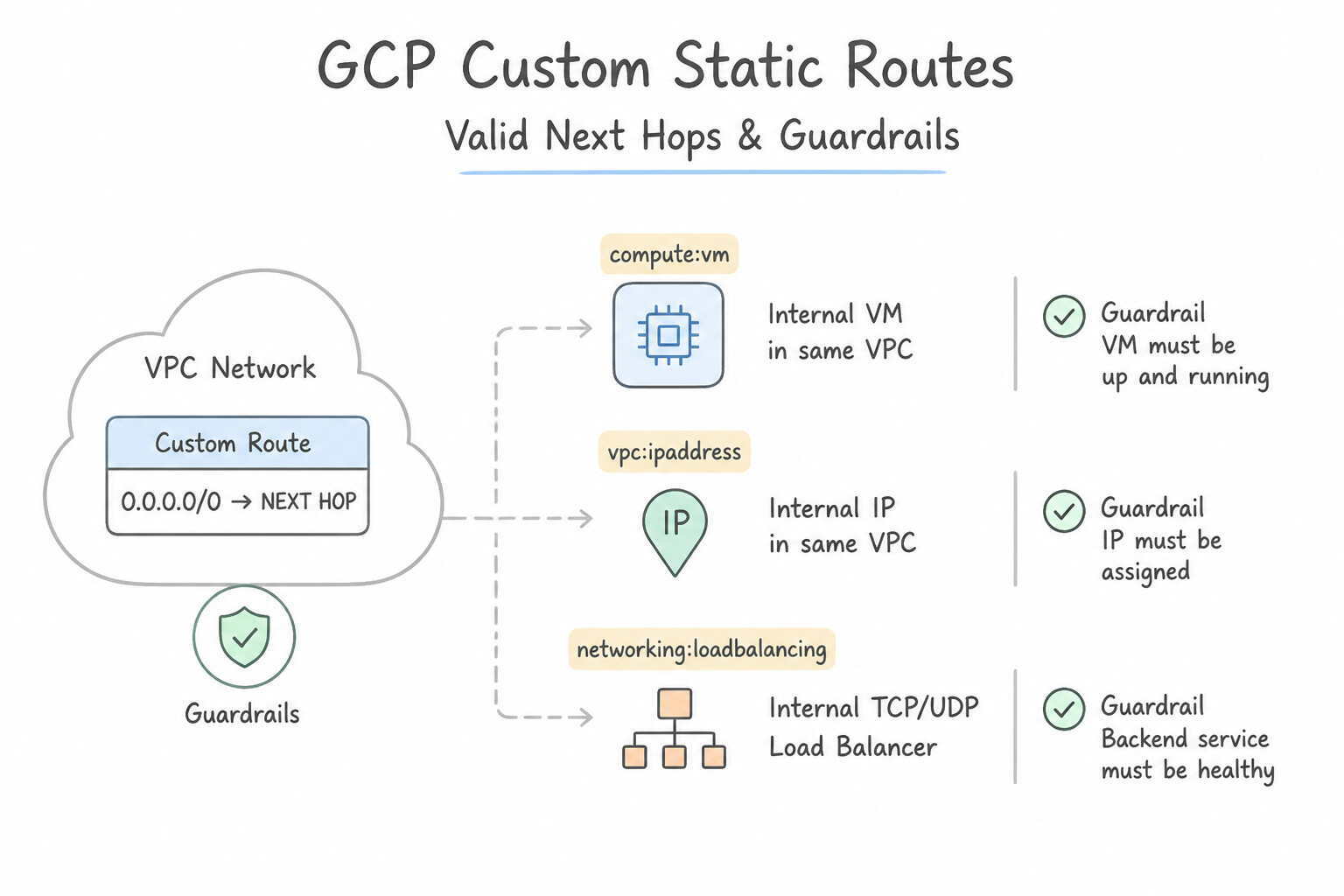
ace-3.3b-1-ephemeral-vs-static-ip.jpg,ace-3.3b-2-ephemeral-internal-ip-vpc.jpg) - Consideration 3.3c: Reserving static external and internal ip addresses (Diagrams:
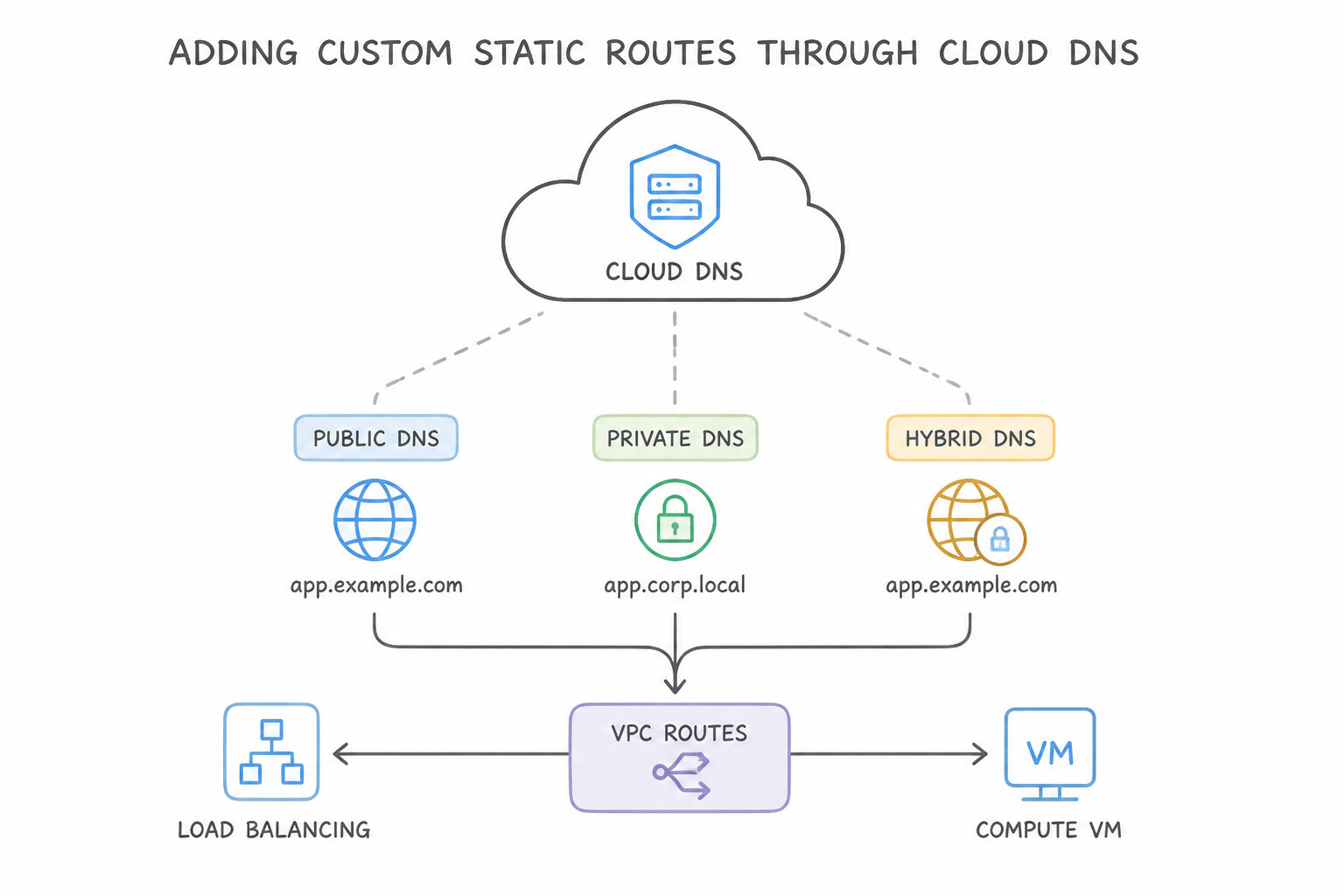
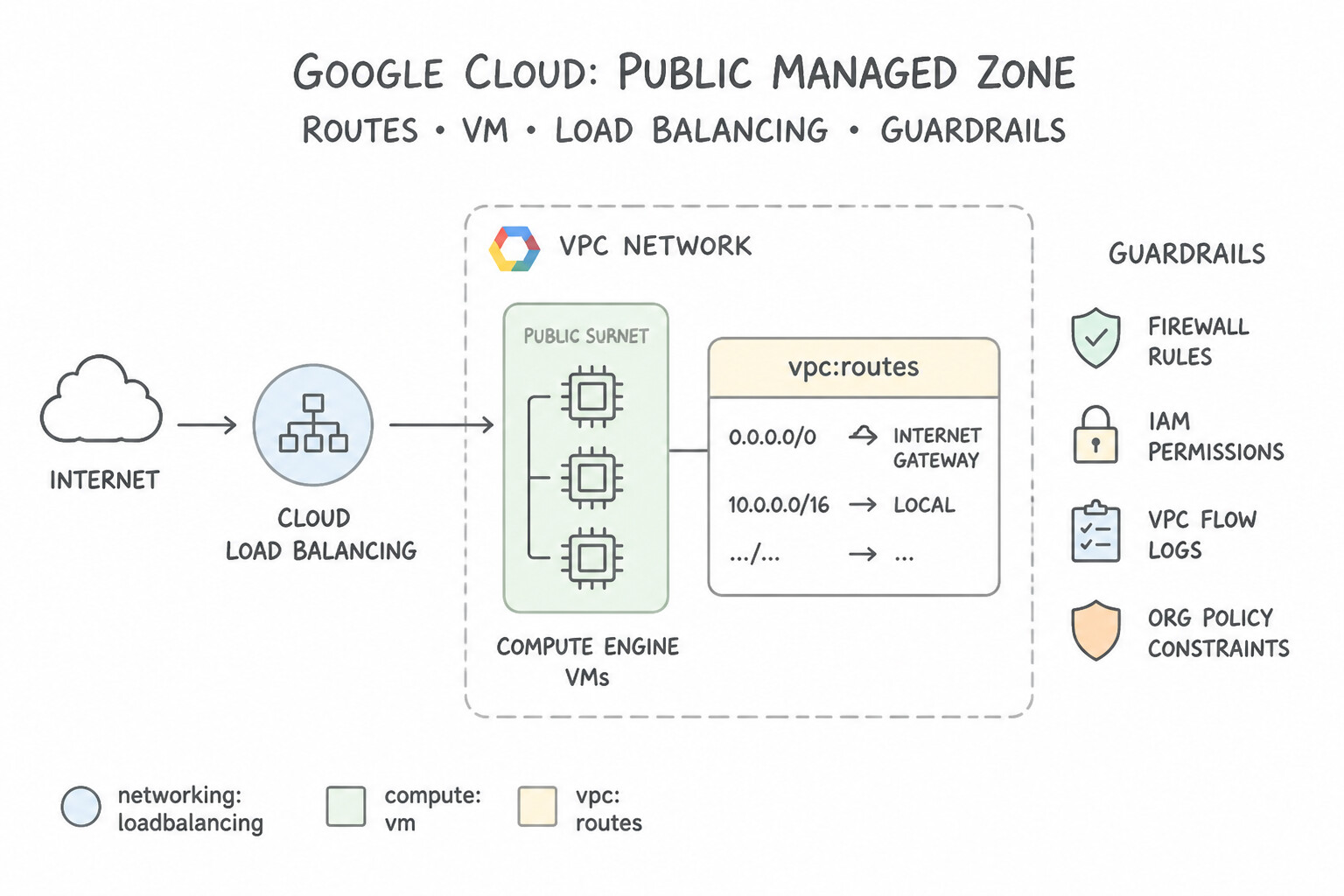
ace-3.3c-1-vpc-routing-table-picks.jpg,ace-3.3c-2-valid-next-hops-custom.jpg) - Consideration 3.3d: Adding custom static routes (Diagrams:
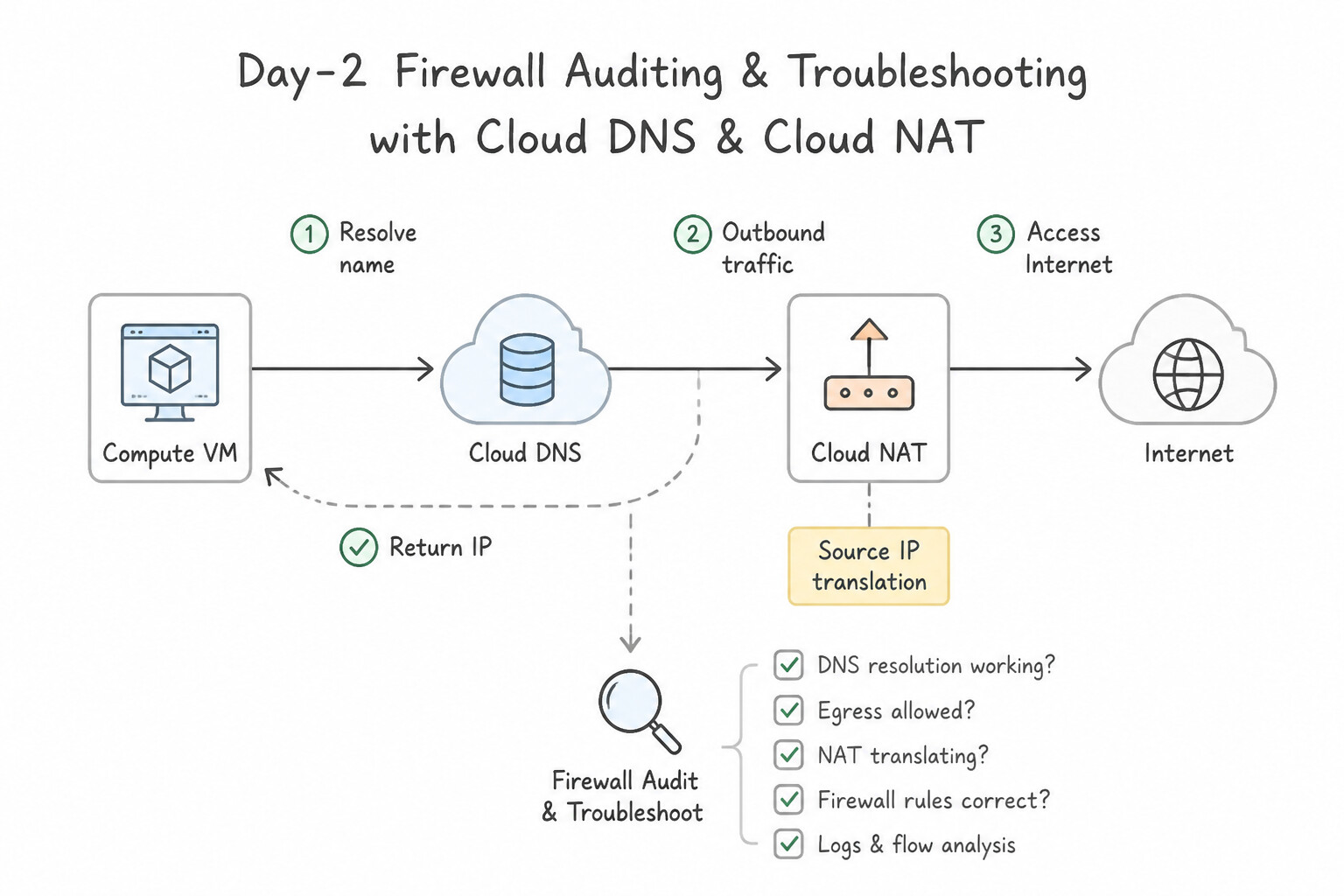
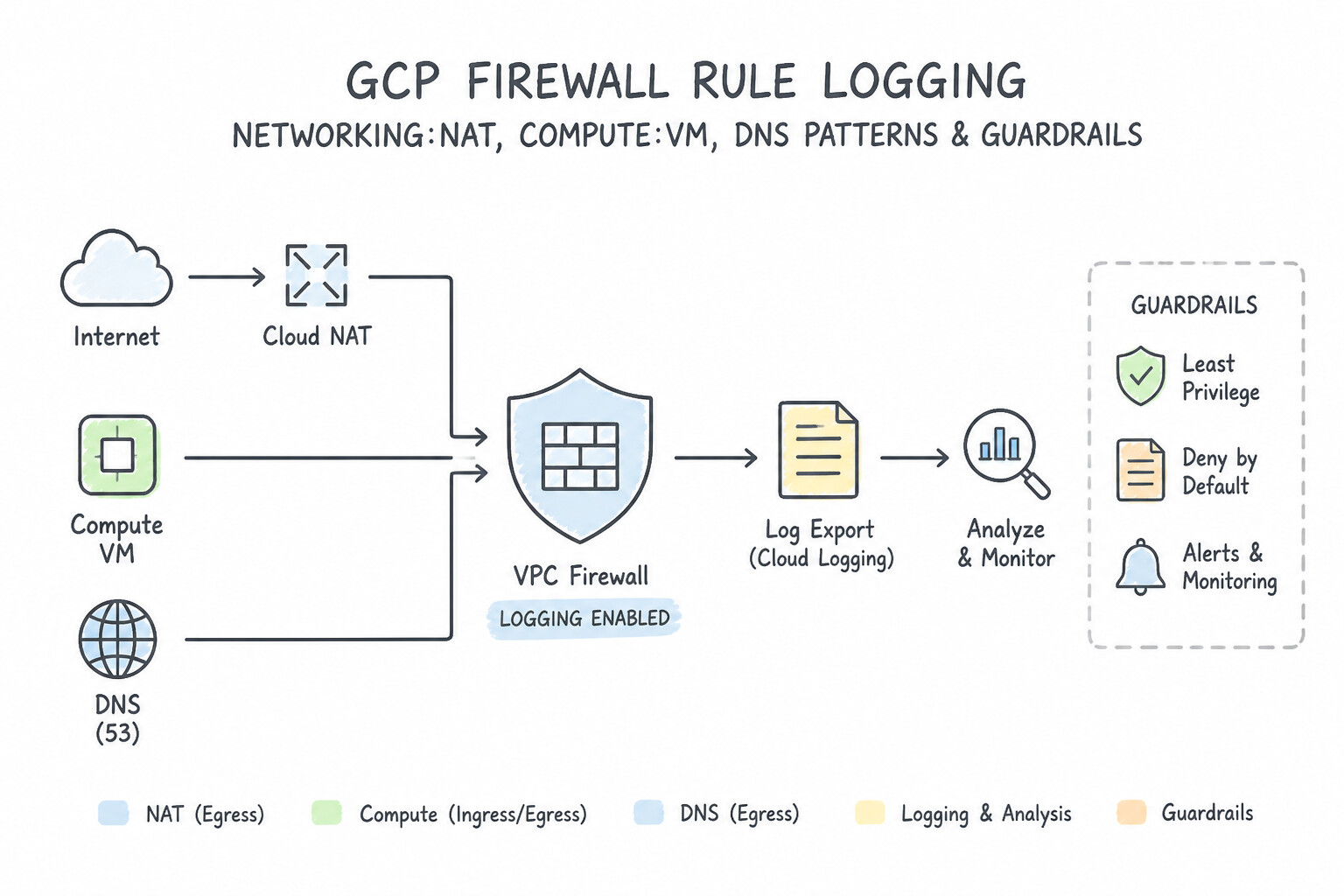
ace-3.3d-1-dns-authoritative-public.jpg,ace-3.3d-2-public-managed-zone-vpc.jpg) - Consideration 3.3e: Working with cloud dns and cloud nat (Diagrams:
ace-3.3e-1-day-firewall-auditing.jpg,ace-3.3e-2-firewall-logging.jpg) - Quick Decision Cheat Sheet (Subsection 3.3)
Chapter 6: Cloud Observability: Monitoring, Logging Pipelines, Audit Logs & Diagnostics
- Subsection 3.4: Monitoring and Logging (Section 3: Ensuring the Successful Operation of a Cloud Solution)
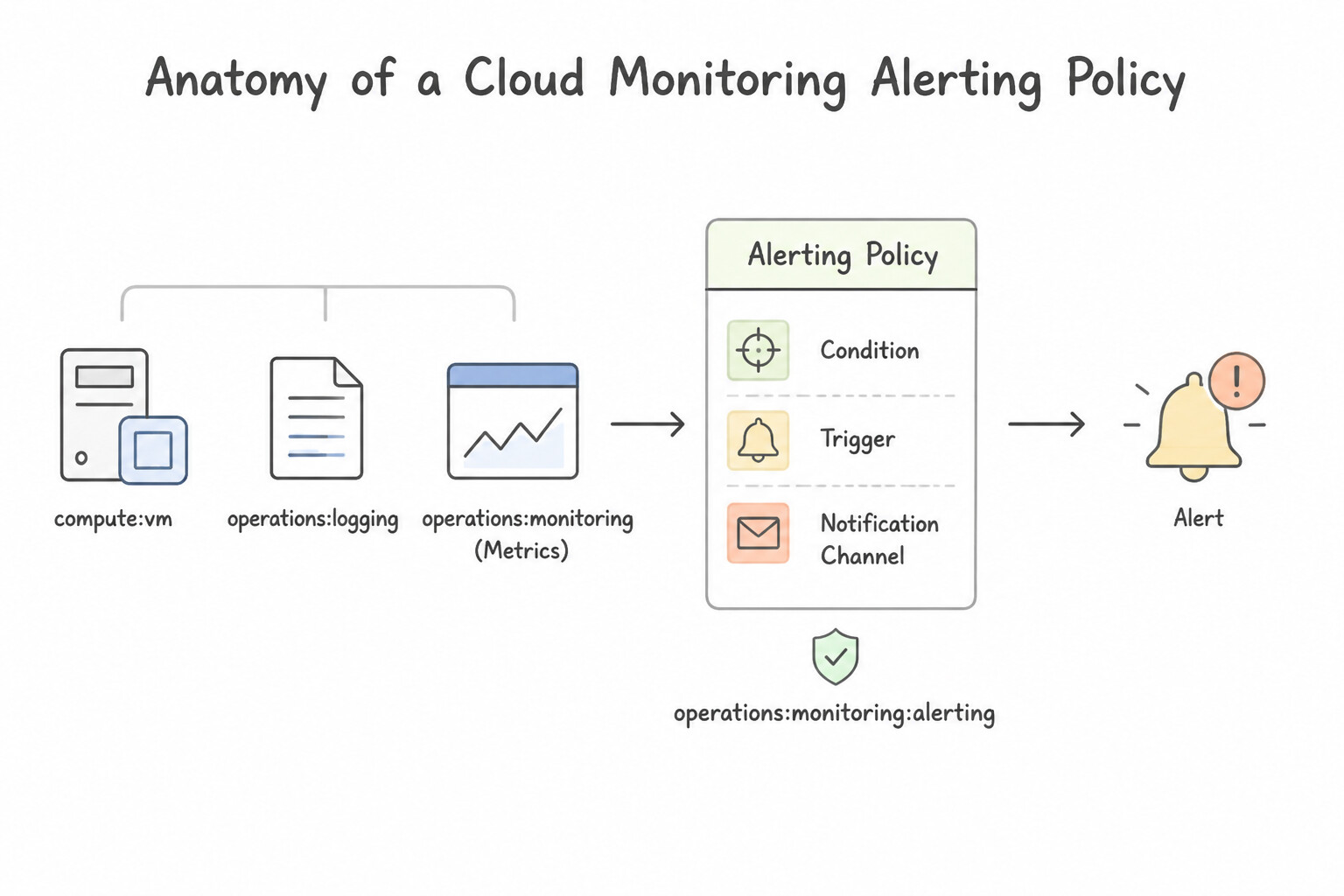
- Consideration 3.4a: Creating cloud monitoring alerts (Diagrams:
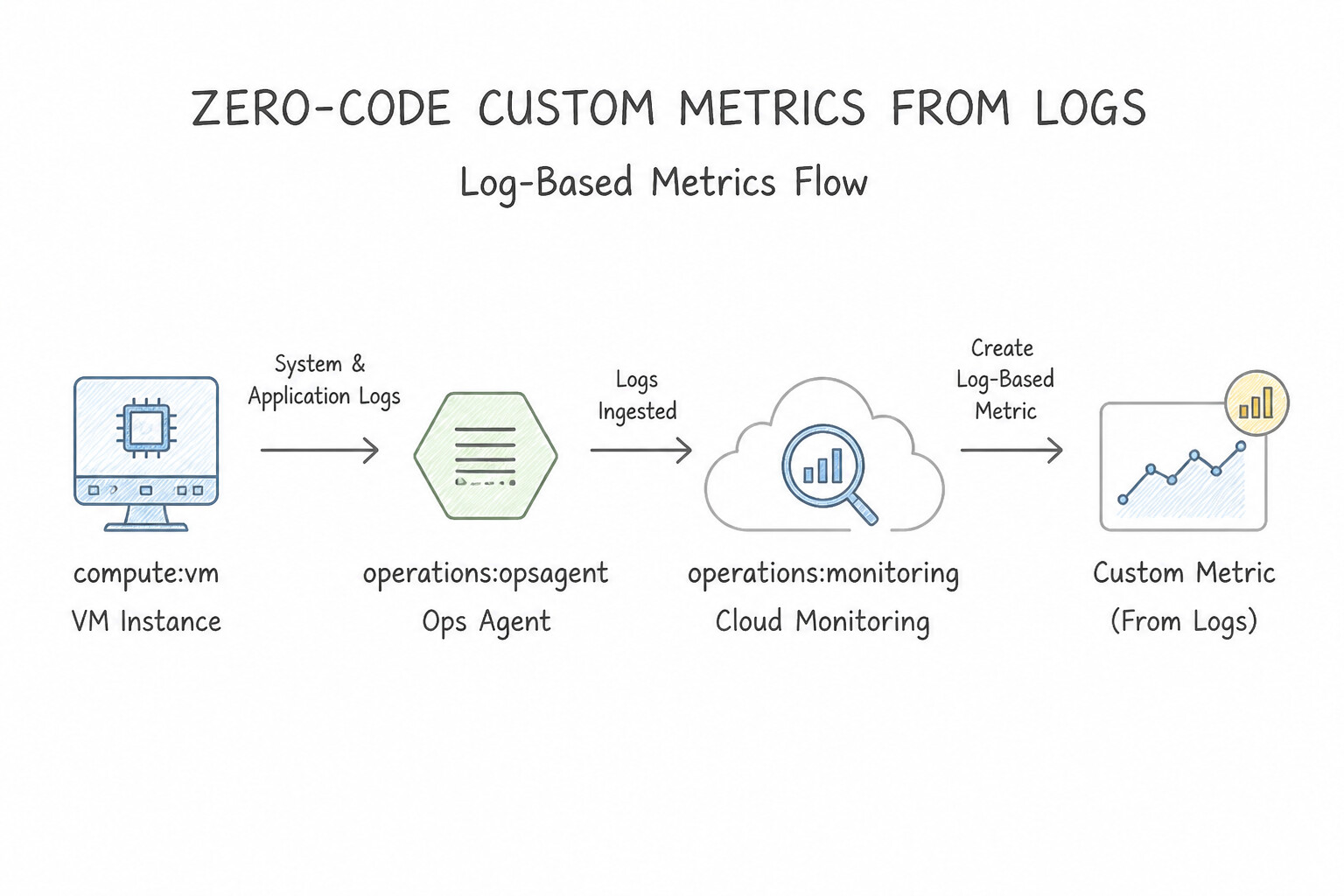
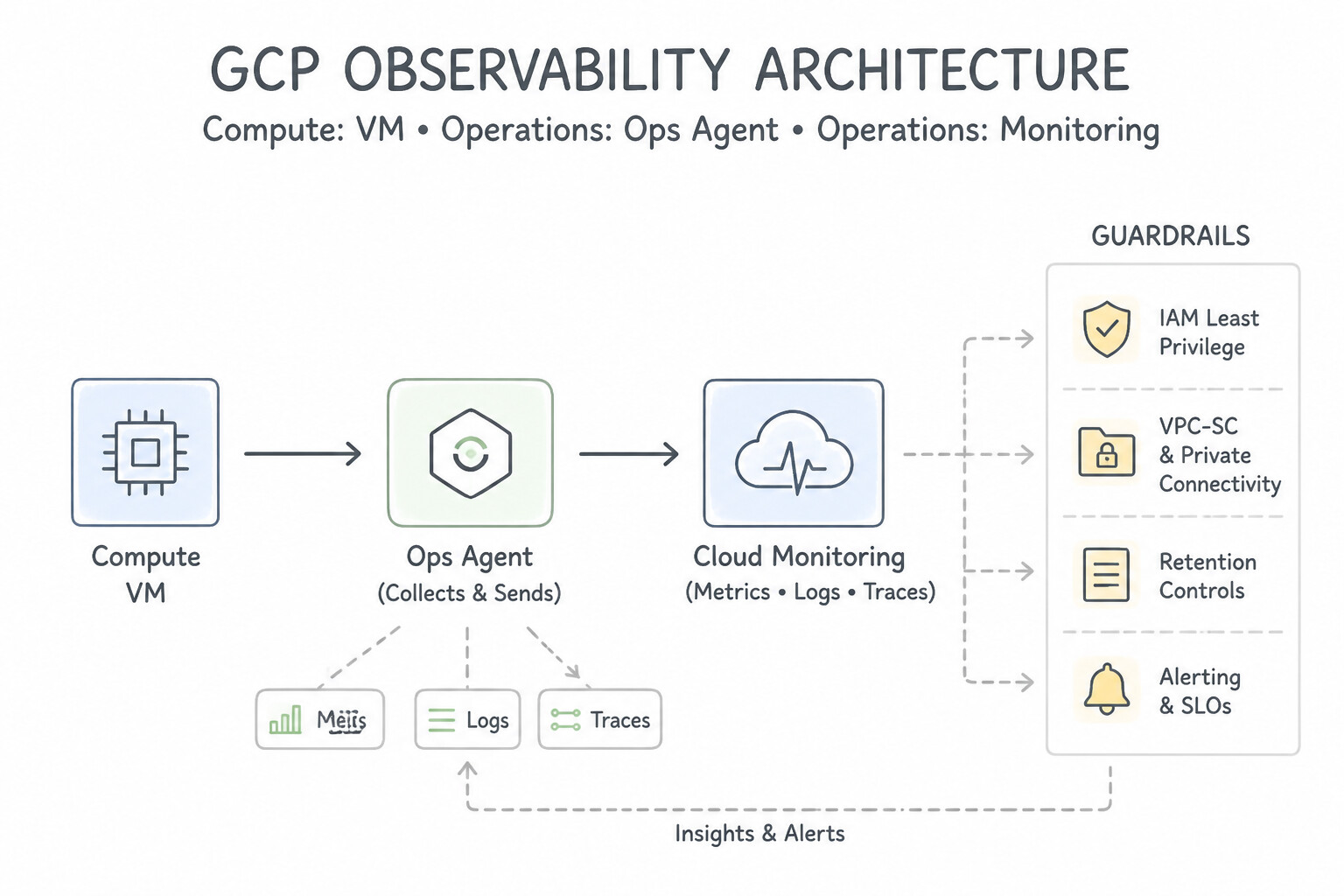
ace-3.4a-1-anatomy-of-monitoring.jpg,ace-3.4a-2-operations-monitoring.jpg) - Consideration 3.4b: Creating and ingesting custom metrics (Diagrams:
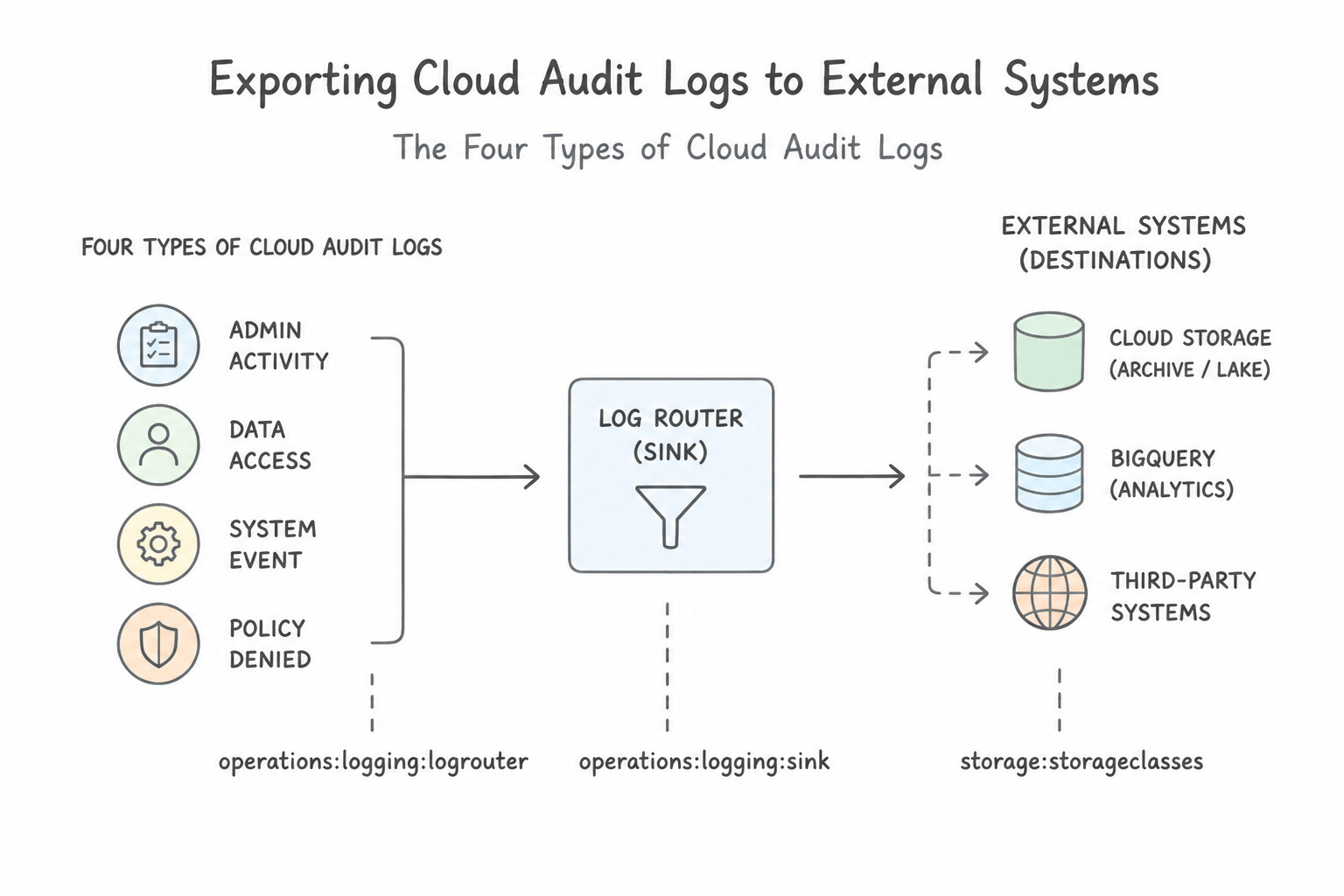
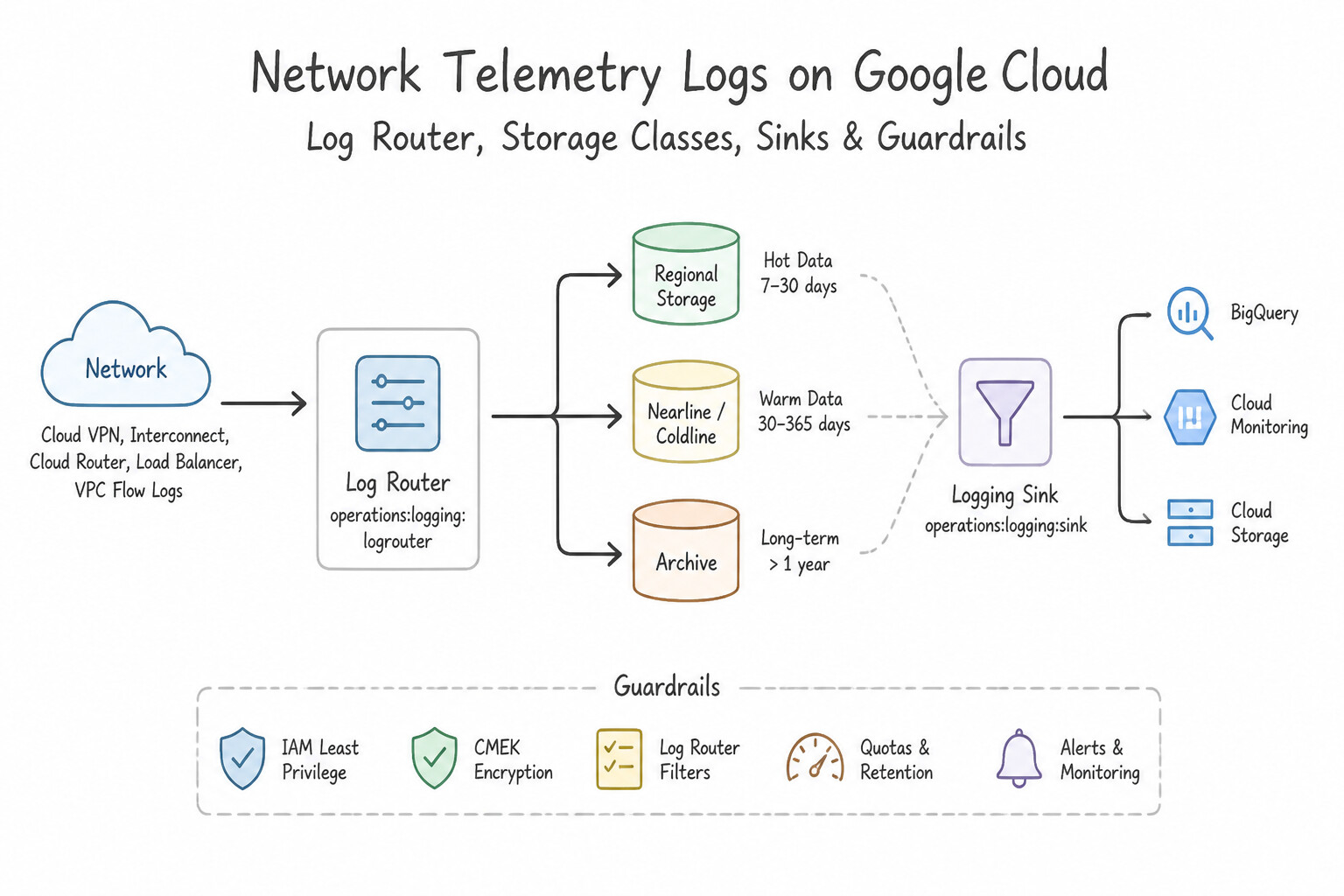
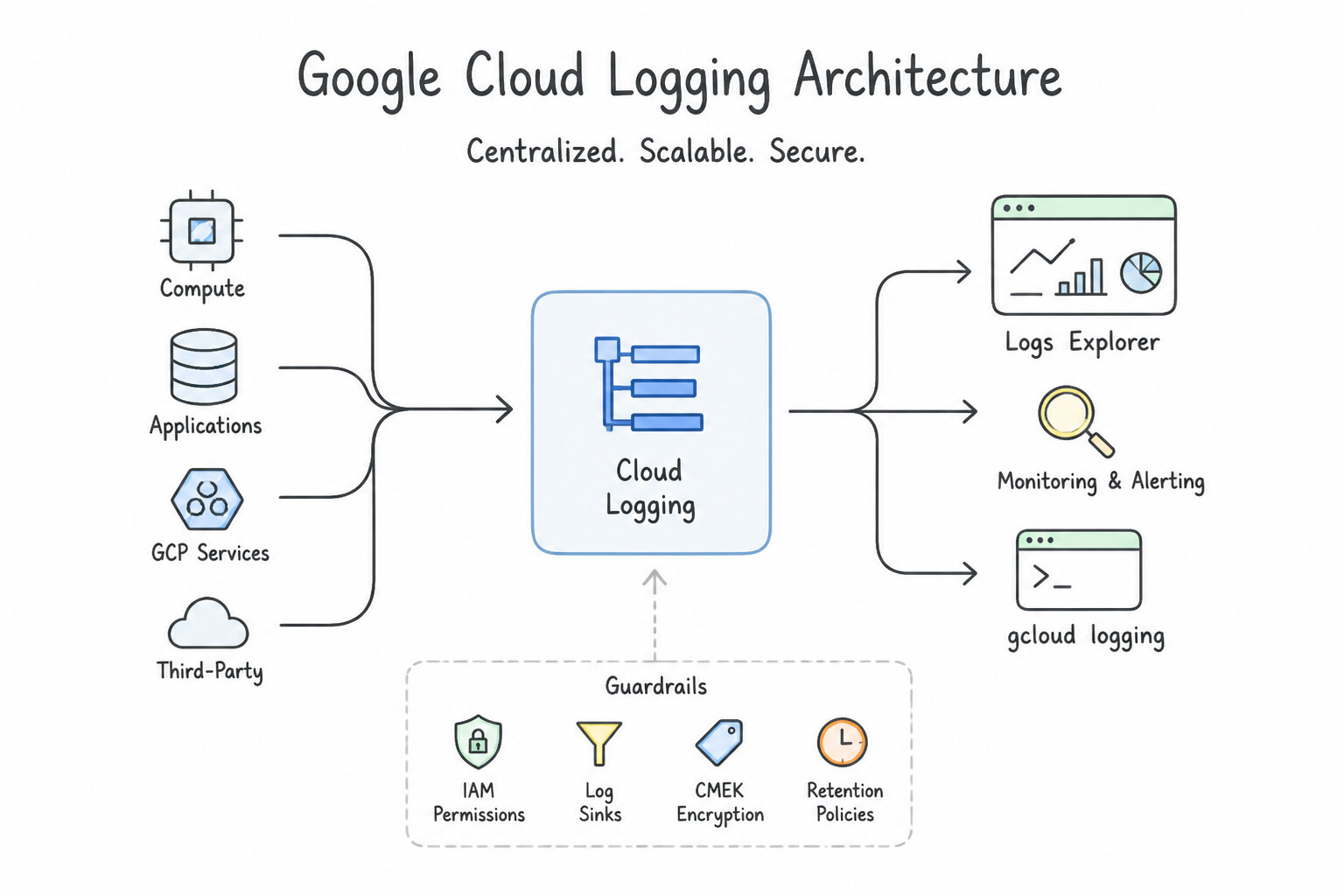
ace-3.4b-1-log-based-metrics-zero.jpg,ace-3.4b-2-compute-vm-operations.jpg) - Consideration 3.4c: Exporting logs to external systems (Diagrams:
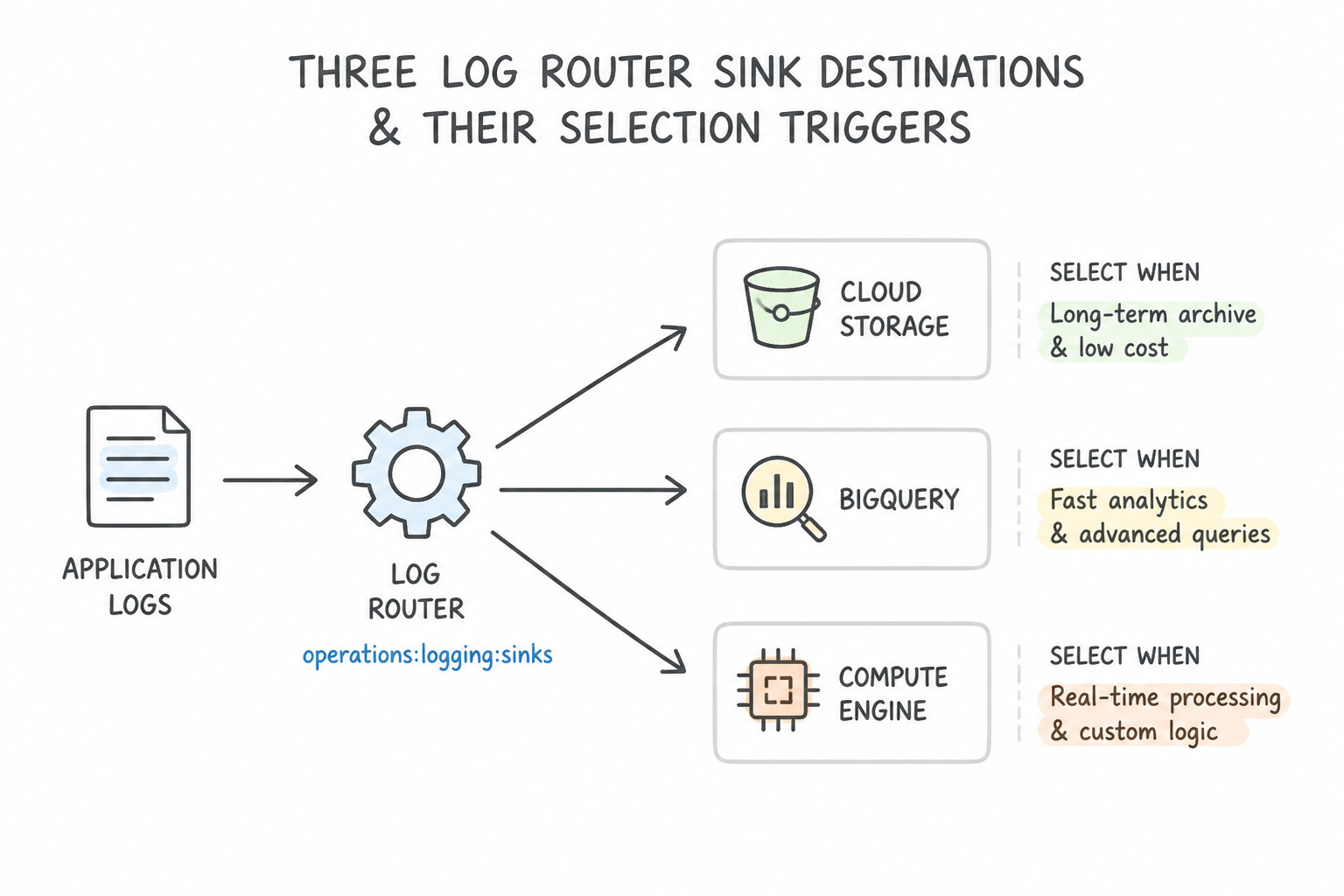
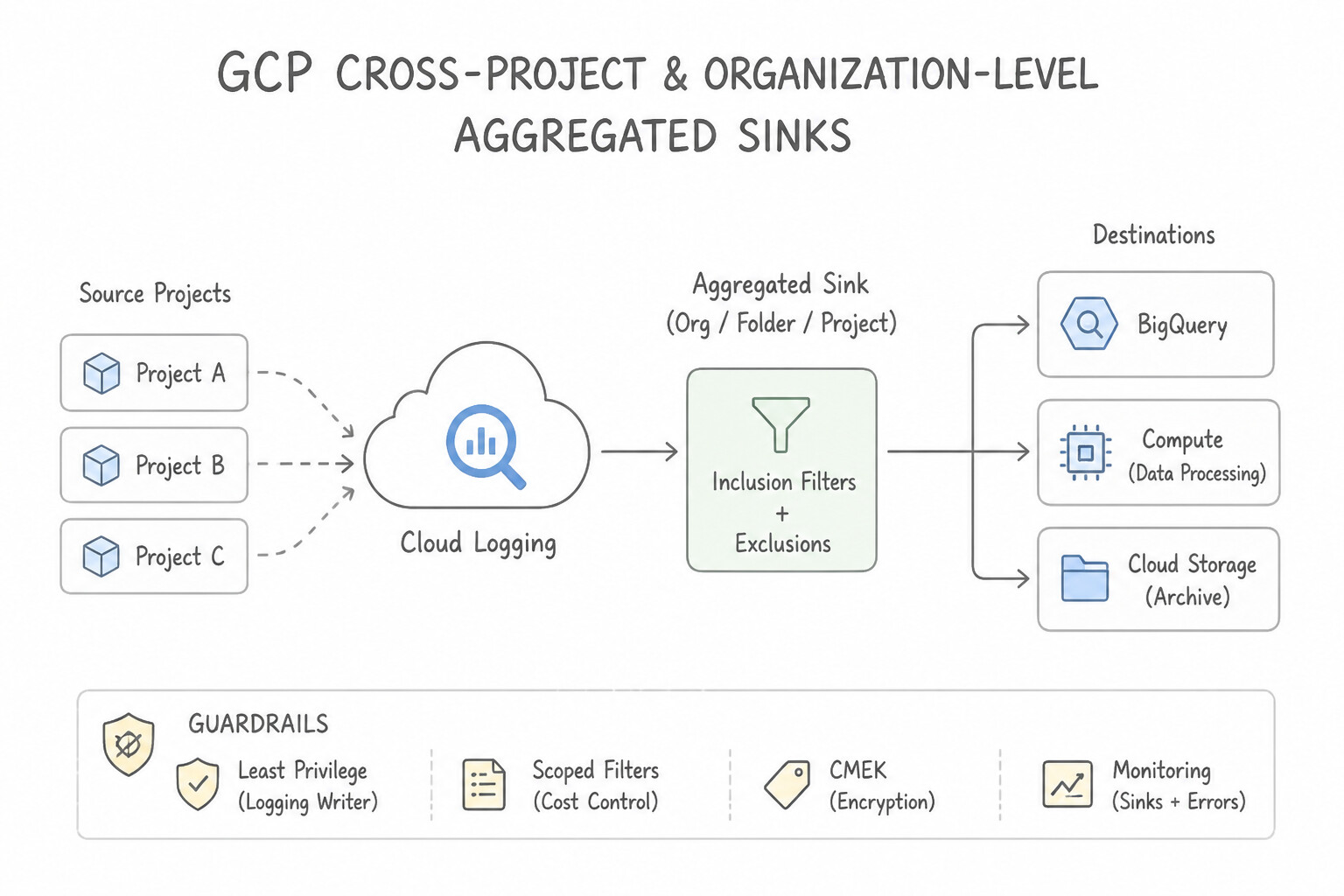
ace-3.4c-1-types-of-audit-logs.jpg,ace-3.4c-2-network-telemetry-logs.jpg) - Consideration 3.4d: Configuring log buckets, analytics, and routers (Diagrams:
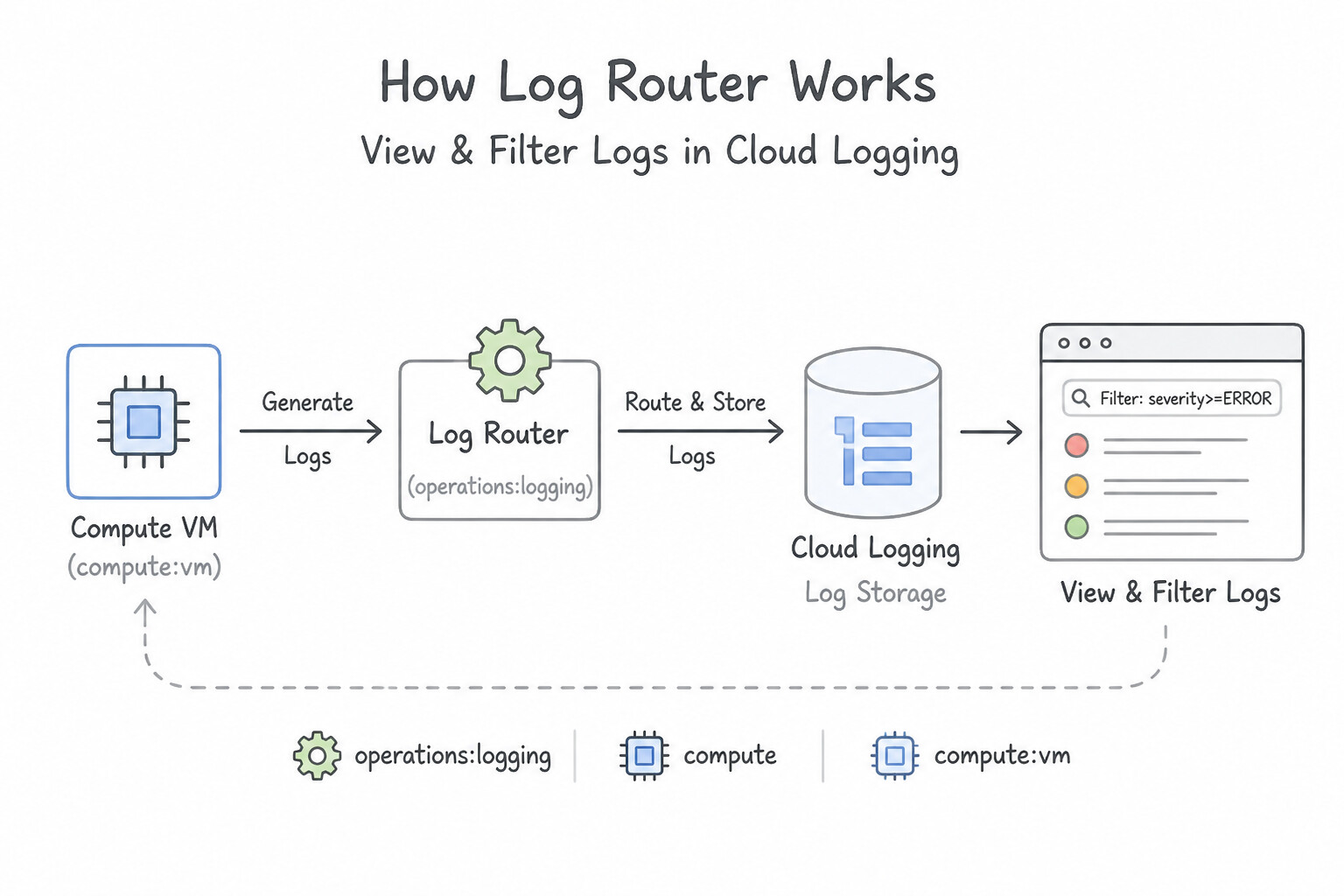
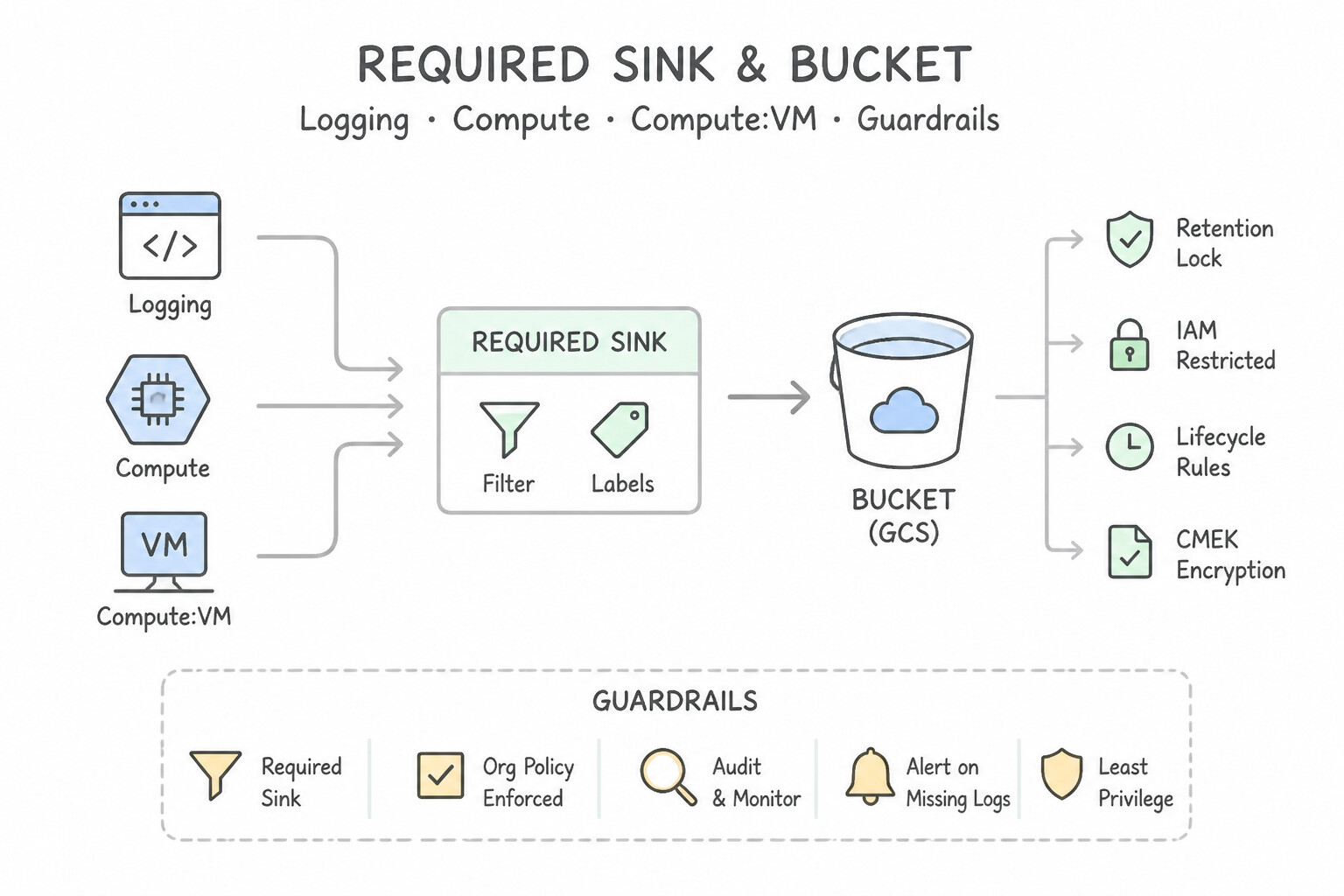
ace-3.4d-1-log-router-sink.jpg,ace-3.4d-2-cross-project.jpg) - Consideration 3.4e: Viewing and filtering logs in cloud logging (Diagrams:
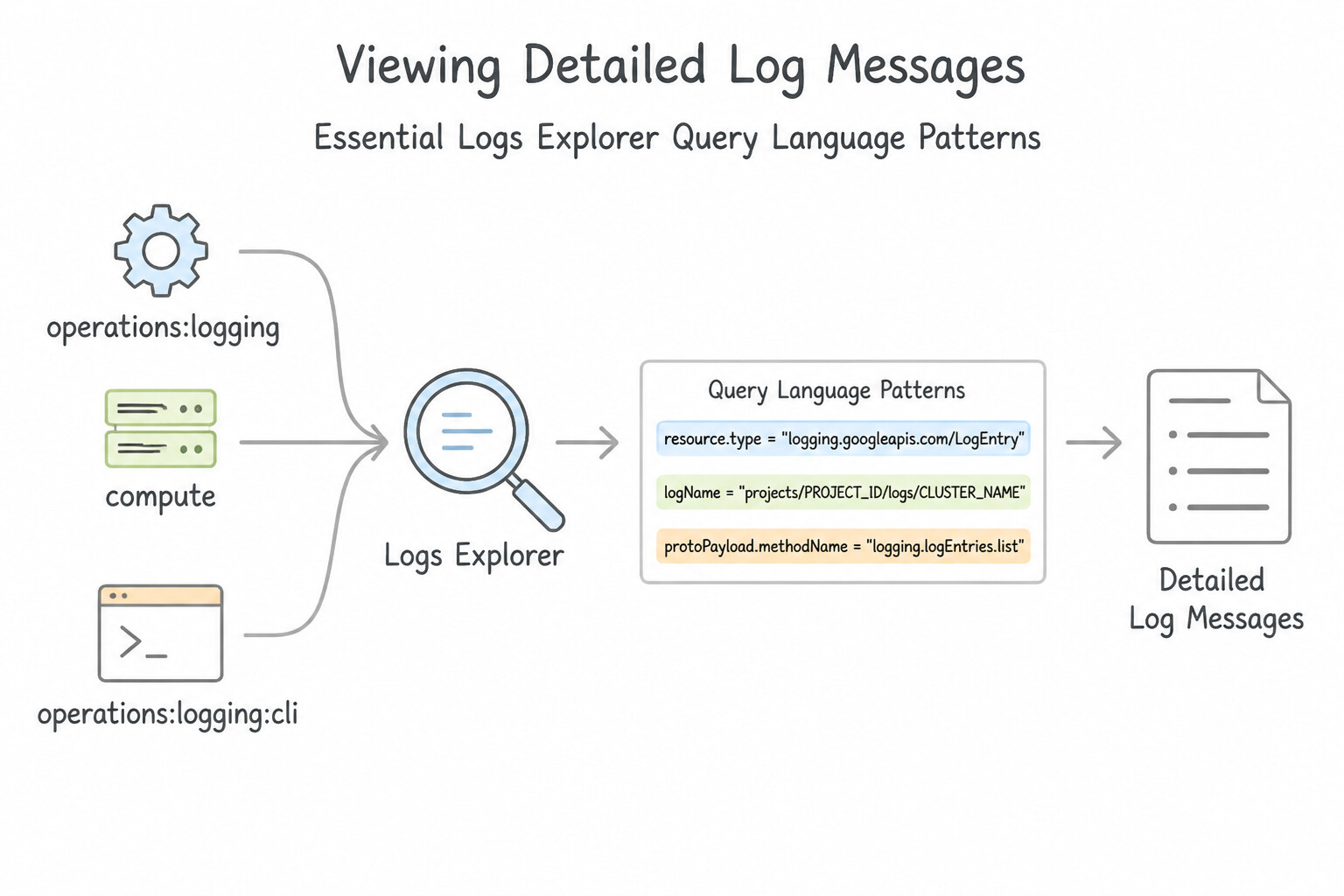
ace-3.4e-1-log-router-works-viewing.jpg,ace-3.4e-2-required-sink-bucket.jpg) - Consideration 3.4f: Viewing detailed log messages (Diagrams:
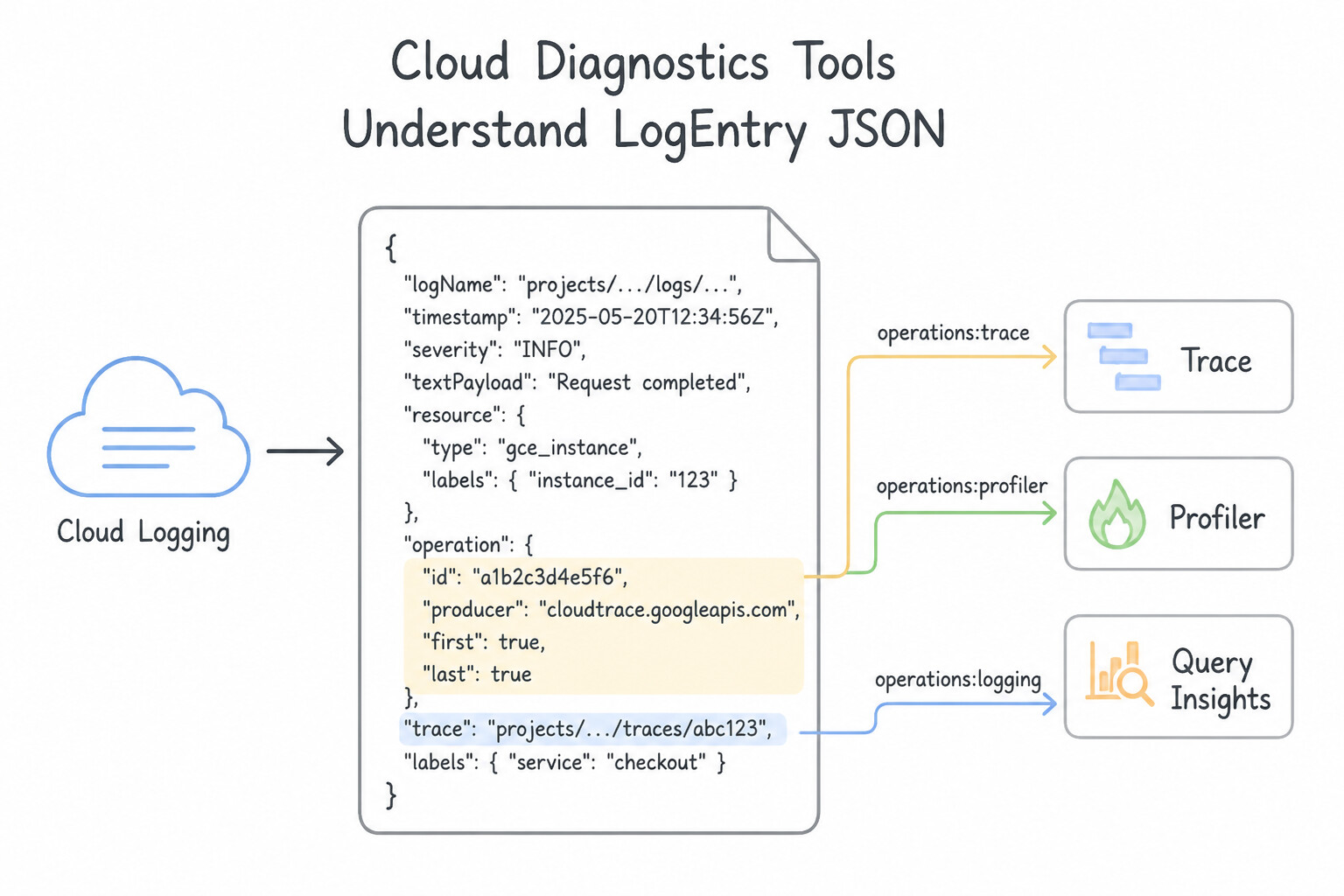
ace-3.4f-1-essential-logs-explorer.jpg,ace-3.4f-2-operations-logging.jpg) - Consideration 3.4g: Using cloud diagnostics tools (trace, profiler, query insights) (Diagrams:
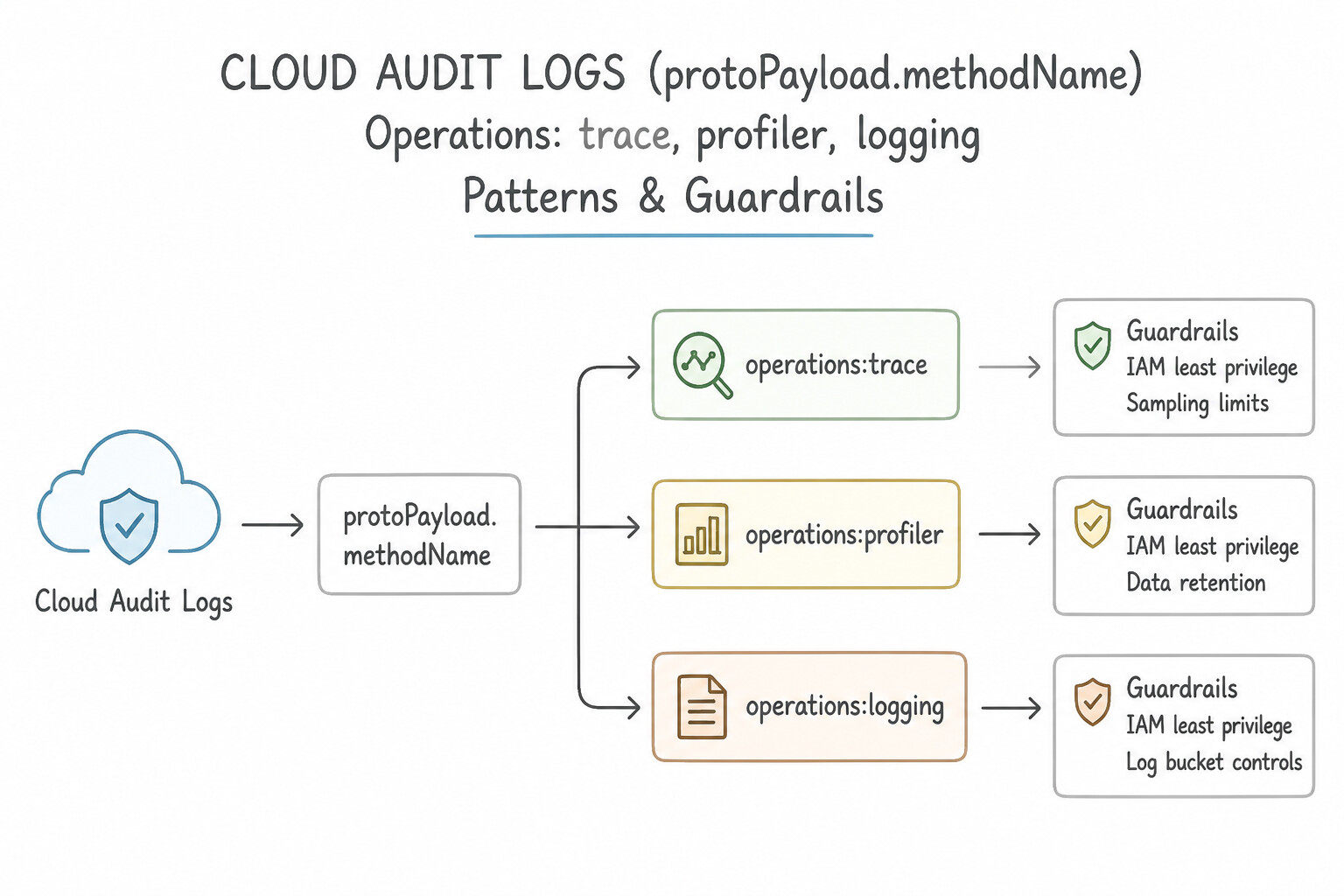
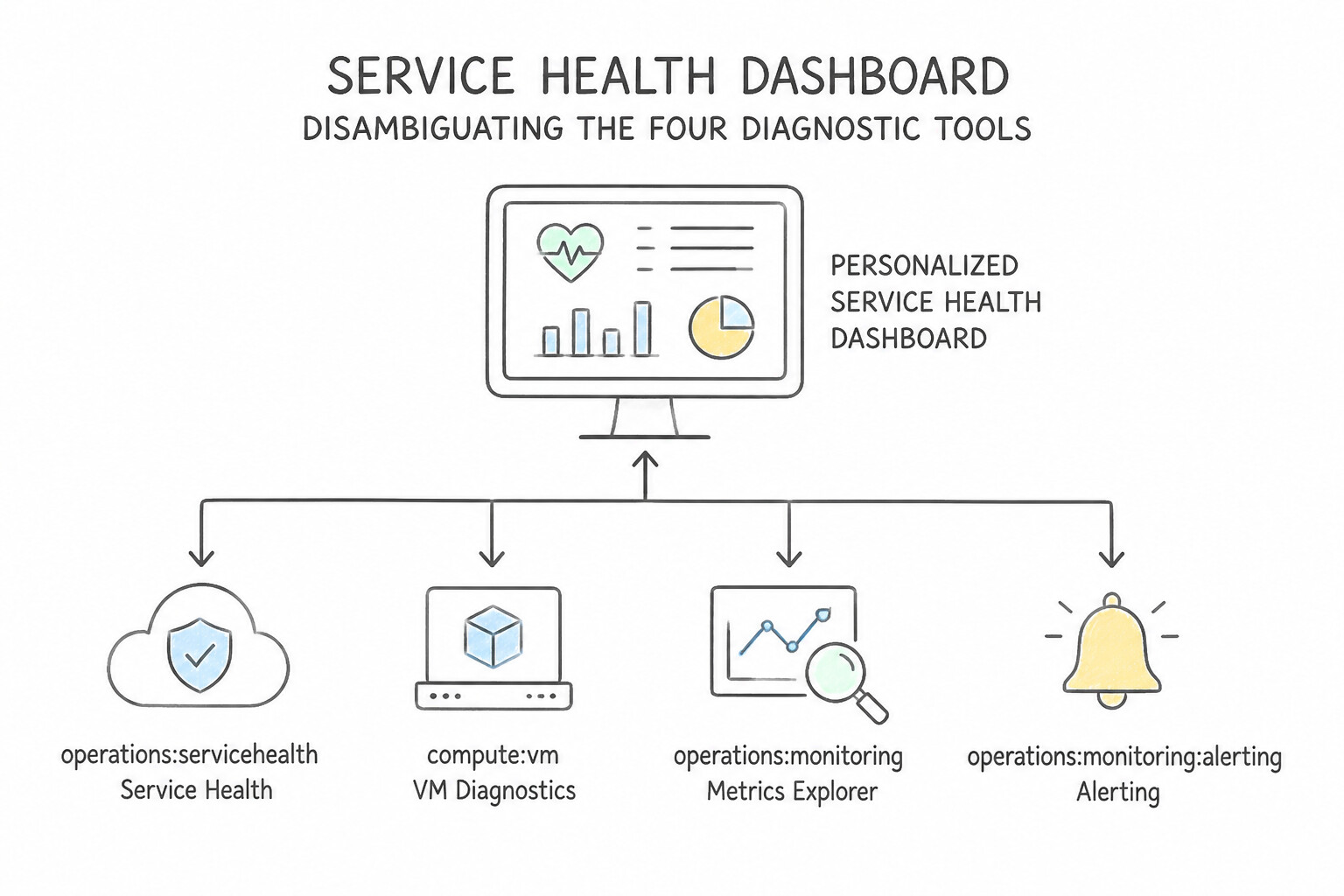
ace-3.4g-1-logentry-json-structure.jpg,ace-3.4g-2-protopayload-operations.jpg) - Consideration 3.4h: Viewing the personalized service health dashboard (Diagrams:
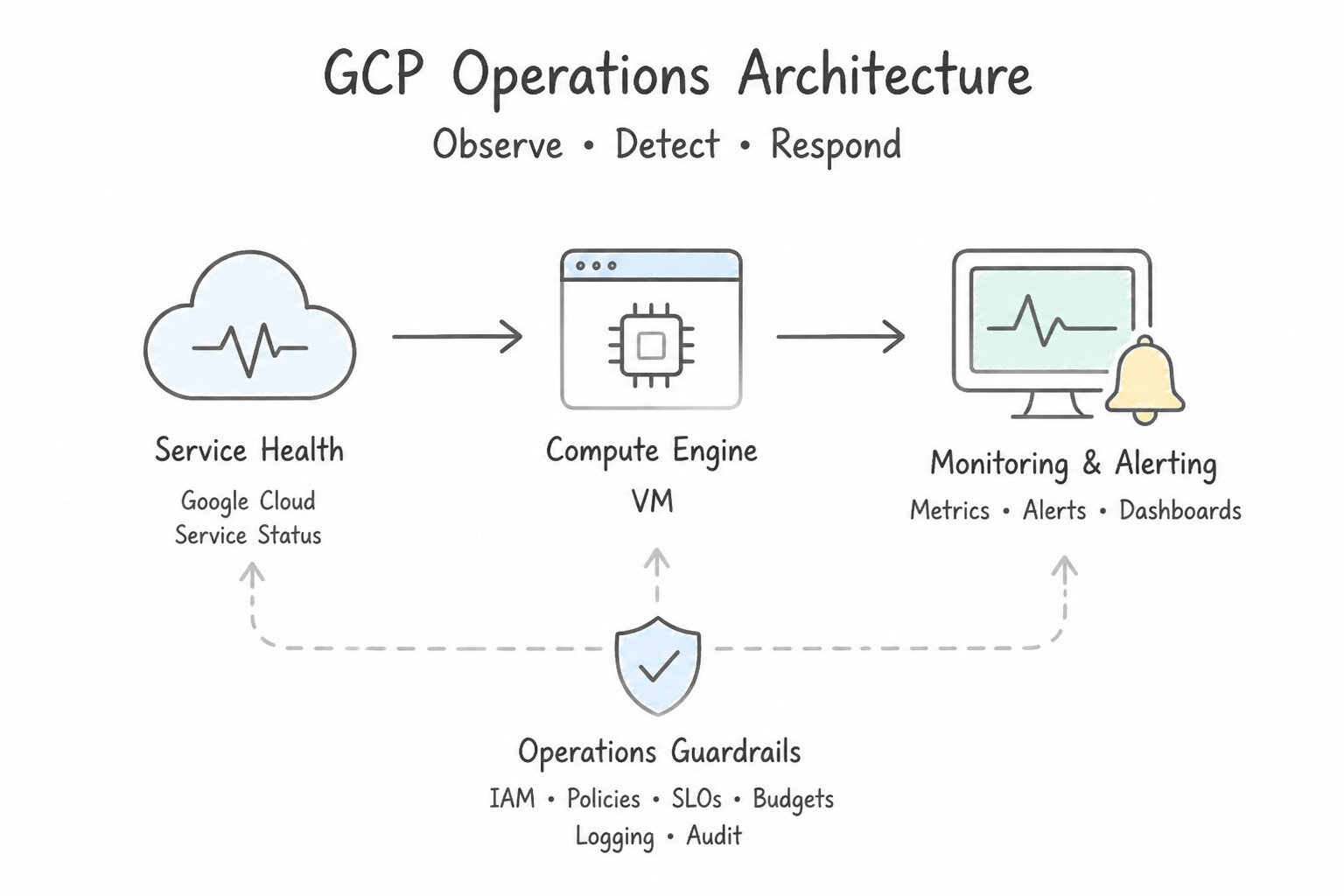
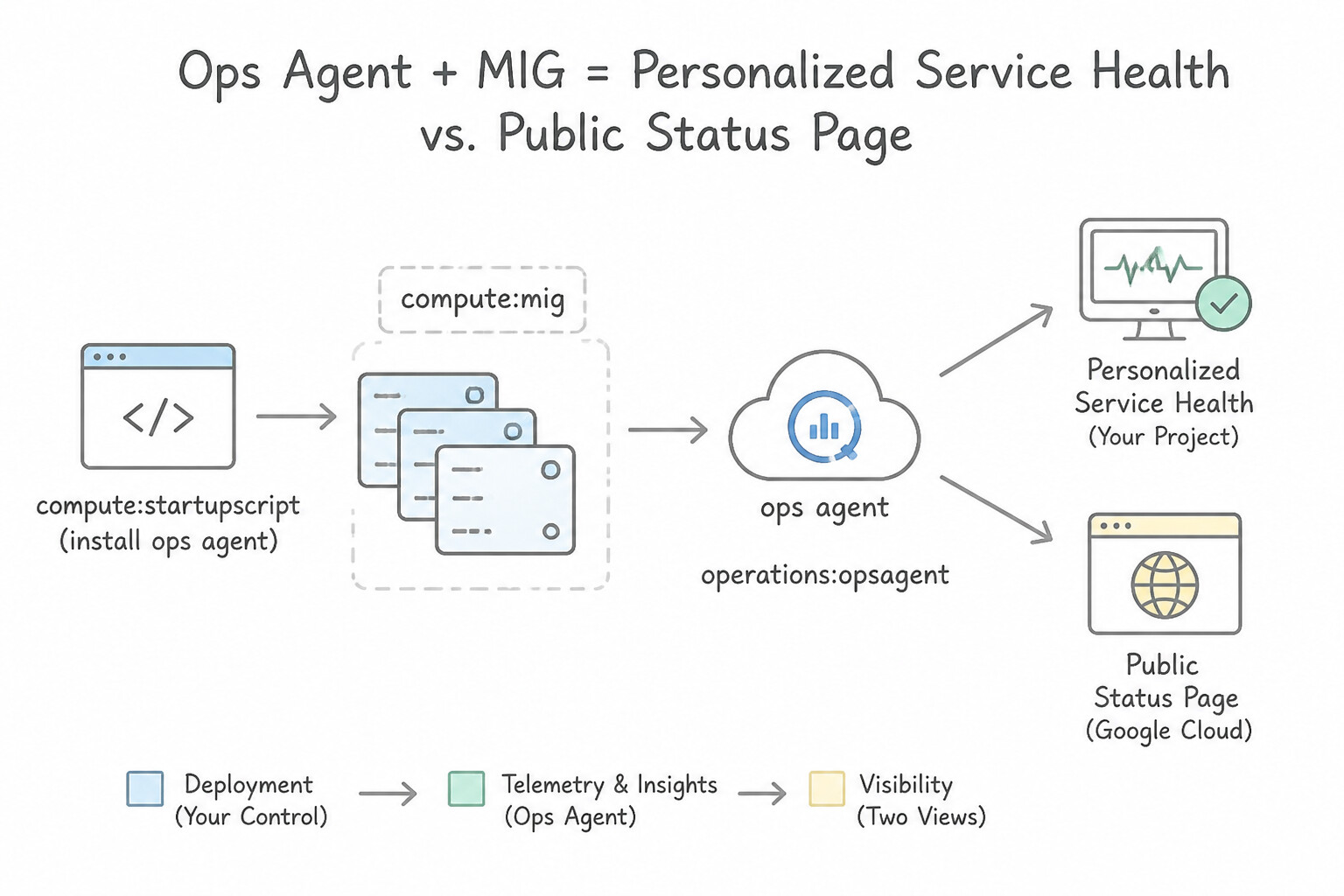
ace-3.4h-1-disambiguating-diagnostic.jpg,ace-3.4h-2-operations-service-health.jpg) - Consideration 3.4i: Configuring and deploying ops agent (Diagrams:
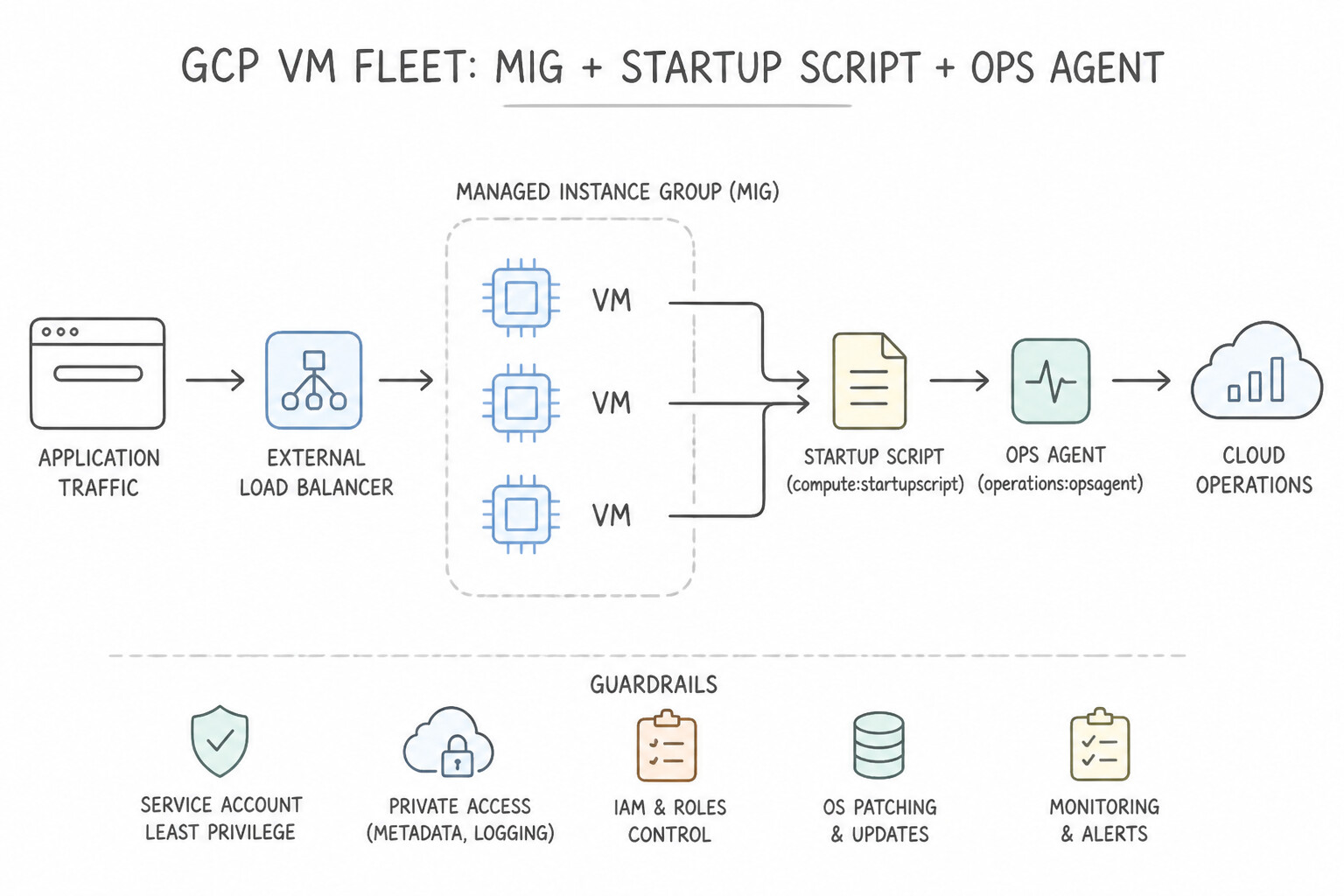
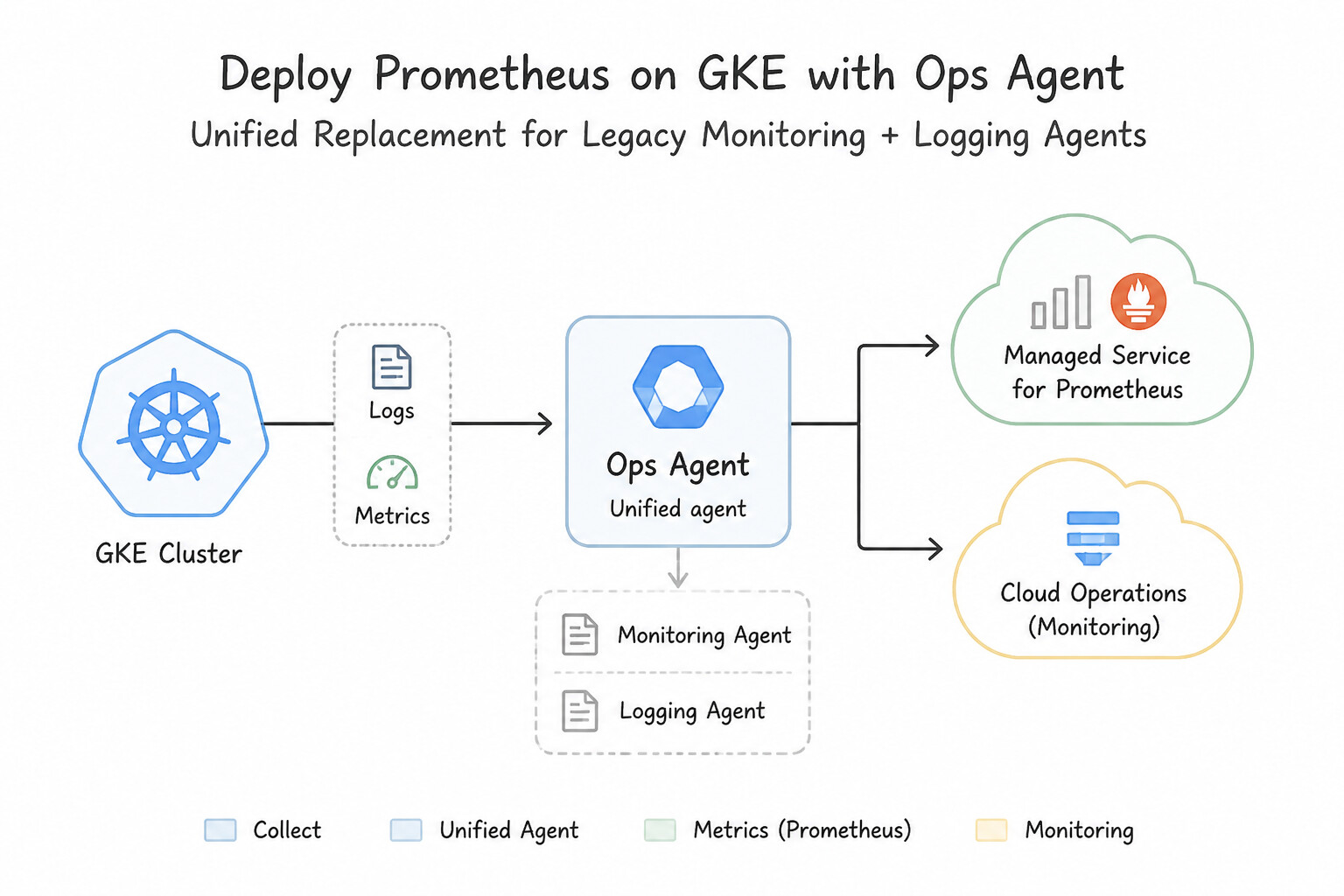
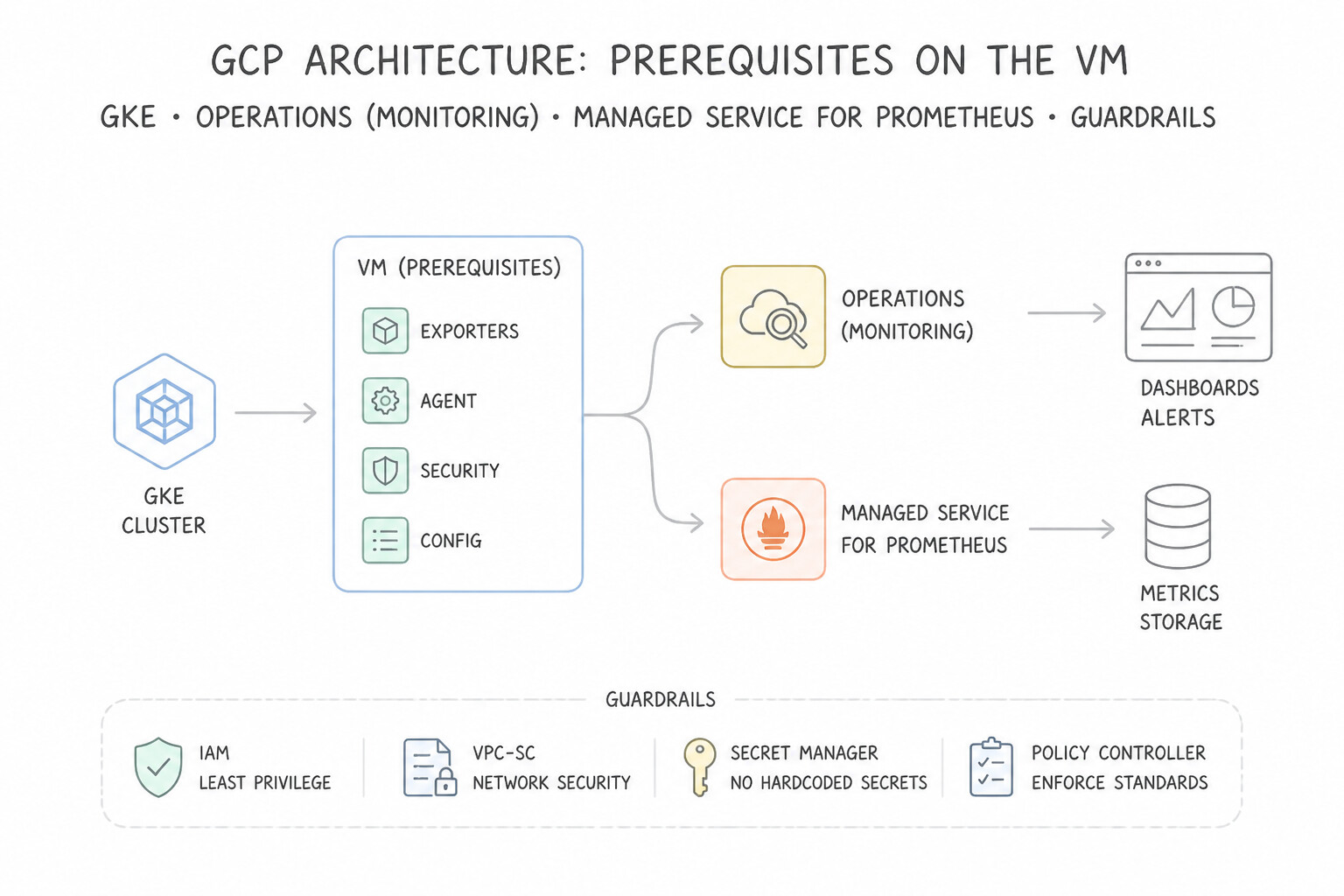
ace-3.4i-1-personalized-service.jpg,ace-3.4i-2-compute-mig-compute.jpg) - Consideration 3.4j: Deploying managed service for prometheus (Diagrams:
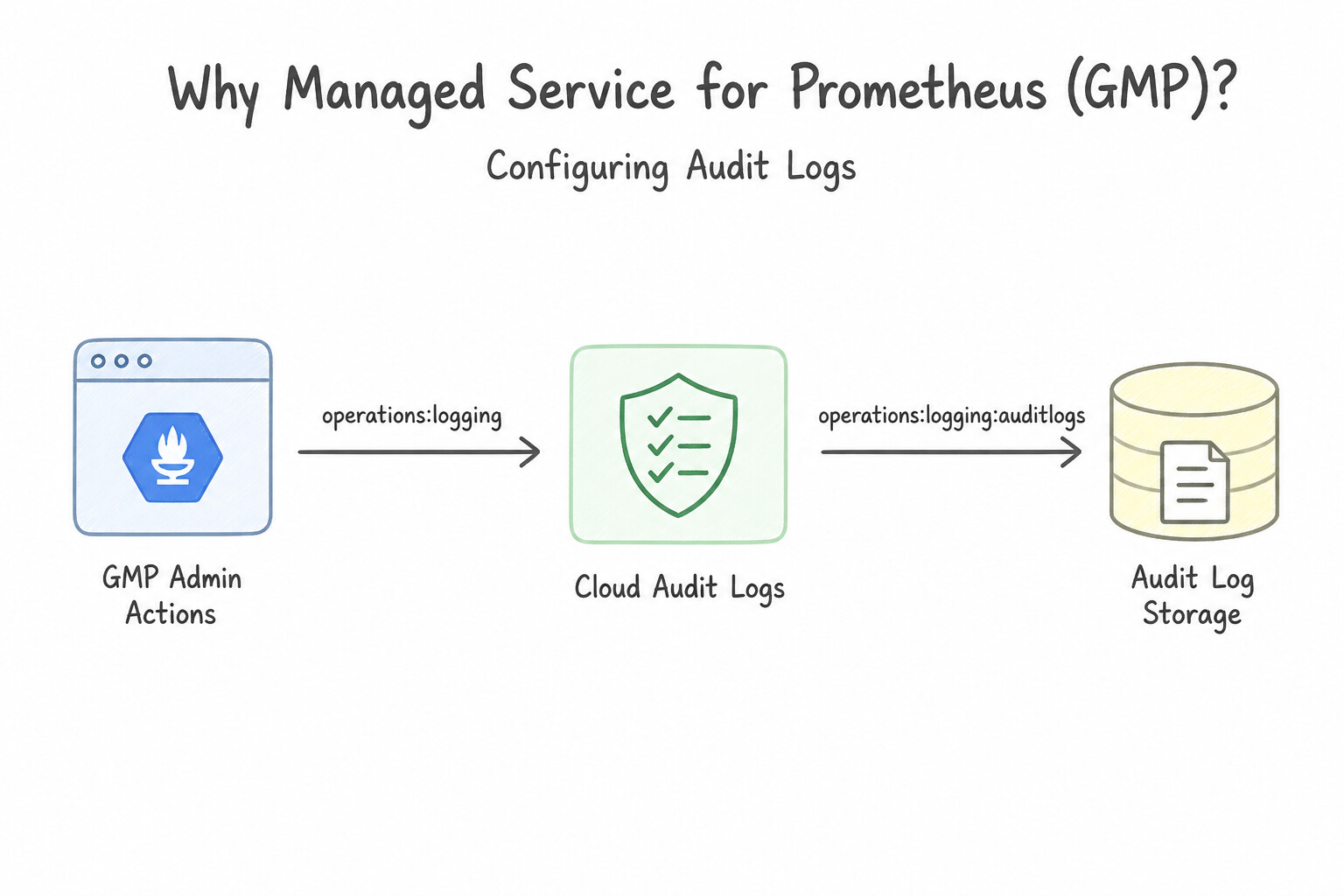
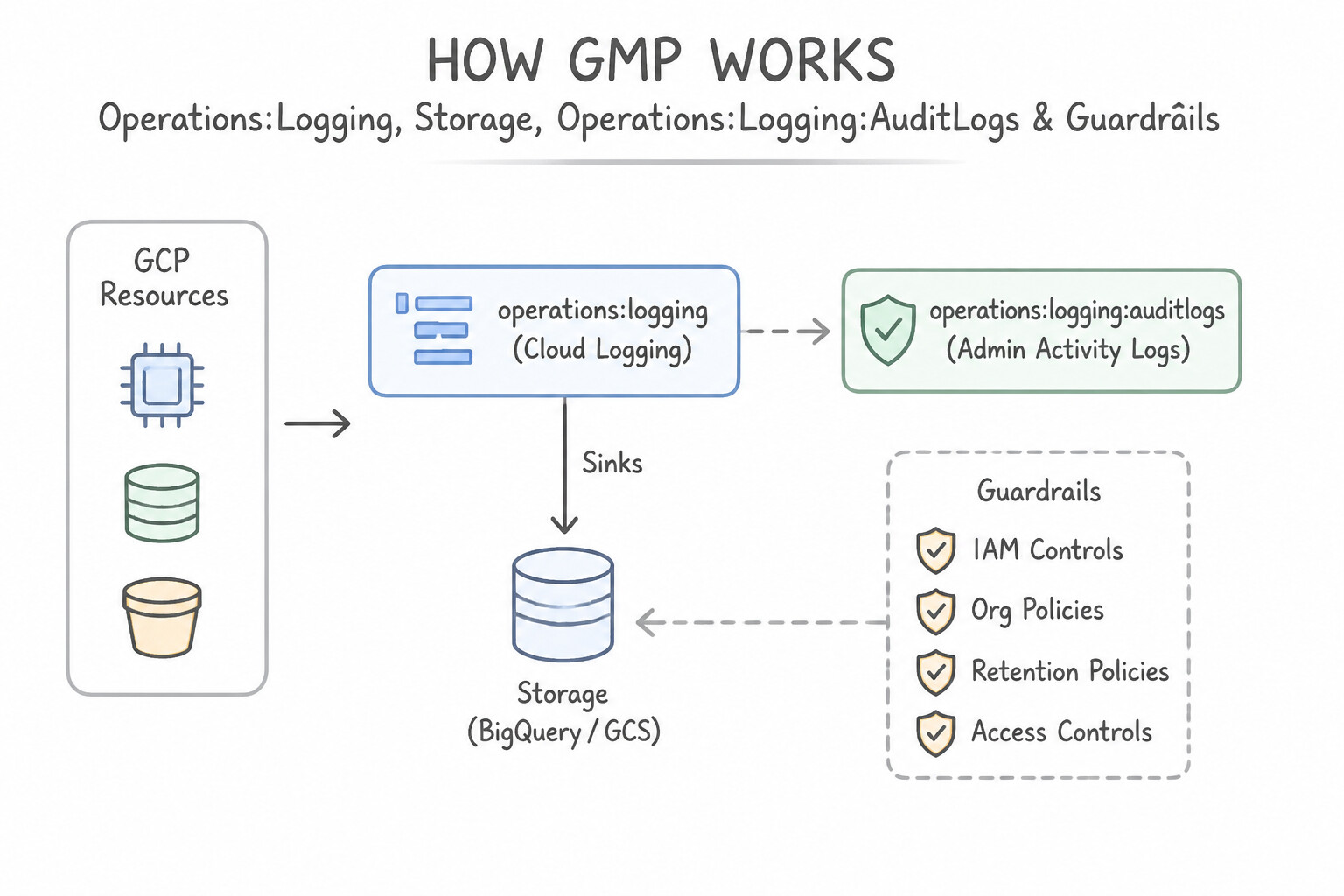
ace-3.4j-1-ops-agent-unified.jpg,ace-3.4j-2-prerequisites-on-vm-gke.jpg) - Consideration 3.4k: Configuring audit logs (Diagrams:
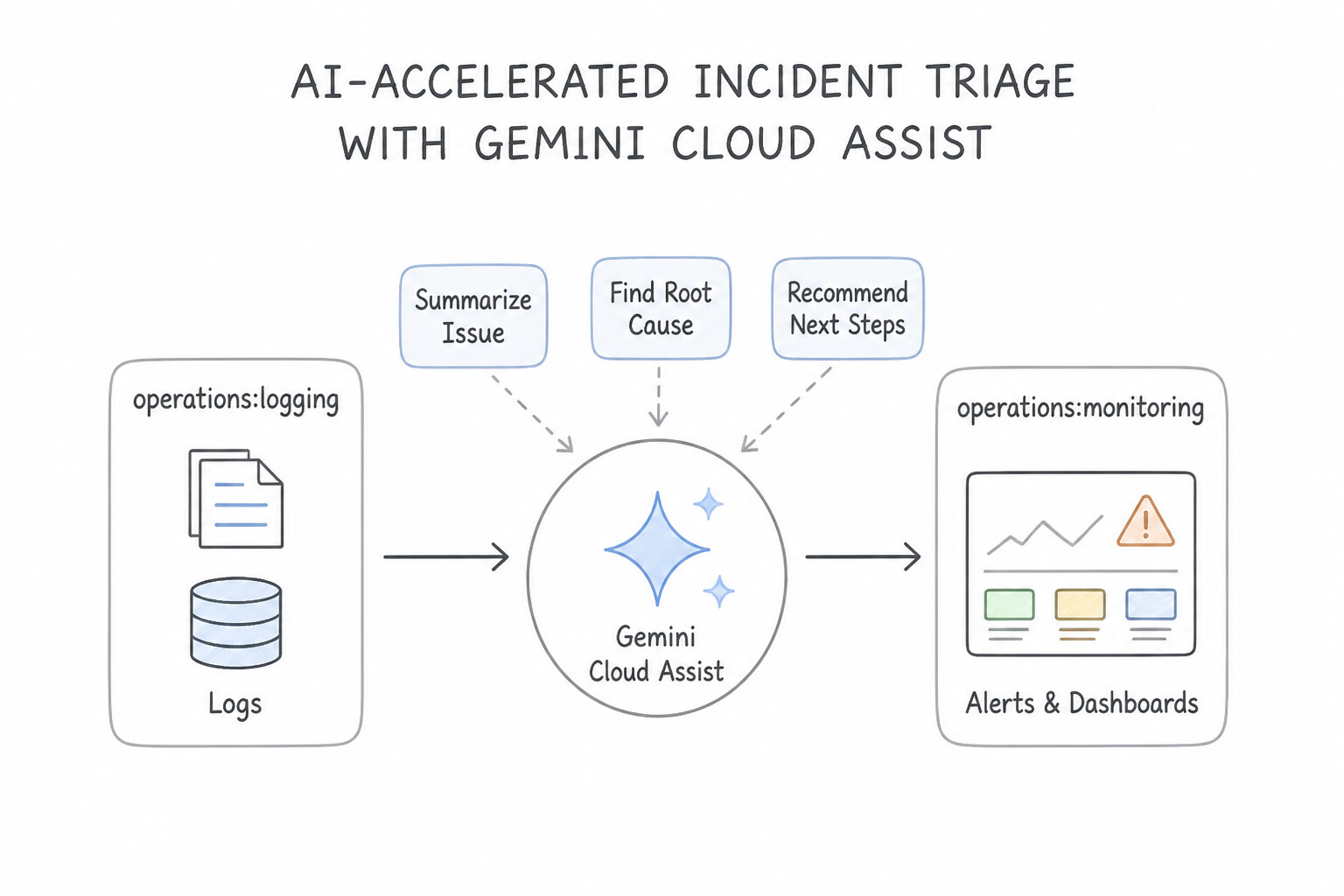
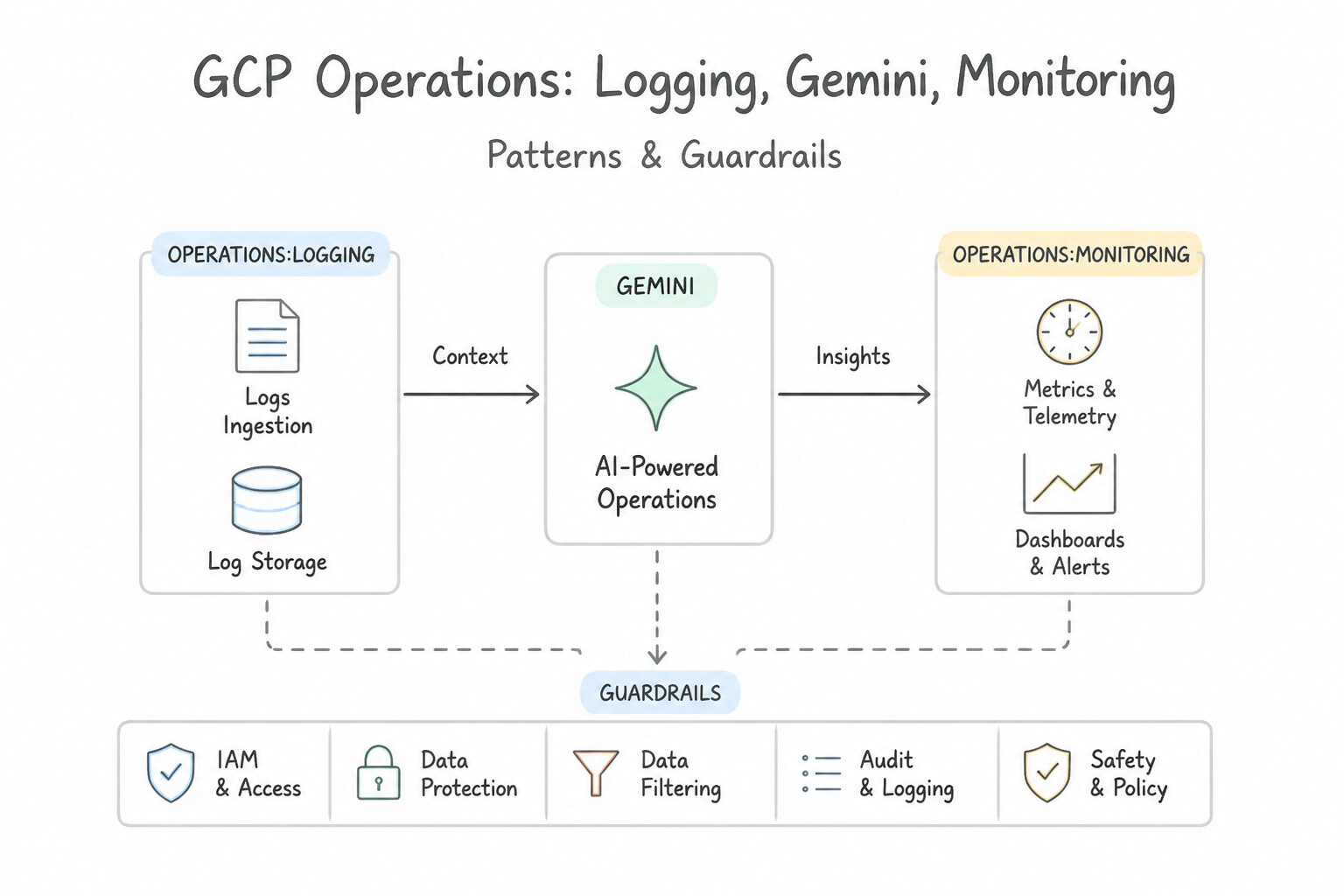
ace-3.4k-1-managed-service.jpg,ace-3.4k-2-gmp-works-operations.jpg) - Consideration 3.4l: Using gemini cloud assist for monitoring (Diagrams:
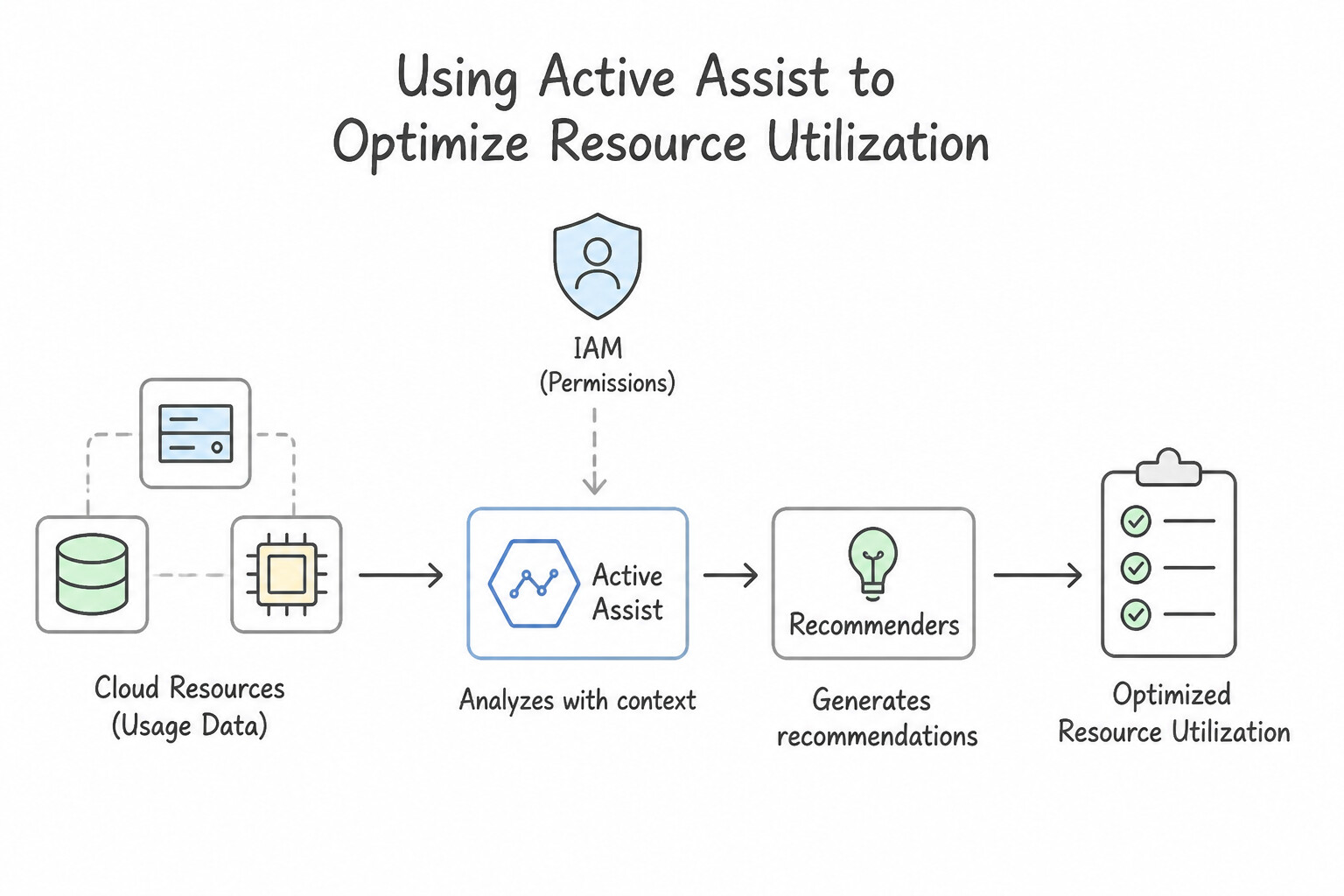
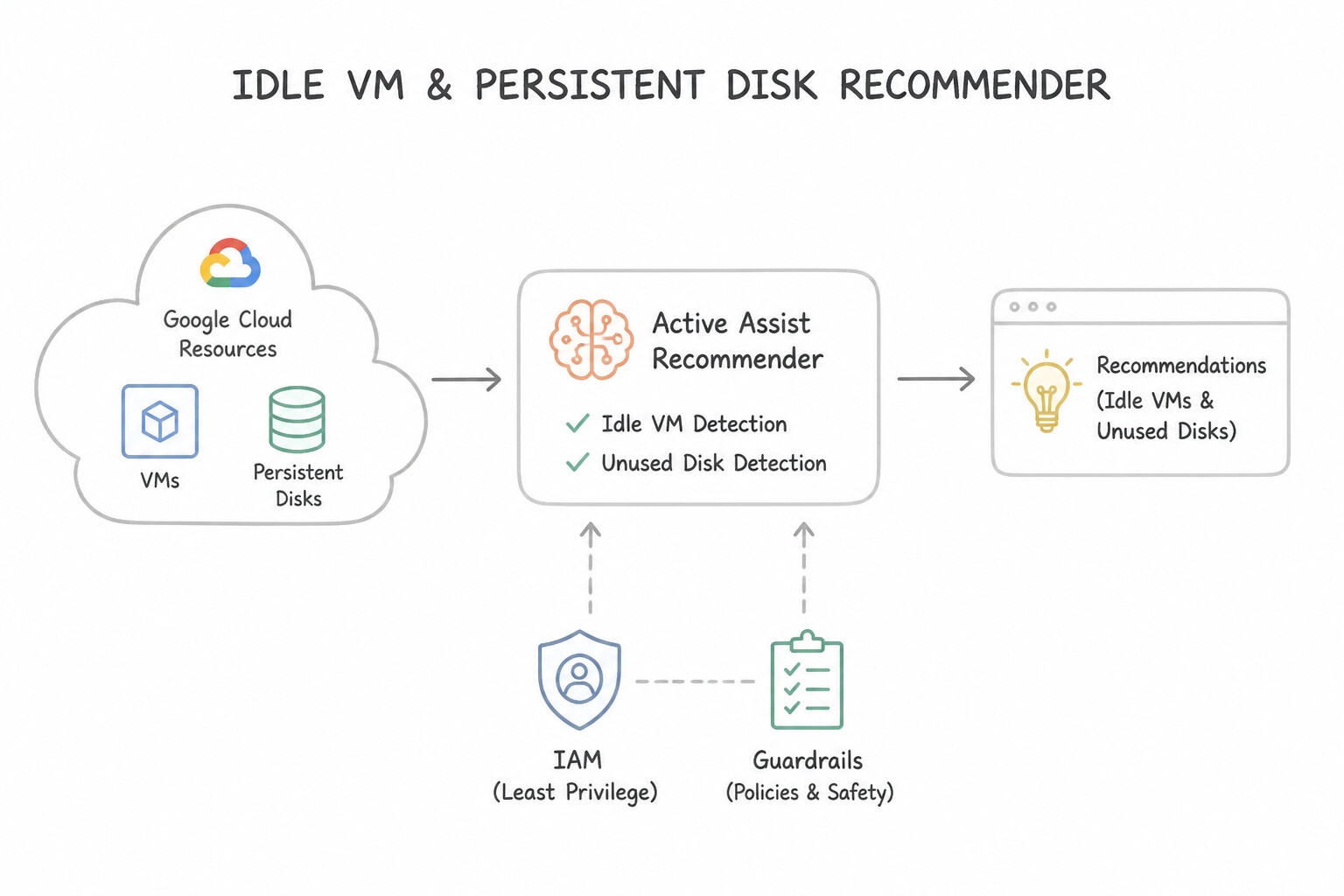
ace-3.4l-1-ai-accelerated-incident.jpg,ace-3.4l-2-operations-logging-gemini.jpg) - Consideration 3.4m: Using active assist to optimize resource utilization (Diagrams:
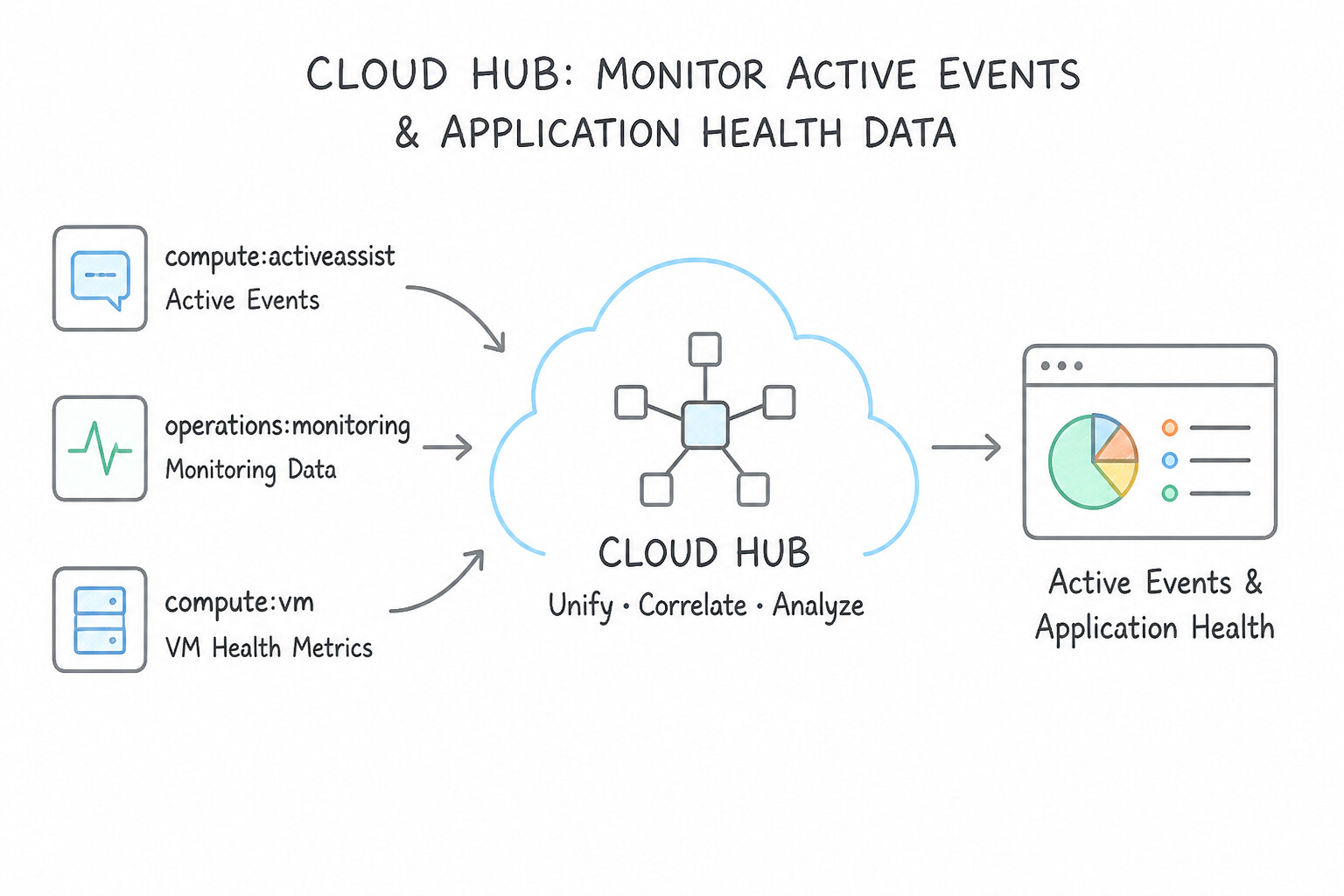
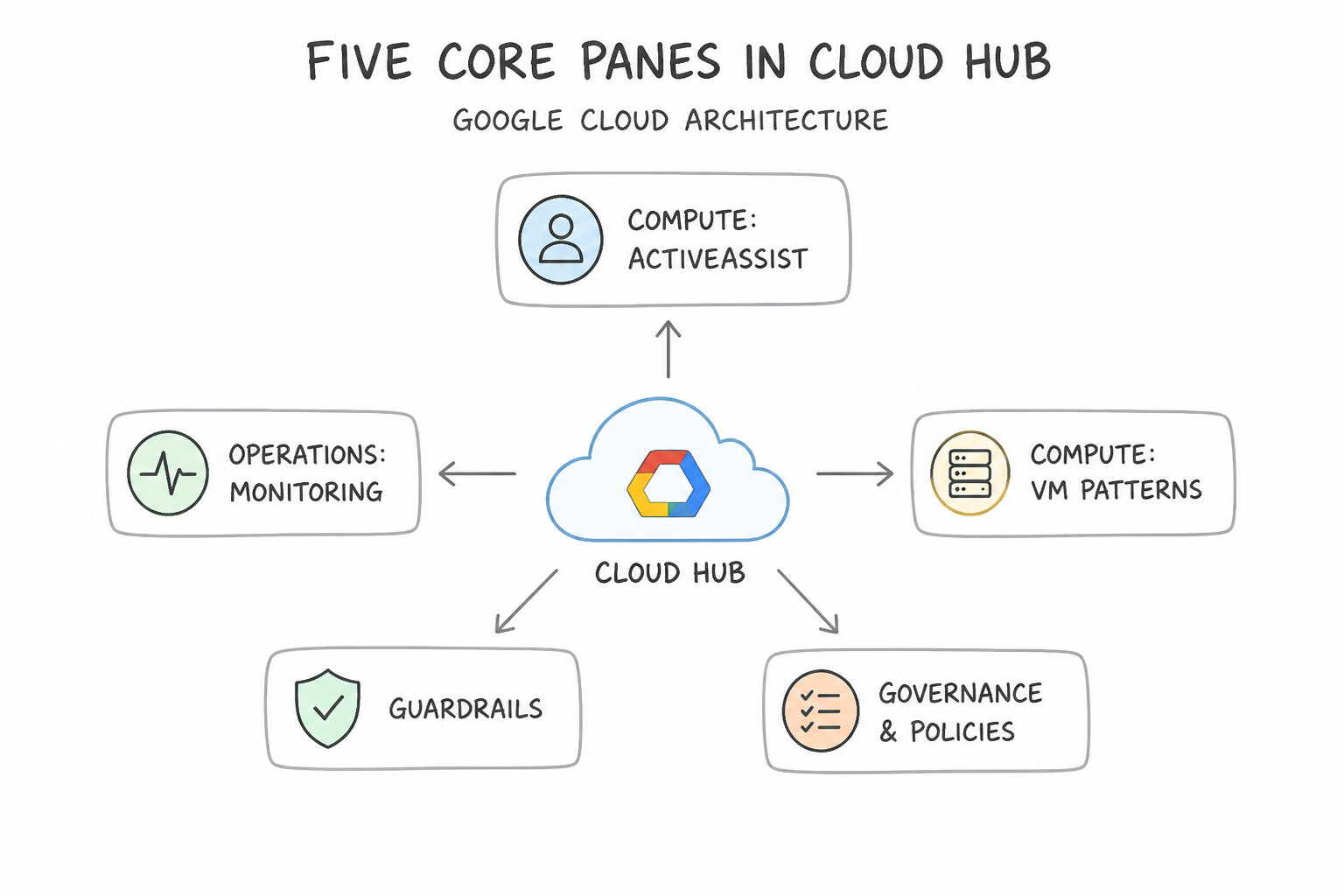
ace-3.4m-1-active-assist.jpg,ace-3.4m-2-idle-vm-persistent-disk.jpg) - Consideration 3.4n: Using Cloud Hub to Monitor Active Events and Application Health Data (Diagrams:
ace-3.4n-1-hub-is-hub-to.jpg,ace-3.4n-2-core-panes-in-hub.jpg) - Quick Decision Cheat Sheet (Subsection 3.4)
Chapter 7: Access & Security Governance: IAM Hierarchy, Custom Roles, Service Accounts & WIF
- Subsection 4.1: Managing Identity and Access Management (IAM) (Section 4: Configuring Access and Security)
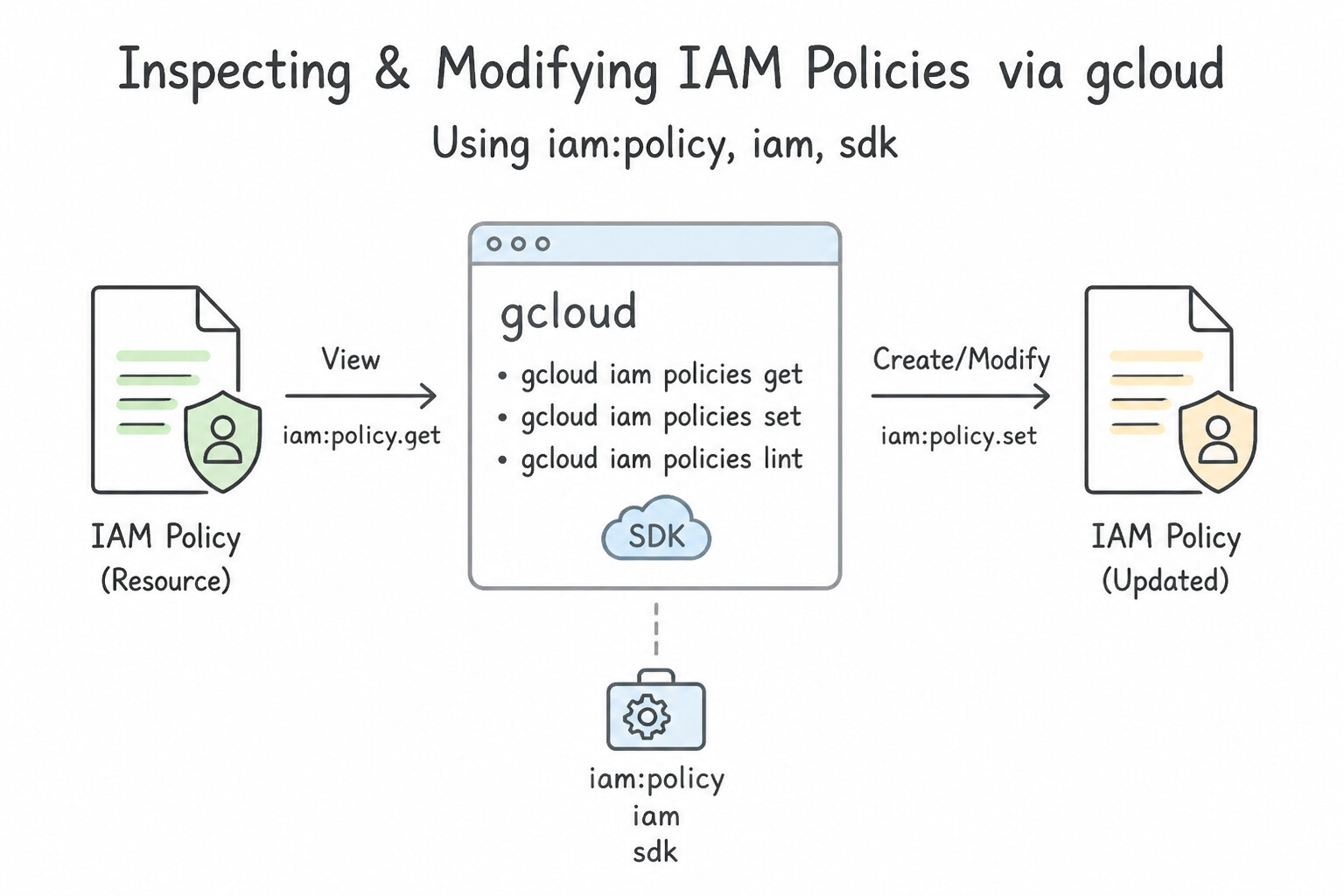
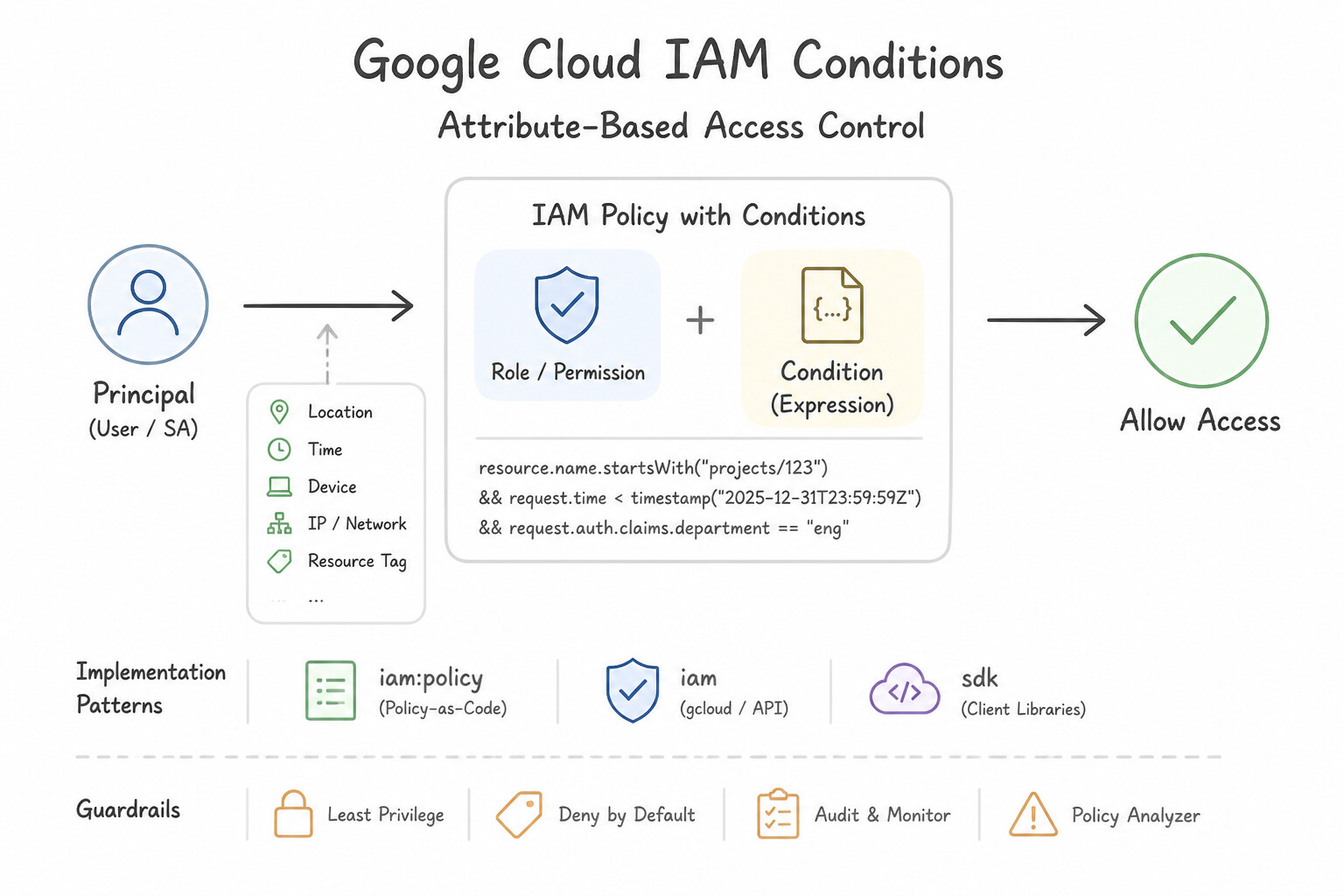
- Consideration 4.1a: Viewing and creating iam policies (Diagrams:
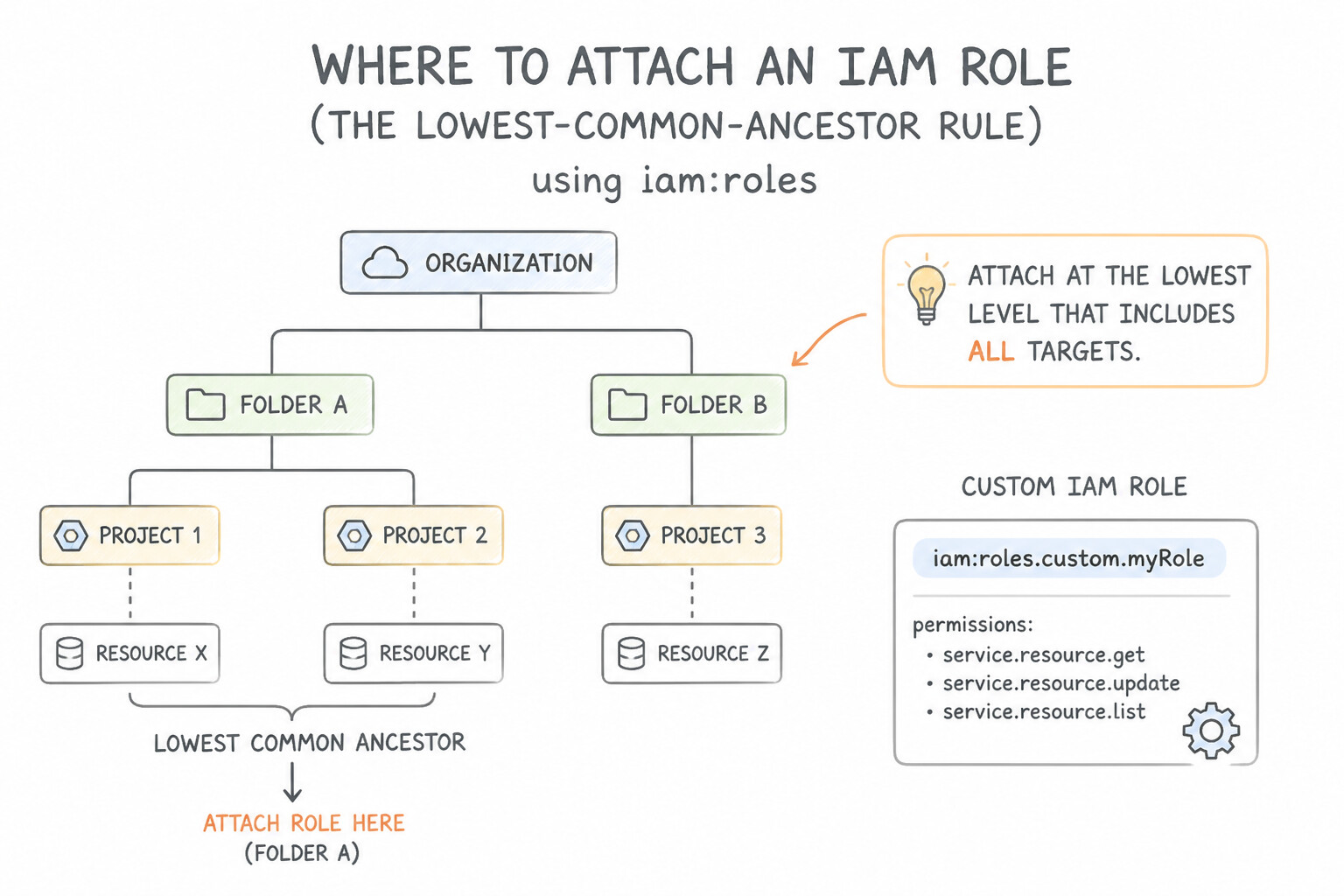
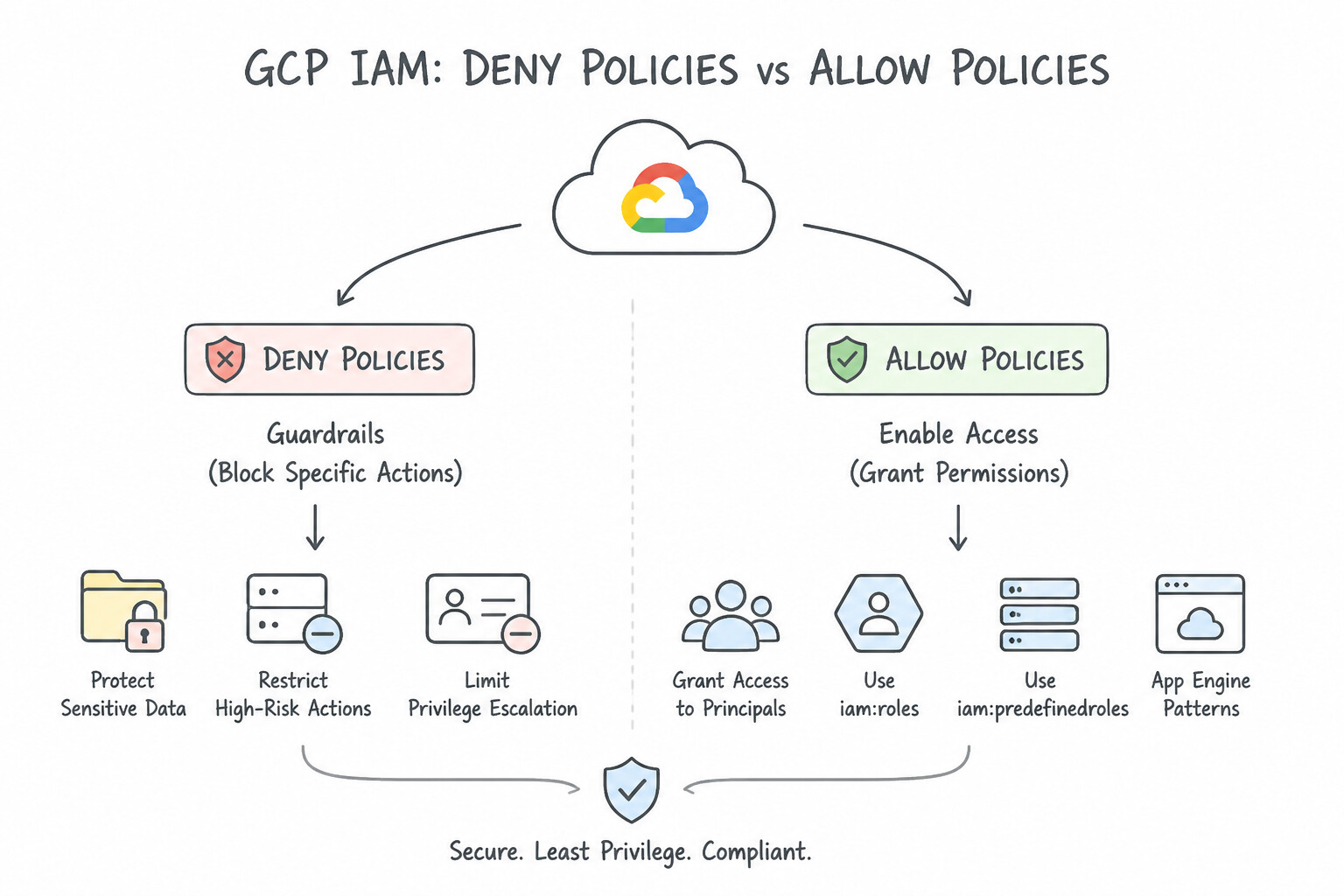
ace-4.1a-1-inspecting-modifying-iam.jpg,ace-4.1a-2-iam-conditions-attribute.jpg) - Consideration 4.1b: Managing role types and defining custom iam roles (Diagrams:
ace-4.1b-1-to-attach-an-iam.jpg,ace-4.1b-2-iam-deny-policies-vs.jpg) - Quick Decision Cheat Sheet (Subsection 4.1)
- Subsection 4.2: Managing Service Accounts (Section 4: Configuring Access and Security)
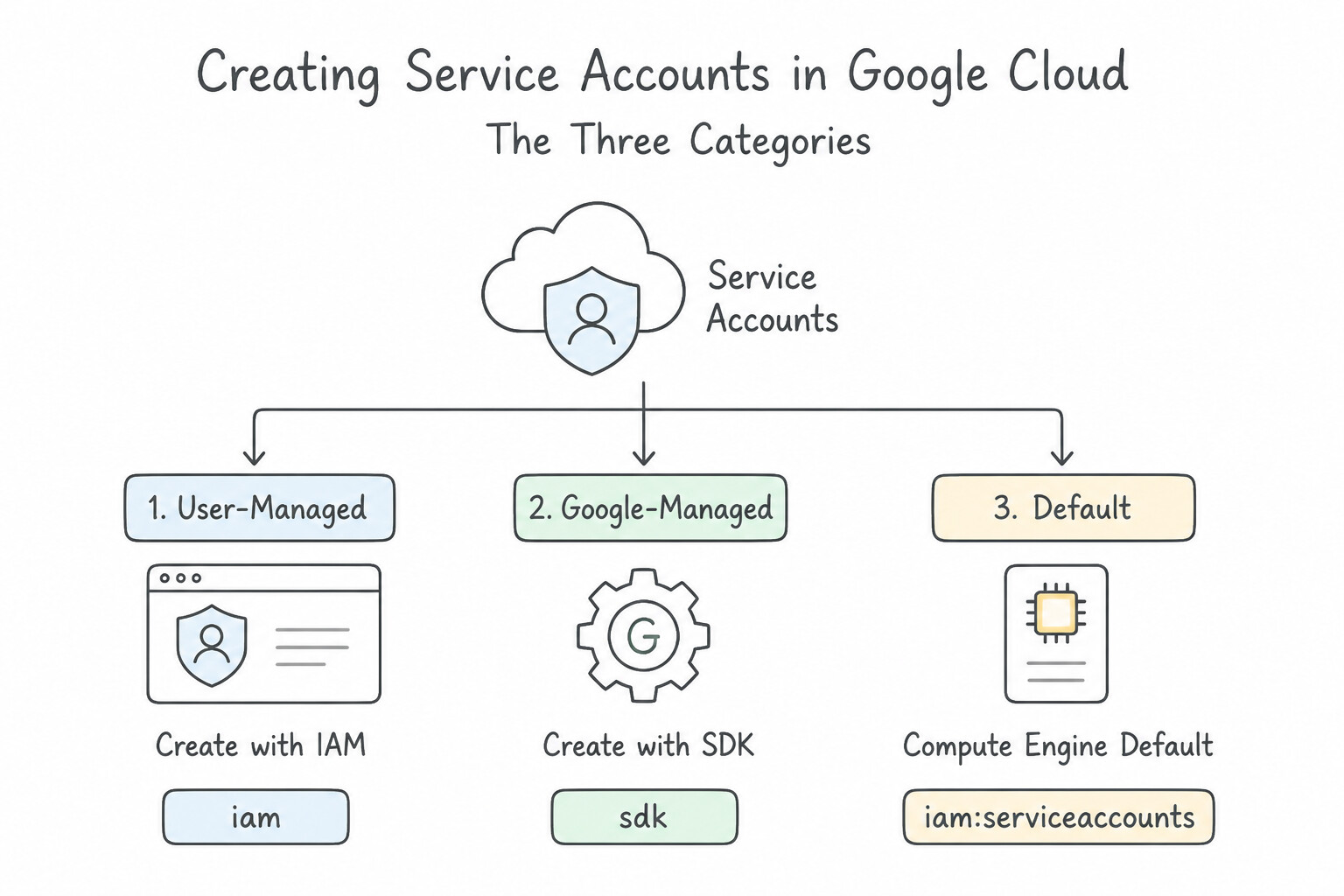
- Consideration 4.2a: Creating service accounts (Diagrams:
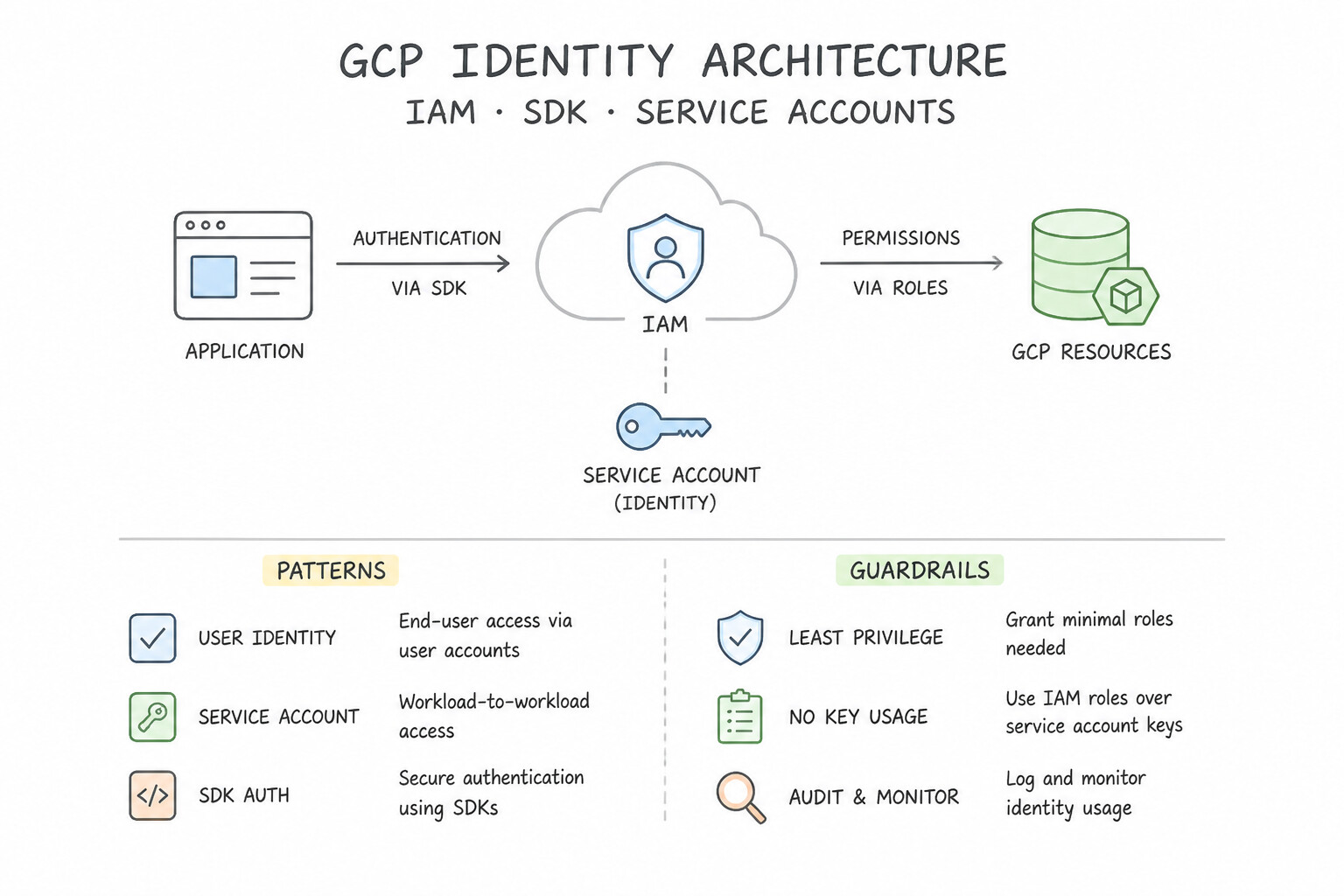
ace-4.2a-1-categories-of-service.jpg,ace-4.2a-2-iam-sdk-iam-service.jpg) - Consideration 4.2b: Using service accounts with minimum required permissions (Diagrams:
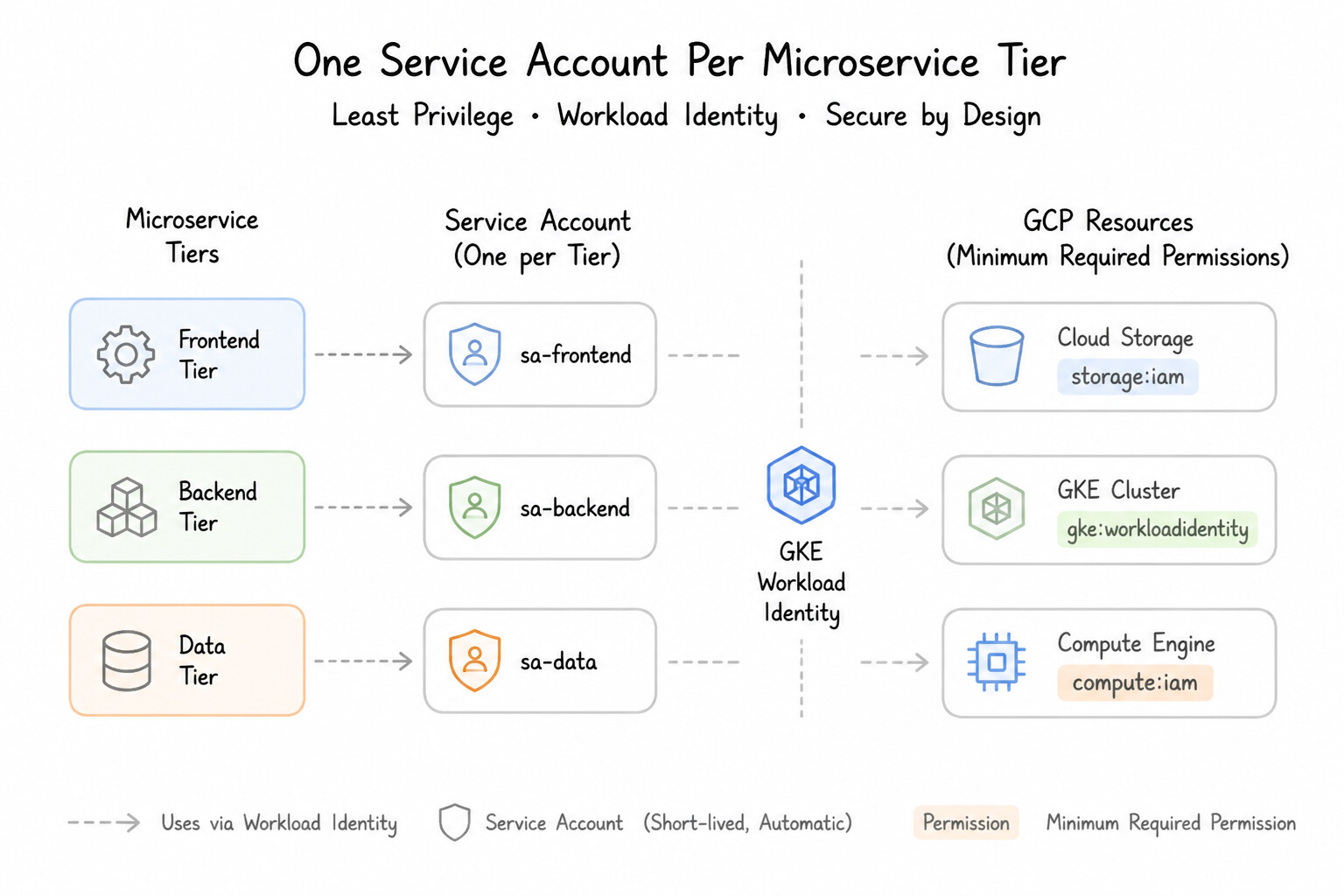
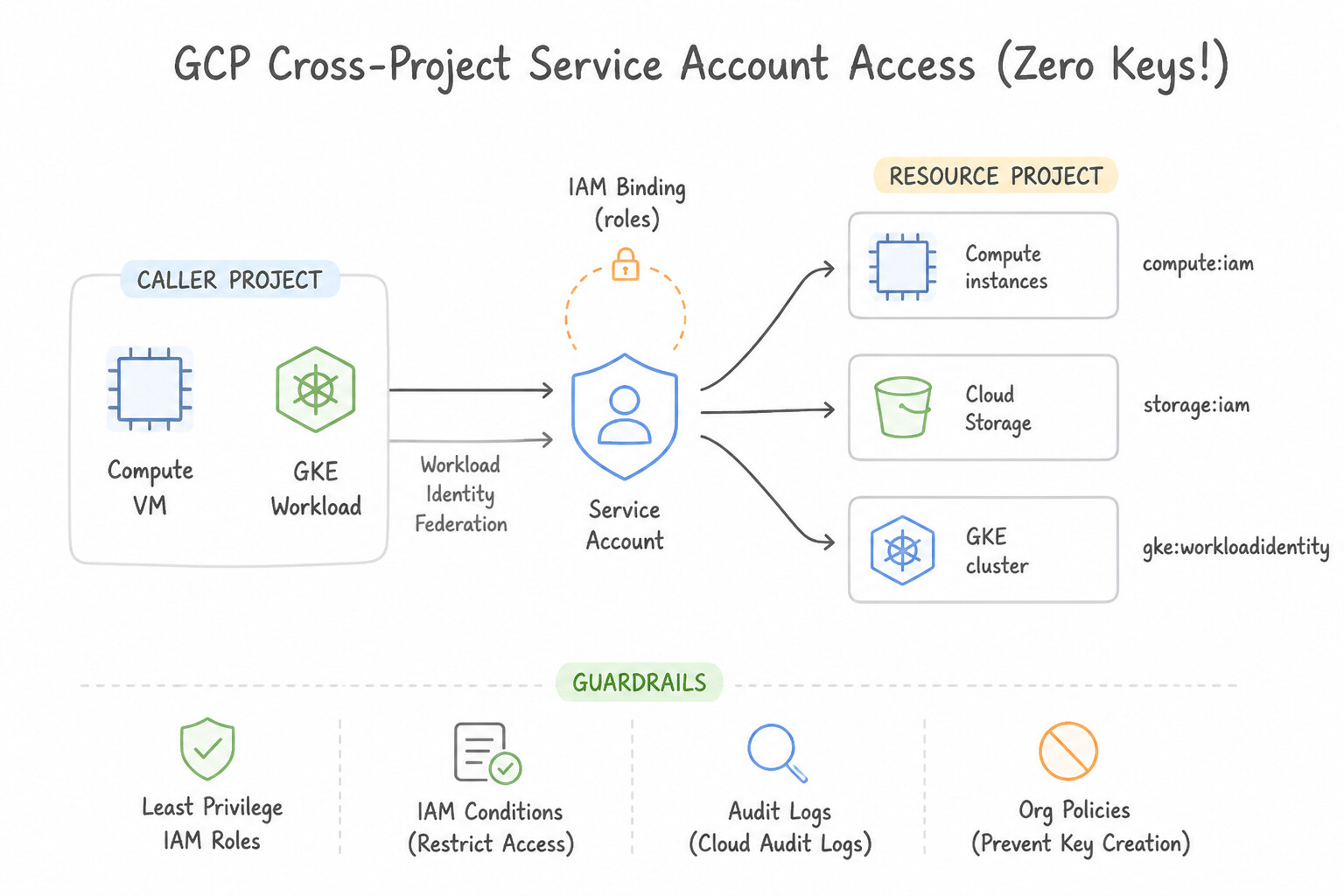
ace-4.2b-1-one-service-account-per.jpg,ace-4.2b-2-cross-project-service.jpg) - Consideration 4.2c: Assigning service accounts to resources (Diagrams:
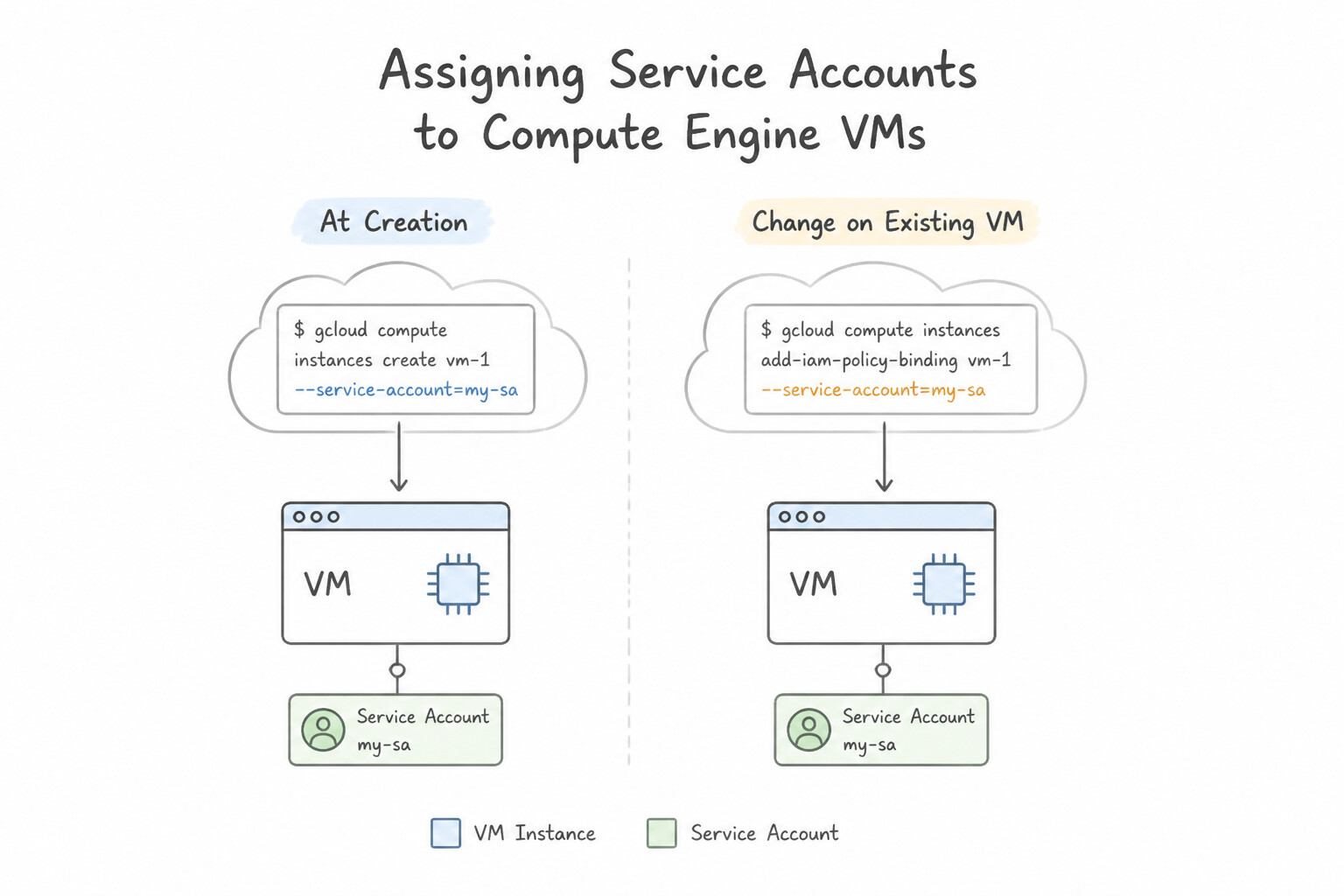
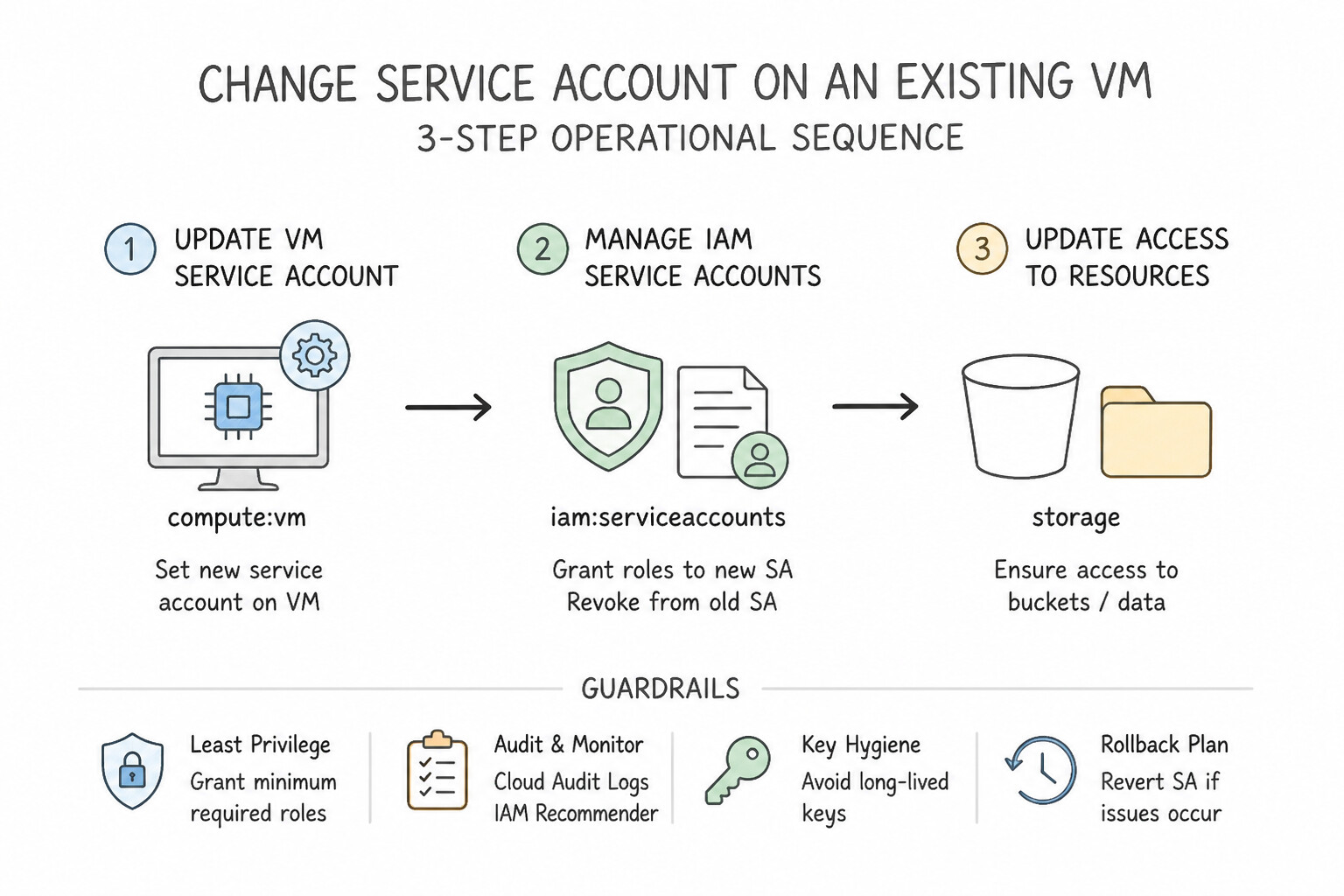
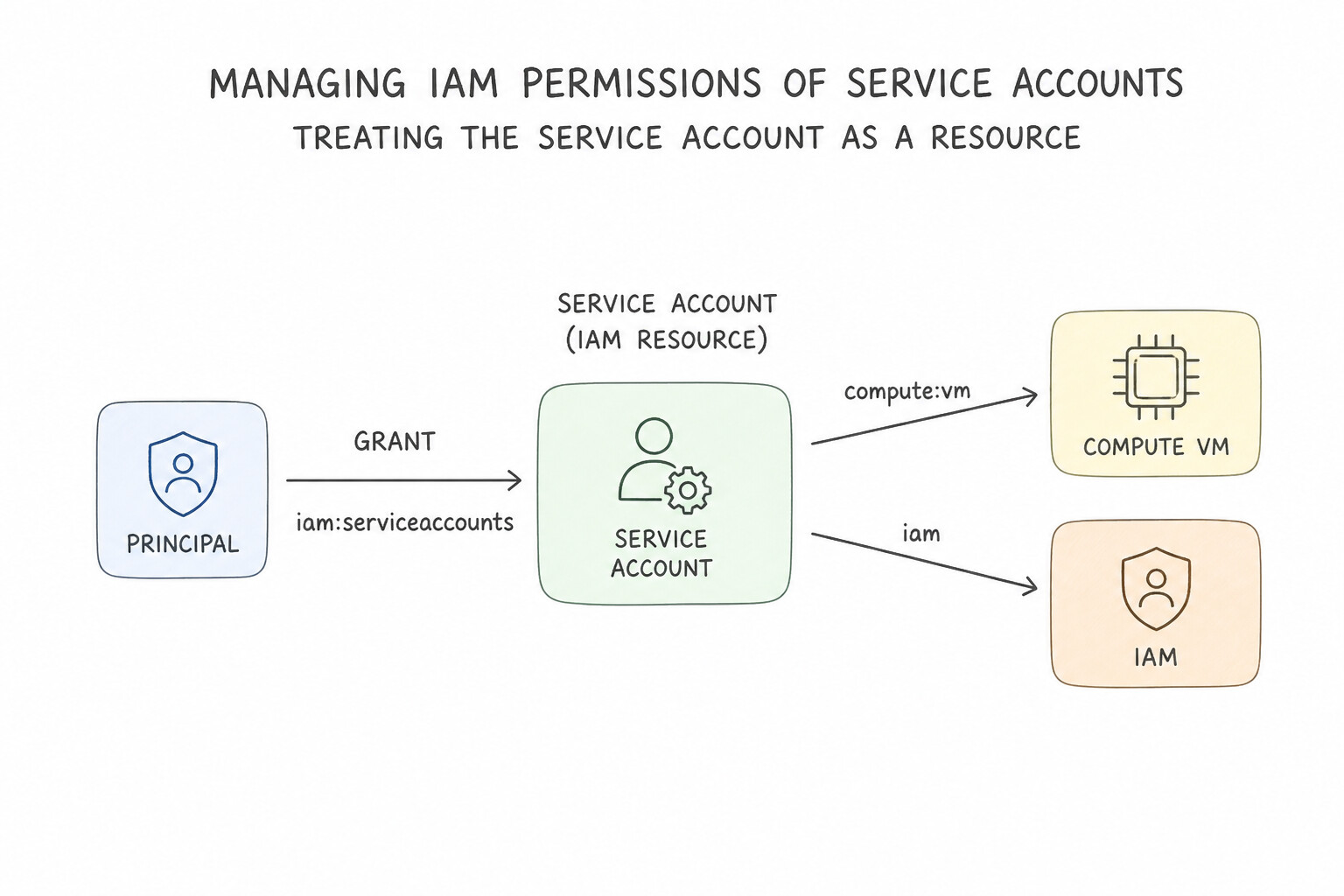
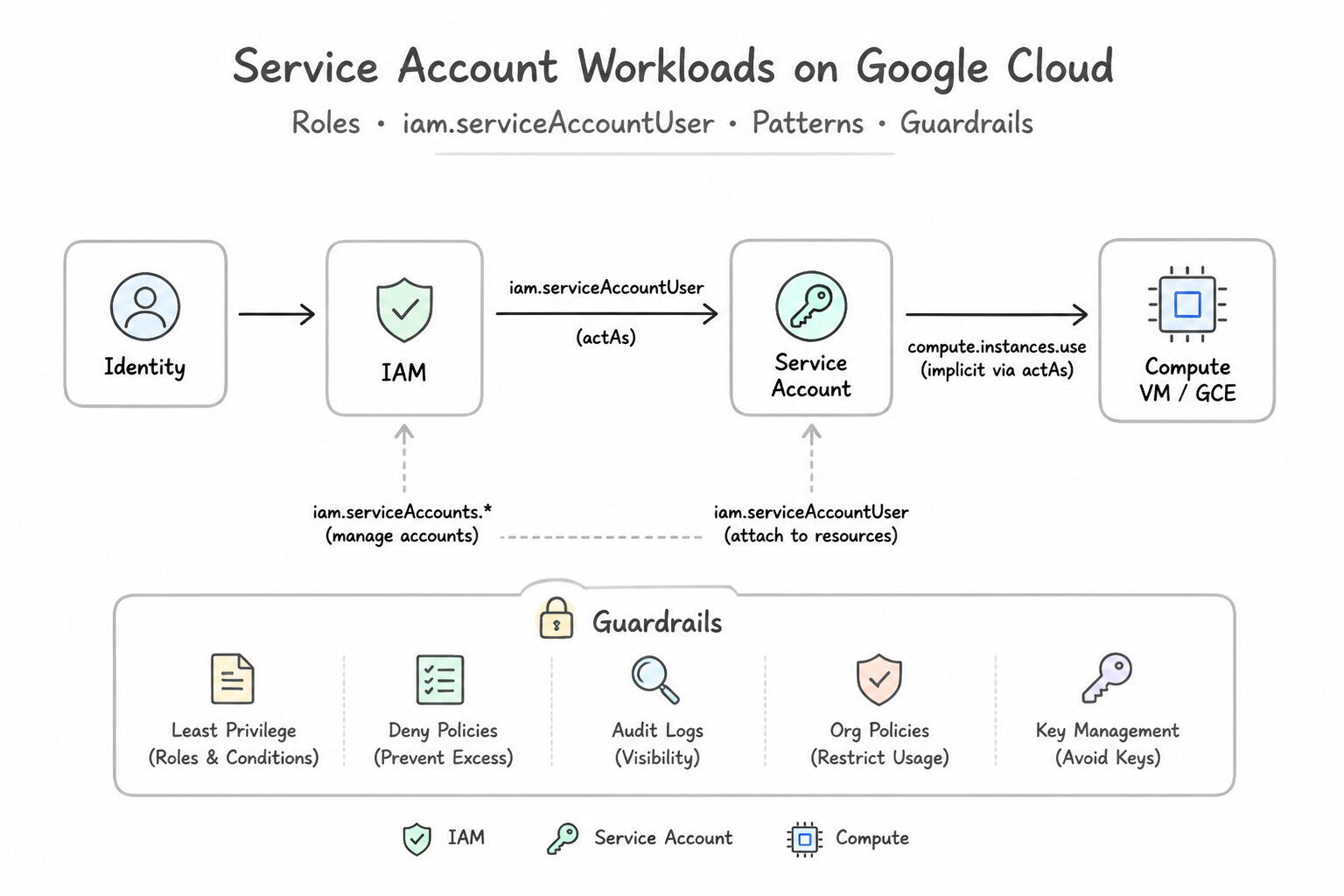
ace-4.2c-1-attaching-service-account.jpg,ace-4.2c-2-changing-service-account.jpg) - Consideration 4.2d: Managing iam permissions of service accounts (Diagrams:
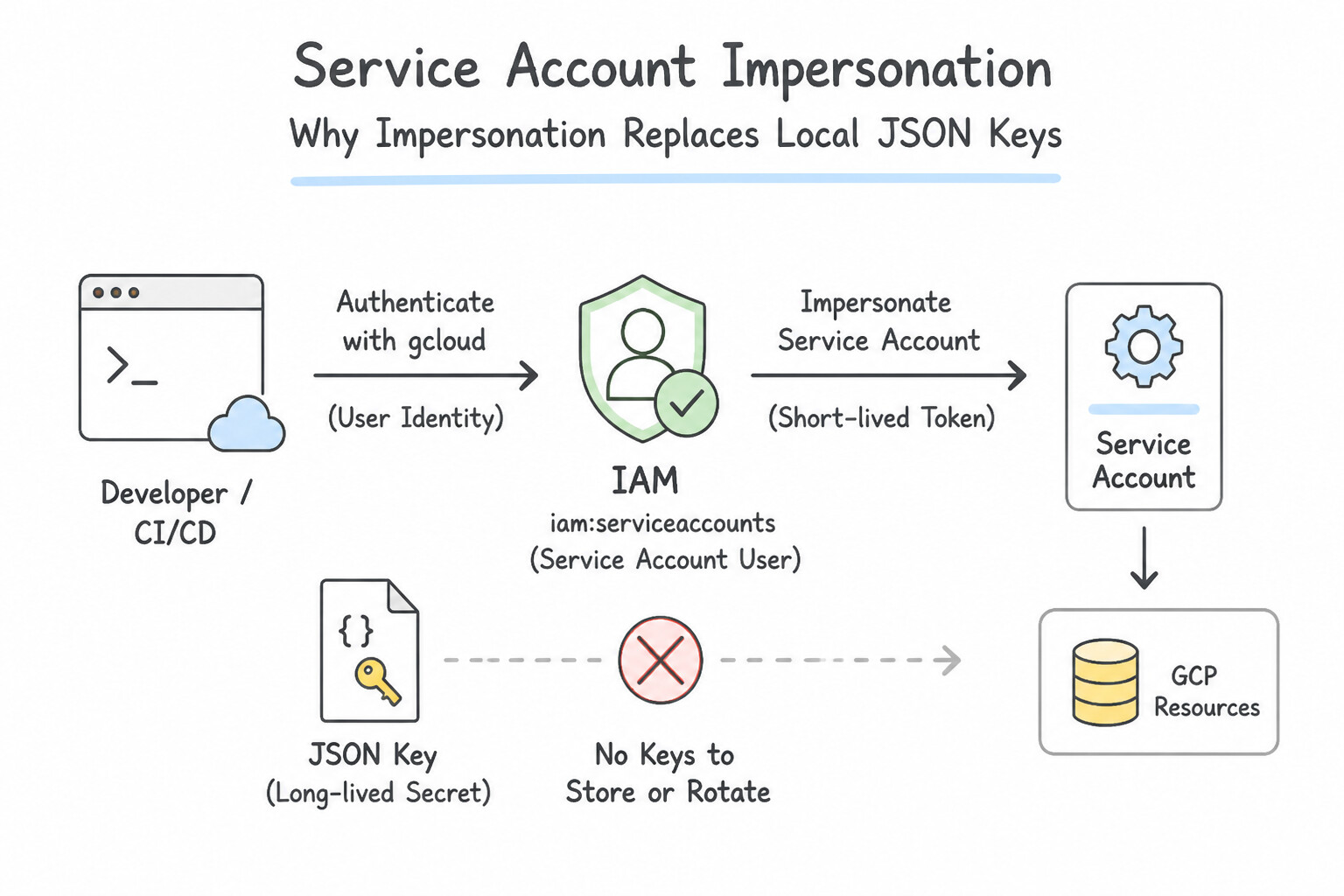
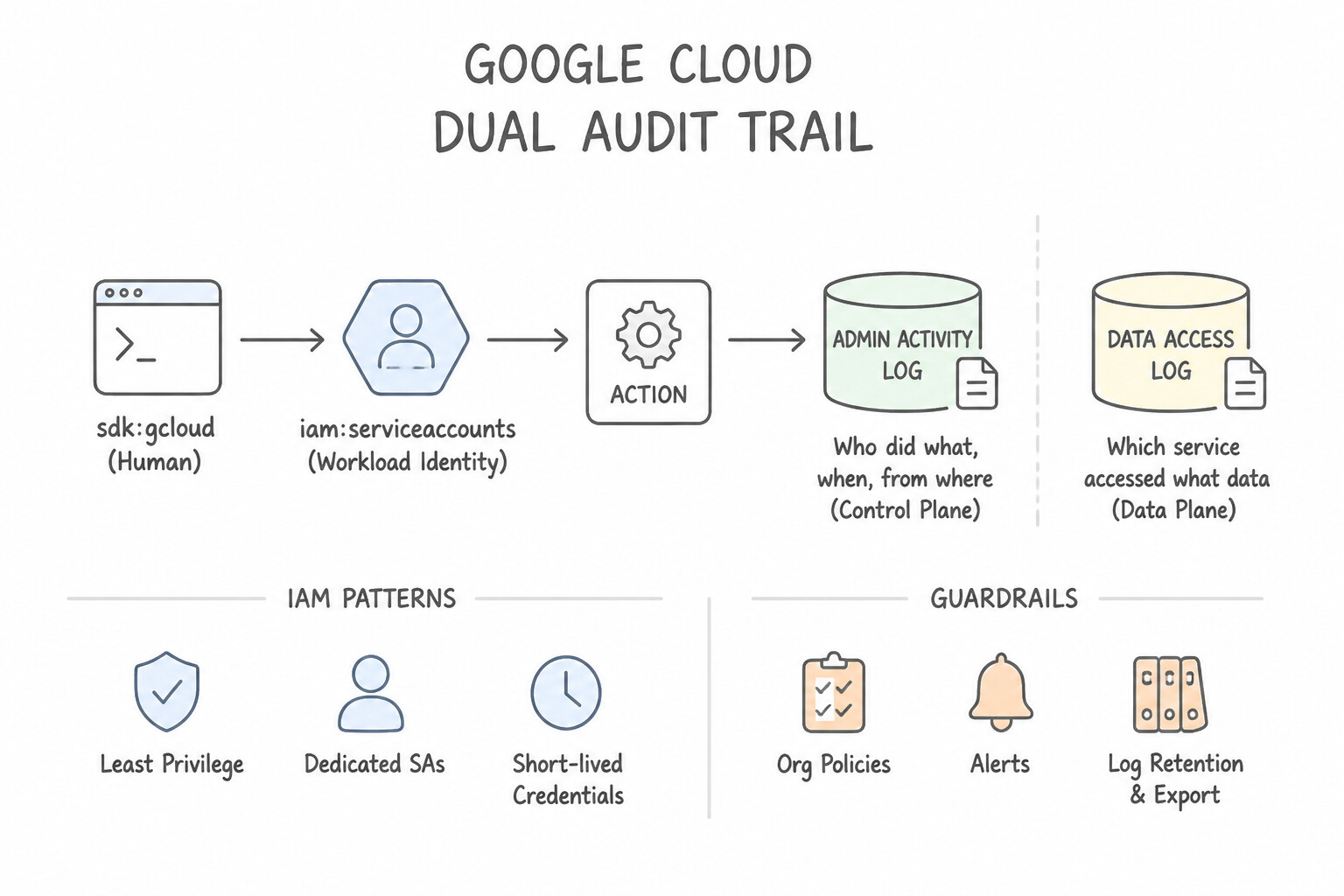
ace-4.2d-1-treating-service-account.jpg,ace-4.2d-2-roles-iam.jpg) - Consideration 4.2e: Managing service account impersonation (Diagrams:
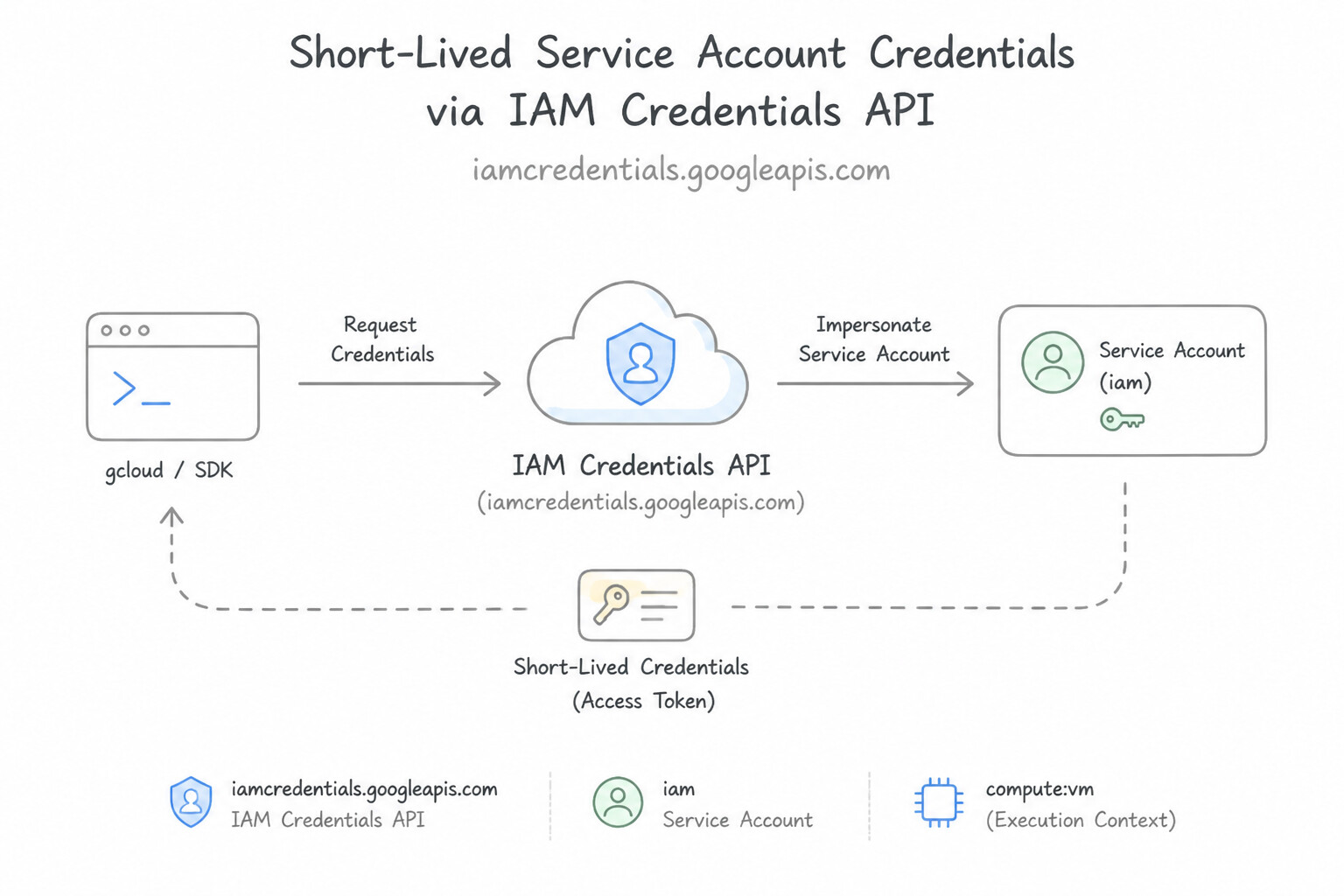
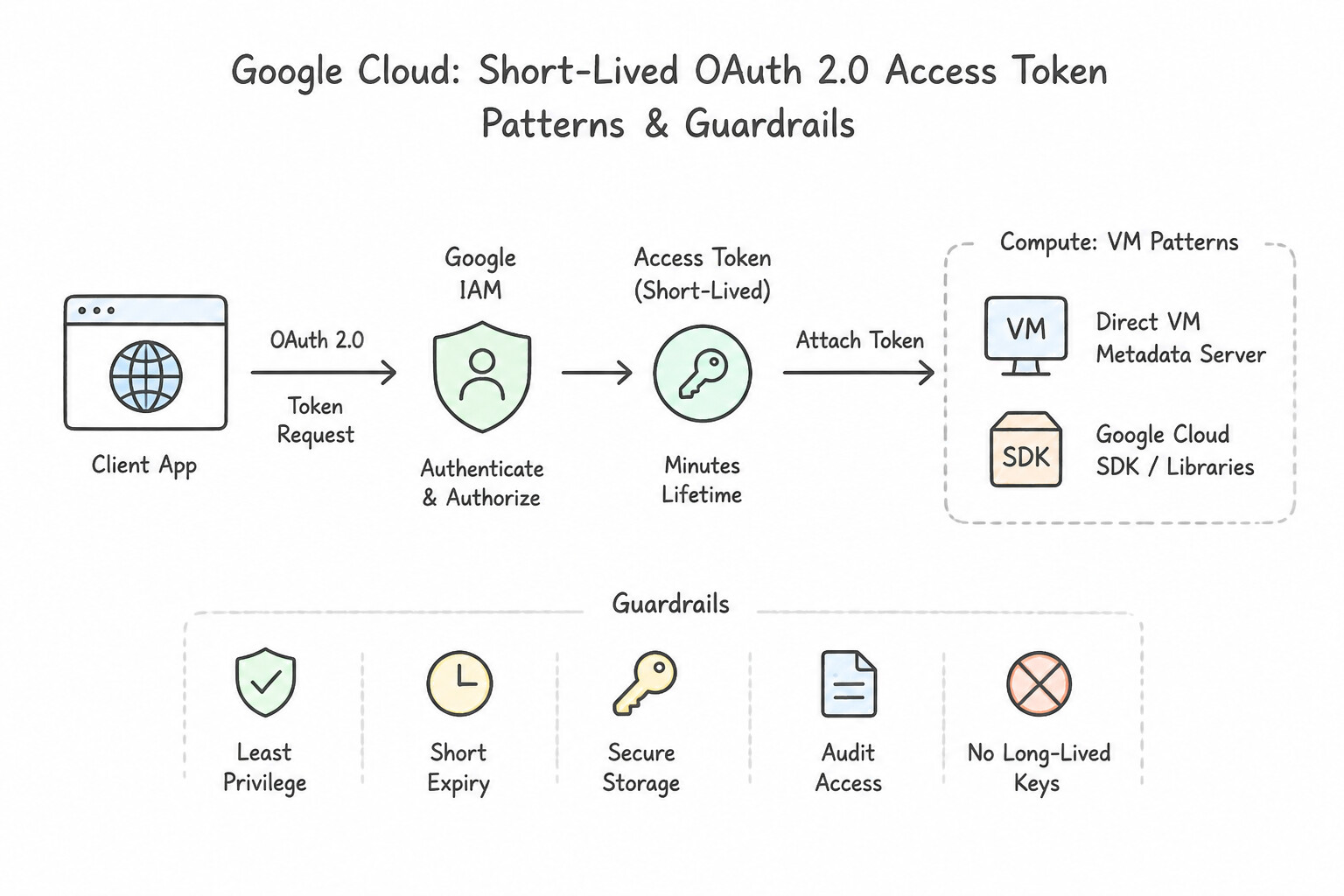
ace-4.2e-1-impersonation-replaces.jpg,ace-4.2e-2-dual-audit-trail-iam.jpg) - Consideration 4.2f: Creating and managing short-lived service account credentials (Diagrams:
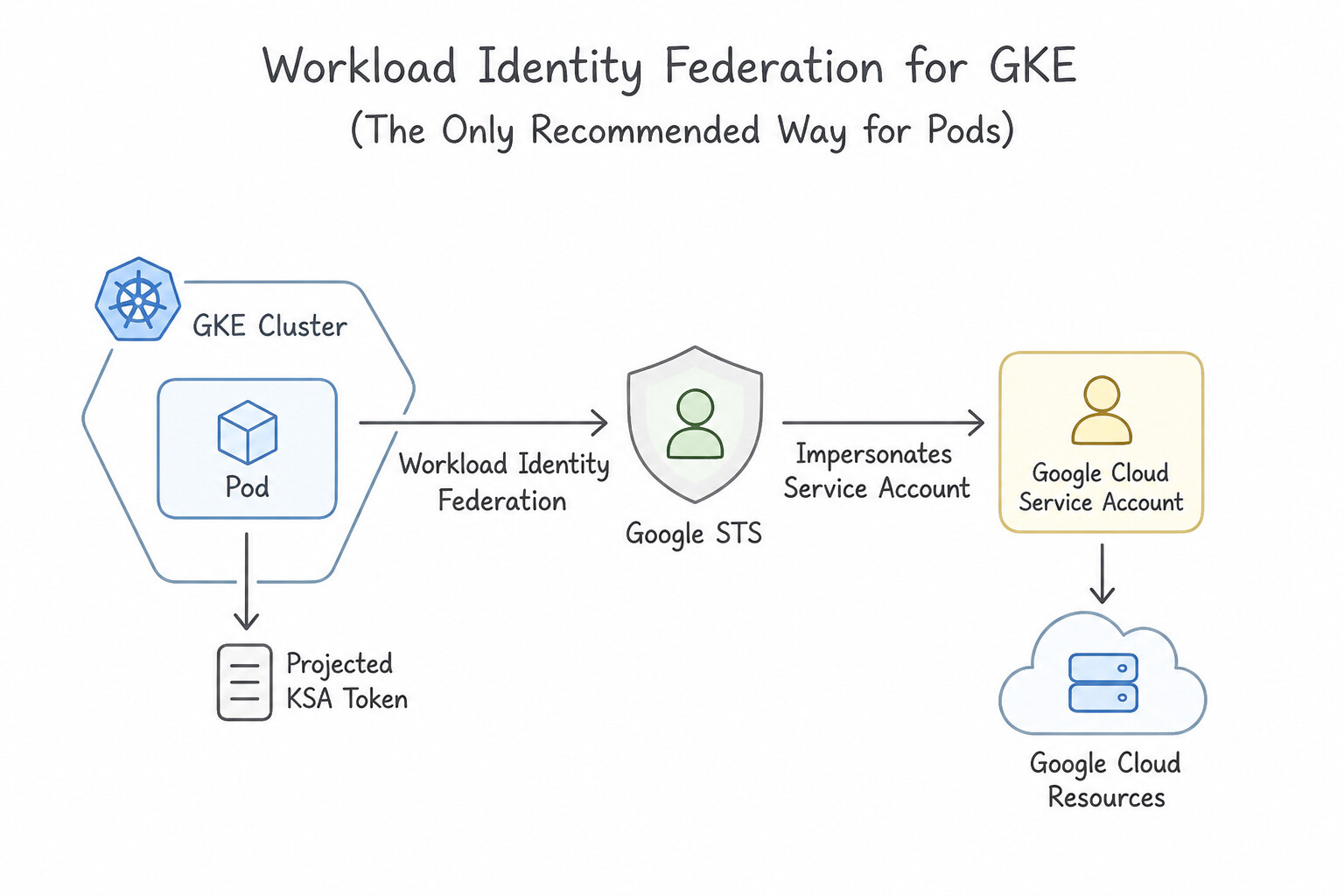
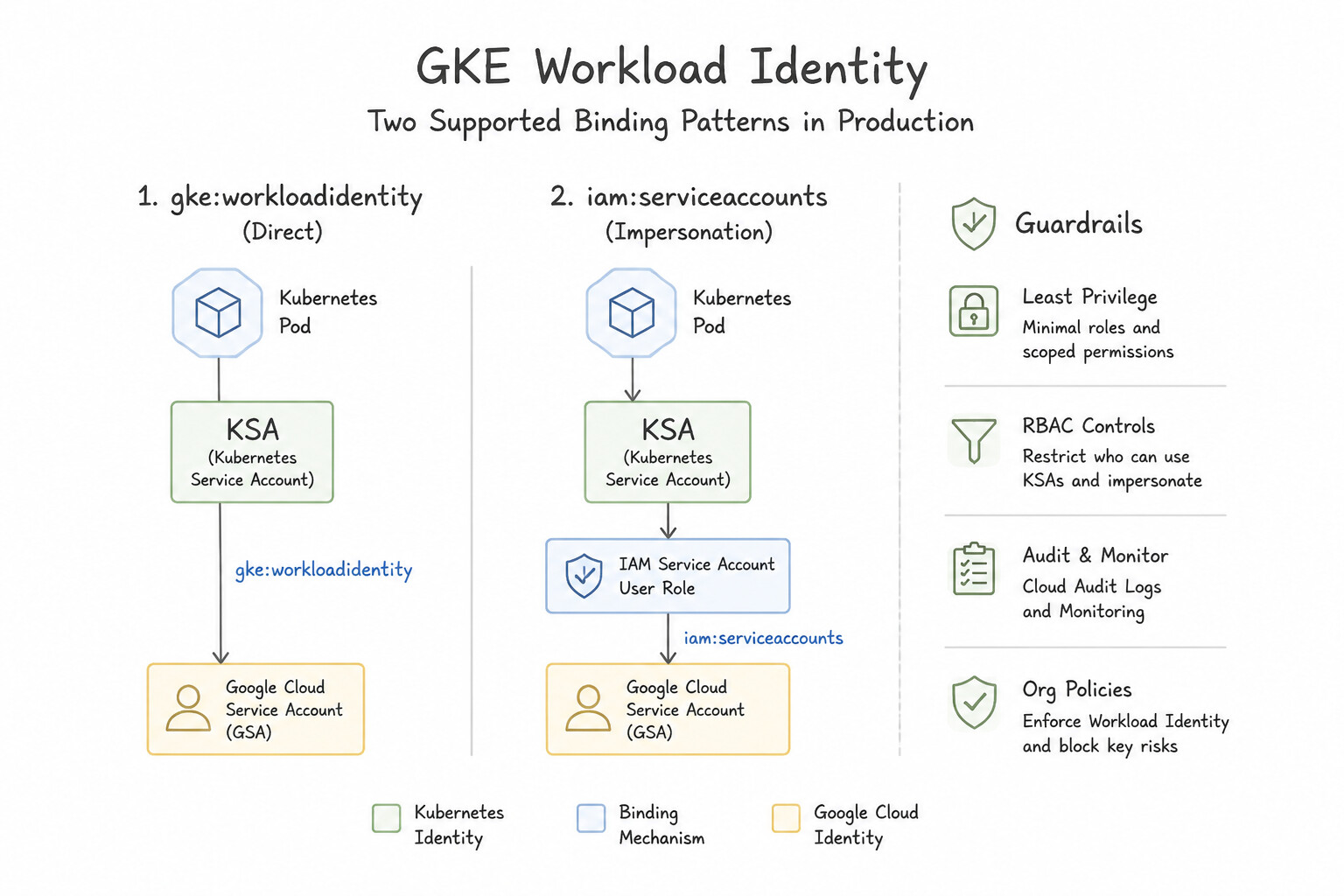
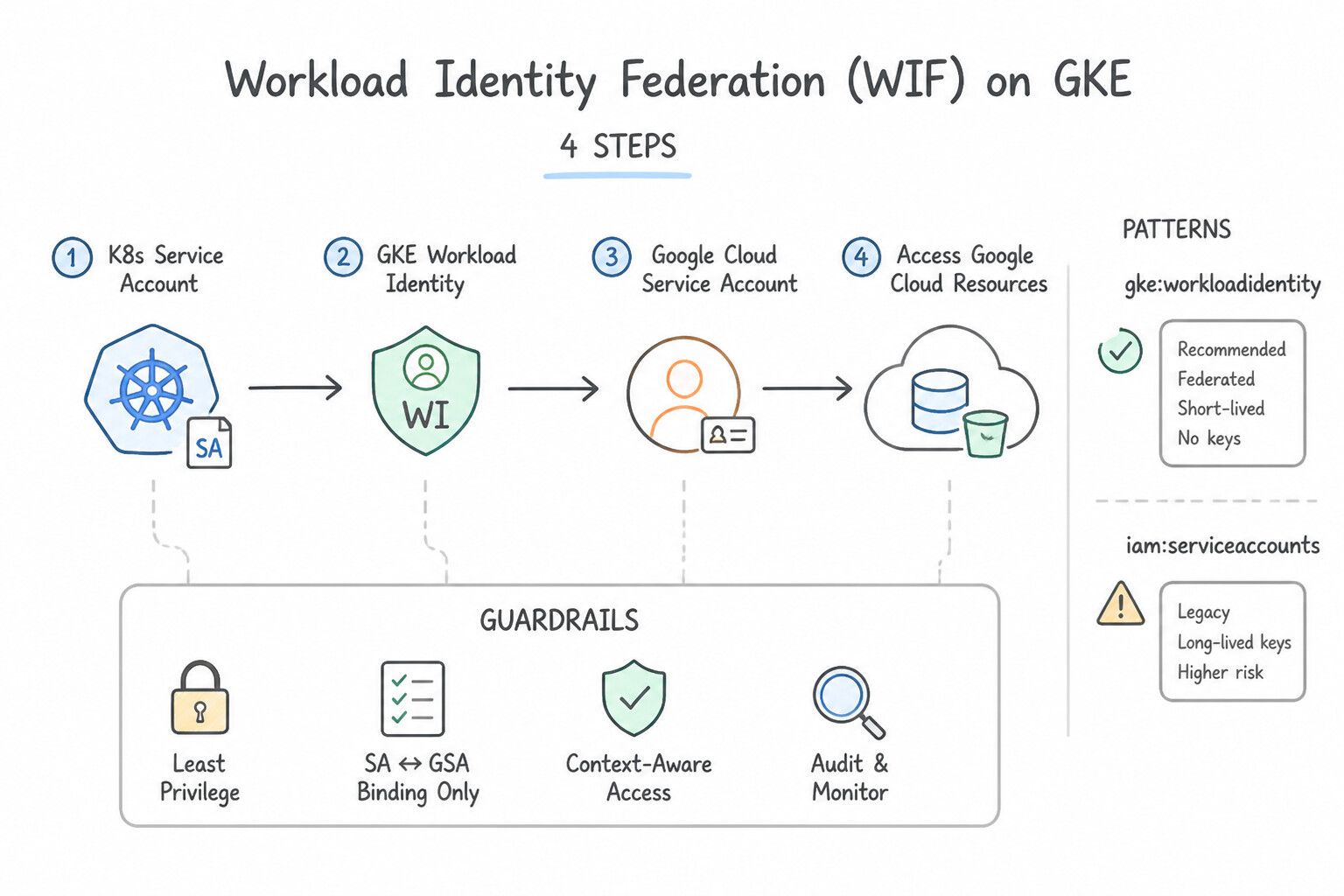
ace-4.2f-1-iam-credentials-api.jpg,ace-4.2f-2-short-lived-oauth-access.jpg) - Consideration 4.2g: Using a service account with a gke application (Diagrams:
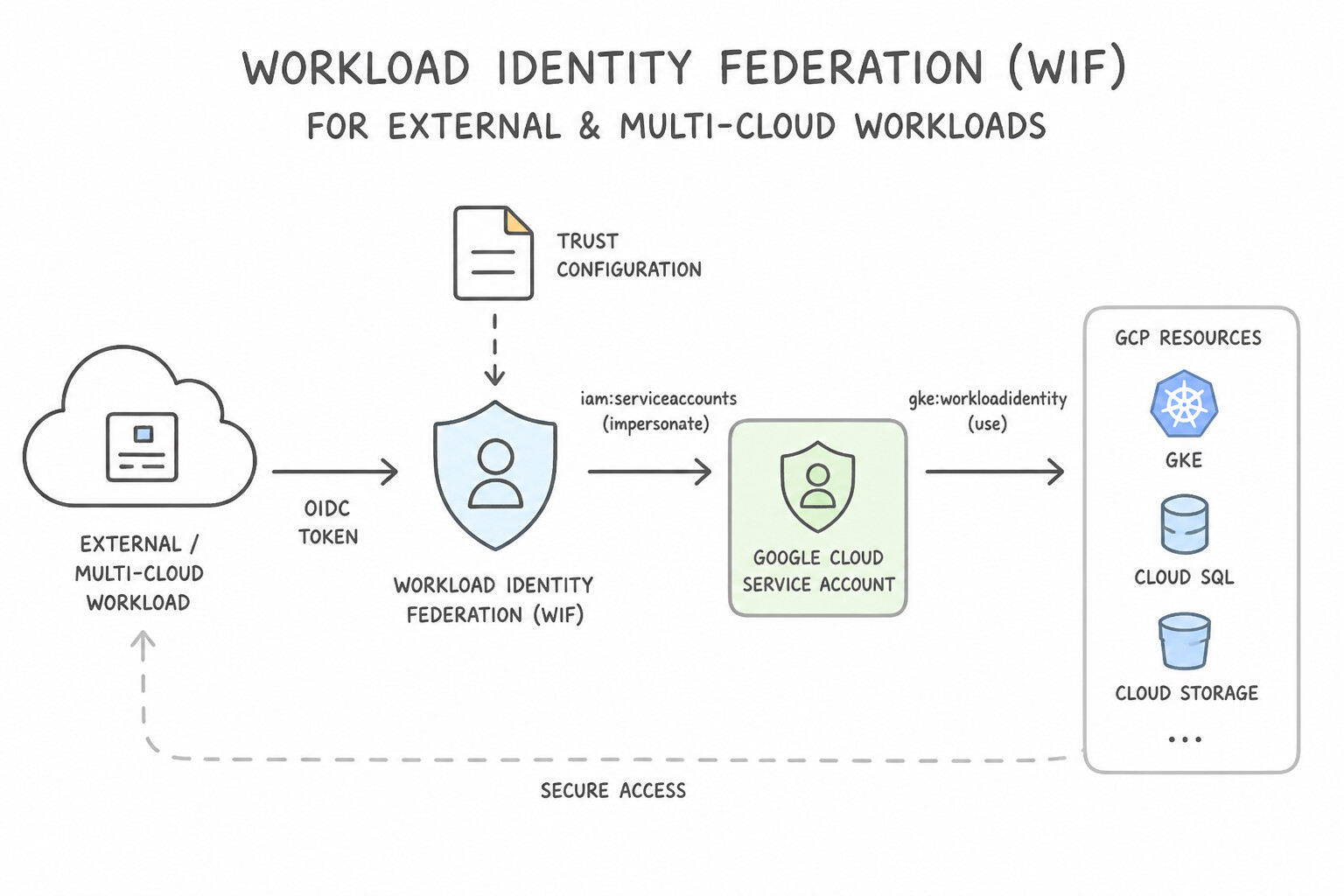
ace-4.2g-1-workload-identity.jpg,ace-4.2g-2-supported-binding.jpg) - Consideration 4.2h: Provisioning Workload Identity Federation (Diagrams:
ace-4.2h-1-workload-identity.jpg,ace-4.2h-2-to-provision-wif-steps.jpg) - Quick Decision Cheat Sheet (Subsection 4.2)
Chapter 8: Master Look-Alike Tool Comparison & Decision Playbook
- 8.1 The Master Look-Alike Tool Comparison Matrix
- 8.2 The 5-Step Architecture Decision Checklist
- 8.3 Top 25 Golden Rules for Final Review
Generating the Custom Illustrations (ace-image-prompts.json)
All 186 custom image prompts and output filenames for this book are stored in ace-image-prompts.json (and mirrored in openai-image-gen/out/9002-openai-prompts-ace-book.json). To generate the illustrations using openai-image-gen/images-from-prompts.py, run:
cd openai-image-gen
uv run images-from-prompts.py -file ../books/ace-architecture-takeaways/ace-image-prompts.json -simple -quality medium
AwesomeGCP.com Learning
The approach taken is a question-led learning approach: you explore realistic project scenarios where you need to make decisions or take actions to achieve business goals within specific constraints. Instead of passive learning, you are challenged to think and work through the options to master the Associate Cloud Engineer (ACE) certification!