About This Edition: A clean, intermediate-level architectural guide covering all 11 Subsections and 46 Official Considerations of the Google Cloud Certified Professional Cloud Database Engineer curriculum, illustrated with Mermaid architecture blueprints and 92 custom-designed concept & architecture diagrams.
Chapter Plan at a Glance
Ch # | Chapter Title | Subsections | Considerations | Custom Diagrams | Core Focus |
|---|---|---|---|---|---|
00 | Overview | — | Mermaid | The Architectural Planes, plain-English guide to in-scope services, and the 10 Core Architectural Principles. | |
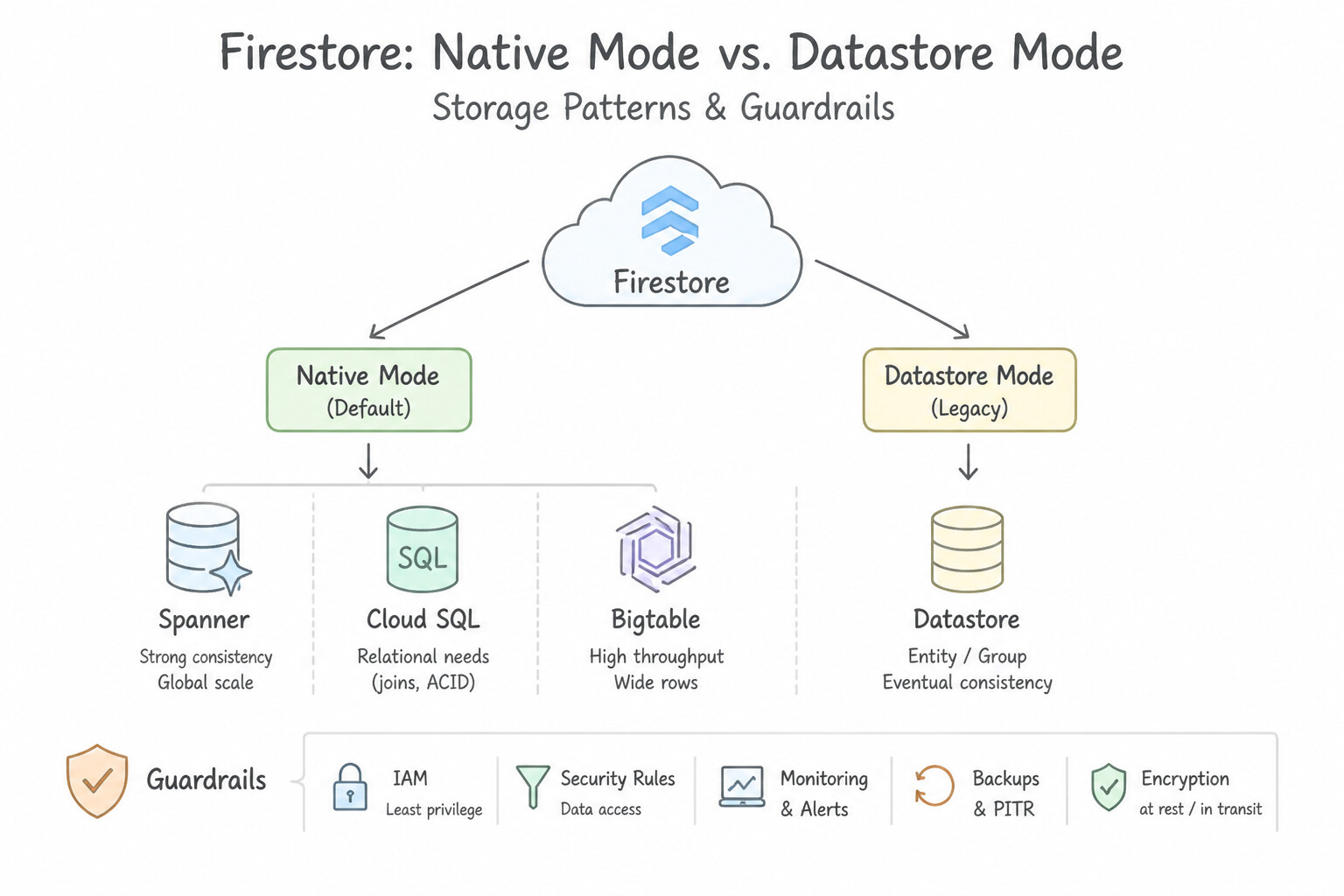
01 | 1.1, 1.4 | 11 | 22 | Decision matrix across Cloud SQL, AlloyDB, Cloud Spanner, Bigtable, Firestore, Memorystore, Bare Metal Solution (Oracle) & BigQuery; CPU/RAM/IOPS sizing, and pgvector AI embeddings. | |
02 | 1.2, 2.3, 4.1 | 12 | 24 | RPO/RTO engineering, Cloud SQL regional HA vs. cross-region read replicas, AlloyDB primary/read pool HA, Spanner multi-region quorum, automated backups, PITR binary/WAL logs, and failover drills. | |
03 | 1.3, 2.1 | 5 | 10 | Private Service Connect (PSC) vs. Private Services Access (VPC Peering), Cloud SQL / AlloyDB Auth Proxy, mTLS SSL certificates, PgBouncer/HikariCP connection pooling, IAM Database Authentication, and PGAudit. | |
04 | 2.2, 2.4, 2.5 | 14 | 28 | Query Insights, Spanner Lock/Transaction Introspection, Bigtable Key Visualizer, index/schema optimization, AlloyDB columnar engine, Memorystore read-through caching, CUDs, and zero-downtime maintenance. | |
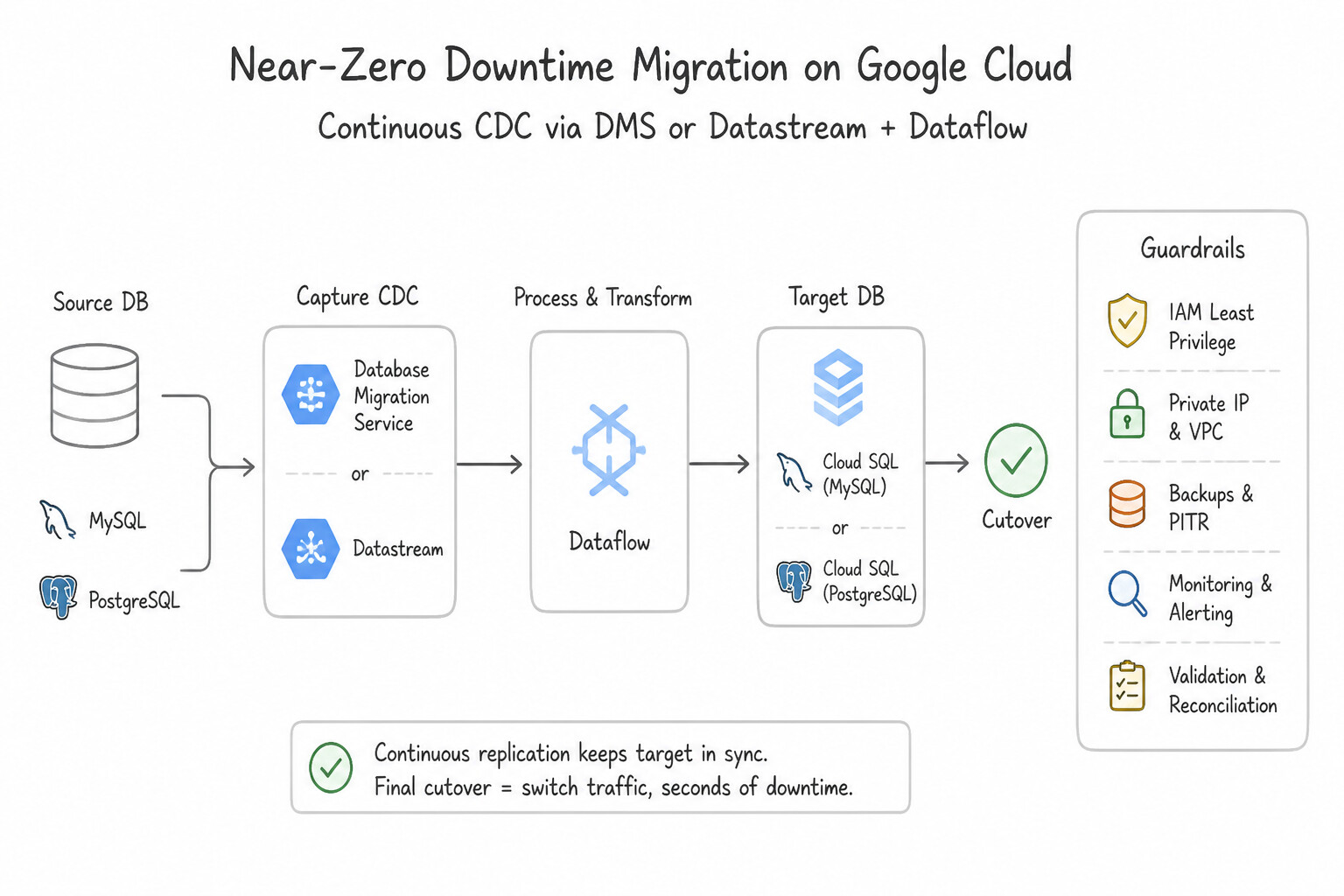
05 | 3.1 | 4 | 8 | Homogeneous vs. heterogeneous migrations, Database Migration Service (DMS) continuous CDC with Gemini-assisted SQL/PL-SQL conversion, Spanner Migration Tool (SMT), Datastream, and fallback cutover plans. | |
06 | All Sections | — | — | Side-by-side Look-Alike Tool Comparison Matrix, 5-Step Architecture Decision Checklist, and Top 25 Golden Rules. |
Detailed Table of Contents
Chapter 0: The PDBE Reference Stack & 10 Core Principles
- 0.1 The Master Architectural Map: All In-Scope Services of the PDBE Stack
- 0.2 The 10 Core Architectural Principles
Chapter 1: Database Engine Selection, Capacity Planning, Sizing & Fleet Architecture
- Subsection 1.1: Analyze relevant variables to perform database capacity and usage planning (Section 1: Design innovative, scalable, and highly available cloud database solutions)
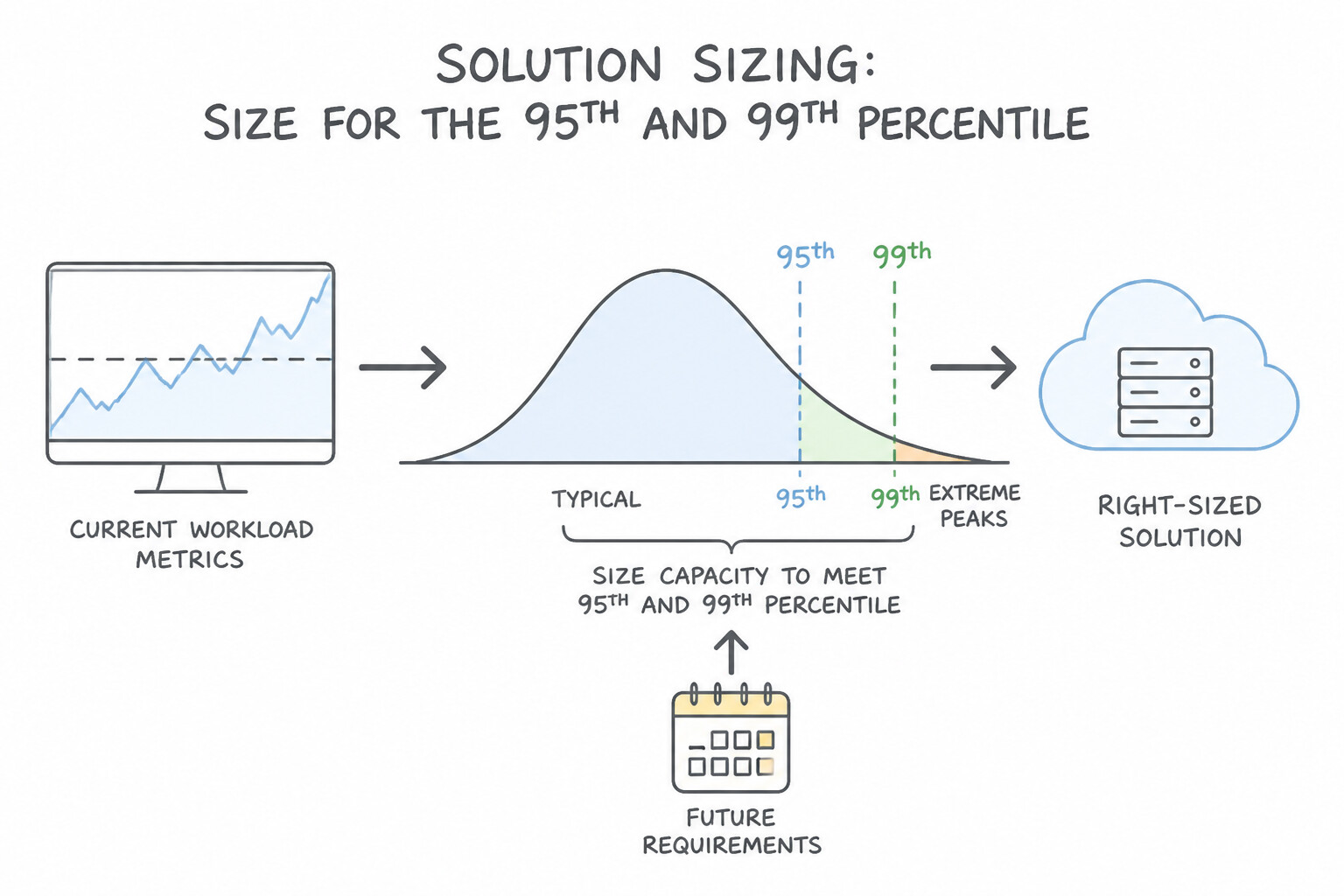
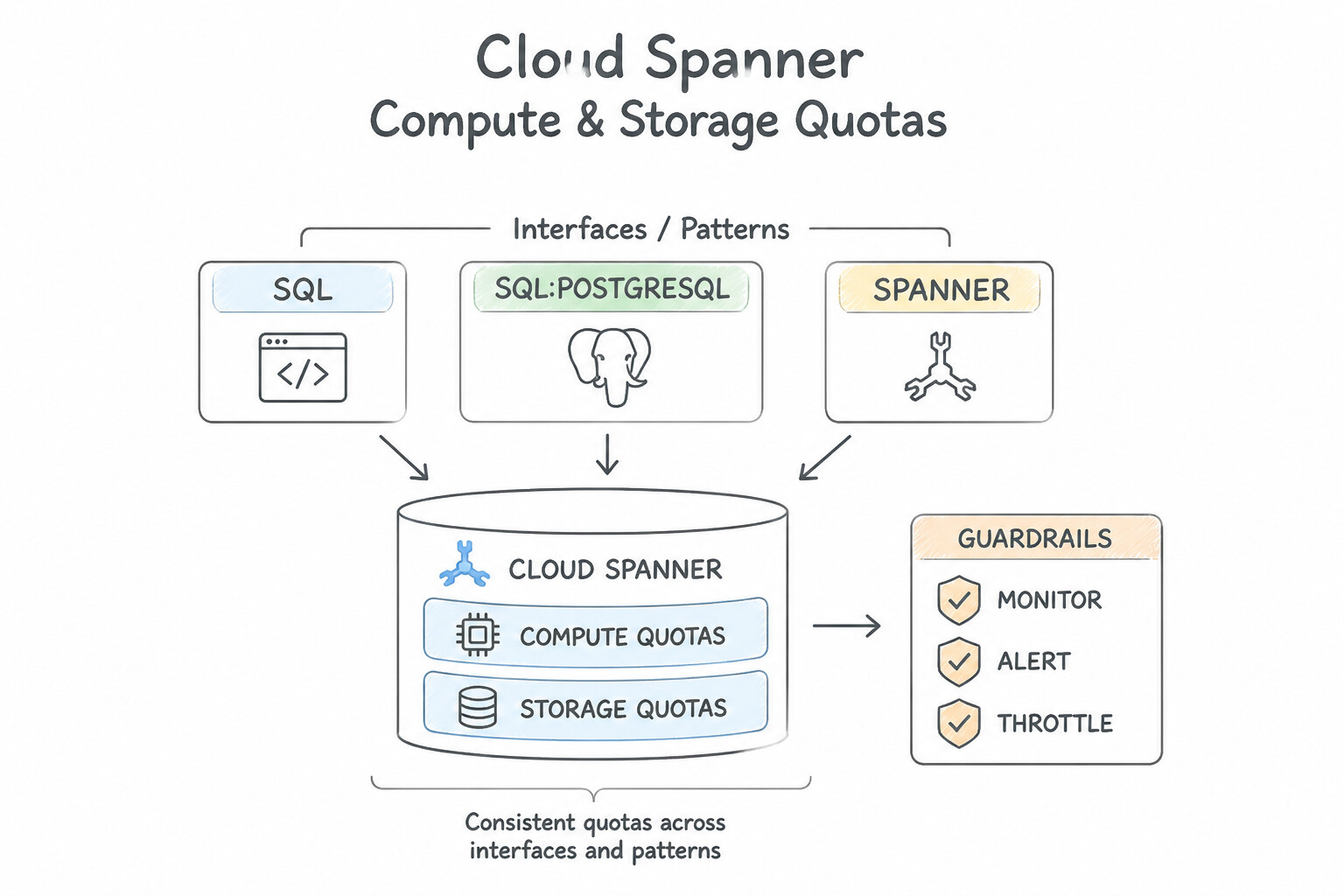
- Consideration 1.1a: Perform solution sizing based on current environment workload metrics and future requirements (Diagrams:
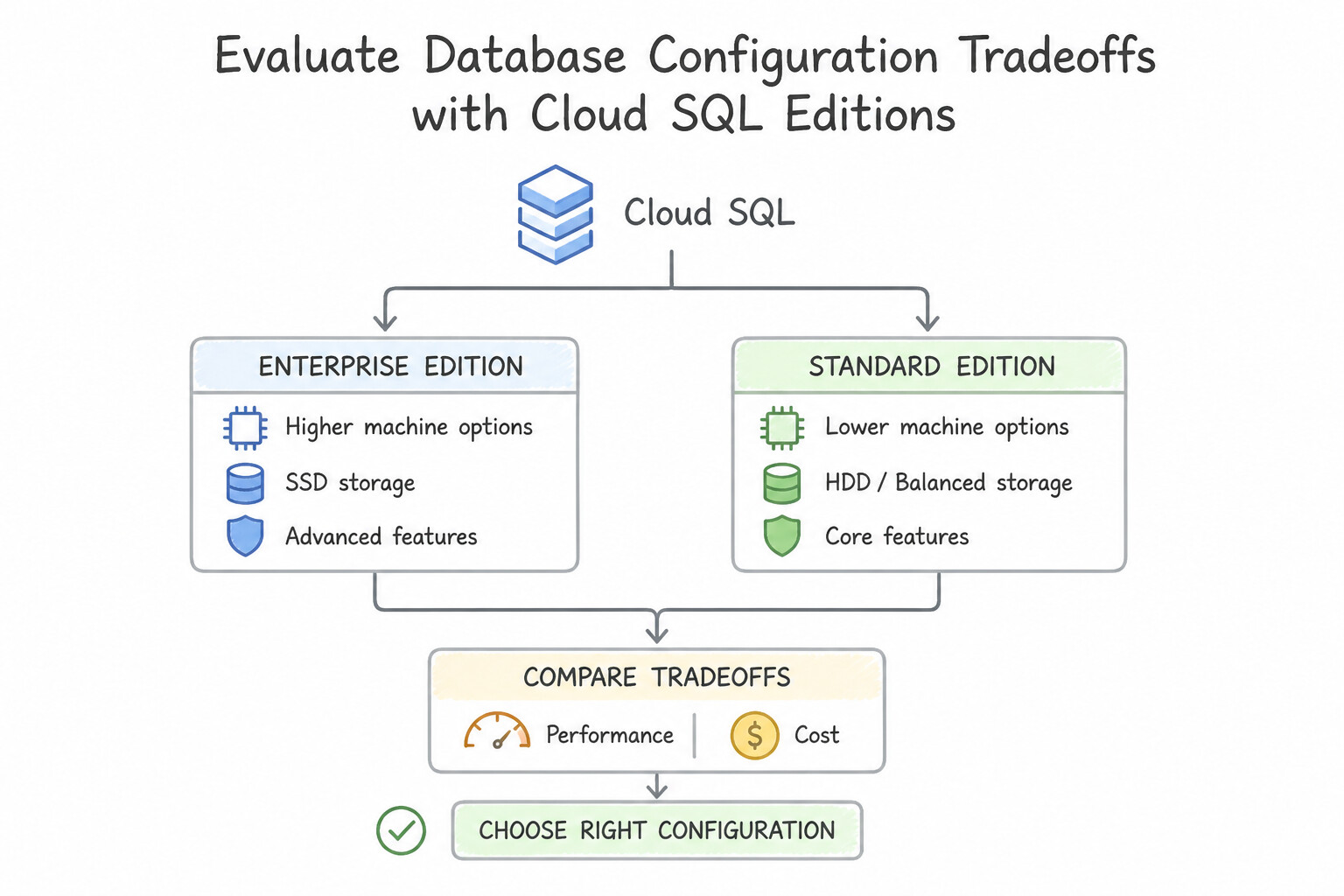
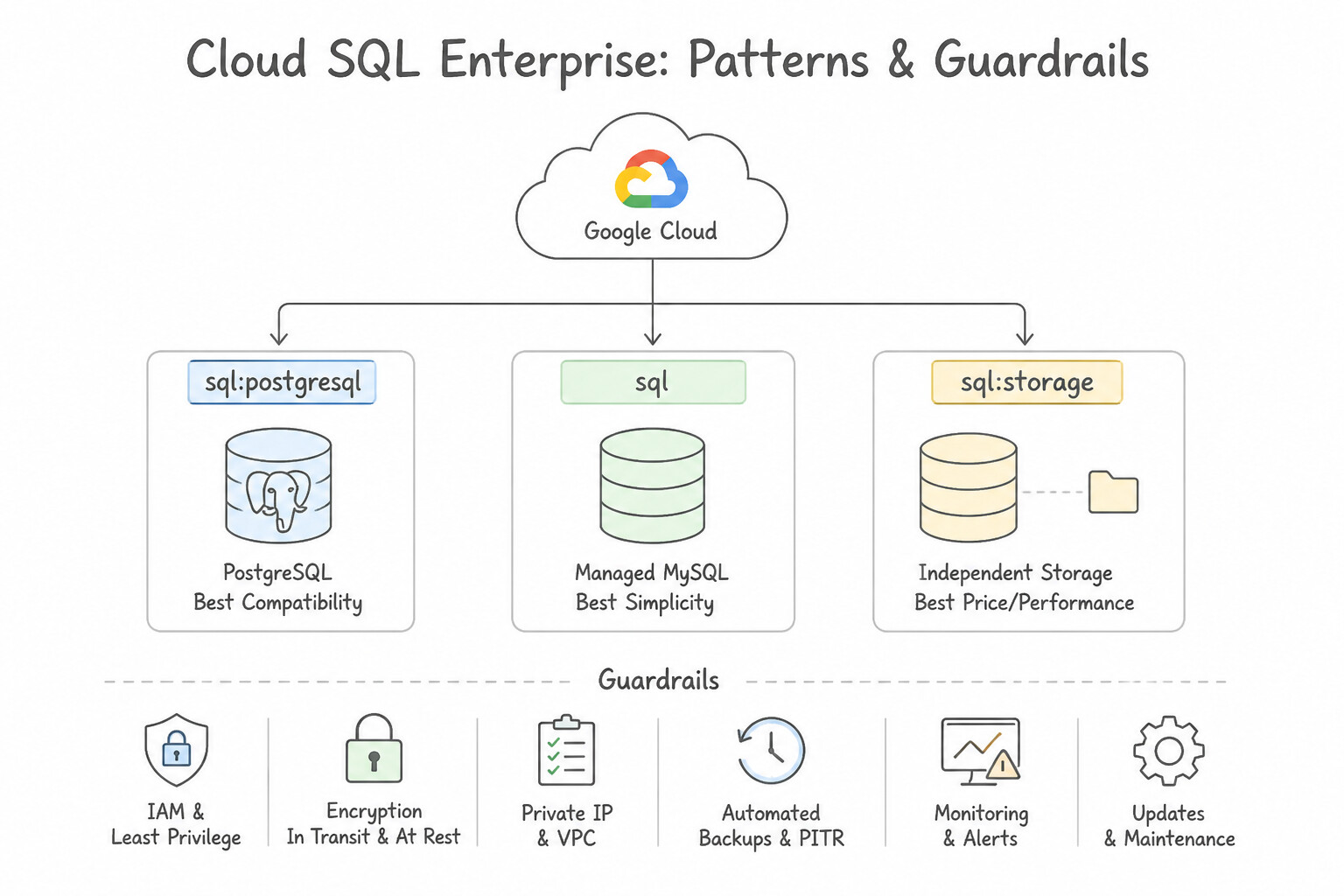
pdbe-1.1a-1-size-95th-99th.jpg,pdbe-1.1a-2-spanner-compute-storage.jpg) - Consideration 1.1b: Evaluate performance and cost tradeoffs of different database configurations (e.g., machine types, storage types) (Diagrams:
pdbe-1.1b-1-sql-editions-enterprise.jpg,pdbe-1.1b-2-sql-enterprise-sql.jpg) - Consideration 1.1c: Size database compute and storage based on performance requirements (Diagrams:
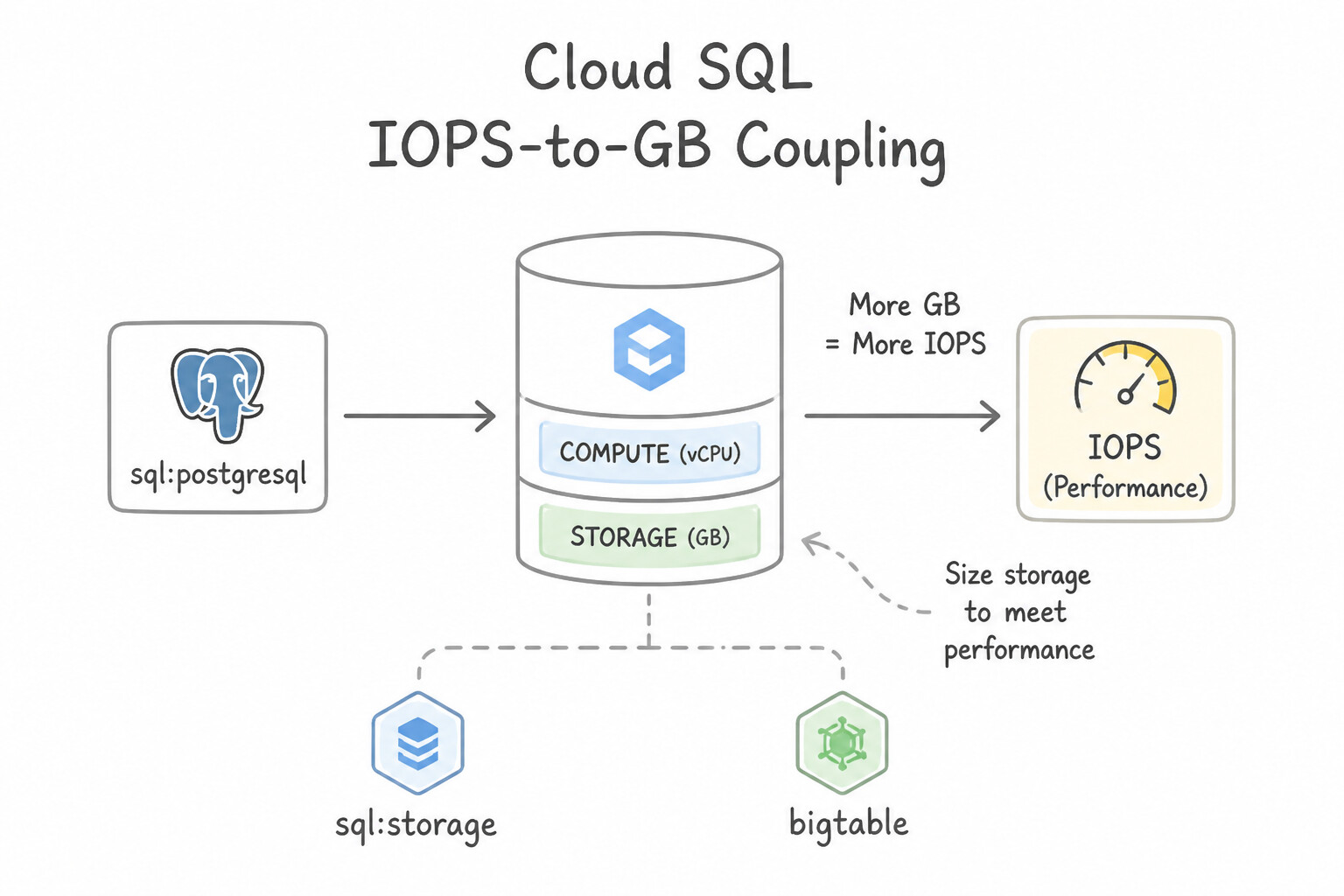
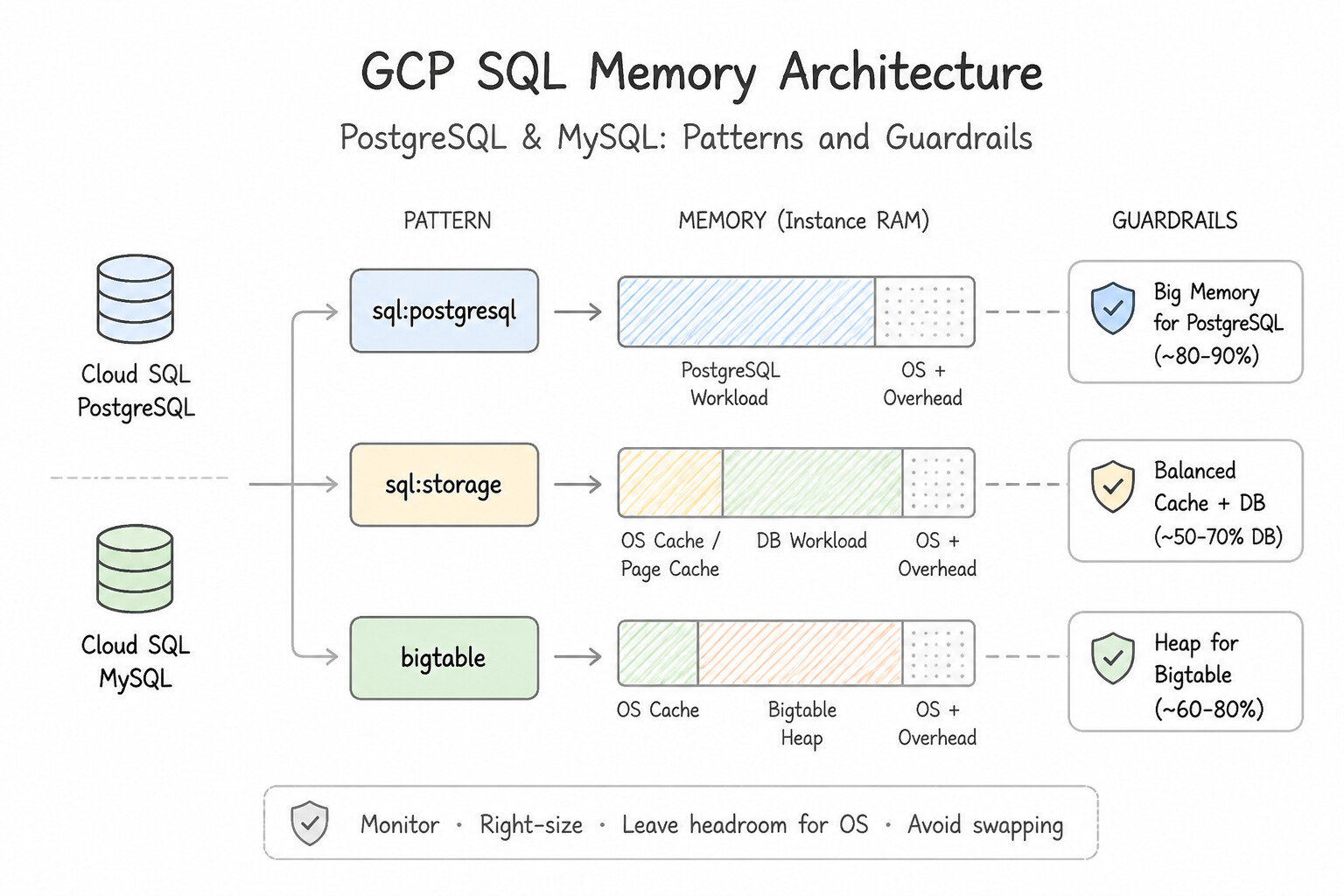
pdbe-1.1c-1-sql-iops-to-gb.jpg,pdbe-1.1c-2-postgresql-mysql-memory.jpg) - Quick Decision Cheat Sheet (Subsection 1.1)
- Subsection 1.4: Evaluate appropriate database solutions on Google Cloud (Section 1: Design innovative, scalable, and highly available cloud database solutions)
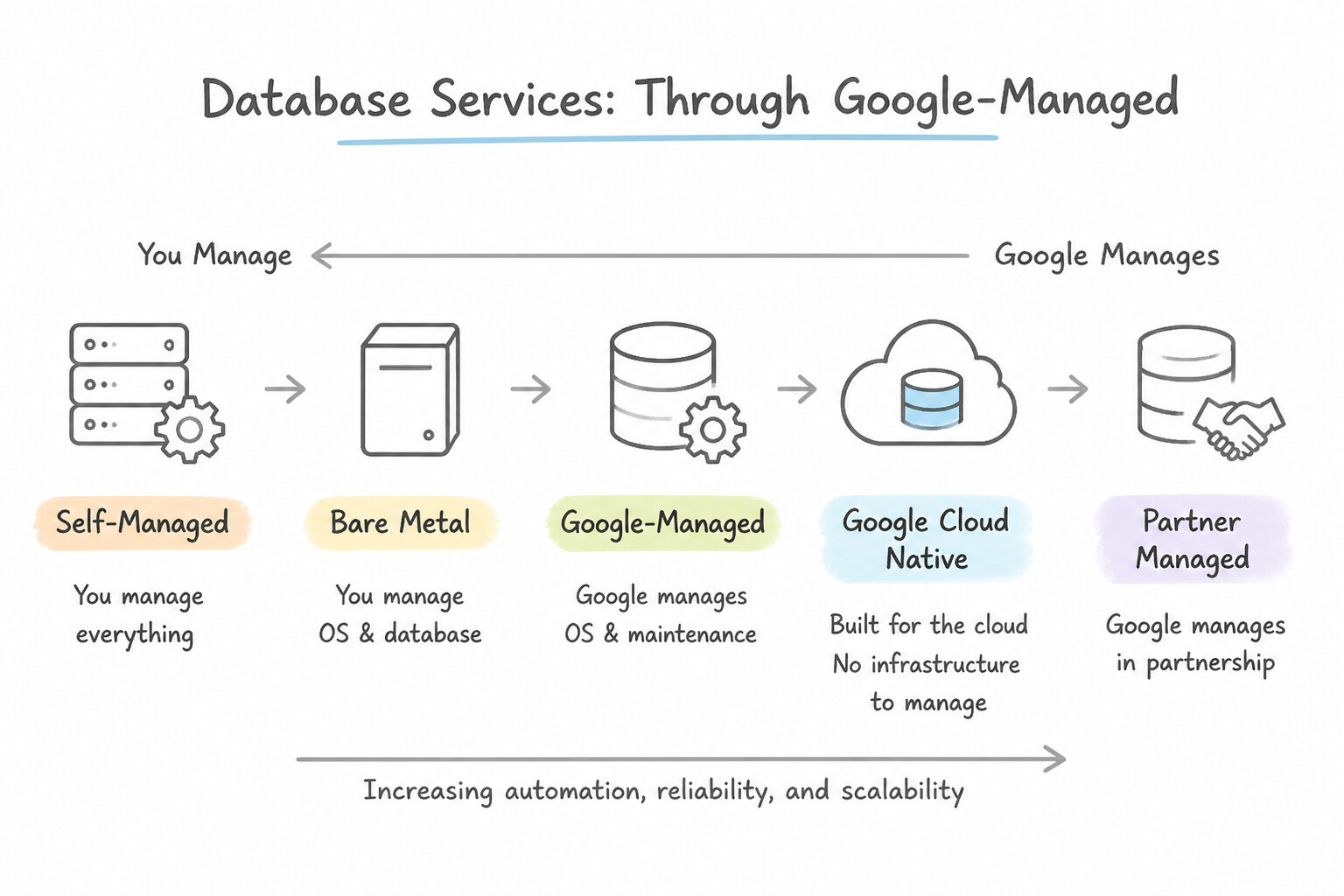
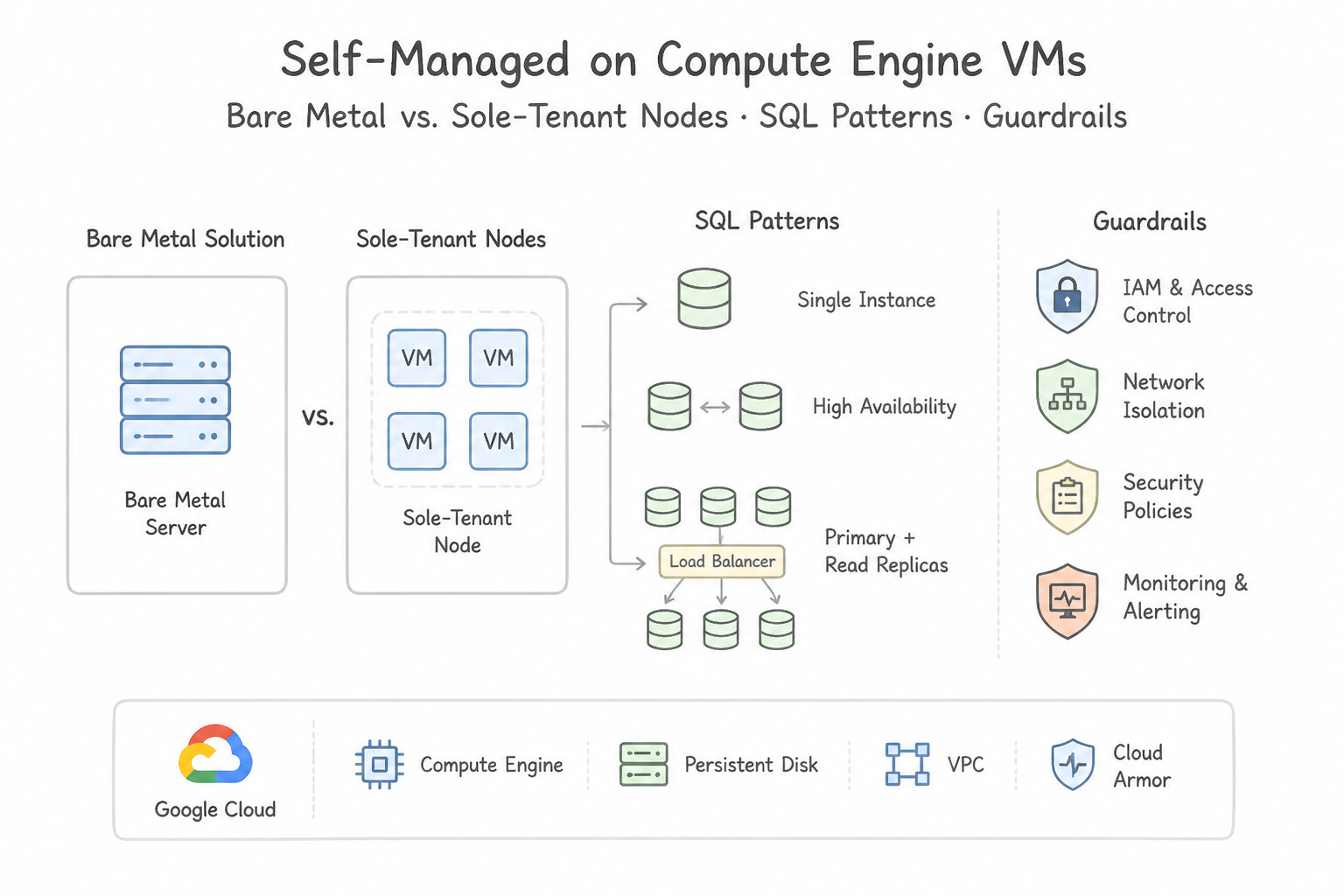
- Consideration 1.4a: Differentiate between managed and unmanaged database services (e.g., self-managed, bare metal, Google-managed, Google Cloud native and partner offerings) (Diagrams:
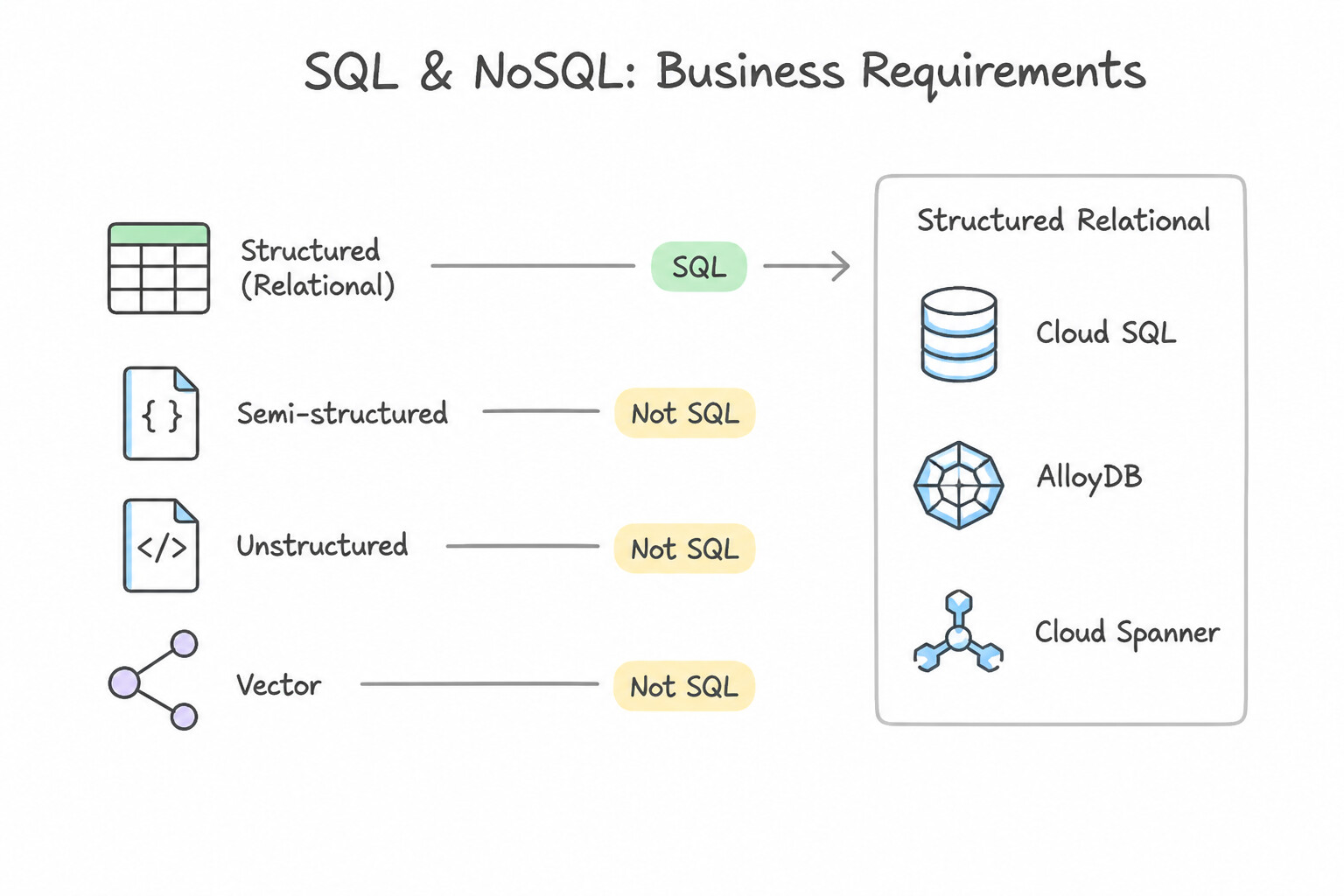
pdbe-1.4a-1-managed-databases-sql.jpg,pdbe-1.4a-2-self-managed-on-compute.jpg) - Consideration 1.4b: Distinguish between SQL and NoSQL business requirements (e.g., structured, semi-structured, unstructured, vector) (Diagrams:
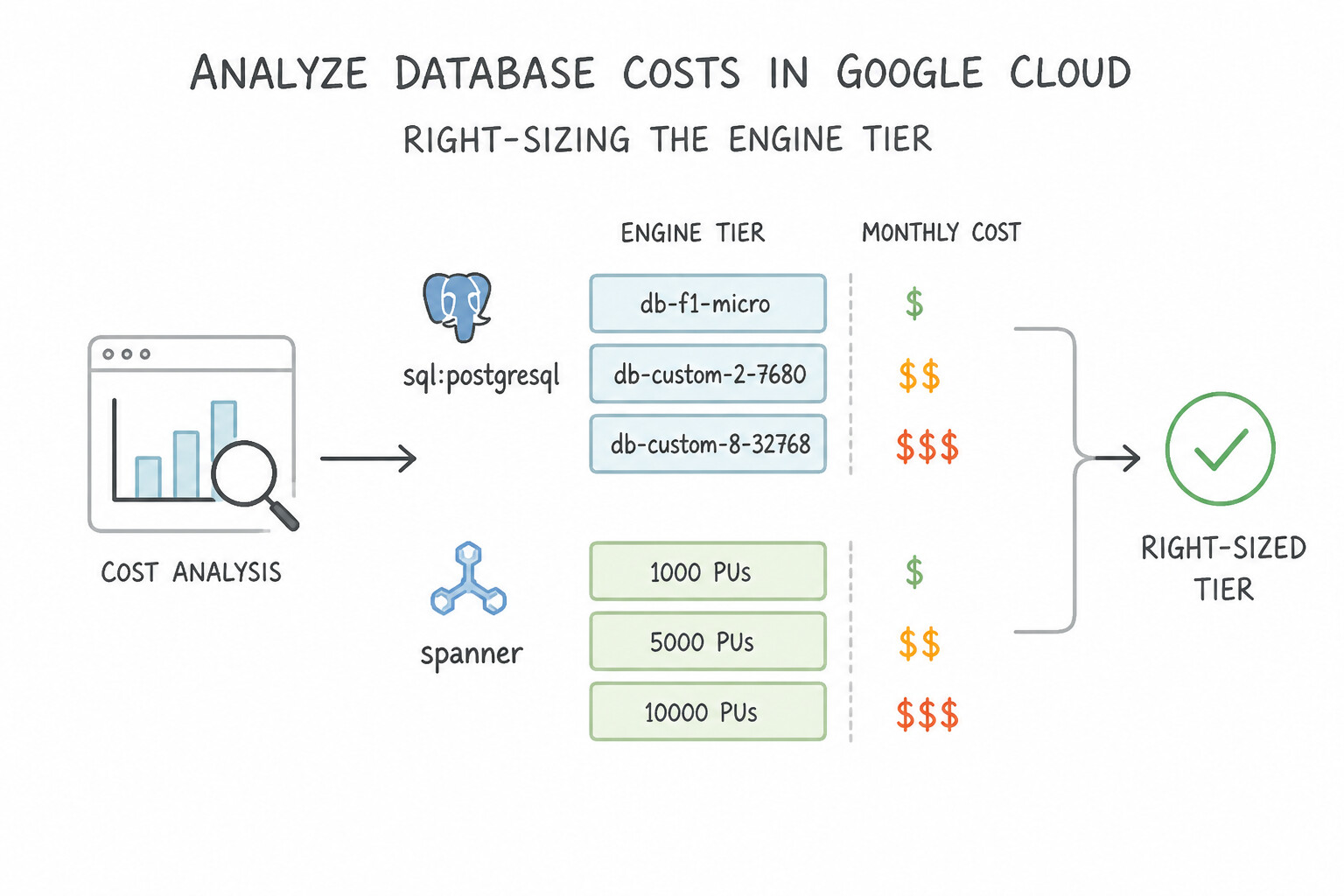
pdbe-1.4b-1-structured-relational.jpg,pdbe-1.4b-2-semi-structured-document.jpg) - Consideration 1.4c: Analyze the cost of running database solutions in Google Cloud (comparative analysis) (Diagrams:
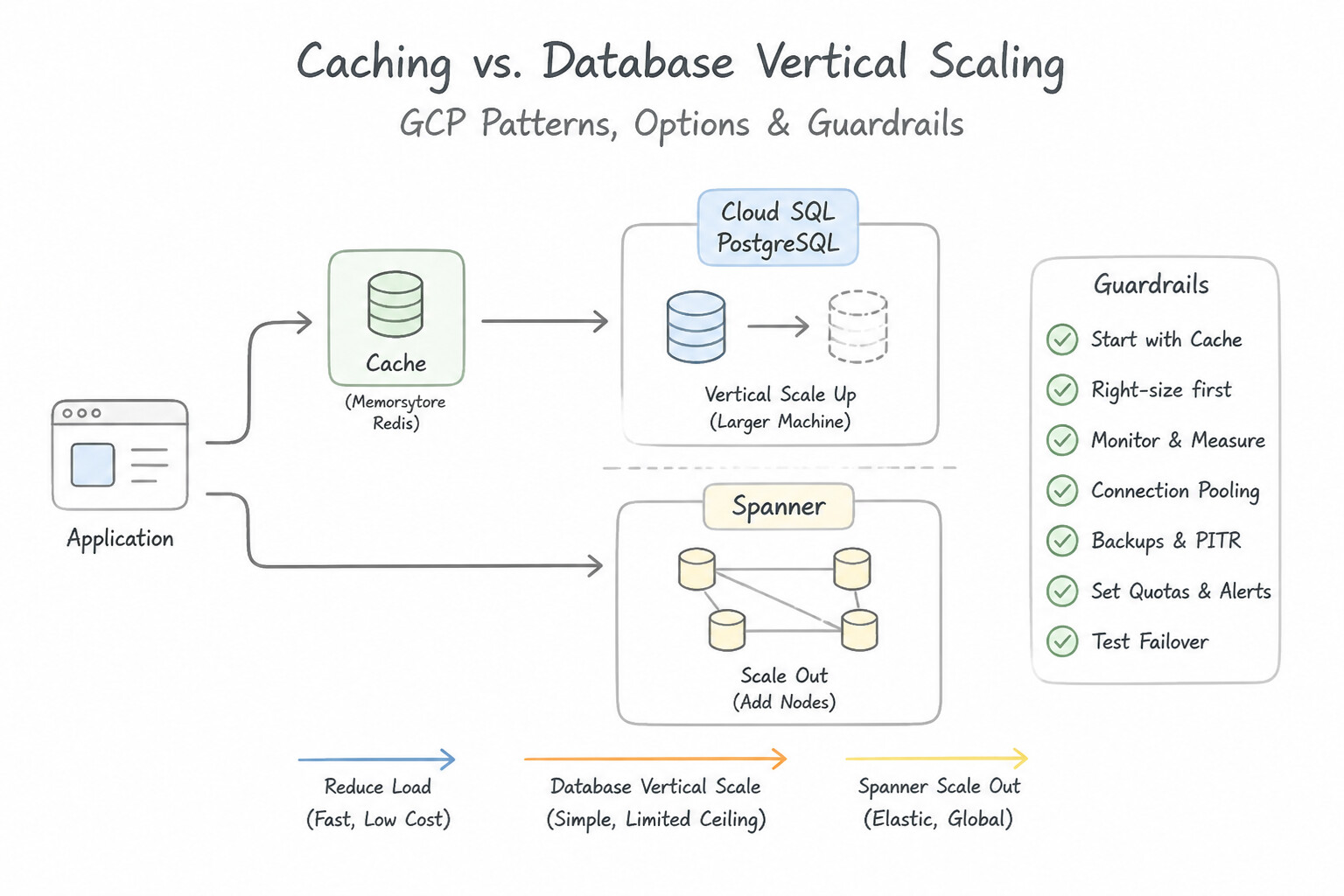
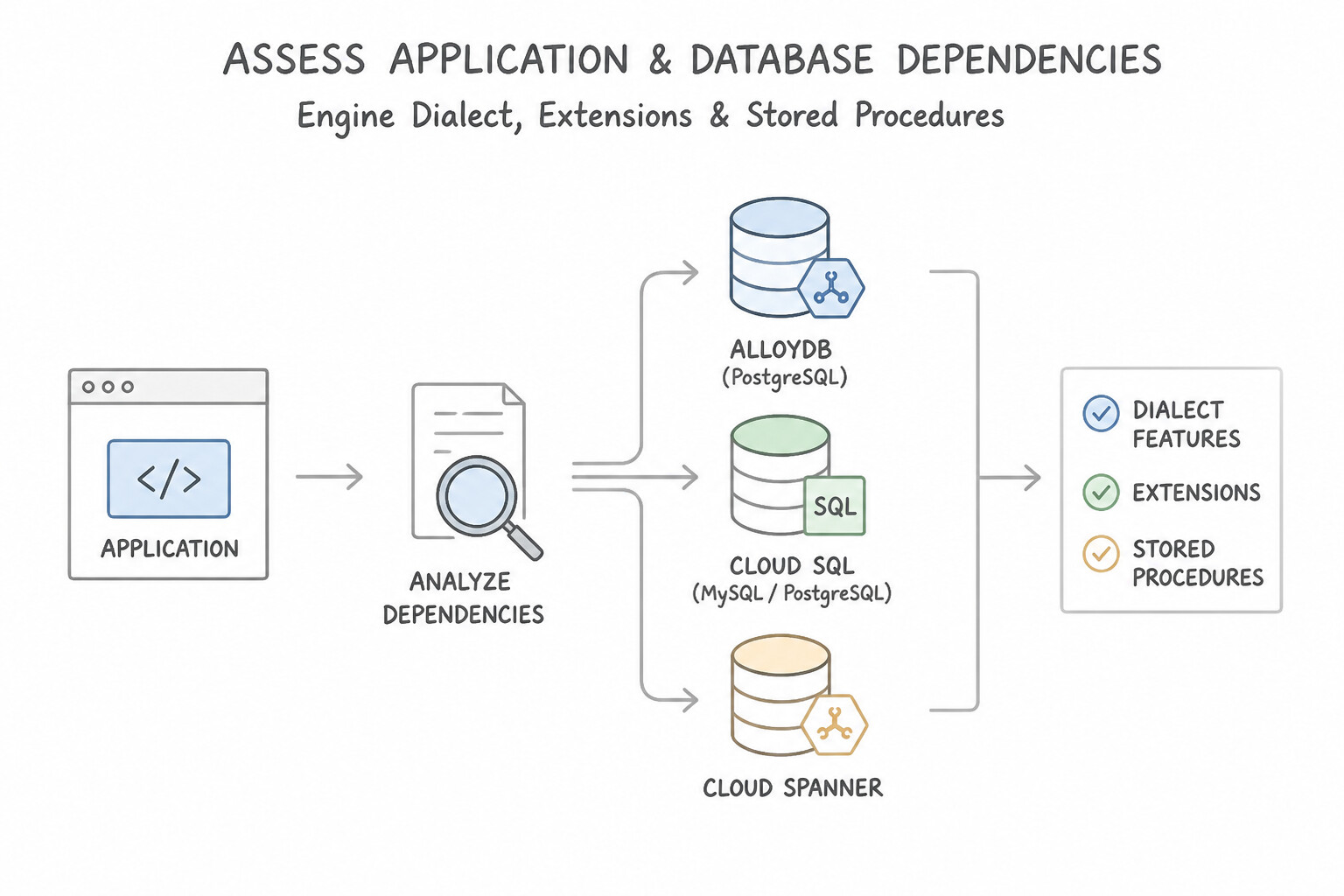
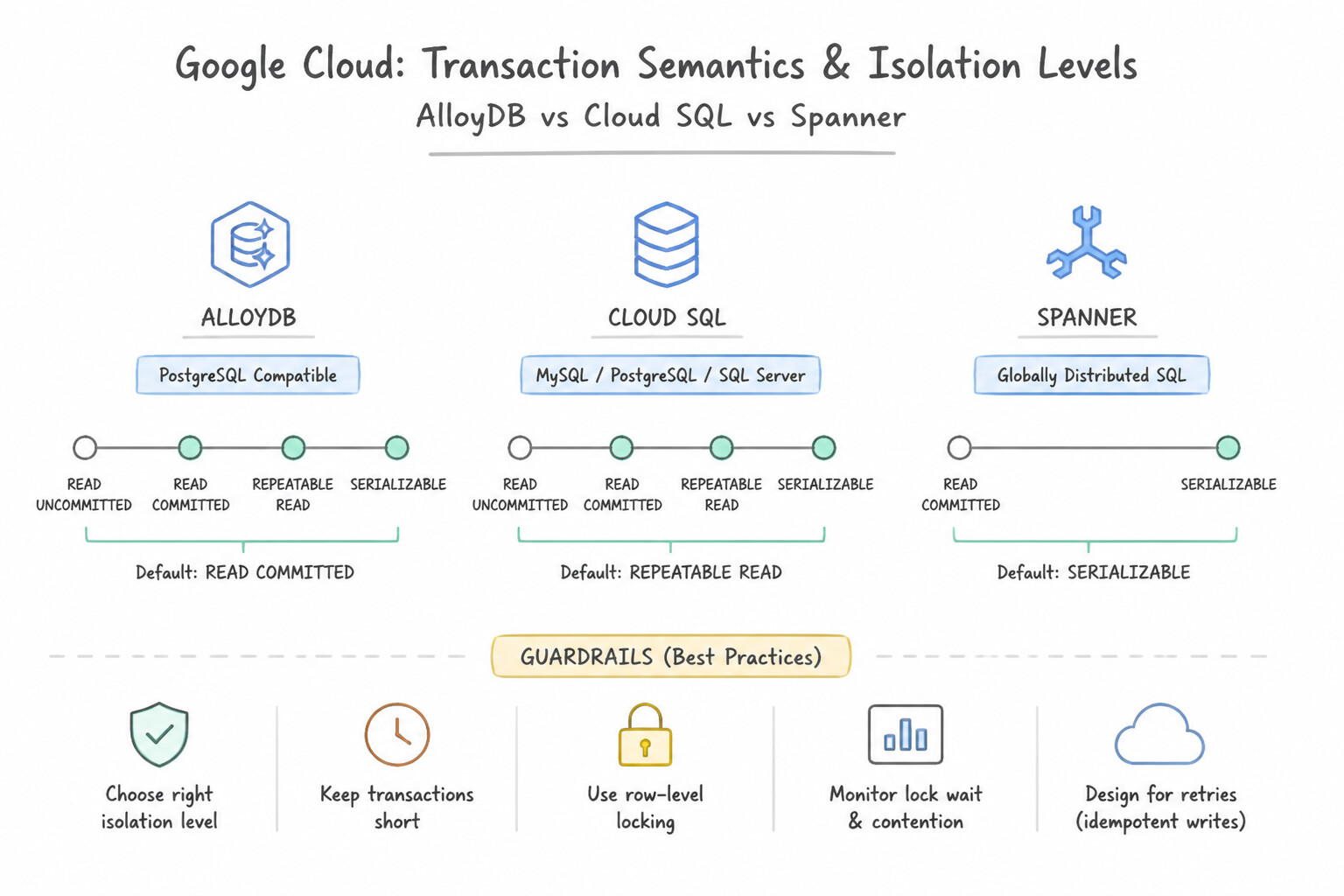
pdbe-1.4c-1-right-sizing-engine-tier.jpg,pdbe-1.4c-2-caching-vs-database.jpg) - Consideration 1.4d: Assess application and database dependencies (Diagrams:
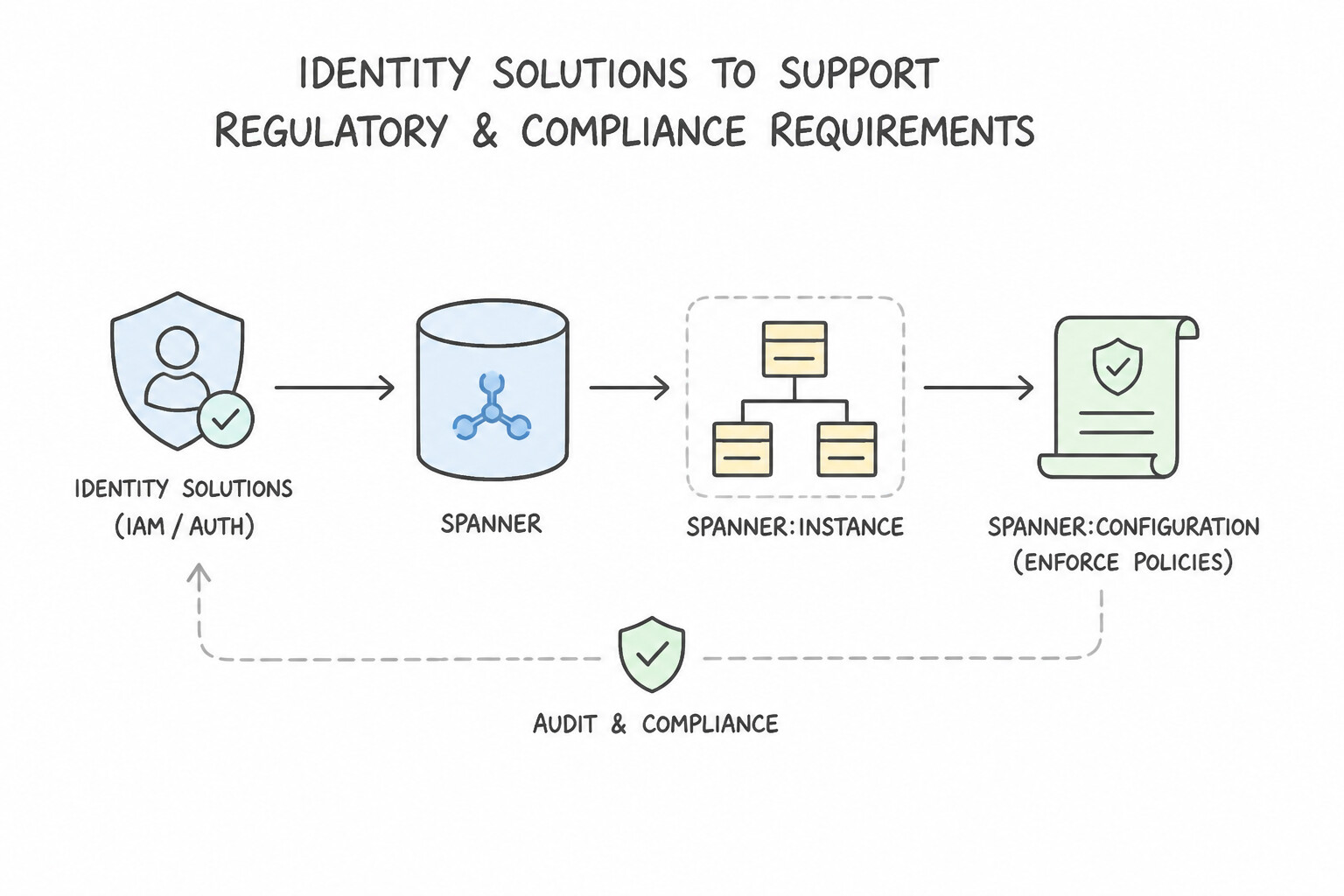
pdbe-1.4d-1-engine-dialect.jpg,pdbe-1.4d-2-transaction-semantics.jpg) - Consideration 1.4e: Identify solutions to support regulatory and compliance requirements (Diagrams:
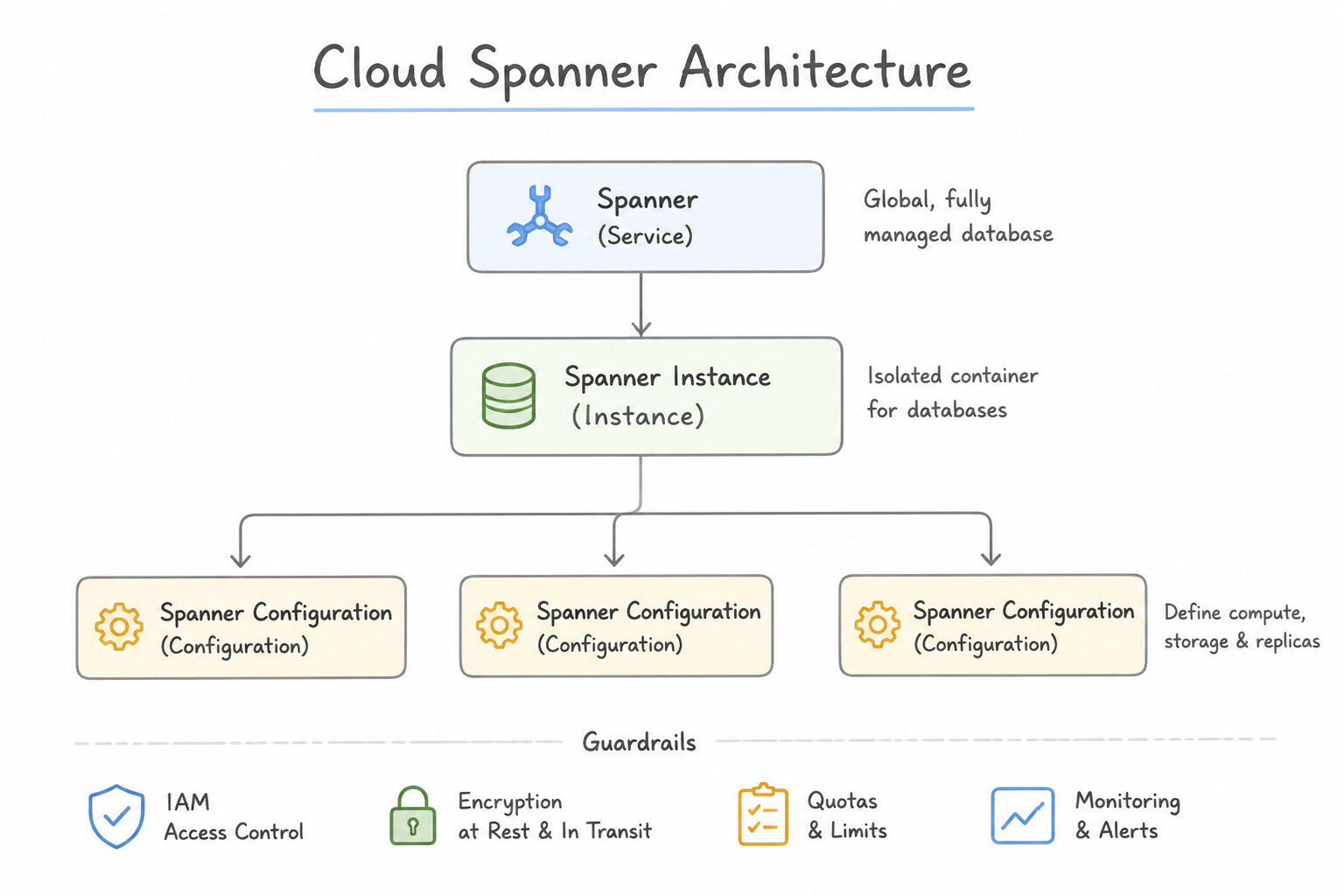
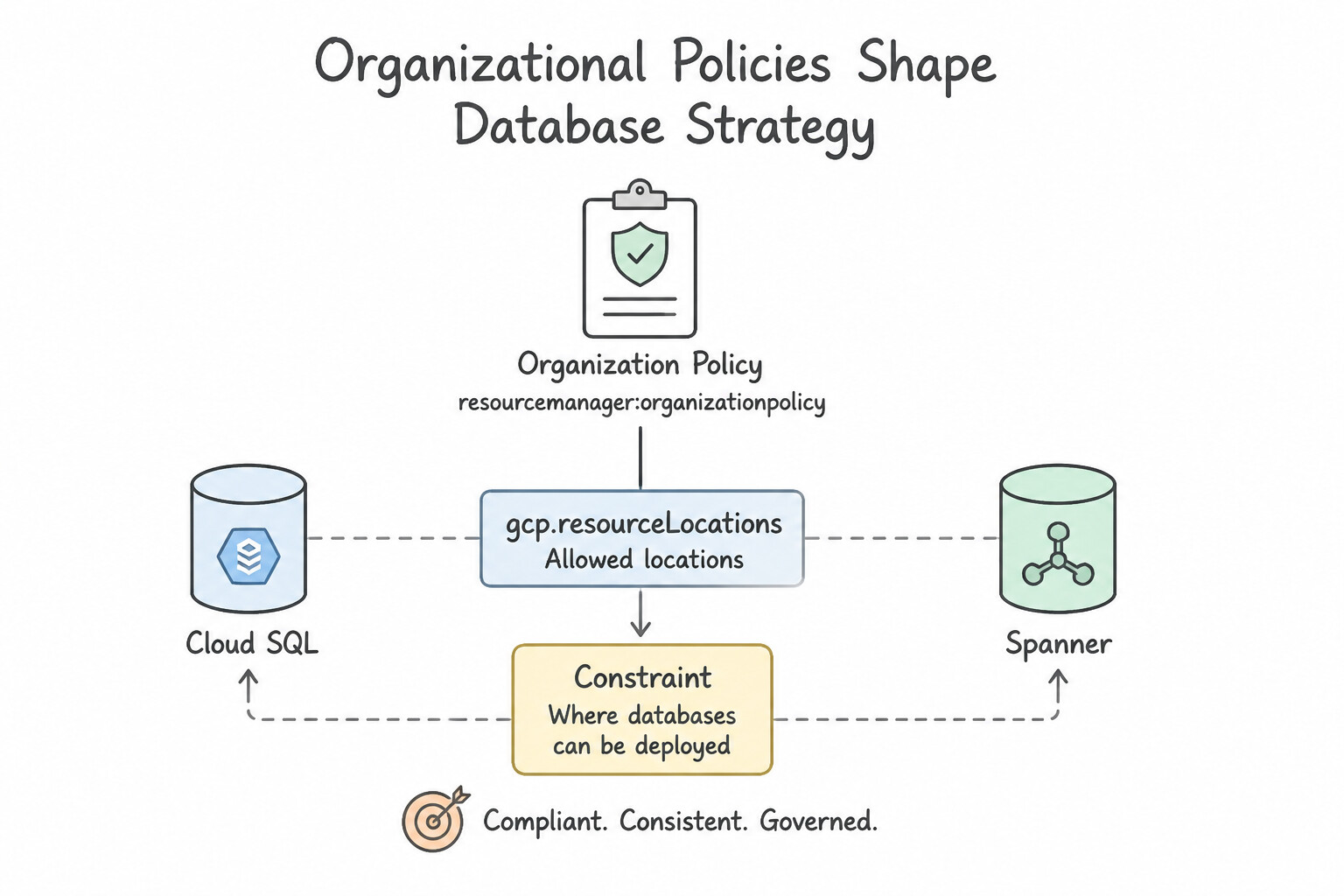
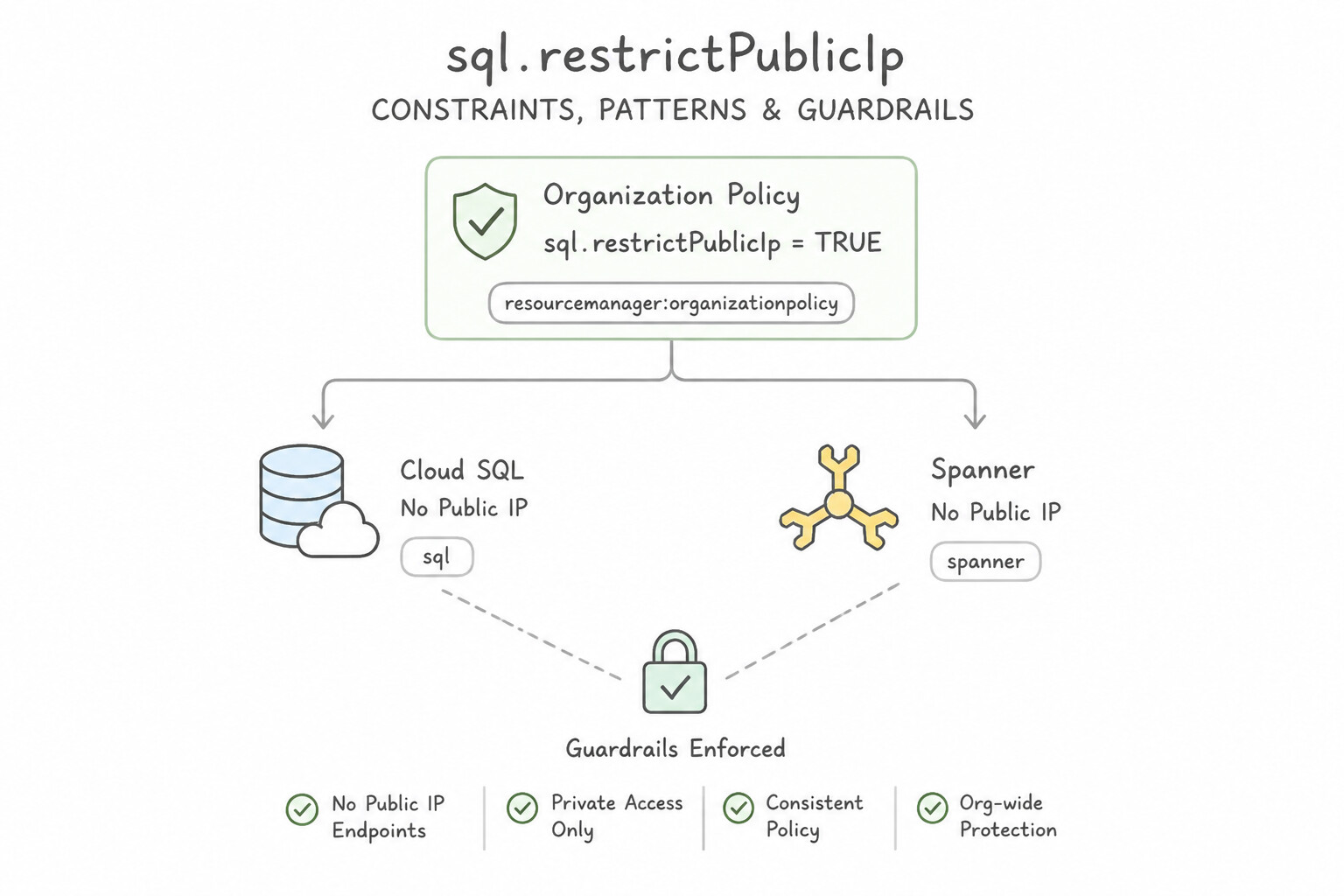
pdbe-1.4e-1-identify-solutions-to.jpg,pdbe-1.4e-2-spanner-spanner-instance.jpg) - Consideration 1.4f: Understand implications of organizational policies on database strategy (Diagrams:
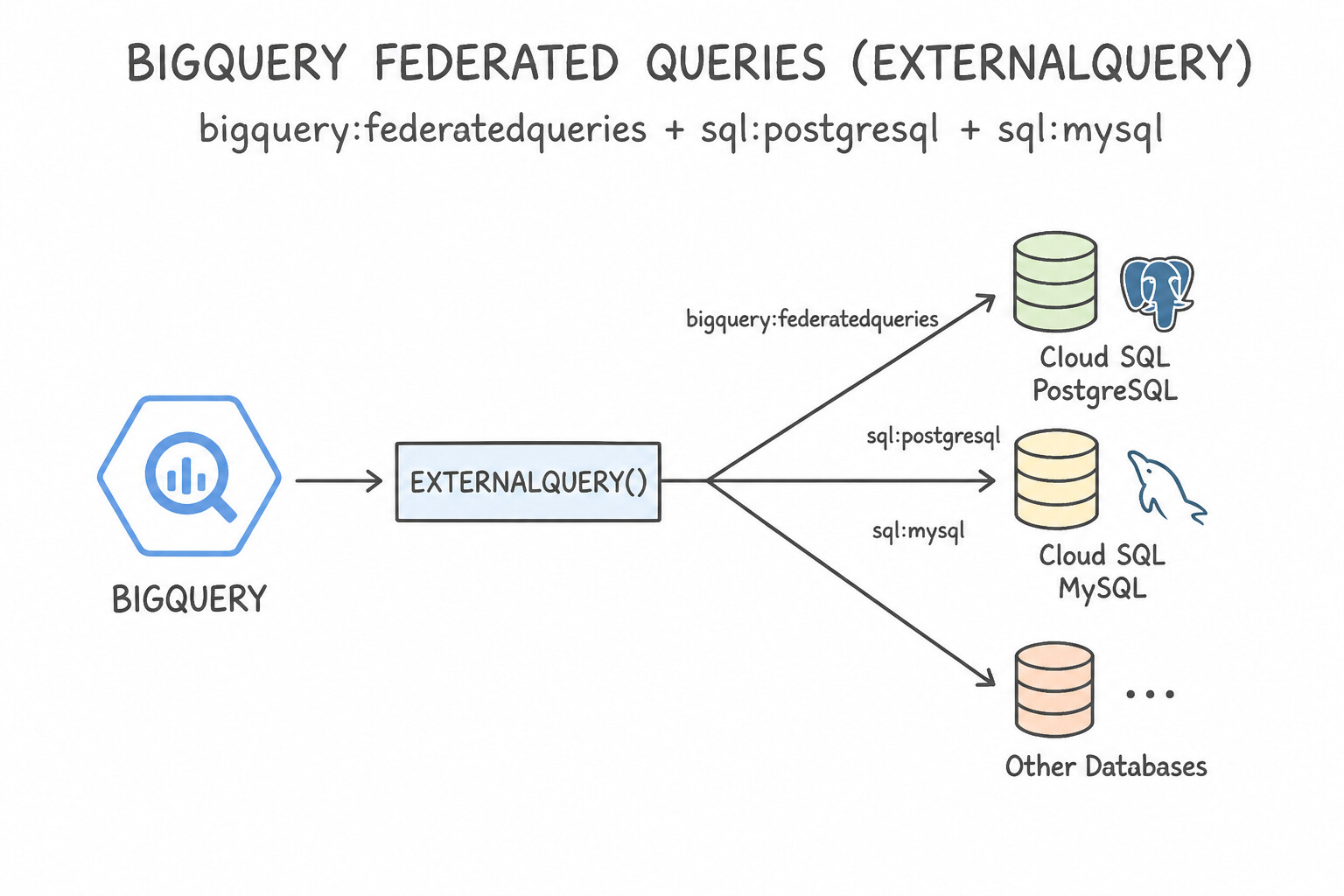
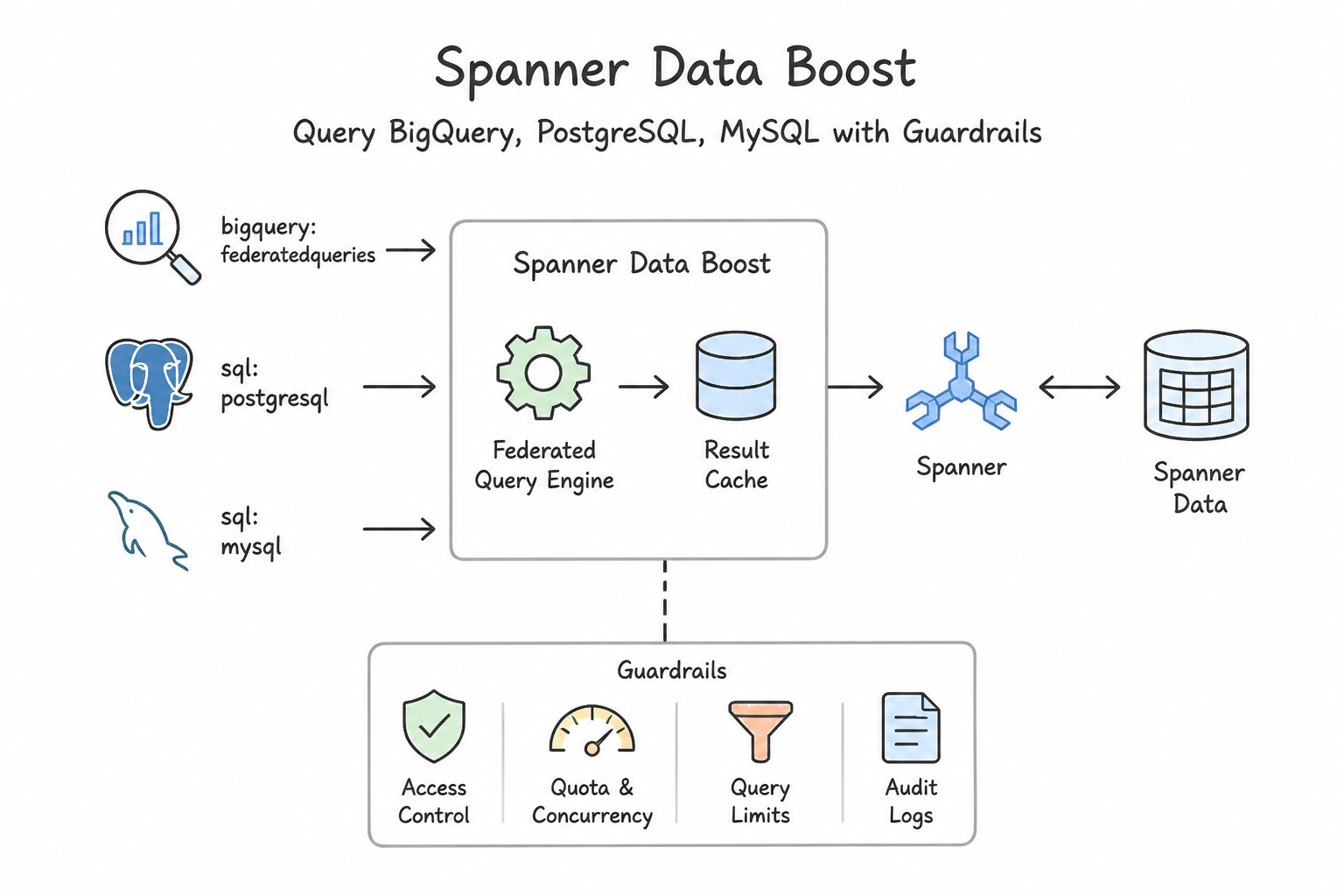
pdbe-1.4f-1-constraints-gcp.jpg,pdbe-1.4f-2-constraints-sql.jpg) - Consideration 1.4g: Consider solutions that span multiple database technologies (e.g., federation, exports, hybrid deployments) (Diagrams:
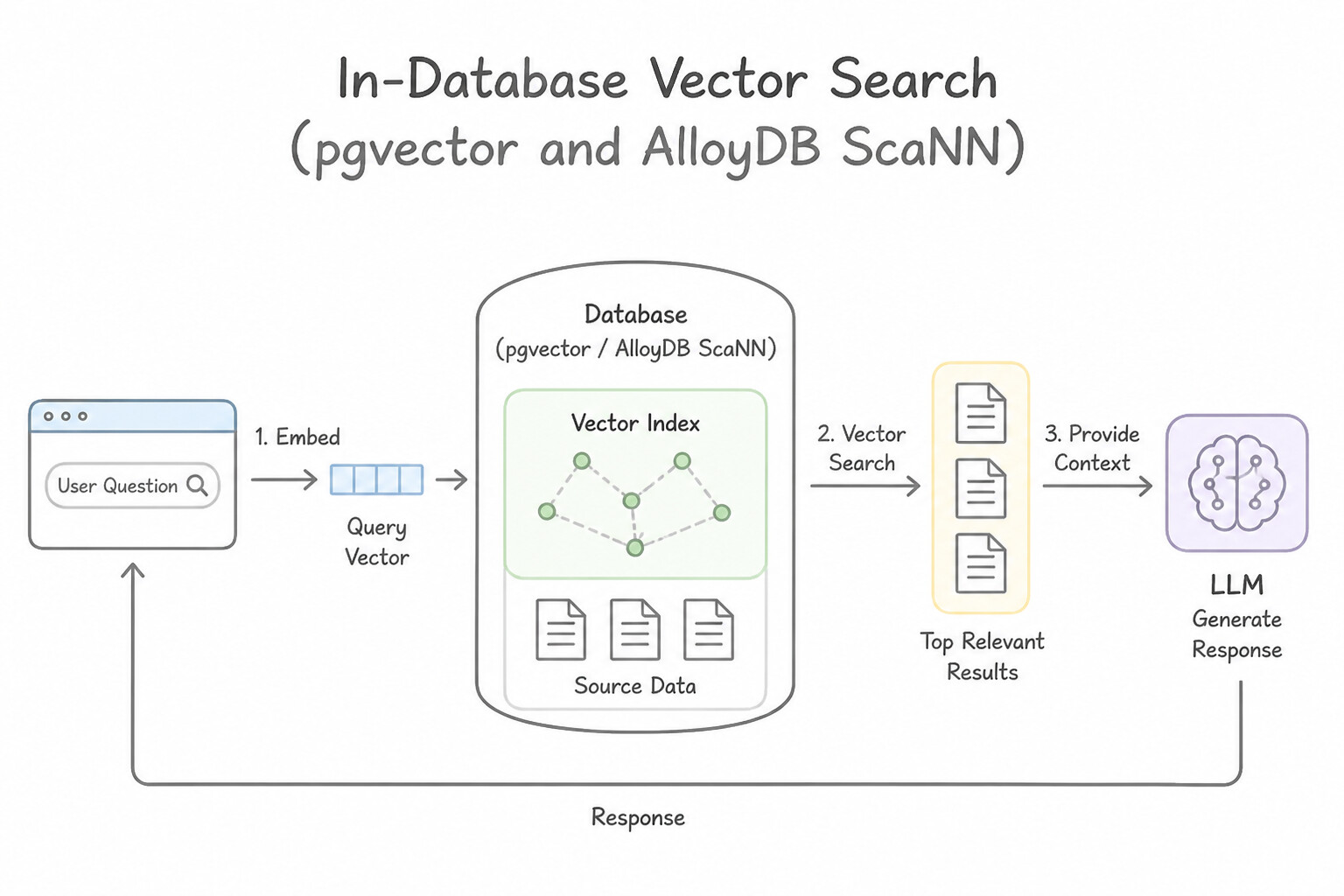
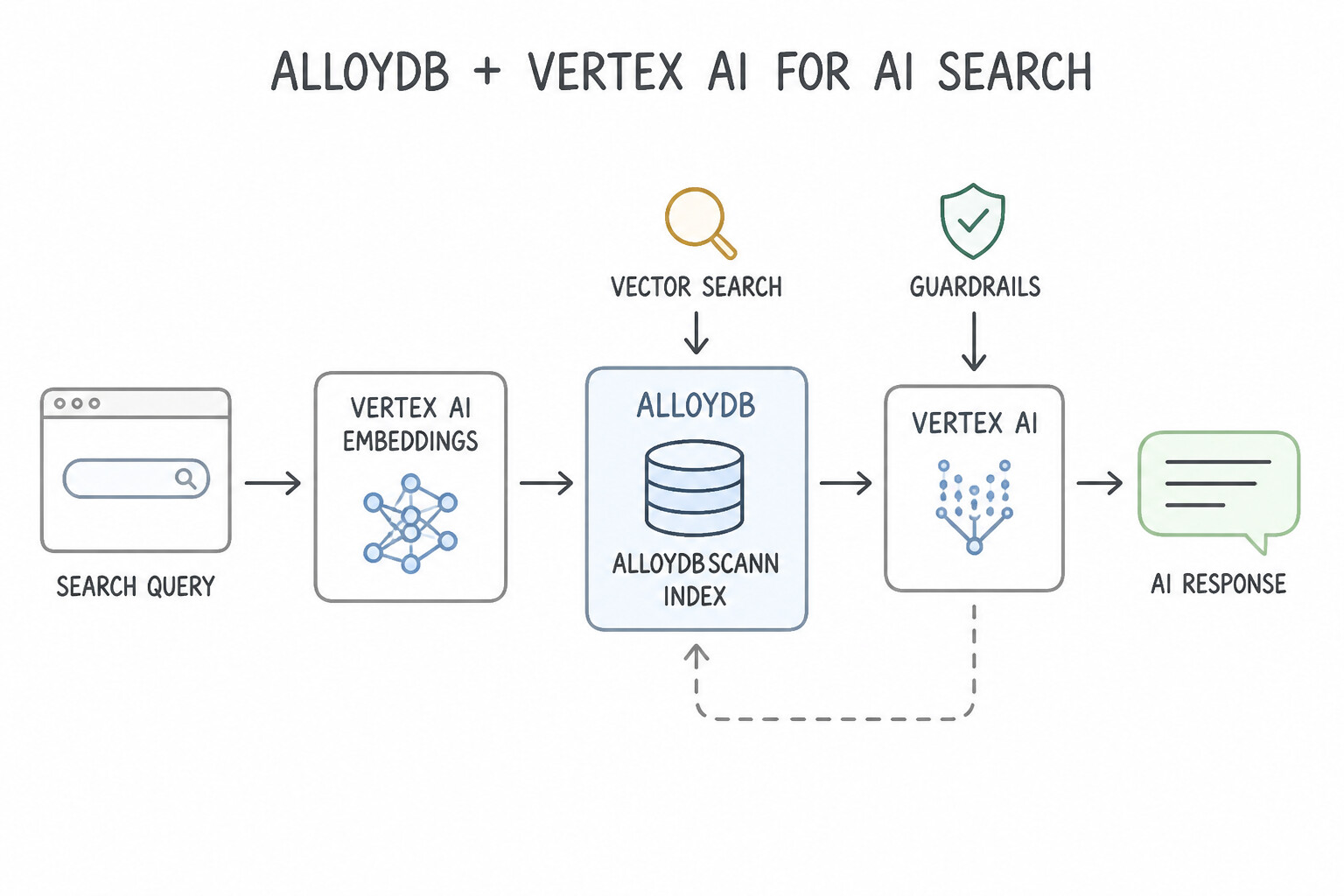
pdbe-1.4g-1-bigquery-federated.jpg,pdbe-1.4g-2-spanner-data-boost.jpg) - Consideration 1.4h: Leverage database technologies to support generative AI and LLM use cases (Diagrams:
pdbe-1.4h-1-in-database-vector.jpg,pdbe-1.4h-2-alloydb-alloydb-scann.jpg) - Quick Decision Cheat Sheet (Subsection 1.4)
Chapter 2: High Availability, Disaster Recovery Topologies, Backups, PITR & Production Deployment
- Subsection 1.2: Evaluate database high availability and disaster recovery options given the requirements (Section 1: Design innovative, scalable, and highly available cloud database solutions)
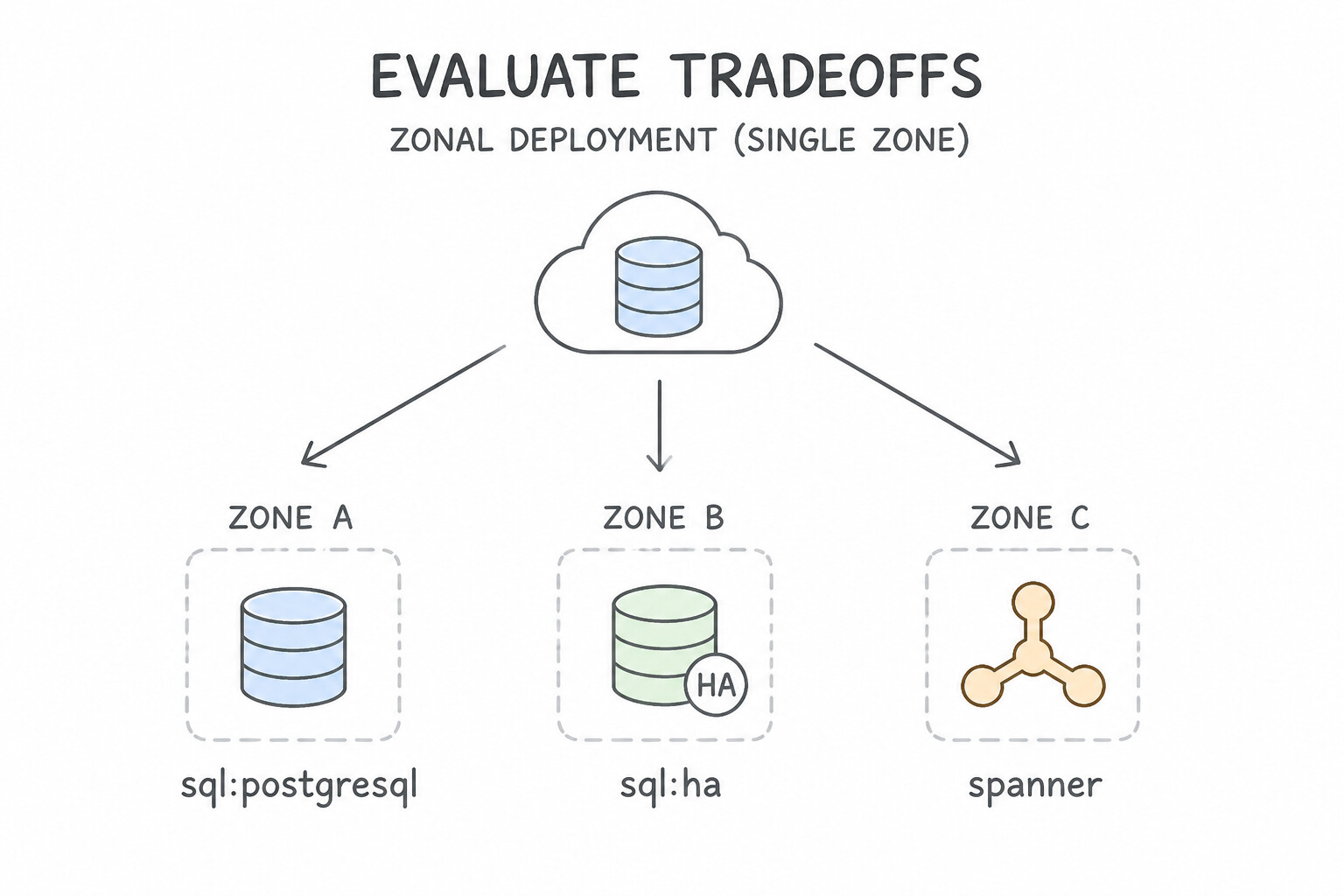
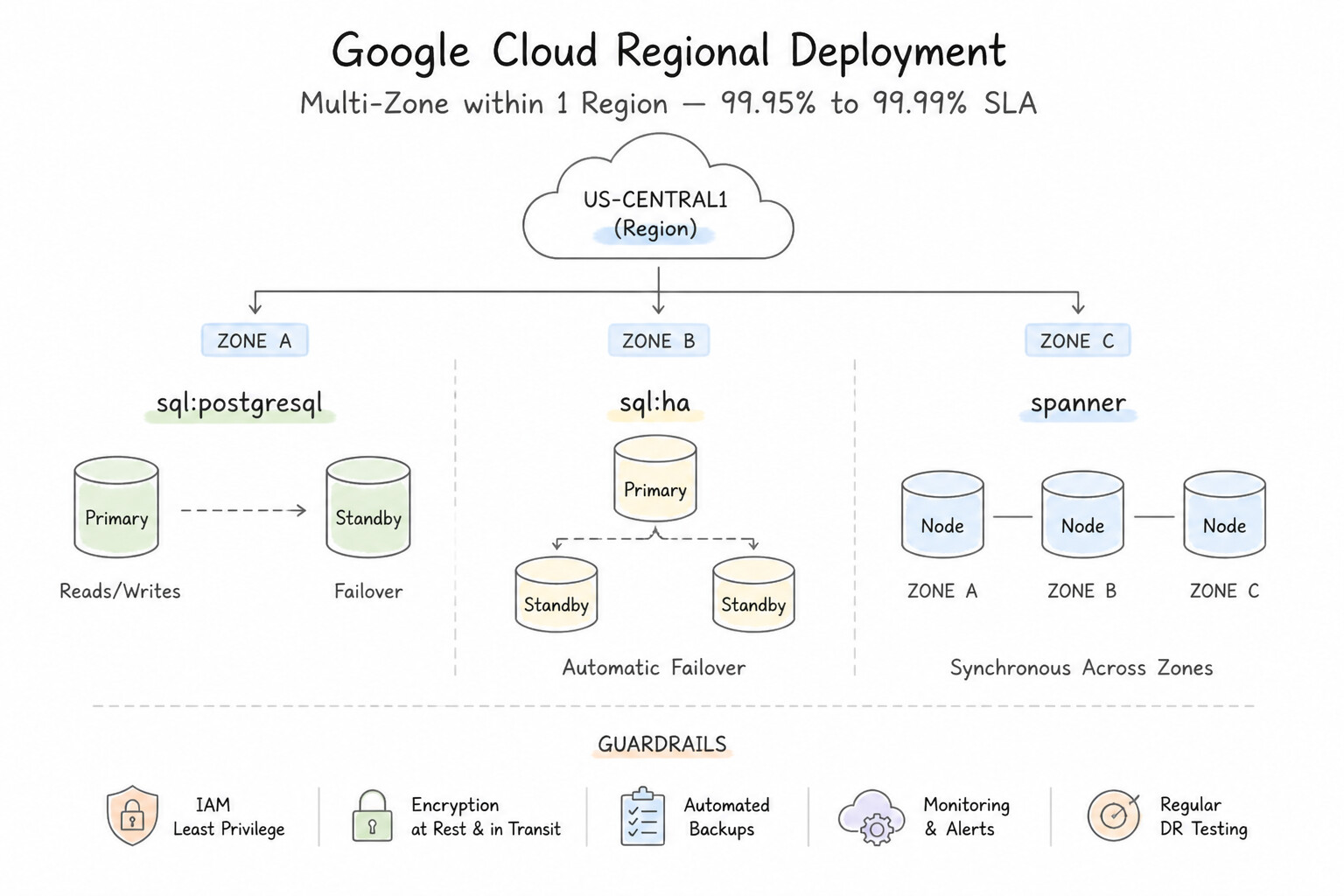
- Consideration 1.2a: Evaluate tradeoffs between multi-regional, regional, and zonal database deployment strategies (Diagrams:
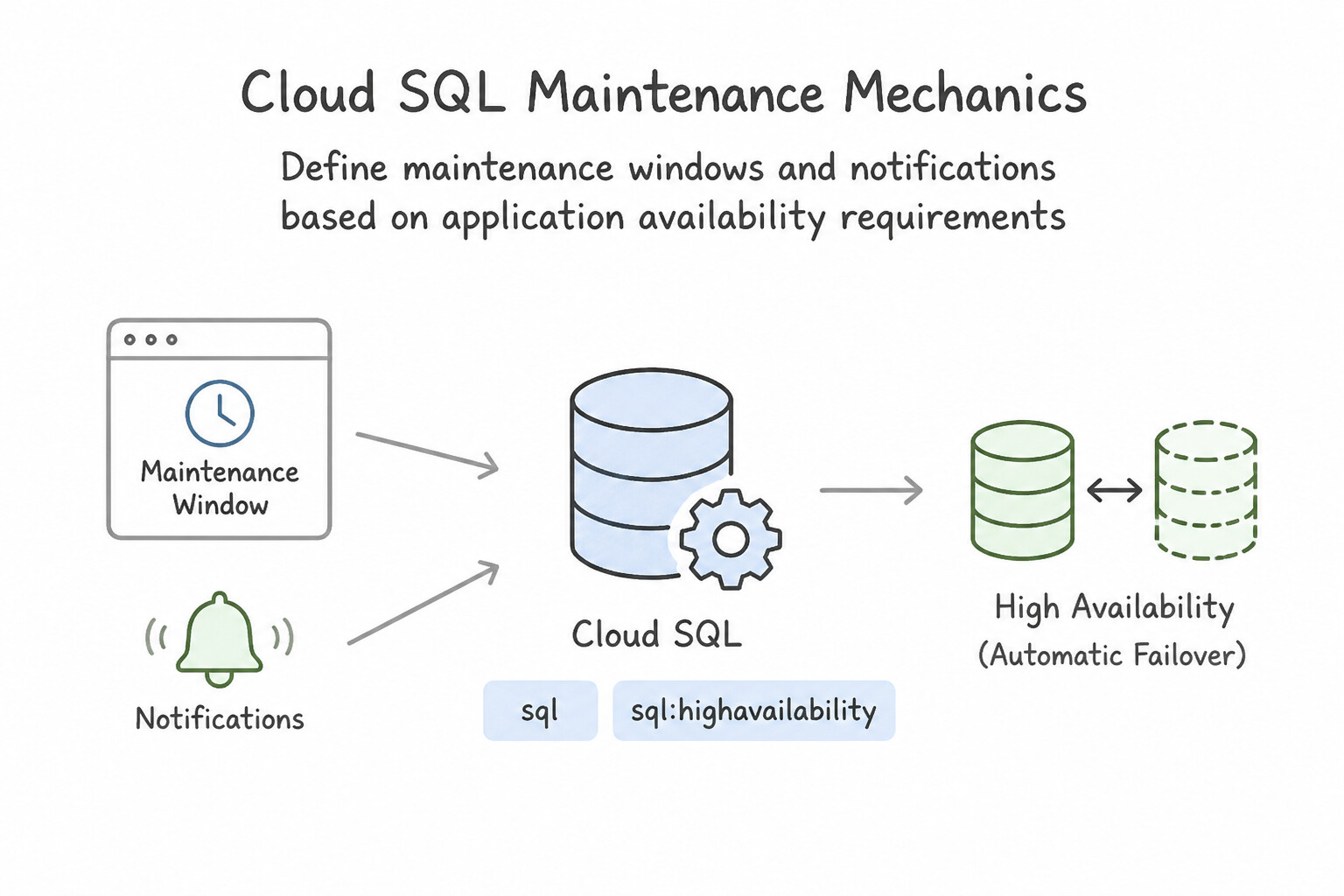
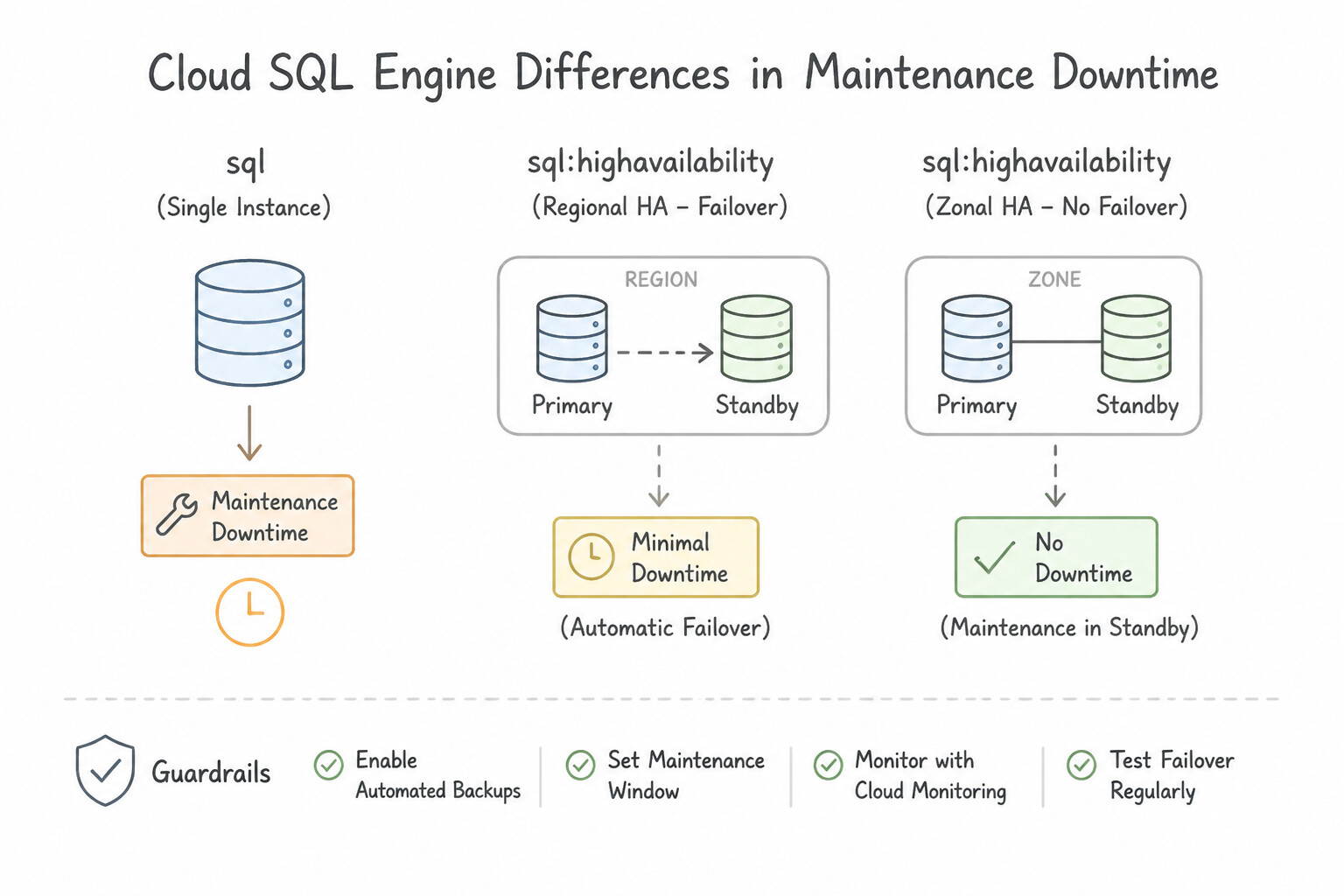
pdbe-1.2a-1-zonal-deployment-single.jpg,pdbe-1.2a-2-regional-deployment.jpg) - Consideration 1.2b: Define maintenance windows and notifications based on application availability requirements (Diagrams:
pdbe-1.2b-1-sql-maintenance.jpg,pdbe-1.2b-2-engine-differences-in.jpg) - Quick Decision Cheat Sheet (Subsection 1.2)
- Subsection 2.3: Design database backup and recovery solutions (Section 2: Manage a solution that can span multiple database technologies)
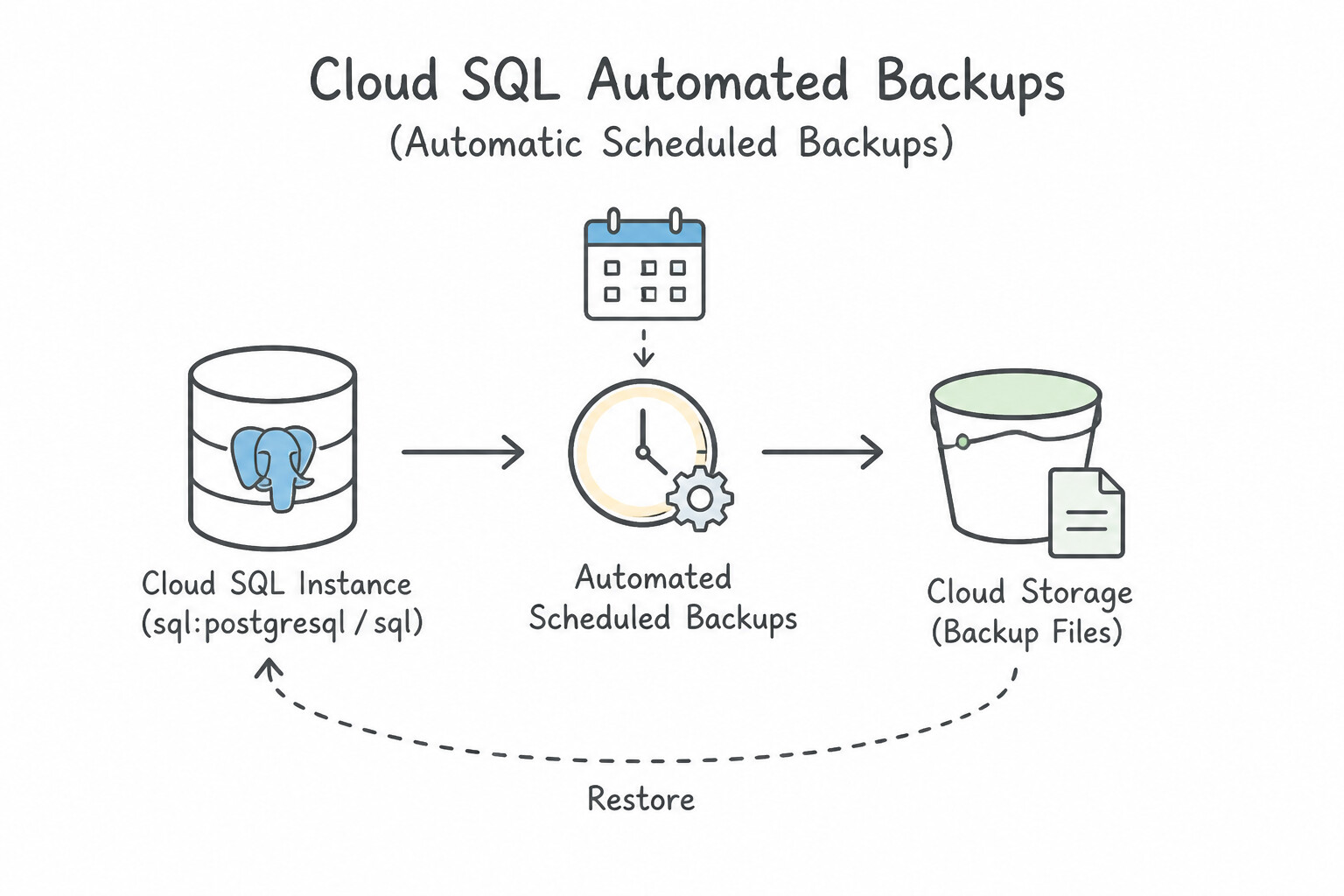
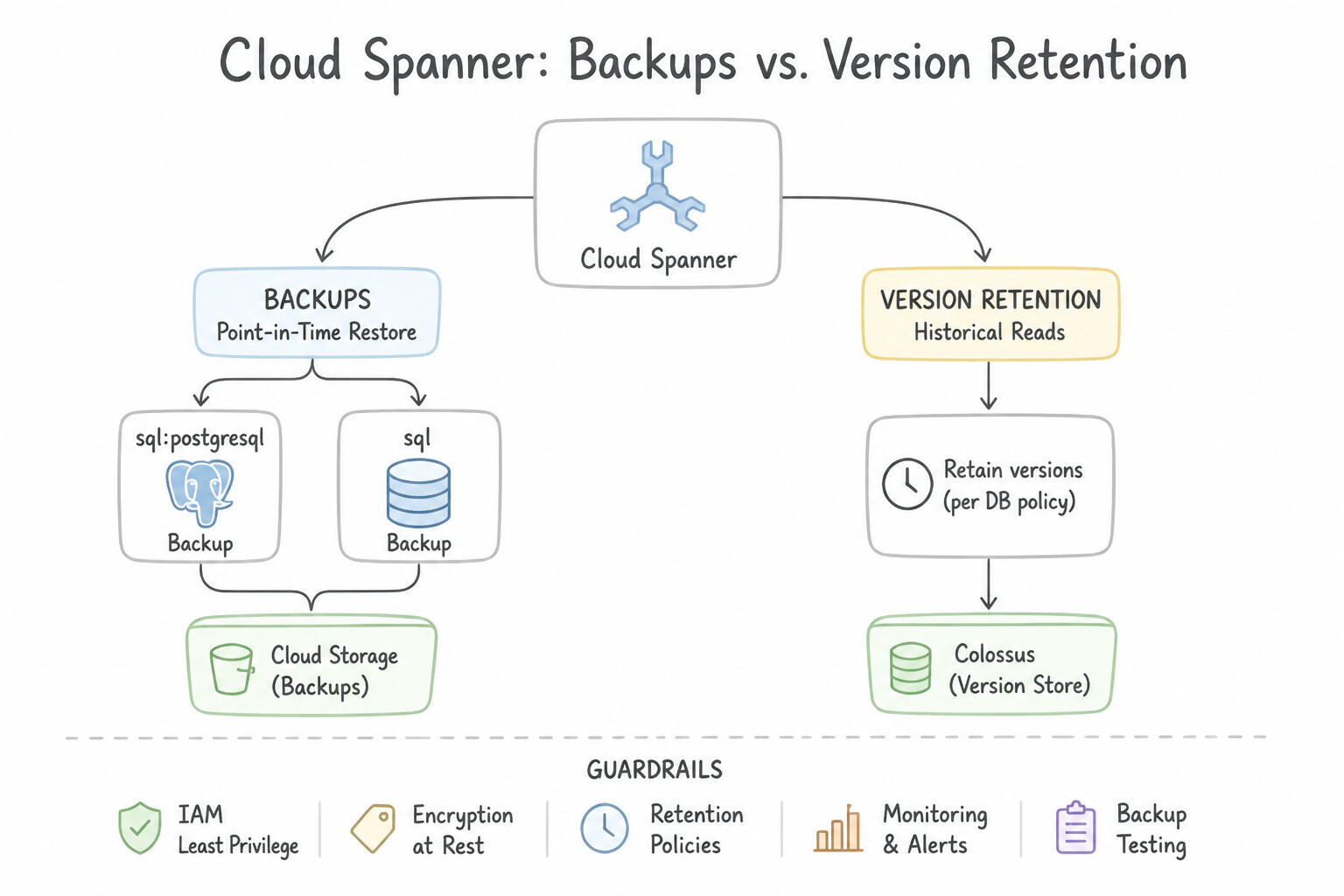
- Consideration 2.3a: Recommend backup and recovery options based on requirements (automatic scheduled backups) (Diagrams:
pdbe-2.3a-1-sql-automated-backups.jpg,pdbe-2.3a-2-spanner-backups-vs.jpg) - Consideration 2.3b: Configure export and import data for databases (Diagrams:
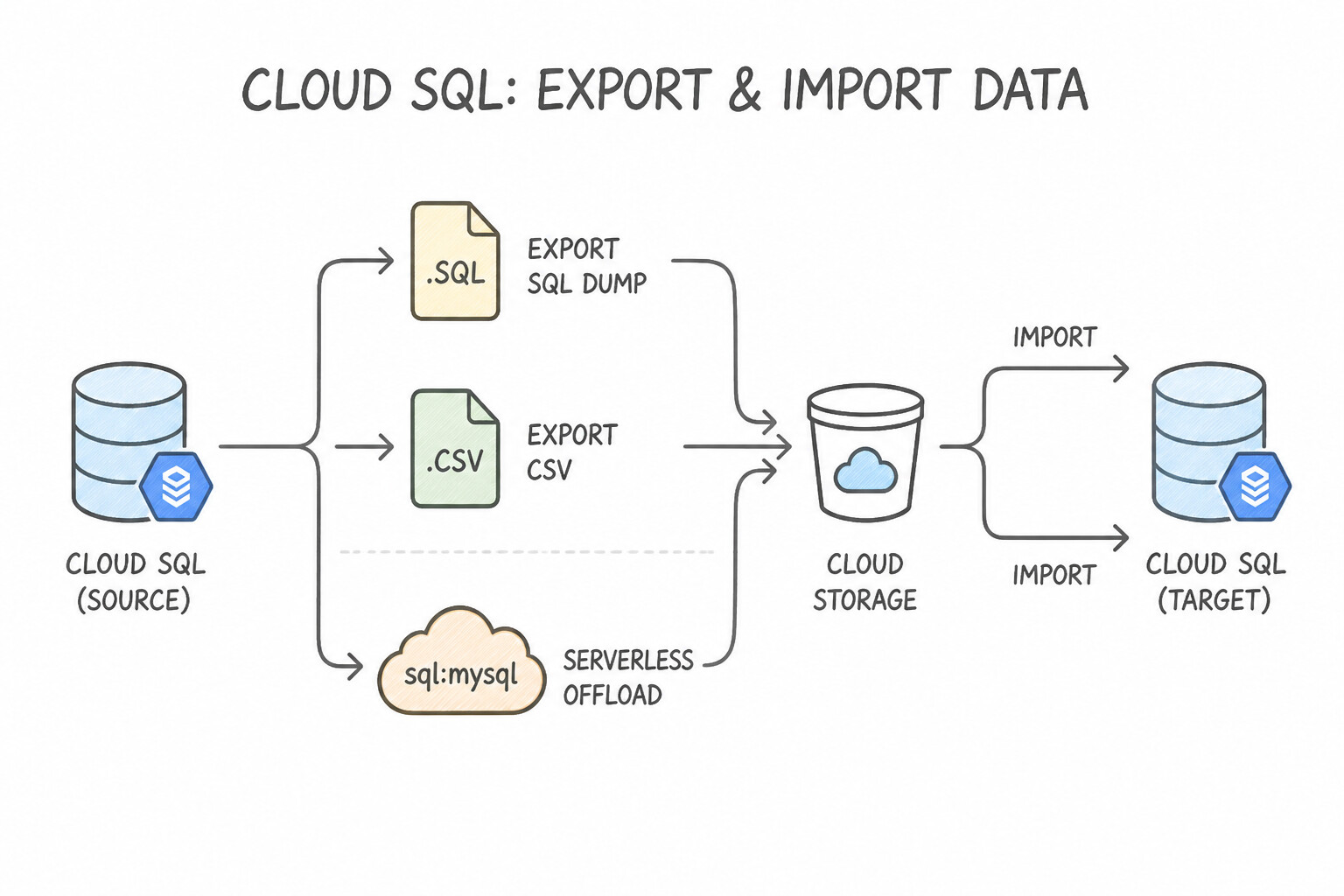
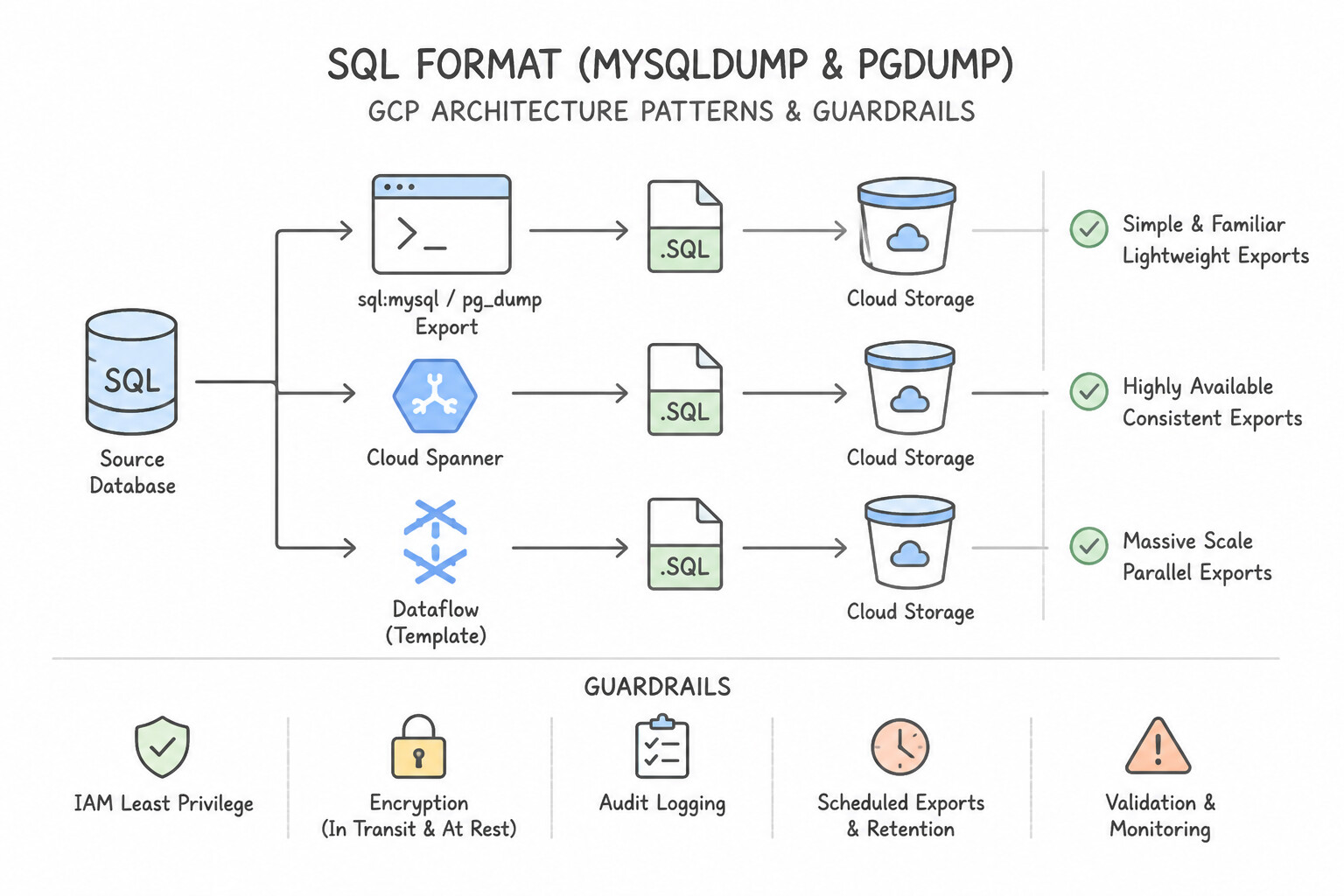
pdbe-2.3b-1-sql-export-sql-dump.jpg,pdbe-2.3b-2-sql-format-mysqldump-pg.jpg) - Consideration 2.3c: Design for RTO, RPO, and PITR (Diagrams:
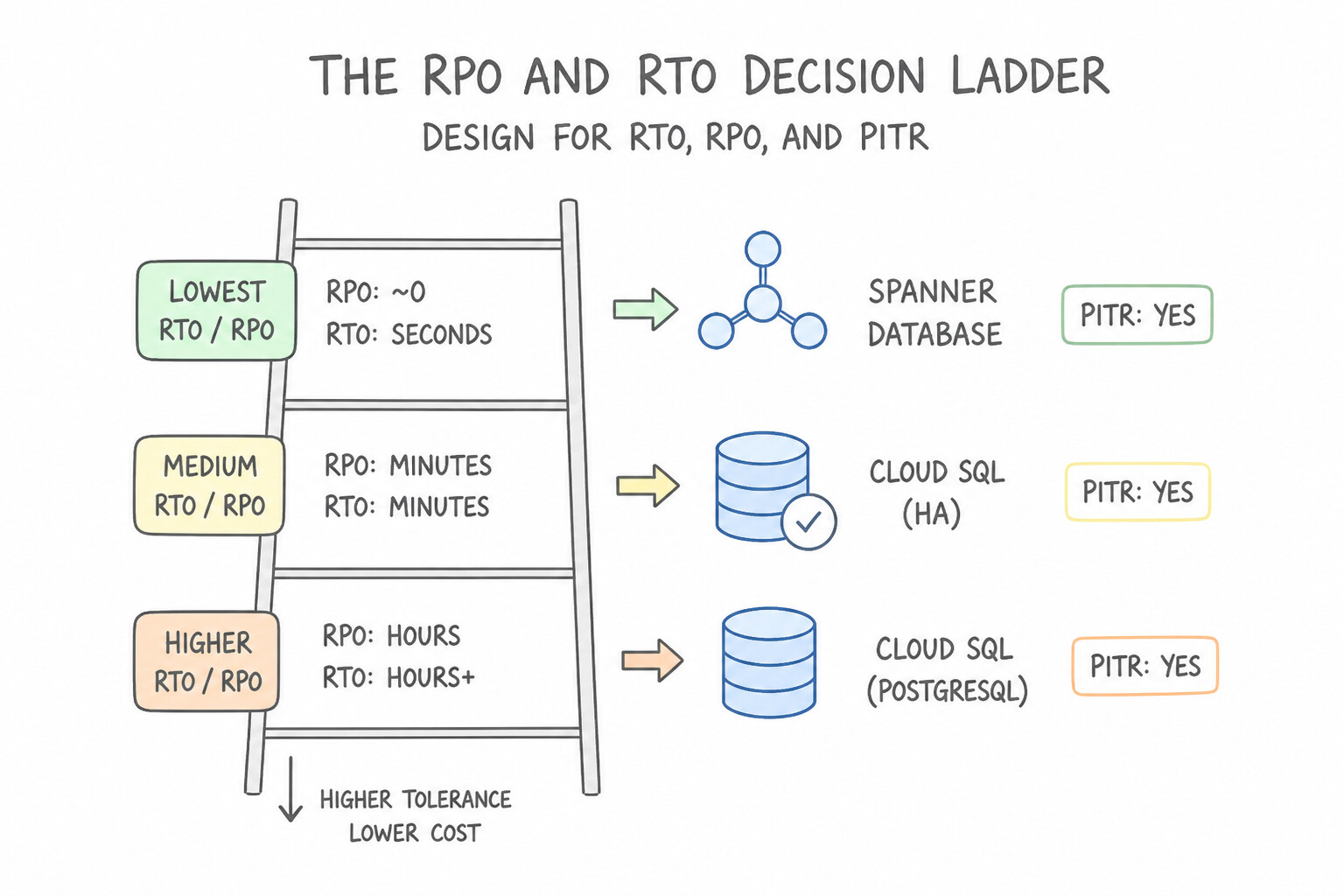
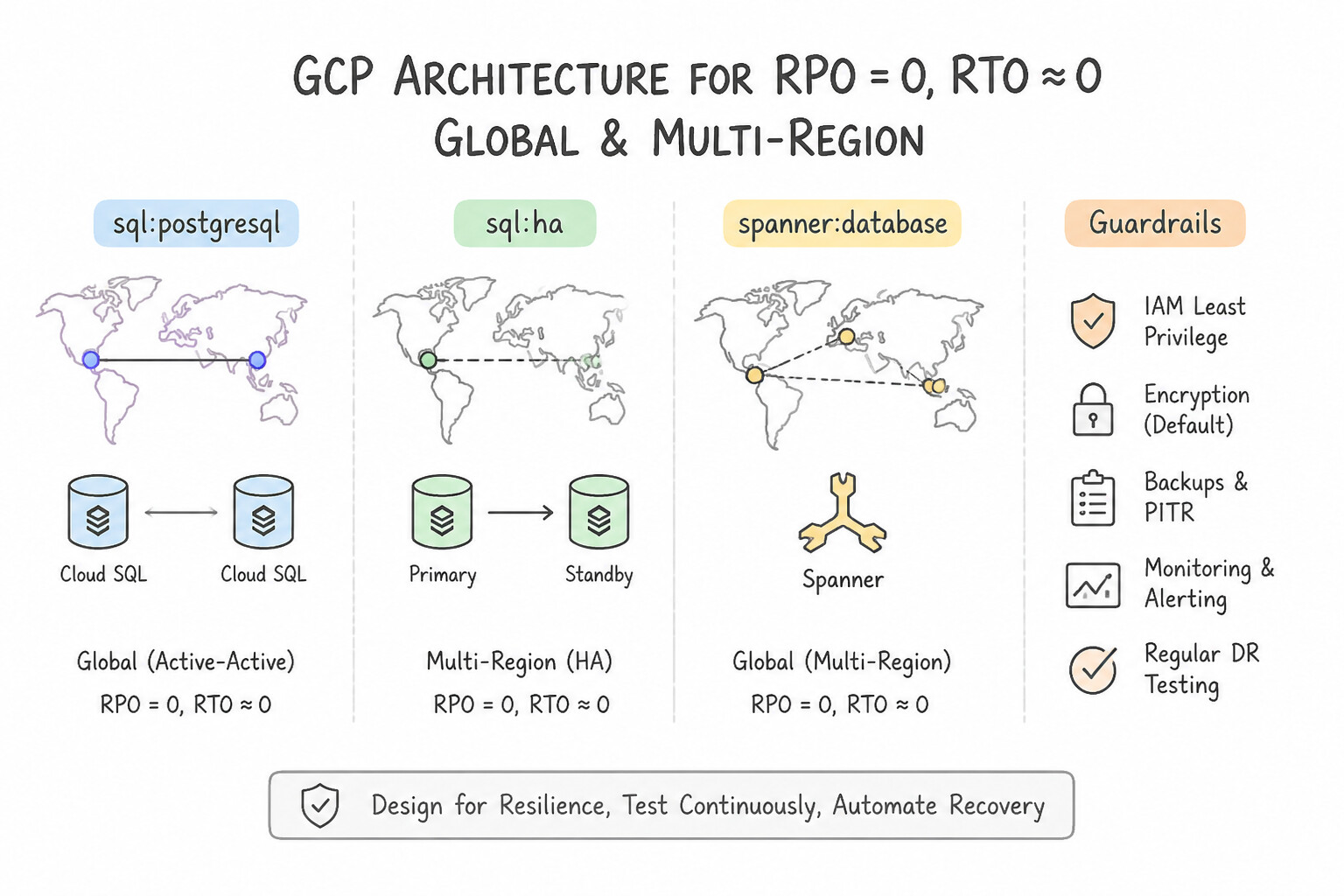
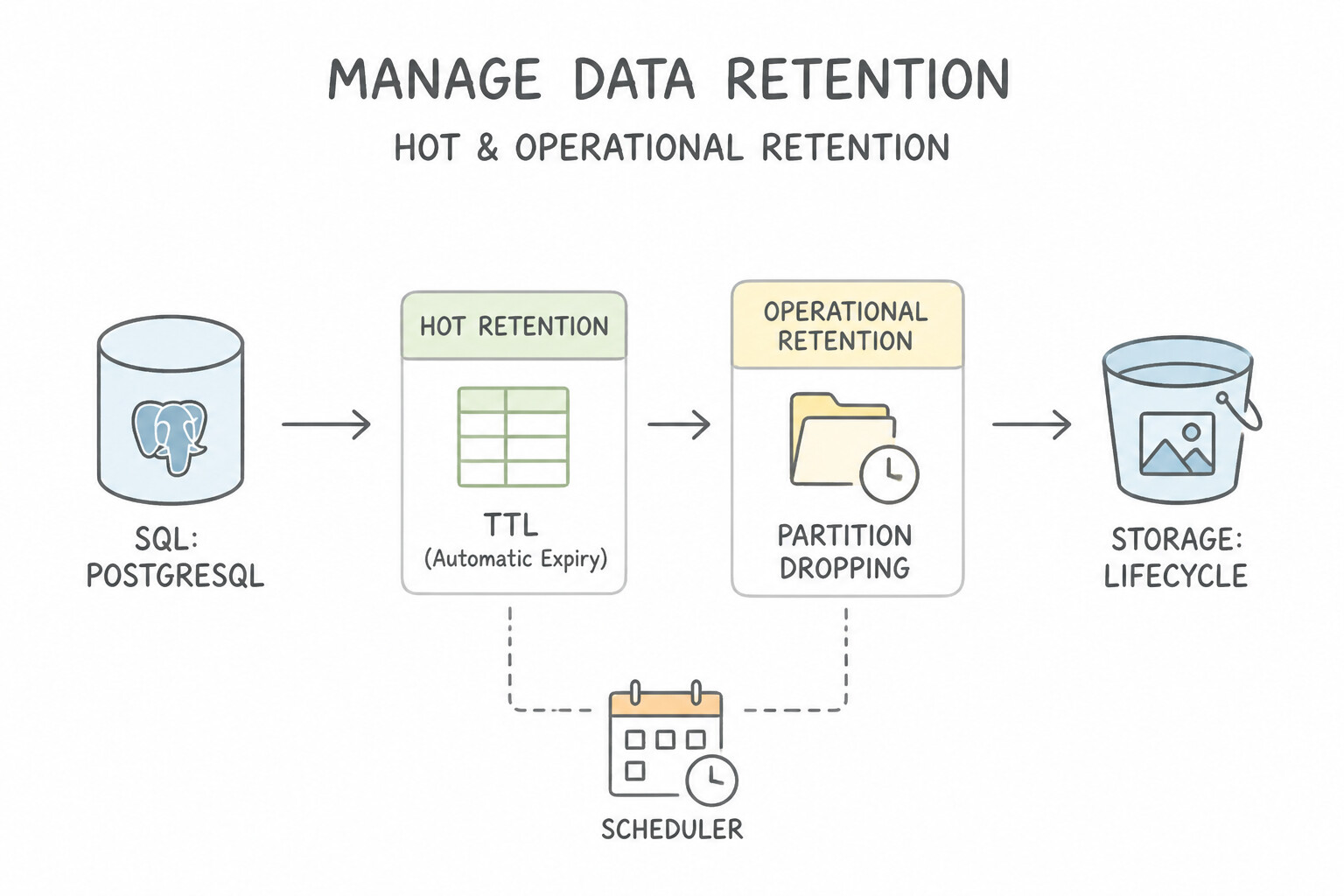
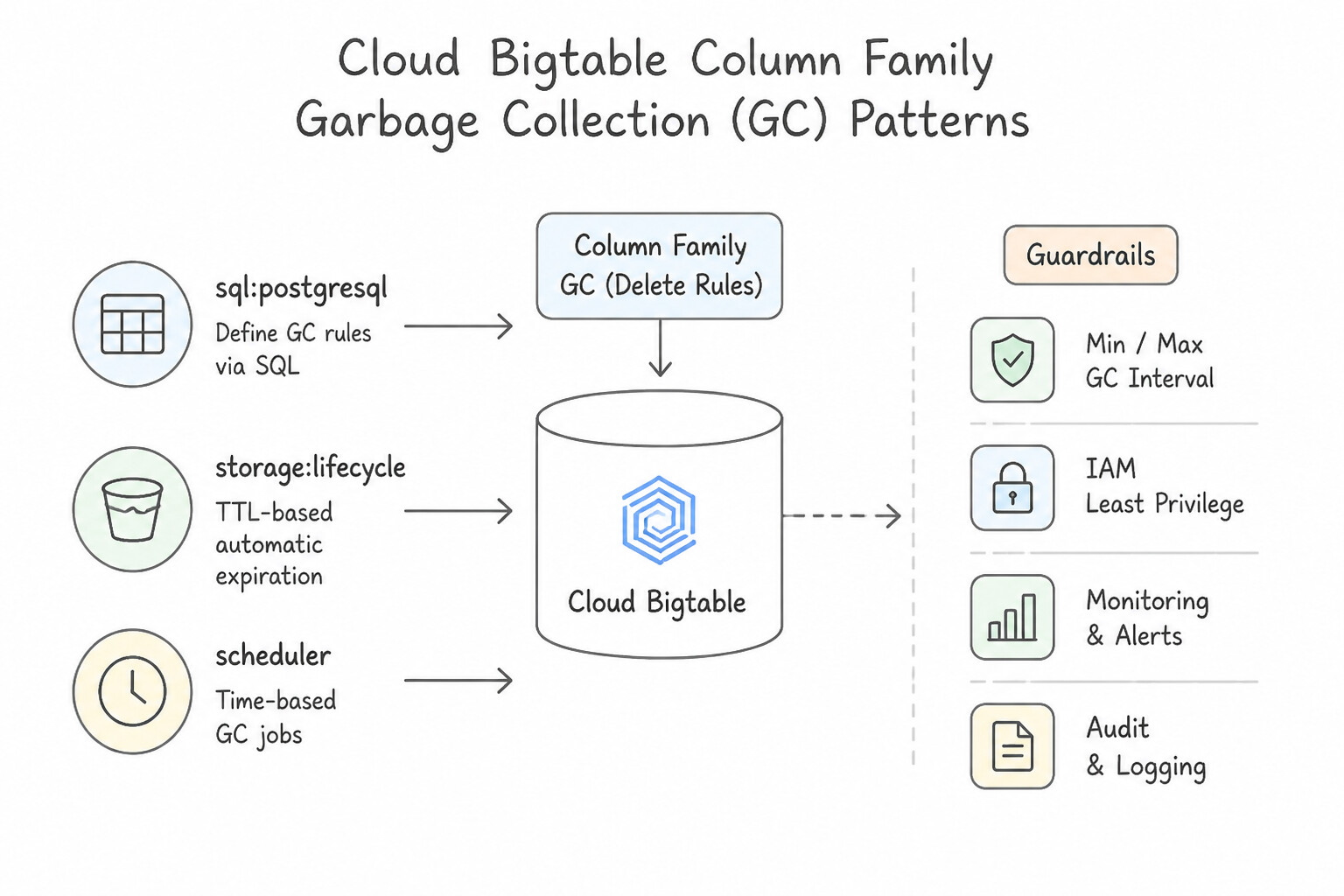
pdbe-2.3c-1-rpo-rto-decision-ladder.jpg,pdbe-2.3c-2-rpo-rto-global-multi.jpg) - Consideration 2.3d: Manage data retention (Diagrams:
pdbe-2.3d-1-hot-operational.jpg,pdbe-2.3d-2-bigtable-column-family.jpg) - Quick Decision Cheat Sheet (Subsection 2.3)
- Subsection 4.1: Apply concepts to implement scalable and highly available databases in Google Cloud (Section 4: Deploy scalable and highly available databases in Google Cloud)
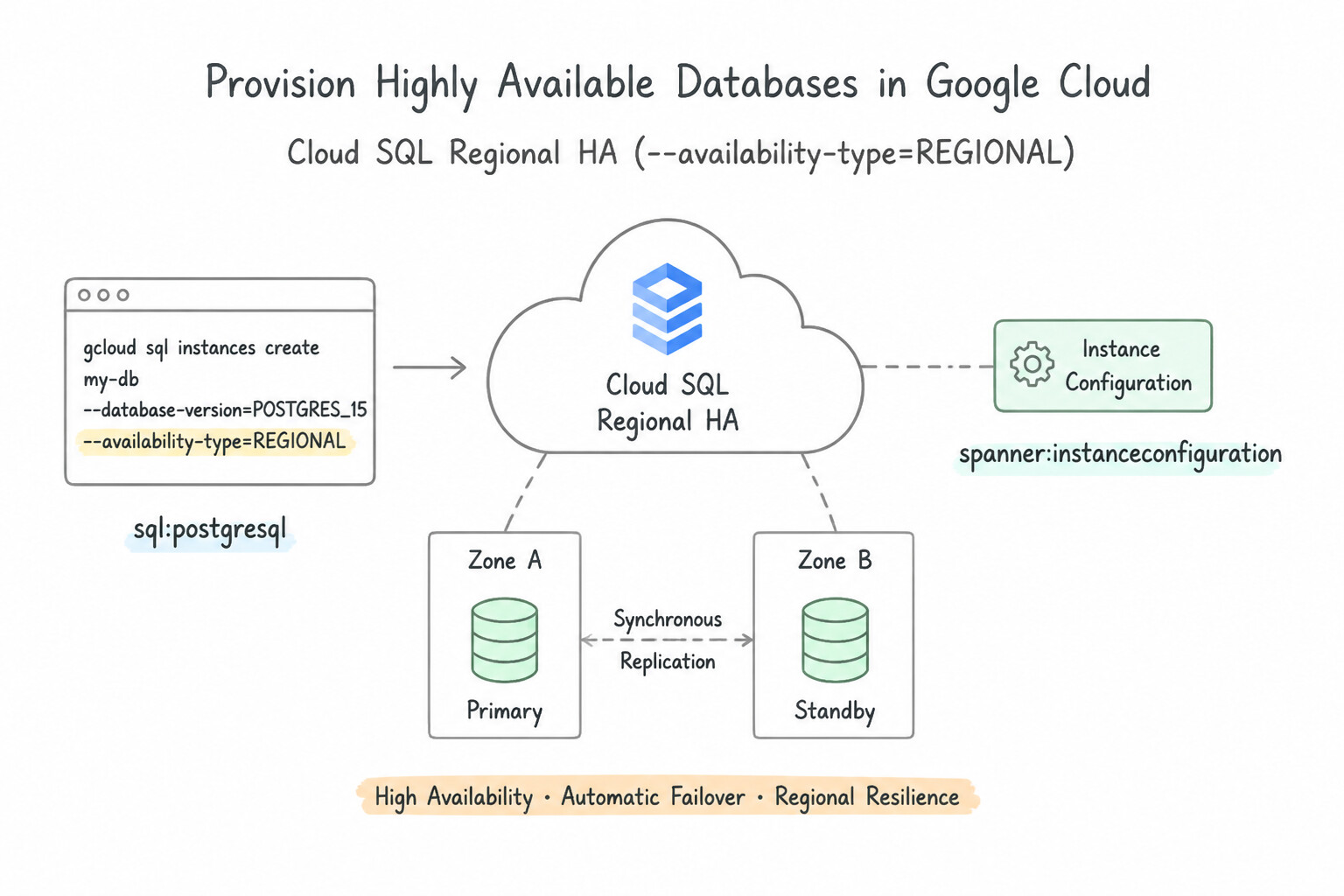
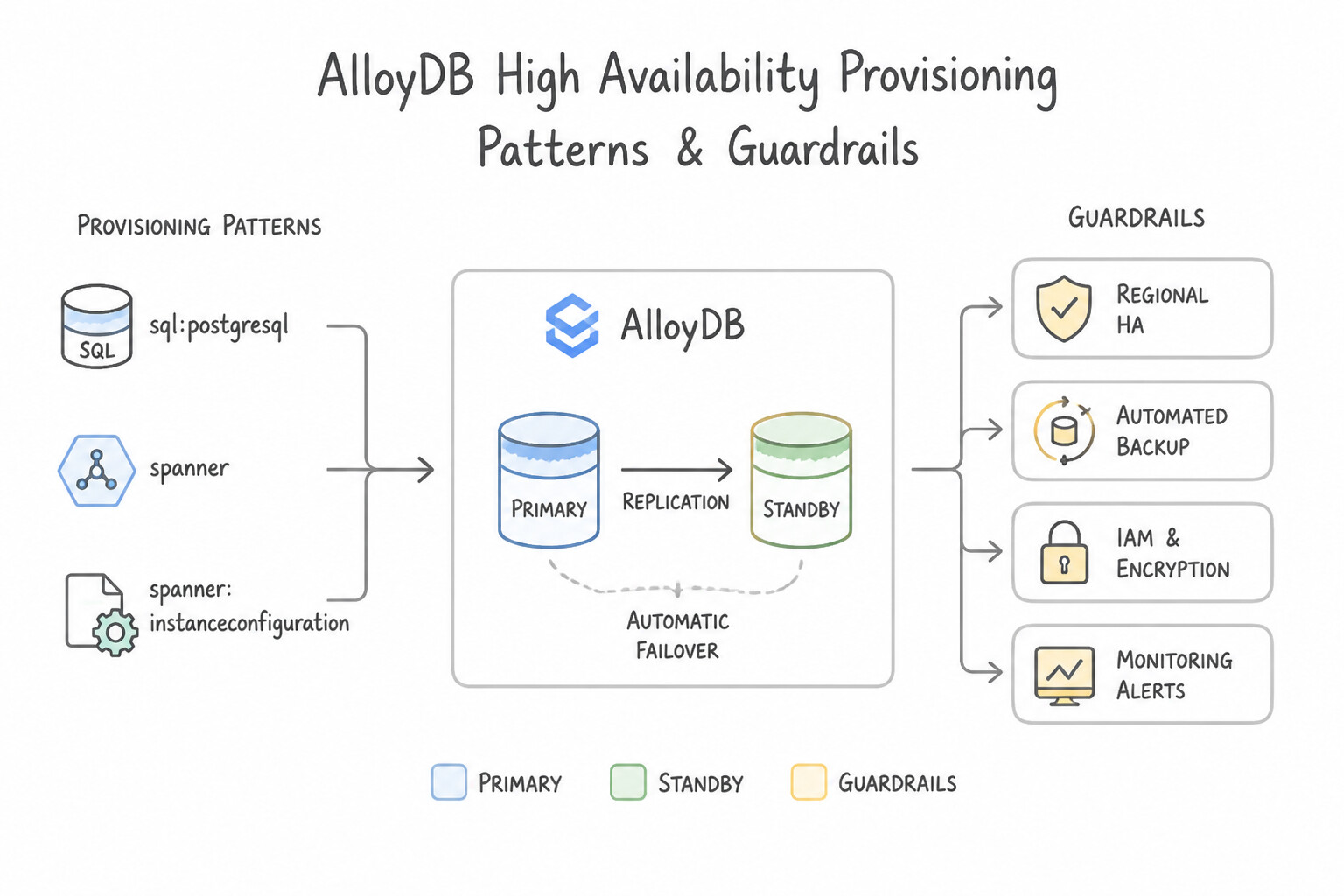
- Consideration 4.1a: Provision highly available database solutions in Google Cloud (Diagrams:
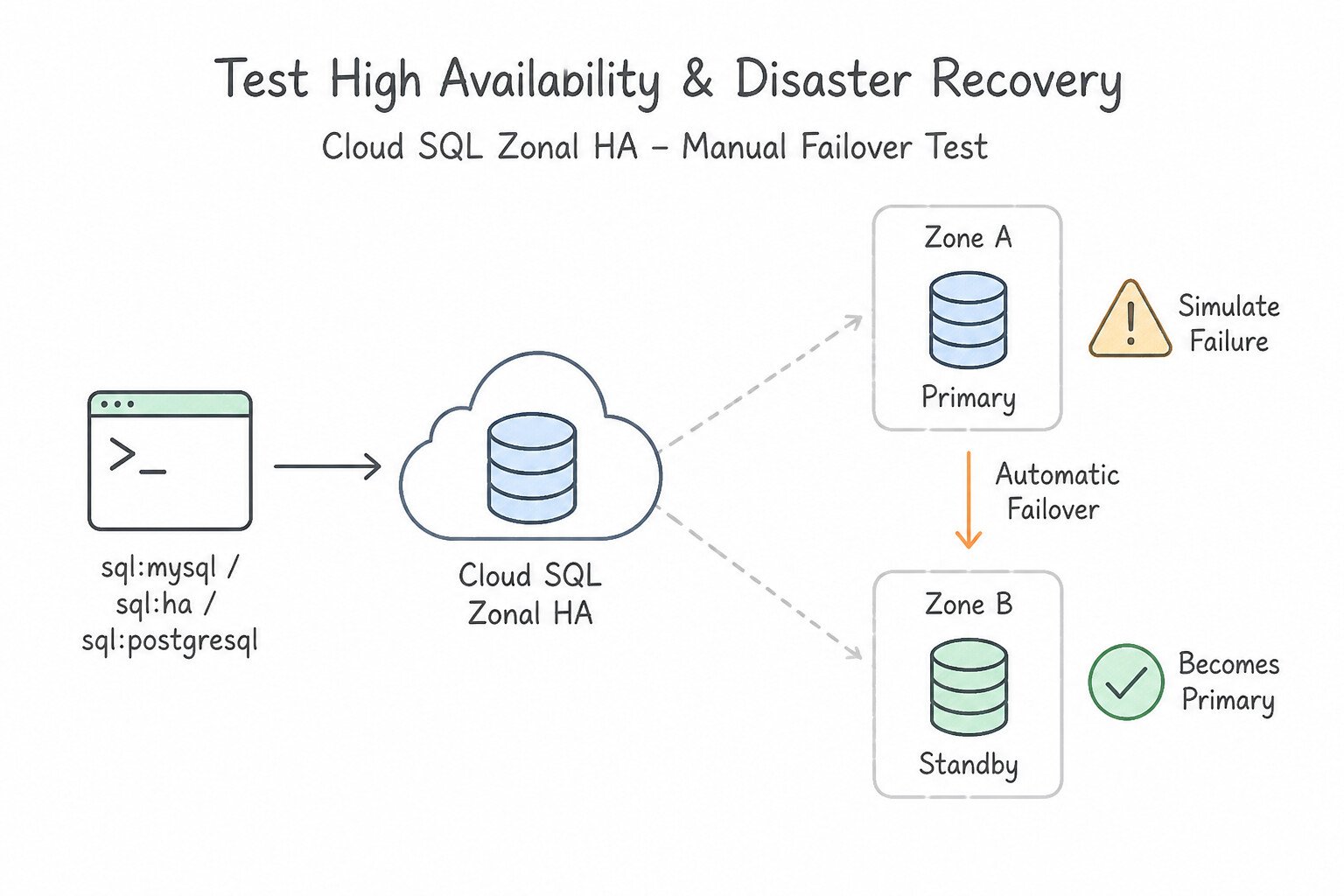
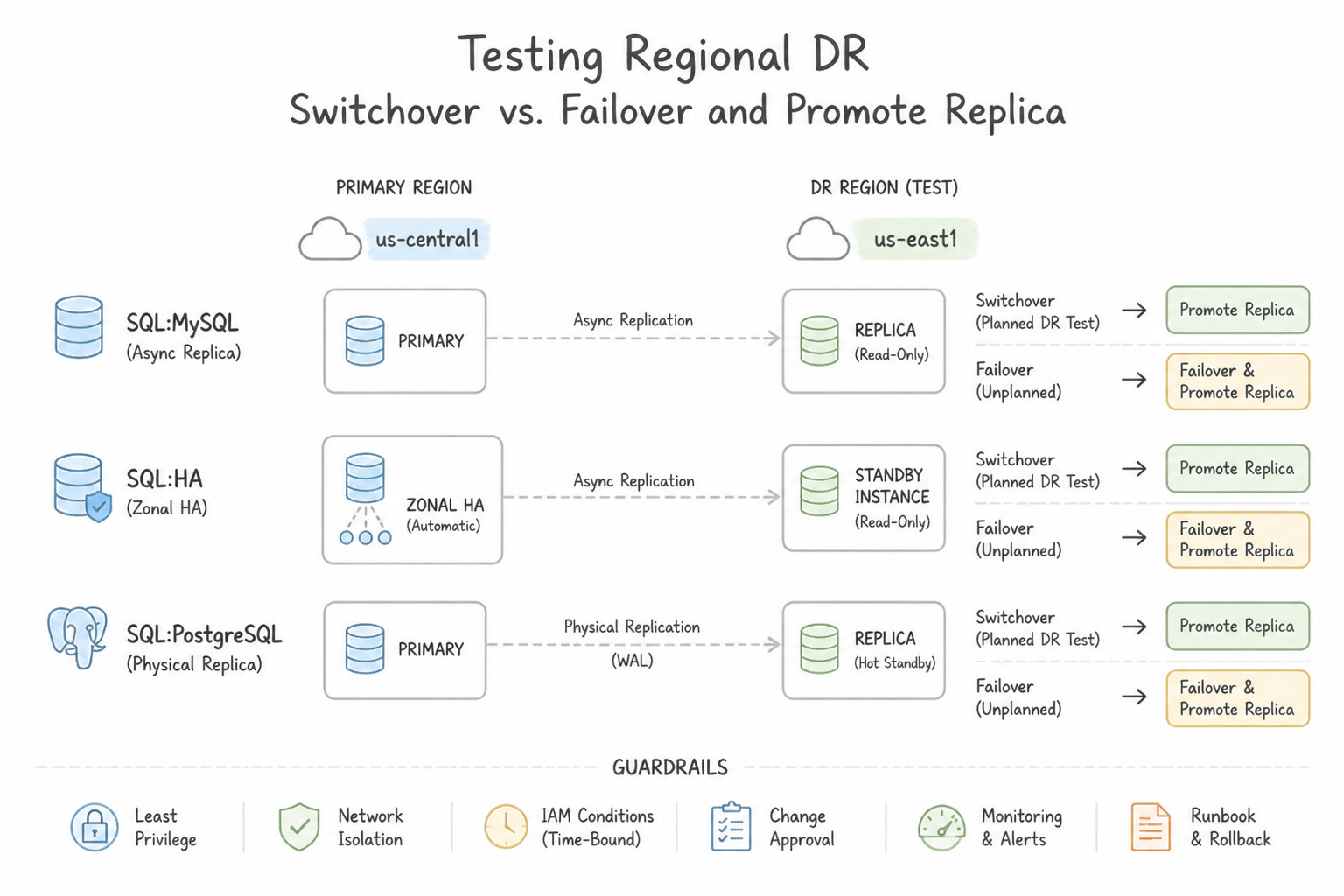
pdbe-4.1a-1-sql-regional-ha.jpg,pdbe-4.1a-2-alloydb-availability.jpg) - Consideration 4.1b: Test high availability and disaster recovery strategies (Diagrams:
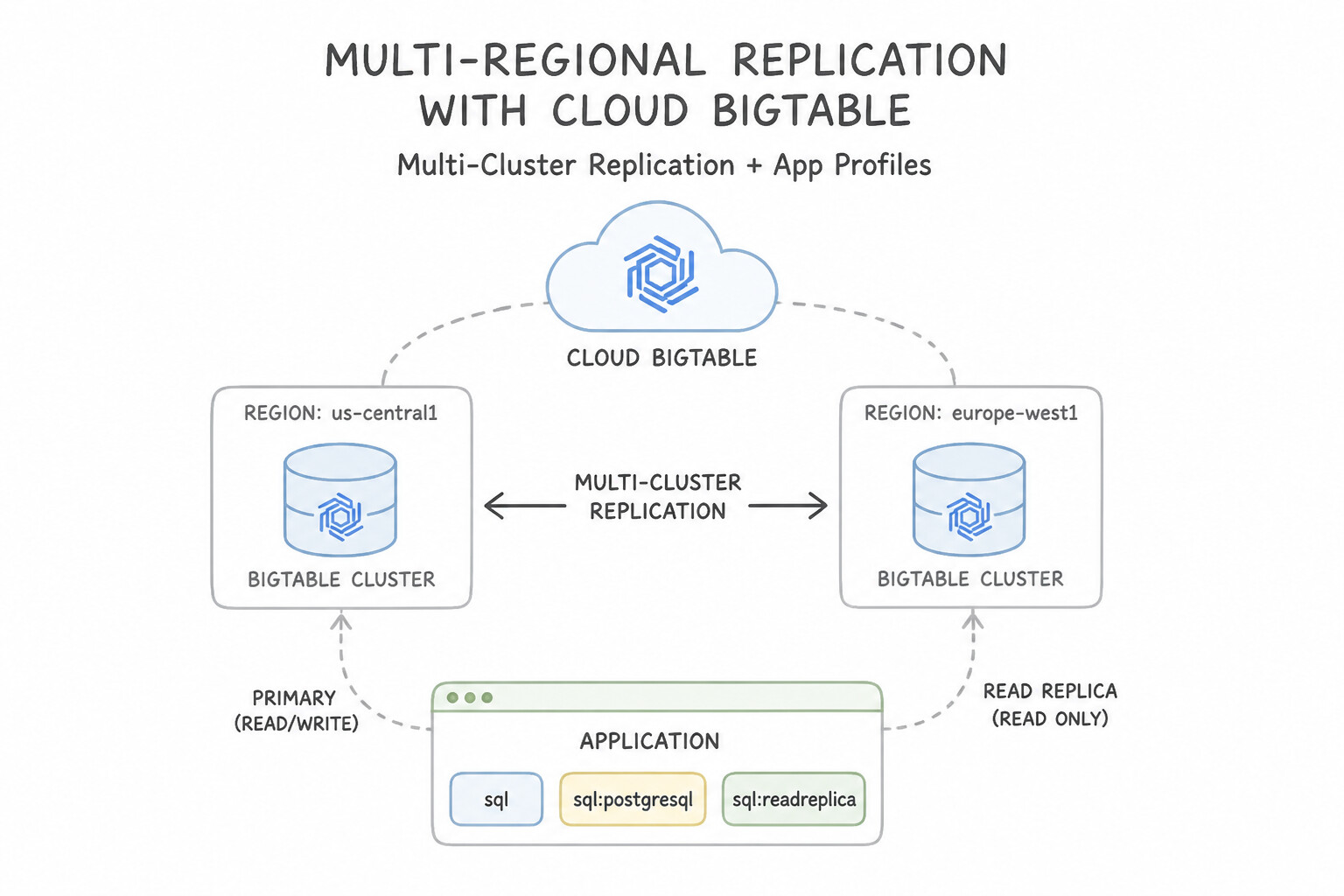
pdbe-4.1b-1-testing-sql-zonal-ha.jpg,pdbe-4.1b-2-testing-regional-dr.jpg) - Consideration 4.1c: Set up multi-regional replication for databases (Diagrams:
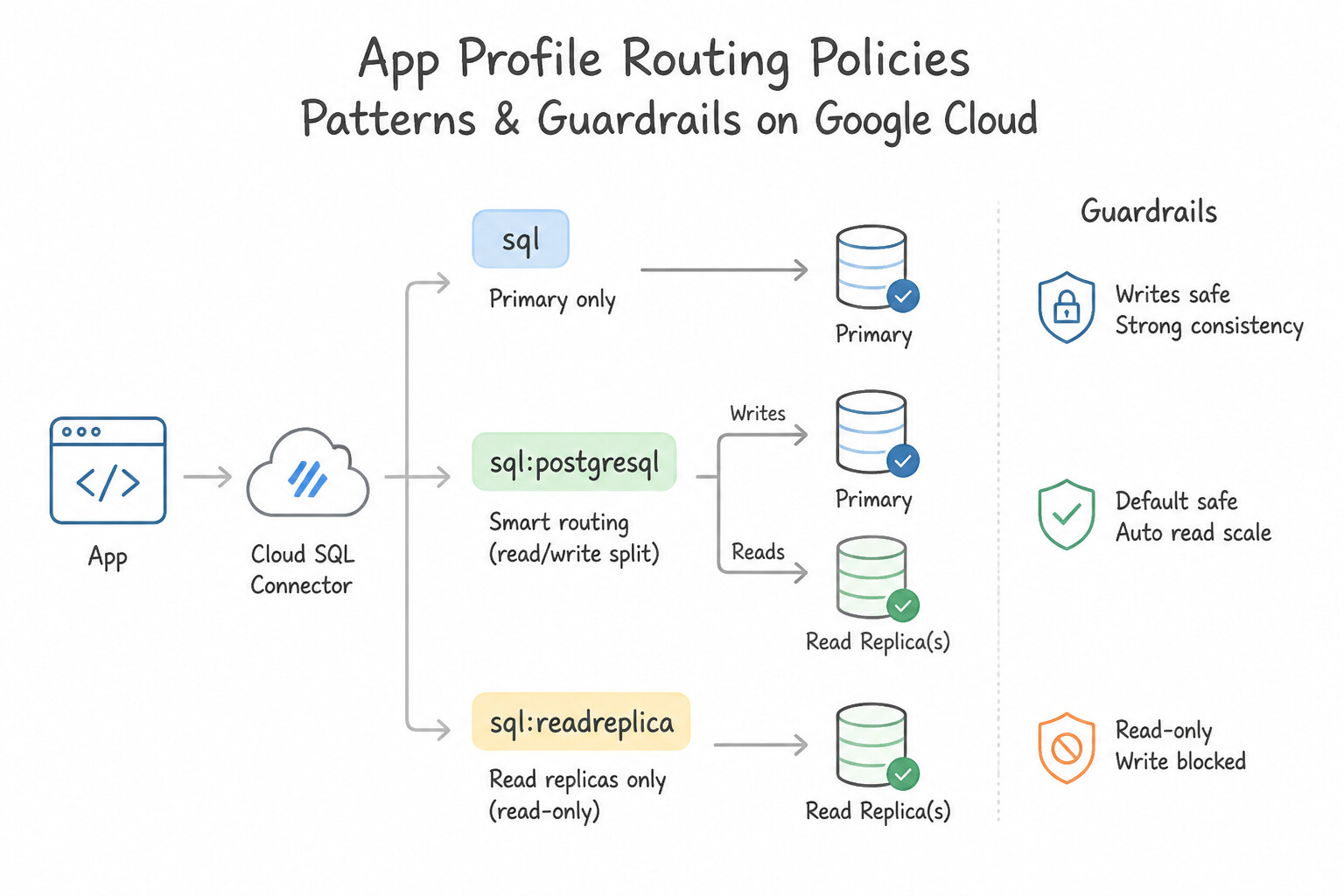
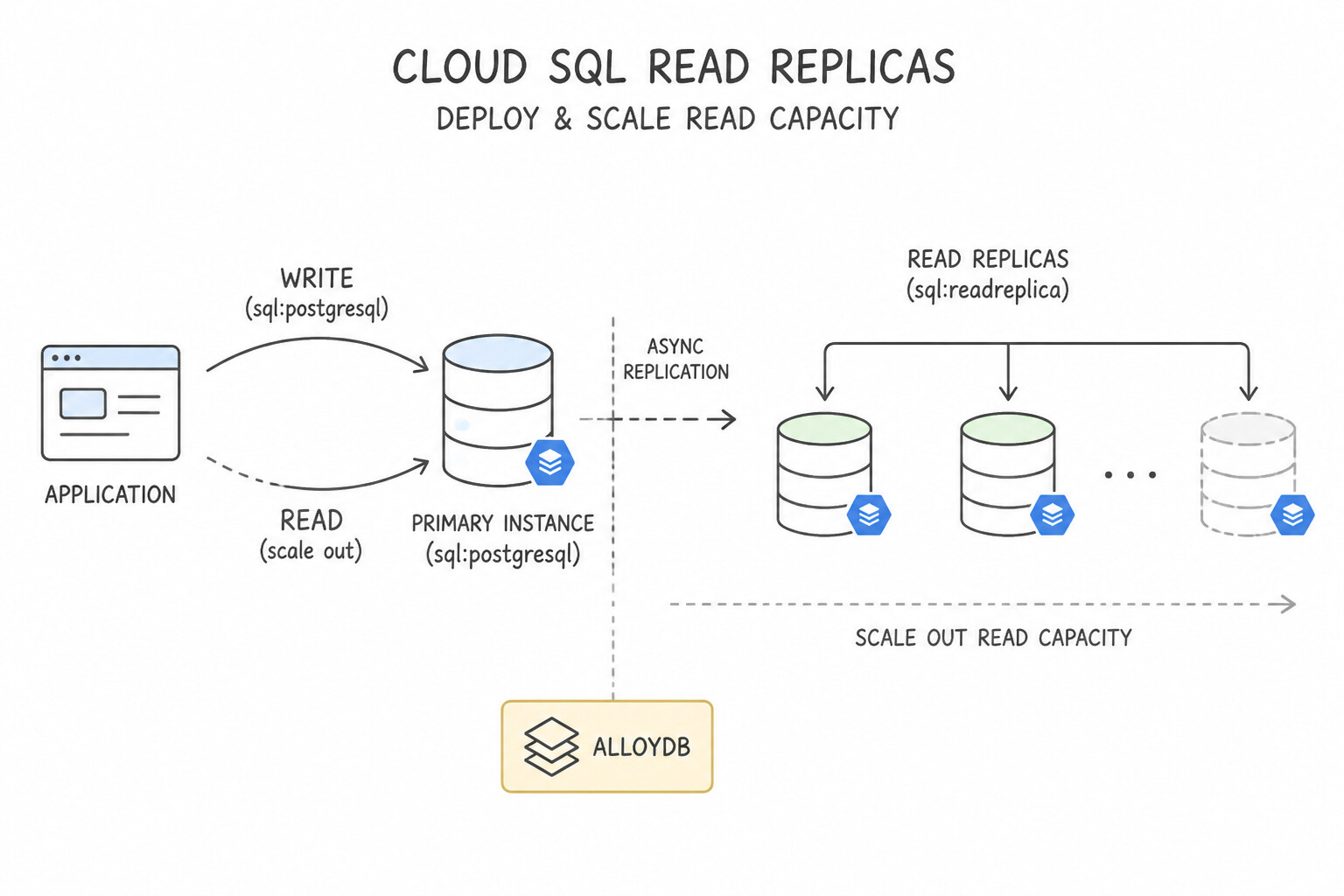
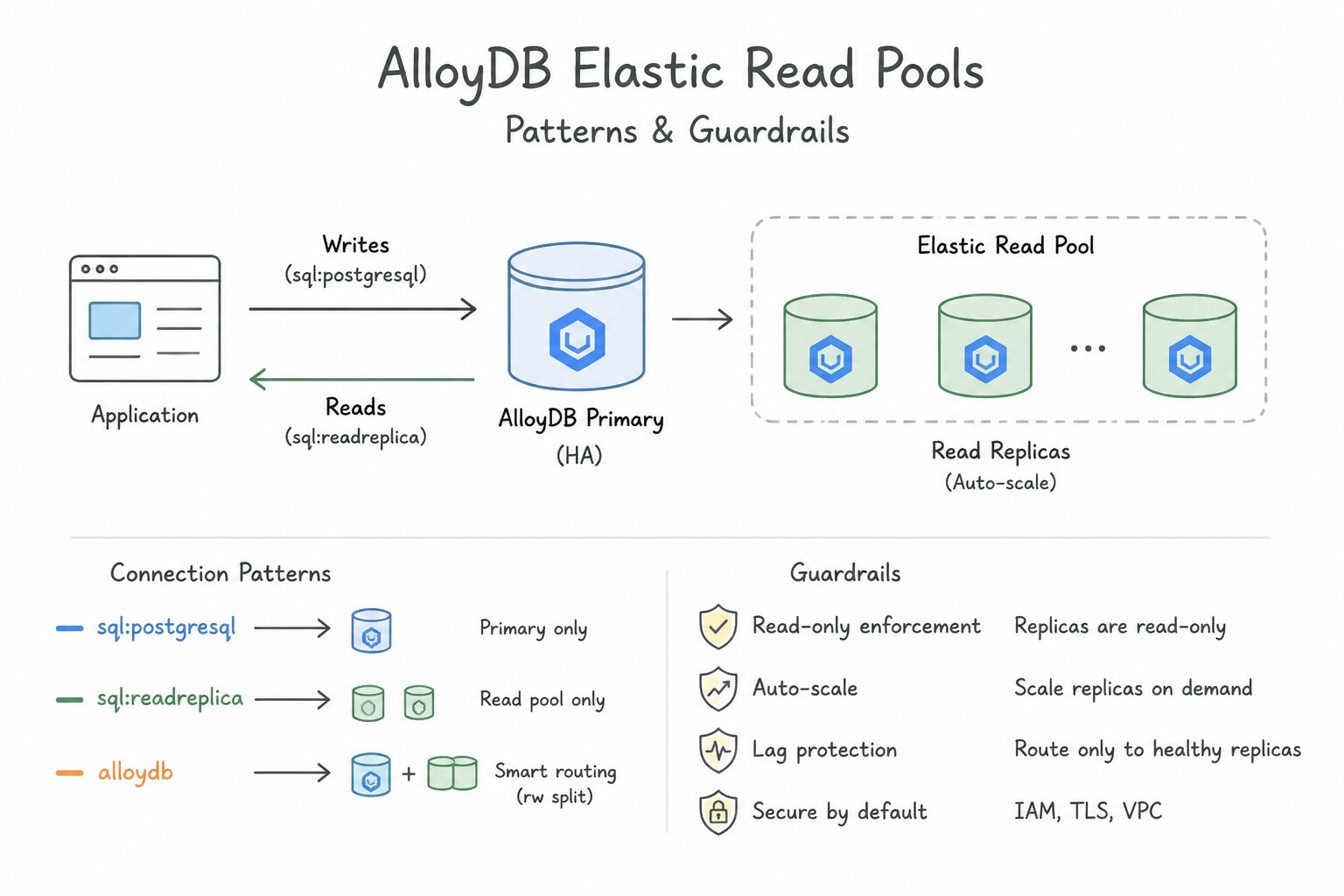
pdbe-4.1c-1-bigtable-multi-cluster.jpg,pdbe-4.1c-2-app-profile-routing.jpg) - Consideration 4.1d: Deploy and scale read replicas (Diagrams:
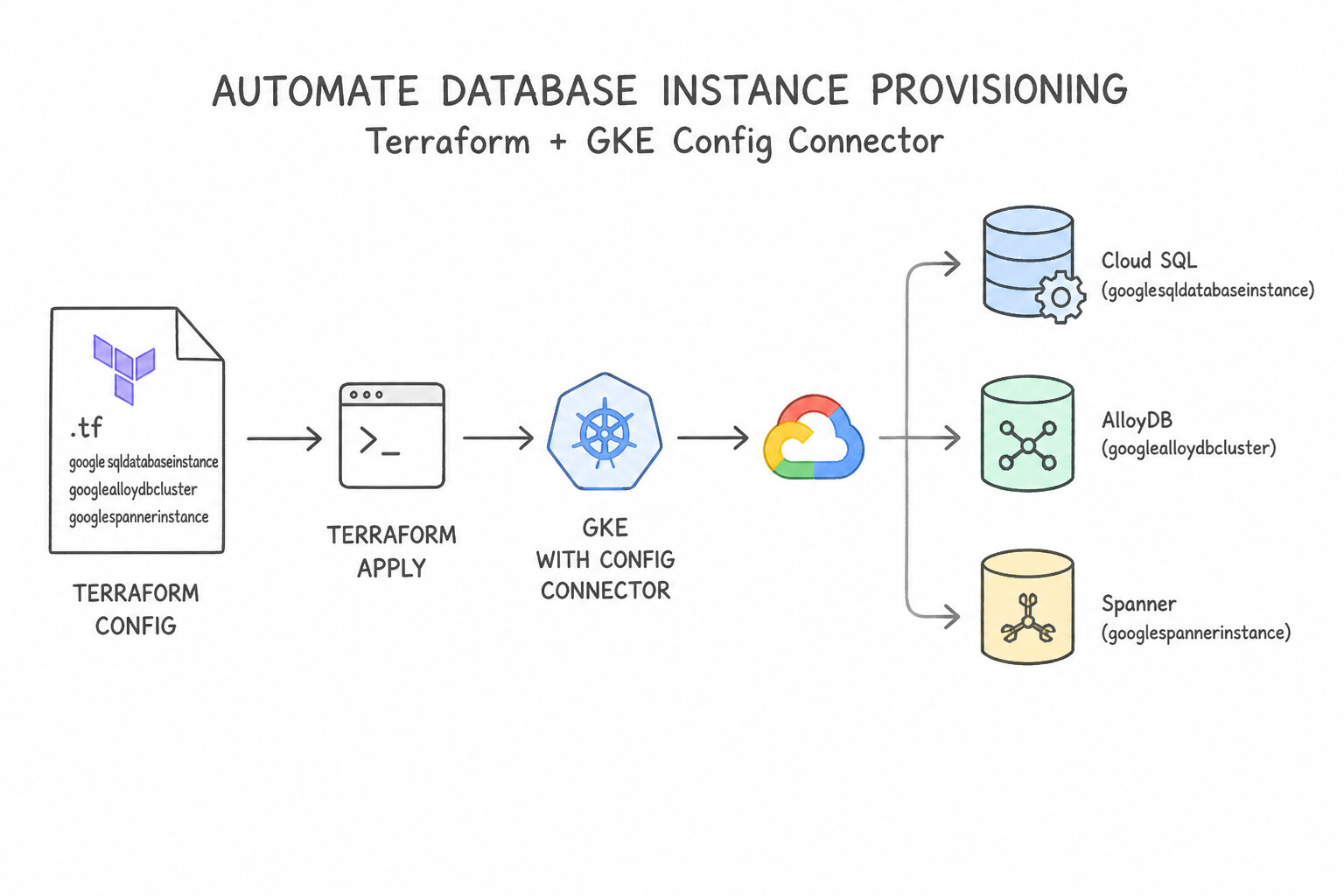
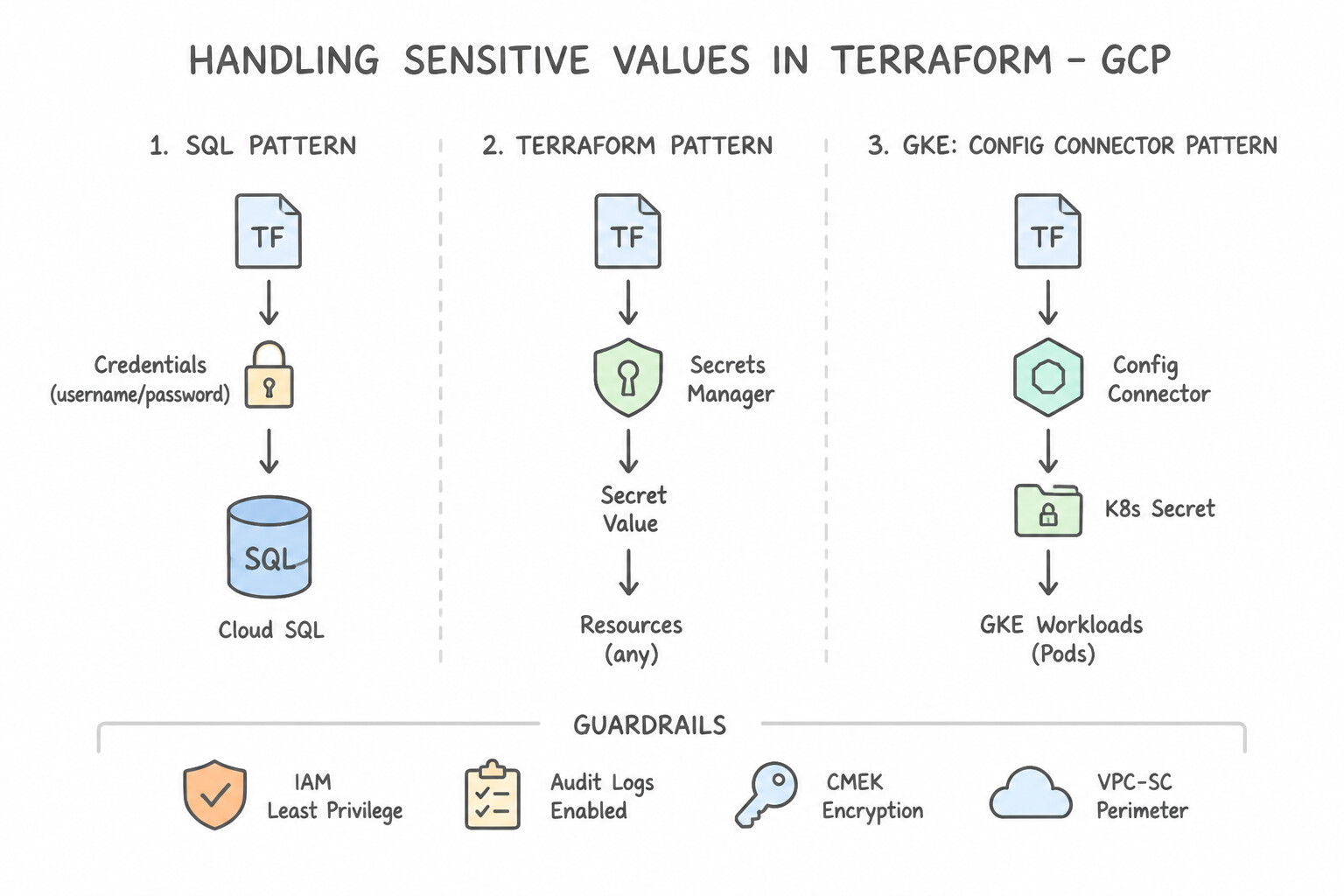
pdbe-4.1d-1-sql-read-replicas-deploy.jpg,pdbe-4.1d-2-alloydb-elastic-read.jpg) - Consideration 4.1e: Automate database instance provisioning (Diagrams:
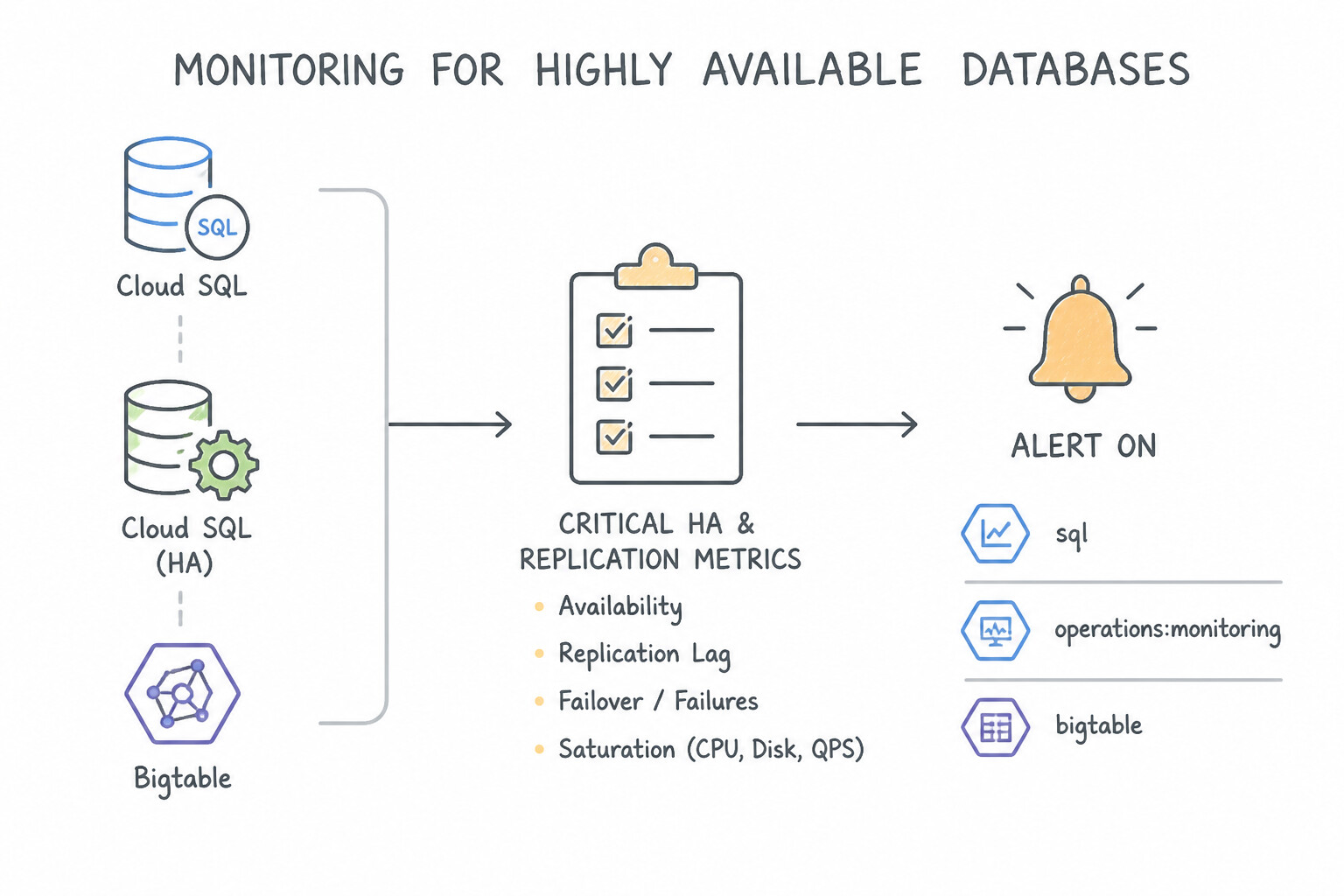
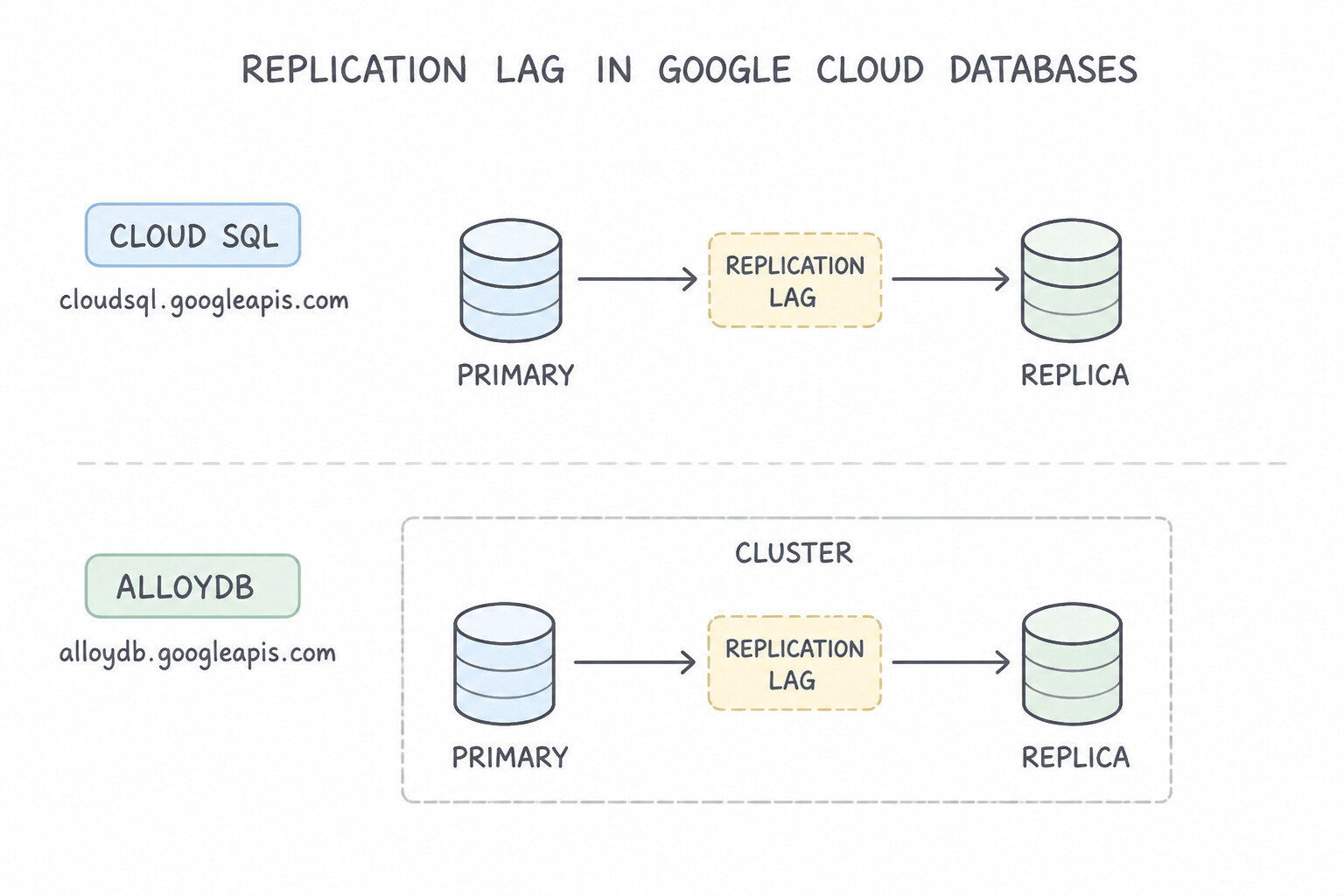
pdbe-4.1e-1-terraform-sql-database.jpg,pdbe-4.1e-2-handling-sensitive.jpg) - Consideration 4.1f: Configure monitoring for highly available databases (Diagrams:
pdbe-4.1f-1-ha-replication-metrics.jpg,pdbe-4.1f-2-replication-lag-cloudsql.jpg) - Quick Decision Cheat Sheet (Subsection 4.1)
Chapter 3: Database Connectivity, Auth Proxy, Private Service Connect, Pooling & IAM Security
- Subsection 1.3: Determine how applications will connect to the database (Section 1: Design innovative, scalable, and highly available cloud database solutions)
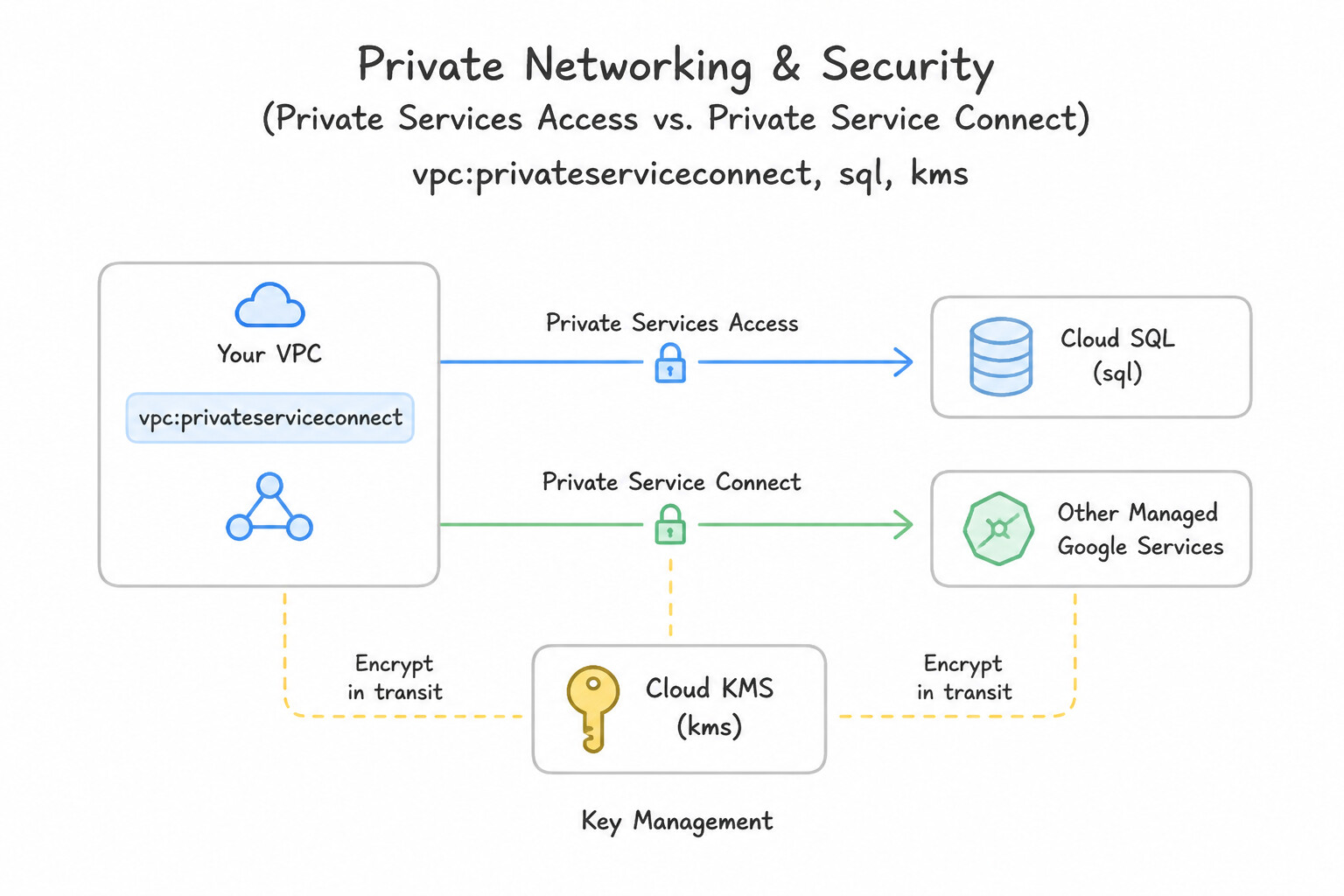
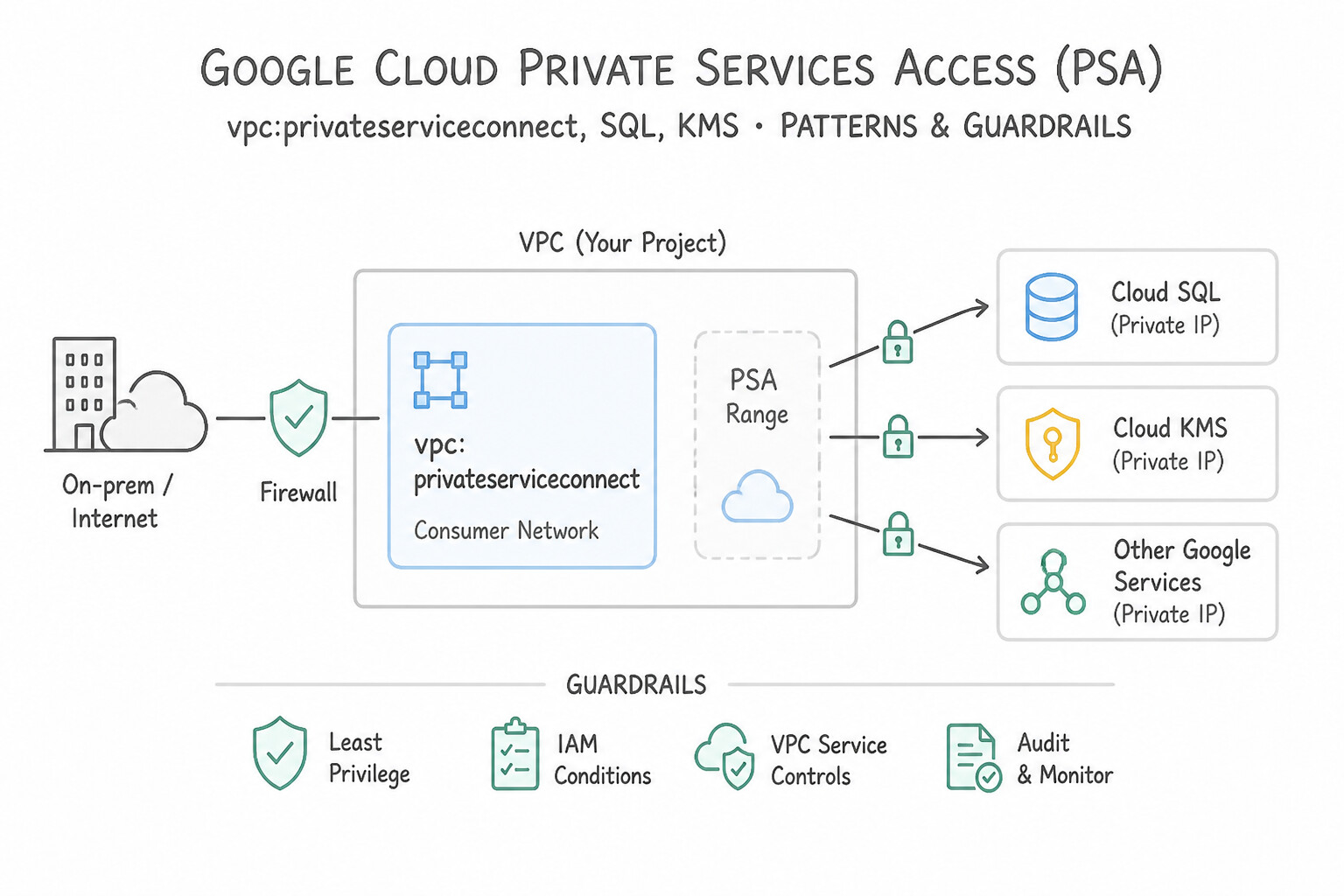
- Consideration 1.3a: Configure networking, key management, encryption, and security (Diagrams:
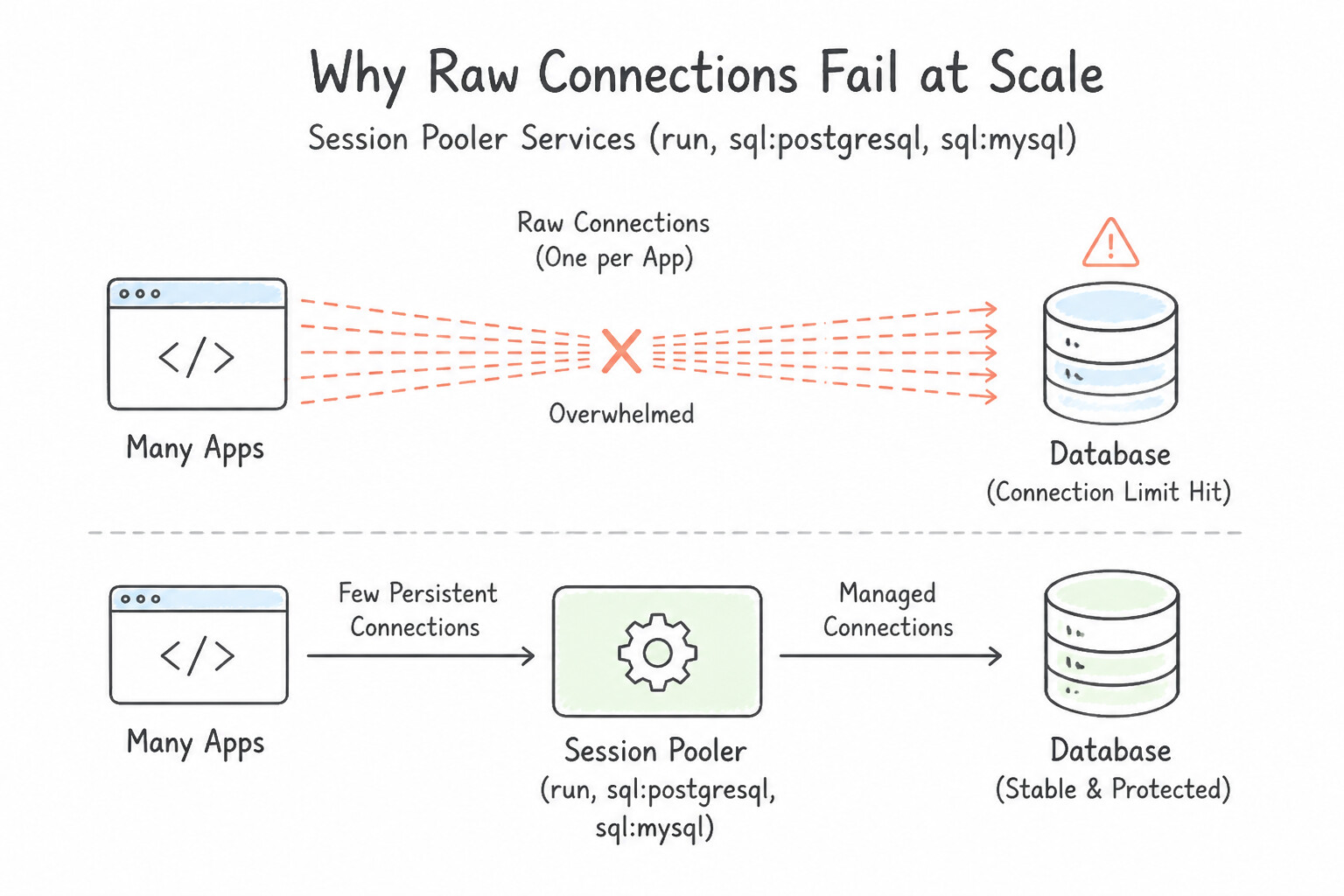
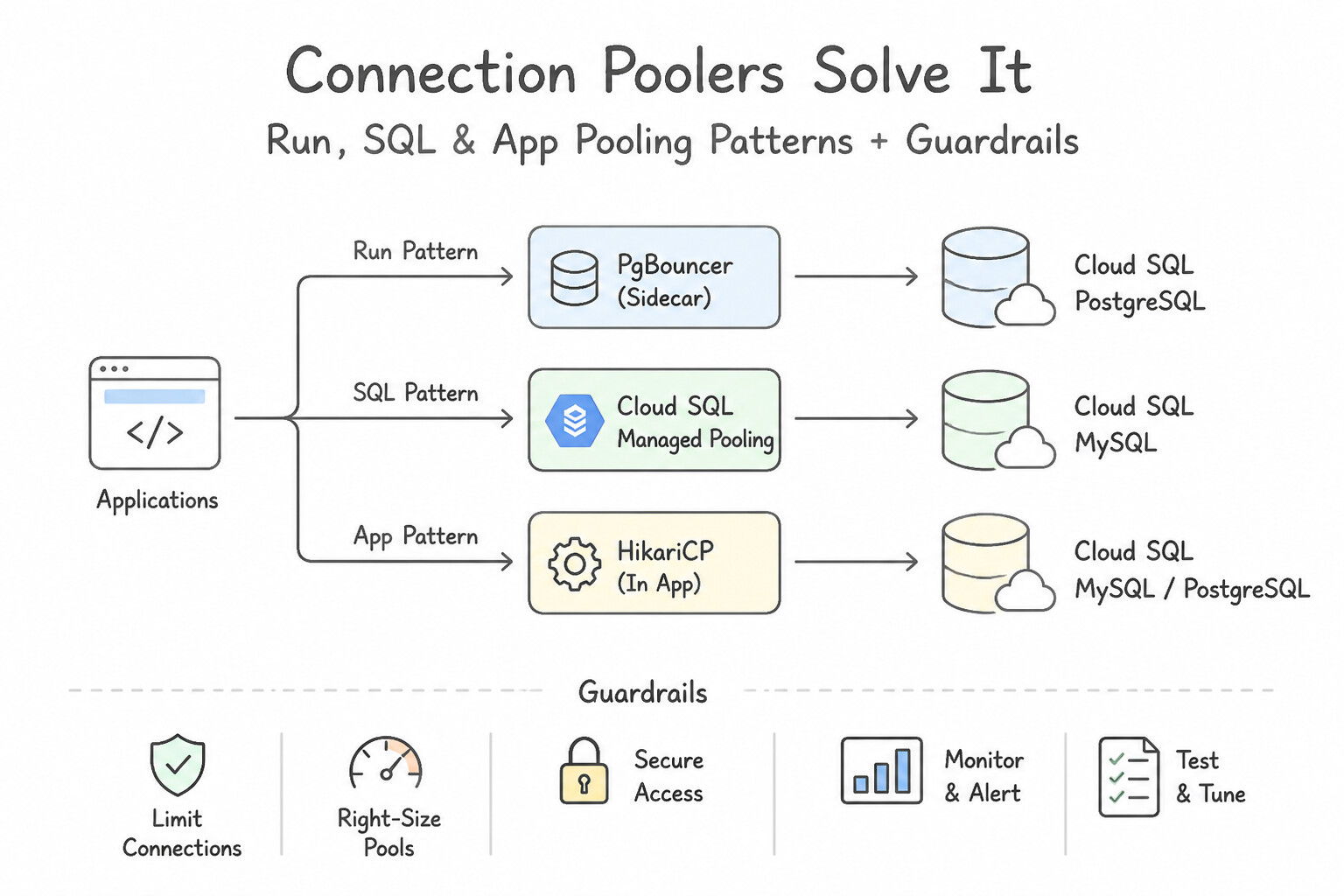
pdbe-1.3a-1-private-networking.jpg,pdbe-1.3a-2-private-services-access.jpg) - Consideration 1.3b: Justify the use of session pooler services (Diagrams:
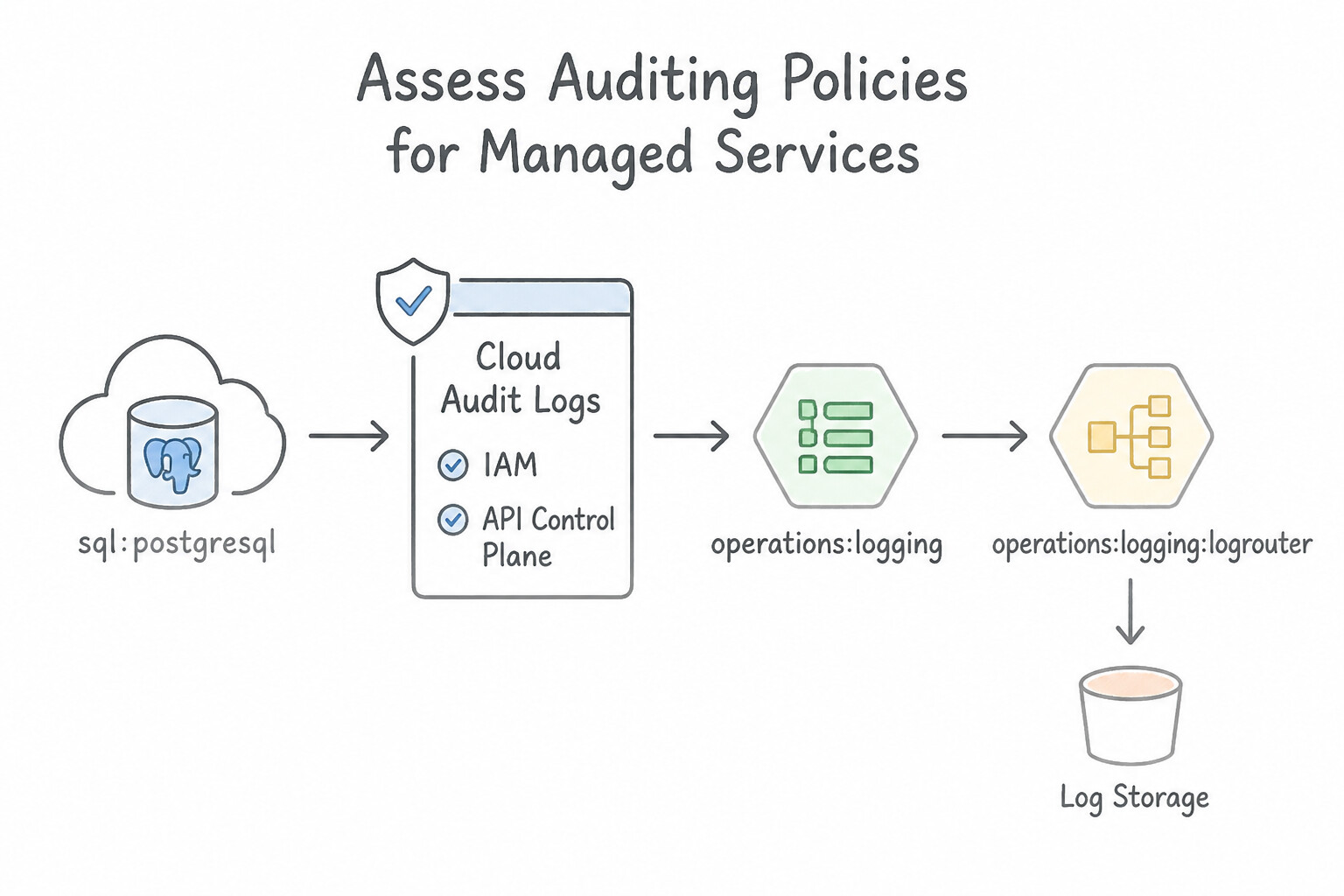
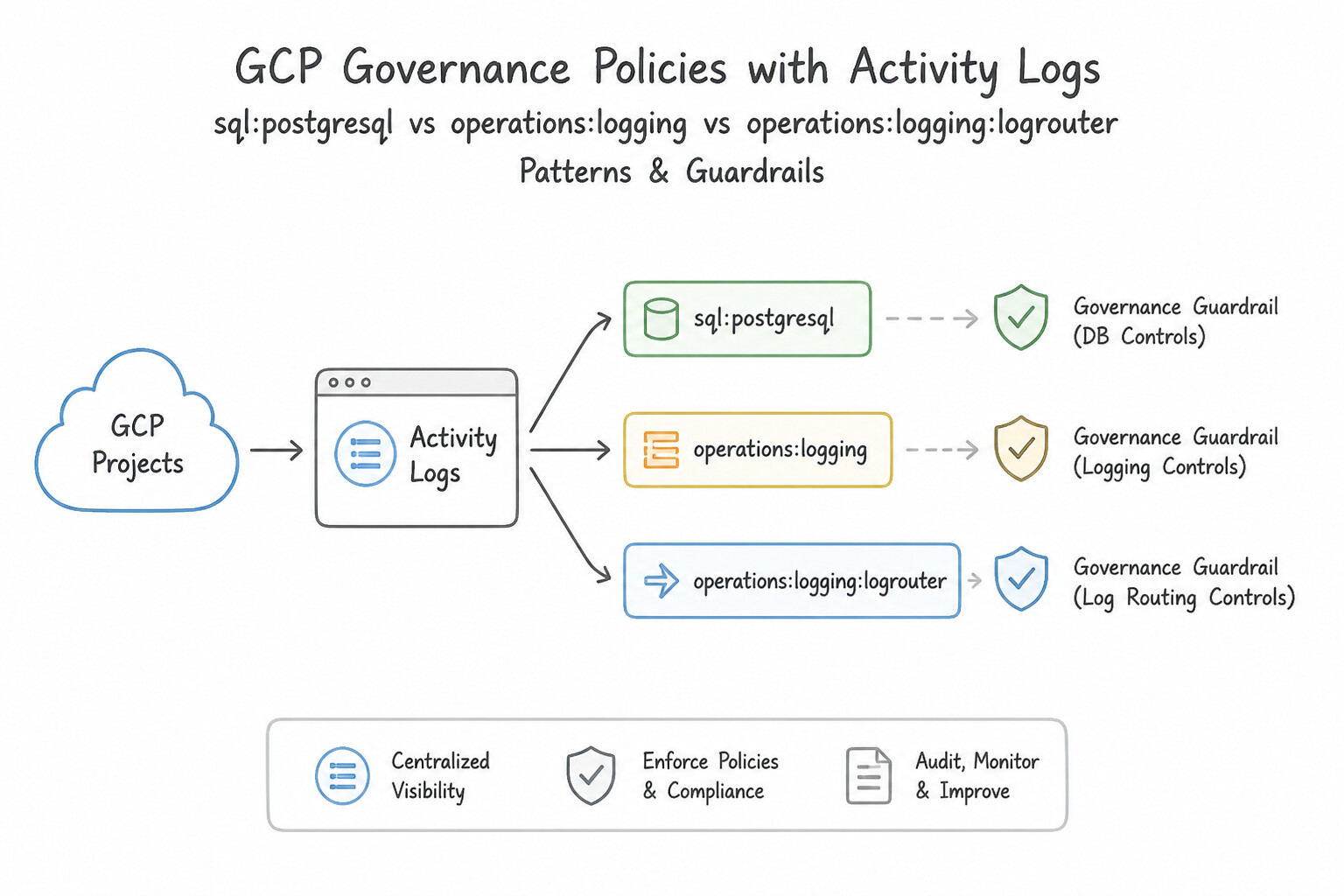
pdbe-1.3b-1-raw-connections-fail-at.jpg,pdbe-1.3b-2-connection-poolers.jpg) - Consideration 1.3c: Assess auditing policies for managed services (Diagrams:
pdbe-1.3c-1-audit-logs-iam-api.jpg,pdbe-1.3c-2-admin-activity-logs-sql.jpg) - Quick Decision Cheat Sheet (Subsection 1.3)
- Subsection 2.1: Determine database connectivity and access management considerations (Section 2: Manage a solution that can span multiple database technologies)
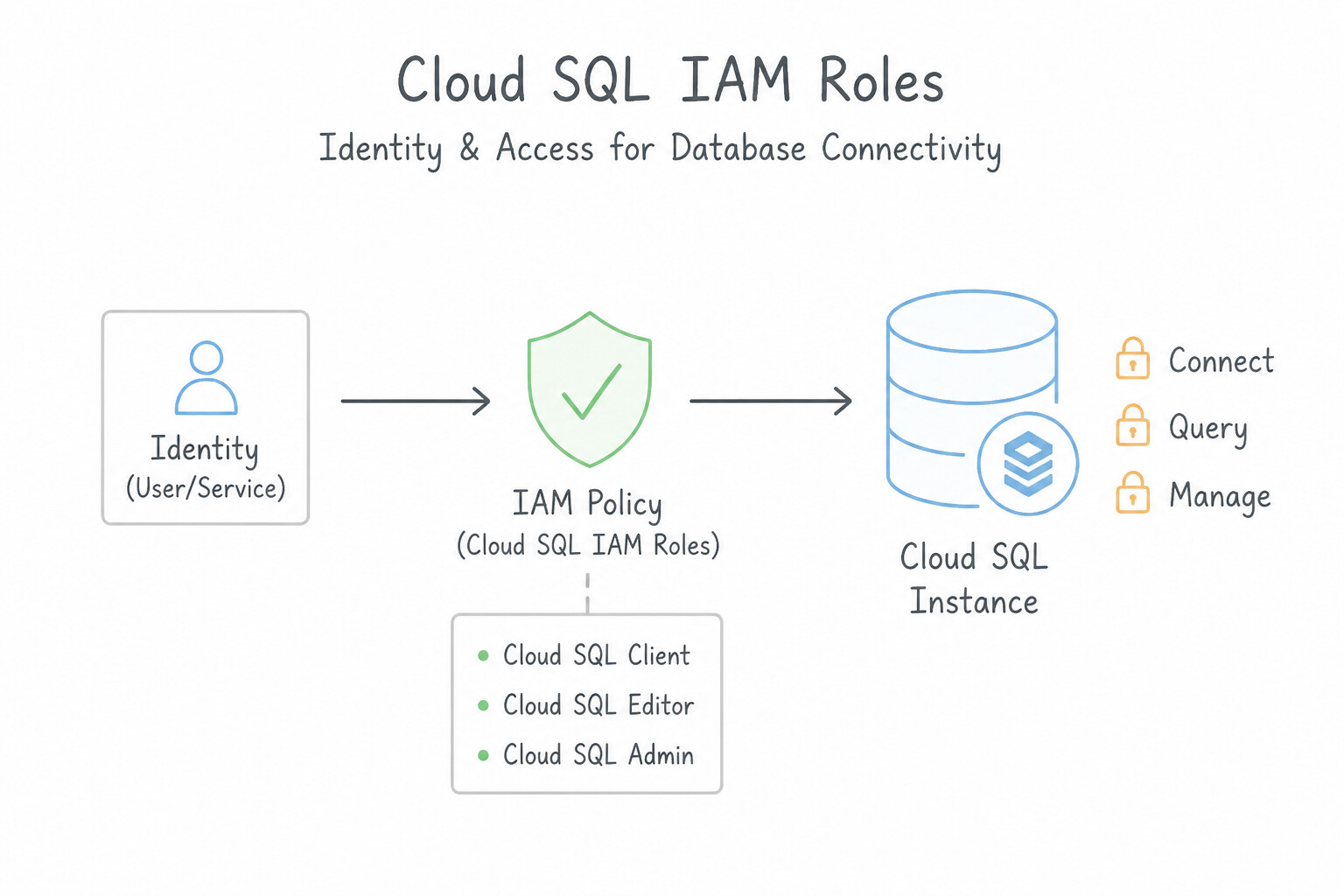
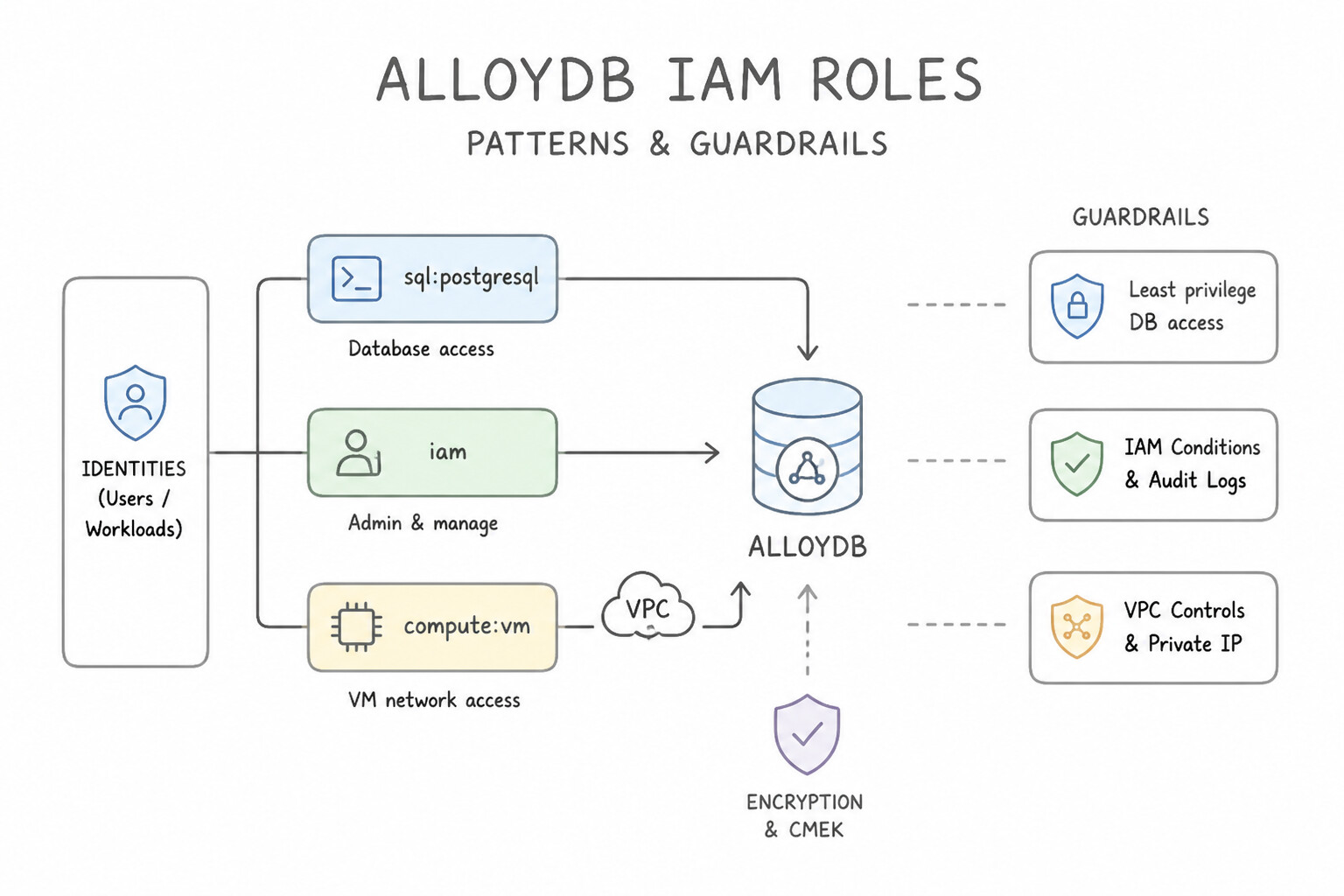
- Consideration 2.1a: Determine Identity and Access Management (IAM) and policies for database connectivity and access control (Diagrams:
pdbe-2.1a-1-sql-iam-roles-determine.jpg,pdbe-2.1a-2-alloydb-iam-roles-sql.jpg) - Consideration 2.1b: Manage database users including authentication and access (Diagrams:
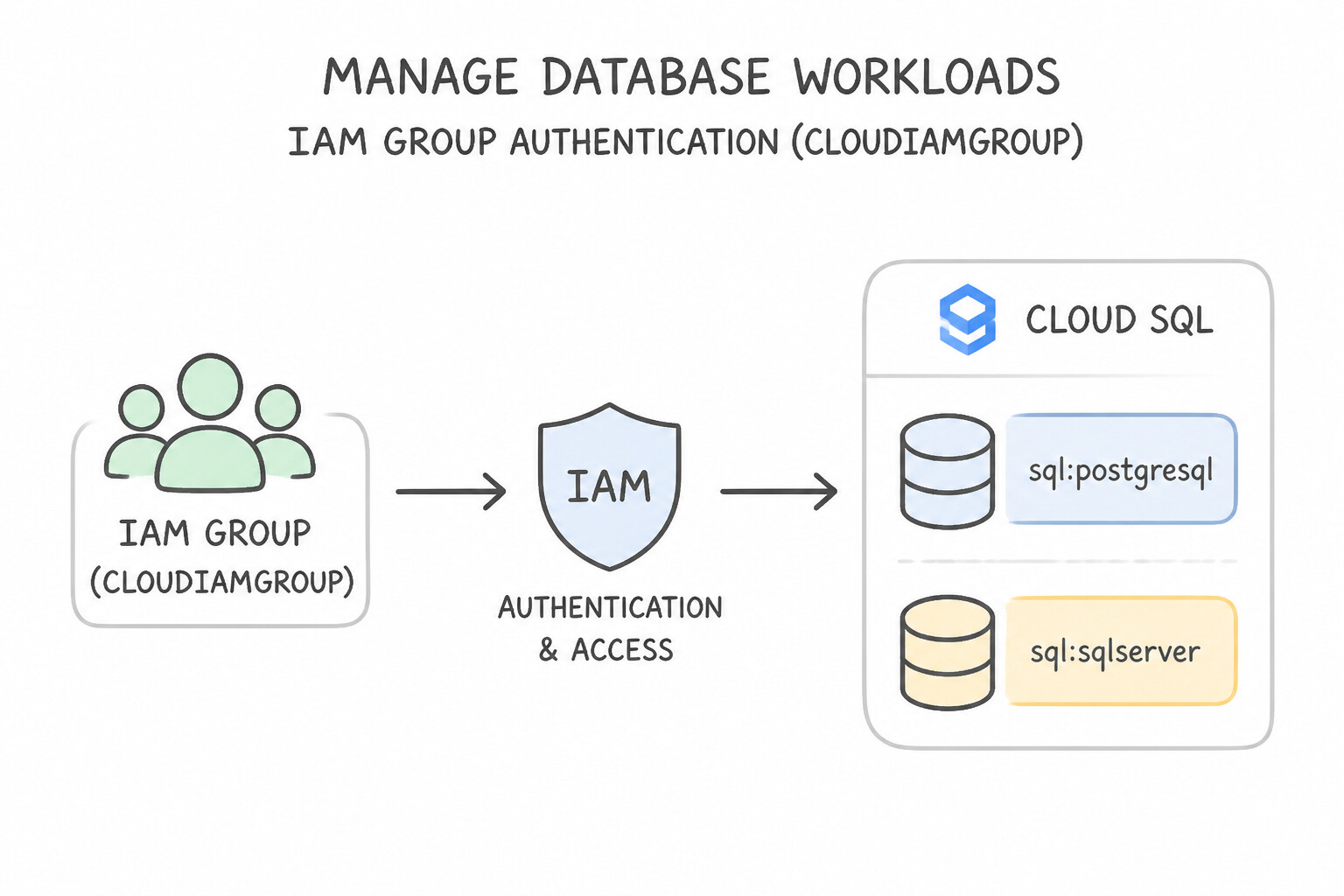
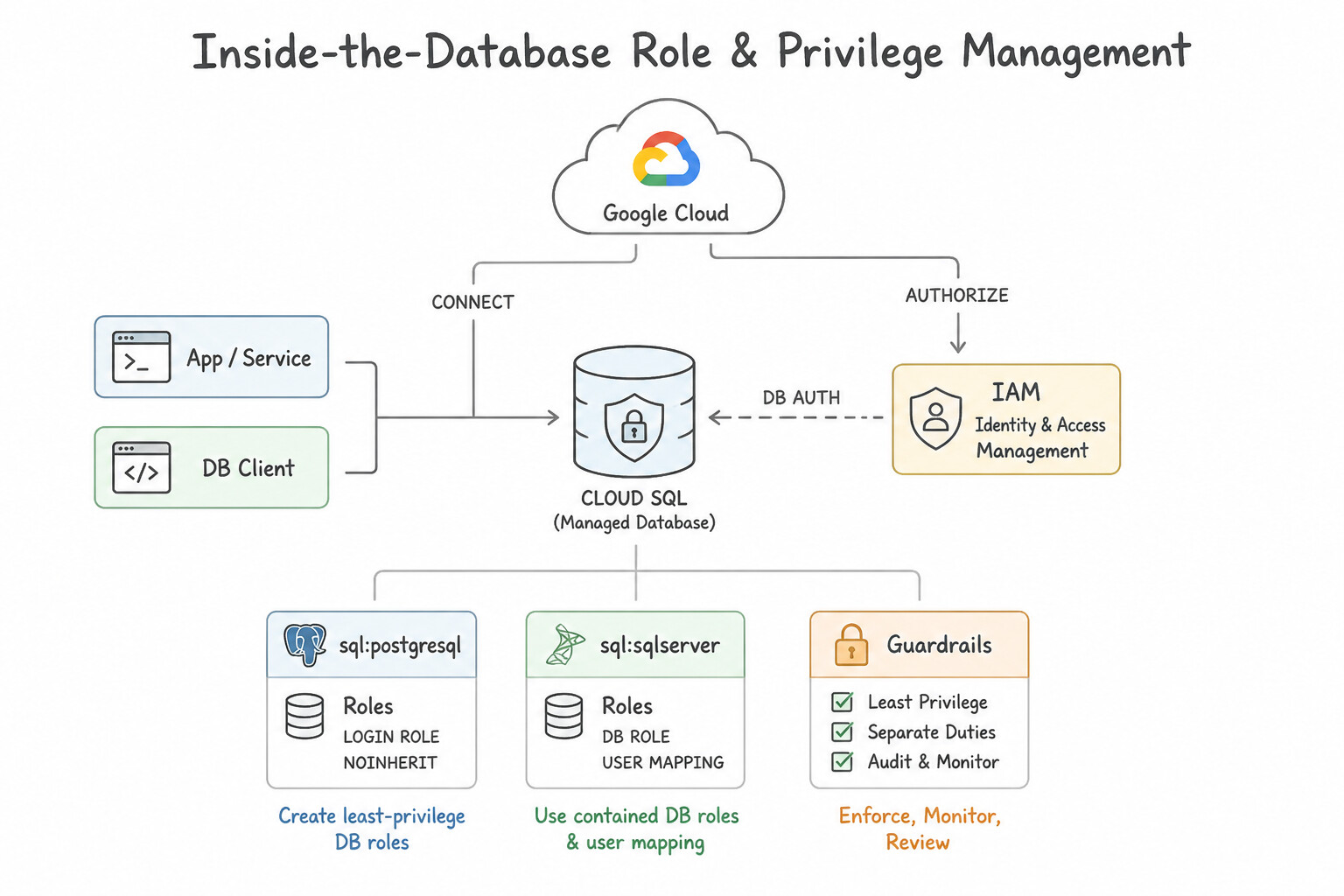
pdbe-2.1b-1-iam-group-authentication.jpg,pdbe-2.1b-2-inside-database-role.jpg) - Quick Decision Cheat Sheet (Subsection 2.1)
Chapter 4: Database Observability, Query Insights, Performance Tuning, Cost Optimization & Automation
- Subsection 2.2: Configure database monitoring and troubleshooting options (Section 2: Manage a solution that can span multiple database technologies)
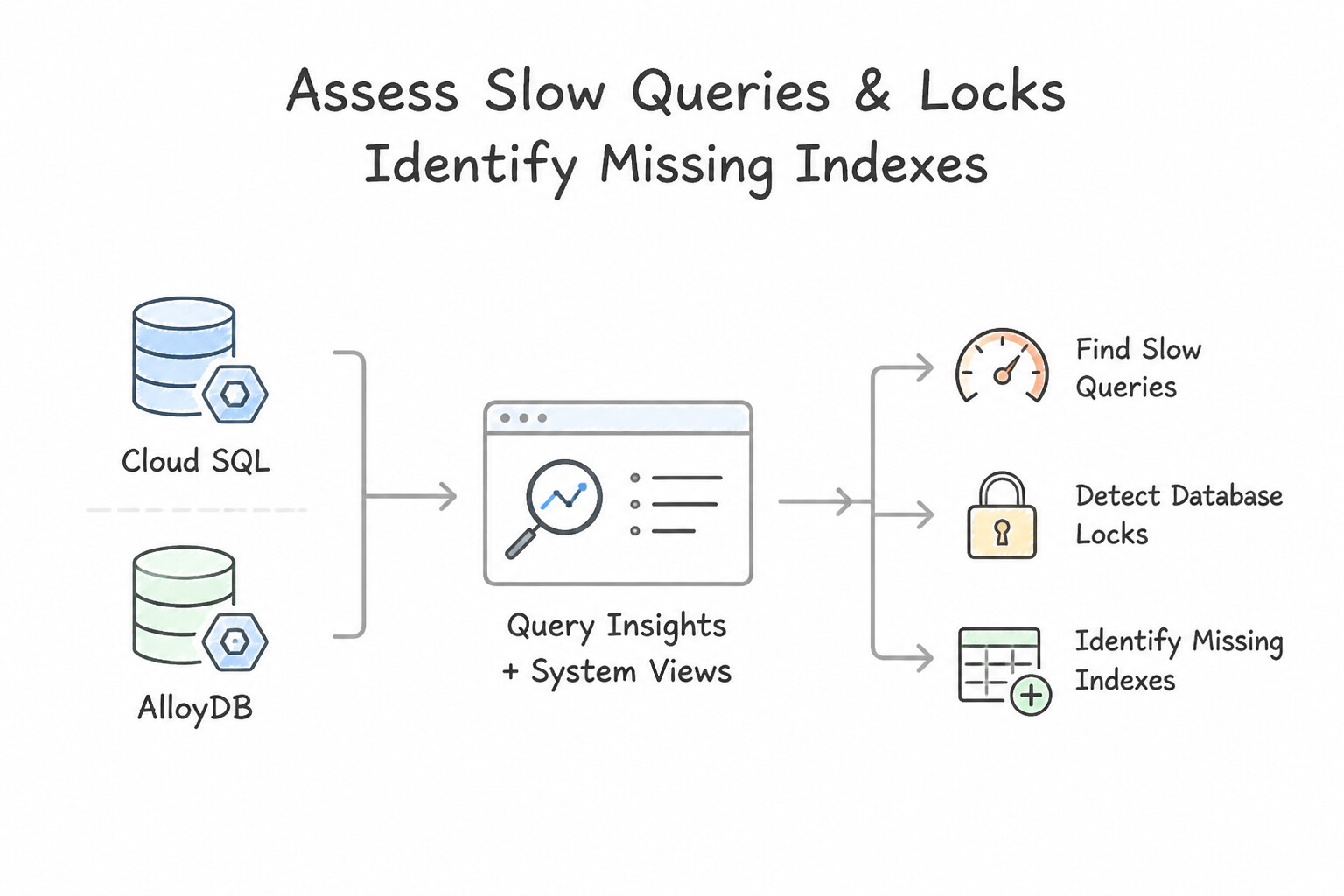
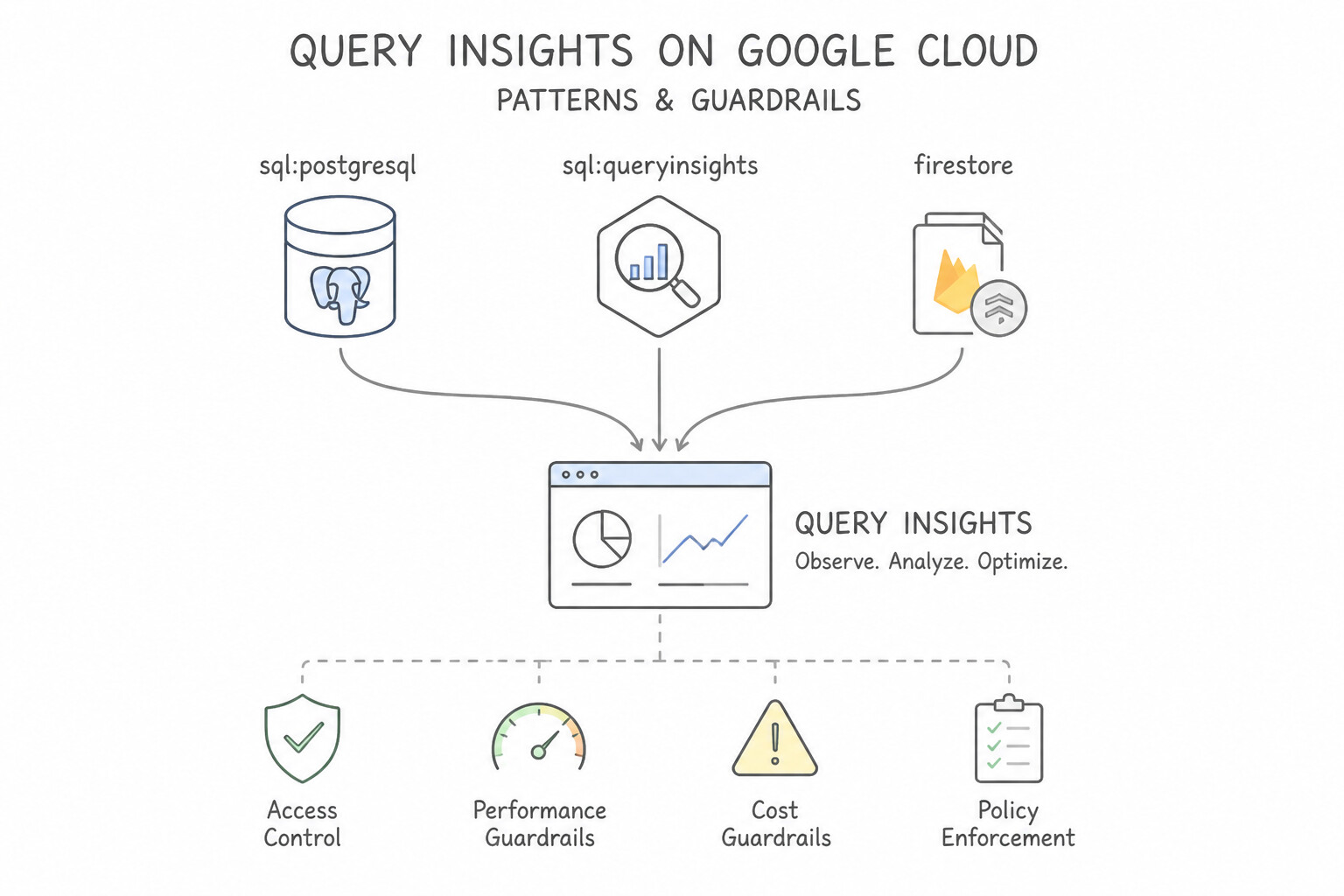
- Consideration 2.2a: Assess slow running queries and database locking; identify missing indexes (Diagrams:
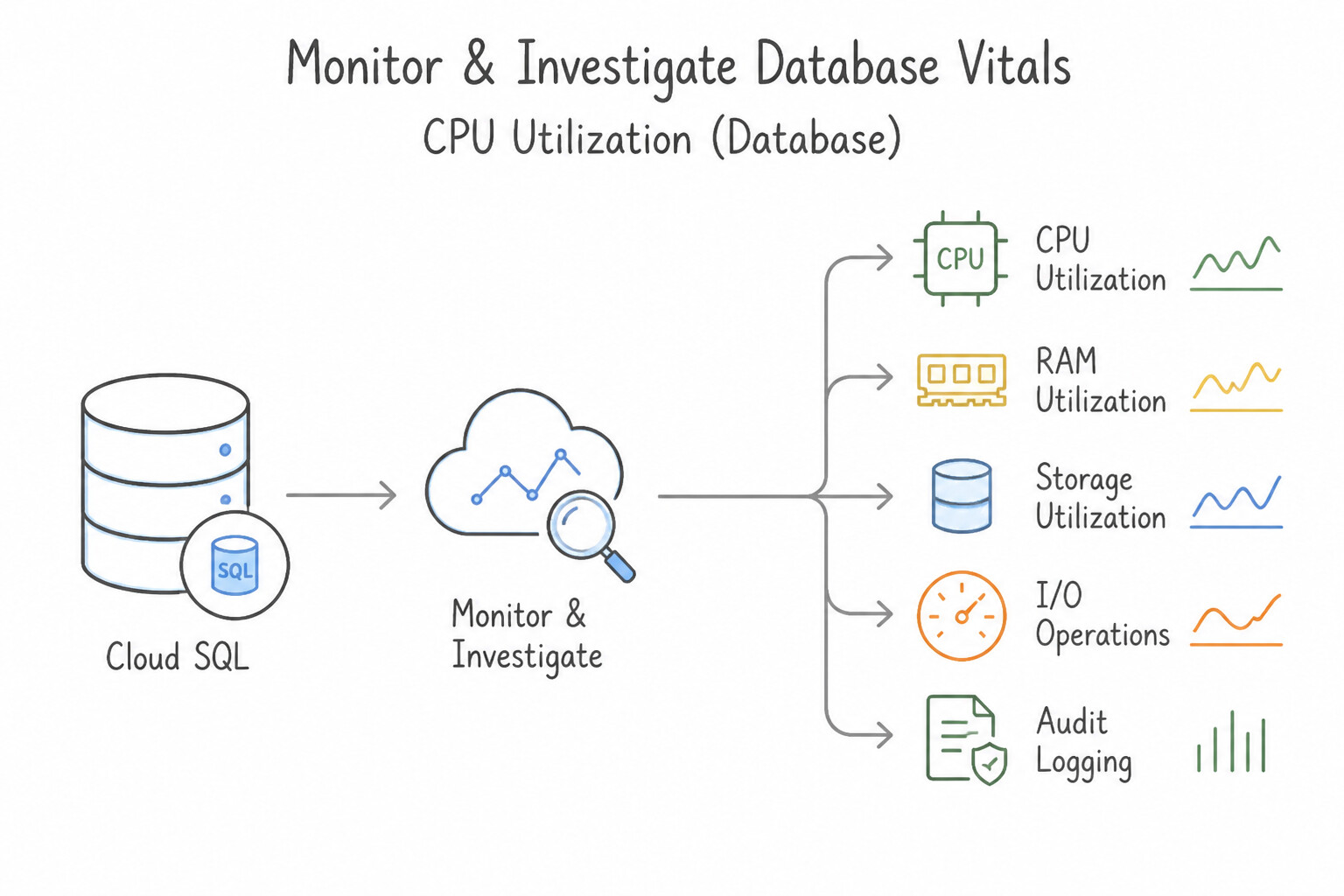
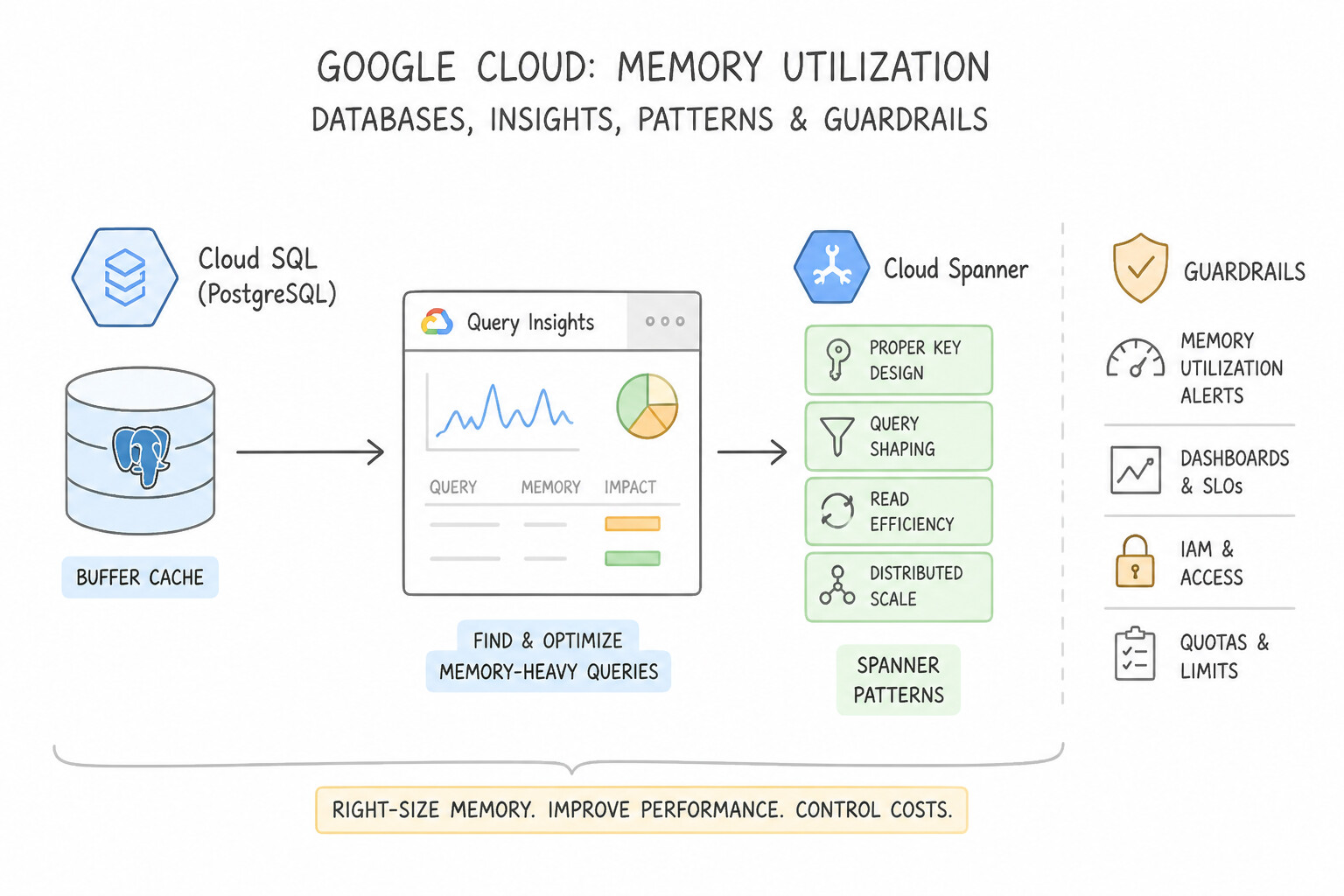
pdbe-2.2a-1-sql-alloydb-query.jpg,pdbe-2.2a-2-query-insights-sql.jpg) - Consideration 2.2b: Monitor and investigate database vitals – RAM, CPU, storage, I/O, and audit logging (Diagrams:
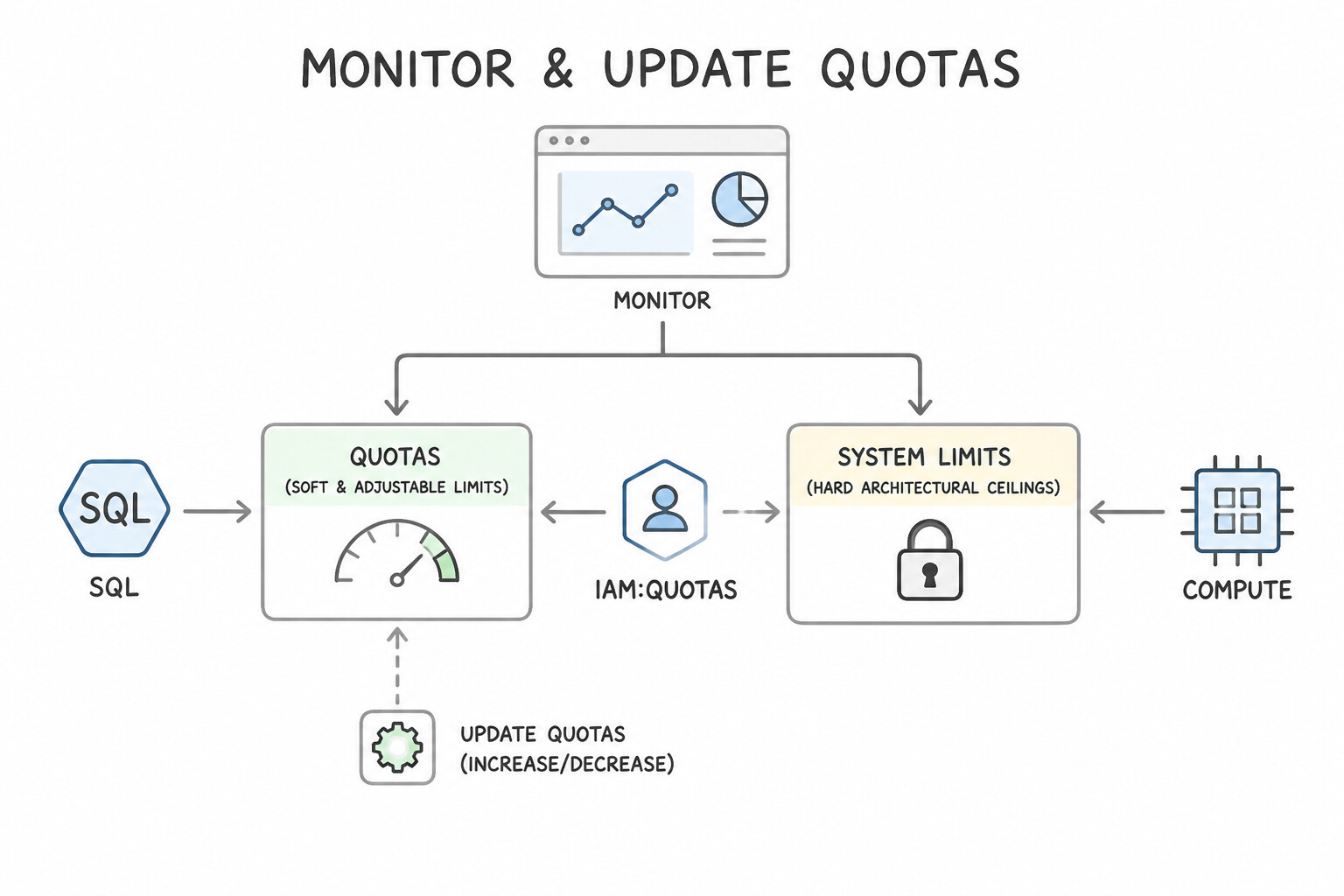
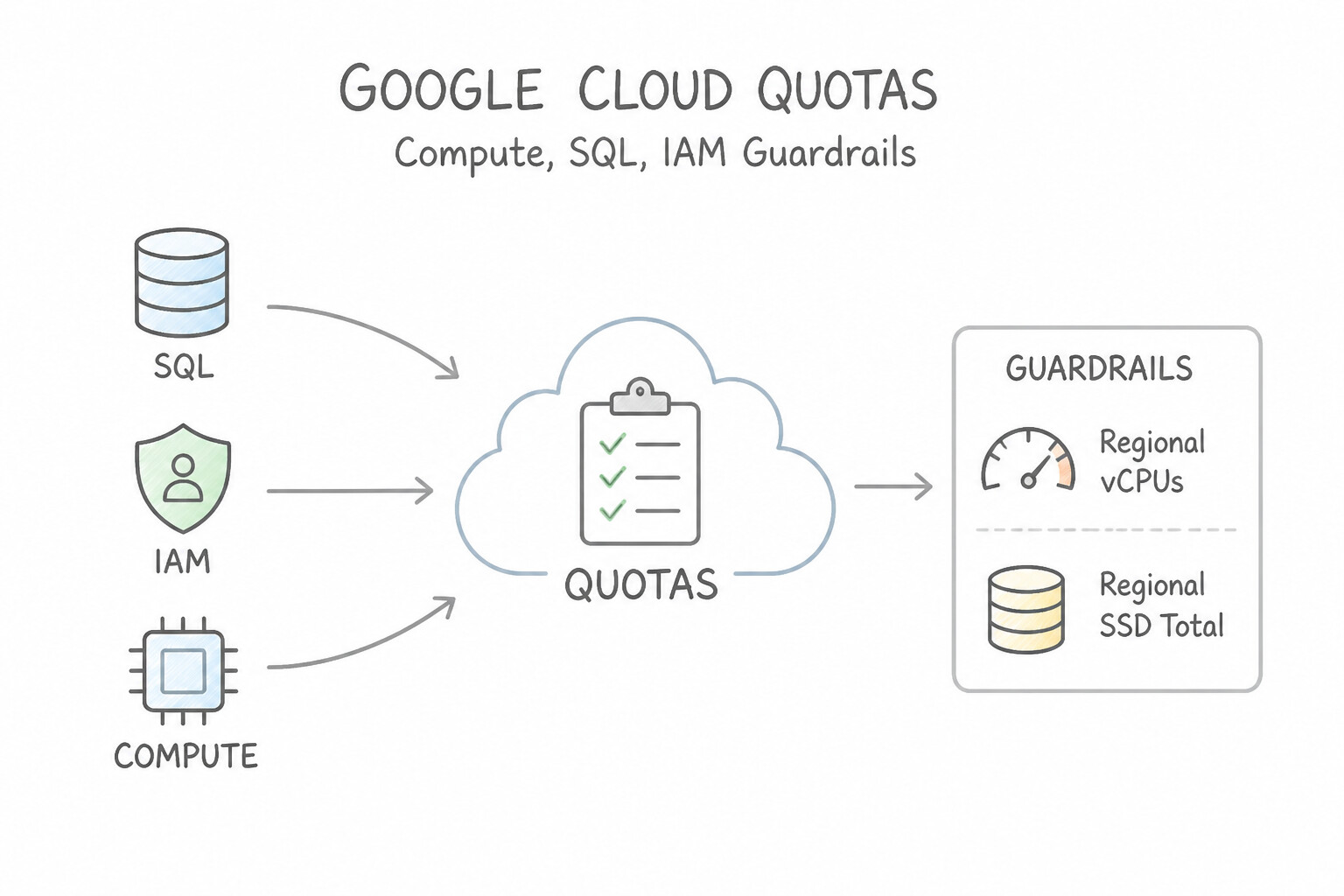
pdbe-2.2b-1-cpu-utilization-database.jpg,pdbe-2.2b-2-memory-utilization.jpg) - Consideration 2.2c: Monitor and update quotas (Diagrams:
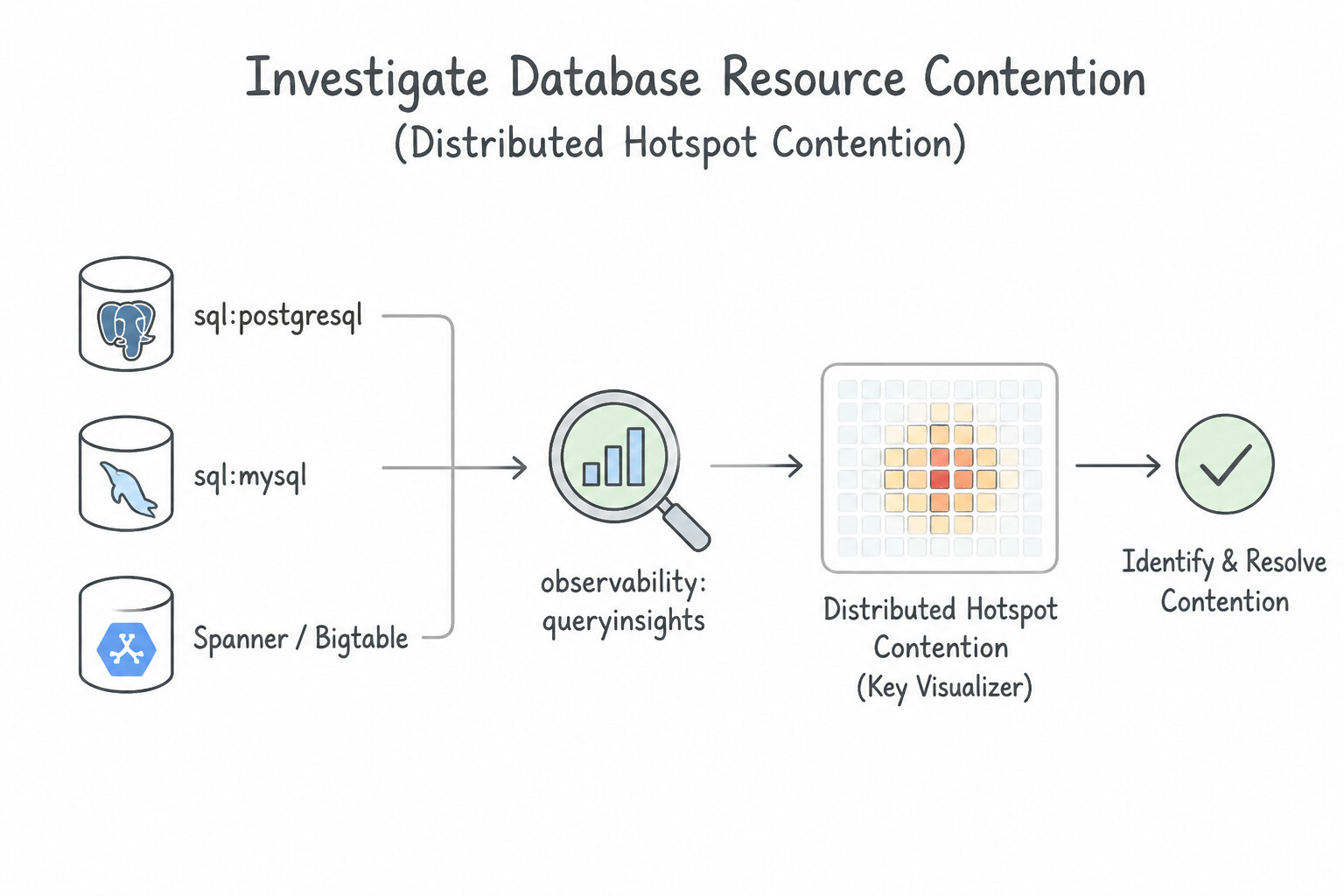
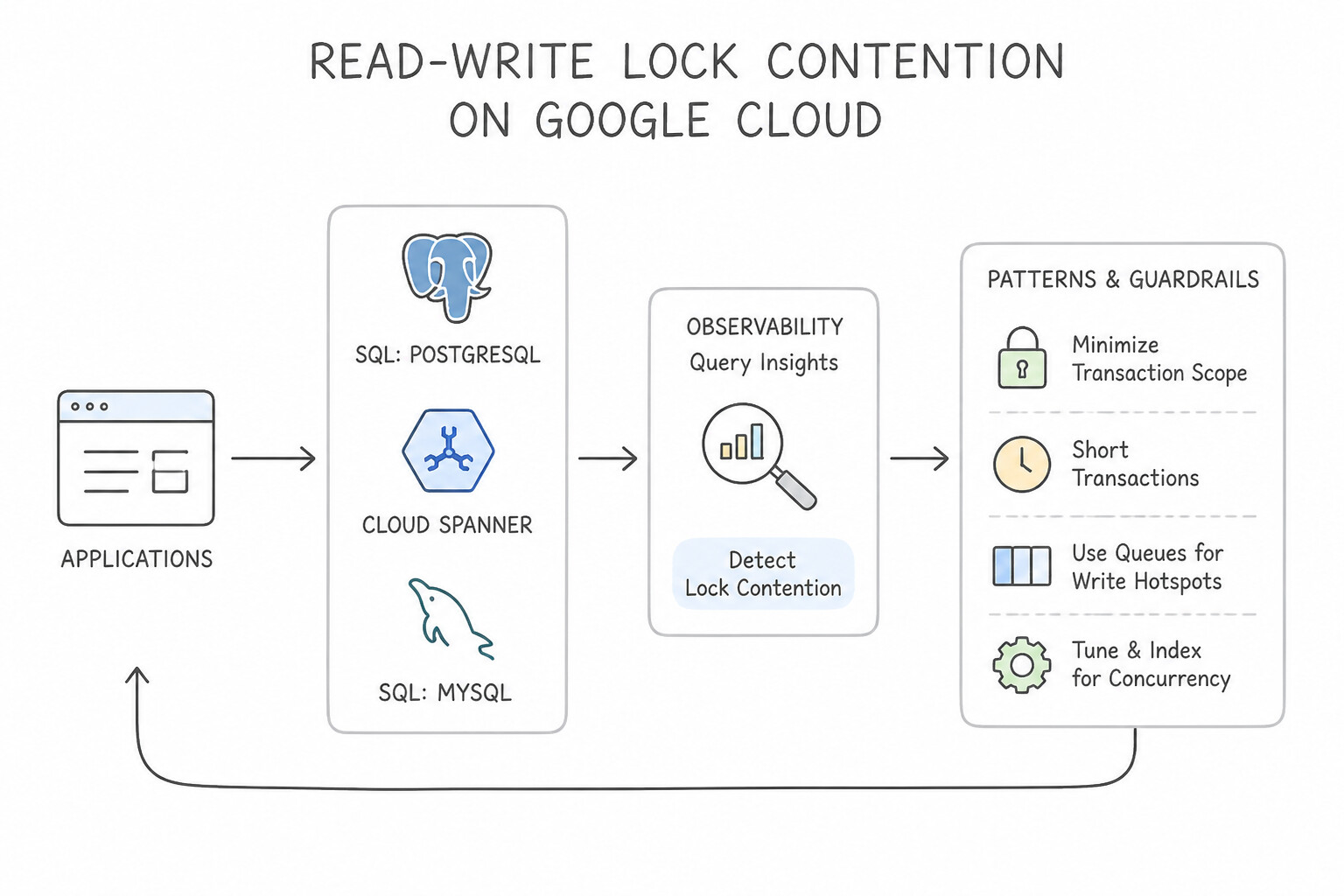
pdbe-2.2c-1-quotas-soft-adjustable.jpg,pdbe-2.2c-2-quotas-sql-iam-quotas.jpg) - Consideration 2.2d: Investigate database resource contention (Diagrams:
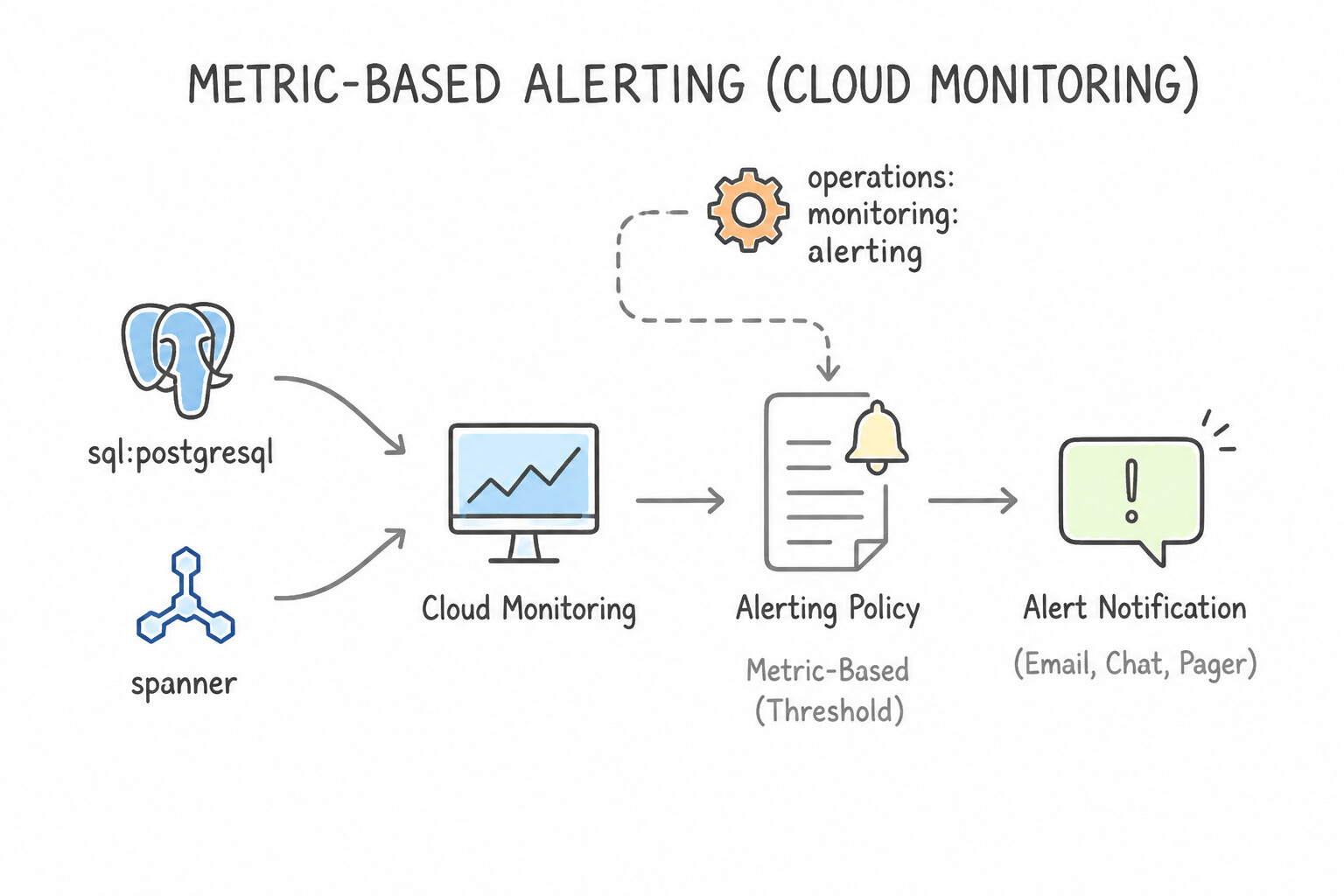
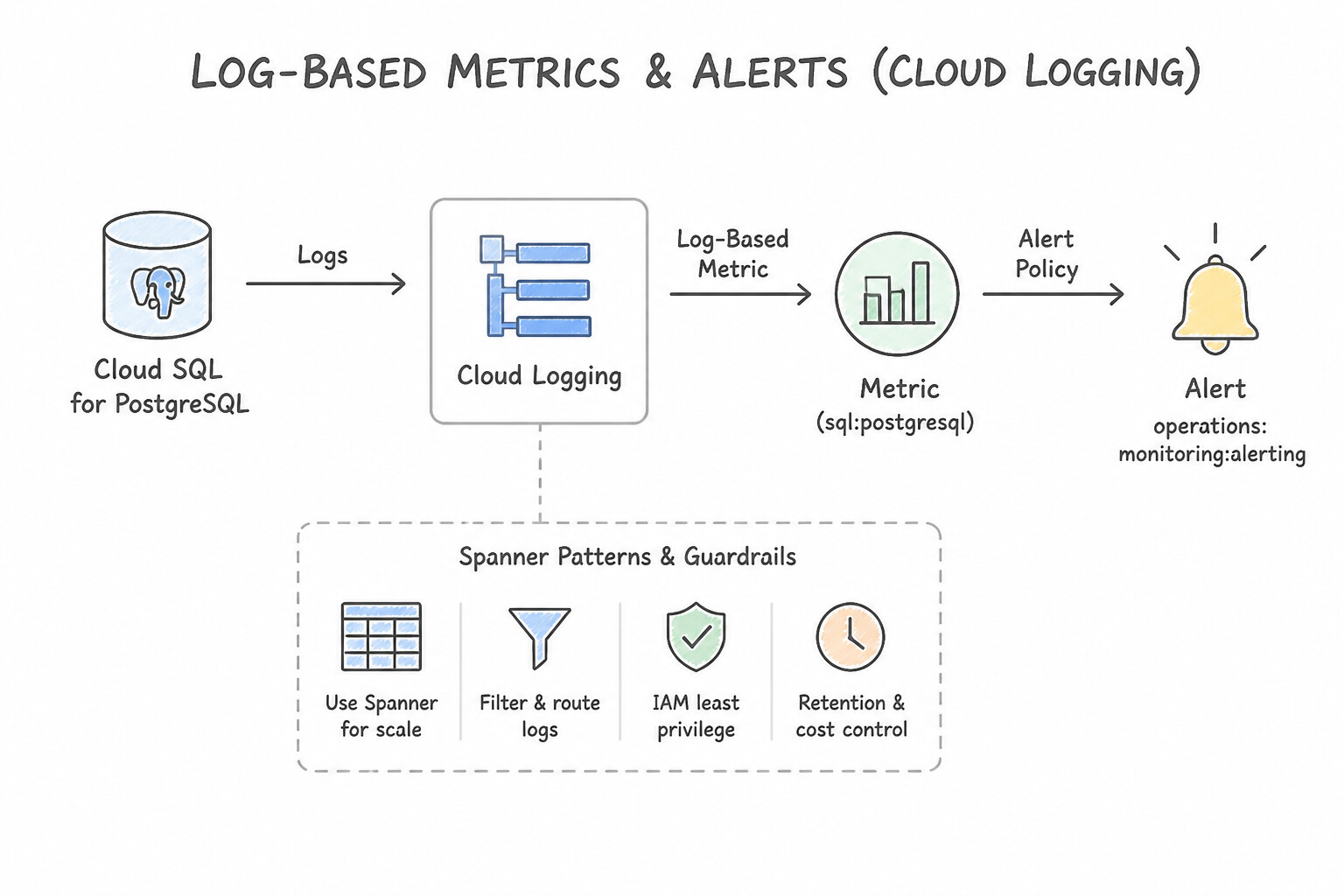
pdbe-2.2d-1-distributed-hotspot.jpg,pdbe-2.2d-2-read-write-lock.jpg) - Consideration 2.2e: Set up alerts for errors and performance metrics (Diagrams:
pdbe-2.2e-1-metric-based-alerting.jpg,pdbe-2.2e-2-log-based-metrics-log.jpg) - Quick Decision Cheat Sheet (Subsection 2.2)
- Subsection 2.4: Optimize database cost and performance in Google Cloud (Section 2: Manage a solution that can span multiple database technologies)
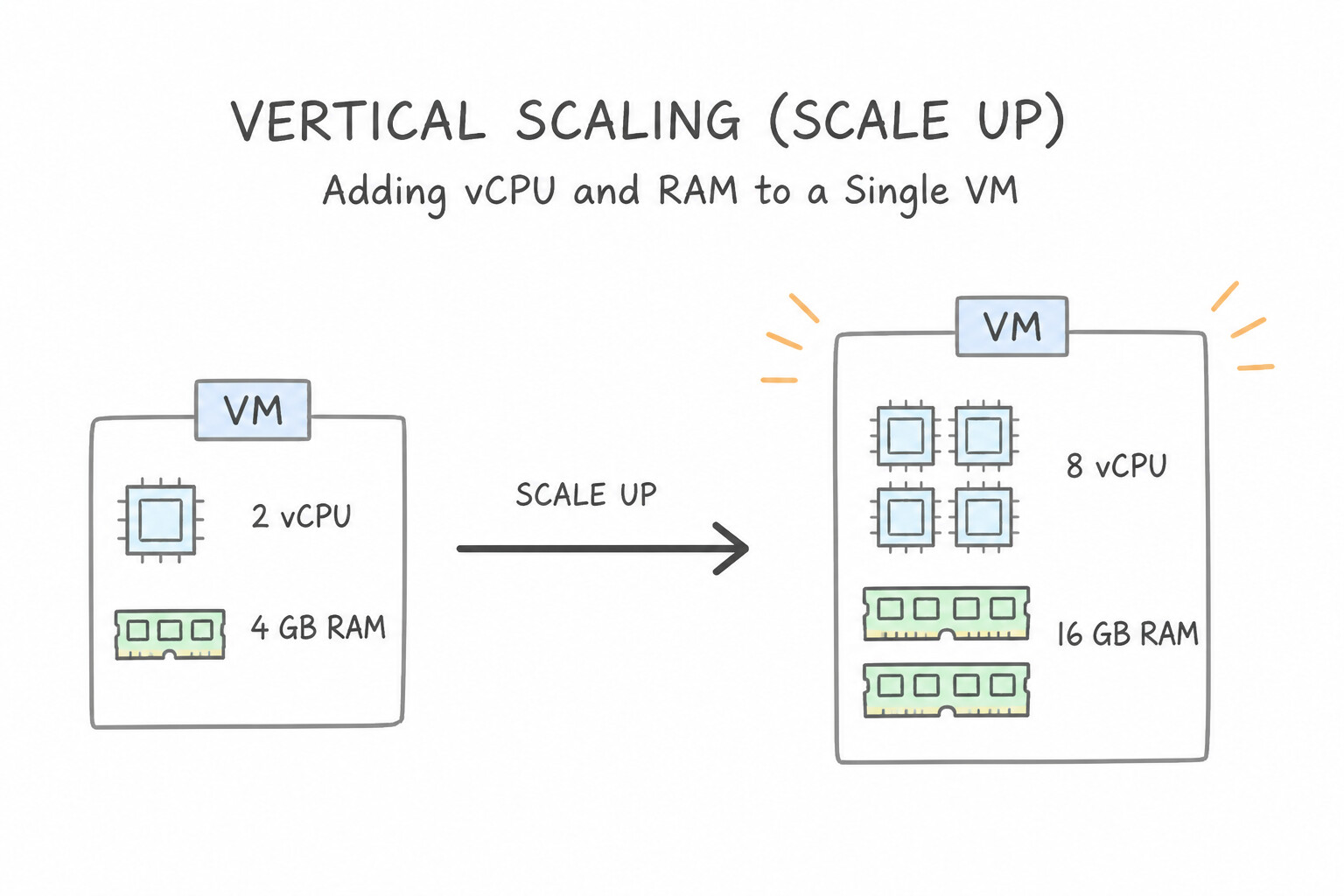
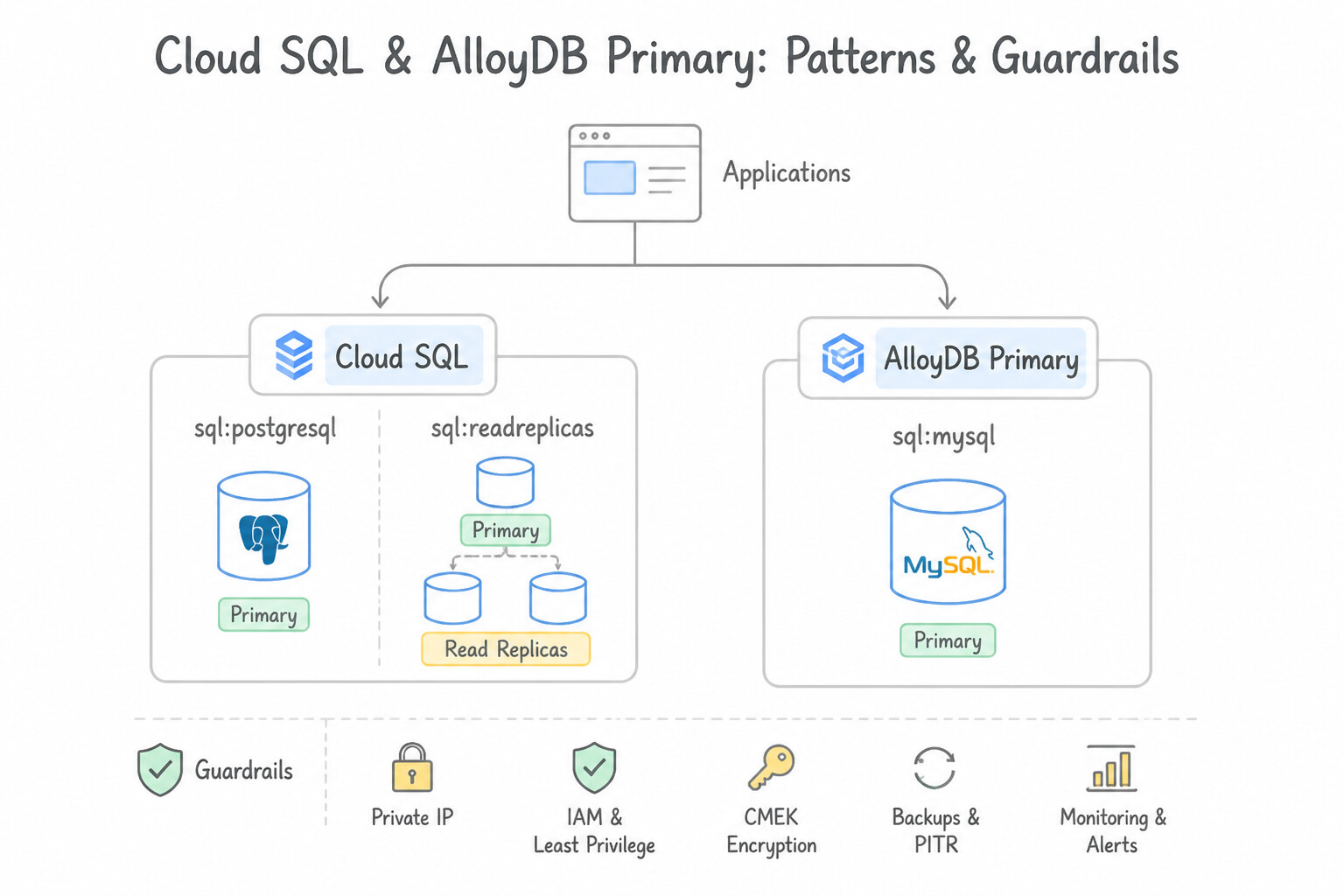
- Consideration 2.4a: Assess scaling up and scaling out options (Diagrams:
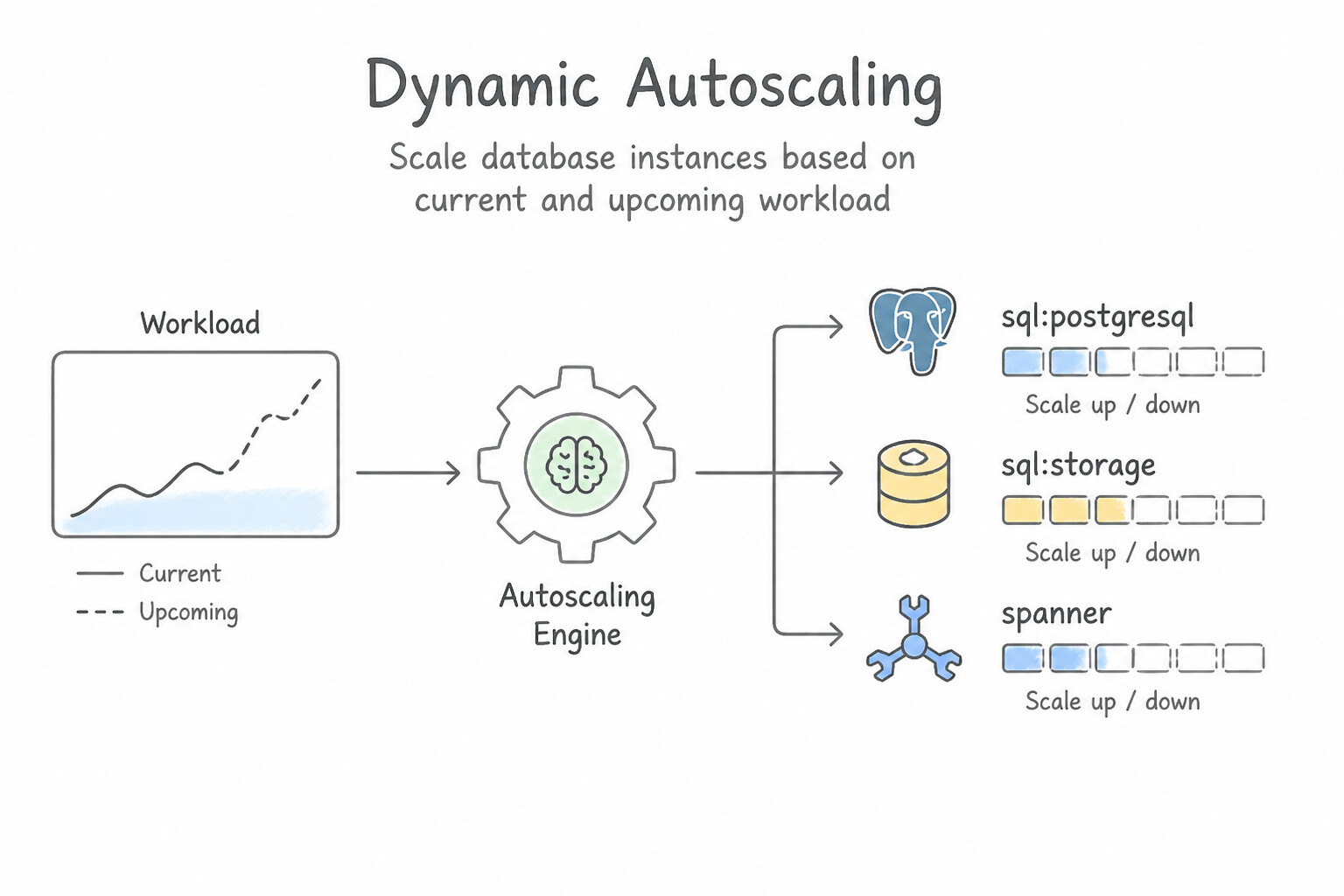
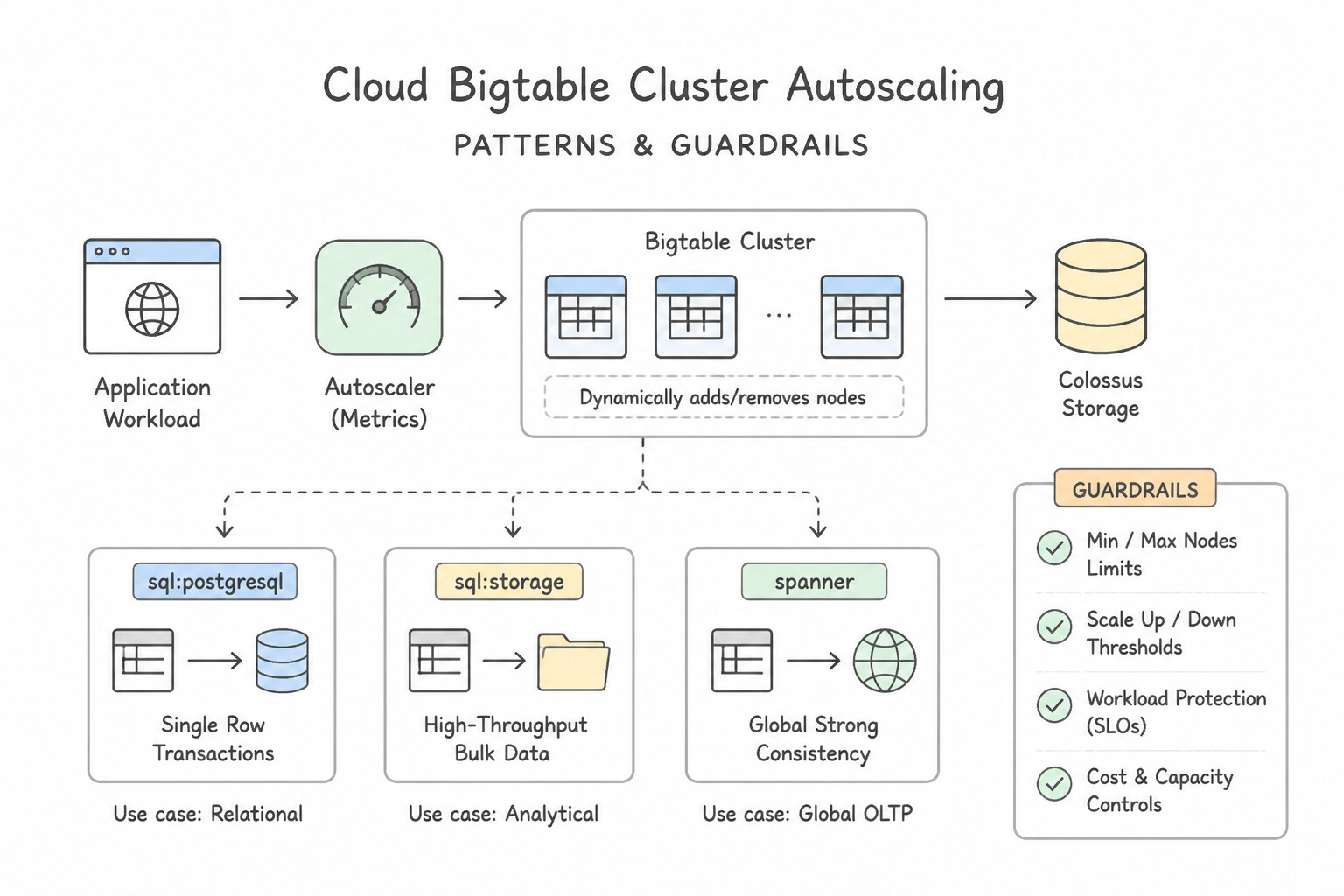
pdbe-2.4a-1-vertical-scaling-scale.jpg,pdbe-2.4a-2-sql-alloydb-primary-sql.jpg) - Consideration 2.4b: Scale database instances based on current and upcoming workload (Diagrams:
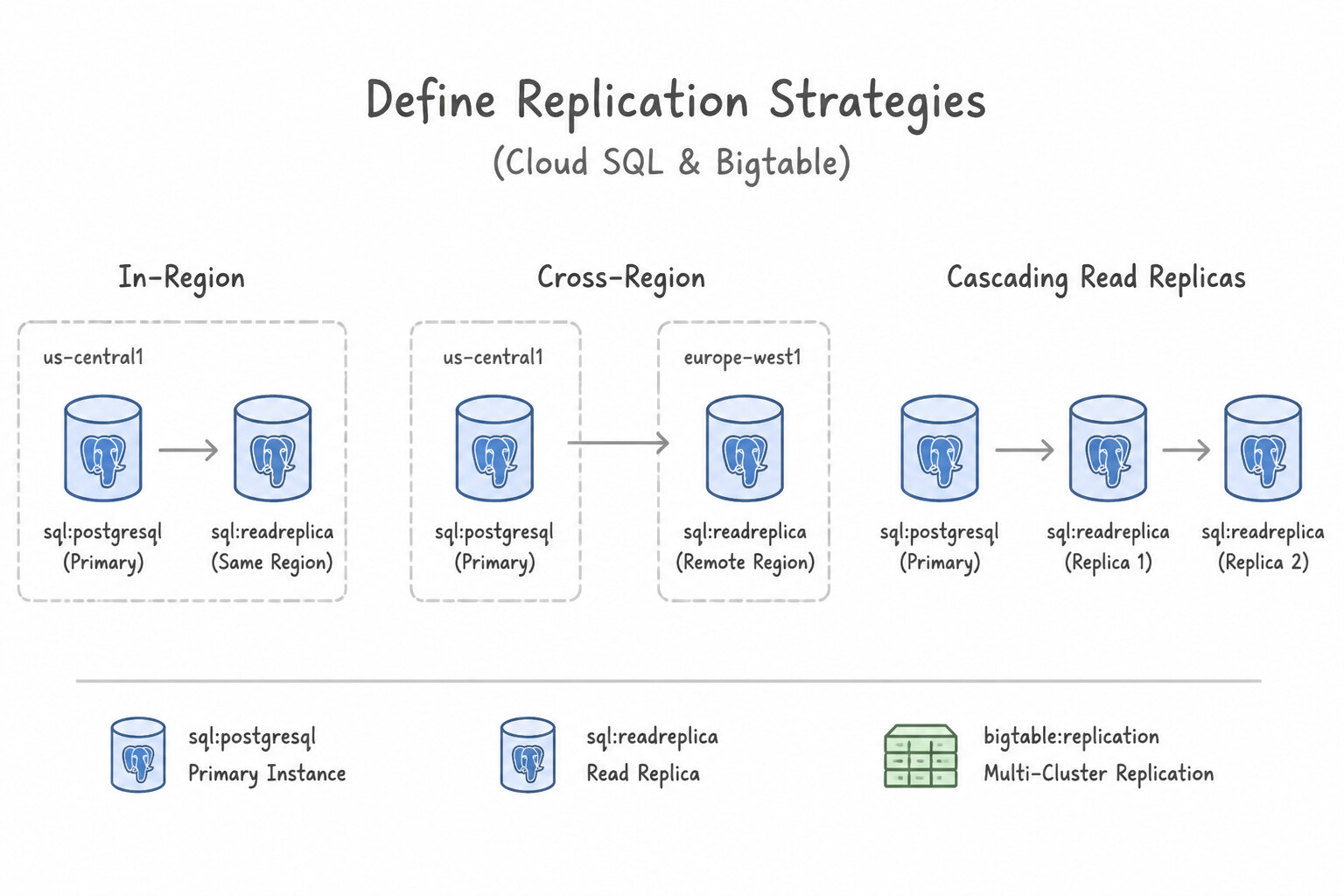
pdbe-2.4b-1-dynamic-autoscaling.jpg,pdbe-2.4b-2-bigtable-cluster.jpg) - Consideration 2.4c: Define replication strategies (Diagrams:
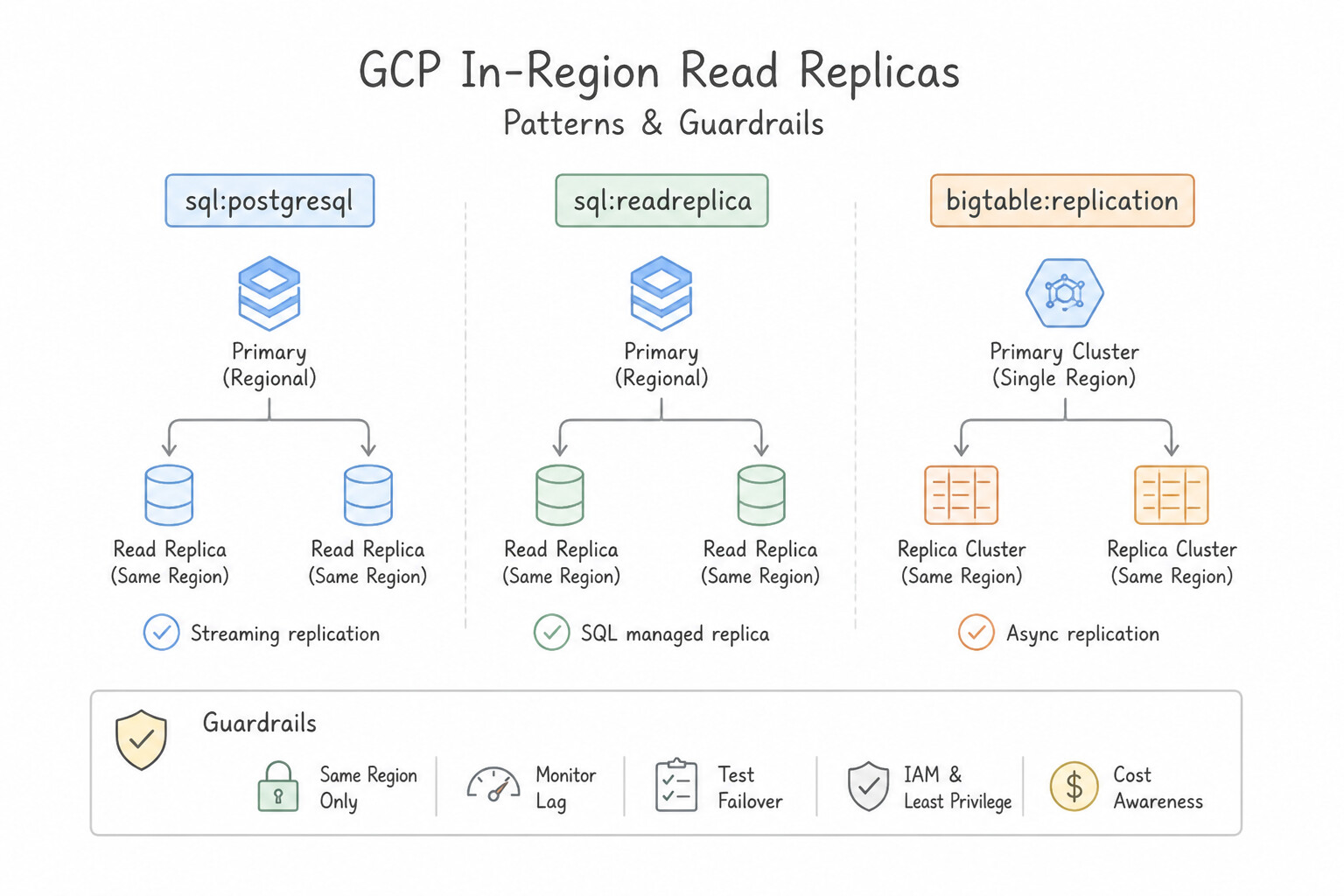
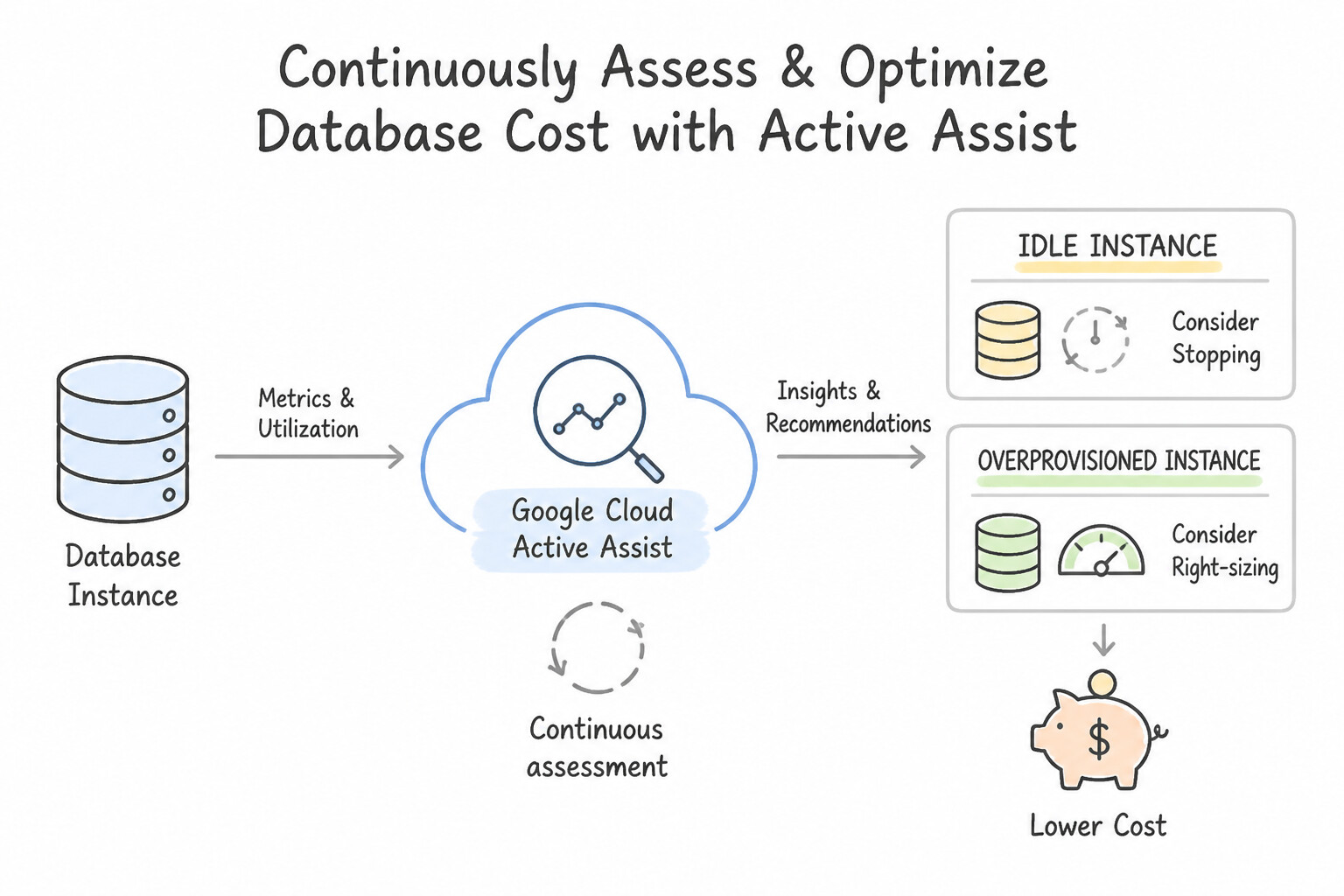
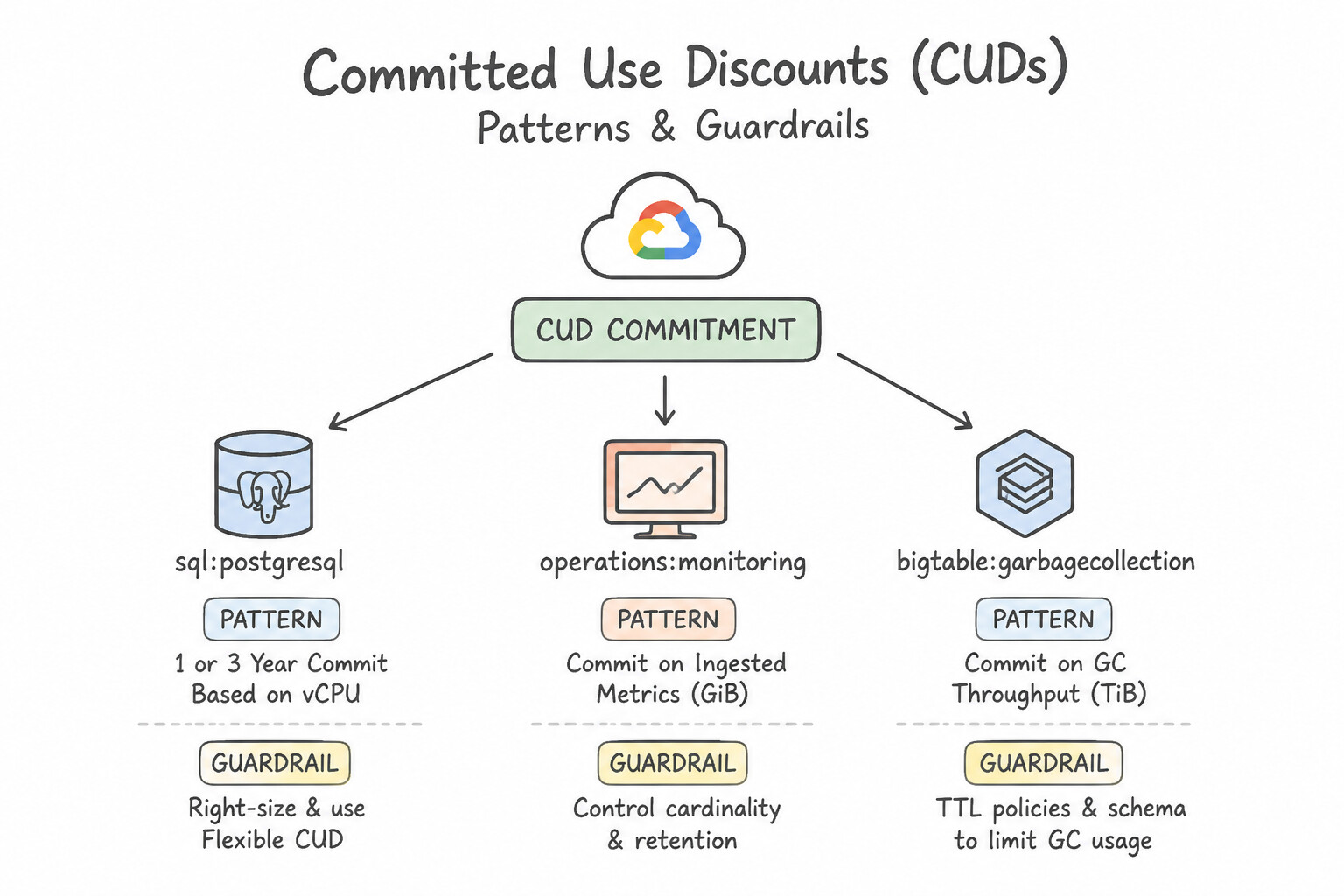
pdbe-2.4c-1-in-region-vs-cross.jpg,pdbe-2.4c-2-in-region-read-replicas.jpg) - Consideration 2.4d: Continuously assess and optimize the cost of running a database solution (Diagrams:
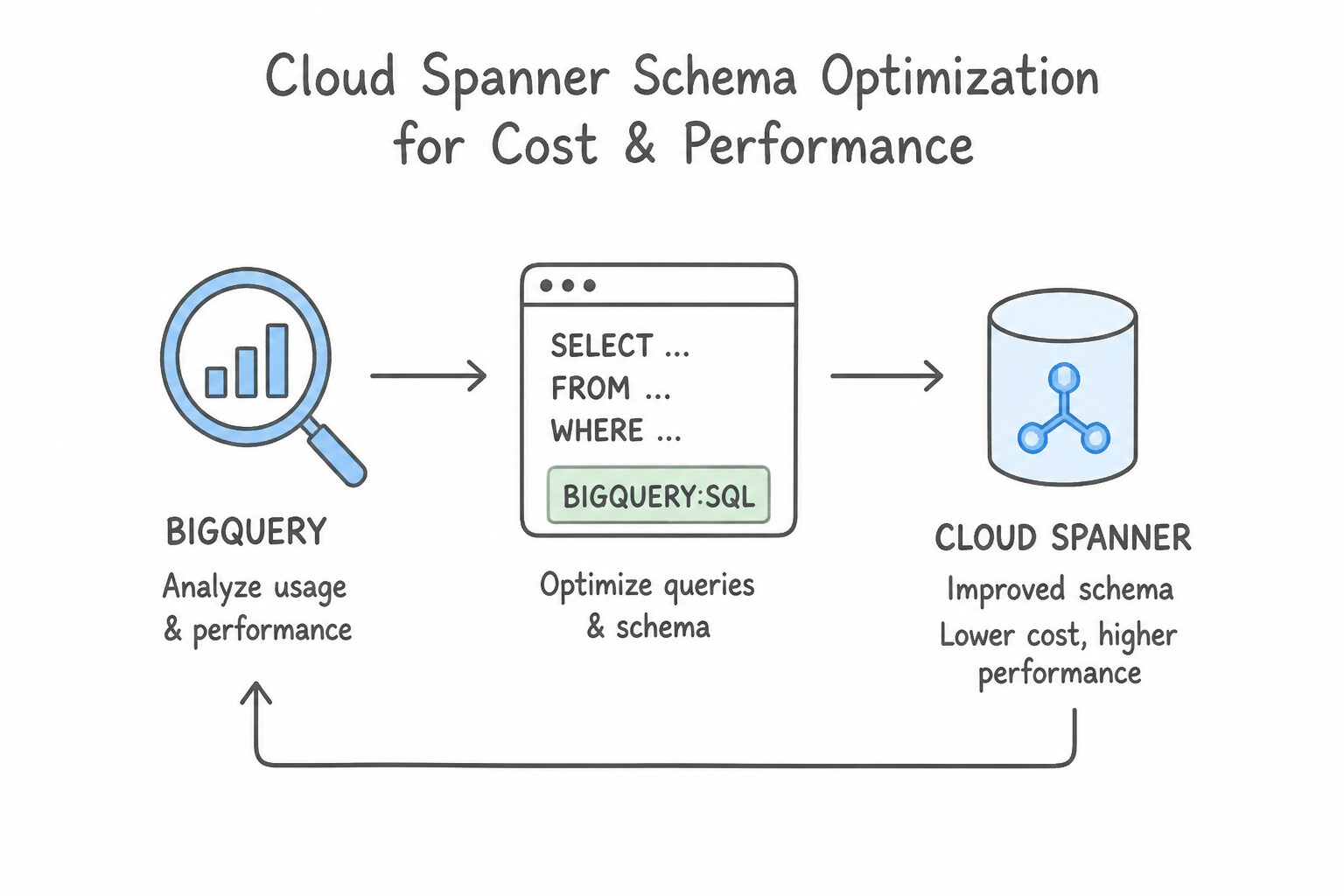
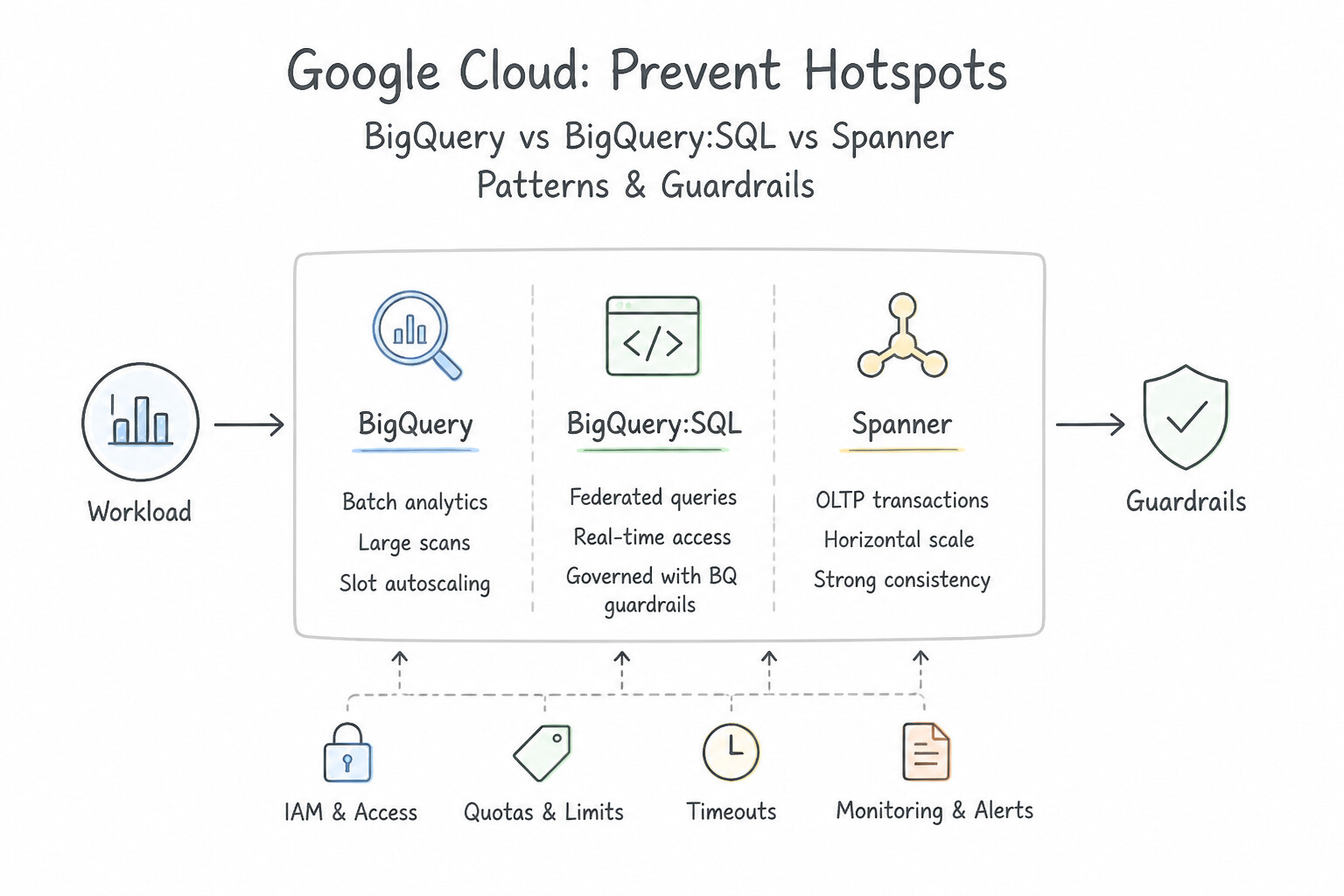
pdbe-2.4d-1-active-assist-idle.jpg,pdbe-2.4d-2-committed-use-discounts.jpg) - Consideration 2.4e: Optimize queries for cost and performance (Diagrams:
pdbe-2.4e-1-spanner-schema.jpg,pdbe-2.4e-2-prevent-hotspots.jpg) - Quick Decision Cheat Sheet (Subsection 2.4)
- Subsection 2.5: Automate common database tasks (Section 2: Manage a solution that can span multiple database technologies)
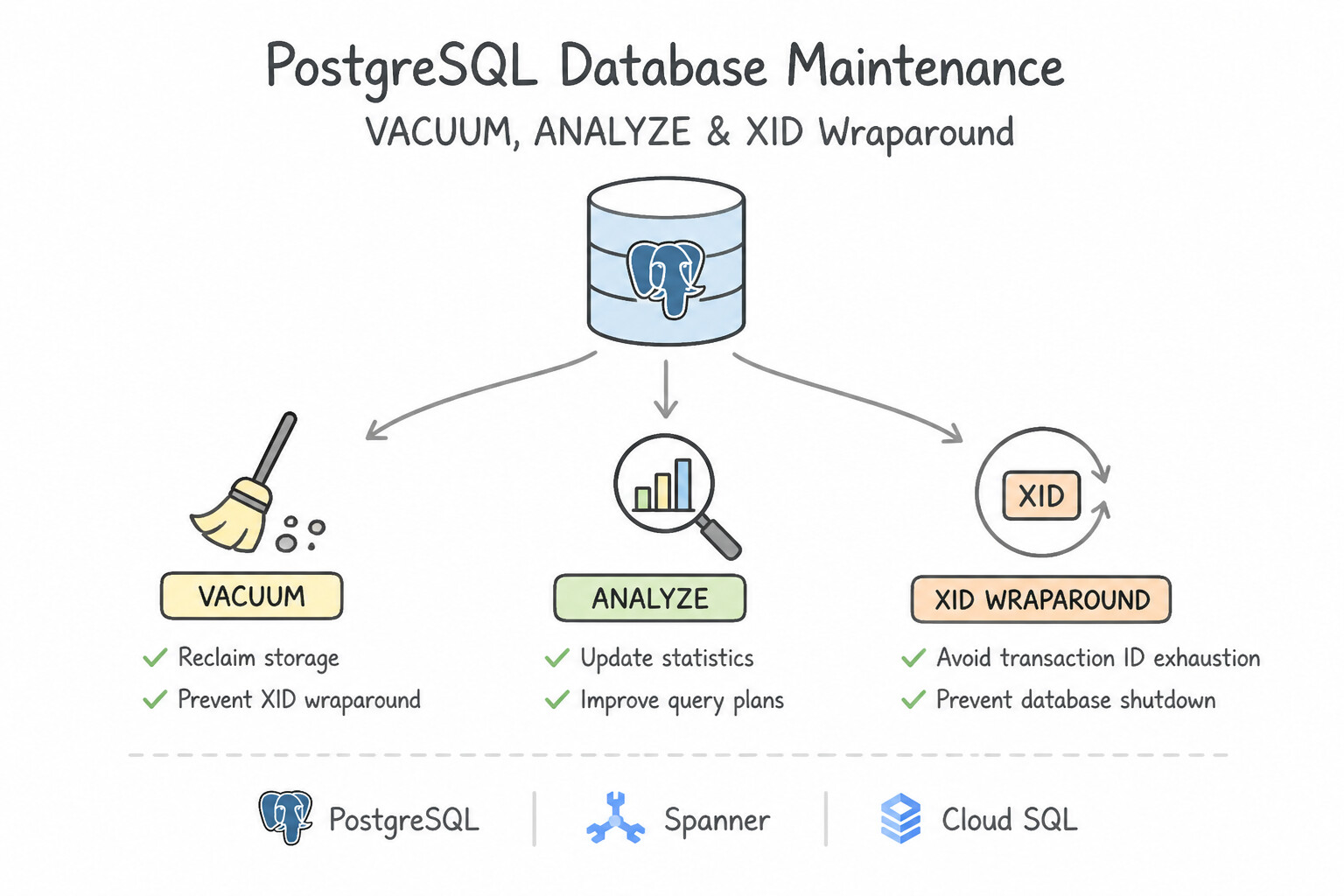
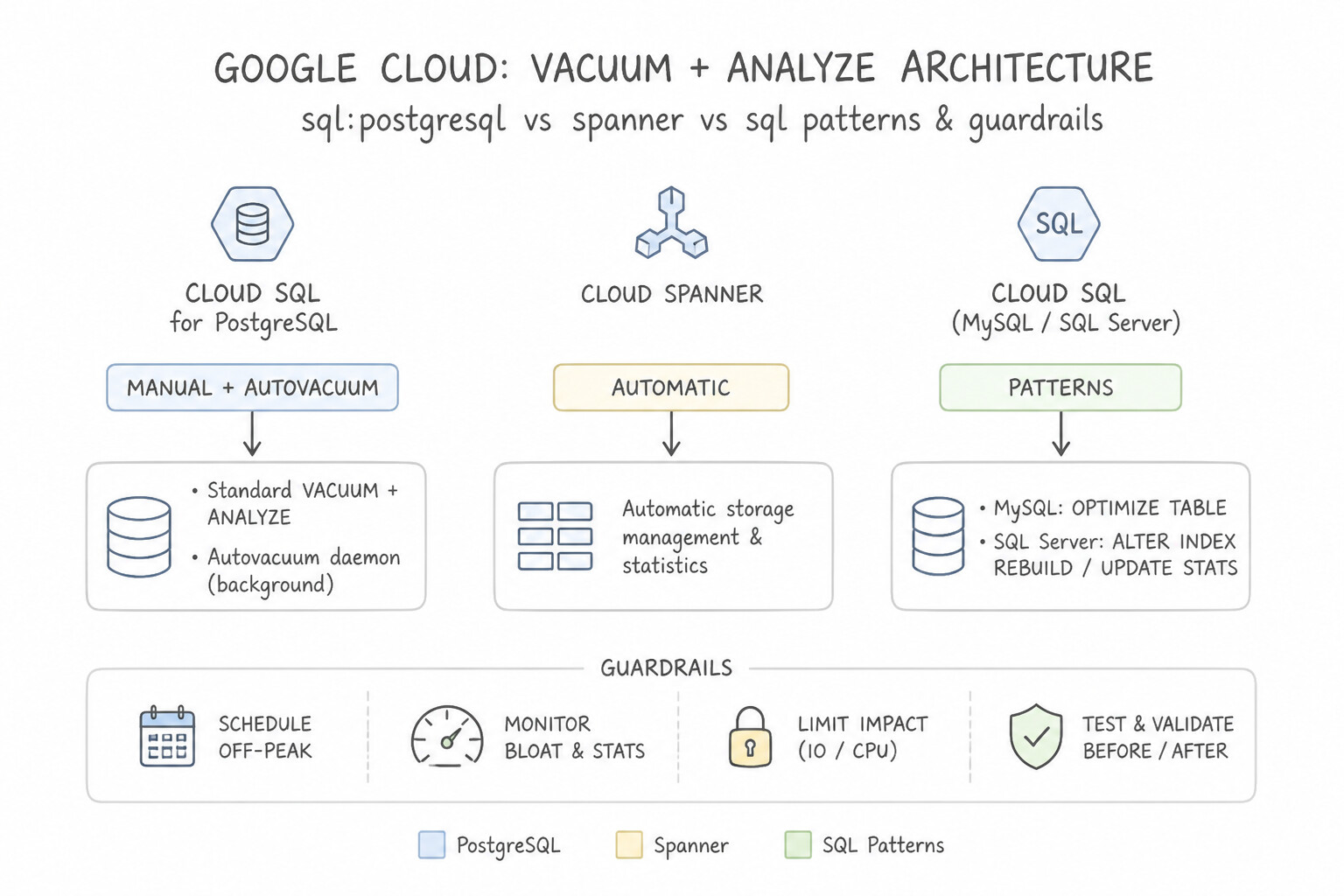
- Consideration 2.5a: Perform database maintenance (e.g., rebuilding indexes, data exports) (Diagrams:
pdbe-2.5a-1-postgresql-vacuum.jpg,pdbe-2.5a-2-standard-vacuum-analyze.jpg) - Consideration 2.5b: Schedule database exports (Diagrams:
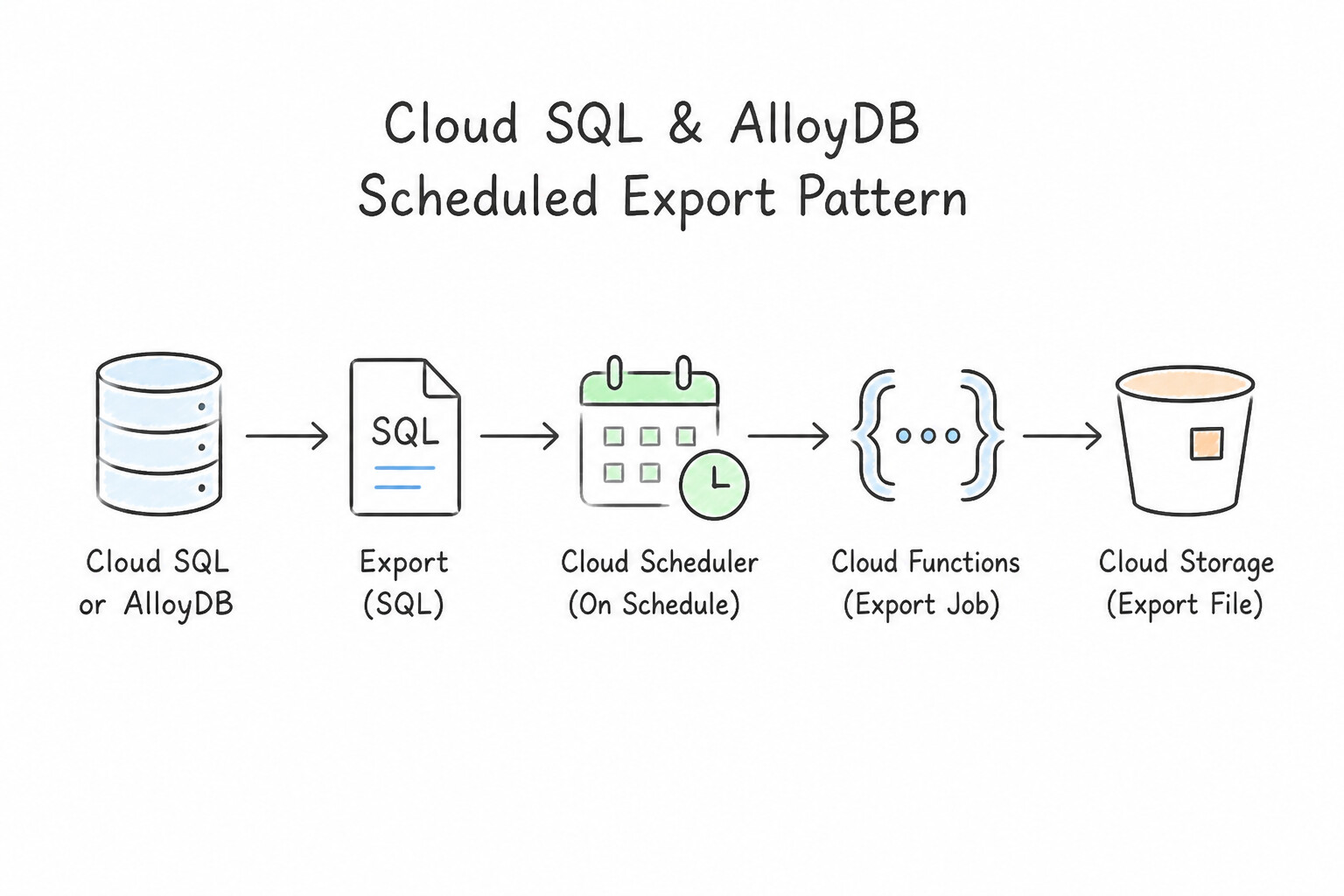
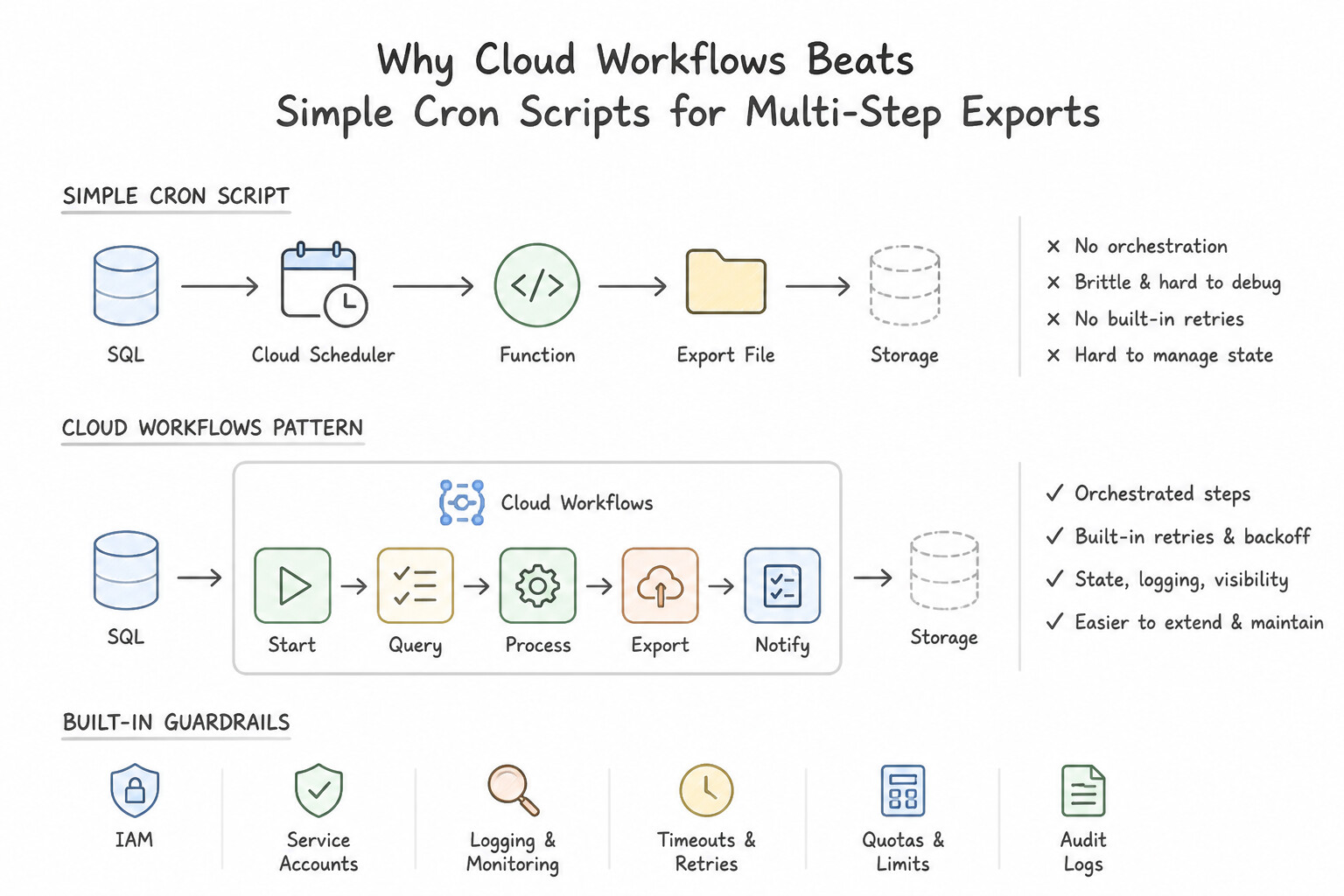
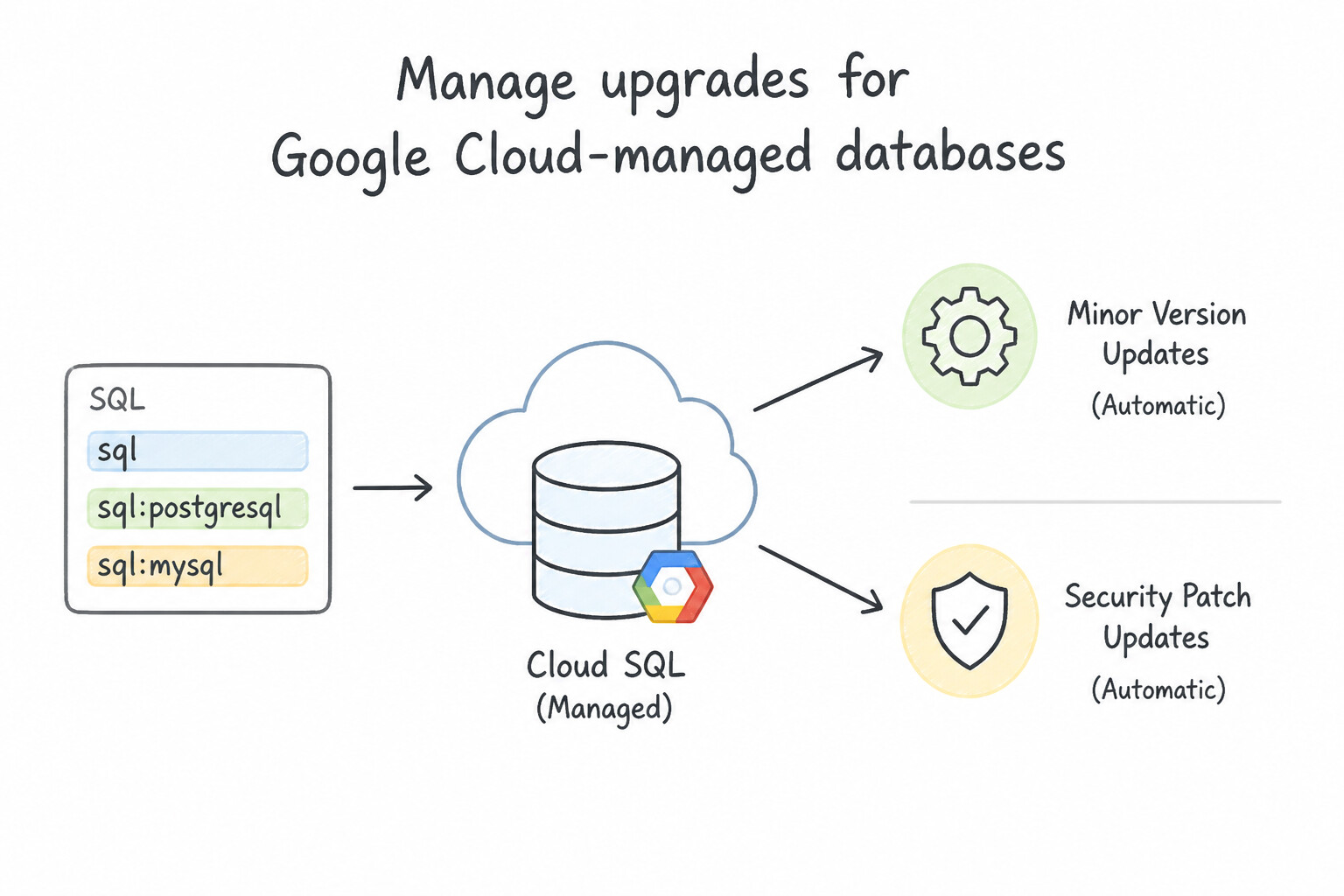
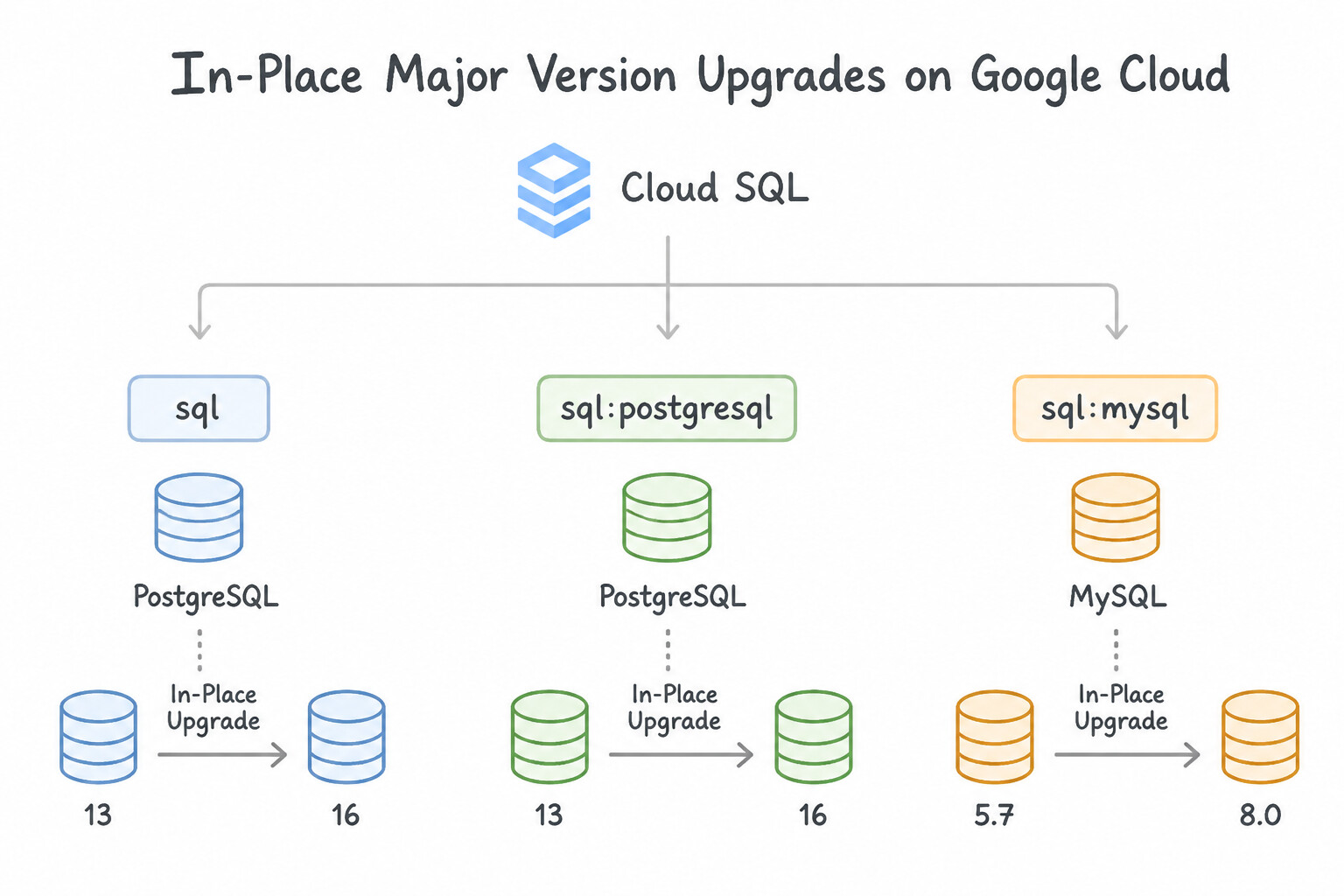
pdbe-2.5b-1-canonical-sql-alloydb.jpg,pdbe-2.5b-2-workflows-beats-simple.jpg) - Consideration 2.5c: Manage upgrades for Google Cloud-managed databases (Diagrams:
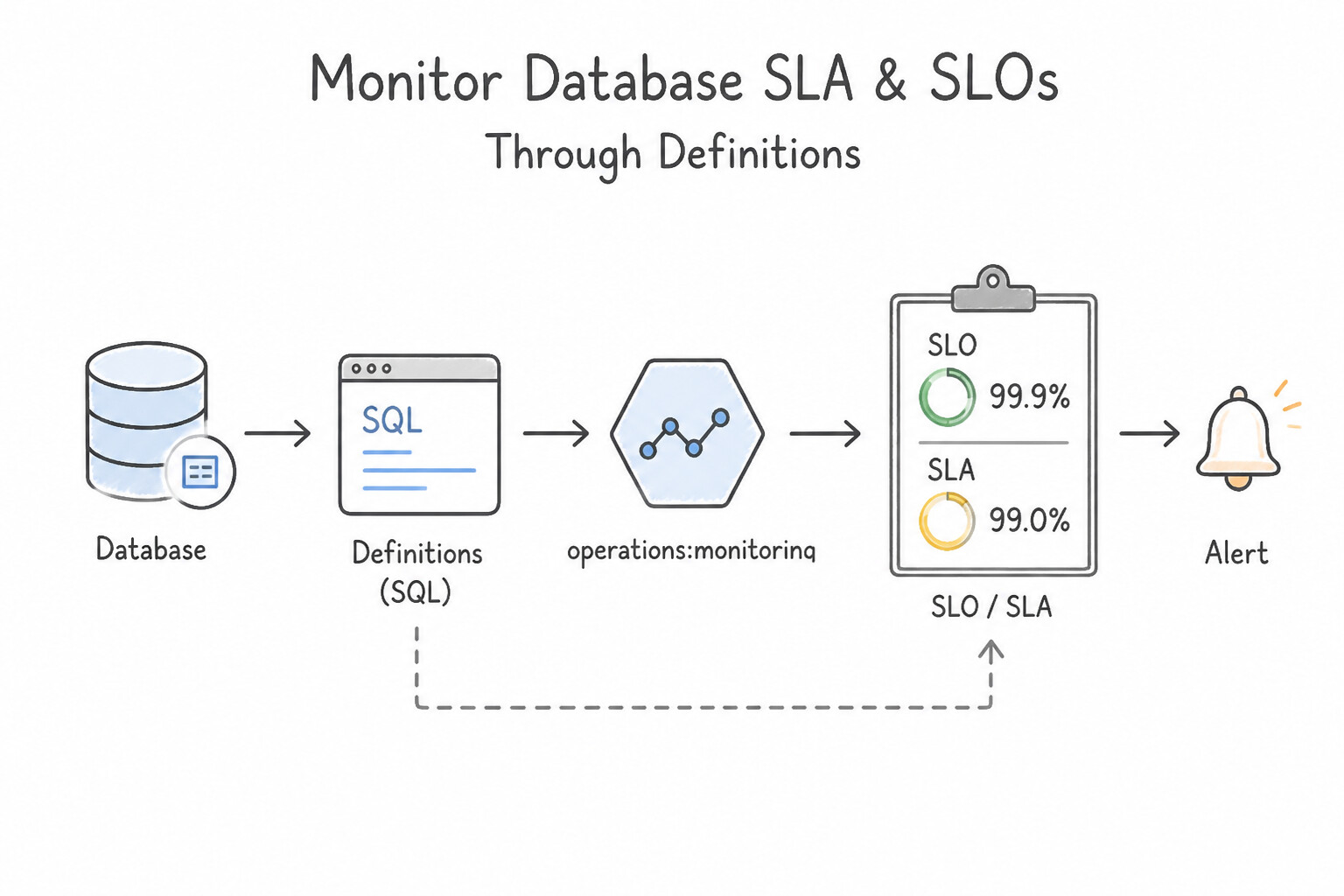
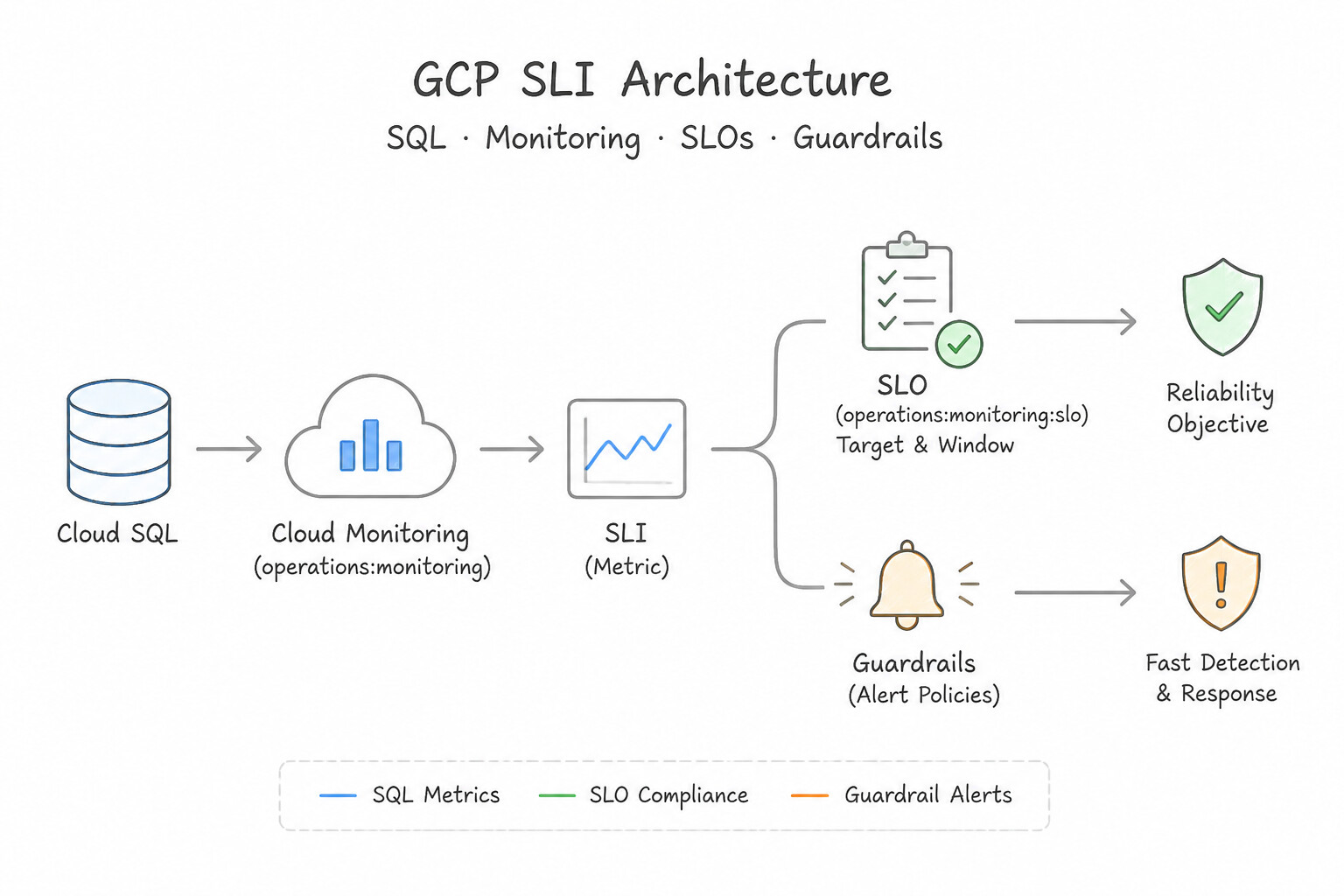
pdbe-2.5c-1-minor-version-security.jpg,pdbe-2.5c-2-in-place-major-version.jpg) - Consideration 2.5d: Monitor database SLA/SLOs (Diagrams:
pdbe-2.5d-1-definitions-monitor.jpg,pdbe-2.5d-2-sli-service-level.jpg) - Quick Decision Cheat Sheet (Subsection 2.5)
Chapter 5: Zero-Downtime Database Migrations & Heterogeneous CDC Replication (DMS & Datastream)
- Subsection 3.1: Design and implement data migration and replication (Section 3: Migrate data solutions)
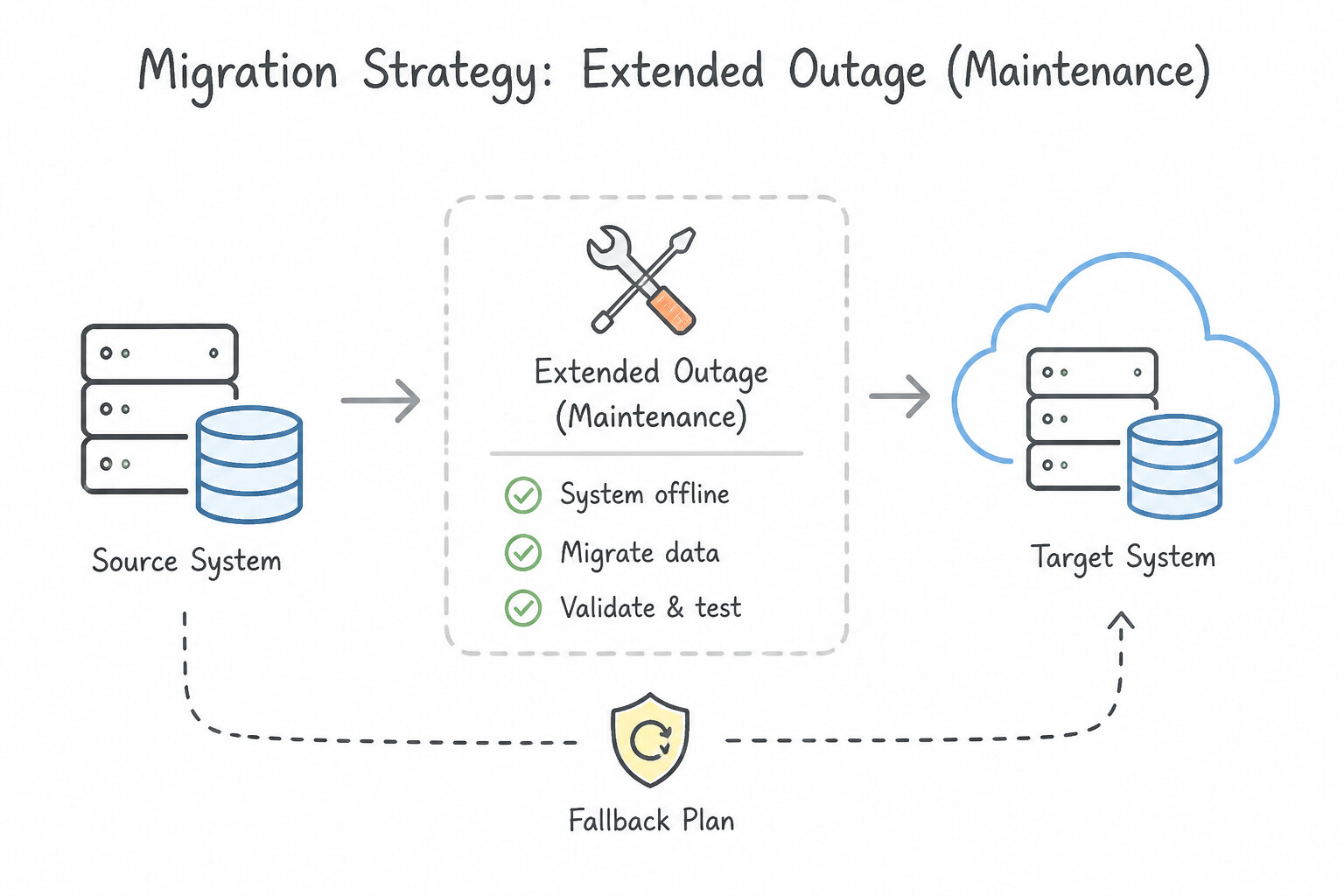
- Consideration 3.1a: Develop and execute migration strategies and plans, including zero/near-zero downtime, extended outage, and fallback (Diagrams:
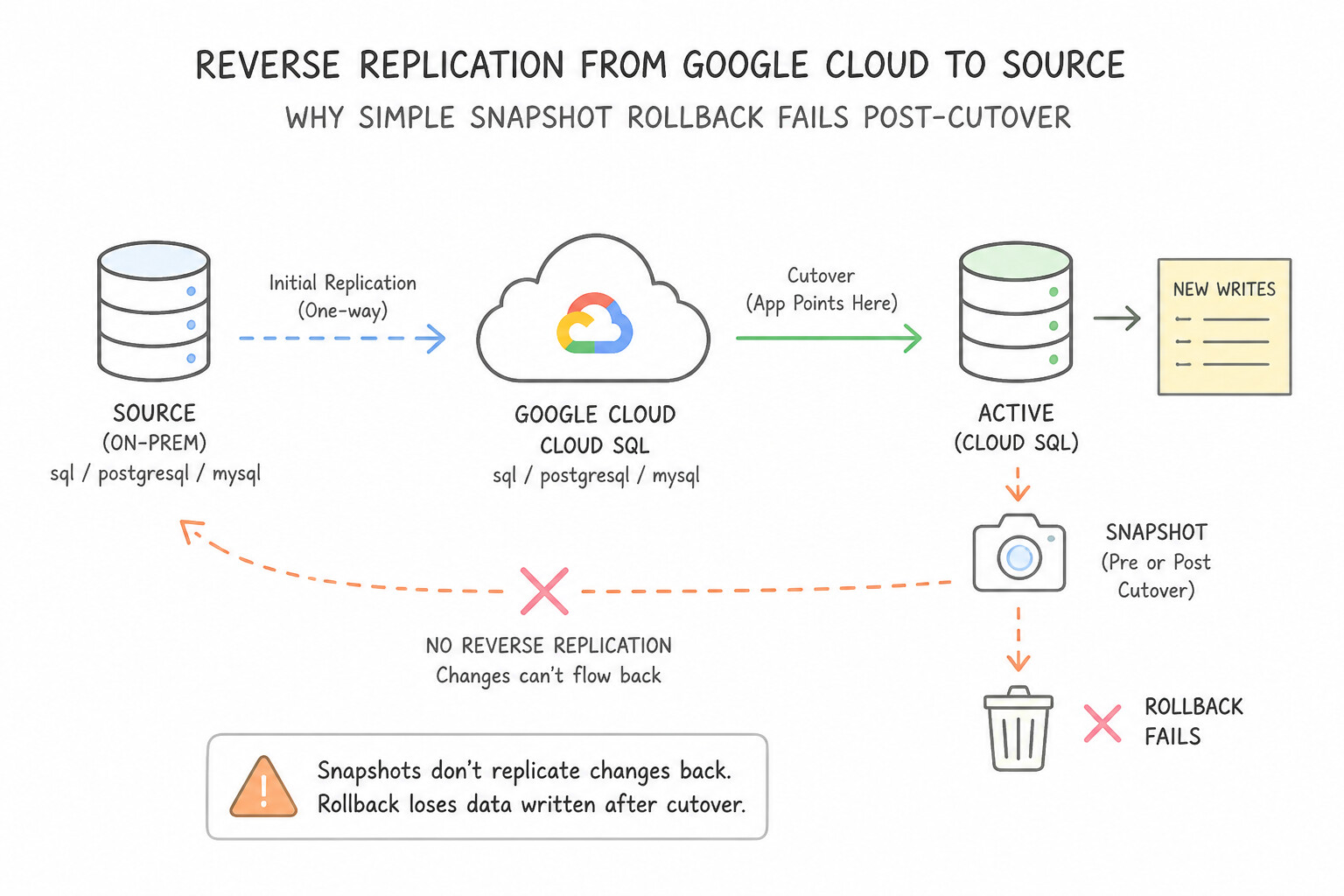
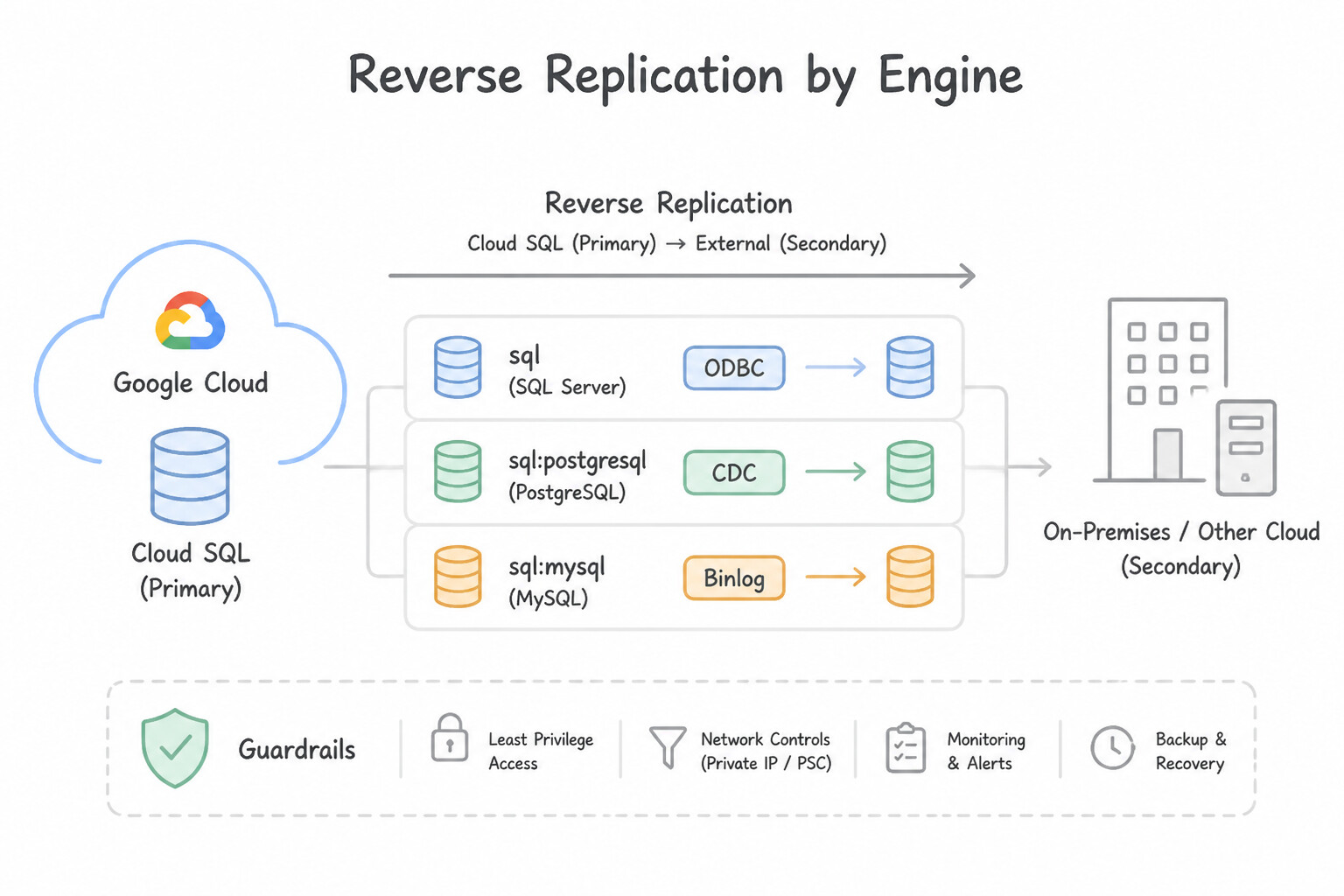
pdbe-3.1a-1-extended-outage.jpg,pdbe-3.1a-2-near-zero-downtime.jpg) - Consideration 3.1b: Reverse replication from Google Cloud to source (Diagrams:
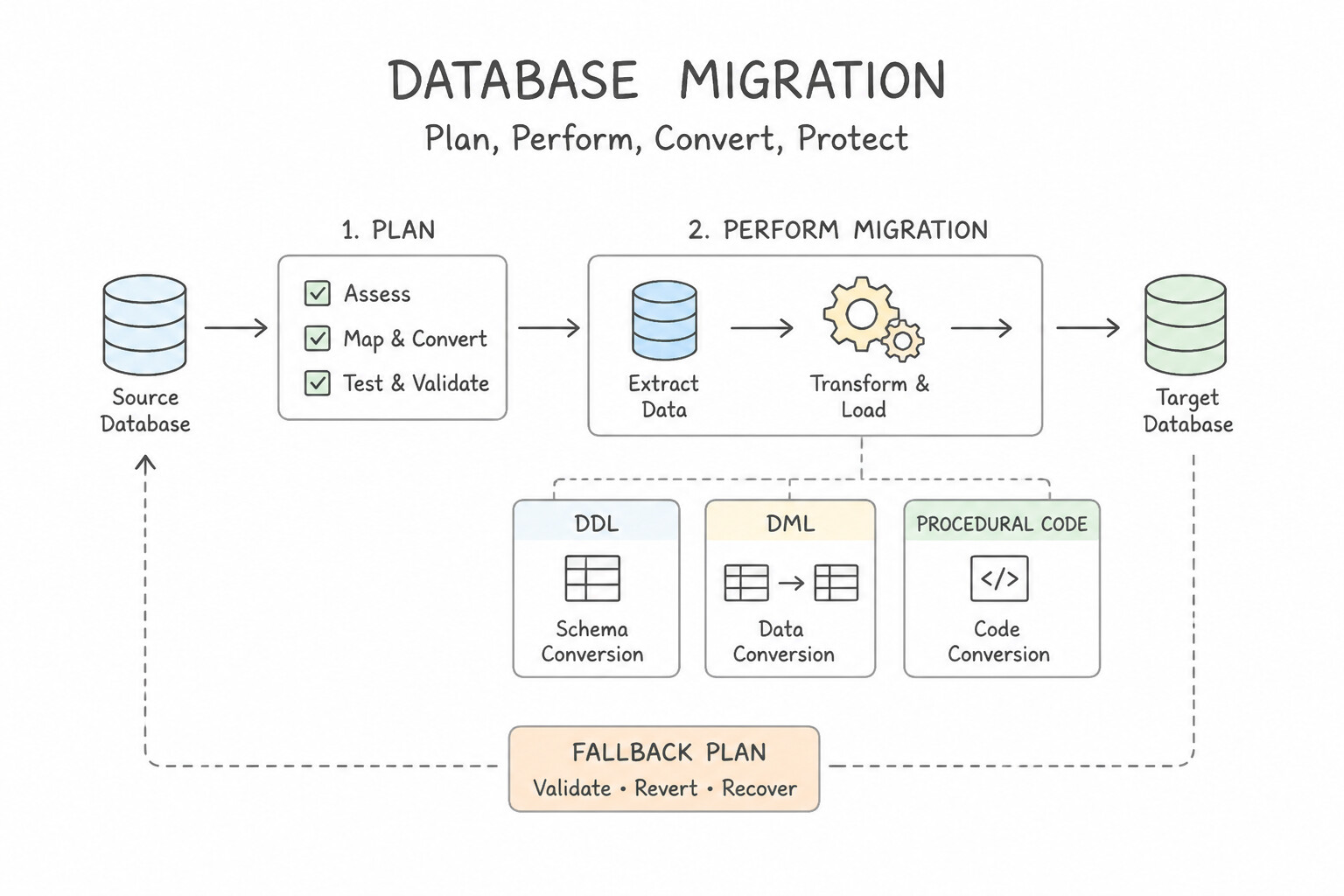
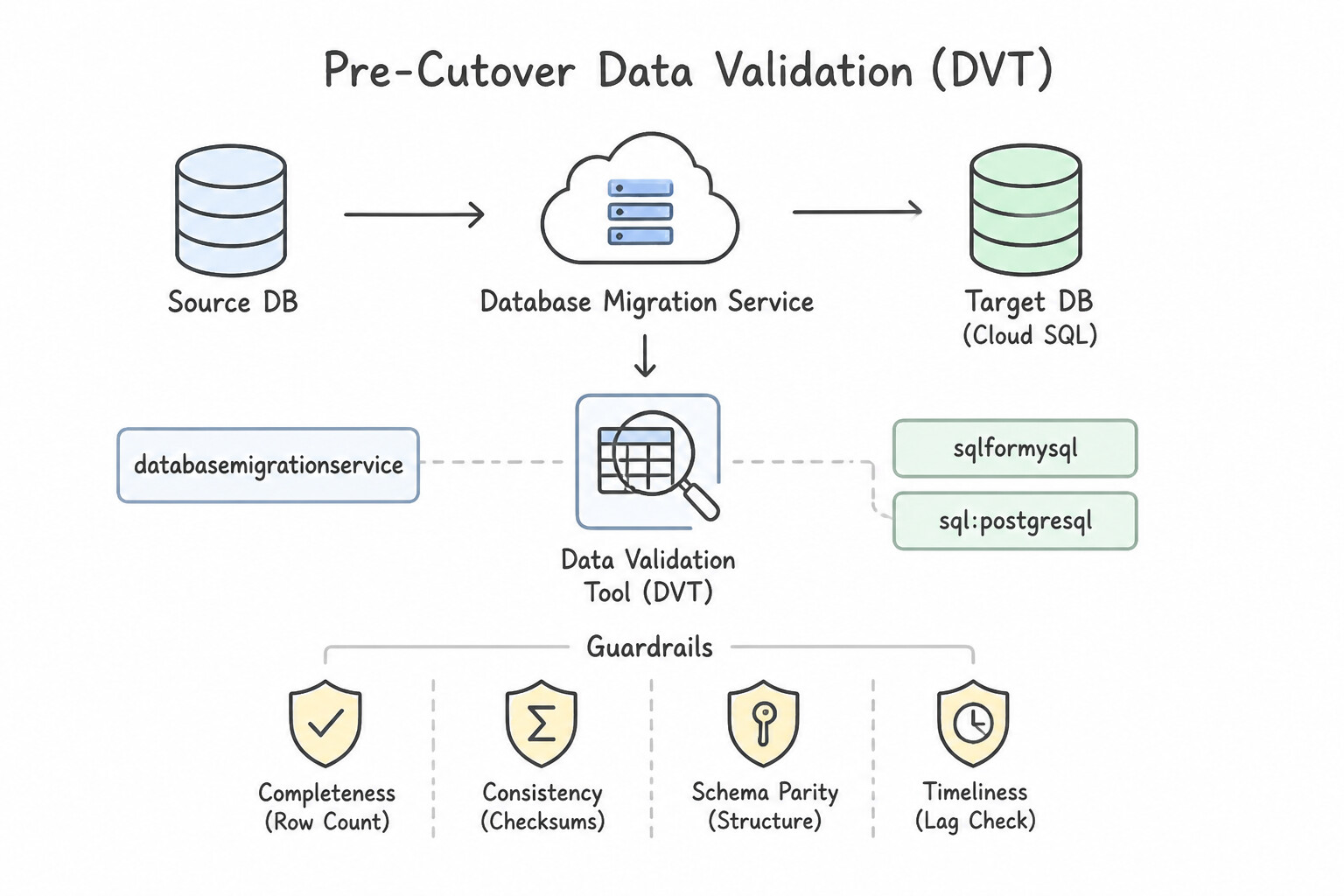
pdbe-3.1b-1-simple-snapshot-rollback.jpg,pdbe-3.1b-2-to-implement-reverse.jpg) - Consideration 3.1c: Plan and perform database migration, including fallback plans and DDL/DML conversion (Diagrams:
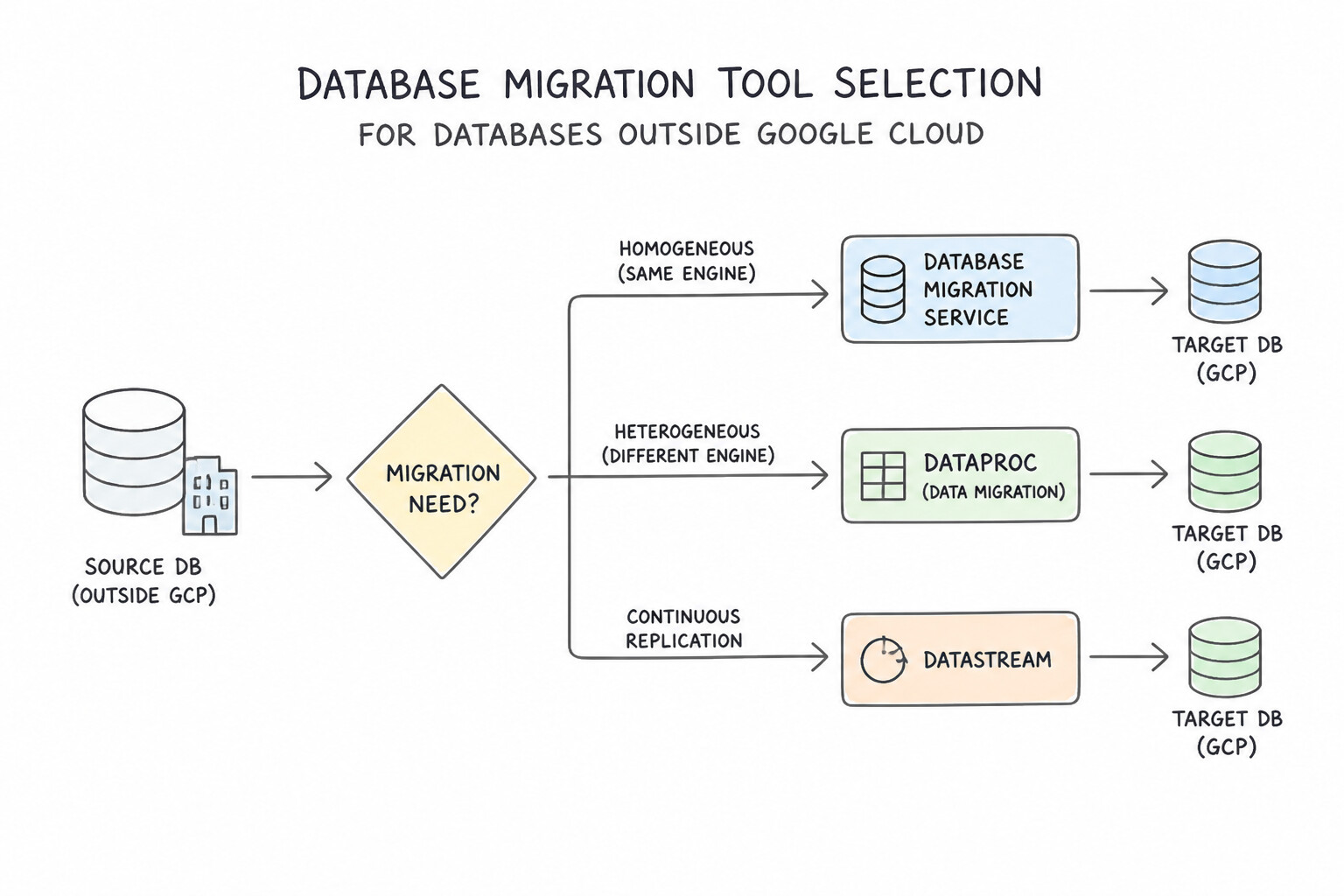
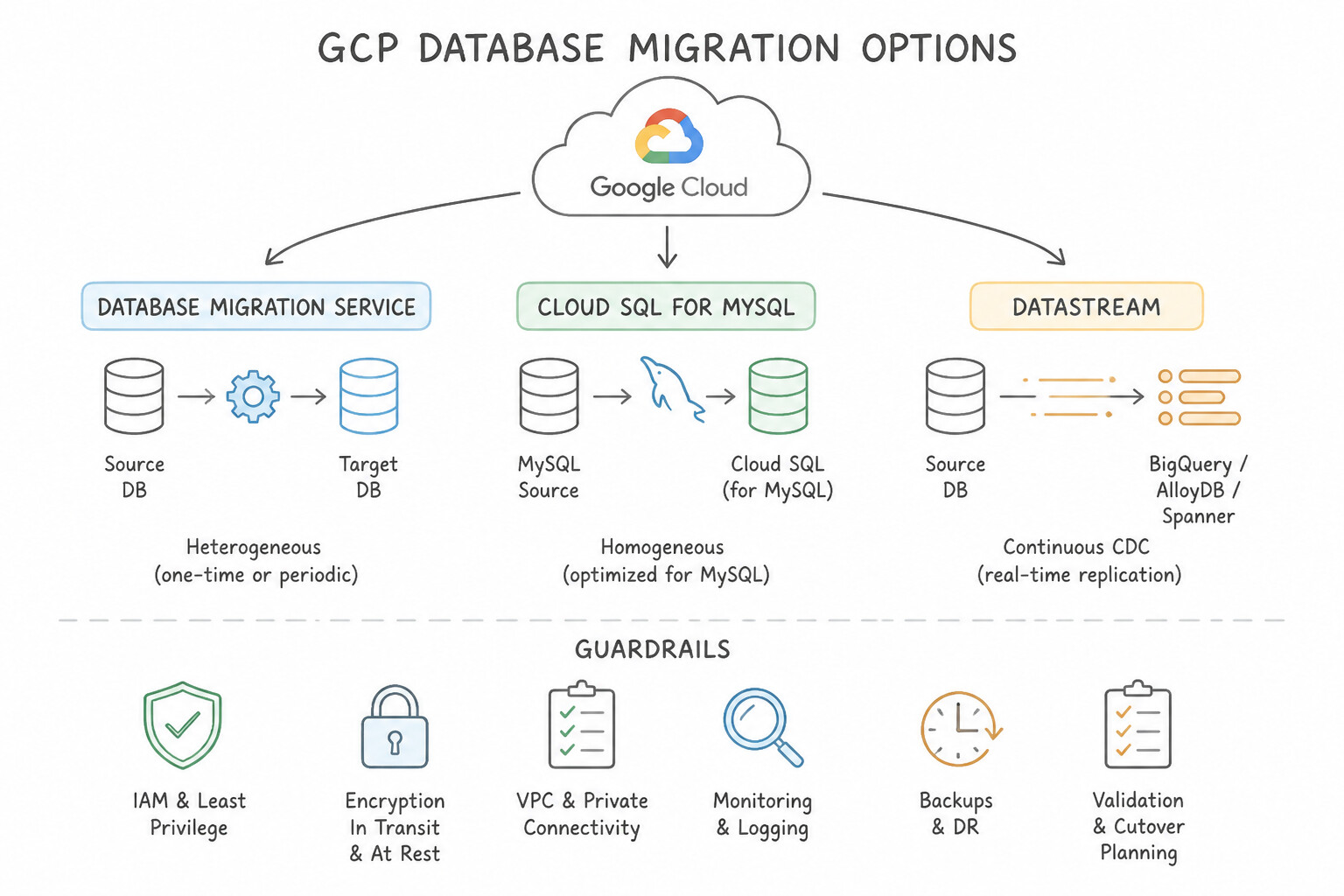
pdbe-3.1c-1-ddl-dml-procedural-code.jpg,pdbe-3.1c-2-pre-cutover-data.jpg) - Consideration 3.1d: Determine the correct database migration tools for a given scenario (e.g., databases hosted outside of Google Cloud) (Diagrams:
pdbe-3.1d-1-tool-selection-matrix.jpg,pdbe-3.1d-2-database-migration.jpg) - Quick Decision Cheat Sheet (Subsection 3.1)
Chapter 6: Master Look-Alike Tool Comparison & Decision Playbook
- 6.1 The Master Look-Alike Tool Comparison Matrix
- 6.2 The 5-Step Architecture Decision Checklist
- 6.3 Top 25 Golden Rules for Final Review
Generating the Custom Illustrations (pdbe-image-prompts.json)
All 92 custom image prompts and output filenames for this book are stored in pdbe-image-prompts.json (and mirrored in openai-image-gen/out/9012-openai-prompts-pdbe-book.json). To generate the illustrations using openai-image-gen/images-from-prompts.py, run:
cd openai-image-gen
uv run images-from-prompts.py -file ../books/pdbe-architecture-takeaways/pdbe-image-prompts.json -simple -quality medium
AwesomeGCP.com Learning
The approach taken is a question-led learning approach: you explore realistic project scenarios where you need to make decisions or take actions to achieve business goals within specific constraints. Instead of passive learning, you are challenged to think and work through the options to master the Professional Cloud Database Engineer (PDBE) certification!